
Copper vs PEX Piping Options for Restoring Historic Arden Park Mansions
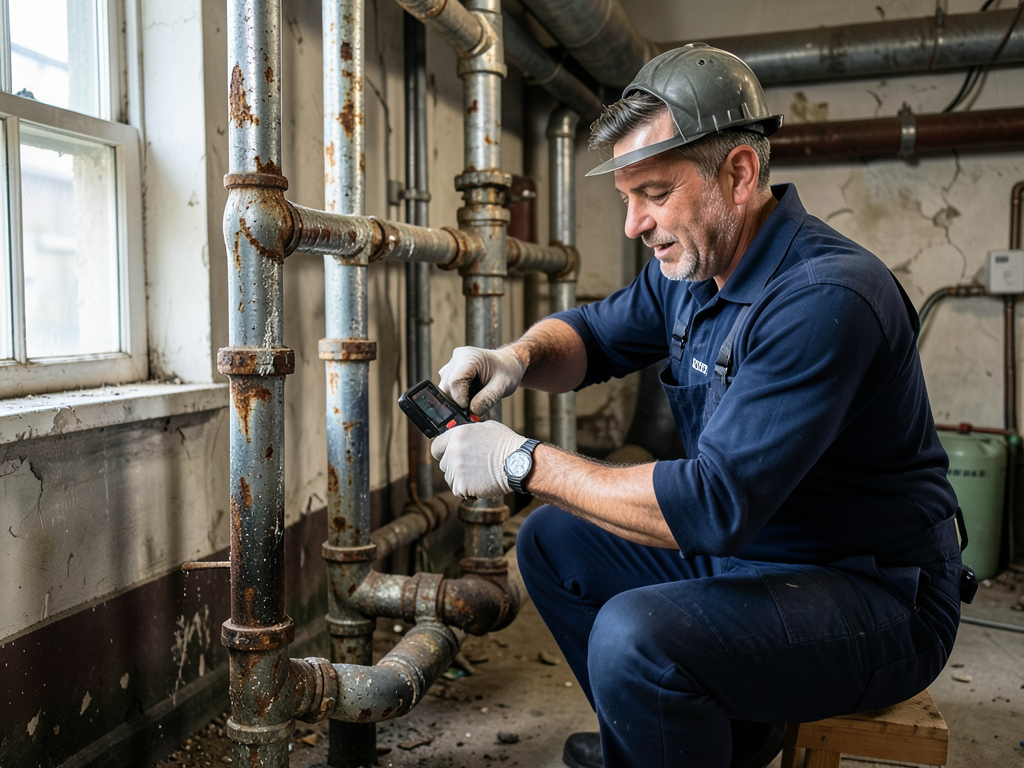
Restoring the plumbing in your historic Arden Park mansion requires balancing authenticity with modern reliability. Detroit’s historic mansions built in the 1920s feature aging galvanized steel pipes that corrode from the inside out leaving homeowners with low water pressure discolored water and the constant threat of catastrophic leaks. The choice between copper and PEX piping affects not just the longevity of your plumbing system but also the preservation of your home’s architectural integrity and its long-term value. Plumbing Dearborn.
Copper piping offers the traditional look that purists demand while PEX provides modern flexibility that can navigate the tight spaces behind plaster walls without demolition. Both materials meet Michigan Residential Code requirements but perform differently in Detroit’s harsh freeze-thaw climate and the city’s specific water chemistry from the Great Lakes source. Understanding these differences helps you make an informed decision that protects your investment for decades to come.. Read more about What Detroit Residents Need to Know About Replacing Lead Service Lines on Their Property.
Understanding Your Arden Park Home’s Plumbing Needs
Arden Park’s historic mansions typically feature balloon-frame construction with plaster walls and lathe backing. This architectural style creates unique plumbing challenges. The original galvanized steel pipes installed nearly a century ago have reached the end of their service life. You will find these pipes corroded internally causing reduced flow and potential contamination.
Detroit’s water from the Great Lakes system contains moderate hardness levels around 8-12 grains per gallon. This mineral content affects copper more than PEX creating scale buildup over decades. The city’s freeze-thaw cycles with temperatures dropping below zero in winter put additional stress on plumbing materials especially in uninsulated crawl spaces common in older homes.
Arden Park’s proximity to the Detroit River means many homes sit on clay soil with poor drainage. This creates hydrostatic pressure against basement walls where plumbing often runs. The soil movement can stress rigid copper pipes while PEX’s flexibility absorbs some of this movement. The Best Drain Cleaning Services for Older Houses in Grosse Pointe.
Copper Piping: The Traditional Choice
Copper piping has served as the gold standard for residential plumbing for over a century. Type L copper with its thicker walls offers superior durability for whole-home repiping projects. The material develops a protective patina over time that prevents further corrosion once the initial oxidation layer forms.
Copper’s antimicrobial properties make it ideal for potable water systems. The material naturally inhibits bacterial growth including E. coli and Legionella providing an additional safety layer for your family’s drinking water. This characteristic proves especially valuable in Detroit’s older homes where water sits in pipes for extended periods.
The material handles Detroit’s water chemistry well when properly installed. Type L copper rated at 200 psi withstands the city’s typical water pressure of 40-80 psi with ease. The tubing resists chlorine degradation common in municipal water systems though extreme pH levels can cause pinhole leaks over decades.
Installation requires soldering skills and creates noise when water flows through the rigid pipes. The material conducts temperature changes rapidly meaning hot water reaches fixtures faster but also loses heat more quickly through uninsulated runs. Copper’s rigidity means every bend requires a fitting increasing potential leak points.
PEX Piping: Modern Innovation
Cross-linked polyethylene piping offers flexibility that revolutionizes whole-home repiping in historic homes. PEX-a manufactured through the Engel process creates the most flexible tubing with the highest cross-link density. This material expands slightly when water freezes preventing the catastrophic bursts common with rigid pipes.
The tubing resists Detroit’s freeze-thaw cycles better than copper. When temperatures drop below freezing PEX can expand up to 10% without rupturing. This freeze resistance proves crucial for Arden Park homes with uninsulated plumbing in crawl spaces or exterior walls where temperatures fluctuate dramatically.
PEX installation requires fewer fittings since the tubing bends around obstacles. A single continuous run can replace what would require multiple soldered connections with copper. This reduction in connection points decreases potential leak locations by up to 30% in a typical whole-home repipe.
The material resists scale buildup from Detroit’s moderately hard water. Unlike copper PEX does not pit or corrode from mineral deposits. The smooth interior surface maintains consistent flow rates over decades though the material cannot handle exposure to direct sunlight or extreme heat above 200°F.
Side-by-Side Comparison
| Feature | Copper Type L | PEX-a |
|---|---|---|
| Expected Lifespan | 50-70 years | 30-40 years |
| Freeze Resistance | Low – bursts at freezing | High – expands without damage |
| Installation Time | 5-7 days typical | 3-4 days typical |
| Detroit Water Compatibility | Excellent with proper pH | Excellent – no corrosion |
| Historic Home Impact | Requires more demolition | Minimal wall damage |
| Cost per Linear Foot | $3.50 – $4.50 | $1.50 – $2.50 |
Michigan Code Compliance and Local Requirements
Michigan Residential Code Section P2603 mandates specific requirements for both copper and PEX installations. Copper tubing must meet ASTM B88 standards while PEX requires ASTM F876 or F877 certification. Both materials need pressure testing to 150% of operating pressure before covering. ASTM material standards.
Detroit’s municipal code adds requirements for homes in historic districts. Arden Park falls under the Historic District Commission guidelines which may require copper for visible plumbing runs to maintain historical accuracy. The commission reviews exterior modifications including any plumbing visible from public rights-of-way.
Water hammer arrestors become mandatory for homes with quick-closing valves under Michigan code. Both materials require these devices but copper’s rigidity makes water hammer more pronounced. PEX’s flexibility naturally dampens pressure surges reducing the need for additional arrestors in some applications.
Cross-linking requirements differ between PEX types. PEX-a offers the highest cross-link density at 70-85% providing superior chemical resistance and flexibility. PEX-b at 65-70% costs less but performs adequately for most residential applications in Detroit’s climate.
Detroit’s Specific Environmental Factors
Detroit’s Great Lakes water source contains chlorine levels between 1.0-1.5 ppm for disinfection. Copper resists this concentration well but requires pH between 6.5-8.5 to prevent corrosion. Detroit’s water typically falls within this range though seasonal variations occur.
Winter temperatures in Detroit frequently drop below zero causing soil freezing to depths of 42-48 inches. This freeze line affects shallow buried plumbing and crawl space installations. PEX’s freeze resistance provides significant advantage in these applications while copper requires deeper burial or insulation.
Detroit’s humidity levels averaging 70% year-round create condensation concerns on cold water lines. Copper conducts this moisture to surrounding materials potentially causing damage. PEX’s lower thermal conductivity reduces condensation formation though both materials benefit from insulation in humid conditions.. Read more about Stopping pipe condensation from dripping on your Warren basement floor.
The city’s combined sewer system in older neighborhoods means backup potential during heavy rains. This affects basement plumbing installations where PEX’s flexibility allows for slight movement without joint failure during minor seismic activity or soil settling.
Cost Analysis for Arden Park Restoration
Whole-home repiping costs vary significantly between materials. Copper installation for a typical Arden Park mansion ranges from $8,000-$12,000 depending on home size and accessibility. The higher material cost $3.50-$4.50 per linear foot combines with longer installation time 5-7 days increasing labor expenses.
PEX installation costs $5,000-$8,000 for comparable homes. Material costs $1.50-$2.50 per linear foot with faster installation 3-4 days reducing labor charges. The total project cost savings often offset PEX’s shorter lifespan for homeowners planning to stay 15-20 years.
Hidden costs affect both materials differently. Copper requires more demolition to fish rigid pipes through walls potentially adding $1,000-$2,000 for plaster repair. PEX’s flexibility reduces this expense but may require additional support brackets every 32 inches per code increasing material costs. EPA drinking water standards.
Water quality testing before repiping helps determine material selection. Homes with acidic water pH below 6.5 may experience accelerated copper corrosion requiring treatment systems. PEX handles any pH level without degradation making it more forgiving for uncertain water chemistry.
Making Your Decision
Your choice between copper and PEX depends on several factors specific to your Arden Park home. Original plaster walls and historic preservation requirements may mandate copper despite higher costs. The material’s traditional appearance maintains authenticity for homes in the historic district.
Consider your long-term plans. Copper’s 50-70 year lifespan suits homeowners planning to pass homes to heirs or maintain properties indefinitely. PEX’s 30-40 year life works well for those planning updates within two decades or seeking immediate cost savings.
Evaluate your home’s specific vulnerabilities. Uninsulated crawl spaces or plumbing near exterior walls benefit from PEX’s freeze resistance. Homes with acidic water or extreme pH levels may experience copper degradation requiring more frequent maintenance.
Factor in energy efficiency needs. Copper’s superior heat conductivity provides faster hot water delivery but increased heat loss through pipes. PEX’s insulation properties reduce energy waste but may slightly delay hot water arrival at fixtures. Why Your Corktown Home Needs a Professional Sewer Line Inspection Before You Buy.
Professional inspection determines your home’s specific needs. A licensed plumber can test water chemistry assess existing pipe condition and evaluate accessibility for both materials. This assessment prevents costly mistakes and ensures code compliance for your historic home.
Professional Installation Considerations
Both materials require licensed professionals familiar with Michigan codes and Detroit’s specific conditions. Copper installation demands soldering expertise and proper flux application to prevent joint failure. PEX requires expansion tools for PEX-a or specialized crimping tools for other types.
Water pressure testing proves critical for both materials. Detroit’s water pressure typically ranges 40-80 psi but can spike higher. Pressure reducing valves may become necessary especially with copper to prevent joint stress and premature failure.
Backflow prevention devices protect your potable water supply. Michigan code requires these devices for homes with irrigation systems or certain boiler installations. Both materials accommodate these devices but proper sizing and installation proves essential for system protection.
Permitting through the City of Detroit adds 2-3 weeks to project timelines. The historic district review process may extend this timeline for Arden Park homes. Professional plumbers handle permitting but homeowners should factor this into renovation schedules. The Most Trusted Plumbers for Historical Home Pipe Restoration in Indian Village.
Post-installation testing verifies system integrity. Pressure testing to 150% of operating pressure for 15 minutes confirms no leaks exist. Water quality testing ensures no contamination occurred during installation especially important for copper systems where flux residue could affect taste.
Long-Term Maintenance and Performance
Copper systems require minimal maintenance once installed correctly. The material develops a protective layer preventing further corrosion. Annual visual inspections identify external corrosion or joint issues. Internal corrosion remains invisible but typically manifests as reduced flow over decades rather than sudden failure.
PEX systems need different maintenance approaches. The material resists corrosion but UV exposure causes degradation. Any PEX exposed during installation requires protection from sunlight. The material also cannot handle temperatures above 180°F making it unsuitable for steam applications.
Water chemistry affects both materials differently over time. Detroit’s moderately hard water creates scale in copper pipes reducing flow rates over 20-30 years. PEX resists scale buildup maintaining consistent flow but may allow more biofilm growth requiring periodic cleaning in some applications.
Freeze damage potential differs significantly. Copper pipes burst when water freezes creating immediate catastrophic failure. PEX expands absorbing ice formation preventing bursts in most cases. This freeze resistance proves valuable in Detroit’s climate where unexpected cold snaps occur.
Repair considerations vary by material. Copper repairs require soldering skills and matching existing pipe type. PEX repairs use push-fit or expansion fittings allowing easier DIY fixes for homeowners. Professional repairs cost similarly for both materials when specialized tools are required.
Resale Value and Market Perception
Copper piping traditionally adds perceived value to historic homes. Real estate professionals often list copper as a premium feature especially in Arden Park’s historic district. The material’s longevity and traditional appearance appeal to buyers seeking authentic restoration.
PEX offers different value propositions. The material’s reliability and lower installation costs appeal to practical buyers. Energy efficiency benefits from PEX’s insulation properties may reduce utility costs attracting cost-conscious purchasers.
Disclosure requirements affect both materials differently. Copper’s age becomes apparent through inspection revealing potential end-of-life issues. PEX’s age remains less obvious but material type and installation quality significantly impact performance and longevity.
Insurance considerations vary by material. Some insurers offer premium discounts for copper’s fire resistance and longevity. Others view PEX’s freeze resistance as reducing risk in northern climates. Check with your insurance provider about specific material requirements or discounts.
Future renovation flexibility differs between materials. Copper’s rigidity makes future modifications more difficult requiring extensive demolition. PEX’s flexibility allows easier modifications with minimal wall damage appealing to buyers planning future updates.
Environmental Impact Considerations
Copper mining and production create significant environmental impact. The material requires energy-intensive extraction and refining processes. However copper’s extreme longevity and recyclability offset some environmental costs. The material contains up to 90% recycled content in modern piping.
PEX production uses petroleum-based materials creating different environmental concerns. The material cannot be recycled through standard channels though some specialized facilities exist. PEX’s lighter weight reduces transportation emissions compared to copper.
Water quality impacts differ between materials. Copper can leach into water at low levels especially in acidic conditions. While generally safe this concerns some homeowners. PEX does not leach chemicals but may allow minimal organic compound migration in some formulations.
Energy efficiency varies significantly. Copper’s heat conductivity increases energy waste in hot water systems. PEX’s insulation properties reduce this waste potentially saving 10-15% on water heating costs annually. This efficiency gain offsets PEX’s shorter lifespan in some analyses.
End-of-life disposal presents different challenges. Copper recycling remains straightforward and economically viable. PEX disposal requires specialized handling and currently lacks widespread recycling infrastructure. Material selection affects long-term environmental impact beyond the installation phase.
Frequently Asked Questions
Which material lasts longer in Detroit’s climate?
Copper typically lasts 50-70 years while PEX lasts 30-40 years. However PEX’s freeze resistance prevents the catastrophic failures common with copper in Detroit’s extreme cold. Both materials perform well when properly installed for Detroit’s specific conditions.
Does PEX affect water taste compared to copper?
PEX does not affect water taste and may actually improve it by eliminating the slight metallic taste some detect from copper. Both materials meet NSF standards for potable water. Water sitting in either material for extended periods may develop minor taste differences that clear with flow.
Can I mix copper and PEX in the same system?
Yes mixing materials works well when properly connected using approved transition fittings. Many homeowners choose copper for visible runs and PEX for inaccessible areas balancing authenticity with practicality. Professional installation ensures proper connections preventing galvanic corrosion between dissimilar metals.
Which material handles Detroit’s hard water better?
PEX handles hard water better by resisting scale buildup that reduces flow in copper over time. Copper develops mineral deposits requiring periodic cleaning or replacement of affected sections. PEX maintains consistent flow rates throughout its lifespan regardless of water hardness.
Protecting Your Historic Investment
Choosing between copper and PEX for your Arden Park mansion requires weighing multiple factors beyond simple cost comparisons. Your home’s historic status plumbing accessibility and your long-term plans all influence the optimal material selection. Professional assessment helps identify your specific needs and potential challenges before committing to either option.
Both materials offer reliable performance when properly installed by licensed professionals familiar with Michigan codes and Detroit’s unique conditions. The choice ultimately depends on your priorities regarding authenticity longevity and budget constraints. Understanding these factors helps you make an informed decision that protects your historic home for generations. Finding a Reliable Emergency Plumber in Midtown Detroit When Your Pipes Burst.
Water quality testing building code compliance and professional installation remain critical regardless of your material choice. These factors ensure your plumbing system provides reliable service while maintaining your home’s historical integrity and market value. The right choice balances modern reliability with historic preservation creating a system that serves your family while respecting your home’s architectural heritage.
Ready to protect your Arden Park mansion with professional repiping services Call (313) 572-4144 today to schedule your comprehensive plumbing inspection. Our licensed plumbers understand the unique challenges of historic Detroit homes and can recommend the best material for your specific situation. Don’t wait for catastrophic failure to force your decision.
Pick up the phone and call (313) 572-4144 before the next Detroit freeze damages your aging pipes. Our team provides free estimates and can complete most whole-home repipes in under a week minimizing disruption to your daily life. Protect your investment with professional plumbing services designed specifically for historic Arden Park mansions.
You may also find this helpful. The Pros and Cons of Installing Radiant Floor Heating in Your Pleasant Ridge Remodel.
You may also find this helpful. Dealing with that annoying banging sound in your Livonia pipes.
You may also find this helpful. How to tell if your Clinton Township home still has gray polybutylene pipes.
{
“@context”: “https://schema.org”,
“@type”: “BlogPosting”,
“headline”: “Copper vs PEX Piping Options for Restoring Historic Arden Park Mansions”,
“description”: “Comparing copper and PEX piping for historic Arden Park homes in Detroit. Learn about durability, code compliance, and which material best preserves your 1920s mansion.”,
“wordCount”: 2699,
“datePublished”: “2026-03-22T10:43:00.000Z”,
“dateModified”: “2026-03-22T10:43:00.000Z”,
“inLanguage”: “en-US”,
“mainEntityOfPage”: {
“@type”: “WebPage”,
“@id”: “https://ironwoodplumbingdetroit.com”
},
“publisher”: {
“@type”: “LocalBusiness”,
“name”: “Ironwood Plumbing Detroit”,
“url”: “https://ironwoodplumbingdetroit.com”
},
“author”: {
“@type”: “Organization”,
“name”: “Ironwood Plumbing Detroit”,
“url”: “https://ironwoodplumbingdetroit.com”
},
“image”: {
“@type”: “ImageObject”,
“url”: “https://ironwoodplumbingdetroit.com/wp-content/uploads/2026/03/copper-vs-pex-piping-options-for-restoring-histori-1.png”
}
}
{
“@context”: “https://schema.org”,
“@type”: “Plumber”,
“name”: “Ironwood Plumbing Detroit”,
“url”: “https://ironwoodplumbingdetroit.com”,
“address”: {
“@type”: “PostalAddress”,
“addressLocality”: “Detroit”
},
“areaServed”: {
“@type”: “City”,
“name”: “Detroit”
}
}
{
“@context”: “https://schema.org”,
“@type”: “FAQPage”,
“mainEntity”: [
{
“@type”: “Question”,
“name”: “Which material lasts longer in Detroit’s climate?”,
“acceptedAnswer”: {
“@type”: “Answer”,
“text”: “Copper typically lasts 50-70 years while PEX lasts 30-40 years. However PEX’s freeze resistance prevents the catastrophic failures common with copper in Detroit’s extreme cold. Both materials perform well when properly installed for Detroit’s specific conditions.”
}
},
{
“@type”: “Question”,
“name”: “Does PEX affect water taste compared to copper?”,
“acceptedAnswer”: {
“@type”: “Answer”,
“text”: “PEX does not affect water taste and may actually improve it by eliminating the slight metallic taste some detect from copper. Both materials meet NSF standards for potable water. Water sitting in either material for extended periods may develop minor taste differences that clear with flow.”
}
},
{
“@type”: “Question”,
“name”: “Which material handles Detroit’s hard water better?”,
“acceptedAnswer”: {
“@type”: “Answer”,
“text”: “PEX handles hard water better by resisting scale buildup that reduces flow in copper over time. Copper develops mineral deposits requiring periodic cleaning or replacement of affected sections. PEX maintains consistent flow rates throughout its lifespan regardless of water hardness.”
}
}
]
}
{
“@context”: “https://schema.org”,
“@type”: “BreadcrumbList”,
“itemListElement”: [
{
“@type”: “ListItem”,
“position”: 1,
“name”: “Home”,
“item”: “https://ironwoodplumbingdetroit.com”
},
{
“@type”: “ListItem”,
“position”: 2,
“name”: “Blog”,
“item”: “https://ironwoodplumbingdetroit.com/blog”
},
{
“@type”: “ListItem”,
“position”: 3,
“name”: “Copper vs PEX Piping Options for Restoring Historic Arden Park Mansions”
}
]
}
{
“@context”: “https://schema.org”,
“@type”: “Service”,
“serviceType”: “Plumbing”,
“provider”: {
“@type”: “LocalBusiness”,
“name”: “Ironwood Plumbing Detroit”,
“url”: “https://ironwoodplumbingdetroit.com”
},
“areaServed”: {
“@type”: “City”,
“name”: “Detroit”
},
“description”: “Comparing copper and PEX piping for historic Arden Park homes in Detroit. Learn about durability, code compliance, and which material best preserves your 1920s mansion.”
}