menu

Smelly Drains & Sewer Odors in Detroit – Expert Diagnosis and Permanent Odor Elimination

Ironwood Plumbing Detroit identifies the root cause of foul sewer gas odors, stinky bathroom drains, and sewage smells in your home, then implements the correct fix to eliminate unpleasant drain odors permanently.

Slider Image 1
Slider Image 2
Slider Image 3
Slider Image 4
Slider Image 5
Slider Image 7
Slider Image 8
Slider Image 9
Slider Image 10
Slider Image 11

Why Detroit Homes Battle Persistent Drain and Sewer Odors

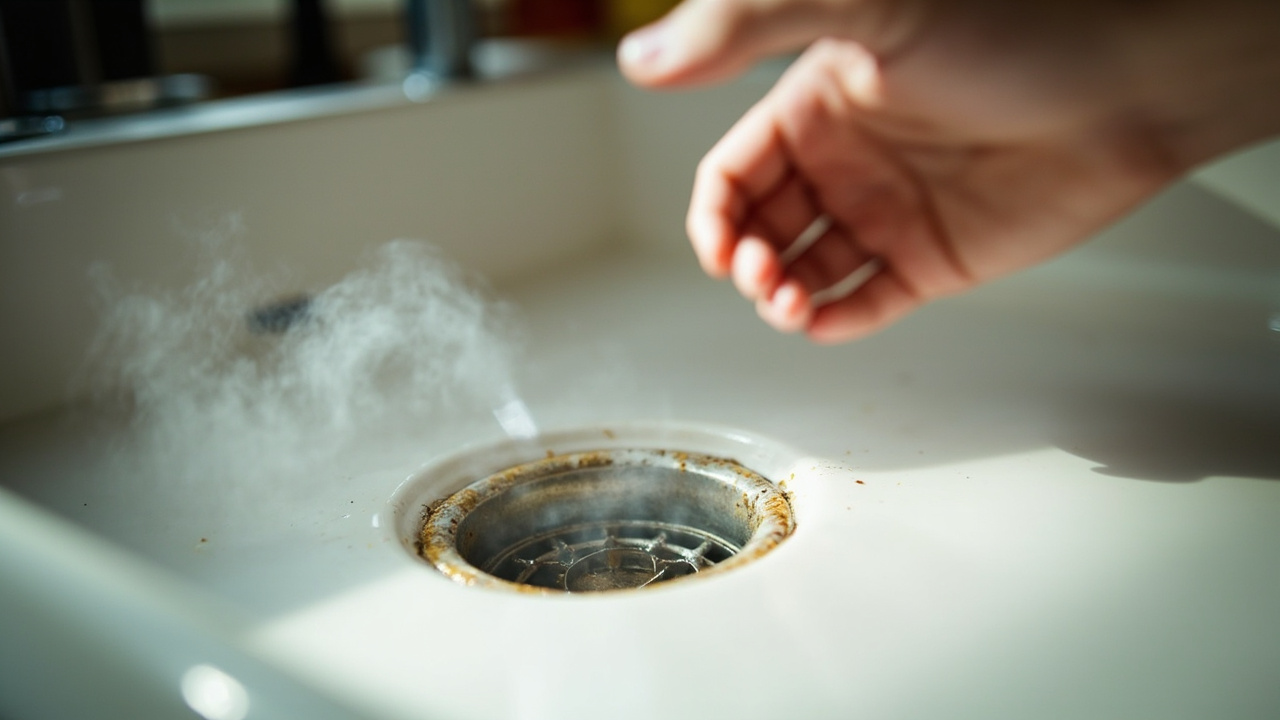
You walk into your bathroom and hit a wall of stink. A rotten egg smell from plumbing that makes you gag. Or maybe it is a sewage smell in house that gets worse at night. Stinky bathroom drains are not just unpleasant. They signal something wrong in your drain or sewer line.

Detroit's unique plumbing challenges make foul sewer gas odors more common than you think. Homes built before 1950 often have outdated cast iron drain lines that corrode from the inside out. As these pipes age, they crack and allow sewer gases to escape into your living spaces. The freeze-thaw cycles we experience every winter stress these old systems even more. When temperatures drop below freezing and then spike back up, pipe joints loosen, wax rings fail, and P-traps dry out faster than in warmer climates.

Older neighborhoods in Detroit, like Corktown and Indian Village, have plumbing systems that were installed decades ago. Those aging cast iron drain lines corrode from the inside, creating rough surfaces where biofilm and bacteria thrive. That bacterial growth produces hydrogen sulfide gas, the source of that rotten egg smell from plumbing you notice in your bathroom or kitchen.

Stinky bathroom drains are not just unpleasant. They signal real problems. A sewage smell in house environments means sewer gas is escaping somewhere it should not. That gas contains hydrogen sulfide, methane, and ammonia. These compounds cause health issues ranging from headaches and nausea to serious respiratory problems when exposure is prolonged.

Unpleasant drain odors often stem from dried-out P-traps, cracked vent stacks, damaged wax rings under toilets, or compromised sewer lines. In older Detroit neighborhoods, where cast iron and clay piping remain common, corrosion and root intrusion worsen the problem. Homes built before 1980 often lack proper venting, which lets sewer gases escape into living spaces instead of venting safely outdoors.

Ignoring foul sewer gas odors puts your household at risk. Hydrogen sulfide, the gas responsible for that rotten egg smell from plumbing, is toxic in high concentrations. Methane, another component of sewer gas, is flammable. Stinky bathroom drains and sewage smell in house are not just unpleasant. They signal broken vent stacks, dry P-traps, cracked sewer lines, or failing wax rings at toilet flanges.

Detroit's older housing stock, combined with freeze-thaw cycles that shift drain lines and corrode cast iron stacks, makes sewer gas intrusion a recurring issue. Homes built before 1980 often have deteriorating plumbing vents or outdated traps that fail under pressure changes. Add in Detroit's fluctuating water table near the Detroit River and you get a recipe for chronic sewer odor problems that homeowners mistake for minor annoyances.

If you smell rotten eggs or sewage in your home, you are not dealing with a cosmetic issue. You are dealing with hydrogen sulfide gas, which is flammable and toxic in high concentrations. You are also dealing with potential sewer line breaches that can introduce bacteria into your living space.

[/HEADLINE]
Smelly Drains & Sewer Odors in Detroit – Fast Diagnosis and Permanent Fixes for Foul Plumbing Odors

[/HEADLINE]

[SUBHEADLINE]
Ironwood Plumbing Detroit pinpoints the exact source of foul sewer gas odors, stinky bathroom drains, and rotten egg smells in your home, then fixes the root cause permanently using targeted diagnostic equipment and proven plumbing techniques.
[/SUBHEADLINE]

[SECTION 1 H2]
Why Detroit Homes Struggle with Sewer Gas Odors
[/SECTION 1 H2]

[SECTION 1 CONTENT]
You walk into your bathroom and the rotten egg smell from plumbing hits you like a wall. You check the basement and unpleasant drain odors follow you upstairs. These foul sewer gas odors are not just disgusting. They can signal a serious plumbing failure.

Detroit homes face unique challenges that make smelly drains and sewer odors more common than in other parts of the country. The city sits on clay soil that shifts with freeze-thaw cycles, and those cycles happen often here. When the ground shifts, sewer lines crack. When sewer lines crack, you get sewage smell in house. The city's aging infrastructure compounds the problem. Many Detroit homes were built before modern plumbing codes, and older cast iron pipes corrode from the inside out. That corrosion creates gaps where sewer gas escapes into your living space.

Stinky bathroom drains are not just unpleasant. They can signal a dangerous buildup of methane or hydrogen sulfide gas. That rotten egg smell from plumbing is not normal. It means something in your drainage system has failed. A dry P-trap, a cracked vent pipe, or a compromised wax ring on your toilet can allow foul sewer gas odors to seep into your home.

Detroit's aging housing stock makes this problem worse. Many homes in neighborhoods like Corktown, Indian Village, and Midtown were built before modern plumbing codes existed. Cast iron drain lines corrode over time. Galvanized vent stacks rust through. P-traps dry out in unused bathrooms. When these systems fail, you get sewage smell in house spaces, and that is not just unpleasant. It is a health hazard.

Unpleasant drain odors and stinky bathroom drains are signs of ventilation failure, deteriorating wax rings, or biofilm buildup in the trap. A rotten egg smell from plumbing often indicates hydrogen sulfide gas, which is corrosive and toxic. Foul sewer gas odors mean there is a breach in your drainage system, your venting, or your trap seals. Detroit's freeze-thaw cycles stress old cast iron waste lines and vent stacks. Homes built before 1980 in neighborhoods like Woodbridge or Indian Village often have obsolete or corroded drain lines that crack under thermal expansion. Clay soil shifting around foundation drains can collapse or misalign sewer laterals, allowing gases to back up into your home. If you smell sewage in your house or catch a rotten egg smell from plumbing fixtures, something has failed. The problem does not fix itself.

[/HEADLINE]
Eliminate Smelly Drains & Sewer Odors in Detroit | Fast Expert Diagnosis and Permanent Solutions

[/HEADLINE]

[SUBHEADLINE]
Detroit homes deal with foul sewer gas odors and rotten egg smells from aging cast iron pipes and seasonal freeze-thaw cycles that crack vent stacks. Ironwood Plumbing Detroit identifies the source fast, eliminates unpleasant drain odors, and restores indoor air quality with precision diagnostics and permanent fixes.
[/SUBHEADLINE]

[SECTION 1 H2]
Why Detroit Homes Battle Stinky Bathroom Drains and Sewer Gas Odors
[/SECTION 1 H2]

[SECTION 1 CONTENT]
You walk into your bathroom and smell something foul. Not just musty. Not mildew. Something deeper, more sinister. A rotten egg smell from plumbing that makes you gag. Maybe it hits you in the basement, or when you run the kitchen sink. That sewage smell in house should not be there, and you know it.

Detroit homes face specific drainage challenges. Older cast iron drain lines corrode from the inside out. Clay sewer laterals shift and crack under freeze-thaw cycles. Homes built before 1980 often lack proper venting, which traps sewer gas in your walls. When temperatures swing from summer heat to bitter winter cold, trapped water in P-traps evaporates faster than you think. That opens a direct line for foul sewer gas odors to invade your living space.

Stinky bathroom drains are not just unpleasant. They signal broken trap seals, clogged vent stacks, or even cracks in your underground sewer lateral. The rotten egg smell from plumbing you notice in the morning is hydrogen sulfide gas. It corrodes metal pipes and poses real health risks. The sewage smell in house scenarios we see in older Detroit neighborhoods often trace back to dry P-traps or failed wax rings on toilets installed decades ago.

Unpleasant drain odors do not just make your home uncomfortable. They warn you that something in your drainage system has failed. You are smelling the breakdown of organic waste, which means sewer gas is leaking into your living space. That gas carries bacteria, methane, and hydrogen sulfide. Ignoring foul sewer gas odors puts your family at risk and lets the underlying problem get worse.

[SECTION 1 H2]
Why Detroit Homes Suffer More from Drain and Sewer Odors
[/SECTION 1 H2]

[SECTION 1 CONTENT]
Detroit sits on heavy clay soil that shifts with temperature and moisture changes. That movement cracks old cast iron sewer lines and creates gaps where tree roots invade. Once roots breach the line, waste flow slows down. Organic matter builds up on the pipe walls. Bacteria colonize that buildup and release hydrogen sulfide, the gas responsible for the rotten egg smell from plumbing.

Freeze-thaw cycles hit Detroit hard every winter. Water trapped in drain lines or vent stacks can freeze and crack pipes. When spring arrives, those hairline fractures let sewer gas seep into wall cavities and crawl spaces. You smell it in bathrooms, kitchens, and basements. The stinky bathroom drains you notice after a cold snap often trace back to a cracked vent pipe on the roof or a split trap arm hidden behind drywall.

Many Detroit homes were built between the 1920s and 1960s. Those properties still run on original cast iron drain lines and galvanized vent stacks. Cast iron corrodes from the inside out. You will not see the damage until the pipe fails completely. Galvanized steel rusts and narrows the vent diameter, which reduces airflow. Without proper venting, every flush or drain event creates negative pressure that sucks water out of P-traps. Dry traps open a direct path for foul sewer gas odors to enter your home.

Humidity makes the problem worse. Detroit summers are humid, and that moisture accelerates corrosion in metal pipes. It also keeps organic waste damp inside drain lines, which speeds up bacterial growth. The sewage smell in house complaints we hear most often come from homes with poor attic ventilation or crawl spaces that stay damp year-round. Unpleasant drain odors thrive in those conditions.

Why Detroit Homes Battle Persistent Drain and Sewer Odors
How Ironwood Plumbing Detroit Identifies and Eliminates Sewer Odors

How Ironwood Plumbing Detroit Identifies and Eliminates Sewer Odors

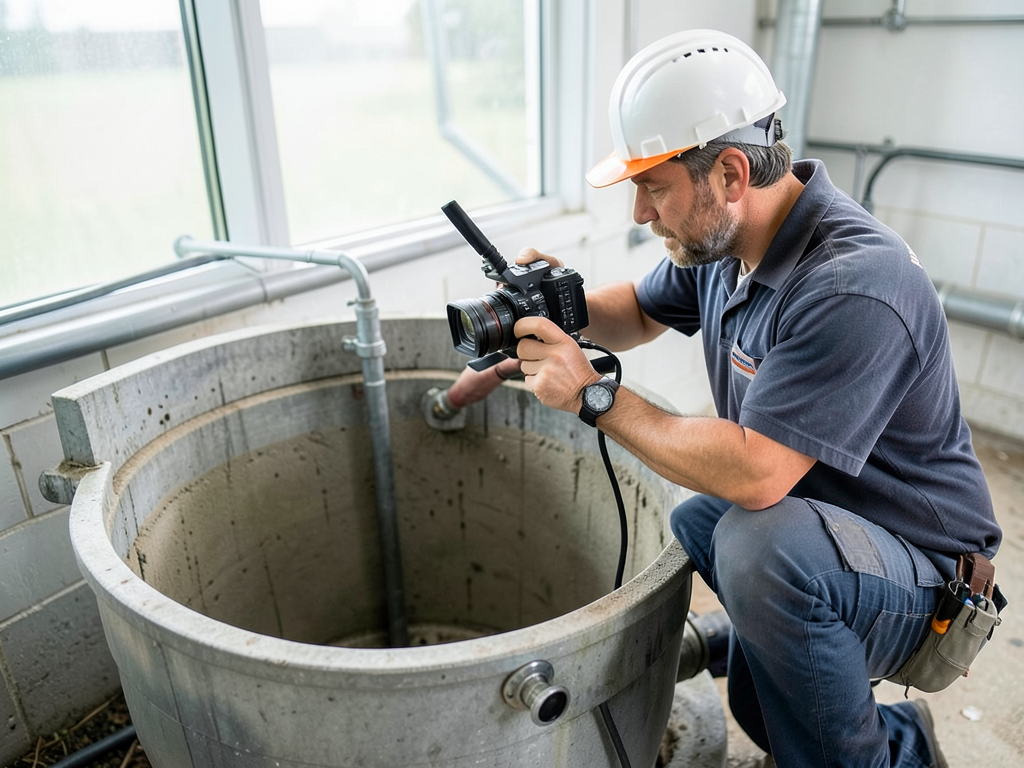
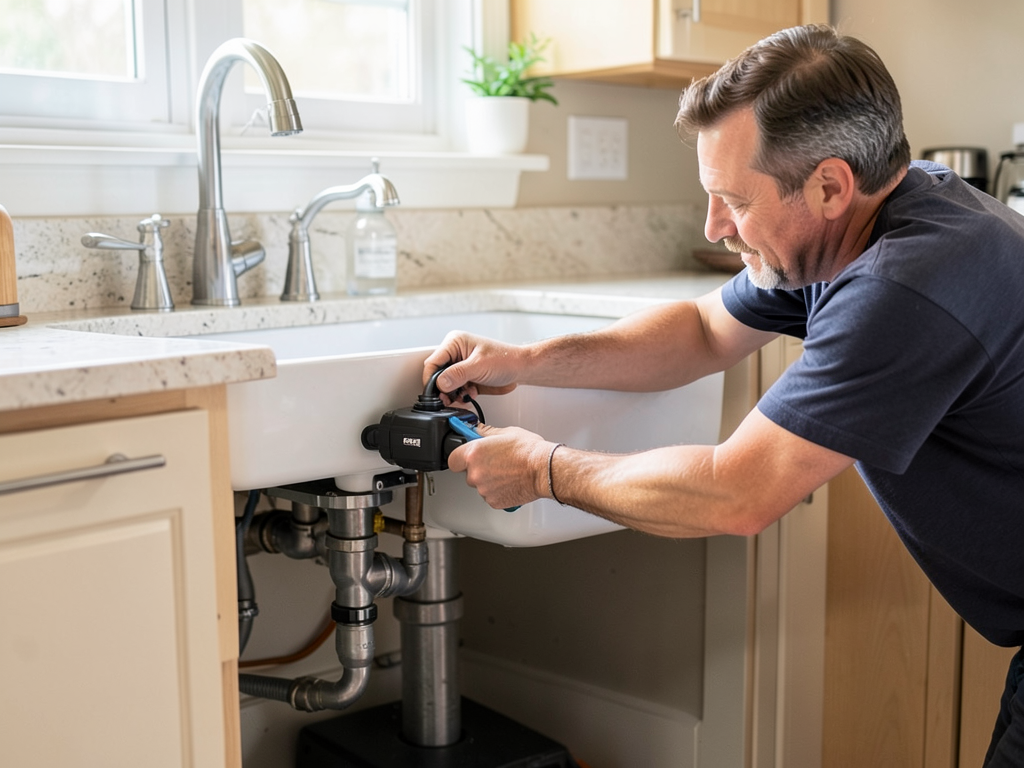
We do not guess. We run a full drain inspection using a high-definition sewer camera. That camera travels through your drain lines and transmits live video to a monitor. We see cracks, root intrusion, corrosion, and buildup in real time. We map the exact location of every defect so you know what failed and where it sits under your property.

If the camera reveals a cracked pipe, we use locator equipment to mark the spot on your lawn or basement floor. If we find root intrusion, we measure the extent of the invasion and recommend hydro jetting or mechanical augering before deciding if you need a pipe replacement. If the problem is a dry P-trap or a failed wax ring, we fix it on the spot. No unnecessary excavation. No trial and error.

Once we locate the source of the stinky bathroom drains or sewage smell in house, we explain the repair options. Small cracks in accessible pipe sections can be patched with epoxy lining. Larger failures require pipe replacement. If the issue is a blocked vent stack, we clear it with a vent auger or replace the corroded section. If tree roots have invaded the line, we cut them out with a root cutter and apply root control foam to slow regrowth.

We also check secondary causes. We test P-traps to confirm they hold water. We inspect floor drains in basements that may have dried out. We look for improperly installed AAVs (air admittance valves) that fail to seal. We verify that vent stacks terminate above the roofline and are not blocked by bird nests or ice dams. Every source of foul sewer gas odors gets addressed in a single visit.

After the repair, we flush the system and run water through every drain to confirm proper flow and venting. We recheck the camera footage if we performed a trenchless repair. You get a written summary of the work completed and the warranty terms. The unpleasant drain odors stop because we fixed the root cause, not just the symptom.

What Happens During a Sewer Odor Inspection and Repair

Smelly Drains & Sewer Odors in Detroit – Expert Diagnosis and Permanent Odor Elimination
01

Initial Odor Source Investigation

We start by interviewing you about when and where you notice the smell. Is it constant or intermittent? Does it worsen after rain or when you run specific fixtures? We check every drain, toilet, and cleanout for signs of backup or moisture. We inspect vent terminals on the roof for blockages. We use a smoke test if the odor source remains unclear. The smoke reveals hidden cracks or failed seals that let sewer gas escape into your home.
02

Camera Diagnosis and Mapping

We insert a waterproof sewer camera through a cleanout or drain opening. The camera travels the full length of your drain line, recording video and measuring distance. We identify cracks, root intrusion, pipe bellies, and corrosion. We mark problem areas on a site map and explain what repairs are necessary. You see the footage on our monitor in real time. This eliminates guesswork and confirms the exact scope of work before we begin repairs.
03

Repair and Odor Elimination

We execute the repair based on what the camera revealed. This may involve pipe patching, section replacement, hydro jetting, or vent clearing. We refill dry P-traps and replace failed wax rings. We test the system by running water through every fixture and confirming proper drainage and venting. The rotten egg smell from plumbing disappears because the leak or blockage is gone. You receive documentation of the repair and care instructions to prevent future odor issues.

Why Ironwood Plumbing Detroit Is the Right Choice for Sewer Odor Repairs

We have spent years working in Detroit's older neighborhoods. We know the plumbing systems in homes built before modern codes. We understand how cast iron corrodes, how clay soil shifts foundations, and how freeze-thaw cycles crack vent stacks. That local knowledge means we diagnose problems faster and recommend repairs that fit your home's specific construction.

Detroit requires permits for sewer line replacements and certain drain repairs. We pull those permits and schedule inspections so your work stays compliant. We know which repairs trigger permit requirements and which do not. You avoid fines and complications down the line because we follow city codes from the start.

Our camera equipment is high-definition and self-leveling. We see details that older cameras miss. Our hydro jetting machines deliver variable pressure, so we can clear clogs without damaging older pipes. Our pipe patching systems use NSF-approved epoxy that bonds to cast iron, PVC, and clay. We invest in professional-grade tools because they deliver better results and longer-lasting repairs.

We do not upsell. If a dry P-trap is causing your foul sewer gas odors, we refill it and charge you for a service call. If you need a full sewer line replacement, we explain why and show you the camera footage. We give you options, not pressure. We explain cost factors so you can make an informed decision. You get honest answers from technicians who know Detroit plumbing inside and out.

We also offer maintenance plans that include annual camera inspections and drain cleaning. Regular inspections catch problems before they become expensive emergencies. Preventive drain cleaning removes buildup and slows root growth. You avoid the panic of a sudden sewage smell in house because we find issues early and fix them on your schedule.

What You Can Expect When You Call Ironwood Plumbing Detroit

Same-Day Service for Odor Emergencies

We dispatch a technician the same day you call if you report a sewage smell in house or foul sewer gas odors. We understand that sewer gas poses health risks and makes your home unlivable. Our trucks carry camera equipment, drain augers, and common repair parts so we can diagnose and fix many problems in one visit. You do not wait days for an inspection appointment. We arrive, locate the source, and execute the repair as quickly as possible without cutting corners.

Transparent Camera Diagnosis

We show you the camera footage and explain what we see. You watch as we navigate through your drain lines and vent stacks. We pause on problem areas and point out cracks, root intrusion, and corrosion. We measure distances so you know exactly where the damage sits under your property. We answer your questions and explain repair options without technical jargon. You leave the inspection with a clear understanding of the problem and the solution.

Permanent Odor Elimination

We fix the root cause, not just the symptom. If a cracked pipe is letting sewer gas escape, we repair or replace that section. If a blocked vent is creating negative pressure, we clear or replace the vent stack. If tree roots have invaded your line, we remove them and apply root control treatment. The unpleasant drain odors stop because the breach is sealed and your drainage system functions correctly. You do not need to mask the smell with air fresheners. The problem is gone.

Maintenance Plans to Prevent Future Odors

We offer annual drain inspections that include camera scans and hydro jetting. Regular inspections catch early signs of corrosion, root growth, and buildup before they cause odor problems. Hydro jetting removes grease, soap scum, and organic waste that feed bacteria and produce hydrogen sulfide gas. Maintenance customers avoid emergency calls and extend the lifespan of their drain lines. We send reminders when your annual service is due so you never miss a preventive visit.

Frequently Asked Questions

You Have Questions,
We Have Answers

How to get rid of sewer smell coming from drains? +

Sewer smell comes from one of three sources: dried P-traps, vent pipe issues, or partial clogs. Start by running water in all drains for 30 seconds to refill P-traps. Check for visible debris in drain openings. In Detroit homes, especially older builds in neighborhoods like Indian Village or Corktown, cracked cast iron pipes and aging wax seals under toilets are common culprits. If the smell persists after running water, you likely have a venting problem or hidden leak. Pour a cup of water down floor drains monthly to prevent trap evaporation. Professional diagnosis catches hidden issues before they worsen.

What is the hardest smell to get rid of? +

Sewer gas and decomposing organic matter create the hardest smells to eliminate because they embed into porous surfaces and indicate active problems. Simple masking does not work. The hydrogen sulfide in sewer gas penetrates grout, drywall, and wood. In Detroit's humid summers, these odors intensify as bacteria thrive. You must identify and fix the source first. Cleaning alone fails. Once you repair the leak or clear the blockage, enzyme cleaners break down organic residue. Activated charcoal absorbs lingering gas. Persistent odors mean you missed the root cause. The smell returns until you address the plumbing failure creating it.

Why does my drain smell bad but no blockage? +

Bad drain smell without blockage means you have biofilm buildup, a dried trap, or sewer gas entering through damaged pipes. Biofilm is slimy bacteria coating pipe walls that releases foul odors even when water flows freely. In Detroit's older plumbing systems, especially homes built before 1970, corroded pipe interiors create rough surfaces where biofilm thrives. Dried P-traps lose their water seal, letting sewer gas escape. You might also have a cracked vent stack or damaged wax ring. Run hot water for two minutes. If smell continues, you need professional drain cleaning or camera inspection to locate the hidden problem.

What is the best drain odor eliminator? +

Enzyme-based cleaners work best for drain odors because they digest organic matter causing the smell. Products containing bacteria cultures break down grease, hair, and soap scum without damaging pipes. Avoid chemical drain cleaners for odor control. They corrode pipes and create toxic fumes, especially risky in Detroit's aging infrastructure. Bio-enzymatic cleaners need 6-8 hours contact time to work properly. Pour them down drains before bed. For immediate relief, pour half a cup of baking soda followed by hot water. This temporarily neutralizes odor but does not fix the source. Persistent smells require professional drain cleaning and inspection.

Can I fix a sewage smell myself? +

You can fix simple sewage smells by refilling dried P-traps or cleaning visible debris. Pour water down unused drains, check toilet wax seals for gaps, and clean sink overflow holes with a bottle brush. Many Detroit homes have basement floor drains that dry out. Add water monthly. However, if you smell sewer gas after these fixes, stop. You might have cracked pipes, failed venting, or sewer line damage. DIY fixes mask symptoms but miss dangerous problems like methane buildup or structural pipe failure. Sewer gas contains hydrogen sulfide and methane. Both are health hazards. Call a licensed plumber for diagnosis.

Why should you never use baking soda and vinegar to unclog a drain? +

Baking soda and vinegar create a fizzy reaction that looks impressive but does nothing for clogs. The chemical reaction produces water and carbon dioxide. It lacks the pressure or dissolving power to clear blockages. Worse, this method wastes time when you need real solutions. In Detroit's older cast iron and clay pipes, repeated use can accelerate corrosion. The mixture also disrupts biofilm temporarily, causing it to break loose and create worse clogs downstream. If you have a true blockage, use a plunger, snake, or call a plumber. For odor control, enzyme cleaners work better without risking your pipes.

What is the strongest odor killer? +

Activated charcoal and ozone generators kill odors most effectively, but they only work after you fix the source. Charcoal absorbs gas molecules. Ozone oxidizes odor compounds. Neither addresses plumbing failures causing the smell. For drain odors, enzyme cleaners that digest organic matter work best long-term. In Detroit's humid climate, mold and mildew amplify drain odors. HEPA air purifiers with carbon filters help indoor air quality. Commercial products containing chlorine dioxide kill bacteria but require careful handling. Skip perfumed sprays and plug-ins. They mask odors temporarily while underlying problems worsen. Eliminate the source first, then address lingering smells.

What is the old lady's smell called? +

That musty odor is called nonenal. It comes from natural skin oil changes after age 40. The compound 2-nonenal increases as antioxidant protection decreases. While this has nothing to do with plumbing, the smell often gets blamed on drains in older homes. Many Detroit houses in areas like Rosedale Park or Grandmont have both aging residents and aging plumbing. If you smell mustiness throughout your home, check for mold, mildew, and poor ventilation first. Nonenal clings to fabrics and carpet. Improve air circulation, wash bedding weekly in hot water, and use dehumidifiers. If smell concentrates near drains, you have a separate plumbing issue.

How to get rid of old person smell in house? +

Remove old person smell by improving ventilation, washing fabrics, and checking for plumbing issues. Open windows daily, even in Detroit winters. Run bathroom exhaust fans during and after showers. Wash curtains, upholstery, and bedding in hot water with oxygen bleach. Check drains for biofilm buildup and dried P-traps that release sewer odors. Older homes trap humidity, creating musty conditions. Use dehumidifiers in basements. Replace HVAC filters monthly. If smell persists near bathrooms or kitchen, inspect plumbing. Corroded pipes and slow leaks create mold growth that smells musty. Address ventilation and plumbing together for lasting results.

Should I call a plumber for a sewer smell? +

Yes, call a plumber when you smell sewer gas. This is not a cosmetic issue. Sewer gas contains methane and hydrogen sulfide. Both are toxic and flammable. The smell indicates a plumbing failure: cracked pipes, failed venting, or damaged seals. In Detroit's older housing stock, especially homes with cast iron or clay sewer lines, small cracks worsen quickly. What starts as odor becomes sewage backup. A licensed plumber uses camera inspection to locate breaks, tests vent function, and checks trap integrity. Do not wait. Sewer gas exposure causes headaches, nausea, and respiratory problems. Fix the problem before it becomes a health emergency.

How Detroit's Aging Cast Iron and Clay Sewer Lines Cause Persistent Odor Problems

Detroit's housing stock includes thousands of homes built before 1960, many with original cast iron drain lines and clay sewer laterals. Cast iron corrodes from the inside out due to hydrogen sulfide exposure and acidic wastewater. Clay pipes crack under soil pressure and root intrusion. These failures create small gaps where sewer gas escapes before wastewater even backs up. You smell the rotten egg odor long before you see a clog. The freeze-thaw cycles that define Detroit winters accelerate this deterioration by expanding and contracting the soil around buried pipes. If you live in an older neighborhood and notice stinky bathroom drains or a sewage smell in house, the cause is likely a failing cast iron or clay pipe.

Detroit's Building Safety Engineering and Environmental Department enforces strict codes for sewer repairs and replacements. Any work on the public sewer lateral requires a permit and inspection. Ironwood Plumbing Detroit handles all permit applications and schedules required inspections. We know which repairs need city approval and which can be completed without permits. Our technicians follow Detroit's plumbing code to the letter, so your repair passes inspection on the first attempt. Choosing a local plumber who understands Detroit's regulatory environment saves you time, money, and headaches. We protect your investment and keep your home compliant.

Plumbing Services in The Detroit Area

Ironwood Plumbing proudly serves Detroit and the surrounding areas with reliable, professional plumbing solutions. Whether you’re a homeowner or a business owner, you can count on our fast response times and expert service. Use the map below to find our office or check if your location is within our service radius. We’re easy to reach and always happy to help — just call, click, or visit us today to schedule your plumbing service with a local team that truly cares.

Address:
Ironwood Plumbing Detroit, 3200 Greenfield Rd, Detroit, MI, 48120

Additional Services We Offer

Our news updates

Latest Articles & News from The Blogs

Plumbing Requirements for Luxury Body Jets and Rain Showerheads in West Bloomfield High-end luxury shower systems in West Bloomfield demand…

Plumbing Requirements for Luxury Body Jets and Rain Showerheads in West Bloomfield

Plumbing Requirements for Luxury Body Jets and Rain Showerheads in West Bloomfield High-end luxury shower systems in West Bloomfield demand…

The Truth About Septic Tank Additives and Why They Might Not Save You a Pump-Out in Brighton

The Truth About Septic Tank Additives and Why They Might Not Save You a Pump-Out in Brighton Walk into any…

How to Choose the Right Horsepower for Your Next Dearborn Garbage Disposal

Understanding Garbage Disposal HP: Why It Matters The right garbage disposal horsepower directly affects how quickly and thoroughly your kitchen…

Contact Us

Sewer gas is hazardous. Every day you wait, the problem gets worse. Call (313) 572-4144 now for same-day camera inspection and odor elimination. We diagnose the source, explain the fix, and restore fresh air to your Detroit home.