




menu

Slab Leak Detection & Repair in Detroit | Expert Diagnosis Using Advanced Acoustic Technology

Ironwood Plumbing Detroit uses precision leak detection equipment to locate hidden water leaks under concrete slabs without destructive excavation, protecting your foundation from progressive water damage and structural failure.

Slider Image 1
Slider Image 2
Slider Image 3
Slider Image 4
Slider Image 5
Slider Image 7
Slider Image 8
Slider Image 9
Slider Image 10
Slider Image 11

Why Detroit Homes Are Vulnerable to Hidden Slab Leaks

Detroit's freeze-thaw cycles create unique stress on under slab plumbing systems. When winter temperatures drop below freezing for extended periods, then rapidly warm during spring thaws, copper water lines embedded in concrete slabs expand and contract. This cycle repeats year after year, eventually causing pinhole leaks or full pipe fractures.

The clay-heavy soil common throughout Wayne County compounds the problem. Clay expands when saturated and contracts during dry periods, shifting the concrete foundation. This movement stresses rigid copper pipes, accelerating fatigue failure at weak points and joints.

You might notice unexplained warm spots on your floor, spiking water bills despite normal usage, or the sound of running water when no fixtures are active. These are classic symptoms of concrete slab water leak repair needs. Some homeowners in neighborhoods like Corktown and Indian Village report damp carpets or warped hardwood flooring before they realize water is escaping beneath the foundation.

Left unaddressed, slab foundation leak services become critical. Water migrating under the foundation erodes soil support, creating voids that lead to cracking and uneven settling. The longer water flows unchecked, the more extensive the foundation damage becomes. What starts as a small leak can compromise structural integrity and create conditions for mold growth in finished basements.

Detroit's older housing stock, particularly homes built between 1940 and 1970, often feature original copper supply lines that are now approaching or exceeding their service life. Fixing leaks under foundation requires immediate professional attention to prevent catastrophic failure.

Why Detroit Homes Are Vulnerable to Hidden Slab Leaks
How We Pinpoint and Repair Under Slab Leaks Without Guesswork

How We Pinpoint and Repair Under Slab Leaks Without Guesswork

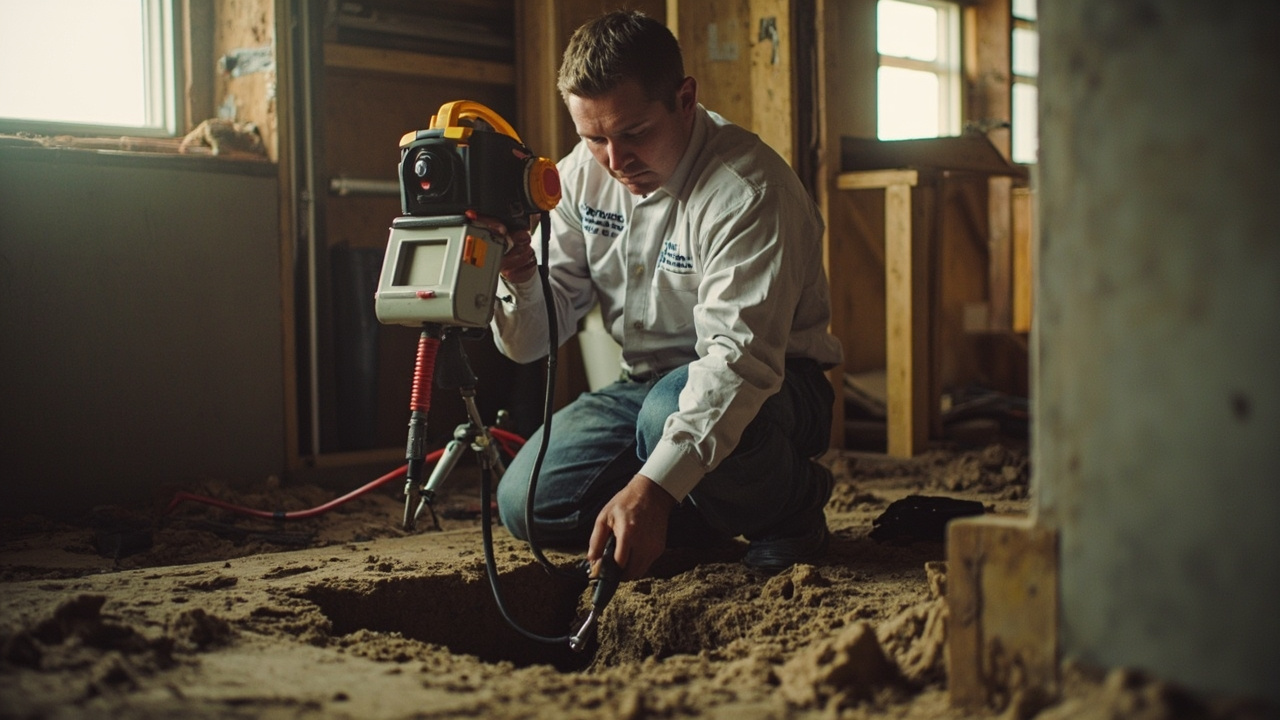
Foundation leak detection and repair starts with eliminating guesswork. We use electronic acoustic leak detection equipment that amplifies the sound of pressurized water escaping from pipes embedded in concrete. This non-invasive method allows us to mark the exact leak location on your floor before any demolition occurs.

We also employ ground-penetrating radar when acoustic methods need confirmation or when dealing with post-tension cable slabs common in some Detroit construction. This imaging shows us pipe routing, depth, and potential problem areas without disturbing the surface.

Once we locate the leak, we evaluate the most effective repair approach. For isolated pinhole leaks in accessible locations, we perform targeted slab penetration and direct pipe repair. We cut only the necessary concrete section, expose the damaged pipe segment, and install a new coupling or replace the affected section with PEX or copper.

For extensive corrosion or multiple leak points, we recommend epoxy pipe lining or full line rerouting. Epoxy lining involves inserting a resin-saturated liner through existing pipes that cures into a seamless interior coating, effectively creating a new pipe inside the old one without excavation. Line rerouting bypasses the damaged under slab section entirely, running new supply lines through walls or overhead to avoid future slab penetration.

We conduct pressure testing before and after repair to verify integrity. Your system must hold static pressure without loss for a minimum test period. We also perform a final acoustic scan to confirm no residual leaks exist in adjacent pipe sections that might fail soon after the primary repair.

Under slab plumbing repair requires precision, not brute force demolition.

What Happens During Your Slab Leak Service Appointment

Slab Leak Detection & Repair in Detroit | Expert Diagnosis Using Advanced Acoustic Technology
01

Leak Locating and Mapping

We begin by isolating your water system and introducing calibrated pressure to the supply lines. Using electronic amplification equipment, we systematically scan the slab surface to detect the acoustic signature of escaping water. We mark the precise leak location and map surrounding pipe routing to plan the most efficient access point. This diagnostic phase typically takes 45 to 90 minutes depending on home size and pipe configuration.
02

Slab Access and Repair

We cut and remove only the concrete section necessary to expose the damaged pipe. Using a concrete saw with dust containment, we create a clean access opening, then excavate the underlying soil to reach the pipe. We cut out the compromised section and install a new segment using compression couplings or soldered joints, depending on pipe material and local code requirements. For deeper leaks, we may trench under the slab edge if it provides better access.
03

Testing and Restoration

After completing the repair, we pressure test the system to verify integrity before backfilling. The excavated area gets compacted fill, then we pour new concrete to match the existing slab thickness. We finish the surface smooth and allow proper cure time before replacing flooring. You receive documentation of the repair location, materials used, and pressure test results. Most repairs cure enough for light foot traffic within 24 hours, full load bearing in 72 hours.

Why Detroit Property Owners Trust Local Expertise for Foundation Leak Work

Slab leak work in Detroit requires understanding how local conditions affect plumbing infrastructure. A technician familiar with Metro Detroit's freeze-thaw patterns knows which pipe materials fail first and where stress fractures typically occur. We have worked on homes from Woodbridge to East English Village, and we recognize the construction variations between eras and neighborhoods.

Detroit operates under Michigan Plumbing Code amendments that specify proper materials and methods for under slab repairs. We maintain active licensing and stay current on code updates that affect foundation plumbing work. When we pull permits for slab penetration, inspectors know our work meets standards because we document every step, from pressure testing to backfill compaction.

We also understand the insurance claim process. Many homeowners discover slab leaks only after water damage becomes visible. We provide detailed documentation that helps you file claims, including thermal imaging, moisture readings, and repair specifications. Insurance adjusters in Wayne County recognize thorough documentation, which speeds claim approval.

Our response time matters when water is actively damaging your foundation. We dispatch technicians throughout the Detroit metro area, often arriving the same day you call. Quick response limits secondary damage to flooring, drywall, and framing.

Ironwood Plumbing Detroit invested in specialized leak detection equipment that most residential plumbers do not carry. Electronic acoustic sensors and ground-penetrating radar are expensive tools that only make sense when you perform this work regularly. We do, which is why we can locate leaks accurately without exploratory demolition that increases repair costs.

You want a team that has opened Detroit slabs before, knows what to expect underground, and can adapt when conditions differ from blueprints. That is what local experience provides.

What You Can Expect from Start to Finish

Same-Day or Next-Day Service

We understand that active slab leaks require urgent attention. When you call, we schedule leak detection within 24 hours in most cases, often the same day if you contact us in the morning. Our technicians carry detection equipment on service trucks, so we do not need to schedule a separate diagnostic visit before quoting repair work. If we locate a leak during the diagnostic appointment and you approve the work, we often complete the repair that same day for accessible leaks. More complex repairs requiring concrete cutting and curing time may extend into a second day, but we provide a clear timeline before starting work.

Transparent Diagnostic Process

You stay informed throughout the detection process. We explain what equipment we are using and what we are listening for as we scan your home. Once we locate the leak, we show you the exact spot and explain why we believe the leak originated there based on pipe age, material, and soil conditions. We discuss repair options, including pros and cons of each approach. You receive a written estimate that breaks down labor, materials, and concrete restoration before we start any demolition. If we discover additional issues during excavation, we stop and discuss options before proceeding. No surprise charges appear on your final invoice.

Quality Repair with Minimal Disruption

We contain dust during concrete cutting using HEPA vacuum attachments that capture silica particles before they spread through your home. We protect surrounding flooring with drop cloths and remove debris as we work. The repair itself uses materials that meet or exceed the original installation specifications. We test the repair under pressure before backfilling to ensure the fix will last. Concrete restoration matches the thickness and finish of your existing slab. We level the surface carefully so you do not feel a lip or depression when the floor covering gets replaced. Most homeowners tell us the repair area is invisible once flooring is reinstalled.

Documentation and System Evaluation

You receive a detailed service report that includes photos of the damaged pipe, repair method used, materials installed, and pressure test results. This documentation proves valuable for insurance claims and future home sales. We also provide an honest assessment of your remaining under slab plumbing. If we notice corrosion patterns that suggest other sections may fail soon, we tell you. Some homeowners choose to reroute lines preemptively rather than wait for another leak. We present options without pressure, giving you the information needed to make the right decision for your situation and budget. You also get care recommendations to extend the life of repaired sections.

Frequently Asked Questions

You Have Questions,
We Have Answers

Are slab leaks expensive to fix? +

Slab leak repair costs vary based on location, access difficulty, and repair method. Simple spot repairs may run lower, while rerouting pipes or foundation work increases expenses. In Detroit, older homes with cast iron or corroded copper lines often face higher repair bills due to extensive damage. Factors include slab thickness, flooring removal, concrete cutting, and restoration. Early detection saves money. If you hear running water when fixtures are off or notice warm floor spots, act fast. Delaying repair leads to foundation damage, mold growth, and structural problems that multiply costs significantly.

Does homeowners insurance cover slab leak repair? +

Coverage depends on your policy and the cause of the leak. Most Detroit homeowners insurance policies cover sudden, accidental slab leaks and resulting water damage to floors, walls, and belongings. However, they typically exclude the cost to access and repair the actual pipe, viewing that as maintenance. Gradual leaks from poor maintenance or aging pipes are usually denied. Review your policy carefully. Document everything with photos and professional reports. In Detroit's older housing stock, insurers scrutinize claims closely. A licensed plumber's detailed assessment strengthens your claim and helps navigate the adjuster process.

How much does a leak detection specialist cost? +

Leak detection specialists in Detroit typically charge a flat diagnostic fee or hourly rate, depending on complexity and technology used. Basic inspections may cost less, while advanced methods like infrared thermography, acoustic listening devices, or video camera inspections increase the price. The fee often applies toward repair if you hire the same company. Given Detroit's aging infrastructure and foundation shifts from freeze-thaw cycles, accurate detection prevents costly exploratory demolition. Investing in professional detection saves money long-term by pinpointing the exact leak location, minimizing concrete cutting, and reducing restoration costs.

How do plumbers find slab leaks? +

Plumbers use multiple detection methods to locate slab leaks without unnecessary demolition. Electronic amplification equipment listens for water movement under concrete. Pressure testing isolates sections of pipe to identify drops. Infrared cameras detect temperature variations where hot water escapes. Video pipe inspection cameras examine line interiors for cracks or corrosion. In Detroit, where clay soil and freeze-thaw cycles stress foundations, plumbers often combine techniques for accuracy. They check water meter activity when fixtures are off, look for warm or damp floor spots, and trace supply lines. Precision matters to avoid damaging your foundation unnecessarily.

What is the lifespan of a slab leak repair? +

A properly executed slab leak repair can last 20 to 50 years, depending on the method and materials used. Epoxy pipe lining creates a durable interior coating. Copper or PEX repiping offers long-term reliability. Spot repairs on aging systems may only buy time if corrosion affects other sections. In Detroit, where copper pipes face corrosion from mineral-heavy water and older homes have cast iron lines, whole-house repiping often makes sense for homes over 40 years old. Quality workmanship and material choice determine longevity. Address underlying issues like water chemistry to maximize repair lifespan.

How much do plumbers charge for leak detection? +

Plumbers in Detroit charge for leak detection based on service complexity and equipment required. Straightforward inspections using pressure testing and acoustic tools cost less than advanced thermal imaging or sewer camera inspections. Many companies offer flat-rate detection fees that credit toward repair costs if you proceed. Given Detroit's older housing stock and foundation settling from freeze-thaw cycles, accurate detection prevents expensive exploratory work. Expect licensed, insured plumbers to charge professional rates reflecting specialized training and technology investment. Avoid bargain hunters who guess and dig blindly, creating unnecessary damage and higher restoration bills.

Can I repair a slab leak myself? +

No. Slab leak repair requires specialized equipment, training, and licensing you do not have. Accessing pipes under concrete involves jackhammering, excavation, and precise diagnostics to avoid damaging gas lines, electrical conduits, or structural supports. Improper repairs cause foundation damage, mold growth, and code violations. In Detroit, where freeze-thaw cycles and soil movement complicate foundation work, DIY attempts often worsen problems and void insurance claims. Licensed plumbers carry liability insurance and pull permits when required. You risk flooding, structural failure, and costly mistakes. Leave slab leaks to professionals who diagnose accurately and repair correctly the first time.

What not to say to a home insurance adjuster? +

Never speculate, exaggerate, or admit fault when speaking with adjusters. Avoid phrases like "I think it has been leaking for months" or "I should have checked sooner," which imply neglect and jeopardize coverage. Do not agree to recorded statements without reviewing your policy first. Stick to facts. Describe what you observed and when you discovered the problem. Provide professional plumber reports and photos. In Detroit, where insurers scrutinize older homes closely, precision matters. Do not sign anything releasing the insurer from liability until you understand full coverage. Consult a public adjuster or attorney if denied.

Can my home insurance pay for a new concrete slab? +

Unlikely. Homeowners insurance typically covers sudden water damage from slab leaks but excludes the cost to replace entire slabs. Insurers view concrete replacement as a structural upgrade or maintenance issue rather than covered damage. They may pay for drywall, flooring, and contents damaged by water, but not foundation work. In Detroit, where foundation issues from soil movement are common, insurers carefully distinguish between leak damage and pre-existing structural problems. If a catastrophic leak compromises your foundation, review your policy and get multiple professional assessments. Consider filing a claim for covered water damage while budgeting separately for foundation repairs.

Why is leak detection so expensive? +

Leak detection costs reflect specialized training, expensive equipment, and liability insurance. Professionals invest in thermal imaging cameras, acoustic listening devices, pressure testing tools, and video inspection systems that cost thousands. They spend years learning to interpret data accurately and avoid damaging your property. In Detroit, where aging infrastructure and freeze-thaw soil movement complicate detection, precision prevents costly mistakes. Guessing wrong means unnecessary concrete demolition, foundation damage, and higher restoration bills. Professional detection saves you money by pinpointing leaks accurately the first time, minimizing invasive work, and preserving your home's structural integrity. You pay for expertise that protects your investment.

How Detroit's Clay Soil and Aging Infrastructure Accelerate Slab Leak Failure

Detroit sits on clay-rich soil that shrinks during dry periods and expands when saturated. This constant movement shifts concrete slabs, placing stress on rigid copper supply lines embedded beneath. Older neighborhoods built before 1980 predominantly used copper for under slab installations, which was standard practice before PEX became widely adopted. The combination of seasonal soil movement and decades of freeze-thaw cycles creates the perfect conditions for metal fatigue and pinhole leak formation. Many Detroit homes also have galvanized steel drain lines under slabs, which corrode from the inside out, eventually causing slow leaks that go unnoticed until significant foundation damage occurs.

Working in Detroit means we understand the specific plumbing configurations common to different construction periods. Post-war homes in neighborhoods like Rosedale Park have different under slab layouts than the older builds in Boston-Edison. We know which areas tend to have shallow slabs that make repairs easier and which subdivisions have deeper pours that require more excavation. This local knowledge speeds diagnosis and keeps repair costs predictable. We also maintain relationships with local concrete suppliers who can match the aggregate and finish of older Detroit slabs, ensuring restoration work blends seamlessly. When you hire a team that works exclusively in Metro Detroit, you benefit from accumulated experience that out-of-area contractors simply do not have.
Plumbing Services in The Detroit Area

Ironwood Plumbing proudly serves Detroit and the surrounding areas with reliable, professional plumbing solutions. Whether you’re a homeowner or a business owner, you can count on our fast response times and expert service. Use the map below to find our office or check if your location is within our service radius. We’re easy to reach and always happy to help — just call, click, or visit us today to schedule your plumbing service with a local team that truly cares.

Address:
Ironwood Plumbing Detroit, 3200 Greenfield Rd, Detroit, MI, 48120

Additional Services We Offer

Our news updates

Latest Articles & News from The Blogs

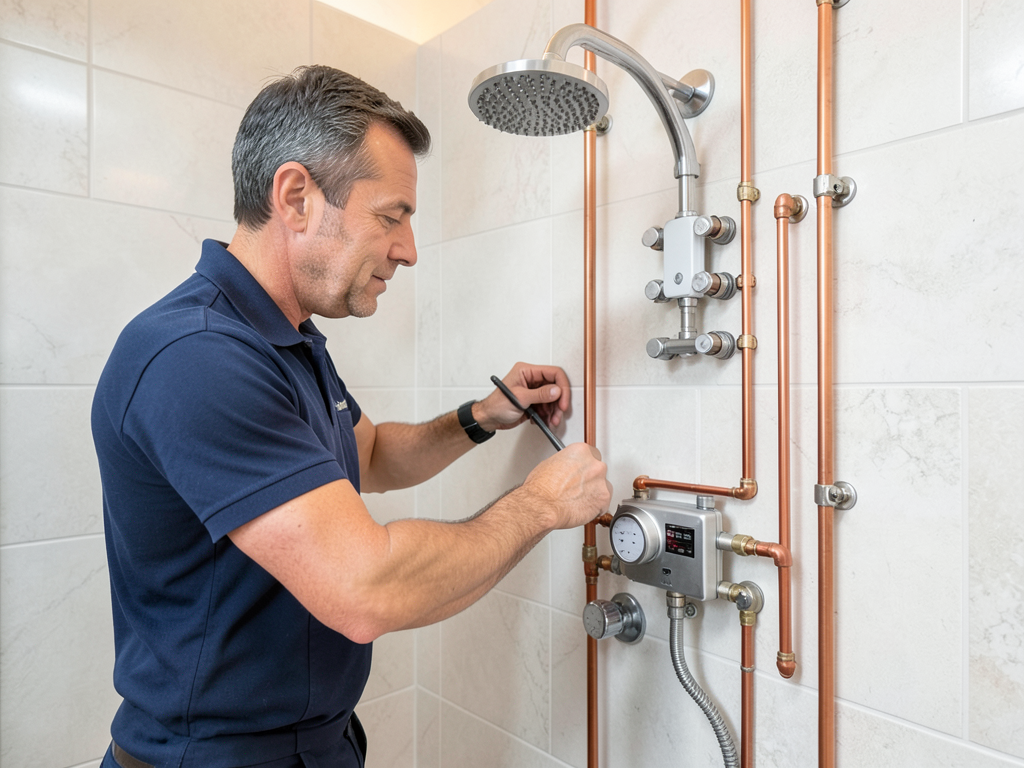
Plumbing Requirements for Luxury Body Jets and Rain Showerheads in West Bloomfield High-end luxury shower systems in West Bloomfield demand…

Plumbing Requirements for Luxury Body Jets and Rain Showerheads in West Bloomfield

Plumbing Requirements for Luxury Body Jets and Rain Showerheads in West Bloomfield High-end luxury shower systems in West Bloomfield demand…

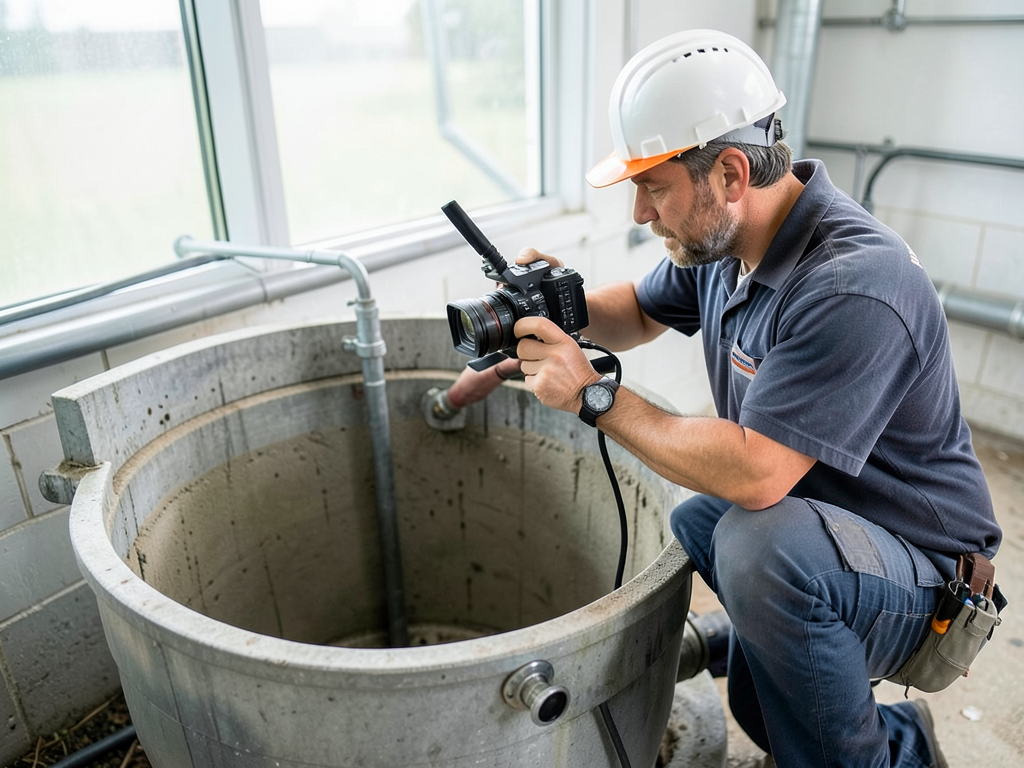
The Truth About Septic Tank Additives and Why They Might Not Save You a Pump-Out in Brighton

The Truth About Septic Tank Additives and Why They Might Not Save You a Pump-Out in Brighton Walk into any…

How to Choose the Right Horsepower for Your Next Dearborn Garbage Disposal

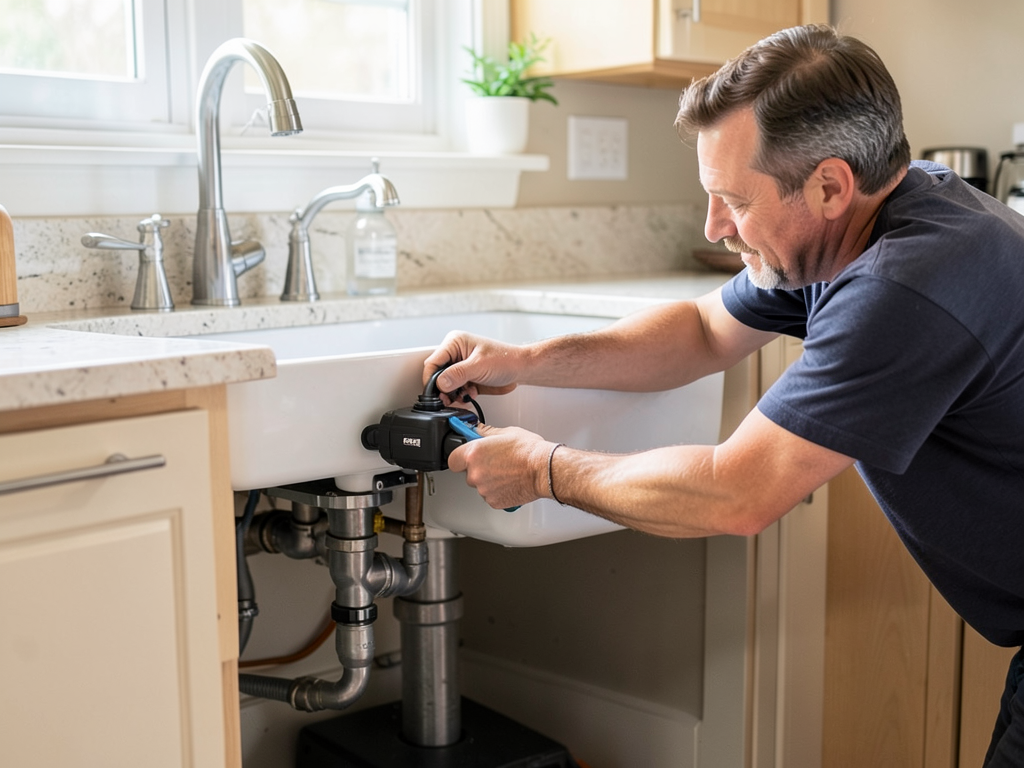
Understanding Garbage Disposal HP: Why It Matters The right garbage disposal horsepower directly affects how quickly and thoroughly your kitchen…

Contact Us

Undetected slab leaks cause progressive damage every day they run. Call Ironwood Plumbing Detroit at (313) 572-4144 right now to schedule leak detection. We will locate the problem, explain your options, and get your plumbing system sealed before more water escapes.