




menu

How to Shut Off Main Water Valve in Detroit – Step-by-Step Guide for Homeowners and Emergency Preparedness

Learn exactly where to find your main water shut off valve, how to operate it safely, and why knowing how to turn off your home's water supply is critical for Detroit homeowners facing burst pipes, leaks, or plumbing emergencies.

Slider Image 1
Slider Image 2
Slider Image 3
Slider Image 4
Slider Image 5
Slider Image 7
Slider Image 8
Slider Image 9
Slider Image 10
Slider Image 11

Why Every Detroit Homeowner Needs to Know How to Shut Off Their Main Water Valve

Detroit winters are brutal. When temperatures plunge below freezing, pipes freeze, expand, and burst without warning. A single burst pipe can discharge 400 gallons per hour directly into your home. The difference between minor water damage and a catastrophic loss often comes down to one thing: whether you can shut off water supply to home immediately.

Most Detroit homes were built between 1920 and 1950. These older properties have galvanized steel or iron supply lines that corrode from the inside out. When a 90-year-old pipe finally fails at 2 AM, you have minutes to stop the flood. Turning off house water main is not optional. It is emergency protocol.

The main water shut off valve controls every fixture, appliance, and outlet in your home. Close main water shut off valve, and you stop the flow at the source. Leave it open during a rupture, and you are looking at structural damage, mold growth, and insurance headaches.

Detroit's aging infrastructure compounds the problem. The city is still replacing lead service lines. Water pressure fluctuates. Sudden pressure spikes stress already weakened joints and connections. Knowing how to turn off main water supply is basic home defense. It protects your property, your belongings, and your sanity when something goes wrong.

If you cannot locate your valve or it will not turn, you have a problem that needs fixing before an emergency forces your hand.

Why Every Detroit Homeowner Needs to Know How to Shut Off Their Main Water Valve
Where to Find Your Main Water Shut Off Valve in a Detroit Home

Where to Find Your Main Water Shut Off Valve in a Detroit Home

The main shut off valve is where the municipal water line enters your home. In Detroit, this is almost always in the basement. Look for a pipe coming through the foundation wall, typically on the street-facing side. The valve sits on that pipe, usually within three feet of where it penetrates the wall.

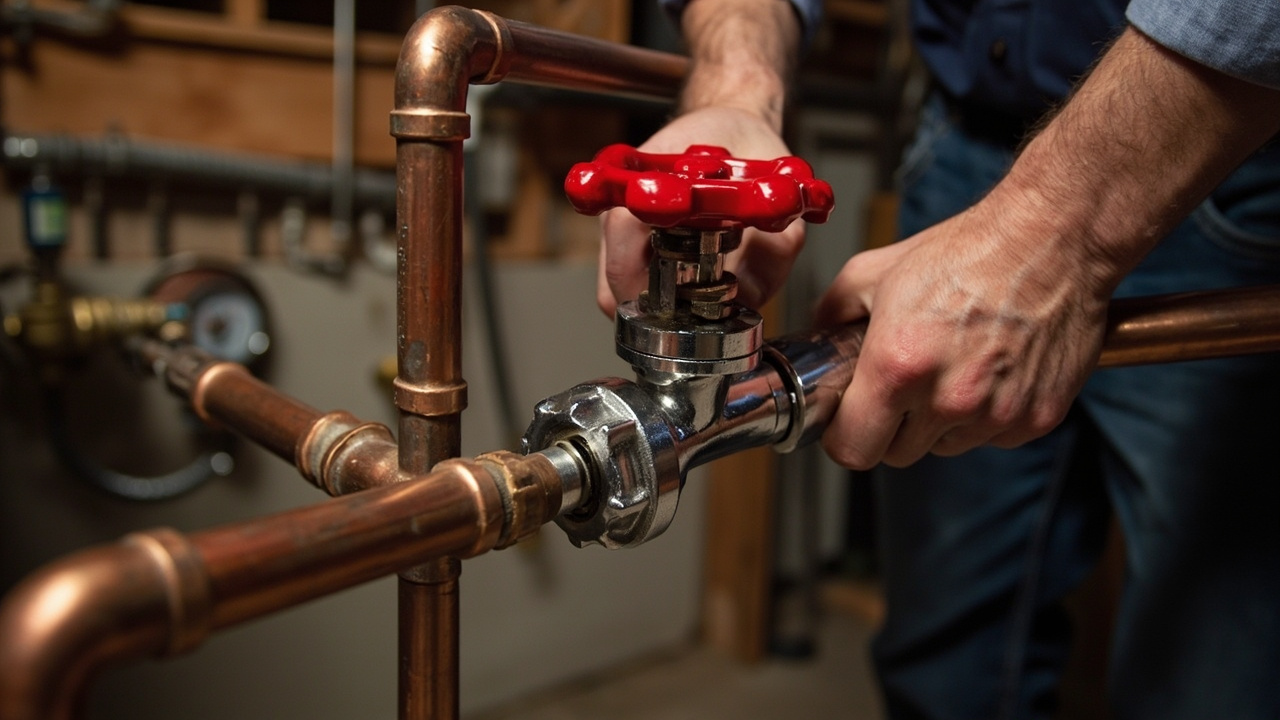
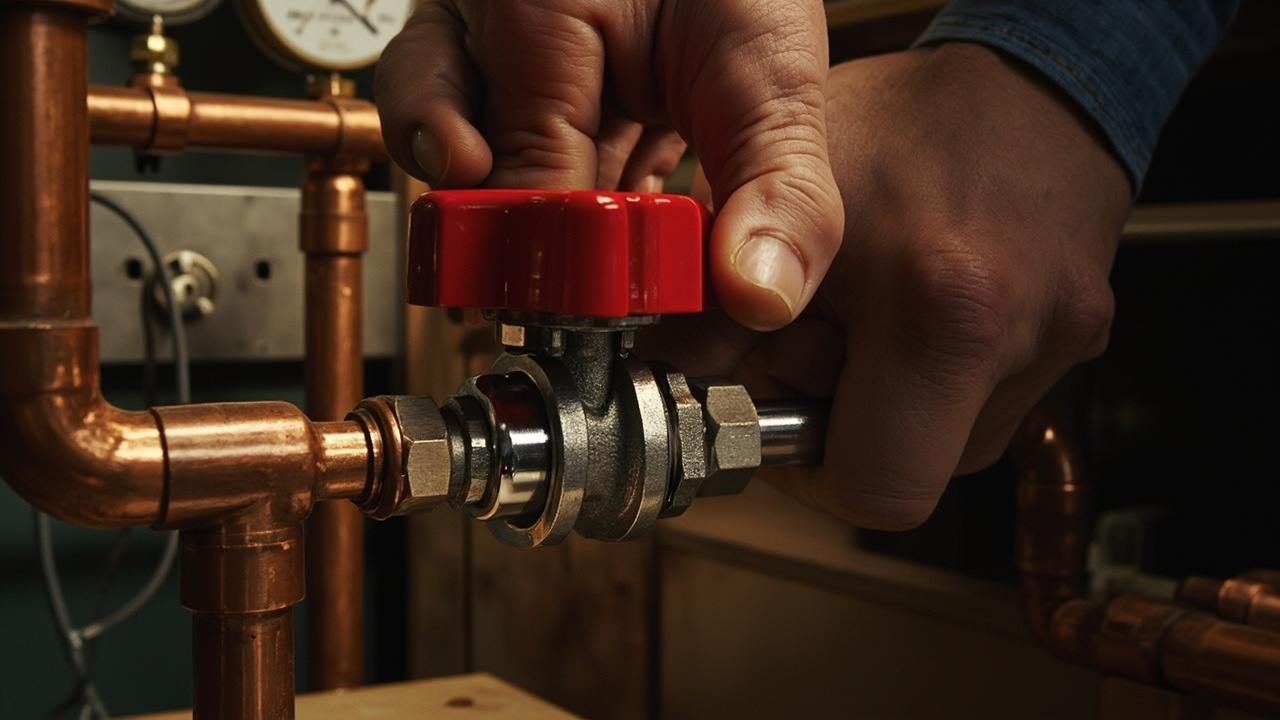
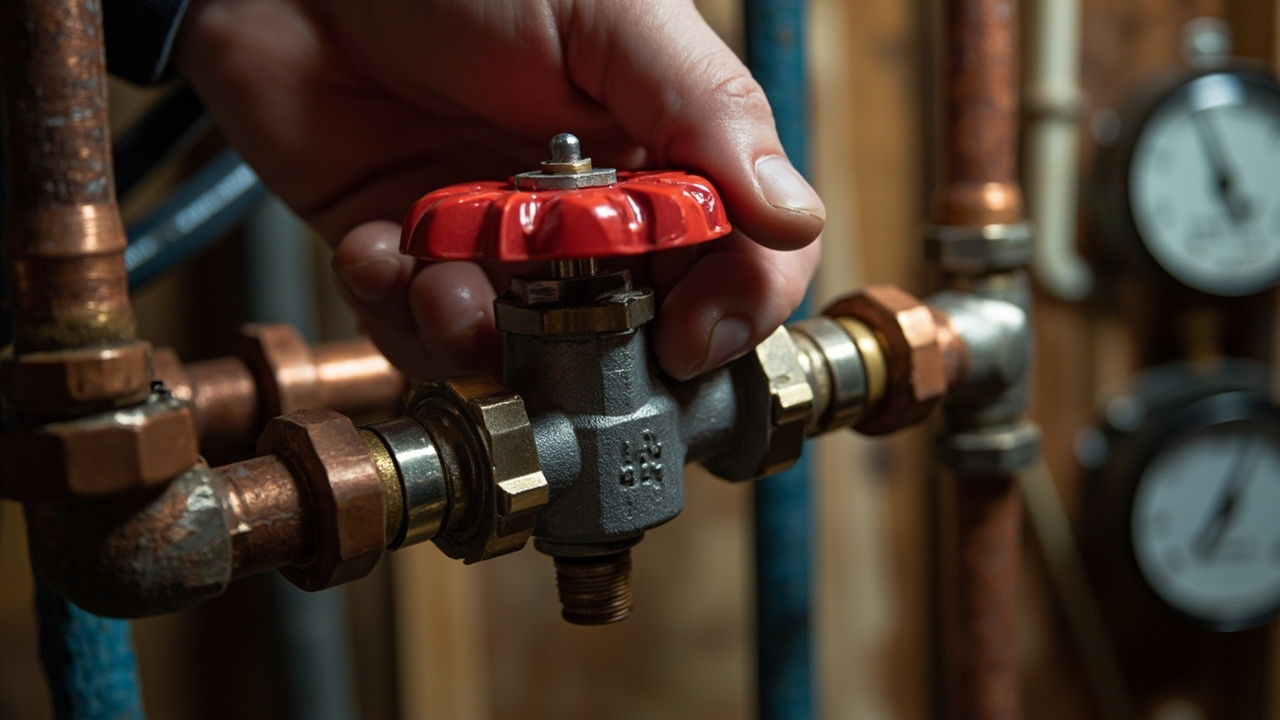
There are two common valve types in Detroit homes. Older homes have gate valves, which look like a round wheel you turn clockwise to close. Newer installations use ball valves, which have a lever handle. Turn the lever 90 degrees perpendicular to the pipe to shut off water to the whole house.

If your basement is finished, the valve might be hidden behind drywall or paneling. Check utility rooms, laundry areas, or crawl spaces. Some homes have an access panel. If you genuinely cannot locate the valve, check your property inspection report. It should identify the location.

In rare cases, Detroit homes have a curb stop valve located underground near the street. This requires a special key to operate and is typically used by the water department, not homeowners. Your main shut off valve should be inside the home for easy access.

Test your valve now, not during an emergency. Turn it clockwise slowly until it stops. If it resists, leaks, or will not turn completely, the valve is failing. A seized valve is as useless as no valve at all. Ironwood Plumbing Detroit can replace corroded shut off valves before they fail when you need them most.

How to Turn Off Your Main Water Supply in Three Steps

How to Shut Off Main Water Valve in Detroit – Step-by-Step Guide for Homeowners and Emergency Preparedness
01

Locate the Valve

Go to your basement and find the pipe entering through the foundation wall on the street side. The main shut off valve is mounted on this pipe. Clear any obstructions blocking access. If the valve is behind a finished wall, locate the access panel. In emergencies, every second counts. Knowing the exact location before a crisis happens is half the battle.
02

Turn the Valve Clockwise

For a gate valve, turn the wheel clockwise until it stops. This may take several full rotations. For a ball valve, rotate the lever handle 90 degrees so it sits perpendicular to the pipe. The handle should move smoothly without excessive force. If the valve resists or leaks when turned, stop and call a plumber. Forcing a corroded valve can break it and flood your basement.
03

Confirm Water is Off

Open a faucet on the lowest floor to verify water flow has stopped. Any residual water in the pipes will drain out within seconds. If water continues flowing, the valve is not fully closed or is defective. In that case, you need to shut off the curb stop at the street or call the Detroit Water and Sewerage Department for emergency shutoff while you arrange valve replacement.

Why Detroit Homeowners Trust Local Plumbers Who Understand Older Homes

Detroit's housing stock is unique. Most homes are pre-war construction with galvanized steel plumbing, cast iron drains, and outdated fixtures. Generic plumbing advice does not account for the specific challenges of these older systems. You need someone who has worked in hundreds of Detroit basements and knows what to expect.

Ironwood Plumbing Detroit specializes in the plumbing realities of older homes. We understand how freeze-thaw cycles stress aging pipes. We know that many Detroit basements have low clearance, tight spaces, and plumbing configurations that have been modified multiple times over decades. We have replaced thousands of main shut off valves in homes just like yours.

Local expertise matters when it comes to code compliance. Detroit has specific requirements for backflow prevention, water meter placement, and valve accessibility. If you are replacing a main shut off valve, it must meet current city standards. A plumber unfamiliar with Detroit code can create permit problems or leave you with a non-compliant installation.

We also understand the urgency Detroit winters create. When the temperature drops, burst pipes become epidemic. We prioritize emergency calls and keep trucks stocked with the parts Detroit homes need most. We are not learning on your property. We have seen every variation of supply line configuration this city has.

Choosing a local plumber means faster response, better parts availability, and someone who knows your home's plumbing DNA. It means working with a team that understands Detroit's water quality issues, pressure variations, and infrastructure quirks. That expertise translates directly into better outcomes and fewer surprises.

What to Expect When You Need Main Shut Off Valve Service

Fast Response Times

Plumbing emergencies do not wait for business hours. We offer same-day service for urgent shut off valve issues and 24/7 emergency response for active leaks or burst pipes. When you call, you speak to a real person who can dispatch a technician immediately. Most service calls in the Detroit metro area are reached within 90 minutes. We keep our trucks stocked with common valve types to minimize delays and get your water back on as quickly as possible.

Thorough Valve Assessment

Before we recommend a replacement, we test your existing valve. We check for corrosion, leaks, and ease of operation. Sometimes a valve just needs lubrication or a new packing nut to stop a minor leak. If replacement is necessary, we explain why and show you the problem. We also inspect the supply line for signs of corrosion or weakness that could cause future failures. You get a clear diagnosis, not a sales pitch.

Quality Installation and Testing

We use brass or stainless steel ball valves rated for residential water pressure. These valves last decades and operate smoothly even after years of sitting unused. Installation includes shutting off water at the curb stop, draining the line, cutting out the old valve, and soldering or threading the new valve into place. We test for leaks, verify full shutoff, and make sure the valve is accessible and clearly labeled. You get a reliable shutoff you can operate confidently in an emergency.

Maintenance Recommendations

A main shut off valve should be exercised twice a year to prevent seizing. We show you how to do this safely and provide a maintenance checklist for your plumbing system. If we identify other issues during the service call, such as corroded supply lines, outdated fixtures, or pressure problems, we document them and provide recommendations. You are never pressured into additional work, but you leave knowing exactly what your system needs to stay reliable.

Frequently Asked Questions

You Have Questions,
We Have Answers

How do I turn off the main water valve in my house? +

Locate your main water valve, usually near where the water line enters your home. In Detroit homes, check the basement along the front wall or near the water heater. Turn the valve clockwise (righty-tighty) until it stops. Gate valves require multiple full turns. Ball valves need a quarter turn. If the valve is stiff or corroded, do not force it. Apply gentle, steady pressure. Test by running a faucet upstairs. If water still flows, the valve may be faulty and needs replacement by a plumber.

Where is my main shut-off valve for water? +

In Detroit homes, the main shut-off valve sits where the water line enters the house. Check your basement along the front wall facing the street. Look near the water meter or where pipes penetrate the foundation. Older Detroit homes may have the valve in a crawl space or utility room. Some properties have an exterior shut-off near the foundation or at the curb. If you cannot locate it, check your home inspection report or contact Detroit Water and Sewerage Department for records showing the service line location.

Is it safe to turn off the main water valve? +

Yes, turning off your main water valve is safe and sometimes necessary. You should shut it off during plumbing emergencies, before leaving for extended trips, or during pipe repairs. Regular operation keeps the valve functional. Detroit's freeze-thaw cycles can cause valve corrosion, so operate it once or twice yearly to prevent seizing. Do not force a stuck valve. If it feels stiff, call a plumber. Forcing a corroded valve can break internal components, causing leaks or requiring emergency valve replacement and water service disruption.

Why is water still running when the main valve is turned off? +

Water continues flowing after closing the main valve for several reasons. The valve may be faulty with worn seals or a broken gate. Sediment buildup inside the valve prevents full closure, common in older Detroit homes with aging infrastructure. You may have turned the wrong valve. Confirm you closed the main supply, not a branch line. Water in pipes between the valve and faucets drains out first. If flow continues beyond a few minutes, the valve failed and needs immediate replacement to prevent emergency flooding situations.

Can you shut off your own water main? +

Yes, you can shut off your own water main. Homeowners should know how to operate the shut-off valve during plumbing emergencies. Turn it clockwise to close. If the valve is accessible and turns smoothly, you can handle it yourself. However, if the valve is stuck, corroded, or located at the curb requiring a special key, call a plumber. In Detroit, curb-side shut-offs sometimes require coordination with the water department. Never force a seized valve. You risk breaking it and causing worse problems requiring emergency repair and service disruption.

What does a water shut-off valve look like? +

Main water shut-off valves come in two types. Gate valves have a round wheel handle requiring multiple clockwise turns to close fully. Ball valves use a lever handle that turns 90 degrees. Both are brass, bronze, or steel. Look for a valve on the main water line entering your home, usually three-quarters to one inch in diameter. In Detroit basements, they often sit near the water meter with a metal or plastic tag. Older homes may have corroded valves with green oxidation. The valve connects directly to the incoming water service line.

Is my main water shut off valve by my water heater? +

Not necessarily. The main shut-off valve is on the incoming water line before it branches to fixtures. In many Detroit homes, this is near the water heater because both are in the basement. However, the water heater has its own dedicated shut-off valve on the cold water supply line feeding the tank. That valve only stops water to the heater. Your main shut-off controls the entire house and sits upstream, usually closer to where the service line enters through the foundation wall facing the street.

How do I prepare for turning off water? +

Before turning off water, notify household members so no one tries using plumbing. Turn off the water heater to prevent dry firing and element damage. Open outdoor hose bibs to drain exterior lines if freezing weather is expected, important during Detroit winters. Flush toilets after shutting off the main valve to clear tank water. Run faucets briefly to relieve pressure and drain standing water in pipes. If you plan extended absence, consider draining the system completely or adding antifreeze to traps. Document the valve location for future emergencies.

How do I find a hidden shutoff valve? +

Start where the water line enters your home, typically the basement front wall facing the street in Detroit properties. Follow the main supply pipe from the water meter. Check behind finished walls, inside utility closets, or under stairs. Use a flashlight in crawl spaces. In older homes, look near the furnace or in mechanical rooms. Some valves hide behind access panels. Check your home inspection report or building plans. If you still cannot locate it, trace the exterior service line from the curb to your foundation. A plumber can use detection equipment if needed.

Do all houses have a main water shut-off valve? +

Nearly all houses have a main water shut-off valve, required by plumbing codes. However, older Detroit homes built before modern codes may have the primary shut-off at the curb instead of inside. Some properties have both interior and exterior valves. The interior valve gives homeowners emergency control without specialized tools. Curb valves require a long key and sometimes water department access. If your home lacks an accessible interior shut-off, install one. It protects your property during burst pipes or plumbing emergencies when immediate water stoppage prevents catastrophic damage and costly repairs.

How Detroit's Freeze-Thaw Cycles Make Main Water Shut Off Valves Critical

Detroit averages 140 days below freezing each year. Temperatures regularly drop below zero in January and February. This creates relentless freeze-thaw cycles that expand and contract pipes, joints, and fittings. Older galvanized steel pipes lose elasticity over time. When frozen water expands inside a brittle pipe, the pipe splits. If you cannot shut off water supply to home within minutes, a single burst pipe can discharge thousands of gallons before a plumber arrives. Detroit homeowners face this risk every winter. A functional main shut off valve is your first line of defense.

Ironwood Plumbing Detroit has served the greater Detroit metro for years, working exclusively with the older housing stock that defines this city. We understand the specific plumbing challenges Detroit homes face. We are familiar with local building codes, water department requirements, and the permitting process for plumbing work. When you hire a local plumber who knows Detroit, you get faster service, better parts availability, and someone who has seen your exact plumbing configuration hundreds of times before. That local knowledge translates into better outcomes and fewer surprises.
Plumbing Services in The Detroit Area

Ironwood Plumbing proudly serves Detroit and the surrounding areas with reliable, professional plumbing solutions. Whether you’re a homeowner or a business owner, you can count on our fast response times and expert service. Use the map below to find our office or check if your location is within our service radius. We’re easy to reach and always happy to help — just call, click, or visit us today to schedule your plumbing service with a local team that truly cares.

Address:
Ironwood Plumbing Detroit, 3200 Greenfield Rd, Detroit, MI, 48120

Additional Services We Offer

Our news updates

Latest Articles & News from The Blogs

Plumbing Requirements for Luxury Body Jets and Rain Showerheads in West Bloomfield High-end luxury shower systems in West Bloomfield demand…

Plumbing Requirements for Luxury Body Jets and Rain Showerheads in West Bloomfield

Plumbing Requirements for Luxury Body Jets and Rain Showerheads in West Bloomfield High-end luxury shower systems in West Bloomfield demand…

The Truth About Septic Tank Additives and Why They Might Not Save You a Pump-Out in Brighton

The Truth About Septic Tank Additives and Why They Might Not Save You a Pump-Out in Brighton Walk into any…

How to Choose the Right Horsepower for Your Next Dearborn Garbage Disposal

Understanding Garbage Disposal HP: Why It Matters The right garbage disposal horsepower directly affects how quickly and thoroughly your kitchen…

Contact Us

Test your main water shut off valve today. If it resists, leaks, or will not turn, call Ironwood Plumbing Detroit at (313) 572-4144. We offer same-day service and can replace a failing valve before it becomes an emergency.