




menu

Wet Spots in Yard in Detroit – Expert Underground Leak Detection and Permanent Drainage Solutions

When unexplained standing water won't drain and soggy patches keep returning, you need precise leak detection and proven repair methods designed for Detroit's aging infrastructure and unstable clay soil.

Slider Image 1
Slider Image 2
Slider Image 3
Slider Image 4
Slider Image 5
Slider Image 7
Slider Image 8
Slider Image 9
Slider Image 10
Slider Image 11

What's Really Causing Your Yard to Stay Wet

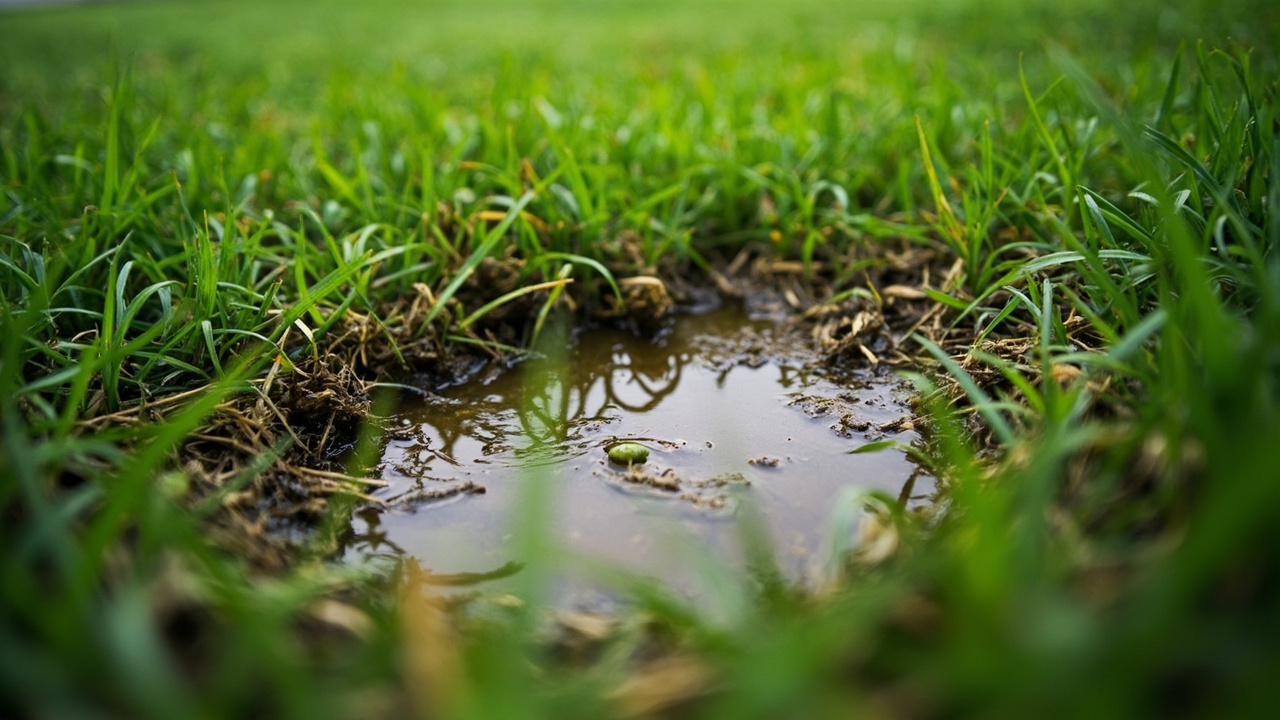
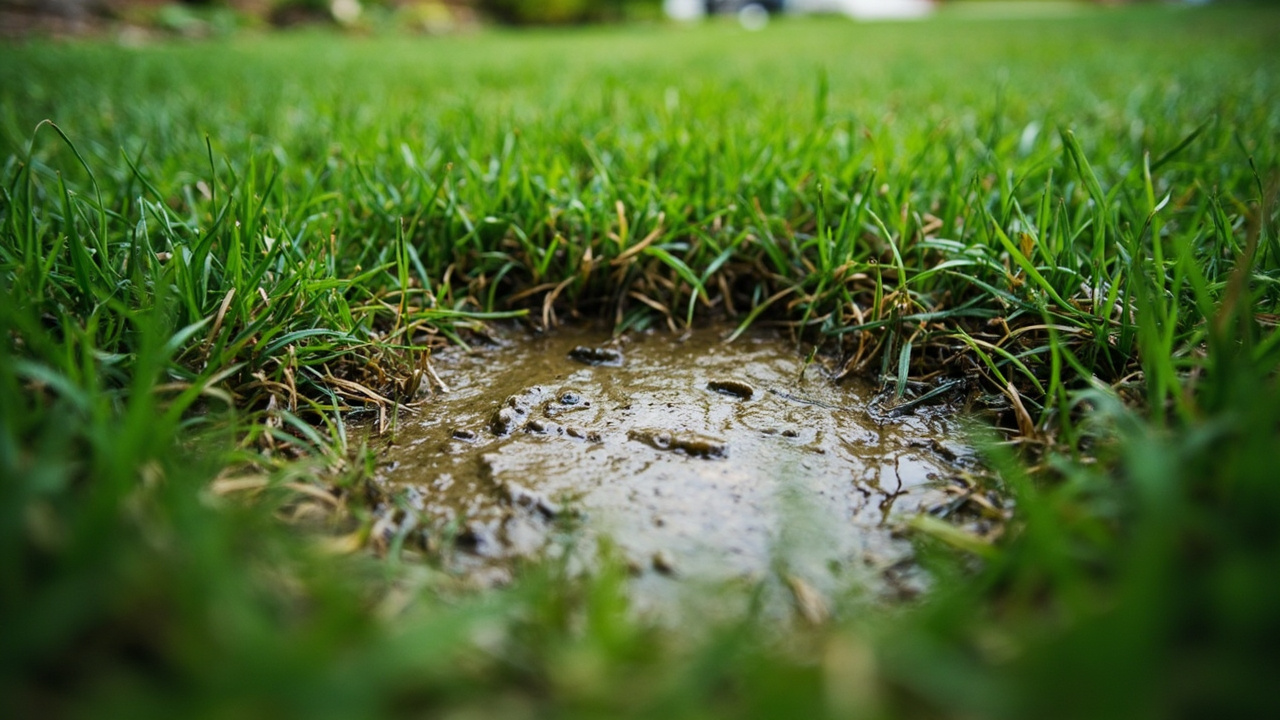
You walk outside and find saturated areas in grass that never seem to dry. The damp spots in lawn spread wider after every rain, and pooling water in yard turns sections of your property into a muddy mess. This is not normal drainage.

Detroit sits on heavy clay soil that holds water like a sponge. When you combine that with water mains installed 60 to 100 years ago, underground leaks become a common reality. A cracked service line, failed sewer lateral, or broken sprinkler pipe can push hundreds of gallons into your yard every day without you noticing until the ground becomes too saturated to hide it.

The soggy patches in lawn you see on the surface are symptoms of a hidden problem underground. Freeze-thaw cycles unique to our region stress aging pipes every winter. When temperatures swing from below zero in January to above freezing in March, underground connections crack, joints separate, and older galvanized lines corrode through. Water escapes under pressure and follows the path of least resistance, creating those persistent wet areas that never dry.

Ignoring unexplained standing water leads to foundation erosion, basement flooding, and skyrocketing water bills. The longer pressurized water flows underground, the more soil it displaces. That shifts your foundation footing, cracks basement walls, and creates voids that can collapse under driveways or walkways. The wet spots are not going away on their own. They are getting worse every day the leak continues.

What's Really Causing Your Yard to Stay Wet
How We Locate and Fix Underground Leaks Causing Wet Yards

How We Locate and Fix Underground Leaks Causing Wet Yards

Guessing where a leak hides wastes time and destroys your landscaping. We use electronic leak detection and pressure testing to pinpoint the exact location before we dig. This technology listens for the sound of water escaping under pressure, even when the leak is eight feet underground.

We start by isolating your water service line. We shut off supply at the curb stop and attach a pressure gauge to your system. If the gauge drops while no fixtures run inside, we know water is escaping somewhere between the meter and your house. Then we use acoustic sensors to walk the line and identify the loudest point, which marks the leak location within inches.

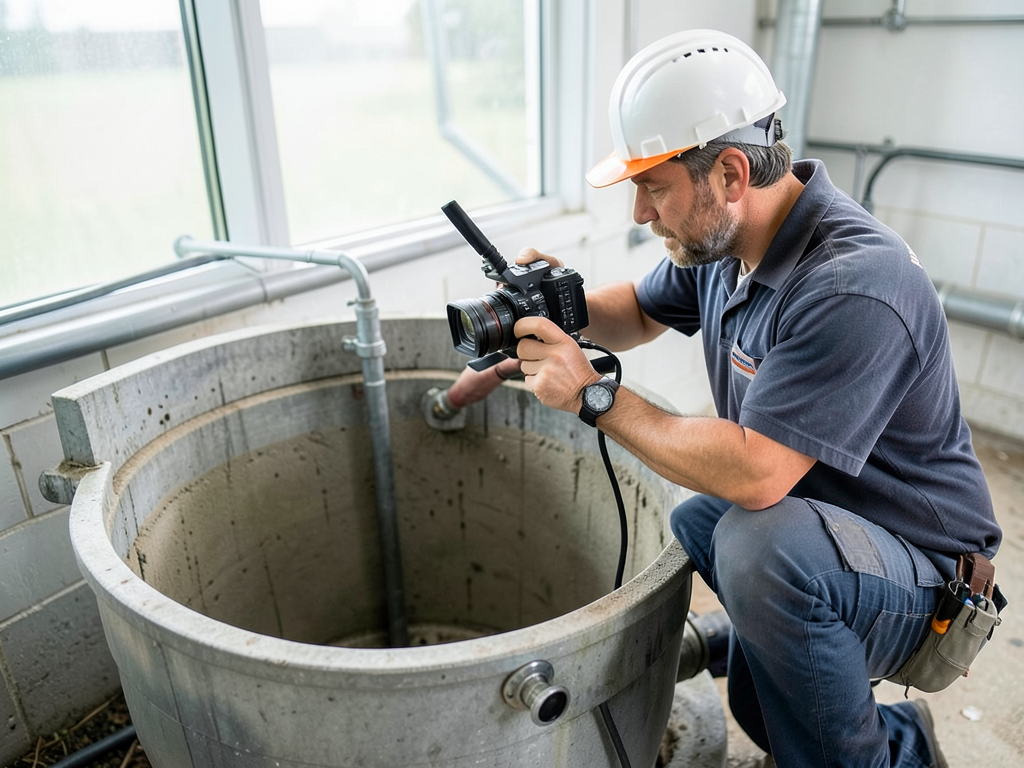
For sewer laterals causing wet spots, we run a camera inspection through your cleanout. The camera shows us cracks, root intrusion, or collapsed sections in real time. Clay sewer lines common in Detroit homes built before 1975 are especially vulnerable to tree root damage. Roots seek out moisture, infiltrate through joints, and break the pipe apart from the inside. The camera does not lie. You see exactly what we see, and you understand why the repair is necessary.

Once we locate the source, we excavate only the damaged section. Trenchless repair methods let us replace short segments without tearing up your entire yard. We install new copper, PEX, or PVC depending on the application and backfill with compacted soil to prevent future settling. For severe sewer damage, we may recommend full lateral replacement using pipe bursting technology, which pulls new pipe through the old path without open trenching.

What Happens During Your Leak Investigation

Wet Spots in Yard in Detroit – Expert Underground Leak Detection and Permanent Drainage Solutions
01

Initial Pressure Testing

We begin by shutting off your water at the curb and attaching calibrated pressure gauges to your service line. This static pressure test runs for 30 minutes and reveals whether water is actively leaking underground. A dropping gauge confirms a breach in your system and tells us how severe the loss is before we start pinpointing the exact location.
02

Electronic Leak Detection

Using ground microphones and acoustic sensors, we listen for the distinct sound of pressurized water escaping through cracks or corrosion. This method works through concrete, asphalt, and compacted clay. We mark the loudest point with spray paint, which identifies the leak location within a six-inch radius. No guesswork, no unnecessary excavation, no wasted time tearing up your yard randomly.
03

Targeted Repair and Restoration

We excavate only the section containing the leak, remove the damaged pipe, and install new materials rated for your water pressure and soil conditions. After backfilling and compacting the trench, we restore your yard to its original grade. The wet spots dry within days once the underground leak stops. Your water bill returns to normal, and your foundation stops eroding.

Why Detroit Homeowners Trust Local Plumbers for Underground Leak Repair

Detroit's housing stock is old. Most homes in neighborhoods like Indian Village, Rosedale Park, and Bagley were built between 1920 and 1960. That means your water and sewer lines are made from galvanized steel, cast iron, or clay tile, all of which have limited lifespans. A plumber unfamiliar with Detroit's infrastructure does not understand how these materials fail or how to work around century-old utility layouts.

We have repaired underground leaks in every neighborhood across the city. We know which streets still have lead service lines. We know where the water main depth changes because of bedrock. We know that homes near the Detroit River sit in zones with high groundwater tables, which makes diagnosing wet spots more complex. That local knowledge prevents misdiagnosis and saves you money.

Our trucks carry the parts and tools needed for same-day repairs. We stock copper couplings, compression fittings, PEX adapters, and trenchless pipe bursting equipment. When we locate your leak, we fix it that day unless it requires a full sewer lateral replacement, which we schedule within 48 hours. We do not make you wait a week while parts get ordered or while we figure out what materials your home uses.

Ironwood Plumbing Detroit operates year-round, including through Detroit winters. Frozen ground does not stop underground leaks. In fact, freeze-thaw cycles make them worse. We excavate in January when necessary, using frost-breaking equipment to reach your service line even when the ground is frozen solid. Waiting until spring only allows more water to escape and more soil to erode.

What You Can Expect from Start to Finish

How Quickly We Respond

We arrive within two hours for active leaks creating visible flooding or structural risk. Standard wet spot investigations get scheduled within 24 hours. Once we locate the problem, most repairs finish the same day. Sewer lateral replacements take one to two days depending on distance and depth. You do not wait weeks for an appointment or deal with vague timelines. We give you an arrival window and stick to it.

Our Diagnostic Process Explained

The diagnostic visit includes pressure testing, acoustic leak detection, and camera inspection if sewer damage is suspected. We provide a written assessment explaining what we found, where the leak is located, and what repair method we recommend. You receive photos or video evidence showing the damage. There are no surprise charges for diagnostics if you proceed with the recommended repair. The investigation fee applies toward your total cost.

The Quality of Our Repairs

We install materials rated for Detroit's soil conditions and water pressure standards. Copper and PEX replacements meet or exceed code requirements. Trenchless sewer repairs use HDPE pipe rated for 50-plus years of service. Every repair gets pressure tested before we backfill to confirm there are no secondary leaks. Your wet spots dry because the underground breach is fixed correctly the first time.

What Happens After the Repair

We provide documentation of the repair, including photos of the damaged section and the new installation. This protects you if you sell your home or need records for insurance claims. We also offer whole-home plumbing inspections to identify other aging components before they fail. Prevention costs less than emergency repairs. If your service line failed, your sewer lateral may be next. We help you plan ahead.

Frequently Asked Questions

You Have Questions,
We Have Answers

What is an unexplained wet spot in my yard? +

An unexplained wet spot is a persistent damp or soggy area in your yard with no obvious cause like a sprinkler or downspout. Common culprits include underground water line leaks, sewer line breaks, broken irrigation pipes, or poor drainage from Detroit's heavy clay soil. You might notice the spot stays wet even during dry weather, grass dies or grows abnormally thick, or you see sinkholes forming. In Detroit's freeze-thaw cycles, cracked water lines are common. If the wet spot appears near your foundation or property line, check your water meter for movement when no fixtures are running. This signals an active leak requiring immediate professional evaluation.

How do I fix a wet spot in my yard? +

Fixing a wet spot starts with identifying the source. Turn off all water in your house and check your meter. If it moves, you have a leak. For Detroit homeowners, call a licensed plumber to pressure-test your water lines and locate the break. If drainage is the issue, regrading soil away from the wet area or installing a French drain helps redirect water. Clay-heavy Detroit soil holds moisture, so adding organic matter improves absorption. For irrigation leaks, repair broken sprinkler heads or lines. Do not ignore persistent wet spots. They can undermine foundations, attract mosquitoes, and cause basement flooding during Michigan's spring thaw.

Why is one part of my yard always wet? +

One area stays wet due to underground leaks, poor grading, compacted soil, or a high water table. In Detroit, clay soil naturally drains slowly, creating low spots where water pools. Check for leaking water lines, especially if your water bill increased unexpectedly. Tree roots can crack underground pipes, and Detroit's freeze-thaw cycles stress aging infrastructure. The spot might sit lower than surrounding areas, collecting runoff. If it is near your foundation, water may migrate from a cracked sewer lateral or footer drain failure. Run a dye test on toilets to rule out sewer leaks. Persistent wetness requires a plumber to camera-inspect lines and diagnose the root cause.

How to fix a muddy spot in yard? +

Fix a muddy spot by addressing the water source first. If a leak causes it, repair the broken pipe immediately. For drainage problems common in Detroit's flat terrain, regrade the area to slope away from the muddy zone at least two percent. Install a dry well or French drain to collect and redirect water. Aerate compacted clay soil and mix in sand or compost to improve permeability. Top-dress with gravel or mulch temporarily to stabilize foot traffic areas. Avoid adding topsoil without fixing drainage. It just creates more mud. If the spot borders your home, extend downspouts and ensure gutters drain away from the foundation to prevent basement seepage.

What are signs of an outdoor water leak? +

Outdoor water leaks show several warning signs. Look for unexplained wet spots, unusually green or lush grass patches, sinkholes, or soil erosion. You might hear hissing or running water when everything is off. Check your water bill for sudden spikes. In Detroit, watch for foundation cracks or basement moisture, as leaking water migrates toward your home. Puddles that appear during dry weather signal trouble. Test your meter by turning off all water and checking if the dial moves. Cracked pavement, waterlogged mulch beds, or low water pressure also indicate leaks. Do not wait. Underground leaks waste thousands of gallons and cause expensive structural damage over time.

How do I fix a swampy area in my yard? +

Fixing a swampy area requires improving drainage and redirecting water flow. Install a French drain with perforated pipe and gravel to collect and channel water away. Regrade the yard so water slopes away from the swamp at a minimum two percent grade. Detroit's clay soil holds water, so core aerate and add compost to increase absorption. Consider a dry well or rain garden planted with native wetland plants that tolerate moisture. If a broken water line or sewer lateral causes the swamp, repair it immediately. Extend downspouts and disconnect sump pump discharge lines that dump water into the yard. Persistent swampy conditions near your home threaten your foundation and invite mosquitoes.

What to put on the ground to absorb water? +

To absorb standing water quickly, spread sand, perlite, or expanded shale over the wet area. For long-term solutions in Detroit's clay soil, mix in organic compost or gypsum to improve permeability. Lime helps break up clay and improve drainage. Apply a layer of mulch or wood chips to soak up surface moisture temporarily. Install drainage solutions like French drains or dry wells for recurring problems. Peat moss absorbs water but decomposes slowly. Avoid just adding topsoil. It masks the problem without fixing poor drainage. If a leak causes the wetness, no absorbent material helps. You must repair the pipe first, then address soil saturation with proper grading and amendments.

Who is responsible for water leaks outside the house? +

You are responsible for water leaks on your property, including the service line from the street to your home. In Detroit, the city owns the main water line in the street, but homeowners own the lateral connection. If a leak occurs between the meter and your house, you pay for repairs and wasted water. Leaks before the meter might fall under city responsibility, but confirm with Detroit Water and Sewerage Department. For shared or boundary line issues, check your property survey. Sewer laterals to the street are also your responsibility. Ignoring leaks leads to high bills, property damage, and potential liability if water affects a neighbor's property. Address leaks immediately.

How to turn wetland into dry land? +

Turning wetland into dry land requires permits and is often restricted in Michigan due to environmental laws protecting wetlands. If your wet area is not a regulated wetland, improve drainage by installing French drains, dry wells, or catch basins. Regrade soil to redirect water away from the area. Build up the site with fill dirt and compact it properly, ensuring water flows to drainage points. Detroit's clay soil needs amendments like sand or compost for permeability. Install sump systems if groundwater is high. Never fill wetlands without consulting the Michigan Department of Environment, Great Lakes, and Energy. Violations carry heavy fines. For persistent saturation, a drainage engineer can design a compliant solution.

How to dry up a wet yard fast without drainage? +

Dry a wet yard fast by removing standing water with a pump or wet vacuum. Spread sand, mulch, or straw over saturated areas to absorb surface moisture. Aerate compacted clay soil to open channels for water infiltration. Redirect water sources like downspouts, sump discharge, or broken sprinklers away from the wet zone. Use box fans or leaf blowers to increase evaporation in small areas. For Detroit's heavy clay, avoid tilling wet soil. It creates clumps and worsens compaction. If a leak causes the wetness, shut off your main water valve and call a plumber immediately. Quick drying prevents mosquito breeding and foundation damage, but it does not replace proper drainage solutions.

Why Detroit's Clay Soil and Aging Infrastructure Make Wet Spots a Serious Problem

Detroit sits on Blount clay loam, a dense soil type that expands when wet and contracts when dry. This movement stresses underground pipes year after year. When a water or sewer line cracks, the clay holds moisture and prevents natural drainage, creating those persistent soggy patches in lawn that never seem to improve. The city's infrastructure dates back to the early 1900s in many neighborhoods, and those original service lines were not designed for modern water pressure or today's freeze-thaw extremes. Wet spots are not cosmetic issues. They signal that pressurized water is eroding soil around your foundation, destabilizing the ground your home sits on.

Choosing a plumber who understands Detroit's unique conditions matters. We work with the Detroit Water and Sewerage Department on permit requirements and shut-off coordination. We know which blocks still have combined sewer systems and which have been separated. We understand local frost depth codes and backfill compaction standards enforced by city inspectors. This local expertise prevents failed inspections, project delays, and substandard repairs that do not hold up under Detroit's seasonal ground movement. When your yard stays wet and your water bill climbs, you need someone who has fixed this exact problem a hundred times in your exact neighborhood.
Plumbing Services in The Detroit Area

Ironwood Plumbing proudly serves Detroit and the surrounding areas with reliable, professional plumbing solutions. Whether you’re a homeowner or a business owner, you can count on our fast response times and expert service. Use the map below to find our office or check if your location is within our service radius. We’re easy to reach and always happy to help — just call, click, or visit us today to schedule your plumbing service with a local team that truly cares.

Address:
Ironwood Plumbing Detroit, 3200 Greenfield Rd, Detroit, MI, 48120

Additional Services We Offer

Our news updates

Latest Articles & News from The Blogs

Plumbing Requirements for Luxury Body Jets and Rain Showerheads in West Bloomfield High-end luxury shower systems in West Bloomfield demand…

Plumbing Requirements for Luxury Body Jets and Rain Showerheads in West Bloomfield

Plumbing Requirements for Luxury Body Jets and Rain Showerheads in West Bloomfield High-end luxury shower systems in West Bloomfield demand…

The Truth About Septic Tank Additives and Why They Might Not Save You a Pump-Out in Brighton

The Truth About Septic Tank Additives and Why They Might Not Save You a Pump-Out in Brighton Walk into any…

How to Choose the Right Horsepower for Your Next Dearborn Garbage Disposal

Understanding Garbage Disposal HP: Why It Matters The right garbage disposal horsepower directly affects how quickly and thoroughly your kitchen…

Contact Us

Wet spots in your yard are not going away without professional intervention. Call Ironwood Plumbing Detroit at (313) 572-4144 to schedule leak detection and get your property dried out before the damage spreads underground.