




menu

Hydro Jetting vs. Snaking in Detroit – Expert Comparison to Fix Your Drain the Right Way

Ironwood Plumbing Detroit breaks down the key differences between hydro jetting and snaking so you can choose the most effective drain cleaning method for your home's specific blockage and pipe condition.

Slider Image 1
Slider Image 2
Slider Image 3
Slider Image 4
Slider Image 5
Slider Image 7
Slider Image 8
Slider Image 9
Slider Image 10
Slider Image 11

Why Detroit Homeowners Need to Know the Difference Between Hydro Jetting and Snaking

You have a backed-up drain. A plumber offers two options: hydro jetting or snaking. The terms sound similar, but the outcomes are vastly different. Choosing the wrong method can mean you pay twice, or worse, damage your pipes.

Detroit's aging sewer infrastructure compounds this decision. Many homes in neighborhoods like Corktown, Midtown, and East English Village still run on cast iron or clay sewer lines installed 60 to 100 years ago. These pipes develop issues unique to older systems: root intrusion from mature street trees, corrosion from decades of use, and belly sags caused by soil settlement around the Detroit River basin.

The hydro jet vs drain snake debate is not about which tool is better in a vacuum. It is about which tool matches your specific blockage type, pipe material, and drain condition. A plumbing snake, also called a rooter or auger, punches a hole through the clog. It works quickly for simple stoppages like hair or grease buildup in accessible lines. Water jetting uses high-pressure streams (up to 4,000 PSI) to scour the entire pipe wall clean, removing scale, grease, and even tree roots.

Here is the catch: snaking a line with severe root infiltration only clears a temporary path. The roots grow back within months. Hydro jetting a fragile cast iron line with advanced corrosion can crack the pipe and turn a drain cleaning job into a sewer replacement.

Understanding the difference between hydro jetting and snaking saves you money and prevents unnecessary damage. The right choice depends on your pipe's age, material, and the severity of the blockage.

Why Detroit Homeowners Need to Know the Difference Between Hydro Jetting and Snaking
How Hydro Jetting and Snaking Work: The Technical Breakdown

How Hydro Jetting and Snaking Work: The Technical Breakdown

A plumbing snake is a mechanical auger. We feed a flexible metal cable into the drain, rotating it to break up or hook the obstruction. The cutting head varies: a coil end for soft clogs like hair, a blade attachment for roots, or a retrieval head for foreign objects. The process is tactile. The technician feels resistance change as the cable encounters and clears the blockage. Snaking works well for single-point clogs in branch lines: kitchen sinks, bathroom drains, and toilets. It is fast, requires minimal setup, and causes no water mess.

Hydro jetting uses a specialized nozzle attached to a high-pressure hose. We insert the nozzle downstream and work backward toward the access point. Water jets fire in multiple directions: forward-facing jets cut through the blockage, while rear-facing jets scour the pipe walls and propel the hose forward. The pressure setting adjusts based on pipe material and condition. Residential lines typically require 3,000 to 4,000 PSI. Commercial or municipal lines may go higher.

The pros and cons of hydro jetting vs snaking come down to thoroughness versus risk. Snaking is safer for compromised pipes but leaves residue behind. The clog returns faster because the pipe interior remains coated with grease, sludge, or biofilm. Hydro jetting removes everything, restoring the pipe to near-original diameter. But the pressure can exploit existing weaknesses in old clay or corroded cast iron.

We always camera-inspect the line first when hydro jetting is under consideration. The camera reveals pipe material, joint integrity, and the exact nature of the blockage. If we see widespread corrosion or offset joints, we recommend snaking or replacement instead. The goal is a clear drain, not a collapsed sewer.

What Happens When You Call Ironwood Plumbing Detroit for Drain Cleaning

Hydro Jetting vs. Snaking in Detroit – Expert Comparison to Fix Your Drain the Right Way
01

Camera Inspection First

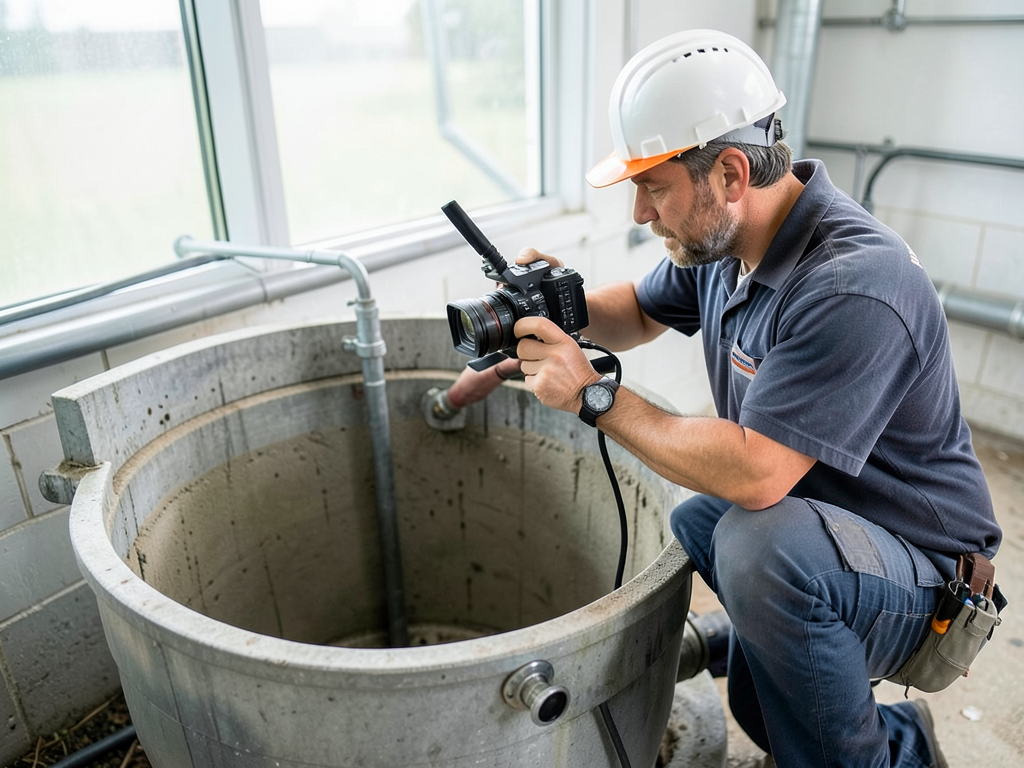
We run a sewer camera through your line before we touch a tool. The camera shows us exactly what we are dealing with: the blockage type, pipe material, wall thickness, and any structural damage like cracks or root penetration. This inspection determines whether your drain needs a plumbing snake vs water jetting. We show you the camera footage on a monitor so you understand the diagnosis and the recommended approach.
02

Method Selection and Setup

Based on the camera findings, we select the appropriate method. If snaking is safer, we use the correct cable diameter and cutting head for your pipe size and blockage. If hydro jetting is appropriate, we calibrate the pressure setting to match your pipe material and set up containment to manage wastewater. We explain the process and the reasoning so you know why we chose this method over the alternative.
03

Post-Cleaning Verification

After clearing the line, we run the camera again to confirm complete removal and check for any damage caused by the blockage itself, like cracks from root pressure. This second inspection shows you the before-and-after condition of your pipe. We document everything and provide maintenance recommendations to prevent recurrence, whether that means enzyme treatments, root barriers, or scheduling future hydro jetting intervals.

Why Ironwood Plumbing Detroit is the Right Choice for Drain Cleaning

Detroit's plumbing systems are not uniform. A home in Indian Village built in 1915 has different infrastructure than a 1960s ranch in Redford Township. We know the difference because we work in these neighborhoods every day. We know which areas have combined sewers that mix stormwater with wastewater, increasing backup risk during heavy spring rains. We know which streets have shallow frost lines that cause winter line freezing.

This local knowledge informs our method selection. We do not default to one tool. A national franchise might push hydro jetting because it generates higher revenue. We choose the method that fits your specific situation. If your 90-year-old cast iron lateral shows wall thinning on camera, we will not risk hydro jetting it. We will snake the line, clear the immediate blockage, and discuss replacement options for long-term reliability.

We also understand Detroit's permit requirements. If your main sewer line needs replacement, we handle the permit process with the Detroit Water and Sewerage Department. We know the inspection protocols, the backflow preventer requirements, and the approved materials list. We coordinate with the city so the project moves forward without delays.

Transparency matters. We show you the camera footage before and after the cleaning. We explain what we found, why we chose this method over the other, and what you should expect moving forward. If the camera reveals larger issues like a bellied line or offset joints, we document it and provide a written assessment. You get a full picture of your drain's condition, not just a temporary fix.

Our trucks carry both snaking equipment and hydro jetting rigs. We can pivot based on what the inspection reveals. That flexibility means we solve the problem correctly the first time.

What to Expect When You Schedule Drain Cleaning with Ironwood Plumbing Detroit

Same-Day and Next-Day Availability

We understand that a backed-up drain disrupts your entire household. We offer same-day service for urgent blockages and next-day appointments for non-emergency drain cleaning. Our dispatch team provides accurate arrival windows and confirms the appointment the morning of your service. Most drain cleaning jobs, whether snaking or hydro jetting, complete within two to three hours from arrival to final camera verification. Emergency calls receive priority scheduling, and we arrive equipped to handle either method based on your line's condition.

Thorough Camera Diagnosis Before Any Work

Our technicians perform a sewer camera inspection before choosing a drain cleaning method. The camera reveals pipe material, blockage type, and structural integrity. We show you the live feed and explain what we see. This diagnostic step prevents unnecessary damage and ensures we select the right approach. You receive a digital recording of the inspection for your records. If the camera reveals damage unrelated to the blockage, like a cracked pipe or root intrusion points, we document it and provide a separate assessment so you can plan for repairs.

Complete Blockage Removal and Verification

Whether we snake or hydro jet your line, the goal is complete blockage removal and restored flow capacity. We do not stop at partial clearing. After the initial cleaning, we run the camera again to verify the blockage is gone and the pipe walls are clean. For hydro jetting jobs, this second inspection confirms that grease, scale, and biofilm have been fully removed. For snaking jobs, it shows the clog has been broken up and flushed downstream. You see proof that your drain is clear before we leave.

Maintenance Recommendations and Follow-Up Options

We provide specific maintenance recommendations based on what the camera inspection revealed. If tree roots caused the blockage, we discuss root barrier treatments or scheduled hydro jetting intervals to prevent regrowth. If grease buildup was the culprit, we recommend enzyme treatments and proper disposal habits. For older pipes showing signs of wear, we outline monitoring schedules and replacement timelines so you can budget accordingly. We offer maintenance agreements that include annual camera inspections and preventive cleaning to catch issues before they become emergencies.

Frequently Asked Questions

You Have Questions,
We Have Answers

Is hydro jetting worth the cost? +

Hydro jetting is worth the cost if you face recurring clogs, slow drains, or heavy grease buildup. A snake only punches a hole through the blockage. Hydro jetting scours the entire pipe wall clean, removing years of sludge, scale, and tree root intrusions common in Detroit's older clay sewer lines. This means fewer callbacks and longer-lasting results. For homes built before 1980 or properties with mature trees, hydro jetting prevents emergency backups during heavy spring rains. The upfront investment saves you money long-term by reducing repeat service calls.

What are the signs I need hydro jetting? +

You need hydro jetting if drains back up frequently, even after snaking. Slow drains throughout the house, gurgling toilets, or foul sewer odors signal buildup that a cable cannot remove. Detroit homes often deal with grease accumulation from aging cast iron pipes or root infiltration from street-side maples and oaks. If you run a restaurant or multi-unit property, grease traps overflow quickly. Multiple fixtures draining slowly at once means the main line has restricted flow. Hydro jetting clears these systemic blockages, restoring full pipe capacity and preventing basement flooding.

Is hydro jetting safe for old pipes? +

Hydro jetting can be safe for old pipes if a licensed plumber performs a video inspection first. Detroit has thousands of homes with original clay, cast iron, or Orangeburg pipes from the 1940s to 1970s. These materials crack, corrode, or collapse over time. A camera inspection identifies weak spots, offsets, or severe corrosion. If pipes are structurally sound, hydro jetting works well. If they show significant damage, a professional will recommend spot repairs or repiping before jetting. Never let an unlicensed technician hydro jet without inspecting first. It protects your system.

Does hydro jetting have any disadvantages? +

Hydro jetting has a few disadvantages. It costs more upfront than snaking. It requires specialized equipment and training, so not every plumber offers it. For minor clogs like hair or paper, a snake is faster and cheaper. Hydro jetting can damage compromised pipes if the operator skips a camera inspection. Older Detroit homes with fragile Orangeburg or heavily corroded cast iron need careful assessment first. The process uses significant water volume, which may concern you if you have a septic system or water restrictions. Despite these limits, hydro jetting delivers superior results for stubborn blockages.

How Detroit's Aging Sewer Lines and Root Intrusion Affect Your Drain Cleaning Options

Detroit's mature tree canopy creates one of the most beautiful urban landscapes in the Midwest. It also creates relentless pressure on underground sewer lines. Silver maples, elms, and oaks line streets throughout neighborhoods like Palmer Woods, Sherwood Forest, and Rosedale Park. These trees send roots searching for water, and they find it in your sewer lateral. Clay tile joints and cast iron seams offer easy entry points. Once inside, roots expand and trap debris, causing recurring backups. Hydro jetting vs rooter becomes a critical decision in these areas because snaking only punches through the root mass temporarily. The roots grow back within six months. Hydro jetting cuts the roots flush with the pipe wall and removes the organic debris that feeds regrowth, extending the time between cleanings to 18 to 24 months.

Local expertise matters when working with Detroit's mixed-age infrastructure. Many neighborhoods transitioned from combined sewers to separated systems over the past few decades, but the changeover was not uniform. Ironwood Plumbing Detroit knows which areas still tie into combined systems and which have dedicated sanitary laterals. We understand how seasonal groundwater fluctuations around the Detroit River affect basement drain performance. We know the soil composition shifts from clay near the river to sandy loam in northern suburbs, affecting how tree roots infiltrate and how pipes settle over time. This knowledge informs every diagnosis and every method recommendation we make.
Plumbing Services in The Detroit Area

Ironwood Plumbing proudly serves Detroit and the surrounding areas with reliable, professional plumbing solutions. Whether you’re a homeowner or a business owner, you can count on our fast response times and expert service. Use the map below to find our office or check if your location is within our service radius. We’re easy to reach and always happy to help — just call, click, or visit us today to schedule your plumbing service with a local team that truly cares.

Address:
Ironwood Plumbing Detroit, 3200 Greenfield Rd, Detroit, MI, 48120

Additional Services We Offer

Our news updates

Latest Articles & News from The Blogs

How to Add a Dog Wash Station to Your Royal Oak Mudroom (Plumbing Tips and Costs) Adding a dog wash…

How to Add a Dog Wash Station to Your Royal Oak Mudroom (Plumbing Tips and Costs)

How to Add a Dog Wash Station to Your Royal Oak Mudroom (Plumbing Tips and Costs) Adding a dog wash…

Creating an ADA-compliant bathroom in your Southgate home for aging in place

Creating an ADA-compliant bathroom in your Southgate home for aging in place Creating an ADA-compliant bathroom in your Southgate home…

Is switching from an electric to a gas water heater worth it for your Redford home?

Is switching from an electric to a gas water heater worth it for your Redford home? Converting from an electric…

Contact Us

You need a clear drain and honest advice about the best method to achieve it. Call Ironwood Plumbing Detroit at (313) 572-4144 for same-day service. We camera-inspect your line, explain your options, and choose the method that fits your pipes and your budget.