




menu

Low Water Pressure Issues in Detroit – Expert Diagnosis and Permanent Fixes for Weak Flow

Ironwood Plumbing Detroit identifies the root cause of poor water pressure, decreased water flow, and loss of water pressure using precision testing, then delivers targeted repairs that restore full pressure throughout your home or business.

Slider Image 1
Slider Image 2
Slider Image 3
Slider Image 4
Slider Image 5
Slider Image 7
Slider Image 8
Slider Image 9
Slider Image 10
Slider Image 11

Why Detroit Homes Struggle With Weak Water Pressure

You turn on the faucet and watch a feeble trickle crawl out. You try to shower and the water barely reaches your shoulders. You run the washing machine and the kitchen sink loses all pressure. This is not normal, and it is not something you should ignore.

Detroit's aging water infrastructure plays a significant role in poor water pressure. Many neighborhoods still rely on galvanized steel supply lines installed decades ago, and these corrode from the inside out. The buildup narrows the pipe diameter, choking water flow before it even reaches your home. Add in the city's hard water, rich in calcium and magnesium, and you get mineral deposits that layer onto pipe interiors, aerators, and fixture valves. Over time, the accumulation creates bottlenecks that turn strong flow into weak water pressure.

Homes near Woodward Avenue, Indian Village, and Corktown often see decreased water pressure tied to outdated service lines connecting to the city main. If your house was built before 1960, there is a strong chance your supply pipes are galvanized steel or even lead remnants. Both corrode aggressively in Detroit's fluctuating freeze-thaw cycle. Winter ground shifts stress pipe joints, causing micro-leaks and pressure drops that worsen each season.

Low water flow can also stem from a failing pressure regulator, a clogged main shutoff valve, or sediment buildup in your water heater. If only hot water has weak pressure, the issue lives inside the tank. If the whole house suffers, the problem is upstream. Either way, guessing costs you time and money. Diagnosis requires testing at multiple points in your system.

Why Detroit Homes Struggle With Weak Water Pressure
How We Diagnose and Fix Loss of Water Pressure

How We Diagnose and Fix Loss of Water Pressure

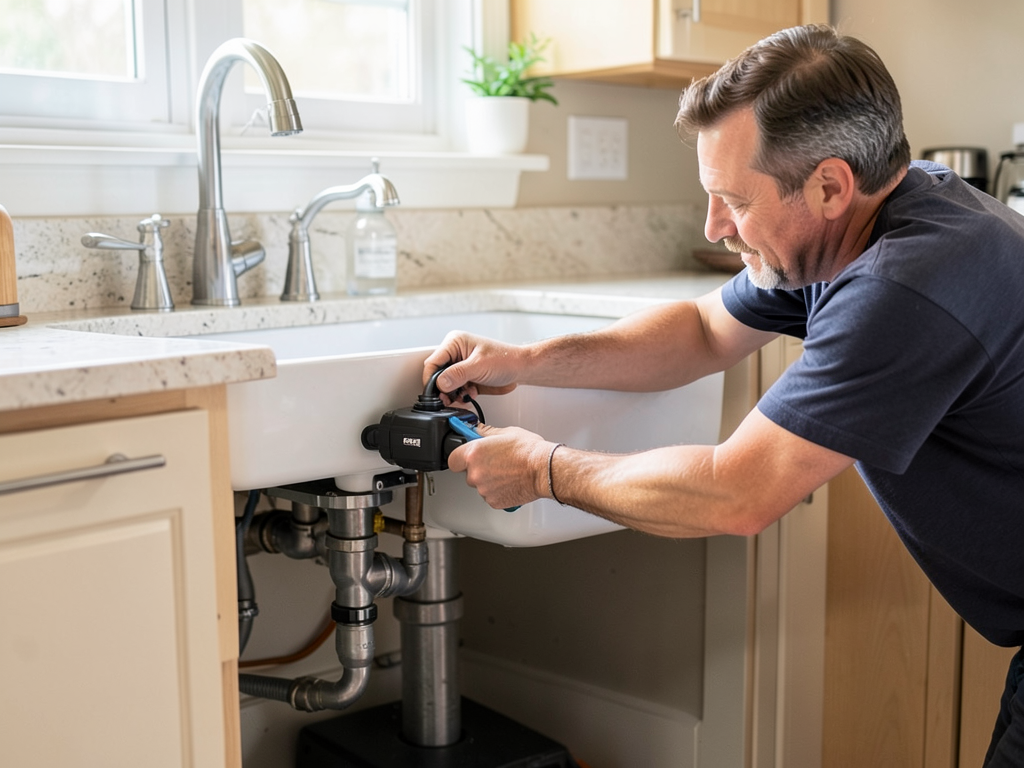
We do not throw parts at your plumbing and hope something works. We measure static pressure at the main shutoff, dynamic pressure at multiple fixtures, and flow rate through your water heater. This triangulation tells us exactly where the restriction lives.

If the pressure gauge reads below 40 psi at the main, the problem is upstream. That could mean a failing pressure-reducing valve (PRV), a partially closed main valve, or corroded galvanized piping between the city main and your home. We inspect the PRV for diaphragm fatigue and spring failure, both common in units over ten years old. If the valve is stuck or leaking internally, we replace it with a calibrated unit set to deliver 60 to 70 psi, the optimal range for residential fixtures.

When pressure is strong at the main but weak at individual fixtures, we check aerators, angle stops, and supply lines. Aerators clog fast in Detroit due to sediment from old mains. We remove them, inspect for calcium buildup, and replace or clean as needed. Angle stops under sinks and toilets can also corrode shut, especially if they have not been turned in years. We test each valve and replace any that restrict flow.

For whole-house decreased water pressure, we inspect the water heater inlet and outlet. Sediment collects at the bottom of tank heaters, and if the dip tube is broken, cold water mixes unevenly, reducing hot water pressure throughout the home. We flush the tank, test the dip tube, and confirm the shutoff valves are fully open. If galvanized pipes feed the heater, we recommend repiping with copper or PEX to eliminate future corrosion.

Our approach is methodical. We test, measure, and verify before we cut or replace anything. That is how you fix poor water pressure permanently.

What Happens During a Water Pressure Diagnostic Visit

Low Water Pressure Issues in Detroit – Expert Diagnosis and Permanent Fixes for Weak Flow
01

Pressure and Flow Testing

We attach a calibrated pressure gauge to your hose bib or main shutoff and record static pressure. Then we open multiple fixtures to measure dynamic pressure under load. This identifies whether the issue is system-wide or isolated to specific zones. We also test flow rate in gallons per minute to confirm if volume loss matches pressure loss. This data tells us exactly where to look next.
02

Component Inspection

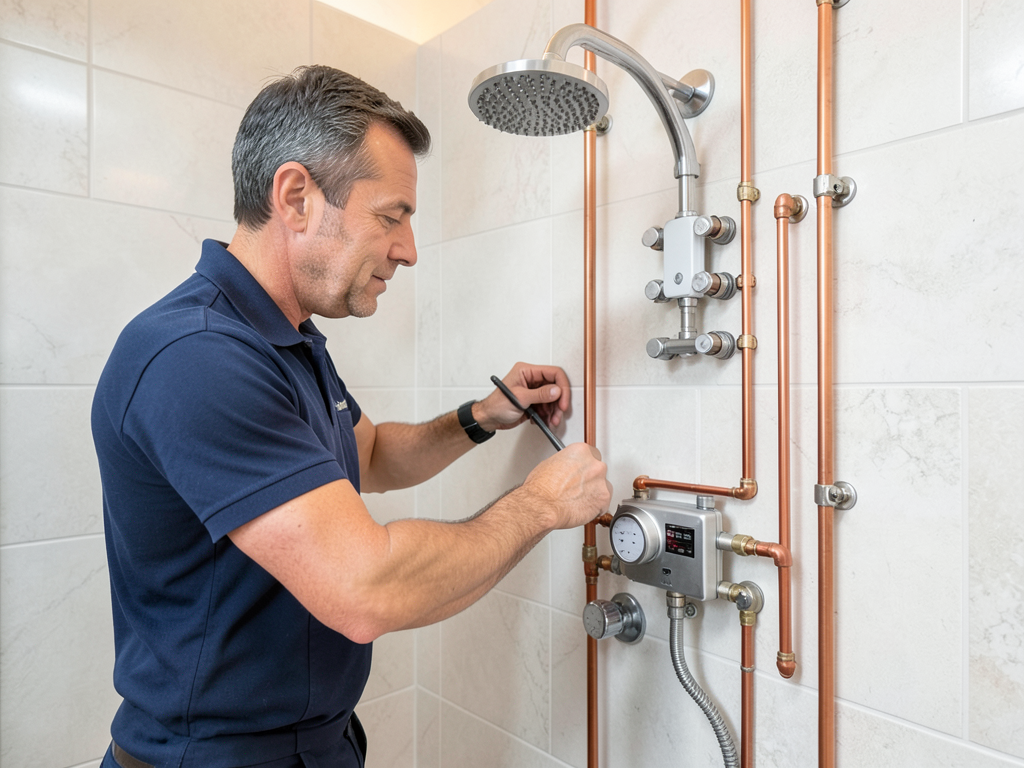
We inspect your pressure-reducing valve, main shutoff, water heater, and fixture supply lines. We remove aerators and check for sediment. We test angle stops for smooth operation. If you have galvanized piping, we look for rust staining and evaluate interior corrosion. This step isolates the exact component causing weak water pressure, whether it is a valve, pipe section, or fixture.
03

Repair and Verification

Once we identify the cause, we complete the repair or replacement. That might mean installing a new PRV, replacing corroded supply lines, flushing your water heater, or repiping a section of galvanized steel. After the work, we retest pressure and flow at multiple points to confirm full restoration. You will feel the difference immediately. Strong, consistent pressure returns to every fixture in your home.

Why Detroit Residents Trust Ironwood Plumbing for Water Pressure Problems

Detroit's plumbing systems are old. Many homes in neighborhoods like Rosedale Park, Palmer Woods, and East English Village still have original galvanized supply lines, outdated pressure regulators, and corroded shutoff valves. Fixing low water pressure here requires more than generic troubleshooting. It requires familiarity with how these systems age, how Detroit's hard water accelerates corrosion, and how the city's infrastructure impacts pressure at the meter.

We have worked on homes built in every decade from the 1920s to today. We know the difference between a 1950s galvanized system that needs full replacement and a 1990s copper system with a simple PRV issue. We know that homes near the Detroit Water and Sewerage Department's older mains often suffer from sediment surges when the city flushes lines. We know that pressure-reducing valves installed before 2000 often fail quietly, causing gradual pressure loss that homeowners mistake for normal aging.

Our diagnostic process is thorough because guessing wastes your time and money. We do not upsell repiping if a new aerator will solve the problem. We do not replace your PRV if the issue is a clogged water heater inlet. We test, measure, and confirm before we recommend any repair. That approach builds trust, and it is why customers call us back when the next issue arises.

We also understand Detroit's seasonal challenges. Freeze-thaw cycles stress joints and fittings. Basement flooding from spring thaws can corrode pipes and valves. We account for these factors when diagnosing weak water pressure and recommend solutions that hold up long-term. You get honest answers, not sales pitches.

What to Expect When You Call for Low Water Flow Service

Fast Scheduling and Arrival

We schedule diagnostic visits within 24 to 48 hours for non-emergency calls. If you have lost water pressure completely and it is affecting daily life, we prioritize your appointment. Our technicians arrive on time with calibrated testing equipment, replacement parts for common issues like PRVs and aerators, and the tools needed to inspect your entire system. You will know the cause of your decreased water pressure before we leave, along with a clear explanation of what it takes to fix it.

Detailed Pressure and Flow Analysis

We do not guess. We attach a pressure gauge to your system and record static pressure with all fixtures off, then dynamic pressure with fixtures running. We test flow rate at your kitchen sink, bathroom faucets, and outdoor hose bibs. We inspect your pressure-reducing valve, main shutoff, water heater, and supply lines. If you have galvanized piping, we explain how interior corrosion reduces flow and recommend long-term solutions. You get data, not hunches. You understand exactly why your water pressure is weak before we propose any repair.

Targeted Repairs That Restore Full Pressure

Once we identify the cause, we fix it right. That might mean replacing a worn pressure-reducing valve, clearing sediment from your water heater, installing new aerators, or replacing a section of corroded galvanized pipe. We use quality components designed for Detroit's hard water and temperature swings. After the repair, we retest pressure at multiple fixtures to confirm full restoration. You will feel the difference immediately. Strong flow returns to your showers, sinks, and appliances. No lingering weak spots, no guessing if it worked.

Follow-Up Guidance and Maintenance

After we restore your water pressure, we explain how to maintain it. That includes flushing your water heater annually to prevent sediment buildup, cleaning aerators every six months, and testing your PRV every few years. If your home has galvanized piping, we discuss repiping timelines and how to budget for eventual replacement. We do not disappear after the job. If you notice pressure dropping again, you call us. We return, retest, and address the issue. Ongoing support is part of the service.

Frequently Asked Questions

You Have Questions,
We Have Answers

What do I do if water pressure is low? +

Start by checking your main shutoff valve. Make sure it is fully open. Next, test multiple fixtures throughout your home. If only one faucet shows low pressure, the issue is localized to that fixture or supply line. If the problem affects your whole house, check your pressure regulator near the water meter. In Detroit, aging galvanized pipes and mineral buildup from hard water are common culprits. Turn off the water main, remove an aerator from a faucet, and inspect for sediment. If you cannot identify the cause, call a licensed plumber.

Who is responsible for low water pressure? +

Responsibility depends on where the problem originates. Detroit Water and Sewerage Department owns and maintains the main water line up to your property line and the meter. You own everything after the meter, including the service line to your house, interior pipes, and fixtures. If neighbors also have low pressure, contact DWSD to report a main line issue. If the problem is isolated to your home, the responsibility falls on you. Aging infrastructure in Detroit means both municipal and private lines can fail.

How can I get my water pressure back up? +

First, confirm your main shutoff valve is completely open. Clean faucet aerators and showerheads to remove mineral deposits. Inspect your pressure regulator, if you have one. These devices can fail and restrict flow. In Detroit, galvanized pipes from older homes corrode internally and narrow the passage. Flushing your water heater removes sediment that can reduce hot water pressure. If pressure remains low after these steps, you likely need a plumber to inspect your service line, replace corroded pipes, or adjust the regulator.

What is the most common cause of low water pressure? +

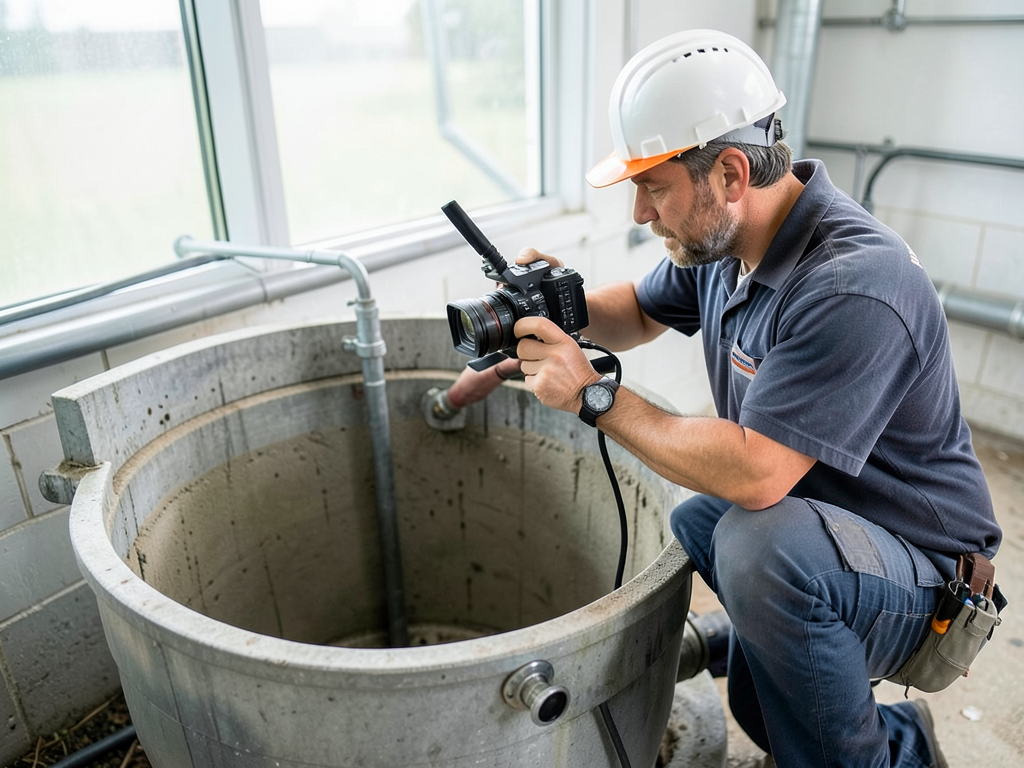
Corroded pipes are the leading cause in Detroit. Many homes built before 1970 have galvanized steel pipes that rust from the inside out. The corrosion chokes water flow. Other common causes include faulty pressure regulators, partially closed shutoff valves, leaking pipes, mineral buildup from hard water, and sediment in your water heater. In older Detroit neighborhoods near Woodward Avenue and the Cass Corridor, aging infrastructure compounds the problem. A plumber can run a pressure test and camera inspection to pinpoint the exact cause.

Can I adjust the water pressure myself? +

You can adjust a pressure regulator if your home has one. Locate the bell-shaped device near your water meter. Use a wrench to turn the adjustment screw clockwise to increase pressure or counterclockwise to decrease it. Make small adjustments and test the pressure at a faucet. Normal residential pressure is 45 to 60 psi. Do not exceed 80 psi, which can damage pipes and fixtures. If you lack a regulator or adjusting it does not help, the problem lies elsewhere. Call a plumber to diagnose pipe corrosion or valve issues.

How Detroit's Aging Infrastructure and Hard Water Worsen Weak Water Pressure

Detroit's municipal water system serves over 670,000 residents through a network that includes pipes installed as far back as the early 1900s. Many service lines connecting homes to the city main are still galvanized steel or even original lead. These materials corrode internally, narrowing the pipe diameter and reducing flow. Add in Detroit's hard water, which contains high levels of calcium and magnesium, and you get accelerated mineral buildup inside pipes, aerators, and valves. Homes in older neighborhoods like Sherwood Forest, Grandmont, and University District face this issue frequently. Freeze-thaw cycles make it worse by stressing joints and fittings, causing micro-leaks that drop pressure further.

Fixing loss of water pressure in Detroit requires familiarity with these infrastructure challenges. Generic troubleshooting does not account for corroded galvanized pipes or sediment surges from aging city mains. Ironwood Plumbing Detroit knows how these systems behave, how they fail, and what it takes to restore reliable pressure. We have worked on homes across every neighborhood, from Midtown to the east side, and we understand the specific issues tied to Detroit's water supply. When you call us, you get a technician who knows your plumbing, your water, and how to fix poor water pressure permanently.
Plumbing Services in The Detroit Area

Ironwood Plumbing proudly serves Detroit and the surrounding areas with reliable, professional plumbing solutions. Whether you’re a homeowner or a business owner, you can count on our fast response times and expert service. Use the map below to find our office or check if your location is within our service radius. We’re easy to reach and always happy to help — just call, click, or visit us today to schedule your plumbing service with a local team that truly cares.

Address:
Ironwood Plumbing Detroit, 3200 Greenfield Rd, Detroit, MI, 48120

Additional Services We Offer

Our news updates

Latest Articles & News from The Blogs

How to Add a Dog Wash Station to Your Royal Oak Mudroom (Plumbing Tips and Costs) Adding a dog wash…

How to Add a Dog Wash Station to Your Royal Oak Mudroom (Plumbing Tips and Costs)

How to Add a Dog Wash Station to Your Royal Oak Mudroom (Plumbing Tips and Costs) Adding a dog wash…

Creating an ADA-compliant bathroom in your Southgate home for aging in place

Creating an ADA-compliant bathroom in your Southgate home for aging in place Creating an ADA-compliant bathroom in your Southgate home…

Is switching from an electric to a gas water heater worth it for your Redford home?

Is switching from an electric to a gas water heater worth it for your Redford home? Converting from an electric…

Contact Us

Stop living with weak water pressure. Call Ironwood Plumbing Detroit at (313) 572-4144 and schedule your diagnostic visit. We will test your system, identify the cause, and restore full pressure fast. Same-day and next-day appointments available.