




menu

Dripping Faucets & Leaks in Detroit – Expert Diagnosis and Permanent Fixes

Stop wasting water and money on temporary patches. Our team diagnoses the root cause of dripping faucets and leaks, then delivers lasting repairs that hold up in Detroit's demanding conditions.

Slider Image 1
Slider Image 2
Slider Image 3
Slider Image 4
Slider Image 5
Slider Image 7
Slider Image 8
Slider Image 9
Slider Image 10
Slider Image 11

Why Detroit Homes Battle Constant Dripping and Water Leaks

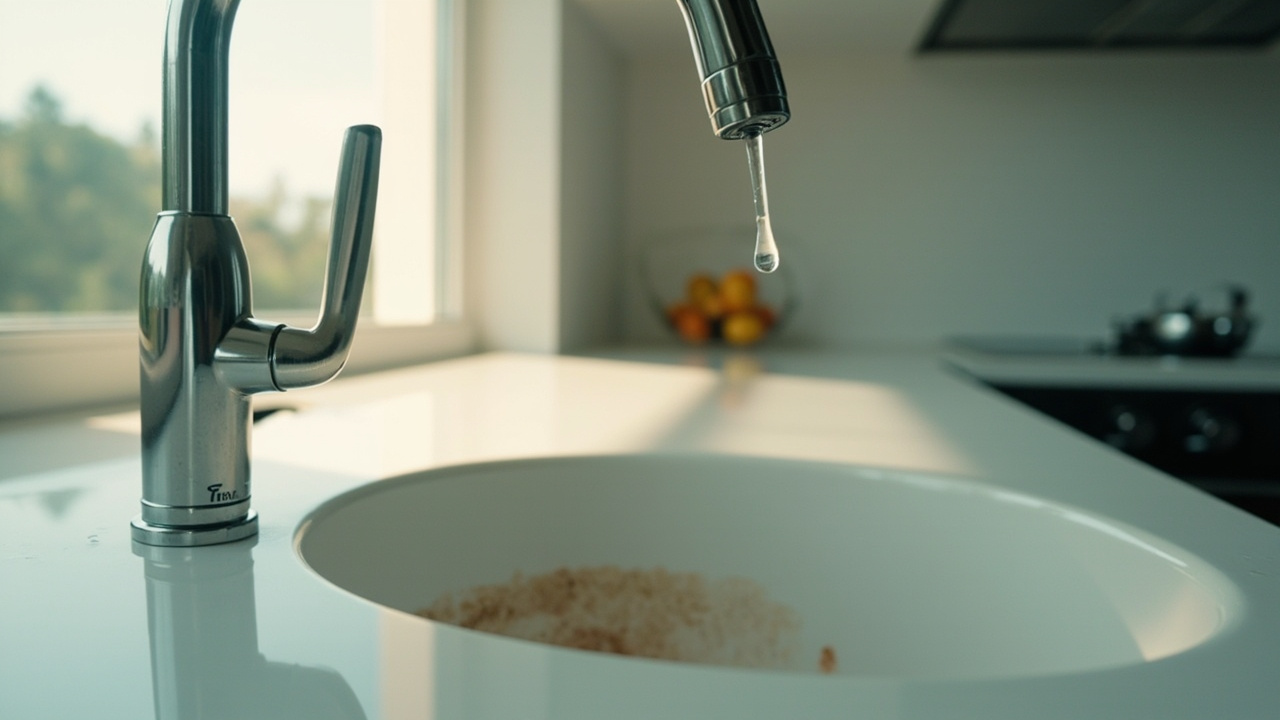
You hear it at night. That constant dripping from the bathroom tap. You see it under the kitchen sink. A slow puddle forming on the cabinet floor. What starts as a minor annoyance turns into a water bill that climbs every month.

Detroit's aging housing stock compounds the problem. Many homes in neighborhoods like Woodbridge and Indian Village were built between 1920 and 1950. The original galvanized pipes corrode from the inside out. Water pressure fluctuations in older municipal lines stress valve seats and washers. When Detroit Water and Sewerage Department makes pressure adjustments during main line repairs, every weak point in your home's plumbing flexes. Washers compress unevenly. O-rings crack. Cartridges shift out of alignment.

Freeze-thaw cycles hit hard here. When temperatures drop below 20 degrees in January and February, pipes contract. When they warm up in March, metal expands. This cycle repeats 40 to 60 times each winter. Compression fittings loosen. Solder joints develop hairline cracks. A leaking spigot that drips five times per minute wastes 173 gallons per month. A faucet water leak under pressure wastes even more.

Hard water makes it worse. Detroit's water averages 120 to 140 parts per million of dissolved minerals. Calcium deposits build up inside valve bodies. The buildup prevents washers from seating properly. You replace the washer, but the leak returns in three months because mineral scale roughened the valve seat surface.

The problem will not fix itself. Every day you wait, water damage spreads through cabinets, subfloors, and wall cavities.

Why Detroit Homes Battle Constant Dripping and Water Leaks
How We Diagnose and Repair Leaky Faucets the Right Way

How We Diagnose and Repair Leaky Faucets the Right Way

We do not guess. We diagnose. When you call Ironwood Plumbing Detroit about a dripping tap, we start by identifying the faucet type. Compression faucets use rubber washers and seats. Cartridge faucets use a plastic or brass cartridge that lifts and lowers. Ball faucets use a rotating ball with inlet holes. Ceramic disk faucets use two ceramic plates that slide against each other.

Each type fails differently. Compression faucets develop worn washers and pitted seats. Cartridge faucets suffer from O-ring deterioration and cartridge wear. Ball faucets leak when springs and seals fail. Ceramic disk faucets rarely leak, but when they do, the entire cartridge needs replacement.

We shut off the water supply at the angle stop under the sink or at the main shutoff. We disassemble the faucet completely. We inspect every component under light. We check the valve seat for pitting and corrosion. If the seat is damaged, we use a seat wrench to remove it or a seat dressing tool to resurface it. We never install a new washer on a damaged seat. That repair fails in weeks.

For cartridge and ceramic disk faucets, we pull the cartridge and inspect the O-rings and seals. We check for calcium buildup inside the valve body. We clean all surfaces with white vinegar to dissolve mineral deposits. We install manufacturer-specific replacement parts. Generic parts do not seal correctly.

We test water pressure after reassembly. Pressure above 80 psi causes premature wear on all faucet components. If pressure is high, we recommend installing a pressure-reducing valve on the main line. We run the faucet through hot and cold cycles. We check for leaks at the base, spout, and handle. We hand you a faucet that does not drip.

What Happens When You Call About a Leaking Faucet

Dripping Faucets & Leaks in Detroit – Expert Diagnosis and Permanent Fixes
01

Initial Assessment and Diagnosis

We arrive with a full diagnostic toolkit. Our technician identifies the faucet manufacturer and model, tests water pressure at the fixture, and disassembles the faucet to inspect internal components. We check valve seats, cartridges, O-rings, washers, and springs. We measure wear patterns and corrosion depth. This diagnostic phase typically takes 15 to 20 minutes and gives us the complete picture of what failed and why.
02

Component Replacement and Repair

We source exact replacement parts from our truck stock or order manufacturer-specific components if needed. We clean all mating surfaces, remove mineral deposits, and inspect the valve body for cracks. We install new washers, O-rings, cartridges, or seats depending on the faucet type. We apply plumber's grease to moving parts and reassemble the faucet to manufacturer torque specifications. We do not overtighten, which causes premature failure.
03

Testing and Verification

We restore water supply and test the faucet through multiple hot and cold cycles. We check for leaks at the base, spout, handles, and under the sink at supply line connections. We verify the faucet closes completely without dripping. We test handle operation for smooth motion and proper shutoff. We clean the work area and explain what we repaired and why it failed. You get a faucet that works correctly.

Why Detroit Residents Trust Us With Faucet and Leak Repairs

We work in Detroit homes every day. We know the plumbing challenges in Corktown's renovated lofts and Rosedale Park's brick colonials. We understand how Detroit's water chemistry affects fixture longevity. We carry parts for Moen, Delta, Kohler, American Standard, and Pfister faucets. We stock hard-to-find components for older fixtures common in Detroit's historic districts.

When you call a national chain, you get a technician who follows a script. When you call Ironwood Plumbing Detroit, you get a plumber who understands local building codes and water system quirks. We know which faucet brands hold up best in Detroit's water conditions. We know which repair methods fail and which ones last.

We do not upsell unnecessary replacements. If your faucet can be repaired with a 15-dollar cartridge, we repair it. If the valve body is cracked or the finish is corroded beyond repair, we tell you honestly that replacement makes more sense. We give you options with transparent explanations.

We respect your home. We use drop cloths. We clean up completely. We do not leave you with a mess or a half-finished job. Many of our clients are repeat customers who call us first when any plumbing issue arises. They trust us because we show up on time, diagnose accurately, and fix problems permanently.

Detroit homeowners face enough challenges. Your plumbing should not be one of them. We make the repair process straightforward. You call, we schedule, we fix it, and you move on with your day. No drama. No surprises. Just reliable service from people who know Detroit plumbing inside and out.

What to Expect When We Fix Your Dripping Faucet or Leak

Fast Response Times

We schedule most faucet repairs within 24 to 48 hours of your call. If you have an active leak causing water damage, we prioritize your appointment and often arrive same-day. We provide two-hour arrival windows and call 30 minutes before we arrive. We respect your schedule. Most faucet repairs take 45 minutes to 90 minutes depending on the fixture type and parts availability. We work efficiently without rushing. You get quality work on your timeline.

Thorough Inspection Process

We do not just fix the dripping tap you called about. We inspect all visible plumbing in the area. We check under-sink supply lines for corrosion and leaks. We test shut-off valves to confirm they operate correctly. We look for signs of previous water damage or ongoing moisture issues. We check adjacent fixtures for early warning signs of failure. If we find other issues, we point them out and explain the risk level. You decide what gets fixed and when. We provide information, not pressure.

Lasting Repairs That Hold Up

We use manufacturer-specified parts, not universal fit components that fail prematurely. We clean and prepare all surfaces before installing new washers, O-rings, or cartridges. We resurface or replace damaged valve seats. We test the repair under full operating pressure before we leave. The dripping stops completely. The faucet operates smoothly. The repair lasts years, not months. You get a properly functioning fixture that does not waste water or keep you awake at night with constant dripping sounds.

Ongoing Support and Guidance

After we complete the repair, we explain what caused the failure and how to prevent future issues. We provide maintenance tips specific to your faucet type and Detroit's water conditions. If you experience any issues with the repair, you call us directly. We stand behind our work. We also provide guidance on when repair makes sense versus replacement. If your faucet is 20 years old and showing multiple failure points, we discuss replacement options and help you choose a fixture that fits your budget and usage patterns.

Frequently Asked Questions

You Have Questions,
We Have Answers

How do I get my faucet to stop dripping? +

Turn off the water supply under the sink. Remove the faucet handle by loosening the screw, usually hidden under a cap. Take out the cartridge or stem assembly and inspect the rubber washer or O-ring at the base. These wear out and cause drips. Replace the damaged parts with exact matches from a hardware store. Reassemble the faucet and turn the water back on. If the drip continues or you see corrosion inside, the valve seat may be damaged and require professional repair.

What is the most common cause of a leaky dripping to handle a faucet? +

A worn-out rubber washer or O-ring inside the faucet assembly causes most leaks. Every time you turn the faucet on and off, the washer presses against the valve seat. Over time, friction wears it down. Detroit's hard water accelerates this wear by depositing mineral buildup on seals. The washer cracks, hardens, or tears, allowing water to seep through even when the handle is off. Compression faucets fail most often because they rely entirely on washer pressure to stop water flow.

Is a dripping faucet considered a leak? +

Yes. A dripping faucet is a leak. Water escapes the closed system and goes down the drain, which means you pay for water you do not use. Even a slow drip wastes gallons per day. The leak signals a failed internal component like a washer, cartridge, or valve seat. Ignoring it leads to higher water bills and potential fixture damage. Detroit residents should address drips quickly because our older housing stock often has galvanized pipes that corrode faster when leaks go unchecked.

Why is my faucet dripping when the water is turned off? +

Water pressure remains in the pipes even when you turn the handle off. If the internal washer, cartridge, or ceramic disc is worn or damaged, that residual pressure forces water past the seal and out the spout. Sometimes mineral deposits from Detroit's hard water prevent the valve from closing completely. Loose internal parts also allow water to bypass the seal. The drip happens because the faucet cannot hold back the pressure in your supply lines when components fail.

How do I stop a constant dripping tap? +

Shut off the water supply valves under the sink. Disassemble the faucet by removing the handle and exposing the cartridge or stem. Replace worn washers, O-rings, or the entire cartridge assembly. Clean mineral buildup from the valve seat with white vinegar. Reassemble everything and restore water flow. If the tap still drips after replacing parts, the valve seat is likely pitted or corroded and needs resurfacing or replacement. That requires specialized tools and expertise to avoid damaging the faucet body permanently.

What does spraying WD-40 in a faucet do? +

WD-40 is a penetrating lubricant that loosens stuck faucet parts during disassembly. It does not fix leaks. Spraying it on corroded screws or a frozen cartridge helps you remove components without stripping threads. Never spray WD-40 directly into the faucet mechanism or onto rubber seals because it degrades rubber and causes faster failure. Use plumber's grease on O-rings and moving parts after cleaning. WD-40 is a disassembly aid only, not a repair solution for dripping faucets.

Should I call a plumber for a leaky faucet? +

Call a plumber if you lack the tools, time, or confidence to disassemble the faucet yourself. Older fixtures in Detroit homes often have corroded parts that break during removal. If you replaced the washer and cartridge but the leak continues, the valve seat is damaged and requires professional resurfacing. Plumbers also diagnose hidden issues like cracked faucet bodies or supply line problems. Paying for professional repair prevents costly mistakes like stripped threads, broken stems, or water damage from reassembly errors.

How to remove a bathroom faucet handle with no visible screws? +

Look for a small set screw on the handle's underside or back edge. Loosen it with an Allen wrench and pull the handle straight off. Some handles have a decorative cap on top that pops off with a flathead screwdriver, revealing a screw underneath. Twist-style handles unscrew counterclockwise directly from the base without visible fasteners. If nothing works, the handle may have a hidden retaining clip. Gently pry around the base with a plastic tool to expose the attachment point.

What is the dripping faucet theory? +

The dripping faucet theory is a psychological and physiological concept, not a plumbing term. It describes how persistent, minor irritations like the sound of a dripping faucet cause cumulative stress and sleep disruption over time. Small annoyances add up and affect your mental state. In plumbing terms, the analogy applies to how small leaks cause major damage if ignored. A slow drip seems harmless but wastes thousands of gallons yearly and corrodes fixtures, leading to expensive repairs later.

What happens if you don't fix a dripping faucet? +

You waste water and money. A faucet dripping once per second wastes over 3,000 gallons yearly. That adds cost to your Detroit water bill. Mineral deposits build up around the leak, staining the sink and corroding the fixture. Constant moisture promotes mold growth under the sink and damages cabinet wood. The failed washer or cartridge allows sediment into the valve seat, causing permanent pitting. What starts as a simple washer replacement becomes a full faucet replacement if you wait too long.

How Detroit's Aging Infrastructure and Hard Water Impact Faucet Longevity

Detroit's water distribution system includes pipes installed between 1920 and 1960. When the city performs main line repairs or adjusts system pressure, your home's plumbing experiences pressure spikes and drops. These fluctuations stress faucet internals. A leaky faucet in a newer suburb might result from normal wear, but in Detroit, it often signals pressure-related damage. Hard water at 120 to 140 ppm accelerates wear. Calcium deposits form on valve seats and cartridge surfaces. Even a new washer will not seal properly against a mineral-encrusted seat. This combination of aging infrastructure and mineral-heavy water means Detroit faucets fail faster and require more thorough repair methods than faucets in areas with newer pipes and softer water.

Ironwood Plumbing Detroit works exclusively in this city. We see the same plumbing challenges in every neighborhood. We know which faucet brands withstand Detroit's water chemistry. We stock parts for fixtures common in Detroit's housing stock, including older models that big-box stores stopped carrying years ago. When you call a plumber who works across multiple cities, they might not understand why Detroit faucets fail the way they do. We do. That local knowledge translates to faster diagnosis, correct repairs the first time, and honest advice about when to repair versus replace. Detroit homeowners deserve plumbers who understand Detroit plumbing.
Plumbing Services in The Detroit Area

Ironwood Plumbing proudly serves Detroit and the surrounding areas with reliable, professional plumbing solutions. Whether you’re a homeowner or a business owner, you can count on our fast response times and expert service. Use the map below to find our office or check if your location is within our service radius. We’re easy to reach and always happy to help — just call, click, or visit us today to schedule your plumbing service with a local team that truly cares.

Address:
Ironwood Plumbing Detroit, 3200 Greenfield Rd, Detroit, MI, 48120

Additional Services We Offer

Our news updates

Latest Articles & News from The Blogs

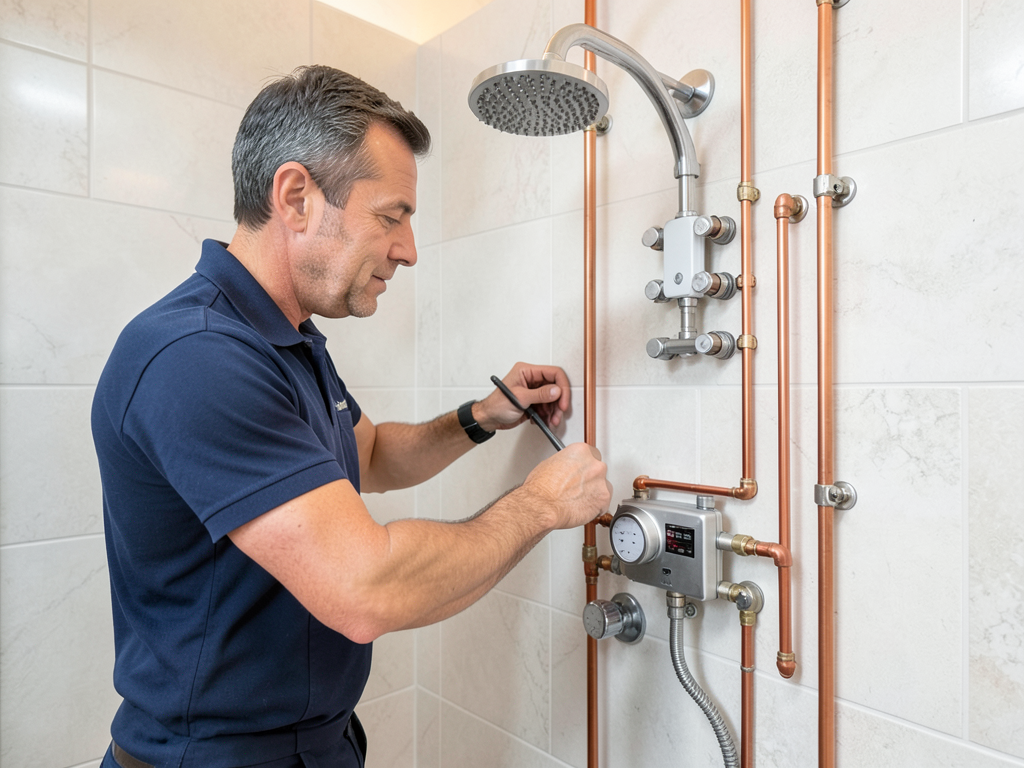
Plumbing Requirements for Luxury Body Jets and Rain Showerheads in West Bloomfield High-end luxury shower systems in West Bloomfield demand…

Plumbing Requirements for Luxury Body Jets and Rain Showerheads in West Bloomfield

Plumbing Requirements for Luxury Body Jets and Rain Showerheads in West Bloomfield High-end luxury shower systems in West Bloomfield demand…

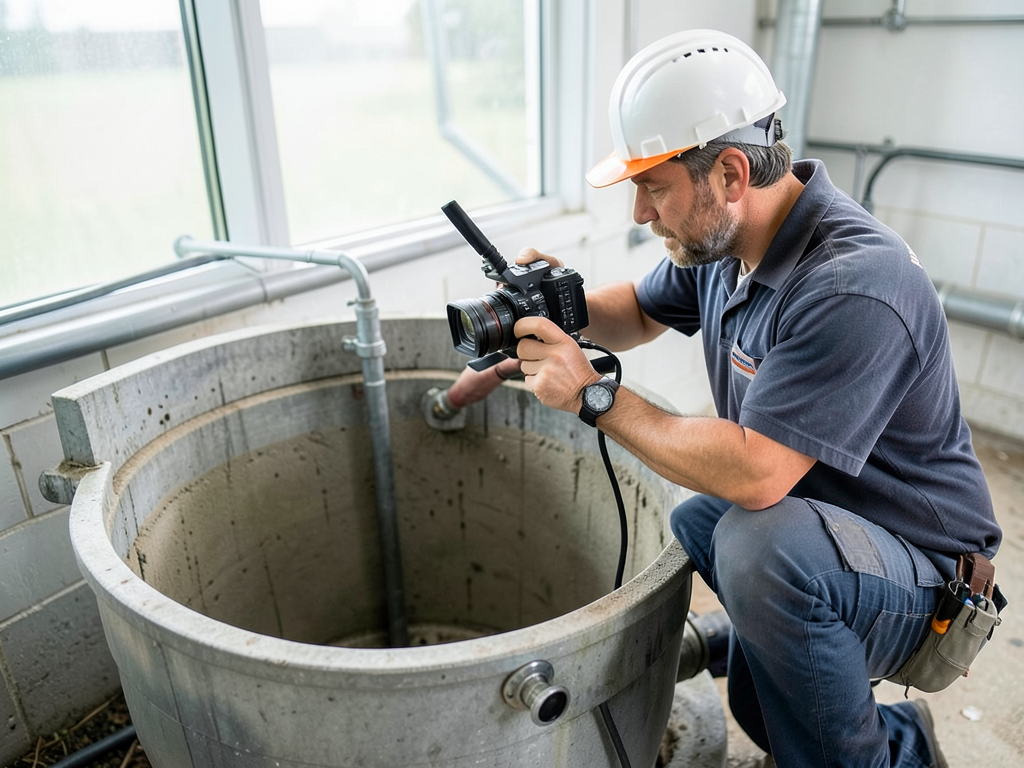
The Truth About Septic Tank Additives and Why They Might Not Save You a Pump-Out in Brighton

The Truth About Septic Tank Additives and Why They Might Not Save You a Pump-Out in Brighton Walk into any…

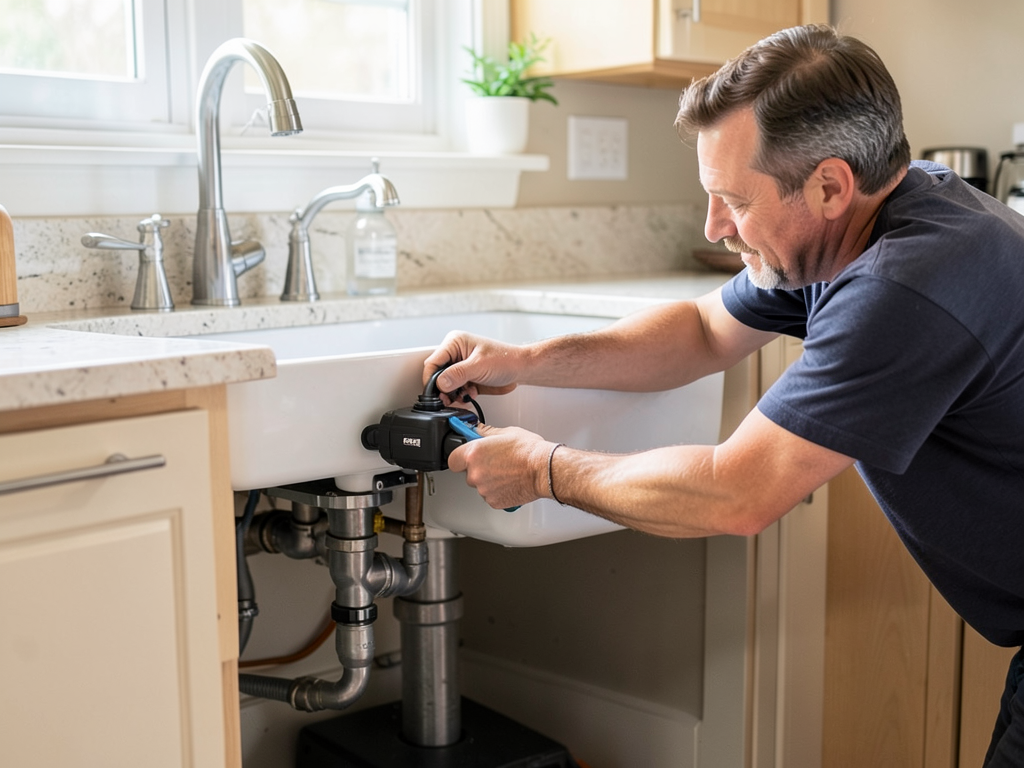
How to Choose the Right Horsepower for Your Next Dearborn Garbage Disposal

Understanding Garbage Disposal HP: Why It Matters The right garbage disposal horsepower directly affects how quickly and thoroughly your kitchen…

Contact Us

That constant dripping is costing you money and causing damage. Call Ironwood Plumbing Detroit at (313) 572-4144 right now. We will schedule your repair quickly, diagnose the problem accurately, and fix it permanently. Do not wait another day.