





menu

Signs You Need Sewer Repair in Detroit – Expert Diagnosis Before Expensive Damage Spreads

Ironwood Plumbing Detroit helps homeowners recognize symptoms of a broken sewer line early, preventing costly foundation damage, basement flooding, and health hazards common in metro Detroit properties.

Slider Image 1
Slider Image 2
Slider Image 3
Slider Image 4
Slider Image 5
Slider Image 7
Slider Image 8
Slider Image 9
Slider Image 10
Slider Image 11

Why Detroit Homes Show Sewer Line Warning Signs Earlier Than Other Cities

Detroit's unique soil composition and aging infrastructure create a perfect storm for sewer line failure. The clay-heavy soil throughout Wayne County expands and contracts dramatically with freeze-thaw cycles, putting constant pressure on underground pipes. Many homes in neighborhoods like Woodbridge, Indian Village, and Palmer Woods were built between 1920 and 1960, meaning their original cast iron or clay sewer lines are now 60 to 100 years old.

The indicators of sewer line damage show up in predictable patterns. You notice slow drains in multiple fixtures at once. The toilet gurgles when you run the washing machine. A sewage smell lingers near floor drains or in the basement. These are not random plumbing annoyances. They are symptoms of a broken sewer line that connects your home to the municipal system.

Detroit's record rainfall over the past decade compounds the problem. When storm sewers overflow, the excess pressure can crack already weakened lateral lines. Tree roots from the mature maples and oaks lining residential streets seek out moisture, infiltrating pipe joints and creating blockages.

The warning signs of main sewer line issues appear gradually, then suddenly worsen. A small backup becomes a full-scale sewage flood. Ignoring how to tell if your sewer pipe is broken turns a manageable repair into foundation undermining, lawn excavation, and potential health code violations. Understanding sewer line failure symptoms specific to Detroit's conditions helps you act before the problem escalates from hundreds to thousands in damage.

Why Detroit Homes Show Sewer Line Warning Signs Earlier Than Other Cities
How Professional Camera Inspection Identifies Sewer Problems Other Methods Miss

How Professional Camera Inspection Identifies Sewer Problems Other Methods Miss

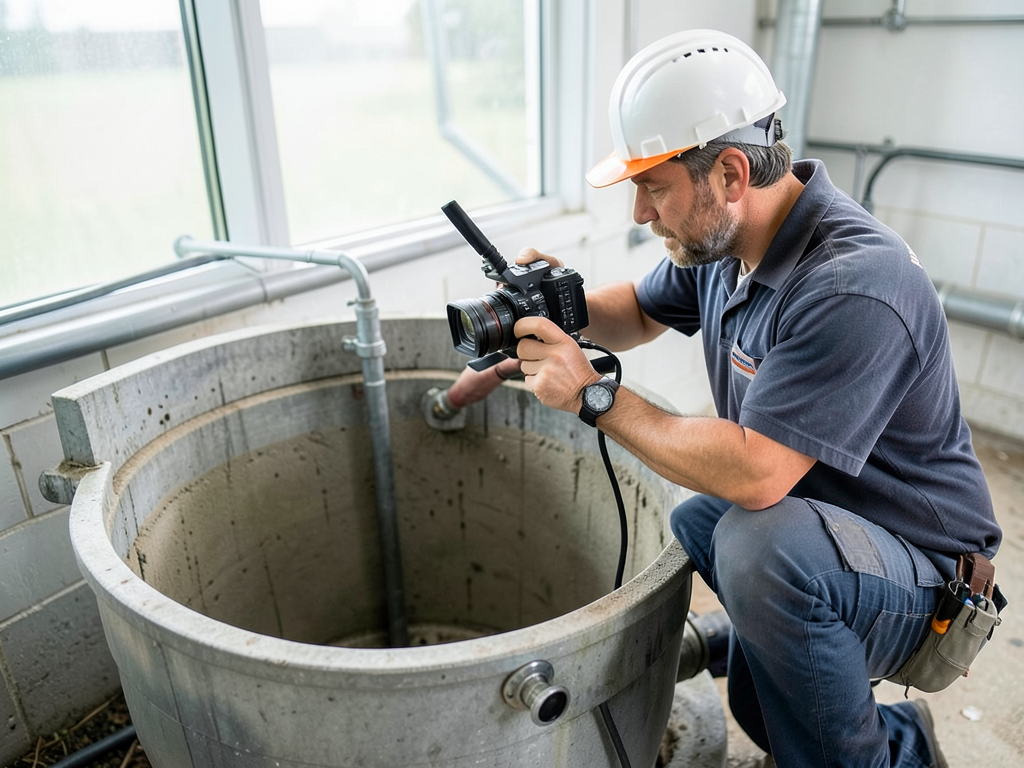
Guessing at sewer line problems wastes time and money. Ironwood Plumbing Detroit uses push-camera video inspection to see exactly what happens 6 feet underground. We feed a waterproof camera with LED lighting through your cleanout access point, transmitting live footage to a monitor. This shows the pipe's interior condition in real time.

We look for specific failure modes. Offset joints where pipe sections have separated. Bellied sections where soil settlement creates a low spot that collects waste. Root intrusion visible as white hair-like tendrils or thick masses blocking flow. Corrosion that has eaten through cast iron, leaving holes or complete collapses. Each problem requires a different repair approach.

The camera inspection also maps the exact location and depth of damage using a locator beacon. This matters when deciding between spot repair and full line replacement. If you have a single cracked joint 15 feet from the house, trenchless pipe lining may solve it. If the entire 60-foot run shows advanced deterioration, replacement makes more financial sense.

We record the inspection and provide you with the footage. You see what we see. No abstract explanations or pressure tactics. The evidence is visual and concrete. A collapsed section looks collapsed. Root intrusion is unmistakable.

This diagnostic precision also prevents unnecessary excavation. Before camera technology, plumbers had to dig exploratory trenches, tearing up yards based on educated guesses. Now we pinpoint problems within inches, minimizing landscape disruption and restoration costs. The inspection itself typically takes 30 to 45 minutes and gives you definitive answers about your sewer line's condition.

What Happens During a Sewer Line Evaluation

Signs You Need Sewer Repair in Detroit – Expert Diagnosis Before Expensive Damage Spreads
01

Initial Assessment and Access

We locate your main cleanout, usually a 4-inch white or black PVC cap in the basement floor, crawl space, or outside near the foundation. If your older Detroit home lacks a cleanout, we access the line through a toilet removal or drain opening. We ask about your specific symptoms: which drains back up, when problems started, any recent heavy rain or landscaping work.
02

Video Camera Inspection

The waterproof camera feeds through your sewer lateral while you watch the monitor with us. We narrate what appears on screen: pipe material, diameter changes, root intrusion points, cracks, offsets, or complete collapses. The camera's locator transmitter marks the exact depth and location of any damage. This footage gets recorded for your records and helps explain repair options in concrete visual terms.
03

Repair Recommendation and Documentation

We review the video with you and explain repair options based on what the camera revealed. You receive a written report with inspection findings, problem locations, and recommended solutions. We outline trenchless repair, spot excavation, or full replacement depending on damage extent. You get transparent pricing for each option with no obligation. The documented evidence helps if you need insurance claims or future home sale disclosures.

Why Detroit Homeowners Choose Local Sewer Line Expertise

Sewer line work requires knowledge of local conditions that out-of-area contractors lack. Ironwood Plumbing Detroit understands the Detroit Water and Sewerage Department's connection requirements, permit processes, and inspection protocols. We know which neighborhoods have combined storm and sanitary systems, affecting how we approach repairs during wet weather.

We have worked with every soil condition in Wayne County. The heavy clay in most Detroit neighborhoods behaves differently than sandy soils in downriver communities. Clay's expansive nature means we account for seasonal movement when bedding new pipe. We also recognize when soil conditions require deeper excavation or additional support to prevent future settling.

Our familiarity with Detroit's housing stock matters. We have repaired sewer lines in century-old brick Colonials, post-war bungalows, and mid-century ranch homes. Each era used different pipe materials and installation methods. Knowing whether your home likely has cast iron, clay tile, or Orangeburg fiber pipe helps us diagnose problems faster and recommend appropriate solutions.

We maintain relationships with local excavation contractors, concrete specialists, and landscaping companies for restoration work. When sewer repair requires tearing up a driveway, patio, or landscaped area, we coordinate the complete repair and restoration process. You deal with one point of contact instead of managing multiple contractors.

Local availability matters during sewer emergencies. When sewage backs up into your basement at 11 p.m. on a Saturday, you need a company that actually serves Detroit, not a call center routing you to the lowest bidder. We respond to the neighborhoods we live and work in, with trucks stocked for Detroit's specific repair needs.

What to Expect When You Schedule a Sewer Line Inspection

Response Time and Scheduling

We schedule camera inspections within 24 to 48 hours for non-emergency situations. If you have active sewage backup, we prioritize your call and typically arrive the same day. The inspection itself takes 30 to 60 minutes depending on your sewer line length and the number of problems we find. We work around your schedule, including evenings and weekends, because sewer problems do not respect business hours. You stay on site during the inspection, watching the camera feed with us so you understand exactly what the line looks like.

The Inspection Process

Our technician explains the process before starting, locates your cleanout or determines the best access point, and feeds the camera line through your sewer pipe. You see the live video feed showing pipe condition, diameter, material, and any problems like cracks, root intrusion, or collapse. We use the camera's distance counter and locator beacon to map problem locations precisely. If we encounter a complete blockage preventing camera passage, we may need to clear the line first using a cable auger or hydro-jetter before completing the inspection.

Clear Diagnostic Results

You receive recorded video footage of your sewer line inspection, a written report identifying specific problems and their locations, and transparent repair options with pricing for each approach. We explain the difference between temporary fixes and permanent solutions. If your line shows minor issues that will worsen over time, we explain the timeline so you can plan accordingly. If damage requires immediate repair to prevent sewage backup or property damage, we tell you directly. The visual evidence eliminates confusion about what needs repair and why.

Post-Repair Documentation

After completing sewer line repair, we conduct a follow-up camera inspection to verify the work quality and proper drainage flow. This post-repair video becomes part of your permanent record, showing the repaired section and confirming all problems were addressed. You receive documentation that proves the repair for future home sale disclosures or insurance purposes. We also provide maintenance recommendations specific to your pipe material and property conditions, helping you avoid future problems through periodic inspections or root treatment if trees threaten your line.

Frequently Asked Questions

You Have Questions,
We Have Answers

What are four signs that your sewer line is broken? +

Four clear signs point to a broken sewer line. First, you notice multiple drains backing up at once, not just one sink. Second, sewage odors fill your home or yard without an obvious source. Third, soggy patches appear in your lawn, sometimes with greener grass where wastewater fertilizes the soil. Fourth, you hear gurgling sounds from toilets or drains when you run water elsewhere. Detroit homeowners face extra risk from freeze-thaw cycles that crack aging clay pipes. If you see two or more signs, call a licensed plumber for a camera inspection immediately.

How do you know if you have sewer problems? +

Sewer problems announce themselves through specific warning signs. You spot sewage backing up into floor drains, showers, or toilets, especially after heavy rain when Detroit's combined sewer system overloads. Persistent foul odors drift from drains or your basement. Slow drainage affects multiple fixtures, not just one clogged sink. You notice foundation cracks or settling as leaking sewage erodes soil beneath your home. Rodents or insects appear more frequently, drawn to broken pipes. Your water bill spikes without explanation. Any combination of these symptoms requires immediate professional diagnosis to prevent costly structural damage.

Does homeowners insurance cover main sewer line repair? +

Most standard homeowners insurance policies exclude main sewer line repair. Insurance typically covers sudden, accidental damage like a tree falling and crushing the pipe. Gradual deterioration from age, tree root intrusion, or ground settling gets denied. Detroit homeowners with older homes face higher risk due to original clay tile pipes. You can purchase optional sewer line endorsements or service line coverage for about $50 to $100 yearly. Review your policy declarations page or call your agent to verify coverage before problems arise. Keep maintenance records to support any future claims.

How to know if a sewer line needs to be replaced? +

Replacement becomes necessary when repair patches no longer work. A camera inspection reveals extensive cracking, complete pipe collapse, or severe root infiltration throughout the line. Your sewer backs up repeatedly despite professional cleaning. The pipe material itself has failed, common with Detroit homes built before 1970 using clay tile or Orangeburg pipe. Multiple sections show damage, making spot repairs ineffective. Tree roots have crushed segments beyond salvage. A qualified plumber will show you the camera footage and explain whether trenchless lining can extend life or full replacement is your only option.

Can sewer pipes be repaired without digging? +

Yes, trenchless methods repair many sewer pipes without excavating your yard. Pipe lining inserts an epoxy-coated sleeve through existing pipes, creating a new pipe inside the old one. Pipe bursting breaks the damaged pipe while simultaneously pulling new piping through. Both methods work when pipes still maintain basic structural shape. Detroit's clay soil and mature tree canopy make trenchless options attractive for preserving landscaping. These methods cost more upfront but eliminate restoration expenses. Total pipe collapse, severe misalignment, or belly sags still require traditional excavation to access and replace damaged sections properly.

What is the average lifespan of a sewer line? +

Sewer line lifespan depends entirely on pipe material. Cast iron lasts 50 to 75 years but corrodes from inside out. Clay tile pipes serve 50 to 60 years before tree roots penetrate joints. PVC pipes installed since the 1970s last 100 years or more. Orangeburg pipes, common in Detroit homes built 1945 to 1970, fail after just 30 to 50 years. Detroit's freeze-thaw cycles accelerate deterioration of all materials. If your home predates 1980 and still has original sewer lines, schedule a camera inspection to assess condition before emergency failure forces expensive repairs.

How to tell if your main sewer line is clogged? +

A clogged main sewer line creates distinctive symptoms throughout your home. Multiple drains back up simultaneously, not just one fixture. When you flush the toilet, water backs up into the shower or bathtub. You hear gurgling from toilets when running the washing machine or dishwasher. Floor drains in your basement overflow with sewage during heavy use. Detroit homes on combined sewer systems may experience backup during storms when the municipal system overloads. Unlike a single clogged drain, main line blockages affect your entire plumbing system. Call a plumber immediately for camera diagnosis and professional cleaning.

Who is responsible for sewer repairs? +

Responsibility splits at the property line. Homeowners own and maintain the lateral line from the house to the connection point at the street. The Detroit Water and Sewerage Department maintains the main sewer line in the street and the connection itself. Confusion arises because breaks often occur near the property line. Some neighborhoods have easements where city lines cross private property, complicating responsibility. If sewage backs up, call a licensed plumber first for camera inspection to pinpoint the exact failure location. They determine whether you need private repair or must contact the city for municipal system problems.

How much does it cost to unclog a sewer line? +

Professional sewer line clearing ranges from $300 to $800 depending on blockage severity and access difficulty. Simple clogs near the cleanout cost less. Deep blockages requiring specialized equipment or extensive cable work cost more. Detroit plumbers charge premium rates for emergency service, weekend calls, or after-hours work. Camera inspection adds $200 to $400 but identifies root causes, not just symptoms. Hydro jetting to remove stubborn tree roots or grease buildup costs more than basic snaking. Get written estimates from licensed plumbers before authorizing work. Avoid flat-rate quotes without camera diagnosis, which often hide problem severity.

How to get insurance to pay for sewer line replacement? +

Insurance rarely pays for sewer replacement, but strategic documentation helps. First, verify you have optional sewer line coverage or service line endorsement. Document the failure with professional camera inspection showing sudden collapse or damage, not gradual wear. File claims immediately after discovering problems. Detroit homeowners should emphasize external causes like ground shifting, heavy rain infiltration, or documented sewer backups. Provide maintenance records proving responsible ownership. Appeal denials with contractor statements and photos. Consider financing through your plumber or city programs like Detroit Water and Sewerage Department assistance for income-qualified homeowners.

How Detroit's Clay Soil and Aging Infrastructure Accelerate Sewer Line Failure

Detroit sits on heavy clay soil that expands when wet and shrinks during dry periods. This constant movement stresses underground pipes, particularly at joints where sections connect. The freeze-thaw cycles common to southeast Michigan make this worse, with frost lines reaching 42 inches deep. Pipes installed 60 to 100 years ago were not designed for this repeated stress. Cast iron corrodes from the inside as sewage gases create sulfuric acid. Clay tile cracks as roots infiltrate joints. Many Detroit homes still have original sewer laterals that have exceeded their functional lifespan, showing symptoms of a broken sewer line that will only worsen without intervention.

The Detroit Water and Sewerage Department maintains the main sewer lines under streets, but homeowners are responsible for the lateral line from the house to the municipal connection point. This creates confusion when problems occur. Ironwood Plumbing Detroit knows exactly where property owner responsibility begins and ends. We handle the permit process for sewer repairs, coordinate required inspections, and ensure work meets current plumbing code requirements. Our familiarity with local inspectors and DWSD procedures prevents delays that out-of-area contractors encounter. When you need sewer repair in Detroit, local expertise translates directly to faster completion and proper code compliance.

Plumbing Services in The Detroit Area

Ironwood Plumbing proudly serves Detroit and the surrounding areas with reliable, professional plumbing solutions. Whether you’re a homeowner or a business owner, you can count on our fast response times and expert service. Use the map below to find our office or check if your location is within our service radius. We’re easy to reach and always happy to help — just call, click, or visit us today to schedule your plumbing service with a local team that truly cares.

Address:
Ironwood Plumbing Detroit, 3200 Greenfield Rd, Detroit, MI, 48120

Additional Services We Offer

Our news updates

Latest Articles & News from The Blogs

Plumbing Requirements for Luxury Body Jets and Rain Showerheads in West Bloomfield High-end luxury shower systems in West Bloomfield demand…

Plumbing Requirements for Luxury Body Jets and Rain Showerheads in West Bloomfield

Plumbing Requirements for Luxury Body Jets and Rain Showerheads in West Bloomfield High-end luxury shower systems in West Bloomfield demand…

The Truth About Septic Tank Additives and Why They Might Not Save You a Pump-Out in Brighton

The Truth About Septic Tank Additives and Why They Might Not Save You a Pump-Out in Brighton Walk into any…

How to Choose the Right Horsepower for Your Next Dearborn Garbage Disposal

Understanding Garbage Disposal HP: Why It Matters The right garbage disposal horsepower directly affects how quickly and thoroughly your kitchen…

Contact Us

Schedule a camera inspection today to see exactly what is happening underground. Call Ironwood Plumbing Detroit at (313) 572-4144. We provide transparent diagnostics, recorded footage, and honest repair recommendations. No surprises, no pressure, just expert answers about your sewer line condition.