




menu

Water Heater Maintenance Tips in Detroit | Prevent Costly Breakdowns Before Winter Hits

Learn the exact preventative water heater maintenance steps Detroit homeowners need to avoid mid-winter failures, extend tank life, and catch sediment buildup before it kills efficiency in Michigan's freeze-thaw climate.

Slider Image 1
Slider Image 2
Slider Image 3
Slider Image 4
Slider Image 5
Slider Image 7
Slider Image 8
Slider Image 9
Slider Image 10
Slider Image 11

Why Detroit Water Heaters Fail Without Regular Care

Detroit's municipal water supply carries more dissolved minerals than most Michigan cities. The result is accelerated sediment accumulation at the bottom of your tank. When you combine that with the extreme temperature swings from summer humidity to January freeze cycles, your water heater works overtime.

Most Detroit homeowners ignore hot water heater upkeep until the morning they wake up to cold showers or a flooded basement. The average tank holds 40 to 50 gallons. When the steel corrodes through, that water goes somewhere fast. Older homes in neighborhoods like Corktown and Indian Village often have tanks tucked into crawl spaces or tight basements, making emergency access expensive and time-consuming.

A water heater care checklist is not a luxury in Detroit. It is damage prevention. Sediment acts like an insulating layer between the burner and the water. Your tank runs longer cycles to heat the same amount of water. Efficiency drops. Gas or electric bills climb. The anode rod, which sacrifices itself to prevent tank corrosion, gets eaten away faster in high-mineral water.

You can extend the life of a tank from eight years to twelve or more with consistent preventative water heater maintenance. That means flushing sediment annually, testing the pressure relief valve, inspecting the anode rod, and checking for early signs of rust or leaks. Ignoring a water heater maintenance schedule does not save money. It guarantees you will replace the unit sooner and deal with emergency water damage when it happens at the worst possible time.

Why Detroit Water Heaters Fail Without Regular Care
The Right Way to Maintain a Water Heater in Detroit

The Right Way to Maintain a Water Heater in Detroit

Preventative water heater maintenance is not about pouring a bottle of cleaner into the tank and hoping for the best. It requires draining the tank to remove sediment, inspecting the sacrificial anode rod for corrosion, testing the temperature and pressure relief valve, and checking the burner assembly or heating elements for performance issues.

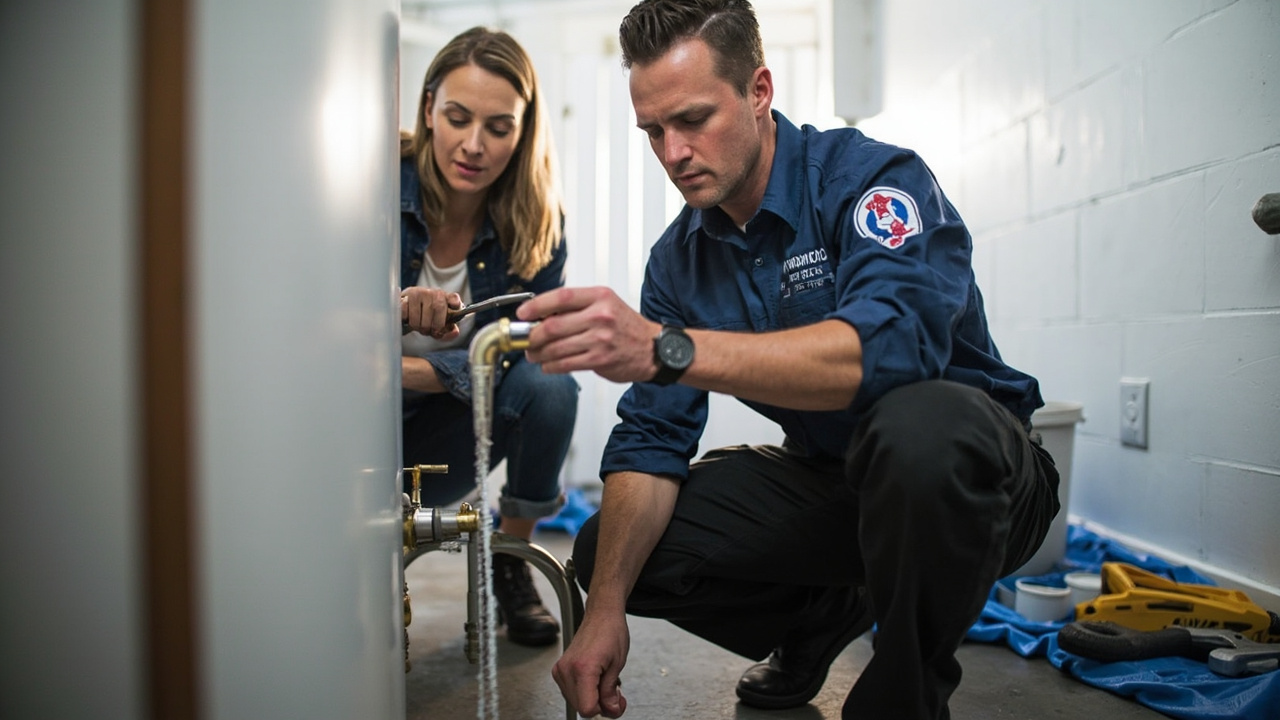
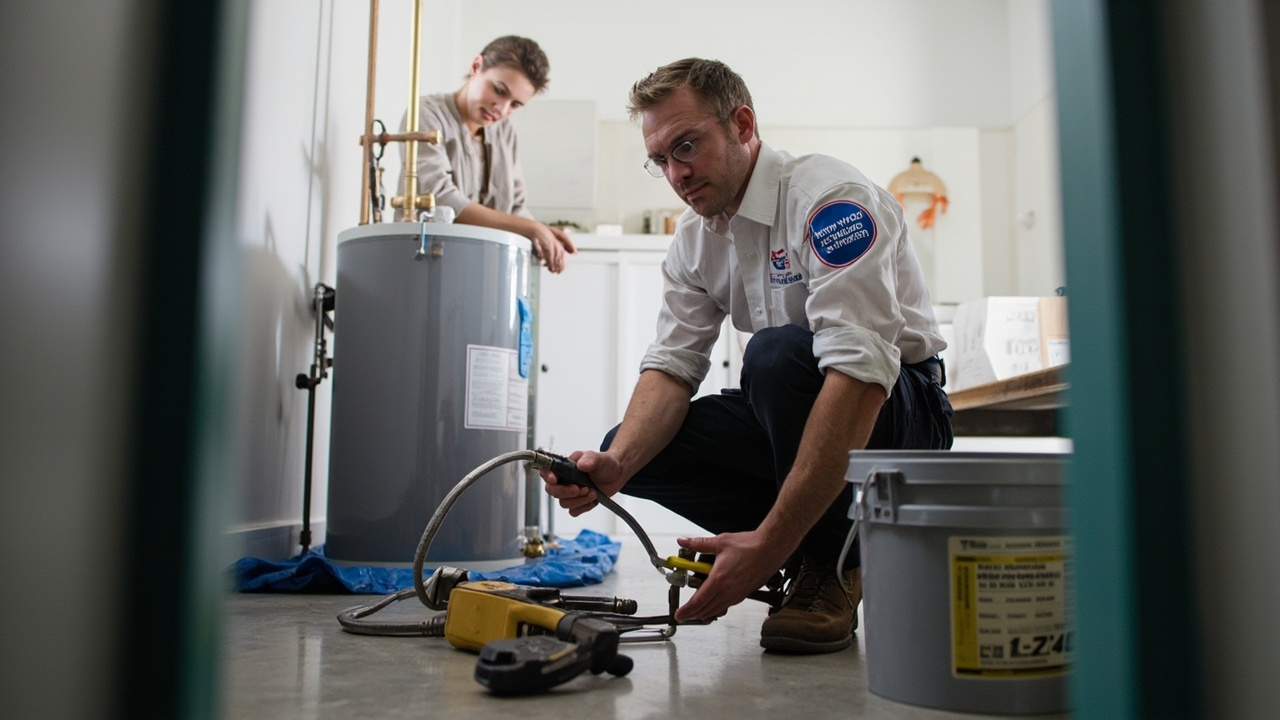
Start with a full tank flush. You attach a garden hose to the drain valve at the bottom of the tank and drain until the water runs clear. In Detroit, you might pull out chunks of calcium and lime the size of gravel. That buildup reduces the effective capacity of your tank and creates hot spots on the tank floor that lead to premature failure.

Next, inspect the anode rod. This magnesium or aluminum rod threads into the top of the tank and attracts corrosive elements in the water. Once the rod is mostly consumed, corrosion attacks the steel tank itself. Most manufacturers recommend replacing the anode rod every three to five years, but Detroit's water chemistry can shorten that window to two or three years.

Test the temperature and pressure relief valve by lifting the lever and allowing water to discharge into a bucket. If the valve does not release water or continues to drip after you close it, replace it immediately. A stuck T&P valve is a safety hazard. It exists to prevent tank rupture from over-pressurization.

For gas units, check the burner flame. It should be blue with a small yellow tip. A mostly yellow flame indicates incomplete combustion and possible carbon monoxide risk. For electric units, test the heating elements with a multimeter to confirm they are drawing the correct amperage. Ironwood Plumbing Detroit handles these diagnostics as part of a comprehensive hot water tank maintenance visit, catching small issues before they become expensive failures.

How to Build a Water Heater Maintenance Routine

Water Heater Maintenance Tips in Detroit | Prevent Costly Breakdowns Before Winter Hits
01

Annual Sediment Flush

Once a year, drain three to five gallons from the tank through the drain valve. If the water runs cloudy or contains visible sediment, continue draining until it runs clear. Detroit's mineral-heavy water accelerates buildup, so homes with older plumbing or well water should flush twice a year. This single step prevents the majority of premature tank failures and maintains heating efficiency.
02

Anode Rod Inspection

Every three years, remove the anode rod and measure the remaining core wire. If less than half an inch of magnesium or aluminum remains, replace it. Detroit water accelerates anode consumption. Skipping this step means the tank itself becomes the sacrificial element. Once the steel starts corroding, replacement is the only option. A $20 anode rod saves you a $1,200 tank replacement.
03

Pressure Relief Valve Test

Every six months, lift the T&P valve lever and let water discharge for a few seconds. This confirms the valve is not seized. A stuck valve can lead to dangerous over-pressurization. If the valve does not release water or drips continuously after testing, replace it immediately. This is a safety device, not a maintenance suggestion. Detroit building codes require functional T&P valves on all residential water heaters.

Why Detroit Homeowners Trust Local Plumbing Expertise

Detroit's housing stock ranges from century-old Victorian homes in Woodbridge to mid-century ranches in Redford Township. Each era of construction presents different plumbing configurations and access challenges. A plumber familiar with Detroit's building history knows where to look for hidden shutoff valves, understands the quirks of galvanized pipe systems common in pre-1960 homes, and anticipates the sediment issues caused by the city's water treatment processes.

Ironwood Plumbing Detroit works in Detroit homes every day. We know the difference between a standard 40-gallon gas tank installed in a Dearborn bungalow and a 75-gallon electric unit tucked into a commercial building's mechanical room downtown. We understand how the freeze-thaw cycles in January and February stress both the tank and the supply lines, and we know which brands hold up better in Michigan's climate.

Local expertise also means faster response when maintenance reveals a problem. If an anode rod inspection shows the tank is already corroding, we can source a replacement unit from a local supplier and have it installed within 24 hours. We do not need to order parts from out of state or wait for a corporate service schedule. We handle hot water heater upkeep as a relationship, not a transaction.

Detroit plumbing codes require specific venting configurations for gas water heaters and precise wiring for electric units. A water heater maintenance schedule that includes code compliance checks protects you from liability and ensures your system operates safely. We catch issues like backdrafting exhaust vents, undersized gas lines, and improperly bonded electrical connections before they become safety hazards or failed inspections during a home sale.

You do not need to understand the difference between a powered anode and a sacrificial anode, but your plumber should. That level of technical knowledge is what separates competent preventative water heater maintenance from guesswork.

What Happens During a Professional Maintenance Visit

Same-Day Scheduling Available

We understand Detroit homeowners have unpredictable schedules. Ironwood Plumbing Detroit offers flexible appointment windows and same-day service when you need it. A standard hot water tank maintenance visit takes 45 to 90 minutes, depending on the condition of your unit and the last time it received professional attention. We work around your schedule, not the other way around. You do not need to take a full day off work to keep your water heater running efficiently.

Complete System Inspection

A water heater care checklist is only valuable if it is thorough. We inspect the tank exterior for rust or moisture, test the T&P valve, measure anode rod consumption, flush sediment, check gas line connections or electrical wiring, verify proper venting, and test the thermostat calibration. For gas units, we inspect the burner assembly and pilot light operation. For electric units, we test both heating elements and the high-limit switch. You receive a written report detailing the current condition and any recommended actions.

Clear Recommendations, No Pressure

If your tank needs an anode rod replacement or shows early signs of corrosion, we explain what we found and why it matters. You get honest recommendations based on the actual condition of your equipment, not a sales pitch. Some tanks are worth maintaining. Others are too far gone and need replacement. We give you the information to make the right decision for your home and budget. Detroit homeowners appreciate straight talk, and that is what you get from Ironwood Plumbing Detroit.

Annual Maintenance Plans

A one-time flush is helpful. A water heater maintenance schedule is what keeps your tank running for 12-plus years. We offer annual maintenance plans that include a full inspection, sediment flush, and priority scheduling if you ever need emergency service. Scheduled maintenance visits also come with discounted rates on parts and labor if your tank needs repairs. You do not have to remember to call us every year. We reach out when your next service is due and get you back on the calendar.

Frequently Asked Questions

You Have Questions,
We Have Answers

What maintenance needs to be done on a water heater? +

Water heaters need three core maintenance tasks. First, flush the tank annually to remove sediment buildup from Detroit's hard water. Second, test the temperature-pressure relief valve to confirm it opens and closes properly. Third, inspect the anode rod every two to three years and replace it when corroded. Check for leaks around connections, examine the vent system for blockages, and adjust the thermostat to 120 degrees if needed. Detroit winters demand your water heater work efficiently, so catching small issues early prevents costly emergency failures during freezing months.

What happens if you don't flush your water heater? +

Skipping water heater flushes allows sediment from Detroit's mineral-heavy water to accumulate at the tank bottom. This layer insulates the heating element, forcing your unit to work harder and driving up energy bills. Sediment causes rumbling noises, reduces hot water capacity, and accelerates tank corrosion. Eventually, the buildup creates hot spots that weaken the steel and lead to leaks. In Detroit homes with older plumbing systems, sediment buildup happens faster. You risk premature tank failure, water damage to your basement or utility room, and unexpected replacement costs.

How often should I flush a water heater? +

Flush your water heater once per year as baseline maintenance. Detroit's water contains higher mineral content than many areas, so twice-yearly flushing benefits homes with hard water or heavy usage. If you notice sediment in faucet aerators or hear popping sounds from the tank, flush immediately. Larger families using more hot water should consider six-month intervals. Annual flushing extends tank lifespan from eight to twelve years on average. Schedule this during spring or fall when you're less dependent on consistent hot water for daily routines.

Can I do water heater maintenance myself? +

You can perform basic water heater maintenance yourself if you follow safety protocols. Flushing the tank, testing the relief valve, and checking connections require only a garden hose and bucket. However, inspect the anode rod carefully. Accessing it requires specific socket sizes and torque. Gas water heaters involve pilot lights and combustion systems that need professional attention. Detroit building codes require licensed plumbers for certain repairs. If you smell gas, notice significant corrosion, or find active leaks, call a professional immediately. Basic maintenance is manageable, but know your limits.

Can I flush my hot water heater myself? +

You can flush your water heater yourself with basic tools and caution. Turn off power or gas, close the cold water supply, attach a garden hose to the drain valve, and run it to a floor drain or outside. Open the valve and drain until water runs clear. Detroit's hard water means you may need multiple flushes to remove all sediment. Be careful with older drain valves as they sometimes break or leak after opening. If the valve sticks or you see heavy rust, call a plumber before forcing anything.

What are the 7 elements of preventive maintenance? +

Preventive maintenance for water heaters includes seven key elements. First, visual inspection for leaks and corrosion. Second, temperature-pressure relief valve testing. Third, annual tank flushing to remove sediment. Fourth, anode rod inspection and replacement. Fifth, thermostat adjustment and verification. Sixth, vent system examination for gas units to prevent carbon monoxide risks. Seventh, connection tightening and leak detection at inlet and outlet pipes. Detroit homeowners should add an eighth element: checking insulation on pipes during winter months. These steps prevent failures, extend equipment life, and maintain energy efficiency year-round.

Should I flush my 10 year old water heater? +

Flushing a ten-year-old water heater requires careful consideration. If you've maintained it regularly, flushing helps extend its remaining lifespan. However, if this is the first flush, proceed cautiously. Detroit's hard water causes severe sediment buildup over a decade, and disturbing it can break loose chunks that clog the drain valve or damage internal components. Older tanks also develop pinhole leaks after draining and refilling due to pressure changes. Inspect for exterior corrosion first. If the tank looks compromised, plan for replacement rather than risk a flood from a disturbed old unit.

How much does a plumber charge to flush it? +

Plumbers in the Detroit metro typically charge between $80 and $150 for a standard water heater flush. The price varies based on tank size, accessibility, and sediment severity. If the drain valve needs replacement or the anode rod requires service during the same visit, expect additional costs. Some plumbing companies bundle flushing into annual maintenance packages that include inspection and testing. Emergency or weekend calls cost more. The service takes 30 to 60 minutes for straightforward jobs. Investing in professional flushing prevents expensive repairs and extends your water heater's functional life.

What are signs of sediment buildup? +

Sediment buildup shows five clear warning signs. You'll hear rumbling, popping, or banging noises as water bubbles through the sediment layer. Hot water runs out faster than normal because sediment displaces tank capacity. Water takes longer to heat as the insulating layer blocks efficient heat transfer. You'll notice brown or rust-colored hot water from disturbed sediment. Energy bills climb without explanation. Detroit residents often see white or tan flakes in faucet aerators from mineral deposits. If you experience multiple symptoms, flush the tank immediately to prevent permanent damage and restore efficiency.

Is it worth it to flush your water heater? +

Flushing your water heater is worth the minimal time and cost investment. Annual flushing extends tank lifespan by three to five years on average, delaying a $1,200 to $2,000 replacement expense. You'll reduce energy bills by 10 to 15 percent as the heating element works more efficiently. Detroit's hard water makes flushing especially valuable since mineral buildup happens faster than in soft-water areas. The procedure prevents sediment from hardening into a concrete-like mass that damages the tank interior. Regular flushing also maintains hot water capacity and reduces noise, improving daily comfort and system reliability.

Why Detroit's Water Chemistry Demands Regular Tank Maintenance

Detroit's water supply comes from the Detroit River and Lake Huron, both of which carry dissolved minerals like calcium and magnesium. The Detroit Water and Sewerage Department treats the water to meet federal standards, but the mineral content remains higher than in cities that source from reservoirs or aquifers. Those minerals precipitate out as sediment inside your water heater, creating an insulating layer that reduces efficiency and accelerates corrosion. Homes near the river or in older neighborhoods with aging distribution pipes often see even higher sediment levels. A water heater maintenance schedule that includes annual flushing is not optional in Detroit. It is the difference between a tank that lasts eight years and one that lasts twelve.

Ironwood Plumbing Detroit understands the specific challenges Detroit homeowners face. We work in neighborhoods from Downtown to the Grosse Pointes, and we see the same sediment patterns and corrosion issues across the region. Our technicians know which brands hold up better in Detroit's water, which anode rods last longer, and which maintenance intervals make sense for this climate. Local expertise means we do not treat your water heater like a generic appliance. We treat it like a piece of equipment operating in a specific environment that demands specific care. That is why Detroit homeowners trust us with their hot water heater upkeep year after year.
Plumbing Services in The Detroit Area

Ironwood Plumbing proudly serves Detroit and the surrounding areas with reliable, professional plumbing solutions. Whether you’re a homeowner or a business owner, you can count on our fast response times and expert service. Use the map below to find our office or check if your location is within our service radius. We’re easy to reach and always happy to help — just call, click, or visit us today to schedule your plumbing service with a local team that truly cares.

Address:
Ironwood Plumbing Detroit, 3200 Greenfield Rd, Detroit, MI, 48120

Additional Services We Offer

Our news updates

Latest Articles & News from The Blogs

Plumbing Requirements for Luxury Body Jets and Rain Showerheads in West Bloomfield High-end luxury shower systems in West Bloomfield demand…

Plumbing Requirements for Luxury Body Jets and Rain Showerheads in West Bloomfield

Plumbing Requirements for Luxury Body Jets and Rain Showerheads in West Bloomfield High-end luxury shower systems in West Bloomfield demand…

The Truth About Septic Tank Additives and Why They Might Not Save You a Pump-Out in Brighton

The Truth About Septic Tank Additives and Why They Might Not Save You a Pump-Out in Brighton Walk into any…

How to Choose the Right Horsepower for Your Next Dearborn Garbage Disposal

Understanding Garbage Disposal HP: Why It Matters The right garbage disposal horsepower directly affects how quickly and thoroughly your kitchen…

Contact Us

Do not wait for a cold shower or a flooded basement to think about your water heater. Call Ironwood Plumbing Detroit at (313) 572-4144 to schedule a maintenance visit. We will inspect your tank, flush sediment, and give you a clear picture of what your system needs to keep running efficiently.