




menu

PEX vs. Copper Piping Guide for Detroit – Expert Material Comparison for Freeze-Resistant Plumbing Systems

Ironwood Plumbing Detroit helps homeowners and property managers choose the right piping material for Detroit's extreme temperature swings, aging infrastructure, and hard water conditions with unbiased technical analysis.

Slider Image 1
Slider Image 2
Slider Image 3
Slider Image 4
Slider Image 5
Slider Image 7
Slider Image 8
Slider Image 9
Slider Image 10
Slider Image 11

Why Detroit's Climate Makes Pipe Material Selection Critical

Detroit's freeze-thaw cycles create unique demands on residential and commercial plumbing systems. When temperatures drop below freezing for extended periods, pipes expand and contract repeatedly. This stress exposes weaknesses in both cross-linked polyethylene and copper tubing systems.

The difference between PEX and copper pipes becomes significant when you factor in Detroit's older housing stock. Many homes in neighborhoods like Corktown, Indian Village, and Palmer Woods were built with copper plumbing decades ago. The question of whether to replace aging copper with PEX or stick with traditional copper tubing affects long-term maintenance costs and system reliability.

Detroit's water hardness adds another layer to the copper vs PEX plumbing pros and cons. The mineral content in municipal water supplies can accelerate corrosion in copper pipes, leading to pinhole leaks and system failures. PEX piping vs copper plumbing becomes a conversation about how each material responds to local water chemistry.

The PEX vs copper comparison also involves installation logistics. Detroit's older homes have plaster walls, tight crawl spaces, and basements that flood during heavy rains. Retrofitting plumbing in these conditions requires different approaches depending on whether you choose flexible PEX or rigid copper. Both materials offer advantages, but the right choice depends on your specific building layout, budget constraints, and long-term maintenance priorities.

Understanding the technical differences helps you make an informed decision that protects your property investment through Detroit's harsh winters and variable water conditions.

Why Detroit's Climate Makes Pipe Material Selection Critical
How Material Properties Affect Performance in Detroit Homes

How Material Properties Affect Performance in Detroit Homes

Cross-linked polyethylene tubing flexes during freeze events, which allows it to expand up to three times its diameter without rupturing. The molecular bonds in PEX create elastic memory that returns the pipe to its original shape after ice thaws. This characteristic provides a safety margin during polar vortex events when temperatures plummet to negative double digits.

Copper tubing conducts heat rapidly, which makes it vulnerable to freezing in exterior walls and unheated spaces. A half-inch copper pipe will freeze solid faster than the same diameter PEX line under identical conditions. The thermal conductivity that makes copper excellent for hot water distribution becomes a liability in Detroit's January cold snaps.

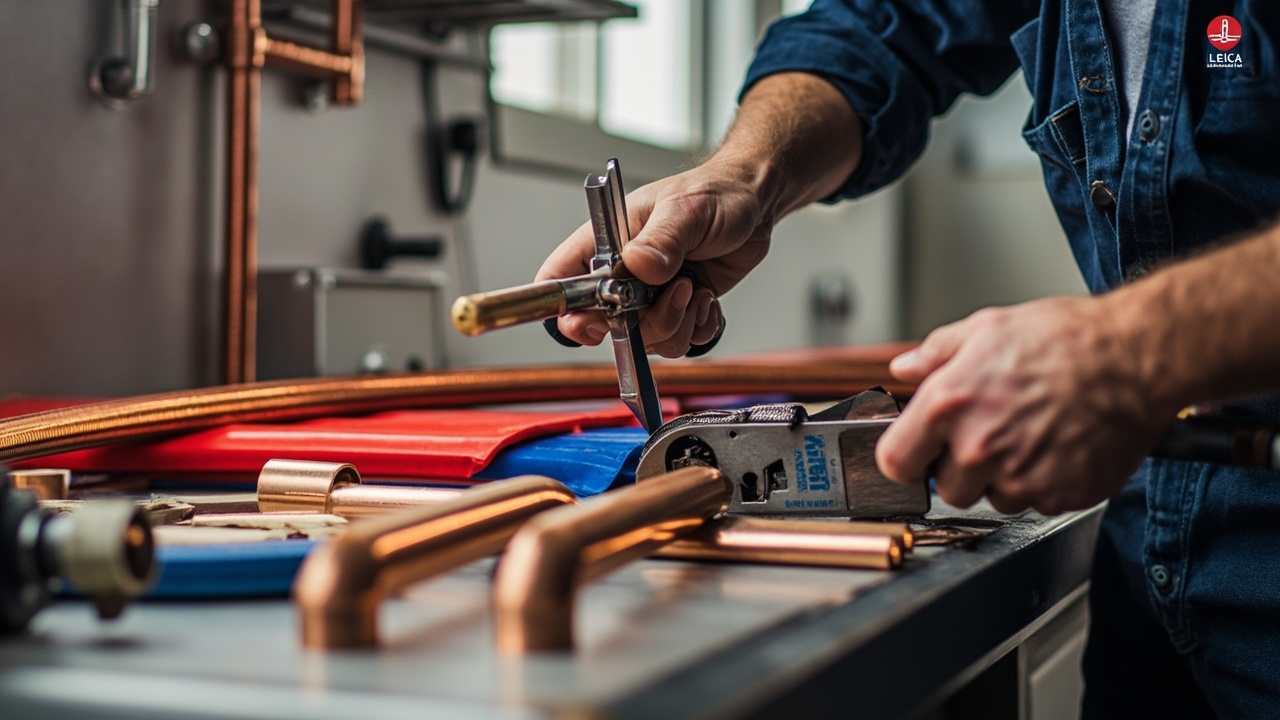
Installation methodology differs substantially between materials. PEX requires fewer fittings because you can run continuous lengths from manifold to fixture. This reduces potential leak points and allows for home-run plumbing systems that give you individual control over each fixture. Copper demands soldered joints at every direction change, creating dozens of connection points where leaks can develop over time.

The difference between PEX and copper pipes extends to water hammer and noise transmission. PEX dampens the shock wave when valves close abruptly. Copper pipes transmit that hydraulic shock throughout the system, creating banging sounds and stress on joints. In multi-story Detroit homes with old plumbing stacks, this becomes noticeable every time someone flushes a toilet or runs a washing machine.

Chemical resistance varies between materials. PEX handles acidic water conditions better than copper, but copper naturally inhibits bacterial growth. Detroit's chlorinated municipal water affects both materials differently over decades of service.

What Happens During a Material Evaluation

PEX vs. Copper Piping Guide for Detroit – Expert Material Comparison for Freeze-Resistant Plumbing Systems
01

System Assessment

Ironwood Plumbing Detroit examines your existing plumbing configuration, water pressure readings, and building layout. We test water chemistry to identify pH levels and mineral content that affect material longevity. This includes inspecting crawl spaces, basement runs, and exterior wall penetrations where freeze risk concentrates. We document current pipe condition, joint integrity, and any signs of corrosion or previous repairs.
02

Technical Comparison

We walk you through copper vs PEX plumbing pros and cons specific to your property. This covers installation complexity in your space, cost differences for materials and labor, and expected service life under Detroit conditions. We explain how each material performs during freeze events, responds to your water chemistry, and integrates with existing fixtures. The comparison includes thermal expansion rates, pressure ratings, and code compliance factors.
03

Recommendation Report

You receive a written analysis that details which material suits your situation and why. The report includes cost projections, installation timeline estimates, and maintenance expectations. We explain scenarios where hybrid systems using both PEX and copper make sense, such as copper for main lines with PEX branches. This documentation helps you make a decision based on facts rather than industry myths or incomplete information.

Why Local Experience Changes the Material Decision

Ironwood Plumbing Detroit has repaired and replaced plumbing systems throughout Wayne County for years. We understand how Detroit's infrastructure affects residential plumbing differently than newer subdivisions in Novi or Canton. The age of your building, the condition of your foundation, and the accessibility of your plumbing runs all influence whether PEX or copper makes practical sense.

Detroit enforces specific plumbing codes through the Buildings, Safety Engineering and Environmental Department. These regulations govern which materials you can use in different applications. We stay current with local code amendments and permit requirements that affect repiping projects. This knowledge prevents costly mistakes where homeowners choose materials that inspectors flag during final review.

Our technicians work in Detroit homes daily. We see how PEX piping vs copper plumbing performs in real-world conditions across different neighborhoods. A century-old brick home in Boston Edison has different plumbing challenges than a 1950s ranch in Redford Township. The PEX vs copper comparison shifts based on whether you have accessible basement runs or need to fish lines through finished walls.

We also understand Detroit's water department infrastructure. Areas with older water mains experience different pressure fluctuations and sediment issues than neighborhoods with recently upgraded supply lines. These factors affect how copper corrosion develops and whether PEX expansion fittings maintain seal integrity over time.

Local expertise means we can predict which material will cause fewer problems in your specific situation. We have replaced enough frozen copper pipes and repaired enough failed PEX fittings to know where each material excels and where it disappoints. This experience base gives you decision-making confidence that generic online guides cannot provide.

What You Should Know Before Choosing Your Pipe Material

Cost and Budget Factors

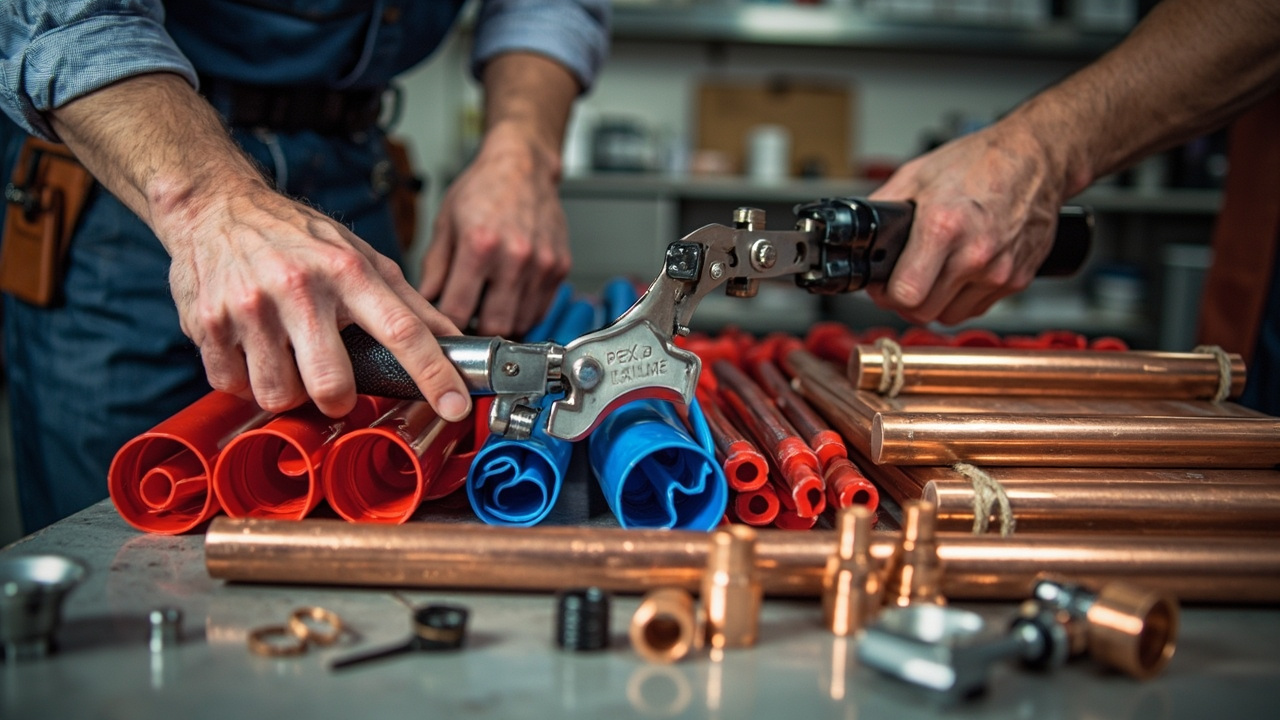
The cross-linked polyethylene vs copper tubing cost difference shows up in both materials and labor. PEX material costs less per linear foot, but specialized crimping or expansion tools add expense. Copper costs more upfront but uses standard soldering equipment. Installation time affects your total project cost significantly. PEX runs faster because you make fewer connections. Copper requires more labor hours to solder each joint properly. Budget for permits, drywall repair, and fixture reconnection regardless of which material you choose. The total project cost depends on how much piping needs replacement and how accessible your plumbing runs are.

Longevity and Maintenance

Copper tubing has proven durability spanning 50-plus years in favorable conditions. Detroit's water chemistry can shorten this lifespan when pH imbalances cause pitting corrosion. PEX carries a shorter track record because widespread residential use only dates back about 30 years. The difference between PEX and copper pipes includes ultraviolet sensitivity. PEX degrades when exposed to sunlight, making it unsuitable for outdoor applications without protection. Copper handles UV exposure and maintains structural integrity in exposed runs. Both materials require different maintenance approaches. Copper joints can be re-soldered when leaks develop. PEX connections need complete fitting replacement when they fail.

Installation Complexity

Your building layout determines installation difficulty more than the material itself. PEX flexibility allows routing through tight spaces that rigid copper cannot navigate without multiple fittings. This advantage matters significantly in Detroit homes with finished basements and limited access. Copper requires open flame for soldering, which creates fire hazards in spaces with old wood framing or insulation. PEX eliminates this risk but demands precise measurements because you cannot easily adjust lengths after crimping. Retrofitting either material through existing walls involves similar demolition and repair work. The copper vs PEX plumbing pros and cons balance differently depending on whether you have full wall access or need to minimize drywall damage.

Code Compliance and Permits

Detroit requires permits for whole-house repiping projects regardless of material choice. The city's plumbing code specifies approved PEX types and acceptable copper grades. Not all PEX formulations carry approval for potable water use in Michigan. Type A PEX costs more but offers superior freeze resistance compared to Type B or Type C variants. Copper must meet ASTM B88 standards for water distribution. Inspectors verify proper installation techniques including correct support spacing, penetration sealing, and backflow prevention. Final approval depends on pressure testing that proves system integrity before covering pipes. Choosing unapproved materials or skipping permits creates liability issues that affect property transfers and insurance claims.

Frequently Asked Questions

You Have Questions,
We Have Answers

How Detroit's Freeze-Thaw Cycles and Hard Water Affect Your Pipe Material Choice

Detroit experiences an average of 137 freezing days annually, with January temperatures regularly dropping below 15 degrees. This extended cold exposure stresses plumbing systems in ways that matter for the PEX vs copper comparison. Homes near the Detroit River in areas like Riverside and Jefferson Chalmers face additional humidity that accelerates copper corrosion while frozen ground shifts foundations and stresses pipe connections. The city's hard water, measuring between 120-180 parts per million calcium carbonate, deposits minerals inside copper pipes that restrict flow and create galvanic corrosion. These conditions make material selection a decision with long-term consequences for system reliability and maintenance costs.

Ironwood Plumbing Detroit works within the city's permitting framework and understands how local inspectors evaluate different installation methods. We know which Detroit neighborhoods have older water mains that cause pressure spikes and how these affect different pipe materials. Our experience with Detroit's housing stock from Corktown's Victorian homes to the mid-century houses in Warrendale means we can predict installation challenges before starting work. This local knowledge helps you avoid material choices that create problems specific to Detroit's infrastructure and climate. Choosing a company familiar with Detroit's plumbing landscape ensures your material decision accounts for factors that generic contractors might overlook.

Plumbing Services in The Detroit Area

Ironwood Plumbing proudly serves Detroit and the surrounding areas with reliable, professional plumbing solutions. Whether you’re a homeowner or a business owner, you can count on our fast response times and expert service. Use the map below to find our office or check if your location is within our service radius. We’re easy to reach and always happy to help — just call, click, or visit us today to schedule your plumbing service with a local team that truly cares.

Address:
Ironwood Plumbing Detroit, 3200 Greenfield Rd, Detroit, MI, 48120

Additional Services We Offer

Our news updates

Latest Articles & News from The Blogs

Plumbing Requirements for Luxury Body Jets and Rain Showerheads in West Bloomfield High-end luxury shower systems in West Bloomfield demand…

Plumbing Requirements for Luxury Body Jets and Rain Showerheads in West Bloomfield

Plumbing Requirements for Luxury Body Jets and Rain Showerheads in West Bloomfield High-end luxury shower systems in West Bloomfield demand…

The Truth About Septic Tank Additives and Why They Might Not Save You a Pump-Out in Brighton

The Truth About Septic Tank Additives and Why They Might Not Save You a Pump-Out in Brighton Walk into any…

How to Choose the Right Horsepower for Your Next Dearborn Garbage Disposal

Understanding Garbage Disposal HP: Why It Matters The right garbage disposal horsepower directly affects how quickly and thoroughly your kitchen…

Contact Us

Stop guessing which pipe material protects your investment. Call (313) 572-4144 for a technical evaluation that accounts for Detroit's climate, your water chemistry, and your building's specific conditions. Ironwood Plumbing Detroit provides unbiased recommendations based on what works in real-world applications.