




menu

Water Conservation Tips in Detroit – Reduce Your Bills and Protect Our Great Lakes

Learn practical water saving techniques tailored for Detroit homes, from fixture upgrades to leak detection strategies, that help you cut consumption, lower monthly bills, and do your part to preserve the watershed we all share.

Slider Image 1
Slider Image 2
Slider Image 3
Slider Image 4
Slider Image 5
Slider Image 7
Slider Image 8
Slider Image 9
Slider Image 10
Slider Image 11

Why Water Efficiency Matters More in Detroit Than You Think

Detroit sits on the largest freshwater system on the planet, but that does not mean water is free or unlimited. The Great Lakes Compact strictly regulates withdrawals, and local infrastructure costs keep climbing. Your water bill reflects aging treatment plants, hundred-year-old distribution lines, and the energy required to pump millions of gallons daily across a sprawling metro area.

Winter freeze-thaw cycles crack service lines and cause hidden leaks that waste thousands of gallons before you notice. Summer heat spikes outdoor use through sprinklers and hoses. Many Detroit neighborhoods still have galvanized steel supply pipes that corrode from the inside, restricting flow and making inefficient fixtures even worse. When you combine these conditions with rate increases tied to infrastructure upgrades, every gallon you save translates directly into lower bills.

Ways to save water start with understanding where you lose it. A single leaking flapper in a toilet can waste 200 gallons per day. A dripping faucet adds up to 3,000 gallons per year. Water saving techniques focus on stopping waste first, then improving efficiency through fixture upgrades and behavior changes. Reduce water consumption by addressing the invisible problems before they become visible disasters.

Water efficiency strategies work best when you know your baseline. Check your winter water bills when outdoor use is zero. That number represents indoor consumption. If it seems high, you likely have leaks. Reducing your footprint protects the Great Lakes watershed, lowers your utility costs, and takes pressure off the Detroit Water and Sewerage Department's aging infrastructure.

Why Water Efficiency Matters More in Detroit Than You Think
Practical Water Saving Techniques You Can Implement Today

Practical Water Saving Techniques You Can Implement Today

How to save water at home begins with fixture efficiency. Older toilets use 3.5 to 7 gallons per flush. WaterSense-certified models use 1.28 gallons and flush just as effectively. The payback period on a toilet replacement is often under three years in a home with four people. Faucet aerators cost less than five dollars and cut flow from 2.2 gallons per minute down to 1.5 or even 0.5 without sacrificing pressure. Showerheads follow the same logic. A 1.5 GPM low-flow head saves a family of four roughly 2,700 gallons per month compared to a standard 2.5 GPM unit.

Water efficiency strategies include leak detection as a baseline task. Add food coloring to your toilet tank and wait fifteen minutes. If color appears in the bowl without flushing, the flapper is leaking. Check under sinks for moisture on supply line connections. Inspect your water meter before bed, then again in the morning before anyone uses water. If the dial moved, you have a leak somewhere in the system.

Behavioral changes compound savings. Run dishwashers and washing machines only with full loads. Scrape dishes instead of pre-rinsing under a running tap. Turn off the faucet while brushing your teeth or soaping your hands. Install a shutoff valve on your washing machine supply line and close it when not in use to prevent hose failures that can dump 650 gallons per hour into your basement.

Outdoor water use dominates summer consumption. Reduce water consumption by watering lawns early in the morning when evaporation is lowest. Use a broom instead of a hose to clean driveways. Mulch garden beds to retain soil moisture. These methods feel small individually but create measurable impact over a season.

How to Audit and Improve Your Home's Water Use

Water Conservation Tips in Detroit – Reduce Your Bills and Protect Our Great Lakes
01

Baseline Water Audit

Start by reviewing twelve months of water bills to identify patterns. Note any unexplained spikes that could indicate leaks or seasonal waste. Conduct a meter test by recording the reading, avoiding all water use for two hours, then checking again. Movement indicates a leak in your supply line or a fixture. Walk through every room and inspect faucets, toilets, and visible supply lines for drips, corrosion, or moisture.
02

Fixture and Appliance Upgrades

Replace older toilets, showerheads, and faucet aerators with WaterSense-certified models. Upgrade to ENERGY STAR washing machines that use 13 gallons per load instead of 23. Install a tankless water heater to eliminate standby heat loss and reduce the wait time for hot water, which cuts down on wasted flow. Check dishwasher efficiency ratings and replace units over ten years old if usage justifies the investment.
03

Ongoing Monitoring and Maintenance

Set a quarterly reminder to recheck your water meter and inspect fixtures. Replace flapper valves every three to five years as a preventive measure. Clean aerators annually to remove mineral buildup that restricts flow and reduces efficiency. Track your monthly consumption on a simple spreadsheet to spot trends early. Adjust outdoor watering schedules based on rainfall and temperature to avoid waste during wet or cool periods.

Why Detroit Homeowners Trust Local Plumbing Expertise for Water Efficiency

Detroit's housing stock presents unique challenges. Many homes were built between 1920 and 1960, when plumbing codes allowed materials and fixtures that waste water by modern standards. Galvanized steel pipes corrode over decades and restrict flow, making low-flow fixtures perform poorly unless you address the supply line first. Cast iron drain lines develop rough interiors that catch debris and slow drainage, tempting homeowners to run water longer than necessary.

Ironwood Plumbing Detroit understands these variables because we work in these homes every day. We know that a simple aerator swap might not solve your problem if your supply line is choked with rust. We test static and dynamic pressure to confirm your system can support efficiency upgrades without creating new issues. Our technicians recognize the difference between a fixable flapper and a toilet that needs replacement due to calcified jets that prevent effective flushing at lower volumes.

Local building codes and water authority regulations also play a role. The Detroit Water and Sewerage Department offers rebates for qualifying fixture upgrades, but only if installed by a licensed plumber and documented correctly. We handle that paperwork so you capture every available dollar. We also understand how soil conditions affect outdoor water use. Detroit's clay soil drains poorly, which means overwatering leads to foundation problems in addition to waste.

Water efficiency strategies require more than product swaps. They demand an understanding of how your home's systems interact and how local conditions influence performance. Choosing a provider with deep roots in the Detroit metro ensures you get solutions that work in your specific context, not generic advice copied from a national website.

What to Expect When You Commit to Water Conservation

Quick Wins and Long-Term Gains

You will see immediate savings from simple changes like shorter showers and full dishwasher loads. Fixture upgrades take a few weeks to show up on your bill due to billing cycles, but the reduction is measurable and permanent. A comprehensive approach combining leak repairs, fixture replacements, and behavior changes typically cuts indoor consumption by 20 to 35 percent. Outdoor reductions vary widely based on lawn size and irrigation habits, but shifting to drip systems or smart controllers can cut summer use by half.

Professional Assessment Process

A thorough water audit includes pressure testing, fixture flow measurements, and a visual inspection of your entire plumbing system. We check for hidden leaks in crawl spaces, basements, and slab foundations using moisture meters and listening devices. You receive a prioritized list of recommendations with estimated savings for each item. We explain which fixes deliver the fastest payback and which address long-term risk. The goal is to give you enough information to make informed decisions about where to invest first.

Tangible Results You Can Track

After implementing water saving techniques, you should notice lower bills within two months. You will also experience fewer maintenance headaches because efficient fixtures reduce strain on your water heater and supply lines. Reducing hot water use lowers energy bills in addition to water costs. Over time, you protect the resale value of your home by modernizing the plumbing system and demonstrating responsible resource management. Many buyers specifically look for homes with updated, efficient fixtures during the inspection process.

Ongoing Support and Optimization

Water conservation is not a one-time project. Fixtures wear out, habits drift, and new technologies emerge. We recommend an annual plumbing checkup to catch small issues before they become expensive problems. Flapper valves degrade, aerators clog, and supply lines develop pinhole leaks. A scheduled inspection keeps your system running at peak efficiency and prevents waste from creeping back in. We also update you on new rebate programs or fixture innovations that could further reduce your consumption and costs.

Frequently Asked Questions

You Have Questions,
We Have Answers

What are the 10 ways to conserve water? +

Fix leaks immediately. A dripping faucet wastes gallons daily. Install low-flow showerheads and faucet aerators to cut usage without losing pressure. Run dishwashers and washing machines only with full loads. Turn off taps while brushing teeth or scrubbing dishes. Water lawns early morning or late evening to reduce evaporation, especially during Detroit's humid summers. Upgrade to WaterSense-labeled toilets, which use less per flush. Collect rainwater in barrels for gardens. Insulate pipes to reduce wait time for hot water. Schedule annual plumbing inspections to catch hidden leaks in older Detroit homes before they escalate.

What are 5 methods of water conservation? +

Install low-flow fixtures in showers, sinks, and toilets to reduce volume without sacrificing performance. Fix all leaks promptly, as even small drips add up fast in older Detroit plumbing systems. Use appliances like dishwashers and washing machines only when fully loaded to maximize efficiency. Water outdoor spaces during cooler hours to minimize evaporation loss. Capture and reuse greywater from sinks or showers for lawn irrigation where local codes permit. These methods lower bills and protect Detroit's aging water infrastructure from unnecessary strain during peak demand periods.

What are the 5 R's of water conservation? +

The 5 R's are Reduce, Reuse, Recycle, Repair, and Rethink. Reduce water use by turning off taps and taking shorter showers. Reuse greywater for plants or cleaning tasks. Recycle water where possible, like saving pasta water for gardens. Repair leaks immediately, as Detroit's older housing stock often hides slow drips behind walls. Rethink habits like running water continuously while washing dishes or thawing food. Applying these principles in Detroit homes conserves water, lowers utility costs, and extends the life of your plumbing system while supporting citywide conservation goals.

What are 20 ways to save water? +

Turn off taps while brushing teeth. Fix leaky faucets and toilets. Install low-flow showerheads. Run full dishwasher and laundry loads. Water lawns early morning. Use brooms instead of hoses for driveways. Insulate hot water pipes. Collect rainwater for gardens. Take shorter showers. Upgrade to WaterSense toilets. Mulch garden beds to retain moisture. Wash vehicles with buckets. Thaw food in the fridge, not under running water. Scrape dishes before washing. Check for hidden leaks annually. Use aerators on faucets. Avoid ornamental water features. Adjust sprinklers to avoid pavement. Teach kids conservation habits. Schedule plumbing inspections for older Detroit homes.

What are 50 ways to save water? +

Turn off faucets when not in use. Fix all leaks immediately. Install low-flow showerheads and toilets. Run full appliance loads. Water plants early morning. Use rain barrels. Insulate pipes. Take shorter showers. Sweep driveways instead of hosing. Mulch gardens. Wash cars with buckets. Thaw food in fridges. Scrape dishes first. Use aerators. Check toilet flappers. Upgrade old fixtures. Avoid running water while shaving. Reuse pasta water for plants. Cover pools to reduce evaporation. Adjust sprinkler patterns. Install drip irrigation. Use dishwashers over hand washing. Collect shower warm-up water. Teach family members conservation. Monitor water bills for spikes indicating leaks. This list provides actionable steps for Detroit residents.

What are 8 ways to conserve water? +

Fix leaks fast, as even small drips waste significant water in Detroit's older homes. Install low-flow showerheads and faucet aerators to reduce flow without losing function. Run dishwashers and washing machines only when full. Turn off taps while brushing teeth or soaping hands. Water lawns during cooler morning hours to prevent evaporation during Detroit's warm, humid summers. Upgrade to dual-flush or low-flow toilets. Insulate hot water pipes to reduce wait time. Collect rainwater for outdoor use where permitted by local code. These steps cut bills and ease demand on city infrastructure.

How Detroit's Aging Infrastructure Makes Home Water Efficiency Critical

Detroit's water distribution system includes over 3,000 miles of pipe, much of it laid before World War II. Leaks in the municipal system waste millions of gallons annually, and that cost gets passed to ratepayers through higher fees. The Detroit Water and Sewerage Department has committed billions to infrastructure renewal, but the work takes decades. While the city upgrades its mains and treatment plants, your home represents the last mile of that system. Reducing your demand eases pressure on aging pipes and treatment capacity. It also insulates you from rate hikes tied to capital improvement projects.

Local plumbing expertise matters because Detroit's housing and infrastructure create unique challenges. A plumber from the suburbs may not recognize the signs of a deteriorating galvanized service line common in older Detroit neighborhoods. They might not know which streets still have combined sewers that surcharge during heavy rain, making water efficiency essential to prevent backups. Ironwood Plumbing Detroit works exclusively in this metro area. We understand the building styles, the soil conditions, and the municipal systems that affect your home's performance. That knowledge ensures you get water conservation tips that actually work in your house, not generic advice that ignores local context.
Plumbing Services in The Detroit Area

Ironwood Plumbing proudly serves Detroit and the surrounding areas with reliable, professional plumbing solutions. Whether you’re a homeowner or a business owner, you can count on our fast response times and expert service. Use the map below to find our office or check if your location is within our service radius. We’re easy to reach and always happy to help — just call, click, or visit us today to schedule your plumbing service with a local team that truly cares.

Address:
Ironwood Plumbing Detroit, 3200 Greenfield Rd, Detroit, MI, 48120

Additional Services We Offer

Our news updates

Latest Articles & News from The Blogs

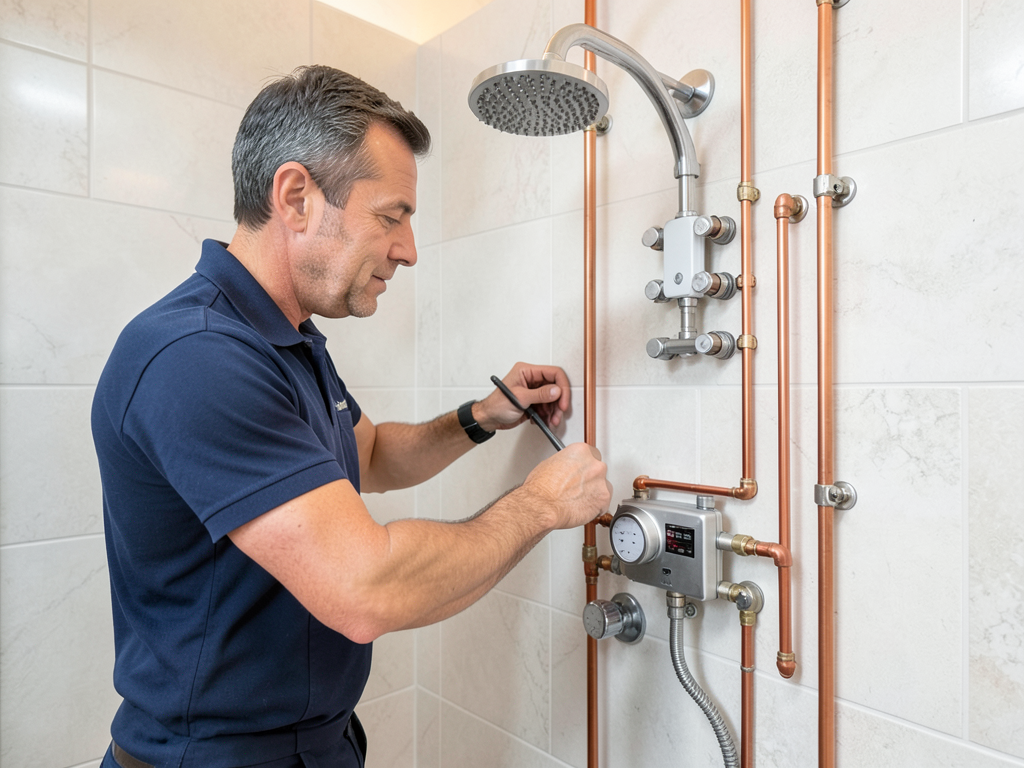
Plumbing Requirements for Luxury Body Jets and Rain Showerheads in West Bloomfield High-end luxury shower systems in West Bloomfield demand…

Plumbing Requirements for Luxury Body Jets and Rain Showerheads in West Bloomfield

Plumbing Requirements for Luxury Body Jets and Rain Showerheads in West Bloomfield High-end luxury shower systems in West Bloomfield demand…

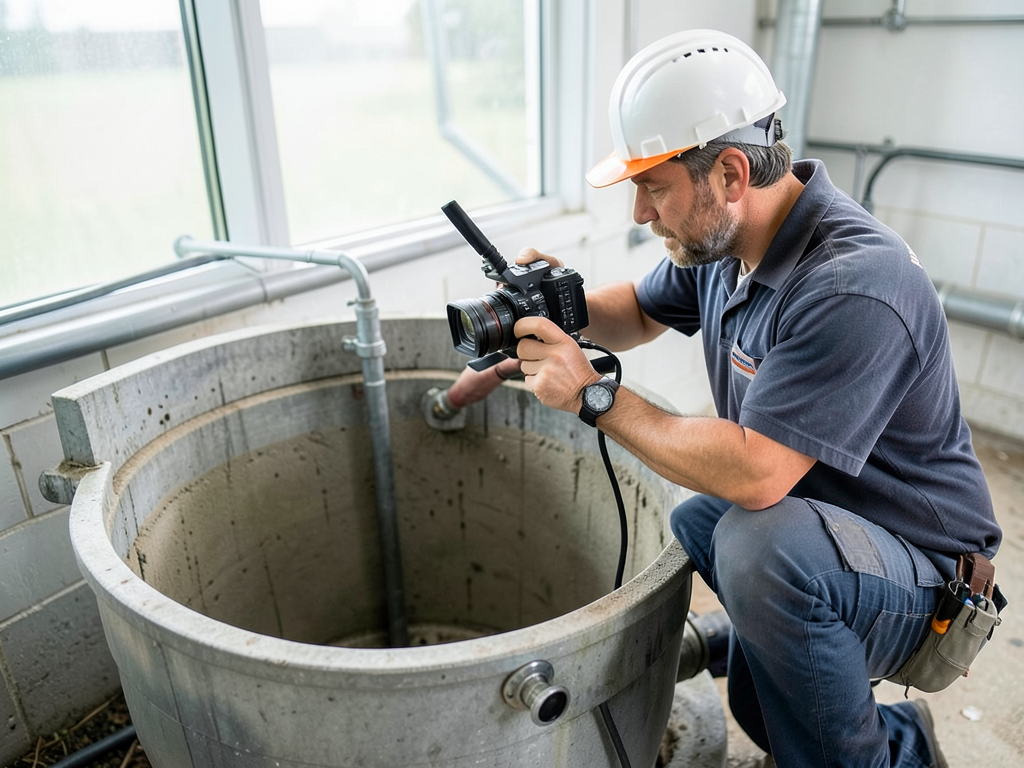
The Truth About Septic Tank Additives and Why They Might Not Save You a Pump-Out in Brighton

The Truth About Septic Tank Additives and Why They Might Not Save You a Pump-Out in Brighton Walk into any…

How to Choose the Right Horsepower for Your Next Dearborn Garbage Disposal

Understanding Garbage Disposal HP: Why It Matters The right garbage disposal horsepower directly affects how quickly and thoroughly your kitchen…

Contact Us

Call Ironwood Plumbing Detroit at (313) 572-4144 for a professional water audit and personalized efficiency recommendations. We identify leaks, recommend fixture upgrades, and help you access available rebates. Your lower water bill starts with one phone call.