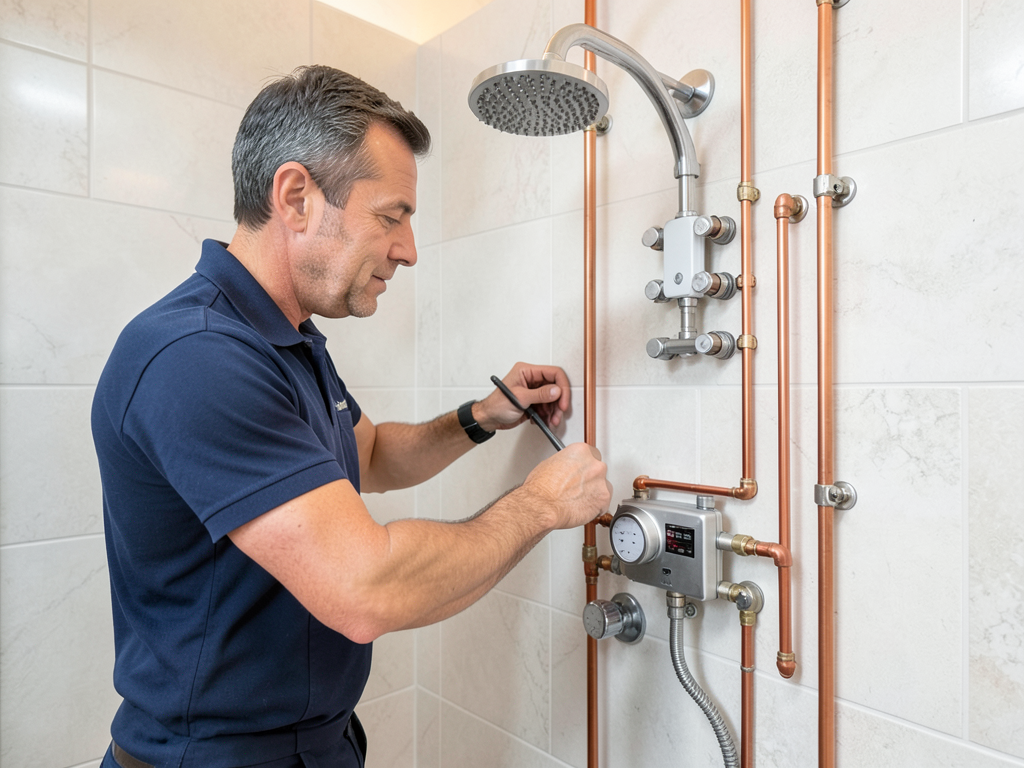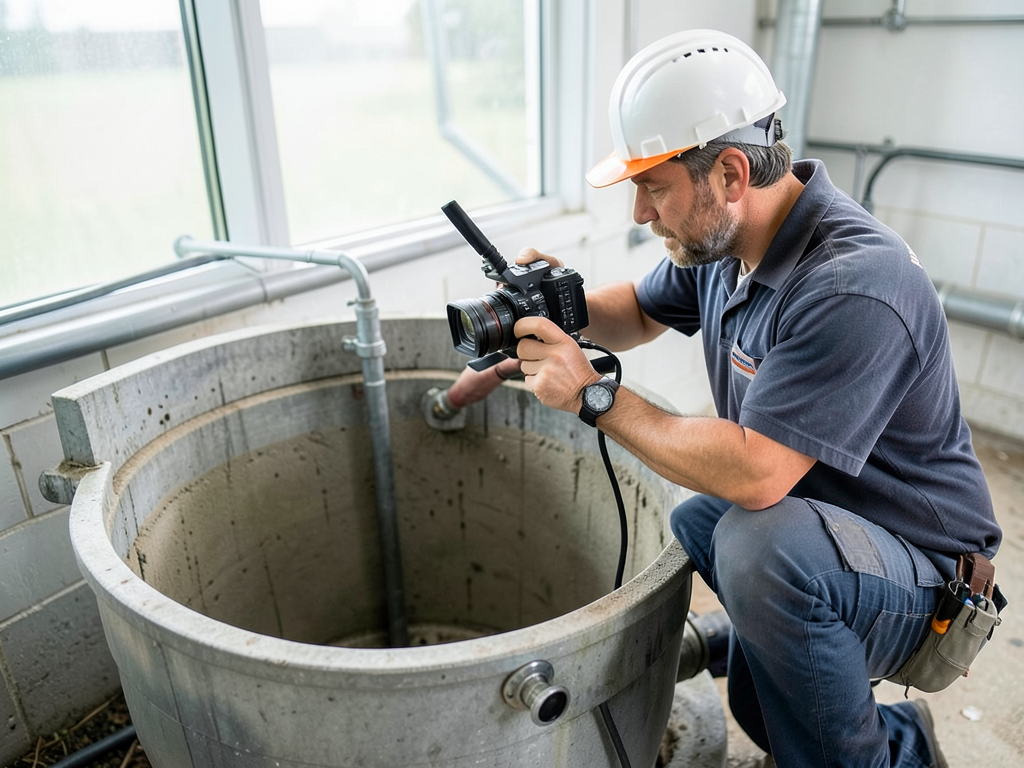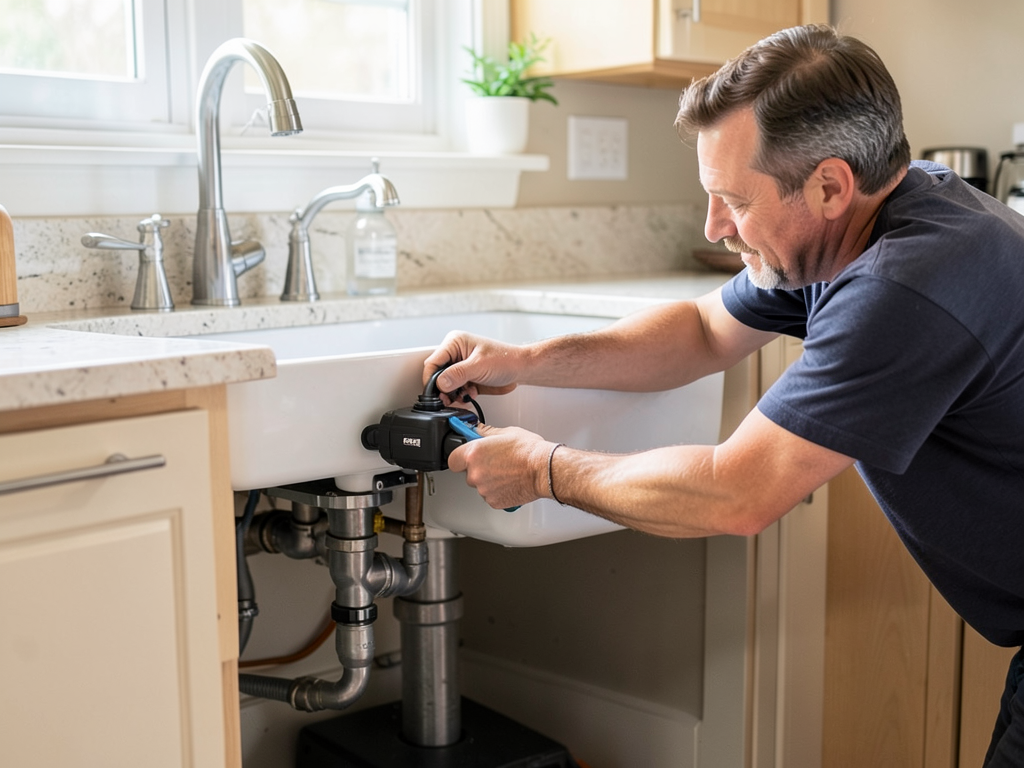







Detroit's housing stock predates modern plumbing codes. Homes built before 1960 often have galvanized steel supply lines that corrode from the inside out, narrowing water flow and weakening pipe walls until they rupture under normal pressure. The city's freeze-thaw cycles compound the problem. Temperatures that swing from 10 degrees to 35 degrees in a 48-hour period cause expansion and contraction that stresses solder joints and compression fittings. Uninsulated pipes in exterior walls, crawl spaces, and unheated basements freeze when overnight lows drop below 20 degrees. When that ice melts, the split pipe floods the space. Emergency water leak repair calls spike in late February and early March when thaw cycles begin.
Choosing a plumber who understands Detroit's housing types and infrastructure challenges matters. We work on everything from Queen Anne Victorians in Brush Park to post-war bungalows in Warrendale. We know which neighborhoods have clay soil that shifts foundations and stresses slab plumbing. We know which water mains are prone to pressure surges during peak demand. We carry parts for both historic and modern systems because a 1920s home in Palmer Woods has different plumbing than a 1990s home in Rivertown. That local knowledge means faster diagnosis, accurate repairs, and fewer return visits. You get service from plumbers who live and work in the same city you do.