




menu

Sediment Buildup in Pipes in Detroit – Expert Diagnosis and Proven Solutions to Restore Flow and Pressure

Sediment buildup in pipes doesn't just slow your water flow. It corrodes your entire plumbing system from the inside out. Our diagnostic process identifies the exact source of mineral deposits in water pipes and removes years of calcium buildup using hydro jetting and targeted descaling methods.

Slider Image 1
Slider Image 2
Slider Image 3
Slider Image 4
Slider Image 5
Slider Image 7
Slider Image 8
Slider Image 9
Slider Image 10
Slider Image 11

Why Detroit Homes Suffer from Accelerated Pipe Sediment Accumulation

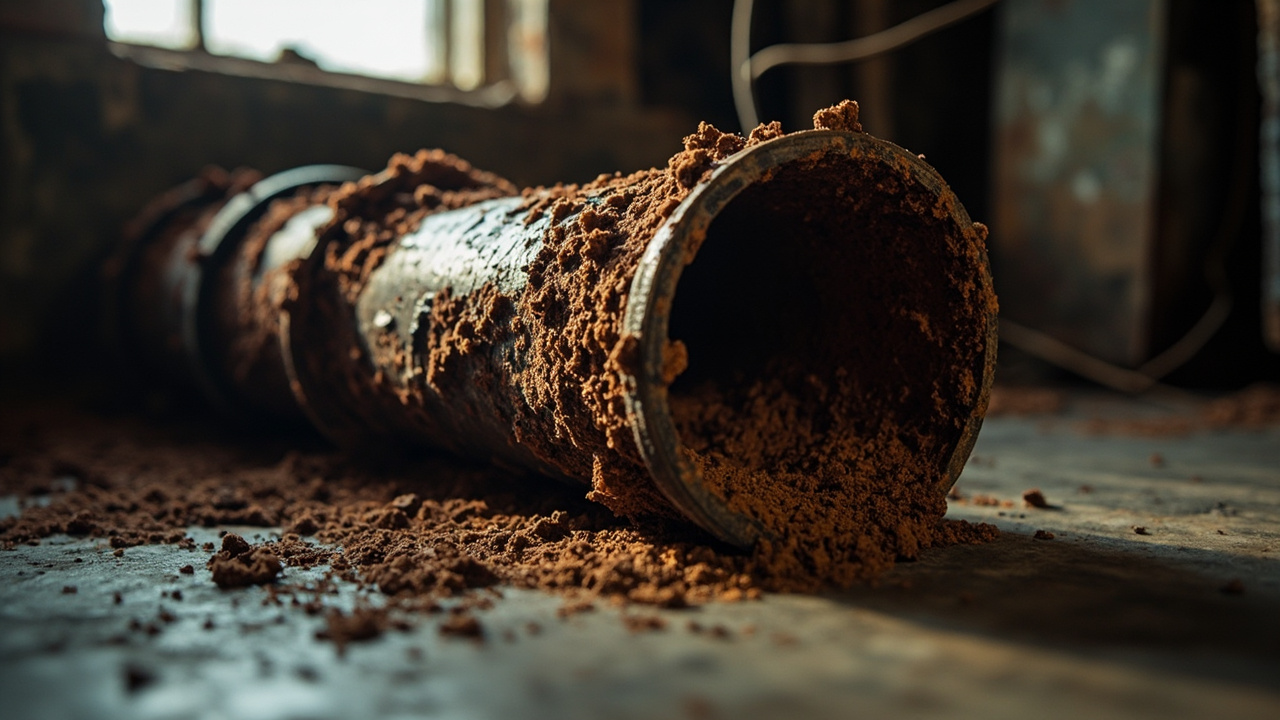
Detroit's municipal water supply, drawn primarily from the Great Lakes system, carries higher levels of dissolved minerals than many Midwest cities. When water sits in aging galvanized pipes or flows through sections with reduced velocity, these minerals precipitate out and form layers of calcium buildup in water lines. Over years, this limescale accumulation in plumbing reduces pipe diameter by 30 to 50 percent.

You notice the symptoms first at fixtures farthest from the main line. The bathroom on the second floor loses pressure. The washing machine takes twice as long to fill. Your water heater starts making popping sounds because sediment traps heat at the bottom of the tank. These are not minor annoyances. They are warning signs of hard water pipe scaling that will eventually choke your system completely.

Detroit's freeze-thaw cycles compound the problem. When water freezes inside partially blocked pipes, the expansion creates microfractures in the sediment layer. During the thaw, more minerals fill these cracks. The cycle repeats every winter, accelerating pipe calcification problems. Homes built before 1980, especially those with original galvanized steel supply lines, face the most severe buildup. The rough interior surface of corroding galvanized pipe acts like a magnet for mineral deposits in water pipes.

You cannot flush this sediment out with a garden hose or chemical drain cleaner. The buildup is crystalline, bonded to pipe walls under years of pressure. Addressing it requires hydrostatic testing to locate restriction points, followed by mechanical descaling or complete line replacement.

Why Detroit Homes Suffer from Accelerated Pipe Sediment Accumulation
How We Remove Years of Mineral Deposits Without Destroying Your Pipes

How We Remove Years of Mineral Deposits Without Destroying Your Pipes

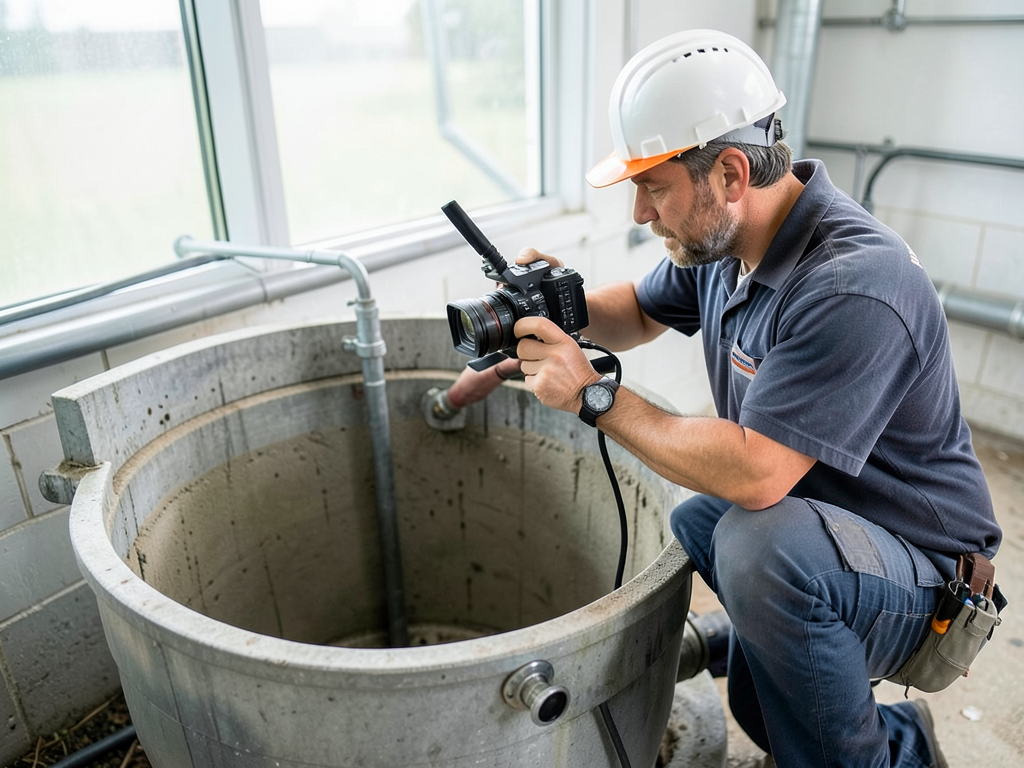
We start with a camera inspection to map your entire supply and drain system. The camera reveals three critical data points: the thickness of the sediment layer, the remaining inner diameter of the pipe, and the material composition of the line itself. This determines whether we can salvage the pipe with descaling or if replacement is the only safe option.

For galvanized lines with severe calcium buildup in water lines, we use hydro jetting equipment calibrated to 3,000 PSI. The rotating nozzle blasts away limescale accumulation in plumbing without damaging copper or PEX. For copper lines with moderate scaling, we use a descaling cable with a chain knocker attachment. The chains break apart hard water pipe scaling while the flexible cable navigates bends and offsets.

We do not use chemical descalers in residential systems. These acidic solutions weaken pipe walls and create dangerous fume concentrations in enclosed spaces. Mechanical removal is slower, but it preserves the structural integrity of your plumbing.

After descaling, we flush the system with high-velocity water to remove dislodged sediment. Then we test static pressure at every fixture. If pressure remains below 40 PSI at any tap, we know there is a restriction we missed or a section of pipe too degraded to function. We re-inspect with the camera and address the problem.

For homes with chronic pipe calcification problems, we recommend installing a whole-home water softener. This does not remove existing sediment, but it prevents new mineral deposits in water pipes from forming. The return on investment is immediate. Your water heater lifespan doubles. Your fixtures stop clogging. Your water pressure stabilizes.

What Happens During a Sediment Removal Service

Sediment Buildup in Pipes in Detroit – Expert Diagnosis and Proven Solutions to Restore Flow and Pressure
01

Diagnostic Camera Inspection

We insert a high-resolution camera through your main cleanout or water heater drain valve to map the interior condition of your supply lines. This reveals the exact location and severity of limescale accumulation in plumbing. We document every restriction point with timestamped video footage. This allows us to show you the problem before we quote any work. You see exactly what we see.
02

Hydro Jetting or Descaling

We isolate the affected section of pipe and introduce either a hydro jetting nozzle or a mechanical descaling tool. The hydro jetter uses pressurized water to pulverize calcium buildup in water lines without chemicals. The descaling cable physically scrapes mineral deposits in water pipes off the interior surface. Both methods restore near-original pipe diameter. We adjust technique based on pipe material and age to prevent damage.
03

Pressure Testing and Verification

After flushing all dislodged sediment from the system, we measure static and dynamic pressure at every fixture. Proper pressure ranges between 50 and 70 PSI. If any fixture underperforms, we re-inspect that branch line with the camera. We do not consider the job complete until every tap delivers consistent pressure. You receive a written pressure test report and a copy of the post-cleaning camera footage.

Why Detroit Homeowners Trust Local Expertise for Pipe Restoration

Sediment buildup is not a generic problem. The mineral composition of Detroit's water supply differs from suburbs like Dearborn or Warren. The calcium-to-magnesium ratio in your water determines how quickly hard water pipe scaling forms and how aggressively it bonds to pipe walls. A plumber who learned the trade in Phoenix or Miami does not understand the specific crystalline structure of sediment in Detroit pipes.

We have been mapping sediment patterns in Detroit homes for over a decade. We know that homes near the Detroit River corridor experience faster limescale accumulation in plumbing because of elevated calcium levels in the intake zone. We know that homes built between 1950 and 1970 almost always have galvanized supply lines with severe interior corrosion. We know that multi-family buildings in Midtown and Corktown share common supply risers, which means one tenant's sediment problem can restrict flow for the entire building.

This local knowledge changes how we diagnose and treat pipe calcification problems. When we inspect a home in East English Village, we expect to find copper supply lines installed during the post-war building boom. These lines develop scale differently than the PEX repiping common in renovated homes near the riverfront. We adjust our equipment and technique accordingly.

You are not hiring a national franchise that sends a different technician every visit. You are hiring a team that knows your neighborhood, your building codes, and the specific failure patterns of your home's plumbing system. When we recommend hydro jetting over replacement, it is because we have cleared identical sediment from identical pipes in your zip code. When we recommend replacement, it is because we have seen those pipes fail after temporary descaling.

Trust is not built on marketing. It is built on results. We show you the camera footage before and after. We test pressure in your presence. You see the work, not a sales pitch.

What You Can Expect During Sediment Removal Service

Same-Day Diagnostics Available

We can dispatch a camera inspection crew within four hours of your call in most Detroit neighborhoods. The diagnostic inspection takes 45 to 90 minutes, depending on your home's size and pipe accessibility. We provide a written report and video footage the same day. If you approve treatment, we can often begin descaling or hydro jetting work the following morning. For emergency situations where water pressure has dropped below 20 PSI, we prioritize your service and can mobilize equipment within two hours during business hours.

Transparent Diagnostic Process

We do not quote over the phone because sediment severity varies dramatically between homes. During the camera inspection, we measure remaining pipe diameter at multiple points, identify material composition, and assess structural integrity. You watch the inspection in real time on a portable monitor. We pause the video to explain what you are seeing and answer questions. After the inspection, we provide a written scope of work with three options: descaling, partial replacement, or full repipe. We explain the longevity and limitations of each approach so you can make an informed decision.

Restored Pressure and Flow

After we complete descaling or hydro jetting, you will notice immediate improvement at every fixture. Showers deliver full pressure. Washing machines fill in half the time. Your water heater stops making rumbling sounds because sediment is no longer trapped at the bottom of the tank. We test pressure at the water heater, the kitchen sink, and the farthest bathroom fixture. If any location underperforms, we identify the remaining restriction and address it before we leave. You receive documentation of pre-treatment and post-treatment pressure readings.

Preventive Maintenance Guidance

We provide specific recommendations to slow future sediment accumulation. For most Detroit homes, this means installing a water softener to reduce calcium and magnesium levels. We explain the difference between salt-based and salt-free systems and which is appropriate for your water chemistry. We also recommend annual water heater flushing to remove sediment before it hardens. If you have galvanized supply lines, we discuss repipe timelines so you can budget for eventual replacement. Prevention is cheaper than emergency repairs, and we give you the information to plan ahead.

Frequently Asked Questions

You Have Questions,
We Have Answers

How much to flush pipes in a house? +

Flushing pipes in a Detroit home typically costs between job minimums and full-service rates, depending on the scope. A basic hot water heater flush runs lower, while whole-house hydro jetting for sediment removal costs more due to equipment and time. Factors include pipe material, age of your plumbing, and severity of buildup. Older Detroit homes with galvanized pipes often need more intensive work. Many plumbers charge by the hour plus a trip fee, while others quote flat rates. Get a camera inspection first to diagnose the actual problem before committing to flushing work.

What causes sediment buildup in pipes? +

Sediment buildup comes from minerals in Detroit's water supply, primarily calcium and magnesium. As water flows through pipes, these minerals precipitate and stick to pipe walls. Corroding galvanized pipes common in older Detroit homes shed metal particles that accumulate. Sand and grit enter through aging infrastructure or well systems. Low water pressure allows sediment to settle instead of flushing through. Temperature changes cause minerals to crystallize faster. Detroit's hard water accelerates this process significantly. Older homes near the Detroit River or with original plumbing face worse buildup due to decades of mineral deposits layering inside pipes.

How to remove silt from pipes? +

Removing silt requires professional hydro jetting, which uses high-pressure water streams to scour pipe interiors clean. Plumbers insert a specialized nozzle that blasts water at thousands of PSI, breaking loose sediment and flushing it out through your sewer line. For minor silt accumulation, mechanical snaking can dislodge some material. Camera inspection identifies where silt concentrates before treatment. Detroit homes with clay soil often experience silt intrusion through cracked sewer laterals. Simple drain snakes do not remove embedded silt effectively. Chemical treatments fail because silt is inorganic. Only mechanical removal or hydro jetting works for true silt problems.

How to remove build up in water pipes? +

Removing buildup requires hydro jetting for comprehensive cleaning. A plumber feeds a high-pressure hose through your pipes, and the jetting nozzle scours away scale, mineral deposits, and accumulated debris. The force breaks loose decades of buildup without damaging pipes. For localized clogs, mechanical augering can remove some material. Descaling chemicals work on minor calcium deposits but fail against heavy accumulation. Detroit's older homes often need pipe replacement if galvanized lines have corroded too thin. Camera inspection shows buildup severity before choosing a treatment method. Prevention through water softening helps, but existing buildup needs professional mechanical removal.

Will insurance pay for sewer line replacement? +

Insurance rarely covers sewer line replacement unless sudden, accidental damage caused the failure. Gradual deterioration from age, tree roots, or sediment buildup does not qualify as a covered event under most policies. Some homeowners policies exclude sewer lines entirely. Check your specific policy for sudden backup coverage, which might pay for interior damage but not the pipe itself. Detroit homeowners can purchase separate sewer line endorsements or service line coverage as add-ons. Document the failure cause immediately. If a covered peril like foundation collapse crushed the line, you may have a claim. Most replacements are out-of-pocket expenses.

How much does a plumber charge to clean pipes? +

Plumbers in Detroit charge job minimums for basic drain cleaning, with costs rising based on severity and access difficulty. Simple snaking a bathroom sink costs less than hydro jetting a main sewer line. Hourly rates plus materials apply for extensive work. Camera inspection adds to the total but prevents guesswork. Older Detroit homes with corroded galvanized pipes require more time and specialized equipment. Emergency or after-hours service costs more. Prices vary by company, equipment used, and pipe location. Get quotes from multiple plumbers and ask what the rate includes before agreeing to work. Avoid flat-rate upselling tactics.

How do plumbers descale pipes? +

Descaling pipes uses hydro jetting equipment that forces high-pressure water through pipe interiors. The jetting nozzle has rear-facing jets that propel it forward and forward-facing jets that blast away scale buildup. Water pressure reaches thousands of PSI, scouring mineral deposits, corrosion, and sediment from pipe walls. Plumbers adjust pressure based on pipe material to avoid damage. Camera inspection before and after confirms complete descaling. Chemical descalers exist but work only on light deposits and risk pipe damage. Mechanical descaling is the professional standard. Detroit's hard water makes regular descaling necessary for older homes to maintain water flow and pressure.

How much does it cost for a plumber to unblock a pipe? +

Unblocking a pipe costs vary widely based on blockage location, severity, and access. Simple drain snaking for a single fixture runs lower, while main sewer line obstructions cost more due to complexity. Camera inspection adds expense but identifies the exact problem. Hydro jetting for stubborn blockages costs more than basic augering. Detroit homes with deep sewer laterals or difficult access face higher charges. Emergency service increases rates. Most plumbers charge trip fees plus hourly labor or flat-rate pricing per job. Ask upfront what diagnostics cost separately from actual clearing work to avoid surprise bills.

Why do plumbers say not to use drain cleaner? +

Chemical drain cleaners damage pipes and create dangerous conditions. The caustic chemicals generate heat that can melt plastic pipes or weaken old cast iron and galvanized lines common in Detroit homes. They rarely dissolve the actual clog, just create a small channel that refills quickly. Chemicals sitting in pipes corrode metal and degrade seals. Mixing products creates toxic fumes. If the cleaner fails and you call a plumber, the standing chemicals endanger the technician. Repeated use accelerates pipe deterioration. Professional mechanical cleaning removes clogs completely without chemical damage. Save money long-term by skipping the bottle and calling a plumber first.

Why pour salt down the drain every night? +

Pouring salt down drains is internet folklore with no real benefit. Salt does not dissolve grease, break down organic matter, or prevent clogs. It can accelerate corrosion in metal pipes, especially older galvanized lines in Detroit homes. The small amount used nightly does nothing to clean pipes. Some claim it deodorizes, but that effect is temporary and superficial. Baking soda and vinegar create a harmless fizz but do not clean pipes either. Focus on prevention instead. Use drain screens, avoid pouring grease, and run hot water after use. Schedule professional cleaning when you notice slow drains.

How Detroit's Hard Water and Aging Infrastructure Accelerate Pipe Sediment Issues

Detroit's water hardness measures between 120 and 140 milligrams per liter, classified as hard to very hard by USGS standards. This high mineral content combines with the city's extensive network of aging galvanized pipes to create ideal conditions for rapid calcium buildup in water lines. Homes built before 1980 face the most severe hard water pipe scaling because galvanized steel corrodes from the inside out. The rough, pitted interior surface created by corrosion provides countless nucleation sites for limescale accumulation in plumbing. This is why two homes on the same block can experience vastly different sediment problems based solely on when the original plumbing was installed.

Ironwood Plumbing Detroit has been addressing mineral deposits in water pipes across Wayne County for years. We understand the specific failure modes of plumbing systems in neighborhoods from Brightmoor to Indian Village. Our technicians are trained to recognize the sediment patterns unique to Detroit's water chemistry and aging housing stock. We work with local building inspectors and understand the city's plumbing code requirements for descaling versus replacement. When you call us, you are working with a team that knows your street, your water source, and the exact type of pipe calcification problems your home is likely facing. That local expertise translates to faster diagnosis and longer-lasting repairs.

Plumbing Services in The Detroit Area

Ironwood Plumbing proudly serves Detroit and the surrounding areas with reliable, professional plumbing solutions. Whether you’re a homeowner or a business owner, you can count on our fast response times and expert service. Use the map below to find our office or check if your location is within our service radius. We’re easy to reach and always happy to help — just call, click, or visit us today to schedule your plumbing service with a local team that truly cares.

Address:
Ironwood Plumbing Detroit, 3200 Greenfield Rd, Detroit, MI, 48120

Additional Services We Offer

Our news updates

Latest Articles & News from The Blogs

Plumbing Requirements for Luxury Body Jets and Rain Showerheads in West Bloomfield High-end luxury shower systems in West Bloomfield demand…

Plumbing Requirements for Luxury Body Jets and Rain Showerheads in West Bloomfield

Plumbing Requirements for Luxury Body Jets and Rain Showerheads in West Bloomfield High-end luxury shower systems in West Bloomfield demand…

The Truth About Septic Tank Additives and Why They Might Not Save You a Pump-Out in Brighton

The Truth About Septic Tank Additives and Why They Might Not Save You a Pump-Out in Brighton Walk into any…

How to Choose the Right Horsepower for Your Next Dearborn Garbage Disposal

Understanding Garbage Disposal HP: Why It Matters The right garbage disposal horsepower directly affects how quickly and thoroughly your kitchen…

Contact Us

Sediment buildup only gets worse. Every month you wait, more mineral deposits bond to your pipe walls and restrict flow. Call Ironwood Plumbing Detroit at (313) 572-4144 to schedule a diagnostic camera inspection. We will show you exactly what is inside your pipes and provide a transparent quote for restoration.