



menu

Commercial Toilet & Urinal Repair in Detroit – Minimize Downtime, Maximize Business Continuity

Industrial-grade restroom fixture repair for Detroit businesses that can't afford extended closures or health code violations. We restore function fast with commercial-rated parts.

Slider Image 1
Slider Image 2
Slider Image 3
Slider Image 4
Slider Image 5
Slider Image 7
Slider Image 8
Slider Image 9
Slider Image 10
Slider Image 11

Restroom Failures Cost Detroit Businesses More Than Repair Bills

When a toilet or urinal fails in your Detroit facility, the clock starts ticking on lost revenue, regulatory exposure, and employee complaints. Manufacturing plants in the I-94 industrial corridor can't afford to shut down a shift because restrooms are out of service. Restaurants along Woodward Avenue risk health department citations if facilities fail during peak hours. Office buildings face tenant complaints and lease complications when flushometers stop cycling properly.

Detroit's aging commercial building stock compounds these risks. Many facilities still operate with original fixtures installed in the 1960s and 1970s. The hard water pumped from Detroit's municipal system accelerates mineral buildup in flush valves and supply lines. The freeze-thaw cycles that hit the metro area each winter stress building plumbing systems. Underground infrastructure shifts as groundwater tables fluctuate in low-lying areas near the Detroit River.

Commercial restroom fixtures operate under different stress loads than residential units. A typical office building toilet cycles 50 to 100 times daily. Restaurant urinals handle 200-plus flushes per shift. Industrial facilities with high employee counts push fixtures beyond design specifications. When a flushometer diaphragm fails or a flush valve seat erodes, you need commercial urinal maintenance that accounts for usage intensity and building-specific water chemistry. Generic residential repair approaches fail in commercial environments because the parts, pressures, and performance standards differ fundamentally.

Restroom Failures Cost Detroit Businesses More Than Repair Bills
Commercial-Grade Repair Protocols That Restore Function Without Extended Closures

Commercial-Grade Repair Protocols That Restore Function Without Extended Closures

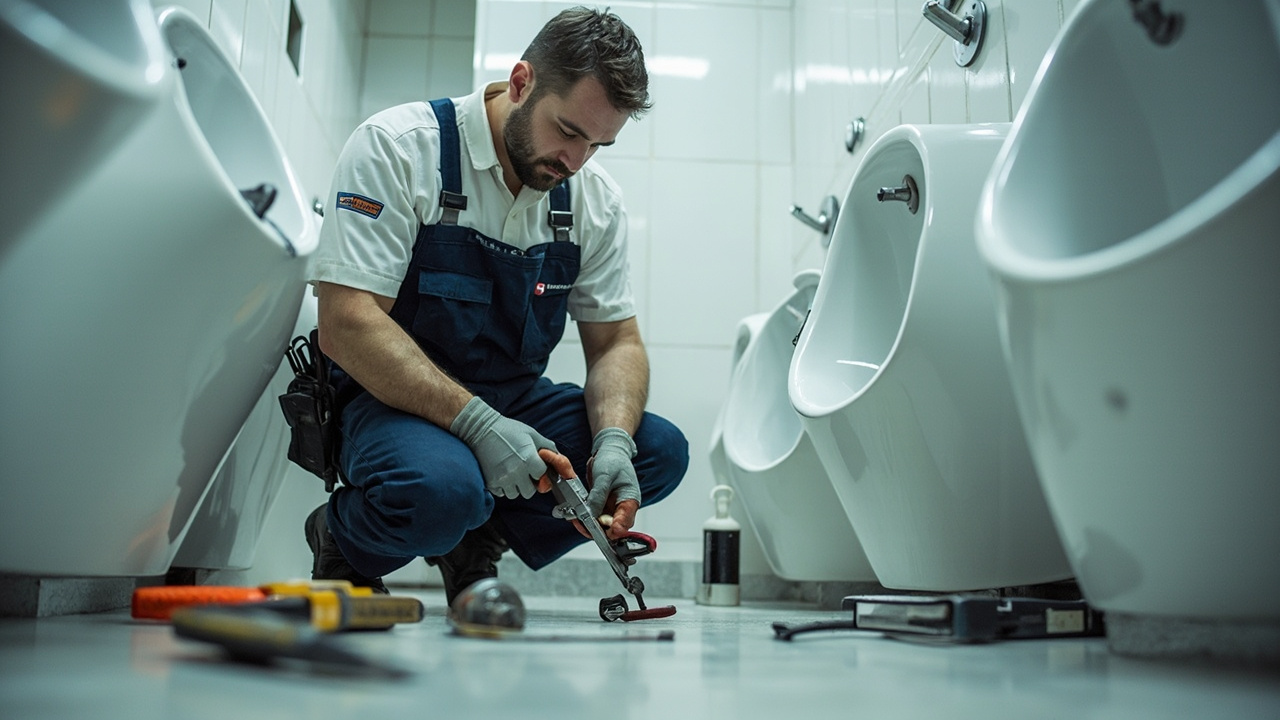
Industrial toilet repair services require different diagnostic protocols than residential work. We pressure-test flush valve assemblies to identify micro-leaks that waste thousands of gallons monthly. We use commercial-grade rebuild kits rated for high-cycle applications rather than consumer-grade components that fail under commercial use.

Flushometer repair starts with understanding water pressure at the fixture. Detroit's municipal water pressure varies significantly by district. Buildings in Midtown may see 80 PSI at the street, while facilities in outlying areas operate at 50 PSI. Flushometers require precise pressure ranges to cycle properly. We install pressure-reducing valves or booster systems as needed to bring fixtures into specification.

Commercial flush valve replacement involves more than swapping parts. We verify that supply line sizing matches fixture demand. A wall-mounted urinal battery requires larger supply lines than individual fixtures. We check that vacuum breakers function correctly to prevent backflow contamination. We verify that flush volumes comply with current EPA standards while still providing adequate waste removal for commercial waste loads.

Our commercial restroom fixture repair includes documentation for facility managers. We tag each repaired unit with service date and parts installed. We provide fixture maintenance schedules based on actual usage patterns in your facility. We identify fixtures approaching end-of-service life before catastrophic failure occurs. This predictive approach prevents emergency closures that disrupt operations and require premium-rate service calls.

How We Execute Commercial Restroom Repairs Without Disrupting Your Operations

Commercial Toilet & Urinal Repair in Detroit – Minimize Downtime, Maximize Business Continuity
01

Rapid Facility Assessment

We dispatch to your Detroit facility within two hours of contact. Our technician surveys all affected fixtures, tests water pressure at multiple points, and identifies whether you're dealing with isolated fixture failure or system-wide issues. We provide immediate recommendations for temporary measures that keep facilities operational during repair. For multi-fixture failures, we prioritize repairs based on your business continuity needs rather than repair sequence convenience.
02

Commercial Parts Sourcing

We stock commercial-rated flushometer components for Sloan, Zurn, and Chicago Faucet fixtures on every service vehicle. For specialized industrial applications or older fixtures common in Detroit's historic commercial buildings, we source parts through commercial supply channels rather than big-box retailers. This ensures you get components rated for commercial cycle counts and water chemistry. We don't install residential-grade parts in commercial fixtures regardless of cost savings because failure rates make them liability risks.
03

Performance Testing and Documentation

After repair, we cycle each fixture 20 times minimum to verify consistent performance under load. We measure flush volumes to confirm EPA compliance and adequate waste removal. We check for leaks at connections and verify proper vacuum breaker function. We document all work performed, parts installed, and performance metrics. This documentation supports your facility maintenance records and provides baseline data for future service planning. We leave fixtures clearly tagged with service dates for your maintenance team.

Detroit Commercial Plumbing Experience That Reduces Liability Exposure

Commercial plumbing work in Detroit requires familiarity with city code requirements that differ from residential standards. The Detroit Building Department enforces specific backflow prevention requirements for commercial facilities. Cross-connection control regulations mandate annual testing of vacuum breakers and backflow devices on commercial toilet and urinal installations. We maintain current certification for backflow device testing and provide documentation that satisfies city inspector requirements.

Manufacturing facilities in Detroit's industrial zones face additional regulatory complexity. OSHA mandates specific restroom fixture ratios based on employee counts. EPA water efficiency standards apply differently to commercial installations than residential properties. We help facility managers navigate these requirements during repair and replacement projects.

Our experience with Detroit's commercial building stock matters when diagnosing chronic fixture problems. We know that buildings constructed before 1985 often have galvanized supply lines that restrict flow and cause premature flush valve failure. We recognize the symptoms of water hammer common in high-rise buildings along the riverfront. We understand how seasonal groundwater fluctuations in low-lying areas near Rouge Park affect building drain systems.

We work within your operational constraints rather than imposing standard service schedules. Restaurants need repairs completed between lunch and dinner service. Manufacturing plants require work during scheduled maintenance windows. Office buildings prefer after-hours service to avoid tenant disruption. We staff accordingly and bring the parts inventory needed to complete repairs in single visits. Extended multi-day repair projects aren't acceptable for commercial operations that depend on functional restrooms for code compliance and employee welfare.

What Detroit Business Owners Should Expect From Commercial Restroom Repair

Response Time and Scheduling Flexibility

We respond to commercial service requests within two hours during business hours. For facilities with complete restroom failures that create code violations or operational shutdowns, we provide emergency dispatch regardless of time or day. We understand that restaurants can't close restrooms during service and manufacturers can't idle production lines waiting for plumbing repairs. We schedule around your operational requirements rather than our convenience. For planned maintenance work, we provide accurate time windows and communicate delays immediately if parts sourcing or unexpected conditions extend timelines. We bring sufficient parts inventory to complete most repairs in single visits without return trips that extend facility disruption.

Diagnostic Process and Repair Authorization

Our technician performs comprehensive fixture testing before recommending repairs. We identify root causes rather than treating symptoms. If a flush valve keeps failing, we test water pressure, check for debris in supply lines, and verify that flush volume settings match fixture design specifications. We provide clear repair quotes before beginning work. For facilities with multiple fixture failures, we prioritize repairs based on your operational needs and budget constraints. We explain which repairs prevent code violations versus which address performance optimization. You receive documentation showing what we found, what we fixed, and what monitoring or future maintenance your fixtures require.

Performance Standards and Compliance Verification

Repaired fixtures must meet manufacturer performance specifications and EPA water efficiency standards. We verify proper flush volumes, adequate waste removal, and complete bowl evacuation. We test for leaks at connections and verify that vacuum breakers prevent backflow contamination. For facilities subject to regular health department or building inspector review, we provide documentation showing that repairs meet current code requirements. We identify fixtures that no longer meet current standards and recommend replacement timelines before inspectors cite violations. Our work prevents compliance failures rather than reacting to citations after violations occur.

Preventive Maintenance Planning

After completing repairs, we provide fixture-specific maintenance recommendations based on usage intensity in your facility. High-traffic restrooms need quarterly flush valve inspection and annual rebuild. Facilities with hard water require more frequent descaling to prevent mineral buildup that causes premature failure. We identify fixtures approaching end-of-service life so you can budget replacements during planned maintenance windows rather than emergency failures. For facilities with multiple locations or large fixture counts, we offer scheduled maintenance programs that reduce emergency repair frequency and extend fixture service life through proactive component replacement.

Frequently Asked Questions

You Have Questions,
We Have Answers

What is the most common toilet flush problem? +

The most common flush problem in commercial toilets is a faulty flapper valve. The flapper creates the seal between the tank and bowl. When it deteriorates or misaligns, water continuously leaks into the bowl, causing phantom flushes and wasted water. In Detroit facilities with hard water, mineral buildup accelerates flapper degradation. This increases water bills and violates plumbing code if left unaddressed. Commercial flappers differ from residential models in durability and flow rate. A professional inspection identifies whether you need a simple flapper replacement or a full flush valve overhaul to restore proper function.

How do you adjust the flush valve on a commercial toilet? +

Adjusting a commercial flush valve requires access to the control stop inside the tank or valve body. Turn the adjustment screw clockwise to reduce flush volume, counterclockwise to increase it. Commercial diaphragm-type flush valves use a different mechanism than residential ball-cock systems. The adjustment affects flow rate and flush duration. Detroit businesses must balance water conservation mandates with adequate waste removal. Improper adjustment leads to incomplete flushes, clogs, and ADA compliance failures. Most commercial valves require specialized tools and knowledge of manufacturer specs. Professional calibration ensures your fixtures meet code while minimizing operational costs.

How much does it cost to replace a toilet flush mechanism? +

Flush mechanism replacement costs vary based on fixture type and labor complexity. Commercial-grade flush valves range from basic manual models to sensor-activated systems. Installation labor accounts for the majority of expense. Detroit commercial properties often have multiple fixtures requiring simultaneous service to minimize business disruption. Pricing factors include valve brand, accessibility, building age, and whether tank removal is necessary. Water shutoff complexity and code compliance upgrades affect total cost. Budgeting for professional installation prevents improper installation that voids warranties and creates liability. Request a detailed estimate that itemizes parts, labor, and any required code updates.

How to fix leaking urinal? +

Leaking urinals typically fail at the flush valve connection or trap weep holes. First, identify the leak source. If water drips from the flush valve tailpiece, tighten the connection or replace the gasket. Weep hole leaks indicate trap seal failure requiring trap replacement. Detroit facilities with high mineral content in water experience accelerated gasket deterioration. Continuous leaks waste thousands of gallons monthly and violate plumbing code. Commercial urinal repairs require shutting water supply, draining lines, and replacing failed components with commercial-grade parts. Professional diagnosis prevents misidentifying the source and wasting money on incorrect repairs.

What are two things you should never flush down a toilet? +

Never flush feminine hygiene products or paper towels. Both items do not break down like toilet tissue and cause catastrophic clogs in commercial drain lines. Feminine products expand when wet, creating blockages that require hydro-jetting or line replacement. Paper towels maintain structural integrity in water and accumulate at bends, trapping other debris. Detroit commercial properties with older cast iron drain systems face higher risk because corroded pipe interiors catch debris more easily. Post clear signage in restrooms to prevent flushing violations. Employee education reduces maintenance calls and prevents costly emergency drain clearing that disrupts business operations.

What is the most common toilet repair? +

The most common toilet repair is replacing the fill valve and flapper assembly. Fill valves control water refill after flushing. Flappers seal the flush valve opening. Both components wear from constant use and mineral exposure. In Detroit commercial facilities serving high traffic, these parts fail every 12 to 18 months. Symptoms include running toilets, slow tank refills, and incomplete flushes. Delaying replacement inflates water bills and risks flooding from stuck fill valves. Commercial applications require heavy-duty components rated for high cycle counts. Professional replacement includes calibration to building water pressure and code compliance verification.

How does a commercial toilet flush valve work? +

A commercial flush valve uses water pressure and a diaphragm mechanism to release a measured water volume into the bowl. When you activate the flush handle or sensor, the diaphragm lifts, opening the valve seat. Water rushes from the supply line through the valve body into the bowl at high velocity. The diaphragm then closes, stopping flow. Commercial valves deliver 1.28 to 1.6 gallons per flush, meeting EPA WaterSense standards. Detroit facilities benefit from pressure-assisted models that provide powerful waste removal with minimal water. This mechanism differs fundamentally from residential gravity-fed tank systems in speed and efficiency.

Why put aluminum foil in a toilet tank? +

Aluminum foil in toilet tanks is a questionable home remedy with no legitimate commercial application. Some claim it reduces mineral buildup or improves flush performance. Neither claim holds technical merit. The practice can interfere with moving parts, corrode metal components, and void equipment warranties. Detroit commercial property managers should never implement unproven modifications that risk code violations and liability. Professional water treatment systems address hard water issues properly. Descaling services remove existing mineral deposits safely. Relying on shortcuts like foil creates maintenance problems and signals poor facility management. Use engineered solutions backed by manufacturer specifications.

How do you fix a toilet flushing mechanism? +

Fixing a toilet flushing mechanism starts with diagnosing the specific failure point. Remove the tank lid and observe the flush cycle. Check if the flapper seals properly, the fill valve stops at the correct level, and the flush handle engages the lift chain without binding. Commercial mechanisms use more robust components than residential models. Detroit facilities require parts rated for high-cycle commercial use. Replace worn flappers, adjust chain length, or replace the entire flush valve assembly if components show corrosion or cracking. Professional repair includes calibration to water pressure and verification of code-compliant flow rates.

Can a flush valve be replaced without removing the tank? +

Most flush valves can be replaced without full tank removal. The process requires disconnecting the water supply, draining the tank, and accessing the valve from underneath. You unscrew the locknut securing the valve to the tank bottom, remove the old assembly, and install the new valve with fresh gaskets. Detroit commercial toilets with wall-mounted tanks or confined spaces may require tank removal for access. Porcelain tanks crack easily during removal, creating total fixture replacement costs. Professional technicians assess accessibility before starting work. They carry specialized basin wrenches and know when tank removal is unavoidable to prevent costly breakage.

How Detroit's Aging Infrastructure Accelerates Commercial Fixture Failure Rates

Detroit's municipal water system dates to the early 1900s in many districts. The hard water pumped through aging distribution lines carries elevated mineral content that accelerates flush valve deterioration. Calcium and magnesium deposits form on valve seats and diaphragms, preventing proper closure and causing constant running that wastes water and drives up utility costs. Facilities in older commercial districts along Gratiot Avenue or Michigan Avenue experience faster mineral buildup than newer suburban developments with updated water treatment infrastructure. Industrial toilet repair services in Detroit must account for water chemistry that differs significantly from newer municipal systems in surrounding counties.

Commercial buildings in Detroit face unique code compliance requirements enforced by city inspectors familiar with the challenges of maintaining aging building stock. The Detroit Building Department understands that many facilities operate with fixture installations predating current efficiency standards. Inspectors focus on backflow prevention and basic functionality rather than demanding immediate replacement of fixtures that still function adequately. Working with local commercial plumbing contractors who understand these enforcement priorities helps facility managers maintain compliance without unnecessary capital expenditures. We provide repair solutions that satisfy inspector requirements while maximizing remaining service life from existing fixtures.
Plumbing Services in The Detroit Area

Ironwood Plumbing proudly serves Detroit and the surrounding areas with reliable, professional plumbing solutions. Whether you’re a homeowner or a business owner, you can count on our fast response times and expert service. Use the map below to find our office or check if your location is within our service radius. We’re easy to reach and always happy to help — just call, click, or visit us today to schedule your plumbing service with a local team that truly cares.

Address:
Ironwood Plumbing Detroit, 3200 Greenfield Rd, Detroit, MI, 48120

Additional Services We Offer

Our news updates

Latest Articles & News from The Blogs

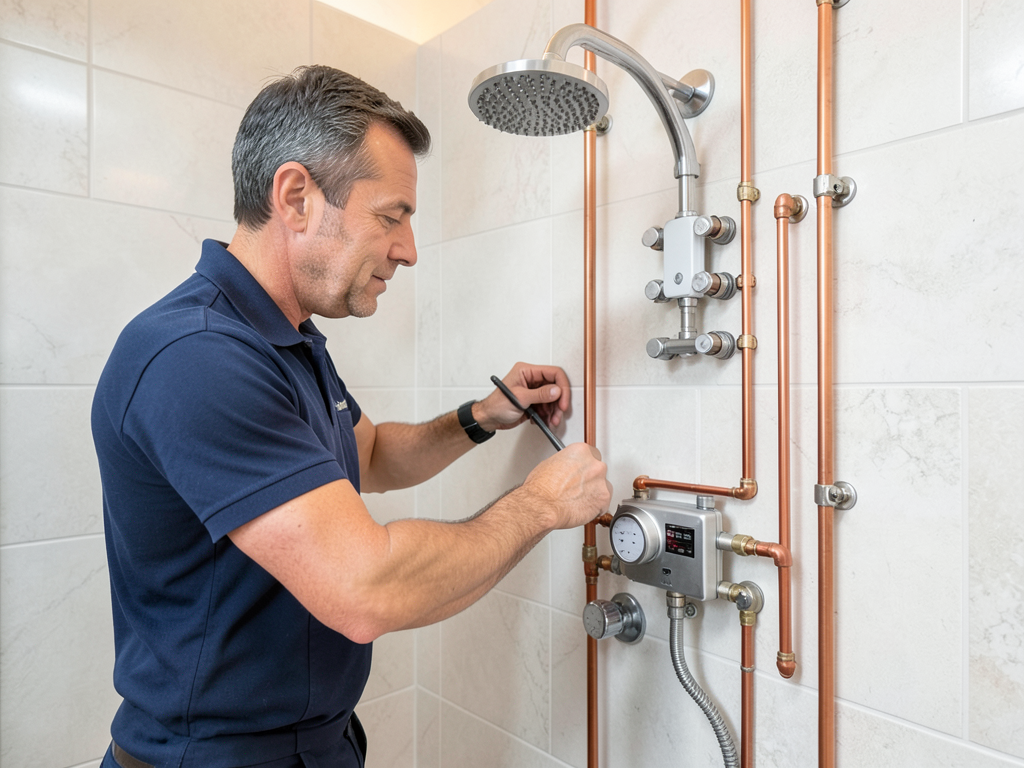
Plumbing Requirements for Luxury Body Jets and Rain Showerheads in West Bloomfield High-end luxury shower systems in West Bloomfield demand…

Plumbing Requirements for Luxury Body Jets and Rain Showerheads in West Bloomfield

Plumbing Requirements for Luxury Body Jets and Rain Showerheads in West Bloomfield High-end luxury shower systems in West Bloomfield demand…

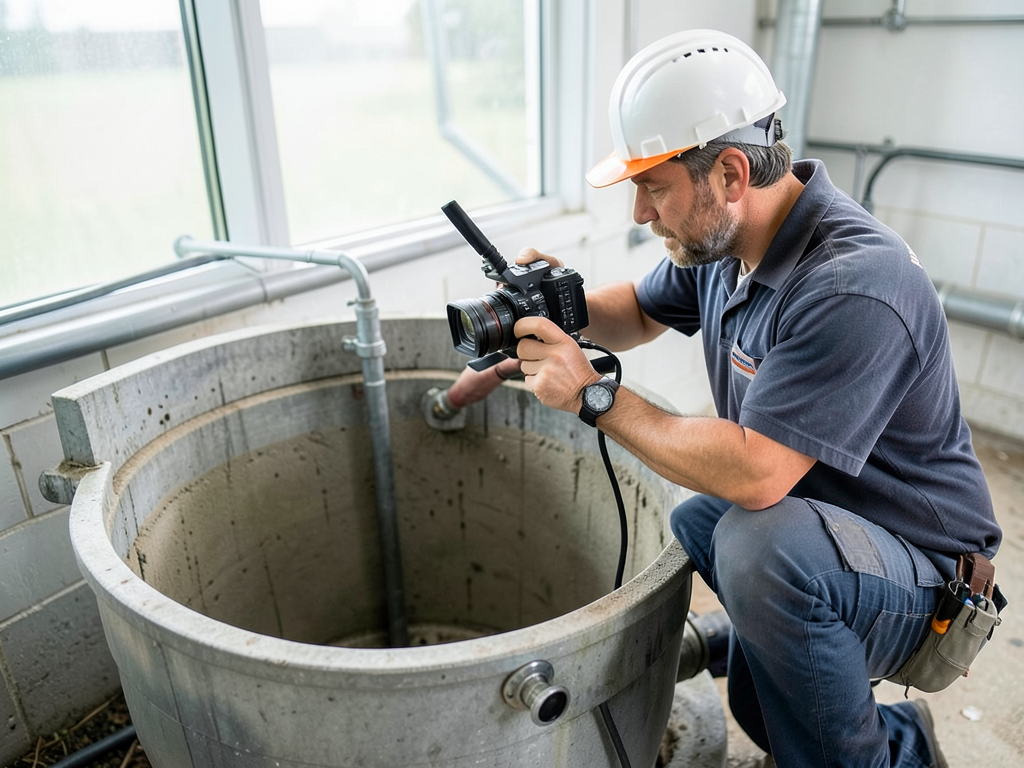
The Truth About Septic Tank Additives and Why They Might Not Save You a Pump-Out in Brighton

The Truth About Septic Tank Additives and Why They Might Not Save You a Pump-Out in Brighton Walk into any…

How to Choose the Right Horsepower for Your Next Dearborn Garbage Disposal

Understanding Garbage Disposal HP: Why It Matters The right garbage disposal horsepower directly affects how quickly and thoroughly your kitchen…

Contact Us

Restroom failures don't wait for convenient timing. Call (313) 572-4144 now for commercial fixture repair that prioritizes your operational continuity. We dispatch within two hours and carry commercial-rated parts that restore function in single visits.