




menu

Industrial Pipe Repair in Detroit | Minimize Downtime with Industrial-Grade Process Piping Solutions

Ironwood Plumbing Detroit delivers industrial pipeline repair, process piping repair, and industrial pipe restoration services engineered to keep your Detroit facility operational through freeze-thaw cycles and aging infrastructure challenges.

Slider Image 1
Slider Image 2
Slider Image 3
Slider Image 4
Slider Image 5
Slider Image 7
Slider Image 8
Slider Image 9
Slider Image 10
Slider Image 11

Detroit's Industrial Infrastructure Faces Compounding Stress

Detroit's industrial facilities operate with process piping systems installed decades before modern code requirements. The region's extreme freeze-thaw cycling subjects these systems to thermal expansion stress that accelerates corrosion and joint failure. Many facilities in the Dearborn industrial corridor and along the Detroit River still rely on carbon steel piping from the 1970s and 1980s, now reaching critical failure points.

When a process piping failure occurs in your facility, the cost calculation extends beyond the repair itself. Production halts translate to revenue loss, contractual penalties, and potential safety incidents. Industrial pipe restoration in Detroit requires familiarity with legacy systems unique to the region's automotive and manufacturing sectors, where proprietary alloys and non-standard sizing create sourcing challenges.

The Michigan Department of Environment, Great Lakes, and Energy has increased scrutiny of industrial wastewater discharge systems. Facilities with deteriorating process piping face compliance violations that carry financial penalties and operational restrictions. Industrial piping repair services must address both structural integrity and regulatory requirements simultaneously.

Detroit's industrial base also contends with corrosive condensate in steam distribution systems, a byproduct of the high-humidity summer months followed by subzero winter temperatures. This cyclical moisture infiltration accelerates internal pipe wall degradation in ways visible inspection methods cannot detect. Industrial pipeline repair requires diagnostic equipment capable of identifying wall thickness loss before catastrophic failure occurs.

Detroit's Industrial Infrastructure Faces Compounding Stress
Engineered Industrial Pipe Rehabilitation for Continuous Operation

Engineered Industrial Pipe Rehabilitation for Continuous Operation

Industrial pipe restoration begins with system-specific diagnostics. Ironwood Plumbing Detroit uses ultrasonic thickness testing and radiographic examination to map remaining wall thickness across your process piping network. This data determines whether rehabilitation, sectional replacement, or full system upgrade provides the optimal ROI for your facility.

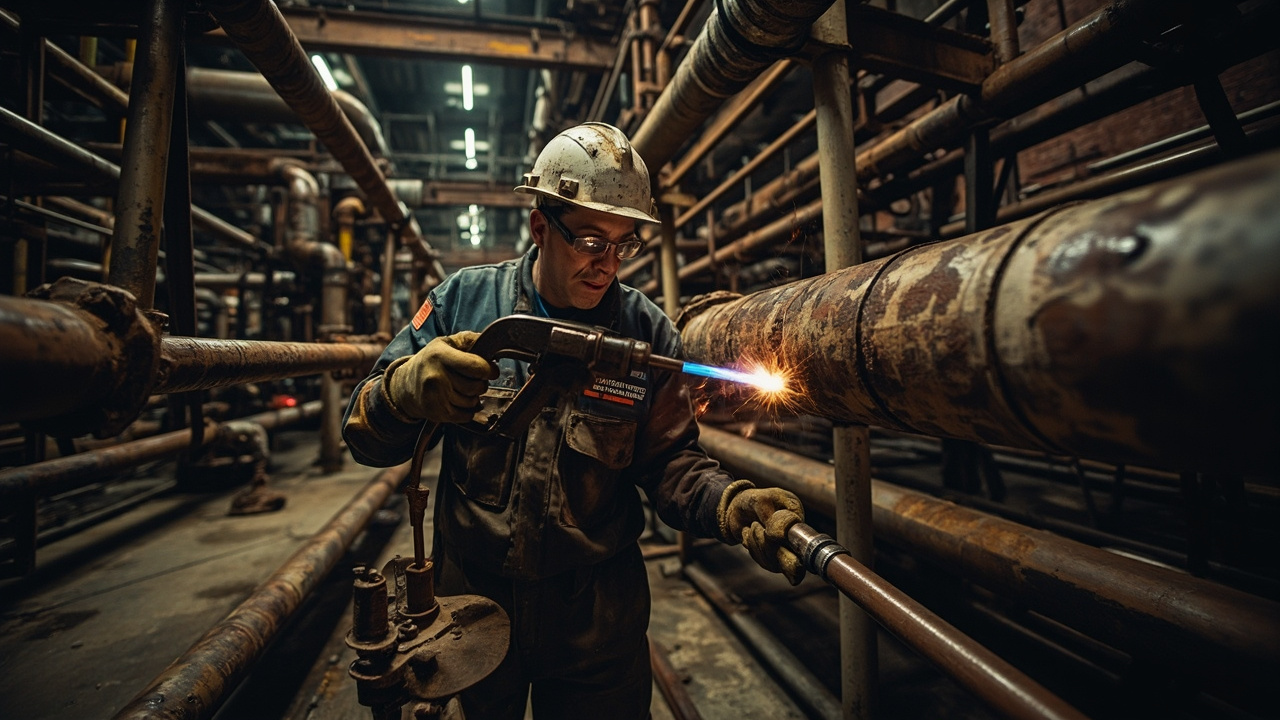
For active production environments, we deploy hot tapping procedures that allow isolation and repair without full system shutdown. This technique inserts a valve into pressurized piping, creating an access point for repairs while maintaining flow to unaffected areas. Hot tapping reduces downtime from days to hours, a critical consideration for continuous process operations.

Material selection for industrial piping repair services depends on your process chemistry and operating parameters. High-temperature steam systems require Schedule 80 carbon steel with radiographic weld inspection. Corrosive chemical lines may require 316L stainless steel or high-density polyethylene depending on concentration and temperature. We maintain relationships with specialty suppliers who can source non-standard materials common in Detroit's older industrial facilities.

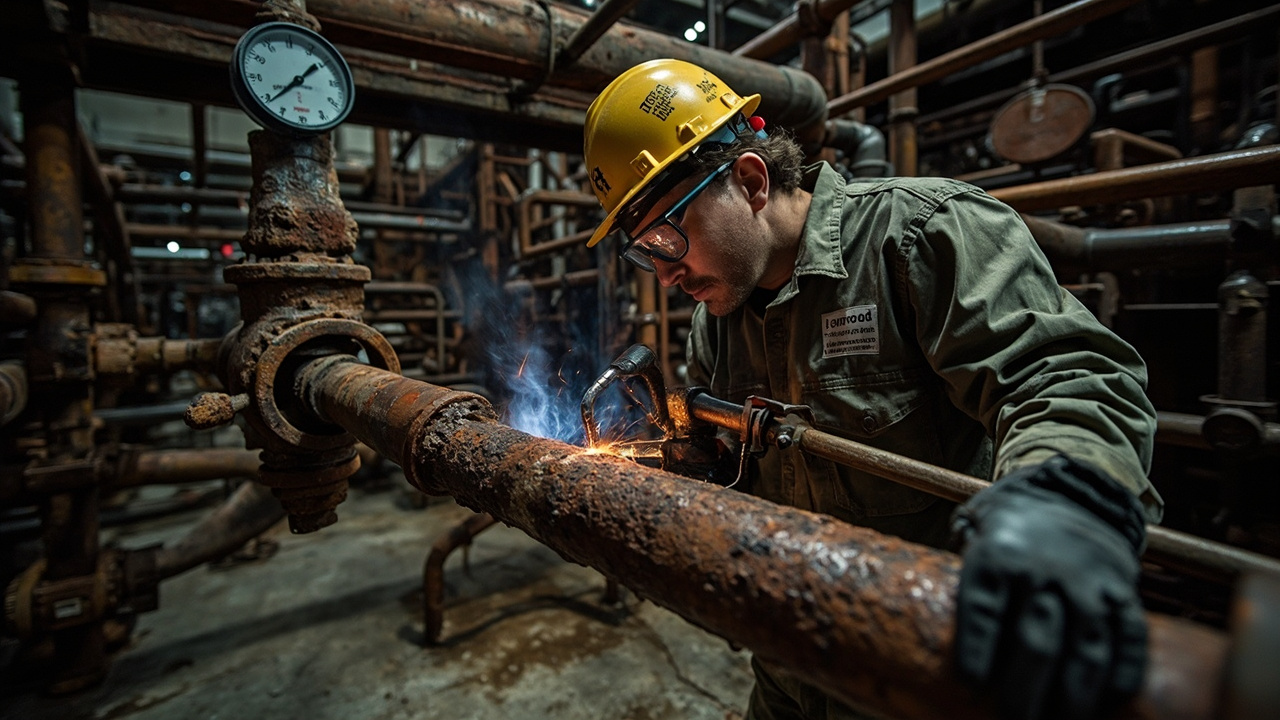
Weld procedure specifications for industrial pipeline repair must meet ASME B31.3 process piping code requirements. Our certified welders complete procedure qualification records for each unique material combination in your system. Radiographic testing verifies weld integrity before returning lines to service. This documentation satisfies insurance requirements and creates a compliance record for future inspections.

Industrial pipe rehabilitation also addresses support and hanger systems. Thermal expansion in steam lines creates loads that exceed original hanger capacity. We recalculate support spacing and install spring hangers or constant support hangers where thermal movement occurs.

Our Industrial Pipe Repair Workflow

Industrial Pipe Repair in Detroit | Minimize Downtime with Industrial-Grade Process Piping Solutions
01

System Assessment and Diagnostics

Our team conducts non-destructive testing using ultrasonic thickness gauges and visual inspection to identify failure points and remaining service life. We review your process parameters, operating pressures, and temperature ranges to determine root causes of degradation. This diagnostic phase includes documentation photography and measurement logs that establish baseline conditions and inform repair specifications for your Detroit facility's unique process piping requirements.
02

Isolation and Repair Execution

We establish isolation points using existing valves or hot tapping procedures to minimize production impact. Damaged sections are removed and replacement piping is fabricated to match existing specifications or upgraded to improved materials. All welds receive procedure qualification per ASME standards with radiographic or ultrasonic testing verifying integrity. Our crews work in scheduled maintenance windows or coordinate with your production schedule to limit operational disruption during industrial pipeline repair work.
03

Pressure Testing and Documentation

Repaired systems undergo hydrostatic pressure testing at 1.5 times operating pressure to verify integrity before return to service. We provide complete documentation including material certifications, weld procedure specifications, non-destructive testing reports, and pressure test records. This documentation package satisfies insurance requirements and creates a maintenance record for your facility's compliance files. Our team conducts a final walkthrough to verify proper support installation and thermal expansion accommodation.

Detroit Industrial Expertise Reduces Risk and Cost

Industrial piping repair services in Detroit require familiarity with the region's specific industrial legacy. Facilities built during the city's manufacturing expansion used materials and methods that differ from modern construction. Ironwood Plumbing Detroit's experience with these legacy systems eliminates the learning curve that delays repairs and increases costs when out-of-region contractors encounter unfamiliar configurations.

Detroit operates under Michigan's Part 41 Industrial Pretreatment Program, which regulates industrial wastewater discharge. Process piping failures that result in unpermitted discharge carry significant penalties. Our team understands the notification requirements and can coordinate emergency containment measures that limit your regulatory exposure during industrial pipe restoration work.

The Detroit area's concentration of specialty metal suppliers and fabricators provides sourcing advantages for unusual materials and custom components. When your process piping requires non-standard flanges, exotic alloys, or vintage fittings, our established relationships with local suppliers reduce lead times from weeks to days. This supply chain access translates directly to reduced downtime for your facility.

Industrial pipeline repair in cold climates demands attention to thermal stress management that mild-climate contractors overlook. Detroit's temperature swings from subzero winters to 90-degree summers create expansion and contraction cycles that destroy inadequately supported piping. We calculate thermal movement and install expansion joints, loops, or flexible connections that accommodate this movement without generating destructive stress.

Our familiarity with Detroit's industrial building stock extends to access challenges unique to older facilities. Low clearances, congested pipe racks, and proximity to active equipment require specialized rigging and fabrication approaches that protect existing infrastructure during repair work.

What Your Facility Can Expect from Industrial Pipe Repair

Response Time and Mobilization

Industrial piping failures require immediate response to limit damage and production loss. Ironwood Plumbing Detroit maintains emergency response capability with technicians on call for after-hours failures. Initial assessment occurs within hours of your call, with diagnostic equipment and containment supplies mobilized to your facility. For planned industrial pipe rehabilitation projects, we work within your scheduled maintenance windows and coordinate material delivery to prevent delays. Our project management team establishes clear timelines with milestone dates that align with your production schedule and budgetary approval processes.

Diagnostic Methods and Reporting

Industrial pipeline repair begins with accurate diagnosis of failure mechanisms and remaining system condition. We use ultrasonic thickness testing to measure wall loss from internal corrosion, a common issue in Detroit's high-humidity environment. Radiographic examination identifies crack propagation and weld defects invisible to surface inspection. Visual inspection documents external corrosion, inadequate support, and thermal damage. Our diagnostic report includes annotated photographs, thickness measurement logs, and priority rankings that help you allocate budget to the most critical repairs. This documentation creates a maintenance baseline for tracking long-term system degradation.

Quality Standards and Testing

Industrial piping repair services must meet stringent quality standards that residential work does not require. All welding procedures follow ASME B31.3 process piping code with qualified welders performing work under approved weld procedure specifications. Non-destructive testing verifies weld integrity through radiographic or ultrasonic examination. Hydrostatic pressure testing at 1.5 times operating pressure confirms system integrity before return to service. Material certifications trace every component installed in your system, creating documentation required for insurance and regulatory compliance. This quality assurance process eliminates callbacks and prevents premature failure of repaired systems.

Post-Repair Documentation and Support

Industrial pipe restoration generates documentation that serves multiple compliance and operational purposes. You receive complete material certifications, weld procedure specifications, non-destructive testing reports, and pressure test documentation. This package satisfies insurance requirements and provides evidence of due diligence during regulatory inspections. We also provide as-built drawings that document modifications to your piping system, critical information for future maintenance planning. Our team remains available for technical consultation if questions arise about repaired systems. For facilities with ongoing maintenance needs, we can establish service agreements that provide priority response and scheduled inspection services.

Frequently Asked Questions

You Have Questions,
We Have Answers

How much does it typically cost to fix a broken pipe? +

Industrial pipe repair costs depend on pipe material, diameter, access difficulty, and repair method. Simple section replacement may run less than trenchless cured-in-place pipe lining, which eliminates excavation. In Detroit, soil conditions and building code requirements impact labor costs. Corroded cast iron or steel pipes in older facilities typically cost more due to material handling and compliance updates. Factor in downtime costs. Lost production from a shutdown often exceeds the repair itself. Request a scope inspection and fixed-price quote to budget accurately. Preventive maintenance reduces emergency repair expenses.

What is the best way to fix a leaking pipe? +

The best method depends on pipe type, location, and operational requirements. For accessible sections, cut out the damaged area and weld or mechanically couple a new section. For buried or concealed lines, trenchless epoxy lining or CIPP installation minimizes disruption. In Detroit industrial facilities with freeze-thaw stress on underground piping, permanent structural repairs outperform temporary patches. Epoxy coatings work for pinhole leaks in non-critical systems. Avoid temporary fixes in production environments where liability and business continuity matter. Professional diagnostics ensure code-compliant, durable repairs that protect your operation.

How long does epoxy pipe repair last? +

Epoxy pipe lining typically lasts 30 to 50 years when properly installed in industrial applications. Longevity depends on pipe preparation, epoxy formulation, curing conditions, and system pressure. In Detroit, groundwater chemistry and soil movement affect performance. High-temperature or chemical exposure may shorten lifespan. Epoxy creates a seamless interior barrier that resists corrosion better than aged steel or cast iron. Industrial facilities should verify NSF certification for potable water systems. Regular inspections confirm coating integrity. Epoxy is a proven solution for extending pipe life without full replacement, reducing downtime and excavation costs.

How to repair a damaged pipe? +

Assess the damage first. Small cracks or pinholes may accept epoxy wrap or clamp repairs in low-pressure systems. Significant corrosion, fractures, or leaks in critical lines require sectional replacement or relining. Shut off the system, drain the line, and remove any corrosion or debris before applying repair materials. In Detroit industrial settings, verify compliance with local mechanical codes. Welding requires certified technicians for pressure piping. Trenchless methods like slip lining or CIPP minimize disruption in facilities with limited access. Professional evaluation prevents recurring failures and ensures safe, code-compliant repairs.

Will insurance pay for a busted pipe? +

Commercial property insurance often covers sudden pipe failures caused by freezing, mechanical breakdown, or accidental damage. Coverage excludes gradual wear, corrosion, or deferred maintenance. In Detroit, freeze damage claims are common during harsh winters. Document the failure immediately with photos and inspection reports. Business interruption coverage may reimburse lost revenue during repairs. Review your policy for exclusions and deductibles. Insurers may deny claims if you neglected routine maintenance or failed to winterize. Work with a licensed plumber who provides detailed invoicing for insurance submission. Preventive programs reduce claims and premiums.

How much to repair a collapsed pipe? +

Collapsed pipe repair costs vary widely based on depth, length, access, and replacement method. Excavation and full replacement of a collapsed section can be expensive due to labor, equipment, and surface restoration. Trenchless options like pipe bursting or CIPP relining reduce costs by eliminating extensive digging. In Detroit, soil conditions and proximity to utilities complicate excavation. Industrial facilities face additional costs from production downtime and environmental compliance. Obtain multiple quotes with scope detail. Address root causes like soil subsidence or corrosion to prevent recurrence. Budget for contingencies in older infrastructure.

Does flex seal really stop water leaks? +

Flex Seal and similar aerosol sealants are temporary fixes for minor residential leaks. They do not meet industrial standards for pressure, temperature, or chemical resistance. In commercial facilities, temporary patches create liability and compliance risks. Flex Seal cannot withstand the pressures in industrial piping or Detroit's freeze-thaw cycles. It does not replace proper welding, mechanical couplings, or epoxy lining. Use it only as an emergency stopgap until professional repairs occur. Industrial operations require permanent, code-compliant solutions to protect equipment, prevent contamination, and maintain insurance coverage.

What is the best sealant for pipe leaks? +

Professional-grade epoxy paste or two-part structural adhesives rated for your pipe material and operating conditions perform best. For threaded connections, pipe dope or PTFE tape with anaerobic sealant ensures leak-free joints. In industrial settings, select sealants with temperature, pressure, and chemical compatibility certifications. Detroit facilities handling potable water require NSF-approved products. Avoid hardware store consumer products in critical systems. Clamp-on repair sleeves with rubber gaskets provide mechanical sealing for temporary or permanent fixes. Consult with a licensed plumber to match sealant chemistry to your application and prevent costly failures.

How do I seal a leaking pipe? +

Shut off water, drain the line, and clean the leak area thoroughly. Remove rust, scale, and moisture. Apply epoxy putty or wrap rated for your pipe material and pressure. Clamp-on repair sleeves with rubber gaskets fit around the pipe for mechanical sealing. In Detroit industrial facilities, temporary seals risk liability and code violations. Threaded connections need PTFE tape and pipe dope. Welding or soldering provides permanent fixes for metal pipes. Consult a professional for critical systems. Improper sealing causes water damage, contamination, and downtime. Code-compliant repairs protect your operation.

What is 4 times stronger than epoxy? +

Methyl methacrylate resins and certain polyurethane adhesives exceed epoxy tensile strength in specific applications. High-performance structural acrylics bond dissimilar materials faster than epoxy. However, strength alone does not determine suitability for pipe repair. Epoxy remains the standard for industrial piping due to chemical resistance, temperature stability, and proven longevity. In Detroit facilities, match repair materials to operating conditions, not marketing claims. Consult engineering specifications for pressure piping. Professional contractors select materials based on compatibility, code compliance, and performance history. Stronger does not always mean better for your application.

Legacy Industrial Piping Systems in Detroit's Manufacturing Corridor

Detroit's industrial facilities contain process piping installed during the city's manufacturing peak in the 1950s through 1980s. These systems used carbon steel schedules and joining methods that predate modern corrosion-resistant materials. The region's position in the Great Lakes basin creates high humidity that accelerates external corrosion, while freeze-thaw cycling subjects piping to thermal stress that compounds age-related degradation. Facilities in Southwest Detroit and the Dearborn industrial zone face additional challenges from proximity to the Rouge River and Detroit River, where moisture infiltration affects even indoor piping systems.

Industrial piping repair services in Detroit must navigate both city and state regulatory requirements that affect process piping modifications. The Michigan Occupational Safety and Health Administration enforces process safety management standards for facilities handling hazardous materials, requiring documented maintenance programs and qualified contractors. Wayne County's industrial pretreatment program regulates discharge from process piping, making proper containment during repairs a compliance issue. Ironwood Plumbing Detroit maintains the certifications and documentation protocols that satisfy these overlapping jurisdictions, reducing your administrative burden during emergency repairs and planned rehabilitation projects.
Plumbing Services in The Detroit Area

Ironwood Plumbing proudly serves Detroit and the surrounding areas with reliable, professional plumbing solutions. Whether you’re a homeowner or a business owner, you can count on our fast response times and expert service. Use the map below to find our office or check if your location is within our service radius. We’re easy to reach and always happy to help — just call, click, or visit us today to schedule your plumbing service with a local team that truly cares.

Address:
Ironwood Plumbing Detroit, 3200 Greenfield Rd, Detroit, MI, 48120

Additional Services We Offer

Our news updates

Latest Articles & News from The Blogs

Why Your Dishwasher Leaves a White Film on Glasses in Novi\nIf your glasses come out of the dishwasher looking cloudy…

Why Your Dishwasher Leaves a White Film on Glasses in Novi

Why Your Dishwasher Leaves a White Film on Glasses in Novi\nIf your glasses come out of the dishwasher looking cloudy…

What Causes a Gurgling Toilet When the Shower Runs in Your Southgate Home?

If your toilet gurgles when the shower runs, you’re hearing a clear warning sign of plumbing trouble. This gurgling sound…

Planning the Plumbing for a Backyard Accessory Dwelling Unit in the University District

Building a backyard accessory dwelling unit in Detroit’s University District requires careful planning of the plumbing system from day one.…

Contact Us

Process piping failures compound costs every hour your facility remains offline. Ironwood Plumbing Detroit responds immediately to industrial pipeline emergencies and schedules rehabilitation projects within your maintenance windows. Call (313) 572-4144 for diagnostic assessment and repair solutions engineered for Detroit's industrial infrastructure.