




menu

Water Stains on Ceiling or Walls in Detroit | Expert Diagnosis Stops Hidden Pipe Damage Before It Spreads

Water stains on ceiling or walls signal active leaks that worsen fast in Detroit homes. Our plumbers use thermal imaging and pressure testing to find the exact source, prevent mold growth, and fix it right the first time.

Slider Image 1
Slider Image 2
Slider Image 3
Slider Image 4
Slider Image 5
Slider Image 7
Slider Image 8
Slider Image 9
Slider Image 10
Slider Image 11

Why Water Stains Show Up in Detroit Homes

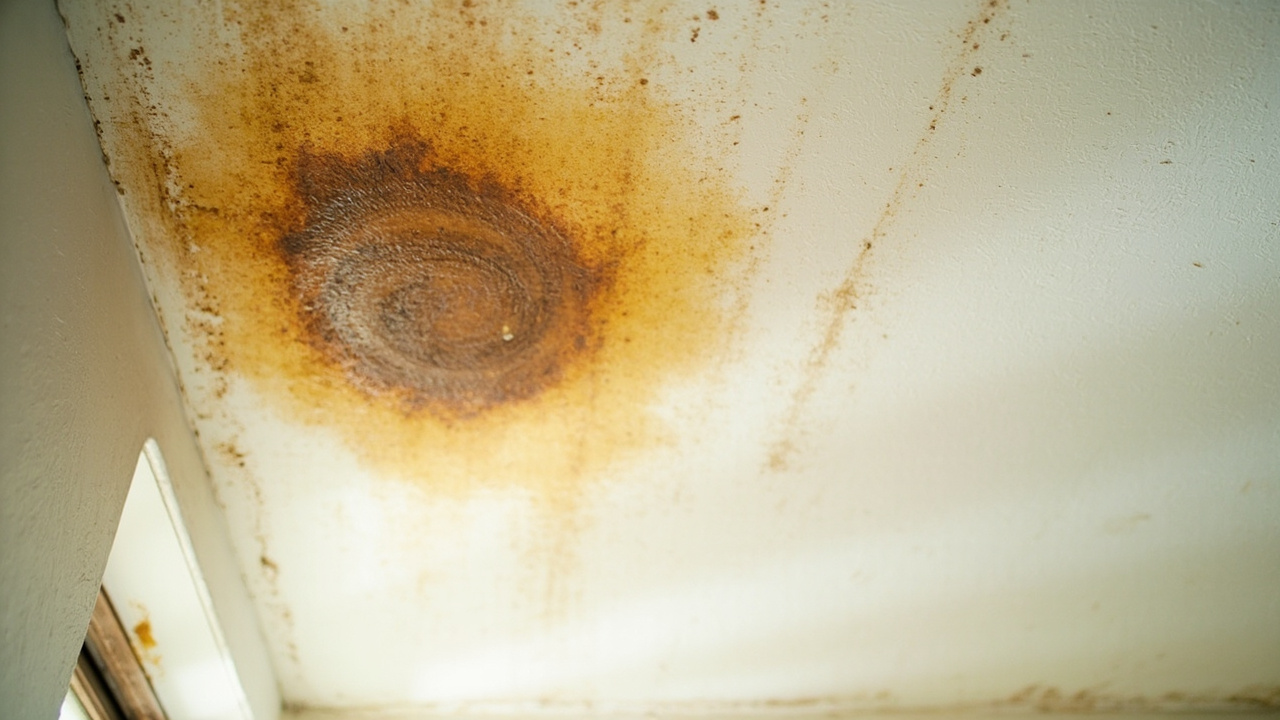
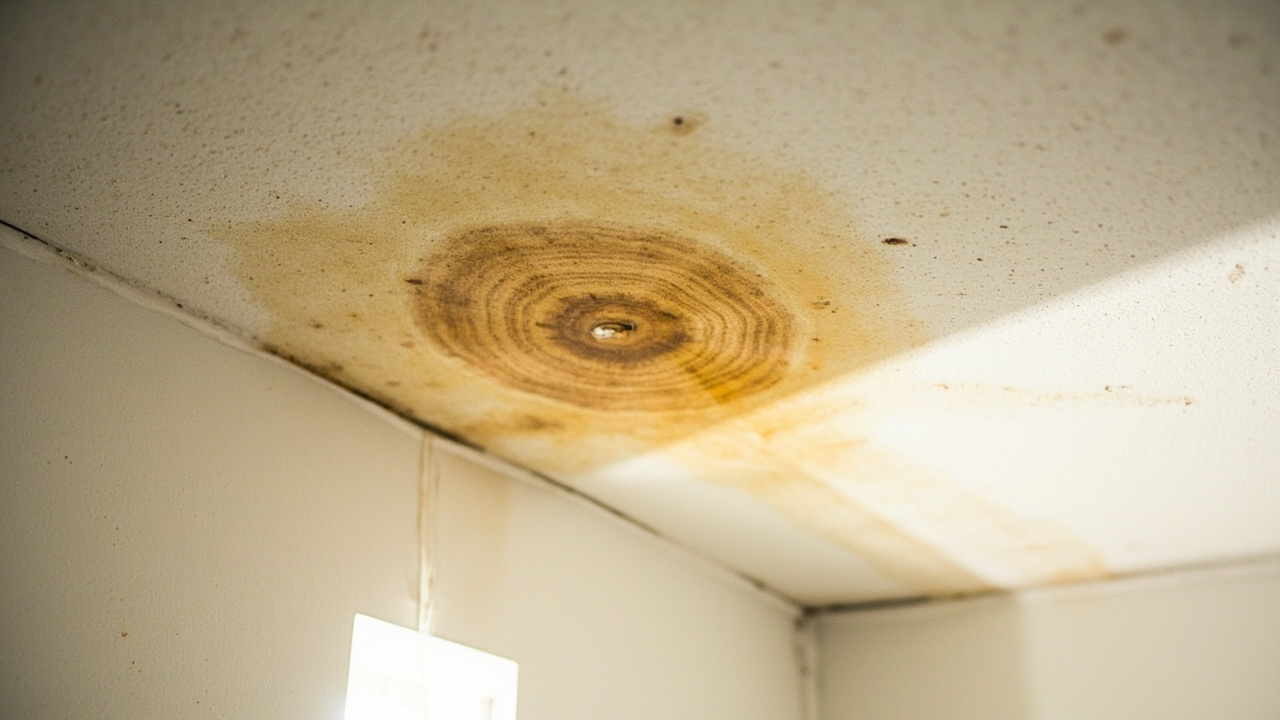
You notice a brown spot on your ceiling. Maybe yellow water marks creeping across the wall near your bathroom. Damp patches on walls that smell musty. Ceiling discoloration from leak that started small but now covers a two-foot section. These are not cosmetic issues. They are warning signs of active water intrusion.

Detroit's freeze-thaw cycles hit plumbing hard. Water expands when it freezes, cracking pipes behind walls and in attics. When temperatures swing back up, those cracks leak. Slowly at first. Then faster. The moisture stains on drywall you see today might be connected to a pinhole leak that has been saturating insulation for weeks.

Older Detroit homes built before 1970 often have galvanized steel supply lines. These corrode from the inside out. You will not see rust on the outside, but the pipe walls thin until they weep. The result is ceiling discoloration from leak that spreads in irregular patterns, following the path of least resistance through joists and studs.

High humidity in summer makes it worse. When warm, moist air meets cold pipes, condensation forms. If a leak already exists, that humidity accelerates mold growth behind the drywall. What started as a small brown spot on ceiling becomes a health hazard. The longer water sits, the more structural damage occurs. Drywall softens. Wood framing rots. Electrical wiring gets exposed to moisture.

If you see water stains, the leak has been happening longer than you think. The visible damage is just the surface. Behind that wall or above that ceiling, saturation has already begun.

Why Water Stains Show Up in Detroit Homes
How We Locate and Stop the Leak Causing Your Water Stains

How We Locate and Stop the Leak Causing Your Water Stains

Water does not always leak straight down. It travels along pipes, drips onto joists, runs across beams, and then soaks through drywall three feet away from the actual failure point. That is why guessing does not work. We use diagnostic tools to find the exact source.

Our plumbers start with a thermal imaging camera. Wet materials have a different heat signature than dry materials. We scan the ceiling and walls around the stain. This shows us the moisture trail and points us toward the leak origin. We also use a moisture meter to measure saturation levels in the drywall and framing. If readings spike in a specific area, we know where to open the wall.

Next, we inspect the plumbing system. If the stain is near a bathroom, we check the drain lines, supply lines, and wax ring on the toilet. If it is near a kitchen, we inspect the sink trap and dishwasher connections. If it is in a bedroom or hallway, we look at the main supply lines running through the walls or ceiling joists.

For pinhole leaks in copper or corroded sections in galvanized pipe, we perform a static pressure test. We isolate sections of the system and pressurize them with air. If pressure drops, there is a breach. We narrow it down until we find the exact pipe segment that failed.

Once we locate the leak, we cut out the damaged section and install new piping. If the pipe is old galvanized steel, we recommend replacing the entire run to prevent future failures. For copper, we solder in a new fitting or section. For PEX, we use compression fittings or crimped connections. We do not patch over a bad pipe and hope it holds. We fix it correctly so the leak does not come back.

What Happens When You Call About Water Stains

Water Stains on Ceiling or Walls in Detroit | Expert Diagnosis Stops Hidden Pipe Damage Before It Spreads
01

Initial Leak Assessment

We arrive and inspect the visible water stains on your ceiling or walls. Our plumber asks when you first noticed the discoloration, whether it changes size after rain or when you use water, and if you smell mildew. We use thermal imaging to map moisture behind the surface and identify the likely leak path before opening any walls.
02

Source Identification and Access

Once we narrow down the leak location, we create a small access point in the drywall or ceiling. We do not tear out entire sections unnecessarily. We cut only what we need to reach the damaged pipe. We inspect the pipe material, check for corrosion, measure pressure, and confirm the failure point before proceeding with the repair.
03

Pipe Repair and Restoration

We replace the damaged pipe section with new copper, PEX, or CPVC depending on your system. We test the repair under full pressure to confirm no leaks remain. We explain what caused the failure and whether other sections of your plumbing are at risk. You handle the drywall patching, or we can refer a trusted contractor if needed.

Why Detroit Homeowners Trust Ironwood Plumbing Detroit for Water Stain Repairs

Water stains are not DIY problems. You cannot see through walls. You cannot test pipe pressure without the right tools. You cannot tell if a leak is from a supply line, drain line, or roof penetration without experience. Guessing wastes time and money.

Ironwood Plumbing Detroit has worked in Detroit homes for years. We know the plumbing systems in older brick colonials on the east side. We know the galvanized pipe issues in mid-century ranches near Palmer Park. We know the cast iron stack failures in Corktown bungalows. We have opened enough walls to recognize patterns that other plumbers miss.

Detroit building codes require permits for certain plumbing repairs, especially if you are replacing main supply lines or modifying drain stacks. We know when a permit is required and how to pull one fast. We also know the inspectors. We do the work to code the first time so you do not get flagged during a future home sale.

We do not sell you repairs you do not need. If your galvanized pipes are 60 years old and one section failed, we will tell you the rest of the system is at risk. But we will also give you options. Replace just the failed section now and budget for a full repipe later. Or replace the whole run now and avoid another emergency in six months. You decide based on facts, not pressure.

We also understand that water stains mean potential mold. If we find significant saturation in the insulation or framing, we will tell you. Mold remediation is not our specialty, but we work with certified remediation companies in Detroit who can handle it. We coordinate so you are not juggling multiple contractors.

Speed matters. The longer water sits, the worse the damage. We respond fast, diagnose accurately, and fix it right. You get your home back to normal without the stress of a drawn-out repair process.

What You Can Expect When We Fix Your Water Stain Problem

Fast Response and Scheduling

Water leaks do not wait. We prioritize water stain calls because we know the damage escalates daily. Most Detroit homeowners get a same-day or next-day appointment. If the stain is growing or you see active dripping, we treat it as an emergency and arrive faster. You will speak to a real person when you call, not a voicemail system. We confirm your appointment time and arrive within the scheduled window. Our plumbers call ahead so you know exactly when we will be there.

Thorough Leak Diagnosis

We do not guess where the leak is. We use thermal imaging to detect temperature changes behind your walls and ceiling. We use moisture meters to measure saturation levels in drywall and framing. We inspect your plumbing system from the water main to the fixtures. We test water pressure and look for corrosion, loose fittings, and failed seals. You get a clear explanation of what caused the leak, what needs to be repaired, and whether other parts of your system are at risk. No upselling. Just honest assessment.

Precision Pipe Repair

We replace the damaged pipe section with high-quality materials that match your existing system. If your home has copper, we solder in new copper. If you have PEX, we use proper crimped or compression fittings. We do not mix incompatible materials or use temporary patches. After the repair, we pressurize the system and check for leaks before closing the wall. You see the repair. You see the test. You know it is fixed correctly. We clean up the work area and haul away old pipe sections.

Follow-Up and Prevention Guidance

Once the leak is fixed, we explain what you can do to prevent future issues. If you have old galvanized pipes, we discuss repiping timelines. If you have high water pressure, we recommend a pressure regulator. If your home lacks proper insulation around pipes, we explain freeze prevention strategies. We also check other areas of your plumbing system while we are there. If we spot a potential problem, we tell you. You decide if you want to address it now or later. No surprise failures six months from now.

Frequently Asked Questions

You Have Questions,
We Have Answers

Why is there a water stain on my ceiling but no leak? +

You may see a stain from a past leak that has already dried. In Detroit homes, this often happens after freeze-thaw cycles damage pipes or roofing, then temporarily seal when temperatures rise. Condensation from poor attic ventilation can also leave stains without active dripping. Check your attic insulation and look for discoloration or water rings. If the stain is old and dry with no soft spots or peeling paint, the leak may have self-corrected. Still, verify the source to prevent future damage. A plumber can inspect your supply lines and drainage systems.

When to be concerned about water spots on a ceiling? +

Act immediately if the stain grows, feels soft, or shows peeling paint. These signs mean active water intrusion. In Detroit, ceiling stains during spring thaw or after heavy rain signal roof or plumbing failure. Dark rings or discoloration suggest prolonged moisture exposure, increasing mold risk. If you smell mustiness or see bubbling drywall, water is pooling above. Do not wait. Shut off water to the area if possible and call a plumber. Delayed action leads to structural rot, mold growth, and ceiling collapse.

Why am I getting wet spots on my ceiling? +

Wet spots indicate active water intrusion from above. In Detroit, common causes include burst supply lines, leaking drain pipes, failing roof flashing, or ice dam backup during winter. Check your attic for roof leaks after storms or snowmelt. Inspect bathroom fixtures and HVAC condensate lines on upper floors. If the spot appears during cold snaps, frozen pipes may be cracking. Touch the spot. If damp and cool, the leak is active. Turn off the water supply to that zone and contact a plumber immediately to prevent ceiling collapse.

How to find source of water stain on ceiling? +

Start in the attic directly above the stain. Look for wet insulation, dark wood, or drip marks. In Detroit homes, trace the stain upward and slightly uphill, as water travels along joists before dripping. Check plumbing vent stacks, bathroom drains, and supply lines. Inspect roof penetrations like chimneys or skylights for failed flashing. If no attic access exists, a plumber can use moisture meters or infrared cameras to pinpoint the source inside walls. Do not cut into ceilings blindly. Professional detection saves you money and prevents unnecessary demolition.

How to tell if water is leaking in the ceiling? +

Press the stained area gently. Active leaks feel soft, spongy, or damp. Look for peeling paint, bubbling texture, or sagging drywall. In Detroit, listen for dripping sounds during quiet hours, especially after using upstairs plumbing. Check for mold odor or visible dark spots around the stain. Place a bucket under suspected areas and monitor for drips. If the stain darkens after toilet flushes or showers, the drain system is compromised. Turn off water to that fixture and call a plumber. Wet ceilings can collapse without warning.

Does a water stain on the ceiling mean mold? +

Not always, but prolonged moisture creates ideal mold conditions. In Detroit's humid summers, stains from slow leaks often harbor mold within 48 hours. If the stain is dark brown or black with a musty smell, mold is growing behind the drywall. Dry, yellow-brown stains from old leaks may not have mold if the area dried quickly. Test the spot. If soft or discolored with fuzzy texture, assume mold. A plumber fixes the leak, but you need mold remediation for contaminated materials. Do not ignore stains in bathrooms or kitchens.

How Detroit's Freeze-Thaw Cycles Cause Hidden Pipe Failures Behind Water Stains

Detroit winters hit hard. Temperatures drop below freezing for days, then spike back up. Water inside pipes expands when it freezes, creating microfractures in copper and full cracks in old galvanized steel. When the thaw comes, those cracks weep. Slowly at first. The water stains you see in February might come from damage that started in December. Homes built before 1980 often lack proper insulation around pipes in exterior walls and attics. Those pipes freeze first. If you see brown spots on ceiling near an outside wall or above an unheated garage, freeze damage is the likely cause.

Detroit plumbers who do not understand local housing stock miss things. Many Detroit homes have galvanized steel supply lines that were installed in the 1940s and 1950s. These pipes corrode from the inside. The exterior looks fine, but the interior diameter narrows as rust builds up. Eventually, the pipe wall thins enough to leak. If you live in a brick colonial in Sherwood Forest or a bungalow in Rosedale Park, your home likely has galvanized pipe. Ironwood Plumbing Detroit has worked in these neighborhoods for years. We know what to look for. We know when to recommend a full repipe and when a section replacement is enough. You get advice based on the reality of Detroit housing, not generic plumbing sales pitches.

Plumbing Services in The Detroit Area

Ironwood Plumbing proudly serves Detroit and the surrounding areas with reliable, professional plumbing solutions. Whether you’re a homeowner or a business owner, you can count on our fast response times and expert service. Use the map below to find our office or check if your location is within our service radius. We’re easy to reach and always happy to help — just call, click, or visit us today to schedule your plumbing service with a local team that truly cares.

Address:
Ironwood Plumbing Detroit, 3200 Greenfield Rd, Detroit, MI, 48120

Additional Services We Offer

Our news updates

Latest Articles & News from The Blogs

Plumbing Requirements for Luxury Body Jets and Rain Showerheads in West Bloomfield High-end luxury shower systems in West Bloomfield demand…

Plumbing Requirements for Luxury Body Jets and Rain Showerheads in West Bloomfield

Plumbing Requirements for Luxury Body Jets and Rain Showerheads in West Bloomfield High-end luxury shower systems in West Bloomfield demand…

The Truth About Septic Tank Additives and Why They Might Not Save You a Pump-Out in Brighton

The Truth About Septic Tank Additives and Why They Might Not Save You a Pump-Out in Brighton Walk into any…

How to Choose the Right Horsepower for Your Next Dearborn Garbage Disposal

Understanding Garbage Disposal HP: Why It Matters The right garbage disposal horsepower directly affects how quickly and thoroughly your kitchen…

Contact Us

Water stains mean active leaks. The longer you wait, the worse it gets. Call Ironwood Plumbing Detroit at (313) 572-4144. We will find the source, fix the pipe, and stop the damage today.