



menu

Preventative Commercial Maintenance in Detroit – Eliminate Downtime Before It Costs You Revenue

Scheduled commercial plumbing upkeep protects your Detroit facility from catastrophic failures, keeps operations running smoothly, and ensures compliance with Michigan's stringent commercial building codes.

Slider Image 1
Slider Image 2
Slider Image 3
Slider Image 4
Slider Image 5
Slider Image 7
Slider Image 8
Slider Image 9
Slider Image 10
Slider Image 11

Detroit's Infrastructure Age Turns Small Leaks Into Operational Disasters

Detroit's commercial buildings face a unique problem. The city's aging infrastructure combines with freeze-thaw cycles that crack underground supply lines and stress cast iron waste stacks. When your restaurant loses water pressure during dinner service, or your warehouse floods from a failed backflow preventer, you lose money every minute you stay closed.

Commercial plumbing maintenance plans prevent these disruptions. Detroit's water chemistry, high in mineral content from the Great Lakes watershed, accelerates scale buildup in water heaters, boilers, and recirculation lines. Manufacturing facilities in the I-94 industrial corridor deal with process water systems that clog valves and compromise production schedules. Retail operations along Woodward Avenue face customer bathroom failures that damage your reputation.

Routine commercial plumbing inspections catch problems before they escalate. A small leak in a toilet supply line becomes a flooded storage room. A slow drain in your kitchen becomes a health department violation. Preventive commercial plumbing services cost less than one emergency shutdown. You maintain business continuity, protect inventory, and avoid the liability of slip-and-fall accidents from water damage.

Detroit business owners understand timing matters. Commercial plumbing service agreements lock in scheduled commercial plumbing upkeep when it fits your operating hours, not during peak customer traffic. You control the maintenance window instead of scrambling for emergency repairs at triple the cost.

Detroit's Infrastructure Age Turns Small Leaks Into Operational Disasters
Systematic Inspection Protocol Built for Detroit's Commercial Demands

Systematic Inspection Protocol Built for Detroit's Commercial Demands

Ironwood Plumbing Detroit executes preventive commercial plumbing services using a facility-specific checklist, not a generic walk-through. We map your entire plumbing system, including risers, branch lines, backflow assemblies, grease interceptors, sump pumps, and pressure-reducing valves. Each component gets documented with condition ratings and projected lifespan estimates.

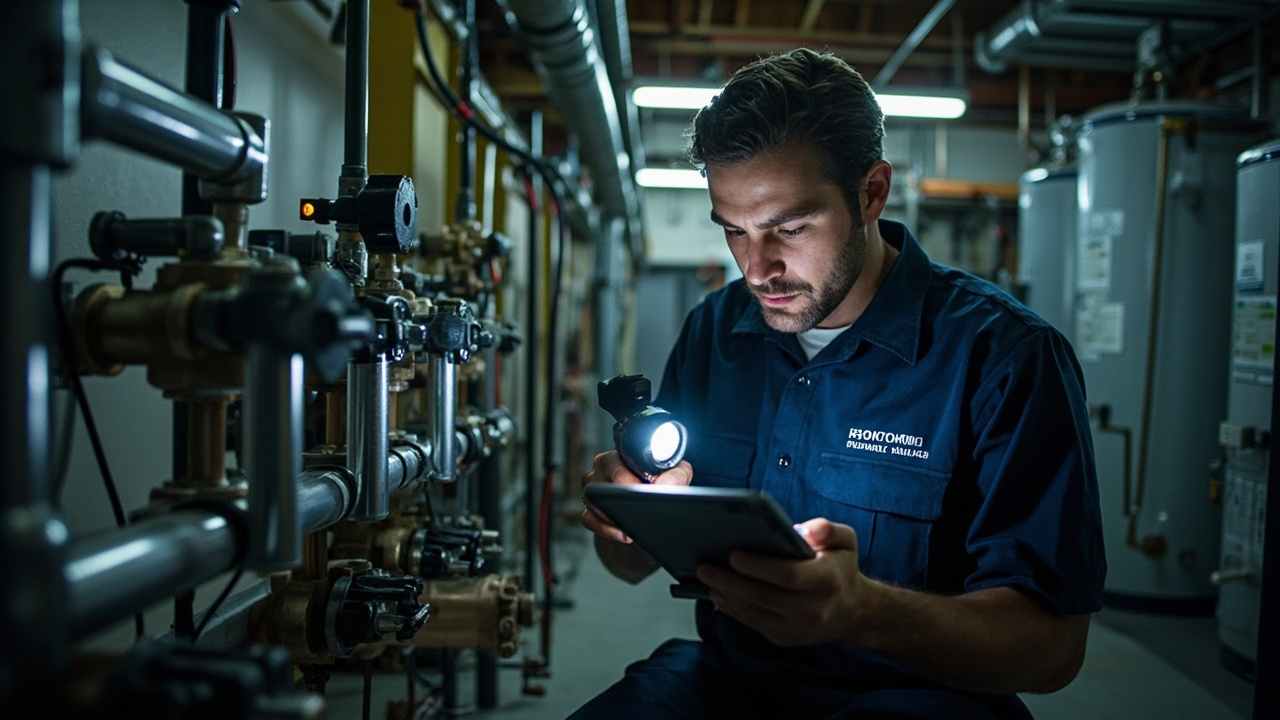
Thermal imaging cameras detect hidden leaks behind walls and under concrete slabs before they cause structural damage. Pressure testing identifies weak points in supply systems. Camera inspections of drain lines reveal root intrusion, offset joints, and grease accumulation that reduce flow capacity. You receive a detailed report with photos, not vague recommendations.

Detroit's commercial buildings built before 1980 often contain galvanized steel supply lines prone to internal corrosion. We measure flow rates at fixtures to detect restriction from scale buildup. Boiler feed systems, critical for heating in Detroit's harsh winters, get checked for proper expansion tank pressure and temperature-pressure relief valve operation. Recirculation pumps are tested for bearing wear and seal leaks.

High-rise buildings downtown require specialized attention to domestic water booster systems and pressure zones. We verify check valve operation, inspect air gaps at cooling towers, and test backflow preventers to meet Michigan Department of Environment, Great Lakes, and Energy compliance standards. Hotels and multi-tenant buildings need individual unit shut-off valve functionality verified to isolate problems without affecting other tenants. You avoid code violations and maintain tenant satisfaction.

How Commercial Maintenance Contracts Protect Your Detroit Operation

Preventative Commercial Maintenance in Detroit – Eliminate Downtime Before It Costs You Revenue
01

Initial System Assessment

We conduct a comprehensive baseline evaluation of your commercial plumbing infrastructure. Every water heater, every drain, every shut-off valve gets cataloged with age, condition, and maintenance history. You receive a priority-ranked action plan identifying immediate risks, short-term concerns, and long-term replacement schedules. This diagnostic process establishes the foundation for scheduled commercial plumbing upkeep tailored to your facility's actual needs, not generic service intervals.
02

Scheduled Service Execution

Maintenance visits occur during off-peak hours to minimize disruption to your business operations. Technicians arrive with facility-specific checklists and replacement parts for common wear items. We flush water heaters, clean aerators, inspect trap primers, test sump pump float switches, and verify proper toilet fill valve operation. Grease traps get measured for sludge depth. Floor drains receive enzymatic treatment to prevent clogs. You maintain compliance and avoid emergency callouts.
03

Documentation and Trending

Each service visit generates a dated report with findings, actions taken, and recommendations. Pattern analysis identifies recurring issues that signal deeper problems. Increasing water pressure might indicate a failing pressure-reducing valve. Slow drains in multiple locations suggest main line obstruction. You receive data-driven capital planning tools that justify budget requests with hard evidence. This systematic approach transforms reactive maintenance into strategic asset management for your Detroit commercial property.

Why Detroit Businesses Trust Local Commercial Plumbing Expertise

Detroit's commercial real estate operates under specific constraints that out-of-town contractors miss. The city's building department requires licensed plumbers for all commercial work above basic fixture replacement. Michigan's plumbing code mandates backflow prevention on all commercial water services, with annual testing and reporting. You need a contractor who understands these requirements and maintains the certifications to perform compliant work.

Ironwood Plumbing Detroit knows the building stock. We service the historic structures along Jefferson Avenue with their unique plumbing configurations. We maintain modern office towers in the Renaissance Center with sophisticated domestic water systems. We handle industrial facilities in the Midtown district with process water demands that exceed typical commercial loads. This local knowledge means faster diagnosis and proper solutions the first time.

Detroit's seasonal temperature swings create maintenance challenges that demand local experience. Rooftop water heaters need insulated jackets and heat tape on exposed piping. Parking structure floor drains require antifreeze in traps to prevent freeze-ups. Loading dock hose bibs need vacuum breakers that function in sub-zero temperatures. We stock parts for the equipment actually installed in Detroit buildings, not generic components that require special ordering.

Commercial plumbing service agreements with Ironwood Plumbing Detroit include priority emergency response when systems fail despite preventive maintenance. You get a direct dispatch number that reaches a technician familiar with your facility. No explaining your building layout to a stranger at 2 AM. We arrive with building-specific knowledge and the right tools to restore operations quickly.

What Your Commercial Maintenance Agreement Delivers

Scheduled Service Frequency

Commercial plumbing maintenance plans include quarterly, semi-annual, or annual inspections based on facility type and usage intensity. Restaurants need monthly grease interceptor service. Office buildings require semi-annual inspections. Manufacturing plants with process water systems benefit from quarterly reviews. Service visits occur during your specified maintenance windows to avoid disrupting business operations. You receive advance scheduling confirmations and same-day appointment availability for urgent concerns between scheduled visits.

Comprehensive System Evaluation

Routine commercial plumbing inspections cover supply systems, drainage systems, water heating equipment, backflow prevention assemblies, and specialty equipment specific to your operation. We test pressure-reducing valves, inspect expansion tanks, verify temperature-pressure relief valve discharge piping, and check sump pump operation. Kitchen facilities receive drain line camera inspections to detect grease buildup before it causes backups. You get written documentation of all findings with photos of problem areas and recommended corrective actions prioritized by urgency and cost impact.

Operational Reliability Results

Preventive commercial plumbing services reduce emergency repair calls by identifying and correcting problems during scheduled maintenance visits. Water heater failures decrease when sediment gets flushed regularly and anode rods are replaced before tank corrosion begins. Drain clogs disappear when lines receive preventive cleaning before complete blockages occur. Your facility maintains consistent water pressure, hot water availability, and drainage capacity. Tenant complaints drop, health department violations are avoided, and your insurance premiums reflect reduced water damage claims.

Ongoing Performance Monitoring

Commercial plumbing service agreements include cumulative record-keeping that tracks equipment performance over time. We monitor water heater efficiency, document drain cleaning frequency by location, and record pressure readings to detect system degradation. This historical data predicts equipment end-of-life and supports capital replacement planning. You receive annual summary reports showing maintenance costs, emergency call frequency, and equipment condition trends. Renewal terms remain consistent unless facility usage patterns change significantly, providing budget predictability for your commercial property operations.

Frequently Asked Questions

You Have Questions,
We Have Answers

What are the 5 types of preventive maintenance? +

The five types of preventive maintenance are time-based maintenance (scheduled at fixed intervals), usage-based maintenance (triggered by runtime or cycles), predictive maintenance (data-driven monitoring), condition-based maintenance (inspections determine needs), and risk-based maintenance (prioritizing critical assets). Commercial facilities in Detroit typically combine time-based and condition-based approaches due to seasonal extremes. Your HVAC system needs time-based filter changes quarterly, while compressor inspections depend on operating hours. Understanding which type fits your equipment reduces downtime and extends asset life. Most commercial buildings benefit from a hybrid strategy that accounts for Detroit's harsh winters and humid summers.

How much does preventive maintenance cost for commercial HVAC? +

Commercial HVAC preventive maintenance costs vary based on system size, complexity, and service frequency. Factors include tonnage, number of units, accessibility, and specific equipment brands. Detroit's climate demands more frequent attention due to freeze-thaw cycles and humidity fluctuations, which affect pricing. Larger rooftop units require more labor and materials than split systems. Service agreements typically bundle inspections, filter changes, coil cleaning, and refrigerant checks. Budget considerations should include potential overtime for after-hours service and emergency response availability. Focus on cost per square foot served and energy savings from maintained equipment rather than upfront service fees alone.

What are the 7 elements of preventive maintenance? +

The seven elements of preventive maintenance include inspection (routine visual and functional checks), cleaning (filters, coils, drains), lubrication (motors and bearings), adjustments (belts, controls, airflow), testing (electrical connections, refrigerant levels), calibration (thermostats and sensors), and documentation (service records and findings). Detroit commercial properties must prioritize drain line maintenance due to high humidity and regular filter changes during allergy seasons. Each element prevents specific failure modes. Skipping any element creates vulnerability. Comprehensive programs address all seven systematically. Your maintenance schedule should weight elements based on equipment criticality and operating environment. Documentation proves compliance during insurance audits and tenant disputes.

What are examples of preventative maintenance? +

Examples of preventative maintenance include replacing HVAC filters monthly, cleaning condenser coils quarterly, inspecting electrical connections annually, testing refrigerant charge seasonally, calibrating thermostats, lubricating motor bearings, checking belt tension, clearing drain lines, and verifying safety controls. Detroit facilities also weatherize rooftop units before winter and inspect heat exchangers for cracks caused by freeze-thaw stress. Parking lot sweeping prevents debris from clogging storm drains. Roof inspections catch minor leaks before water damages HVAC equipment. Fire suppression system testing ensures code compliance. These tasks prevent costly failures, maintain warranties, reduce energy waste, and extend equipment lifespan by addressing wear before breakdown occurs.

What are the 4 P's of maintenance? +

The four P's of maintenance are Preserve (extending asset life through care), Predict (anticipating failures before they occur), Prevent (stopping breakdowns through scheduled service), and Plan (strategically allocating resources and scheduling work). Commercial operations in Detroit must plan maintenance around seasonal demands. Preserving equipment through proper winterization saves replacement costs. Predicting compressor failure through vibration analysis prevents summer downtime when cooling is critical. Preventing frozen pipes protects water systems. Planning maintenance during shoulder seasons minimizes business disruption. These principles guide budget allocation, staffing decisions, and service contracts. Effective maintenance programs balance all four elements based on asset criticality and operational impact.

What is the 10% rule of preventive maintenance? +

The 10% rule of preventive maintenance states you should allocate roughly 10% of asset replacement value annually for maintenance activities. A commercial HVAC system worth $50,000 needs approximately $5,000 yearly in preventive care to maintain performance and avoid premature replacement. This benchmark helps budget planning for Detroit commercial properties with aging infrastructure. The percentage may increase for equipment operating in harsh conditions or decrease for newer installations under warranty. This rule accounts for labor, parts, inspections, and necessary repairs discovered during service. Underfunding maintenance accelerates deterioration and increases total cost of ownership. Track actual spending against this benchmark to identify underfunded assets.

What is the $5000 AC rule? +

The $5,000 AC rule refers to IRS guidelines allowing businesses to expense repairs under $5,000 immediately rather than capitalizing and depreciating them. This threshold affects how Detroit commercial property owners handle HVAC repairs versus replacements for tax purposes. Replacing a compressor might qualify as a deductible repair, while replacing an entire rooftop unit requires capitalization. Consult your accountant because the rule includes complexity around improvements versus restoration. From an operational standpoint, this threshold helps prioritize repair versus replacement decisions. Equipment requiring frequent repairs approaching $5,000 annually often justifies replacement. Maintenance records documenting repair history support these financial decisions and tax classifications.

What is the 3 minute rule for AC? +

The 3 minute rule for AC requires waiting three minutes between compressor cycles to prevent damage from high head pressure. Short cycling stresses the compressor, causes overheating, and leads to premature failure. Detroit's temperature swings can trigger rapid cycling if thermostats are poorly calibrated or systems are oversized. Commercial HVAC controls include time-delay relays enforcing this protection. If your system short cycles, check thermostat placement away from heat sources, verify proper refrigerant charge, ensure adequate airflow across coils, and inspect for oversized equipment. Continuous short cycling indicates a control failure or capacity mismatch requiring immediate diagnosis. This protection extends compressor life significantly and reduces energy consumption.

What is the most expensive part in an HVAC unit? +

The compressor is the most expensive component in an HVAC unit, often representing 30 to 50 percent of replacement cost. Commercial compressors for Detroit rooftop units can require significant investment depending on tonnage and refrigerant type. Compressor failure typically results from lack of maintenance, refrigerant issues, electrical problems, or contaminant damage. Preventive maintenance protects this critical component through regular refrigerant checks, electrical testing, and ensuring proper lubrication. Scroll compressors dominate commercial applications but remain vulnerable to liquid slugging and overheating. Replacing a failed compressor often approaches 60 to 70 percent of new unit cost, making preventive care financially justified. Age and efficiency considerations influence repair versus replacement decisions.

What is a PM checklist? +

A PM checklist is a preventive maintenance task list documenting specific inspection points, measurements, and actions for equipment service. Commercial HVAC checklists include filter condition, belt tension, amperage draws, refrigerant pressures, thermostat calibration, drain line flow, and safety control testing. Detroit-specific checklists add freeze protection verification and heat exchanger crack inspection. Checklists ensure consistency across technicians, create service documentation, support warranty compliance, and identify trending issues before failure. Digital checklists capture photos and data for analysis. Your service provider should customize checklists based on equipment type, age, and operating environment. Review completed checklists to track equipment health and justify capital decisions.

Why Detroit's Water Infrastructure Makes Commercial Maintenance Critical

Detroit's municipal water supply, sourced from the Detroit River and treated at multiple facilities, contains dissolved minerals that accelerate scale formation in commercial water heaters and boiler systems. The city's ongoing water main replacement program creates temporary pressure fluctuations that stress building plumbing systems. Commercial properties near the I-75 and I-94 interchange experience higher sediment loads when construction disturbs aging underground infrastructure. Preventive commercial plumbing services address these location-specific challenges through regular water heater flushing, pressure monitoring, and sediment filter maintenance that generic service plans overlook.

Detroit's commercial building code enforcement has intensified following the city's revitalization initiatives. The Buildings, Safety Engineering and Environmental Department conducts random inspections of commercial properties and issues violations for non-compliant backflow prevention, inadequate grease interceptor maintenance, and improper plumbing modifications. Commercial plumbing maintenance plans that include compliance documentation protect you during inspections. Local contractors like Ironwood Plumbing Detroit maintain relationships with city inspectors and understand current enforcement priorities. We keep your facility compliant with Michigan Plumbing Code amendments specific to Wayne County jurisdiction.
Plumbing Services in The Detroit Area

Ironwood Plumbing proudly serves Detroit and the surrounding areas with reliable, professional plumbing solutions. Whether you’re a homeowner or a business owner, you can count on our fast response times and expert service. Use the map below to find our office or check if your location is within our service radius. We’re easy to reach and always happy to help — just call, click, or visit us today to schedule your plumbing service with a local team that truly cares.

Address:
Ironwood Plumbing Detroit, 3200 Greenfield Rd, Detroit, MI, 48120

Additional Services We Offer

Our news updates

Latest Articles & News from The Blogs

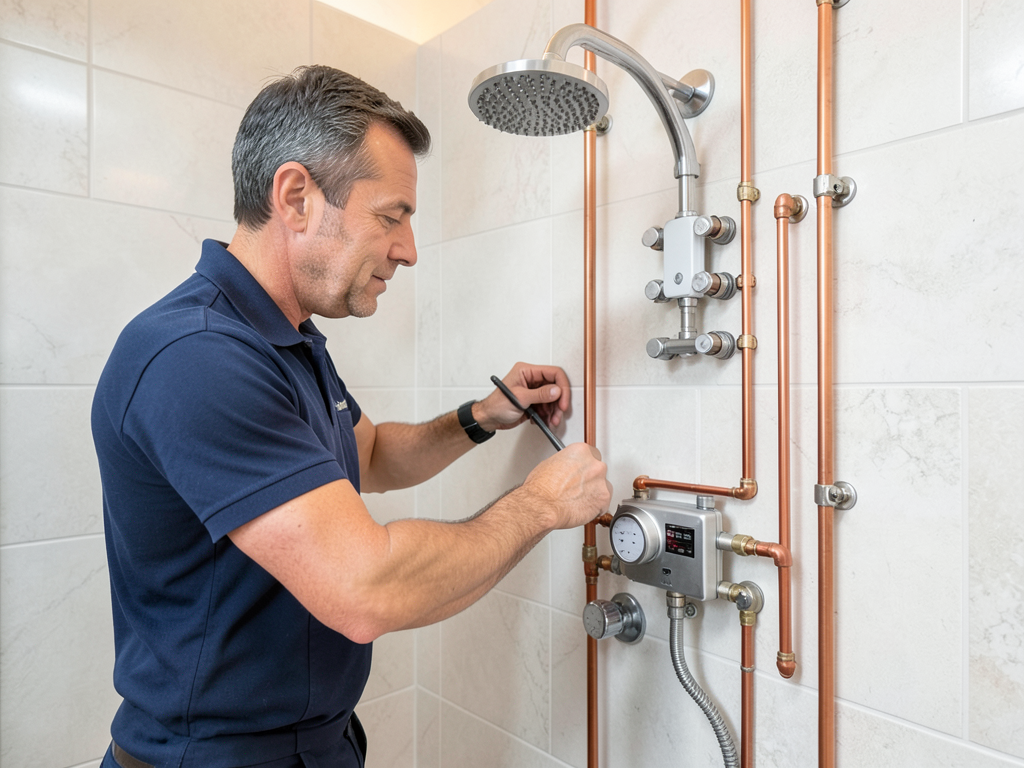
Plumbing Requirements for Luxury Body Jets and Rain Showerheads in West Bloomfield High-end luxury shower systems in West Bloomfield demand…

Plumbing Requirements for Luxury Body Jets and Rain Showerheads in West Bloomfield

Plumbing Requirements for Luxury Body Jets and Rain Showerheads in West Bloomfield High-end luxury shower systems in West Bloomfield demand…

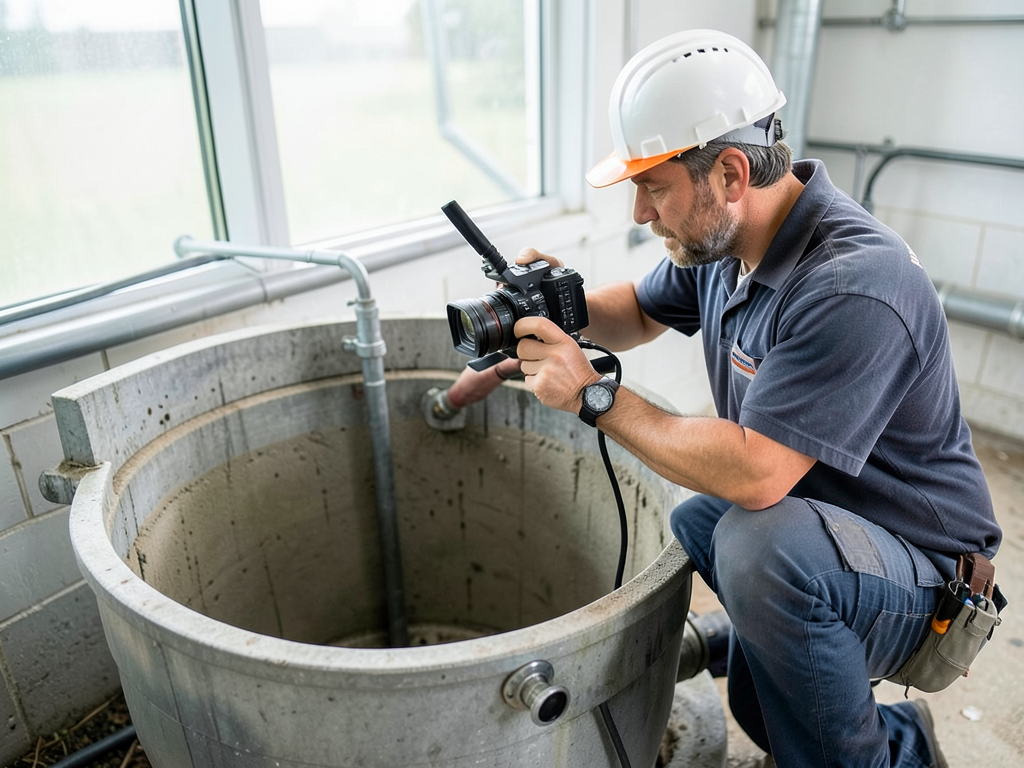
The Truth About Septic Tank Additives and Why They Might Not Save You a Pump-Out in Brighton

The Truth About Septic Tank Additives and Why They Might Not Save You a Pump-Out in Brighton Walk into any…

How to Choose the Right Horsepower for Your Next Dearborn Garbage Disposal

Understanding Garbage Disposal HP: Why It Matters The right garbage disposal horsepower directly affects how quickly and thoroughly your kitchen…

Contact Us

Stop gambling with emergency repairs. Call Ironwood Plumbing Detroit at (313) 572-4144 to schedule your facility assessment. We deliver customized commercial plumbing service agreements that fit your operation and budget. Get protection before the next failure shuts you down.