




menu

No Hot Water Diagnosis in Detroit – Fast Expert Troubleshooting When Your System Fails

Ironwood Plumbing Detroit identifies water heater issues quickly using advanced diagnostic tools and decades of experience, getting hot water restored in homes and businesses across metro Detroit.

Slider Image 1
Slider Image 2
Slider Image 3
Slider Image 4
Slider Image 5
Slider Image 7
Slider Image 8
Slider Image 9
Slider Image 10
Slider Image 11

Why Your Hot Water Disappeared and What It Means for Your Detroit Home

You turn the tap and wait. Cold water runs, but nothing warms up. The shower stays freezing, dishes pile up, and laundry goes undone.

In Detroit, no hot water is not just inconvenient. It is a problem that demands immediate attention, especially during Michigan winters when frozen supply lines compound water heater malfunctions. The freeze-thaw cycles here stress components differently than warmer climates. Sediment buildup accelerates in Detroit's moderately hard water, coating heating elements and reducing efficiency until the system stops heating entirely.

When you diagnose lack of hot water, the causes vary widely. A tripped circuit breaker is the simplest fix. A failed heating element requires replacement. A broken dip tube mixes cold water with hot before it reaches your tap. Pilot lights extinguish on gas units. Thermostats fail to signal heating cycles. Sediment accumulates at the tank bottom, insulating water from the heat source.

Each symptom points to a different root cause. Cold water from all taps suggests total system failure. Lukewarm water indicates partial heating element failure or thermostat miscalibration. Intermittent hot water signals sediment interference or undersized tank capacity for your household demand.

Detroit homeowners who attempt to troubleshoot water heater problems without proper tools often misdiagnose the issue. A multimeter reading looks normal, but the heating element still fails under load. The pilot light stays lit, but the thermocouple sends weak signals. You need diagnostic equipment and experience to identify water heater issues accurately, especially in older homes where outdated wiring or venting creates additional failure points.

Why Your Hot Water Disappeared and What It Means for Your Detroit Home
How Professional Diagnosis Pinpoints the Real Problem

How Professional Diagnosis Pinpoints the Real Problem

Accurate diagnosis prevents wasted money on unnecessary repairs. Replacing a heating element when the real problem is electrical supply means you still have no hot water and you paid for parts you did not need.

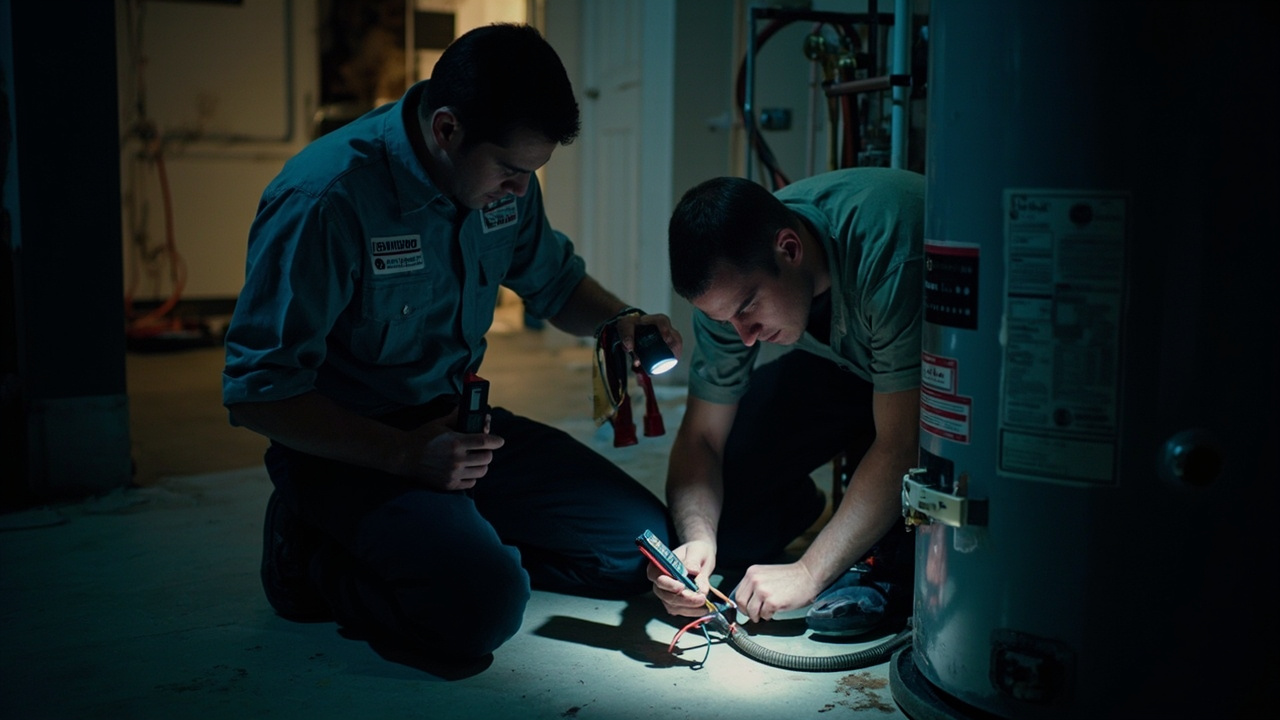
Ironwood Plumbing Detroit starts with voltage testing at the electrical panel. We verify 240 volts reach electric water heaters. Low voltage indicates breaker problems or wiring faults upstream from the unit. We test continuity through each heating element using calibrated multimeters. A reading outside the 10-16 ohm range means the element has failed.

For gas water heaters, we inspect the thermocouple and pilot assembly. A weak thermocouple generates insufficient millivoltage to hold the gas valve open. We measure output and compare against manufacturer specifications. We check gas supply pressure at the valve and verify proper combustion air mixture by analyzing flame color and pattern.

Sediment diagnosis requires draining sample water from the tank drain valve. Gritty discharge or discolored water confirms buildup. We measure actual tank capacity by calculating recovery time after a full hot water draw. A 50-gallon tank that acts like a 30-gallon tank has lost capacity to sediment accumulation at the bottom.

Thermostat calibration testing involves measuring actual water temperature at the tap versus the setting on the unit. A 15-degree variance signals thermostat failure or element placement issues. We test both upper and lower thermostats on dual-element systems, since one can fail independently.

Dip tube inspection requires visual examination inside the tank. A deteriorated dip tube breaks apart, allowing cold incoming water to mix with hot water at the top of the tank. This produces lukewarm water at all fixtures simultaneously.

What Happens During Your No Hot Water Diagnosis

No Hot Water Diagnosis in Detroit – Fast Expert Troubleshooting When Your System Fails
01

Initial System Assessment

We start by documenting your symptoms. When did hot water stop? Does any fixture produce warm water? Have you heard unusual sounds from the unit? This information narrows the diagnostic path immediately. We verify power or gas supply reaches the unit and check for tripped breakers, blown fuses, or closed gas valves. Many service calls end here with a simple reset.
02

Component Testing Protocol

We test each component systematically. Thermostats receive continuity checks and voltage verification. Heating elements get resistance testing under no-load and simulated-load conditions. Gas valves receive pressure testing and safety device verification. We drain tank samples to check for sediment, corrosion, or contamination. Temperature sensors receive calibration verification using precision instruments. This process identifies the failed component definitively.
03

Diagnosis Report and Options

You receive a clear explanation of what failed and why. We show you test results and explain how the faulty component caused your water heater malfunction symptoms. You get repair options with transparent information about parts, labor, and expected longevity. If the unit is near end-of-life, we discuss replacement versus repair economics. You make the decision with complete information.

Why Detroit Property Owners Trust Our Diagnostic Accuracy

Diagnostic accuracy matters because it saves you money and time. Guessing at the problem leads to parts replacement gambling. You buy a new element when you needed a new thermostat. You replace a thermostat when sediment was the real culprit.

Ironwood Plumbing Detroit brings diagnostic tools most homeowners lack. We carry precision multimeters calibrated for HVAC and plumbing applications. We have combustion analyzers for gas appliances. We use infrared thermometers to map temperature distribution across the tank surface, revealing dead zones that indicate internal failure.

Our technicians work on water heaters daily across Detroit's diverse housing stock. We know the common failure modes in different brands and age ranges. A Bradford White from 2008 fails differently than a Rheem from 2015. Homes in Boston-Edison have different water chemistry than homes in Corktown. These details matter when you troubleshoot water heater problems.

Detroit's aging housing stock presents unique challenges. Homes built before 1980 often have undersized electrical service or outdated venting systems. We identify these issues during diagnosis because they affect repair feasibility. Installing a new heating element in a tank with corroded threads creates leaks. Replacing a gas valve on a unit with improper venting creates carbon monoxide risks.

We understand local building codes and permit requirements. Some repairs require inspections. Others require upgraded venting or electrical work to meet current standards. We diagnose the entire system context, not just the broken part.

Our service area covers metro Detroit, from Downtown to Dearborn, from Grosse Pointe to Ferndale. We know the neighborhoods, the housing types, and the common plumbing configurations in each area.

What to Expect During Your Service Call

Same-Day Diagnostic Availability

No hot water is urgent. You cannot wait three days for a diagnosis. We schedule same-day appointments for water heater failures when you call before noon. Our techs arrive in a two-hour window, not an all-day wait. We carry diagnostic equipment in every truck, so testing happens on-site. You get answers during the visit, not a callback tomorrow. Emergency service is available for situations where water heater failure creates flooding risk or impacts business operations.

Comprehensive Testing Process

Our diagnosis covers every potential cause of no hot water. We do not stop at the obvious problem. A tripped breaker might be a symptom of a deeper electrical fault. We test the entire circuit. A failed heating element might have failed because of voltage irregularities. We test upstream electrical components. This thoroughness prevents recurring failures. You get a complete picture of your system health, including components that might fail soon. This allows you to plan repairs strategically rather than reactively.

Clear Diagnosis Documentation

You receive written documentation of our findings. We note specific test results, voltage readings, resistance measurements, and visual inspection notes. If you need a second opinion or want to discuss options with family, you have concrete data. We photograph failed components when possible. This documentation is valuable if you are dealing with home warranties, insurance claims, or property disputes. Our reports stand up to scrutiny because they contain actual measurements, not subjective opinions.

Post-Diagnosis Support and Options

After diagnosis, we provide a clear action plan. If repair is economical, we explain what parts are needed, how long the repair takes, and what the parts cost. If replacement makes more sense, we explain why and provide options at different price points. We do not pressure you toward expensive solutions. Some homeowners choose to live with reduced hot water capacity temporarily for budget reasons. We respect that and provide maintenance advice to extend remaining system life. Our goal is to give you control over the decision.

Frequently Asked Questions

You Have Questions,
We Have Answers

What is the most common cause of no hot water? +

The most common cause is a failed heating element in electric water heaters or a pilot light issue in gas units. In Detroit homes, sediment buildup accelerates failure due to hard water minerals. Over time, calcium and magnesium deposits coat the heating element, forcing it to work harder until it burns out. Gas water heaters often lose hot water when the thermocouple fails or the pilot light extinguishes. Detroit's older housing stock means many water heaters operate past their 10-year lifespan, making component failure the primary culprit. A tripped circuit breaker or blown fuse also stops electric heaters instantly.

How to diagnose no hot water? +

Start by checking the power source. For electric heaters, verify the circuit breaker is on and the reset button on the unit is not tripped. For gas heaters, check if the pilot light is lit. Test water temperature at the tap after running for three minutes. Feel the tank sides. Cold metal suggests no heating. Check the thermostat setting, it should be 120 degrees. Inspect for leaks around connections and the pressure relief valve. Listen for unusual sounds like popping or hissing. Detroit's freeze-thaw cycles can crack pipes, so inspect exposed lines in basements and crawl spaces for damage.

What would cause hot water to not work? +

Hot water stops working when the heating mechanism fails. Electric water heaters lose function when one or both heating elements burn out, the thermostat malfunctions, or power supply issues occur. Gas heaters stop heating when the pilot light goes out, the gas valve fails, or the thermocouple breaks. Sediment accumulation at the tank bottom insulates water from the heat source, reducing efficiency until heating stops completely. In Detroit, hard water accelerates this process. A closed gas shut-off valve, tripped breaker, or blown fuse also stops heating. Dip tube failure sends cold water directly to the hot outlet, mixing temperatures.

Why have I suddenly got no hot water? +

Sudden hot water loss typically indicates an immediate component failure. The heating element burned out, the pilot light extinguished, or the circuit breaker tripped. A power surge during Detroit's summer storms can trip breakers or damage electrical components. Gas supply interruptions from utility work stop gas heaters instantly. The thermostat may have failed or been accidentally adjusted. A burst dip tube mixes cold and hot water, making hot taps run lukewarm. Severe sediment buildup can reach critical mass overnight. If you smell gas or see water pooling, shut off the supply immediately and call a professional.

Is no hot water a plumbing emergency? +

No hot water qualifies as an emergency in Detroit winters when frozen pipes risk bursting or when vulnerable household members need hot water for health reasons. During subzero temperatures, a failed water heater can lead to pipe freezing in unheated areas. For families with infants, elderly residents, or medical conditions requiring sanitation, hot water loss becomes urgent. Most situations are not life-threatening emergencies but require prompt attention within 24 hours. If you smell gas, see active leaks, or notice electrical sparking, shut off the unit immediately and contact emergency services. Otherwise, schedule same-day or next-day professional diagnosis.

What are signs of a faulty thermostat? +

A faulty thermostat delivers inconsistent water temperatures or no hot water at all. You notice water is too cold or scalding hot despite correct settings. The water heater runs constantly without reaching temperature or never activates. You hear frequent clicking sounds as the thermostat attempts to regulate heat. The reset button trips repeatedly, indicating temperature regulation failure. In Detroit homes with older water heaters, thermostats corrode from humidity in basement installations. Test by adjusting the temperature dial. If nothing changes after two hours, the thermostat likely failed. A malfunctioning thermostat wastes energy and money while failing to heat water properly.

Why does my cold water work but not my hot water? +

When cold water flows but hot water does not, the issue is isolated to the water heater or hot water distribution system. The water heater stopped heating due to element failure, pilot light issues, or power loss. A closed valve on the hot water outlet pipe blocks flow. Sediment completely blocks the hot water exit pipe in older Detroit homes with hard water. The dip tube broke, preventing proper water circulation inside the tank. Check if the water heater circuit breaker tripped or if the gas valve closed. Frozen pipes in unheated basements only affect hot water lines if cold lines are insulated better.

What happens before a hot water heater goes out? +

Before a water heater fails completely, it shows warning signs. Water temperature fluctuates unpredictably or takes longer to heat. You hear rumbling, popping, or banging sounds from sediment boiling at the tank bottom. Rusty or discolored water appears at hot taps, indicating internal tank corrosion. Small leaks form around fittings or the pressure relief valve. The unit requires frequent resets or pilot light relighting. Water smells metallic or like rotten eggs from bacterial growth. In Detroit's hard water conditions, sediment accumulates faster, accelerating these symptoms. Energy bills increase as the struggling heater works harder to maintain temperature.

How to reset boiler for hot water? +

To reset a boiler for hot water, locate the reset button on the control panel or burner housing. Press and hold for three to five seconds until you hear the ignition sequence. For Detroit homes with older boilers, check that the pilot light is lit before resetting. Ensure the thermostat is set above current water temperature. Check that the emergency shut-off switch, often located on basement stairs, is in the on position. Verify the circuit breaker is not tripped. If the boiler does not fire after two reset attempts, stop. Repeated resets indicate a deeper problem requiring professional diagnosis.

Could a plumbing issue cause no hot water? +

Yes. Plumbing issues frequently cause hot water loss. A broken dip tube inside the tank allows cold water to mix with hot water at the outlet, reducing temperature. Corroded pipes restrict flow, preventing hot water from reaching fixtures. Cross-connections between hot and cold supply lines let cold water backflow into the hot system. A faulty mixing valve at fixtures blends too much cold water. In Detroit homes, galvanized pipes corrode internally, blocking hot water flow while cold water still passes. Leaks in hot water lines reduce pressure and volume. Sediment blocks outlet pipes in hard water areas, stopping hot water delivery completely.

How Detroit's Hard Water and Freeze-Thaw Cycles Accelerate Water Heater Failure

Detroit's water supply has a hardness level between 120-180 mg/L, depending on your specific location and whether you receive water from the Detroit Water and Sewerage Department or a suburban system. This moderate hardness accelerates sediment buildup inside water heater tanks. Calcium and magnesium precipitate out as water heats, settling at the tank bottom. Over years, this layer insulates water from the heating source, forcing components to work harder and fail sooner. Winter freeze-thaw cycles stress pipes and connections, causing expansion and contraction that loosens fittings and damages pressure relief valves. These factors make Detroit water heaters fail differently than units in softer water regions.

Michigan's plumbing code requires specific venting standards for gas water heaters, and Detroit enforces additional requirements in certain historic districts. Our technicians stay current with these regulations because incorrect venting creates carbon monoxide risks that insurance claims adjusters scrutinize carefully. We work with homeowners in neighborhoods from Indian Village to Palmer Woods, where older homes require careful integration of modern water heaters with original plumbing configurations. Local expertise matters because Detroit's housing stock spans 120 years of construction methods and code revisions. A technician from another market misses details that create liability or failure risk.
Plumbing Services in The Detroit Area

Ironwood Plumbing proudly serves Detroit and the surrounding areas with reliable, professional plumbing solutions. Whether you’re a homeowner or a business owner, you can count on our fast response times and expert service. Use the map below to find our office or check if your location is within our service radius. We’re easy to reach and always happy to help — just call, click, or visit us today to schedule your plumbing service with a local team that truly cares.

Address:
Ironwood Plumbing Detroit, 3200 Greenfield Rd, Detroit, MI, 48120

Additional Services We Offer

Our news updates

Latest Articles & News from The Blogs

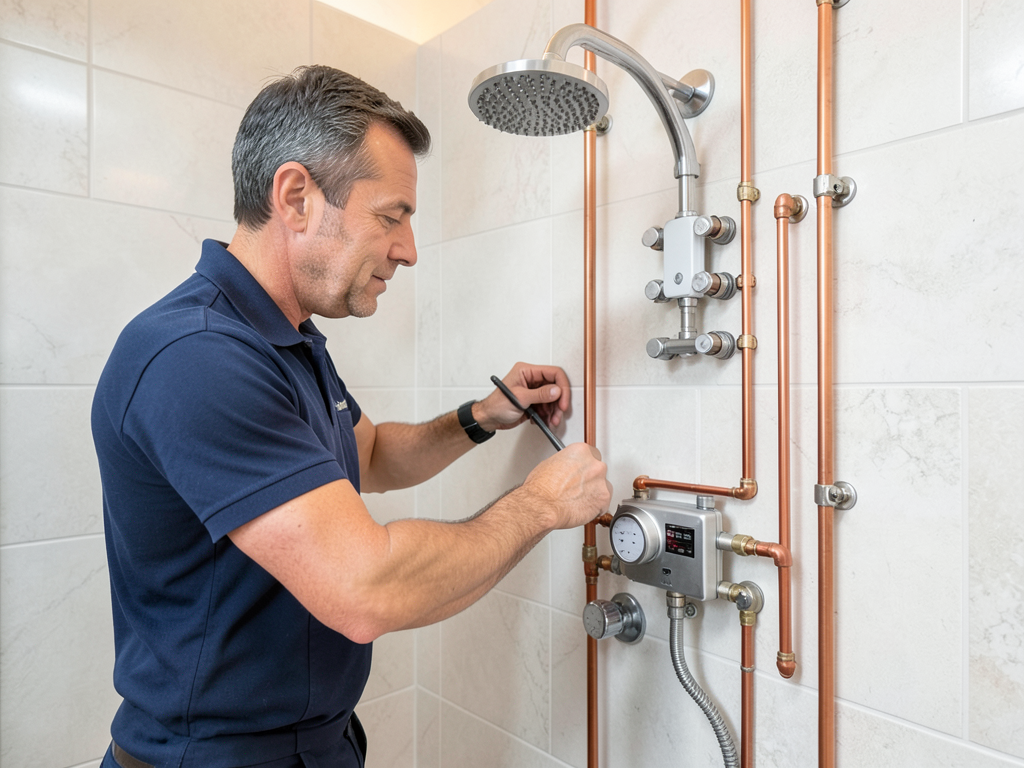
Plumbing Requirements for Luxury Body Jets and Rain Showerheads in West Bloomfield High-end luxury shower systems in West Bloomfield demand…

Plumbing Requirements for Luxury Body Jets and Rain Showerheads in West Bloomfield

Plumbing Requirements for Luxury Body Jets and Rain Showerheads in West Bloomfield High-end luxury shower systems in West Bloomfield demand…

The Truth About Septic Tank Additives and Why They Might Not Save You a Pump-Out in Brighton

The Truth About Septic Tank Additives and Why They Might Not Save You a Pump-Out in Brighton Walk into any…

How to Choose the Right Horsepower for Your Next Dearborn Garbage Disposal

Understanding Garbage Disposal HP: Why It Matters The right garbage disposal horsepower directly affects how quickly and thoroughly your kitchen…

Contact Us

Do not waste another day without hot water. Call Ironwood Plumbing Detroit at (313) 572-4144 for same-day diagnostic service. We identify the problem accurately and give you clear options for getting your system working again.