





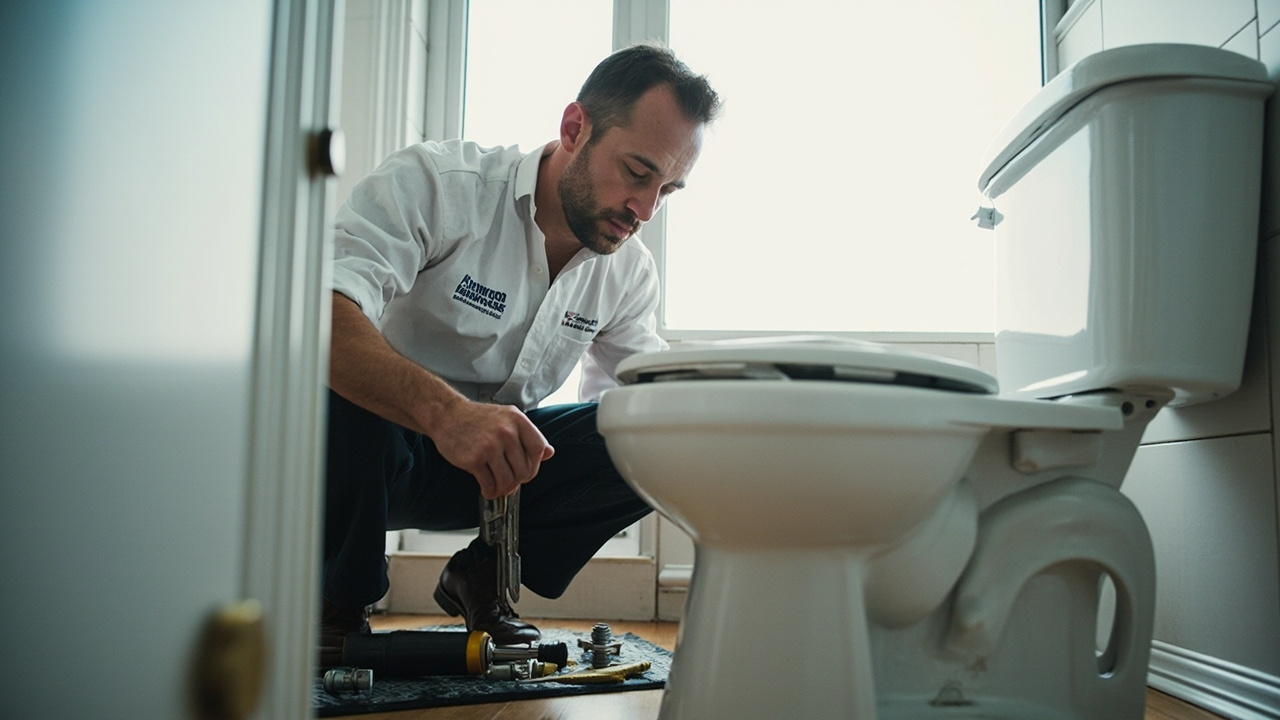

Detroit's municipal water supply measures 120-180 parts per million total hardness, which classifies as moderately hard to hard water. This calcium and magnesium content creates scale deposits inside fill valves, clogs the small orifices in rim jets, and builds up on flapper surfaces so they cannot seal properly. Properties that draw water from private wells in the city's northeast side deal with even harder water, sometimes exceeding 250 ppm. You see this as the crusty white buildup around the water line inside your tank and the reduced flush power as rim jets clog with mineral deposits. Regular maintenance includes descaling fill valves every two years and replacing flappers annually, but most homeowners never do this until the toilet runs continuously and adds $30 per month to their water bill.
Detroit's plumbing code follows the Michigan Residential Code with local amendments, and our technicians stay current on these requirements through continuing education. We know that toilet replacements in Detroit require a permit if you change the location or rough-in dimension. We know that commercial properties must install water-sense certified toilets that use 1.28 gallons per flush or less. We maintain relationships with inspectors at the Buildings, Safety Engineering and Environmental Department, so we know what they check during rough-in inspections and final inspections. This local knowledge prevents failed inspections and keeps your project on schedule, which matters when you are renovating a rental property or remodeling a commercial bathroom that needs to reopen quickly.