




menu

Septic Tank Emergency Pumping in Detroit – Same Day Response When Every Minute Counts

Fast emergency septic pumping service with immediate dispatch and 24 hour septic pump out capability across Detroit. We stop sewage backup disasters before they destroy your property.

Slider Image 1
Slider Image 2
Slider Image 3
Slider Image 4
Slider Image 5
Slider Image 7
Slider Image 8
Slider Image 9
Slider Image 10
Slider Image 11

When Your Septic System Fails in Detroit, You Have Hours, Not Days

Sewage backing up into your basement. Raw waste pooling in your yard. The smell hitting you the moment you open the door. A septic emergency does not wait for business hours, and in Detroit's older neighborhoods where homes sit on postage-stamp lots, a failing tank puts you dangerously close to contaminating your neighbor's well or foundation.

Detroit's clay-heavy soil creates unique pressure on septic systems. The soil does not drain. It holds water. When your tank reaches capacity during spring thaw or after heavy rain, that clay becomes a barrier. The effluent has nowhere to go. It backs up into your home through the lowest drain, usually your basement toilet or floor drain.

You need urgent septic tank cleaning now, not tomorrow. Every hour you wait, sewage continues invading living spaces. It soaks into drywall, carpet padding, and floor joists. The contamination spreads. The repair bill multiplies.

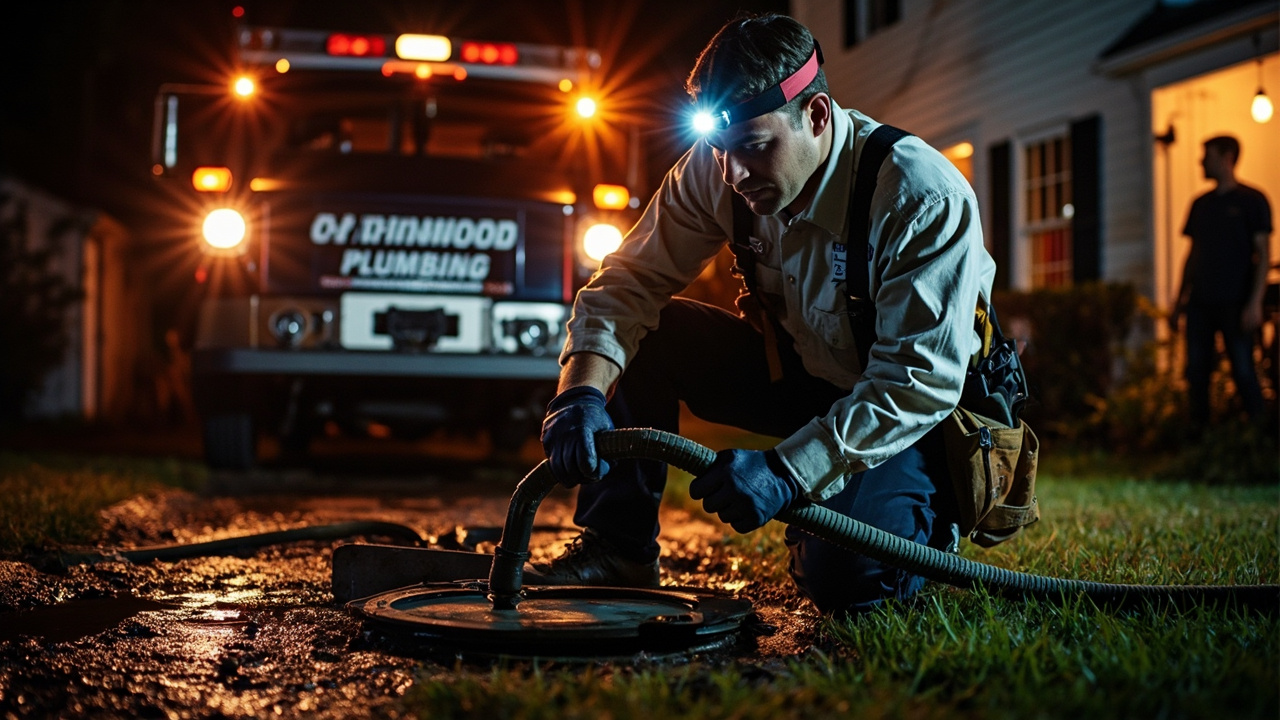
We provide immediate septic tank emptying across Detroit. Our 24 hour septic pump out service operates around the clock because septic disasters do not check the calendar. When you call, we dispatch a vacuum truck immediately. We are not scheduling you for next week. We are en route within the hour.

Same day septic pumping means stopping the crisis today. Our trucks carry 3,000-gallon capacity tanks. We pump your system completely, inspect the tank for structural damage, and give you a clear assessment before we leave. This is emergency septic pumping service built for speed and thoroughness, because Detroit homeowners deserve both.

When Your Septic System Fails in Detroit, You Have Hours, Not Days
How Emergency Septic Pumping Stops Damage and Protects Your Property

How Emergency Septic Pumping Stops Damage and Protects Your Property

Emergency pumping is not the same as routine maintenance. The approach changes completely. We are managing an active contamination event while removing the waste.

We start by locating your tank access ports. In Detroit's older properties, these are often buried under landscaping or covered by decades of soil compaction. We use probe rods and ground-penetrating equipment to find risers without tearing up your yard. Speed matters, but so does precision.

Once we expose the access lid, we assess the tank level and condition before dropping the vacuum hose. If the tank is completely full and backing pressure into your home, we relieve that pressure first through controlled extraction. We monitor flow rates to prevent structural stress on an already compromised system.

Our vacuum trucks use high-capacity pumps that remove solids and liquids simultaneously. We do not just skim the top. We extract the entire contents, including the sludge layer at the bottom. This complete pump out prevents immediate re-failure. A half-empty tank with heavy sludge buildup will fail again within days.

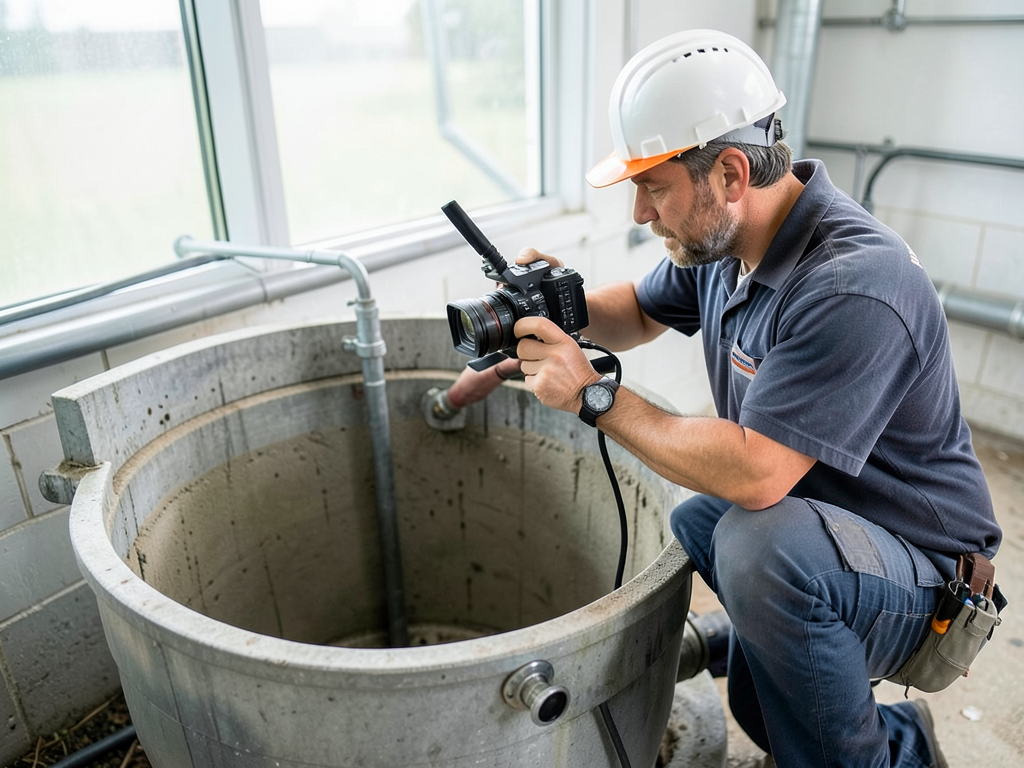
During extraction, we inspect the interior using tank cameras. We check for cracks in the concrete, failed baffles, or root intrusion through the inlet pipe. These are the factors that caused your emergency. We document everything so you understand what happened and what needs repair.

After pumping, we backflush the outlet pipe to clear any blockages in your drain field line. We test the distribution box if your system uses one. We are not just emptying a tank. We are diagnosing why it failed and preventing the next disaster.

What Happens During Your Emergency Septic Response

Septic Tank Emergency Pumping in Detroit – Same Day Response When Every Minute Counts
01

Immediate Dispatch and Assessment

Within minutes of your call to (313) 572-4144, we dispatch the nearest vacuum truck to your Detroit location. Our driver calls you directly with an arrival time. Upon arrival, we locate the tank, confirm the emergency type (backup, overflow, or surfacing waste), and brief you on the extraction process. You know what we are doing and why before we start.
02

Complete Tank Evacuation

We pump your septic tank to complete empty, extracting all liquid effluent and settled solids. Our truck-mounted vacuum system handles 3,000 gallons per load. We remove septage through the access port using reinforced hoses designed for high-solids content. During pumping, we inspect the tank interior with a camera probe, checking baffle condition, sidewall integrity, and outlet pipe status.
03

System Check and Clearance

After evacuation, we verify your drain field line is clear by running water through your system and confirming flow. We check your distribution box for blockages or standing water. You receive a verbal report on what caused the failure and what repairs, if any, are needed. If no structural damage exists, your system is operational immediately. We leave your property clean and functional.

Why Detroit Homeowners Trust Ironwood Plumbing Detroit for Septic Emergencies

Septic emergencies require local knowledge. Detroit's housing stock includes thousands of homes built between 1920 and 1960, long before modern septic codes existed. These older systems use steel tanks that rust through, concrete tanks prone to cracking from freeze-thaw cycles, and distribution systems that were never engineered for modern water usage.

We know these systems because we work on them daily across Detroit. We understand how the clay soil in neighborhoods like Rosedale Park and Grandmont affects drain field performance. We know which areas still have cesspools instead of proper septic tanks. We recognize the signs of a collapsed leach field versus a simple tank overload.

Our vacuum trucks are maintained for reliability, not appearance. When you call at 2 AM because sewage is flooding your basement, the truck that responds starts immediately. We carry backup pumps, replacement hoses, and tank cameras on every vehicle. We do not need to return to the shop for equipment.

Ironwood Plumbing Detroit operates with full commercial licensing for septage hauling and disposal. We transport waste to approved facilities that meet Michigan Department of Environment, Great Lakes, and Energy standards. You are not hiring a guy with a pump truck. You are hiring a contractor who follows regulations designed to protect groundwater.

Our technicians explain what they find. If your tank failed because of root intrusion from that old oak tree, we show you the roots. If the outlet baffle disintegrated, we photograph it. We give you facts, not sales pitches. You need to make informed decisions about repairs, and that requires honest assessment from people who know Detroit's septic infrastructure.

What You Can Expect During Emergency Septic Service

Response Time and Availability

We operate 24 hours a day, 365 days a year, because septic emergencies happen on holidays and weekends. When you call (313) 572-4144, you reach a person, not an answering service. We dispatch immediately. Our typical response time across Detroit is 60 to 90 minutes, though distance from our staging areas affects arrival. You receive a direct call from the driver with an accurate ETA. We do not give four-hour windows. We give you real information so you can plan accordingly. Our trucks carry all necessary equipment, so we complete the job in one visit without leaving to get parts or tools.

On-Site Evaluation and Diagnosis

Before pumping, we assess why your system failed. We check tank levels, inspect access ports, and look for obvious damage or intrusion. During pumping, we use waterproof cameras to examine the tank interior, checking for cracks, failed baffles, or separated compartment walls. After evacuation, we test the outlet line and distribution box if present. This evaluation identifies whether you need immediate repairs or just routine monitoring. We provide a verbal report on-site and document findings with photos you can reference later. You understand the full condition of your system, not just that we emptied it.

Complete Waste Removal

Emergency pumping means total extraction. We remove all liquids and solids down to the tank bottom, including the sludge layer that settles over time. Partial pumping leaves material that accelerates refilling and increases the chance of another failure within days. Our trucks hold 3,000 gallons per load. Most residential tanks are 1,000 to 1,500 gallons, so we handle your entire system in one extraction. We use high-flow vacuum pumps that pull both liquid effluent and heavy solids simultaneously. When we finish, your tank is empty and functional. The immediate emergency is over.

Post-Service Guidance and Options

After pumping, we explain what happens next. If your tank is structurally sound, you are back in operation immediately with no follow-up needed until your next scheduled pumping in three to five years. If we found damage, we outline repair options and urgency levels. Cracked tanks need replacement soon. Failed baffles need immediate repair to prevent drain field damage. We provide written documentation of findings so you can get quotes from contractors. We do not perform septic system installations or repairs, so our assessment is unbiased. You get information, not pressure. We also advise on pumping frequency based on household size and usage patterns.

Frequently Asked Questions

You Have Questions,
We Have Answers

How much is an emergency septic pump? +

Emergency septic pumping in Detroit typically costs more than routine service due to 24/7 availability and urgent response times. Prices vary based on tank size, accessibility, and severity of the backup. A standard residential tank ranges from $300 to $600 for emergency service, while larger tanks or difficult access points increase costs. Factors like frozen ground during Detroit winters or flooded yards can add complexity. Call immediately when you notice backups or overflows. Delaying service causes sewage damage to your property and health risks to your family. Get a quote before service begins to avoid surprises.

How long can a septic go without pumping? +

Most septic systems need pumping every 3 to 5 years depending on household size and water usage. A family of four with a 1,000-gallon tank should pump every 3 years. Going longer risks solid waste buildup that clogs drain fields and causes backups. Detroit homes with older systems or heavy clay soil face faster failure when neglected. You cannot skip pumping indefinitely. Solids accumulate and eventually block effluent from leaving the tank. This creates sewage backups in your home and expensive drain field repairs. Track your last pumping date and schedule service before problems start.

What is considered a septic emergency? +

A septic emergency means sewage backing up into your home, standing water over your drain field, or strong sewage odors inside. You need immediate action when toilets will not flush, drains gurgle, or black water pools in your yard. Detroit homeowners face emergencies during spring thaw when frozen ground prevents proper drainage. Raw sewage exposes your family to dangerous bacteria and viruses. Structural failure of the tank or distribution box also qualifies as an emergency. Do not wait. Call for emergency pumping immediately. Sewage damage spreads quickly and creates serious health hazards that worsen by the hour.

How much does it typically cost to pump out a septic tank? +

Routine septic pumping in Detroit costs between $250 and $500 for most residential tanks. Price depends on tank size, location, and how much solid waste has accumulated. A 1,000-gallon tank with standard access costs less than a 1,500-gallon tank buried under landscaping. Additional fees apply for difficult access, excessive sludge, or weekend service. Regular pumping every 3 to 5 years prevents expensive emergencies. Skipping maintenance leads to drain field failure costing $5,000 or more. Budget for pumping as routine homeownership expense. Proper records help you track intervals and avoid costly surprise repairs.

What are the signs that your septic tank is full? +

Warning signs include slow drains, gurgling sounds in pipes, sewage odors indoors or outside, and pooling water over the drain field. Toilets that flush slowly or back up signal a full tank. You may notice lush, soggy grass over the septic area even during dry weather. Detroit homeowners often miss early signs until sewage backs up into basements or first-floor drains. Do not ignore these warnings. A full tank means solids are blocking the outlet and wastewater cannot exit properly. Schedule pumping immediately when you notice these symptoms. Waiting causes sewage damage and health hazards.

How much does it cost to empty a 1500 gallon septic tank? +

Pumping a 1,500-gallon septic tank in Detroit typically costs $300 to $550 for routine service. Emergency pumping costs more due to after-hours rates and urgent response. Prices increase if your tank has difficult access, excessive sludge buildup, or needs special equipment. Larger tanks require more time and disposal fees at treatment facilities. Get quotes from licensed providers before service. Regular pumping every 3 to 5 years keeps costs predictable. Neglecting your tank leads to drain field failure costing thousands more. Track pumping intervals and budget accordingly to avoid emergency situations and inflated prices.

Can a septic tank go 30 years without being pumped? +

No. A septic tank cannot function properly for 30 years without pumping. Solid waste accumulates continuously and eventually fills the tank completely. This blocks wastewater from exiting and causes sewage backups into your home. The drain field clogs with solids, leading to system failure that costs $5,000 to $20,000 to replace. Detroit homes with older systems face collapsed tanks and contaminated soil when neglected this long. Some owners claim their system works fine, but underground damage is already happening. Pump every 3 to 5 years regardless of perceived function. Preventive maintenance saves you from catastrophic failure and expensive replacements.

What should you never flush into a septic system? +

Never flush grease, feminine hygiene products, diapers, wipes (even flushable ones), cat litter, cigarette butts, medications, household chemicals, or paper towels. These items do not break down and clog your system. Grease solidifies and blocks pipes. Wipes create massive clogs that require emergency pumping. Chemicals kill the beneficial bacteria that digest waste in your tank. Coffee grounds and food scraps also cause problems. Only human waste and toilet paper belong in your septic system. Teach everyone in your household these rules. Flushing forbidden items causes backups, expensive repairs, and emergency situations that could have been avoided.

How often should a septic tank be pumped for a family of 5? +

A family of five should pump their septic tank every 2 to 3 years depending on tank size and water usage habits. Larger households generate more wastewater and solid waste, filling tanks faster. A 1,000-gallon tank with five people needs pumping every 2 years. A 1,500-gallon tank might last 3 years. Detroit families using garbage disposals or doing excessive laundry need more frequent service. Track your usage patterns and pump before problems develop. Waiting too long causes backups and drain field damage. Keep detailed records of pumping dates and adjust your schedule based on household needs and system performance.

How long before septic shock kills you? +

This question refers to septic shock, a medical emergency unrelated to septic systems. Septic shock is a life-threatening condition where infection causes dangerously low blood pressure and organ failure. Without immediate medical treatment, septic shock can kill within hours to days. This is not a plumbing issue. If someone shows signs of severe infection, confusion, rapid heartbeat, or difficulty breathing, call 911 immediately. For septic system emergencies like sewage backups, contact a licensed pumping service right away. Raw sewage does carry bacteria that cause illness, but septic shock specifically requires emergency medical care, not plumbing service.

How Detroit's Clay Soil and Aging Infrastructure Create Septic Emergencies

Detroit sits on glacial clay deposited over 10,000 years ago. This clay has extremely low permeability, meaning water does not drain through it. Your septic system depends on soil absorption to process effluent from the tank. When that clay becomes saturated during spring melt or after heavy rain, your drain field stops accepting water. The tank fills beyond capacity. Pressure builds. Sewage backs up into your home through the path of least resistance. This is not a tank problem. This is a soil problem made worse by Detroit's aging septic infrastructure, much of it installed 50 to 70 years ago when standards were minimal and tanks were undersized for modern water usage.

Ironwood Plumbing Detroit understands these local conditions because we respond to septic emergencies across the city daily. We know which neighborhoods have the worst drainage, which soil types cause the fastest failures, and how Detroit's older tank designs fail differently than modern systems. Our technicians are trained on Michigan septic regulations and disposal requirements. We work with local environmental health departments when needed and transport waste only to state-approved facilities. When you hire local experts who understand Detroit's unique septic challenges, you get faster diagnosis, better advice, and solutions that actually work for your property's specific conditions.
Plumbing Services in The Detroit Area

Ironwood Plumbing proudly serves Detroit and the surrounding areas with reliable, professional plumbing solutions. Whether you’re a homeowner or a business owner, you can count on our fast response times and expert service. Use the map below to find our office or check if your location is within our service radius. We’re easy to reach and always happy to help — just call, click, or visit us today to schedule your plumbing service with a local team that truly cares.

Address:
Ironwood Plumbing Detroit, 3200 Greenfield Rd, Detroit, MI, 48120

Additional Services We Offer

Our news updates

Latest Articles & News from The Blogs

Plumbing Requirements for Luxury Body Jets and Rain Showerheads in West Bloomfield High-end luxury shower systems in West Bloomfield demand…

Plumbing Requirements for Luxury Body Jets and Rain Showerheads in West Bloomfield

Plumbing Requirements for Luxury Body Jets and Rain Showerheads in West Bloomfield High-end luxury shower systems in West Bloomfield demand…

The Truth About Septic Tank Additives and Why They Might Not Save You a Pump-Out in Brighton

The Truth About Septic Tank Additives and Why They Might Not Save You a Pump-Out in Brighton Walk into any…

How to Choose the Right Horsepower for Your Next Dearborn Garbage Disposal

Understanding Garbage Disposal HP: Why It Matters The right garbage disposal horsepower directly affects how quickly and thoroughly your kitchen…

Contact Us

Every minute counts when sewage is backing into your home. Call Ironwood Plumbing Detroit now at (313) 572-4144 for immediate emergency septic pumping. Our trucks are ready to dispatch. We operate 24 hours a day across Detroit. Stop the damage now.