




menu

Trenchless Sewer Repair in Detroit | Minimize Downtime and Restore Operations Fast

Commercial-grade trenchless sewer repair solutions that keep your Detroit business running while we rehabilitate failing underground infrastructure without excavating your parking lot, landscape, or operational space.

Slider Image 1
Slider Image 2
Slider Image 3
Slider Image 4
Slider Image 5
Slider Image 7
Slider Image 8
Slider Image 9
Slider Image 10
Slider Image 11

Detroit's Aging Infrastructure Creates Costly Sewer Failures for Businesses

Detroit's commercial districts sit on sewer lines installed between the 1920s and 1960s. These clay and cast iron pipes are failing now. The freeze-thaw cycles that define Michigan winters crack pipe joints. Ground settlement from decades of heavy industrial use shifts connections. Tree roots from mature maples and oaks invade weakened sections.

Your business pays the price. Slow drains disrupt manufacturing schedules. Backup flooding shuts down restaurants and retail operations. Raw sewage odors drive customers away. Traditional excavation means tearing up your parking lot for weeks. You lose revenue during repair. You face repaving costs that exceed the actual pipe work.

No-dig sewer repair eliminates these cascading problems. Trenchless pipe lining creates a new pipe inside your failing one without surface disruption. CIPP sewer repair uses resin-saturated liners that cure in place to form a seamless, jointless barrier against roots and infiltration. Trenchless sewer replacement pulls new high-density polyethylene pipe through the old route when damage extends beyond what lining can fix.

Detroit businesses in Midtown, Corktown, and the downtown core face added pressure from city ordinances that mandate rapid repair of sewer issues affecting public right-of-way. Trenchless pipe rehabilitation meets compliance requirements while protecting your operational continuity. You avoid permit complications tied to major excavation. Your customers never know you had a sewer emergency.

Detroit's Aging Infrastructure Creates Costly Sewer Failures for Businesses
How Commercial Trenchless Sewer Repair Protects Your Bottom Line

How Commercial Trenchless Sewer Repair Protects Your Bottom Line

Trenchless technology evolved to solve problems that matter to commercial operators. Speed matters. Minimal surface disruption matters. Capacity restoration matters. We address all three.

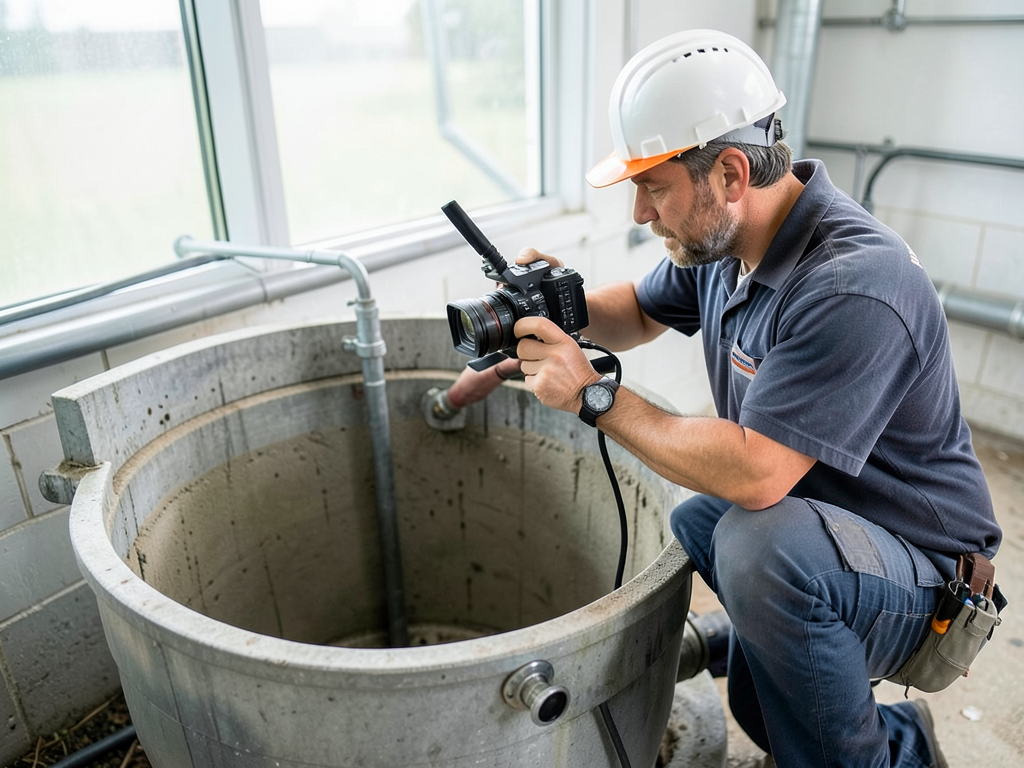
We start with high-definition video pipe inspection using crawler cameras equipped with sonar profiling. This maps internal pipe condition, identifies offset joints, quantifies root intrusion mass, and measures remaining wall thickness. The data determines whether your situation requires CIPP lining or full trenchless replacement.

For pipes with structural integrity but compromised interiors, we deploy cured-in-place pipe lining. We clean the existing line with hydro-jetting at pressures up to 4000 PSI to remove scale, grease, and biological growth. We insert a resin-impregnated felt liner through an existing access point. We inflate the liner against the host pipe using air or water pressure. We cure the resin with ambient temperature, hot water, or UV light depending on liner chemistry and pipe diameter. The result is a smooth, chemically resistant pipe with 50-year service life projections.

When your pipe has collapsed sections or severe misalignment, we use pipe bursting. A hydraulic bursting head fractures the old pipe while simultaneously pulling new HDPE pipe into place. The replacement pipe often has greater flow capacity than the original. We complete the work from two access pits, leaving your surface infrastructure intact.

Detroit's clay soil adds complexity. High plasticity creates lateral pressure on pipes during wet seasons. Our engineering calculations account for soil loading to ensure liner thickness and replacement pipe specifications exceed structural demands.

The Commercial Trenchless Repair Timeline

Trenchless Sewer Repair in Detroit | Minimize Downtime and Restore Operations Fast
01

Emergency Assessment and Planning

We deploy diagnostic equipment within hours of your call. Video inspection identifies failure location and extent. We review your operational schedule to plan access during low-activity periods. We coordinate with your facility management to secure confined space entry permits if required. You receive a scope of work document that details methodology, timeline, and site logistics before we mobilize repair equipment.
02

Minimally Invasive Repair Execution

Our crews access your sewer through existing cleanouts or manholes whenever possible. If we need to create access points, we cut precise entry pits that measure 4 feet by 4 feet instead of trenching your entire line. We stage equipment to avoid blocking customer access or delivery routes. Most commercial trenchless pipe rehabilitation completes in 24 to 72 hours depending on diameter and length. Your business stays open throughout.
03

Verification and Documentation

We conduct post-repair video inspection to verify liner adhesion, confirm smooth interior surfaces, and document that lateral connections remain unobstructed. You receive documentation that satisfies insurance requirements and municipal compliance reporting. We provide as-built drawings showing repair locations. Most Detroit commercial properties need these records for sale, refinancing, or lease negotiations. Your sewer system becomes a verified asset instead of a liability.

Why Detroit Businesses Trust Ironwood Plumbing Detroit for Critical Infrastructure

Commercial sewer failures create legal liability. Contaminated runoff that reaches storm drains triggers EPA violations. Backup flooding exposes you to premises liability claims. You need contractors who understand regulatory frameworks and work within them.

Ironwood Plumbing Detroit operates throughout Wayne County. We maintain relationships with Detroit Water and Sewerage Department inspectors. We know which repair methodologies receive approval for work affecting public mains. We handle permit acquisition and provide documentation that satisfies municipal close-out requirements.

Our technicians hold certifications in confined space entry, trenchless technology application, and commercial plumbing systems. We carry commercial general liability coverage that meets requirements for work in occupied buildings. Our equipment inventory includes pipe bursting systems rated for 4-inch through 12-inch diameter lines, the range covering most commercial laterals and building sewers.

Detroit's commercial real estate market demands rapid problem resolution. Restaurant operators in Greektown cannot afford multi-week shutdowns. Manufacturing facilities in the I-94 Industrial Corridor run continuous operations. Medical offices near the Detroit Medical Center face strict sanitation standards. We structure our response protocols around business continuity.

We also understand Detroit's building stock. Many commercial structures have combined storm and sanitary systems that predate separated sewer mandates. We navigate these complexities during repair planning to ensure compliance with current codes while respecting historic construction methods that cannot be easily modified.

What Commercial Clients Should Expect from Professional Trenchless Repair

Rapid Response and Flexible Scheduling

We dispatch assessment teams within two hours during business hours and within four hours after hours. Most diagnostic video inspections complete in under 60 minutes. We provide preliminary findings immediately so you can make informed decisions about temporary operational adjustments. Repair crews mobilize within 24 hours of approval for standard projects. True emergency situations, such as complete sewer collapse causing building evacuation, trigger immediate mobilization with crews working continuously until service restoration. We coordinate timing around your peak business hours whenever possible to minimize customer impact.

Comprehensive Diagnostic Process

Commercial sewer assessment goes beyond residential inspection. We map your entire underground system from building connection to main tie-in. We identify all lateral connections, grease trap discharge points, and floor drain networks. We measure pipe slope to verify adequate fall for gravity flow. We test for groundwater infiltration that indicates joint separation. We locate your connection to city infrastructure using electronic pipe locating equipment. This prevents accidental damage to adjacent utilities during any required excavation. You receive a written report with annotated video footage showing every defect we identify, ranked by severity and repair urgency.

Permanent, Engineered Solutions

Commercial trenchless repair must meet engineering standards that residential work does not face. We calculate hydraulic capacity based on your fixture unit count to ensure repaired pipes handle peak discharge loads. CIPP liners receive thickness specifications based on external soil loading and internal pressure ratings. Replacement pipes use SDR ratings appropriate for burial depth and traffic loading. We pressure test all work to verify structural integrity. The final product resists common commercial stressors like caustic cleaning chemicals, high-temperature discharges from commercial kitchens, and sustained high-volume flow from multi-fixture restroom banks. These repairs perform for decades under conditions that destroy standard residential fixes.

Documentation and Maintenance Planning

Your business needs records. We provide documentation packages that include pre-repair video, post-repair verification video, material certifications for liners or replacement pipe, engineering calculations justifying our methodology, and as-built drawings showing repair locations. These records satisfy lender requirements during refinancing and provide disclosure documentation for property sales. We also offer preventive maintenance agreements that include annual video inspection to catch developing problems before they cause failures. Regular hydro-jetting services prevent grease and scale accumulation that reduce flow capacity. Scheduled maintenance costs less than emergency repairs and protects the investment you made in trenchless rehabilitation.

Frequently Asked Questions

You Have Questions,
We Have Answers

Is trenchless sewer repair worth it? +

Yes, for commercial properties in Detroit. Trenchless sewer repair eliminates excavation, which means you avoid tearing up parking lots, landscaping, or loading zones. Downtime is minimal, usually 24 to 48 hours versus a week or more with traditional dig-and-replace. You also sidestep permit delays and restoration costs. For facilities where business continuity matters, trenchless methods like pipe lining or pipe bursting deliver faster ROI. Detroit's clay soil and aging cast iron lines make trenchless a smart choice when structural integrity is still intact and root intrusion or corrosion is the primary issue.

What are the disadvantages of trenchless pipe lining? +

Trenchless pipe lining is not suitable for completely collapsed lines or sections with severe offset joints. If your sewer has structural failure or heavy settling common in Detroit's expansive clay soils, lining will not restore load-bearing capacity. The process slightly reduces pipe diameter, which can impact flow in undersized lines. Lining also requires access points, so if your cleanouts are inaccessible or nonexistent, you face additional costs. Finally, not all contractors have the equipment or training, so vetting is critical. Lining works best for moderately damaged pipes with root intrusion or corrosion, not catastrophic failure.

What is the cheapest way to replace a sewer line? +

Spot repair is the cheapest option if damage is localized. You excavate only the damaged section, replace it, and backfill. This works when failure is isolated to one joint or a small segment. For full-line replacement, traditional open-trench excavation is still less expensive upfront than trenchless methods, but factor in restoration costs. In Detroit, where parking lots, concrete pads, and landscaping add thousands to restoration, trenchless pipe bursting or lining often costs less overall. The cheapest route depends on access, soil conditions, and how much disruption you can tolerate. Always get a camera inspection first to avoid guessing.

Does homeowners insurance cover sewage line repairs? +

Rarely. Most standard commercial property policies exclude sewer line repairs because they are considered maintenance, not sudden loss. If a covered peril like a fire or vehicle impact damages the line, you may have coverage. Some policies offer optional water and sewer backup endorsements, but these typically cover interior damage from backups, not the pipe itself. Review your policy carefully and discuss coverage with your broker. In Detroit, older buildings with cast iron or clay lines face higher risk, so proactive maintenance and camera inspections reduce liability. Do not assume coverage exists without written confirmation from your insurer.

How long does trenchless sewer repair last? +

Trenchless sewer repairs typically last 50 years or more when installed correctly. Cured-in-place pipe lining creates a seamless, corrosion-resistant interior that withstands root intrusion and chemical exposure. Pipe bursting replaces the old line with high-density polyethylene, which resists freeze-thaw cycles and soil movement common in Detroit. Longevity depends on soil conditions, installation quality, and ongoing maintenance. Properties with aggressive root systems or heavy grease discharge may see reduced lifespans. Regular camera inspections every three to five years catch issues early. Trenchless methods outlast cast iron and clay by decades, making them a solid long-term investment for commercial facilities.

Do plumbers recommend sewer liners? +

Yes, experienced plumbers recommend sewer liners for moderately damaged lines with intact structural integrity. Lining is ideal for addressing root intrusion, corrosion, and minor cracks without excavation. In Detroit, where freeze-thaw cycles and clay soil movement stress aging cast iron and clay pipes, lining extends service life cost-effectively. However, liners are not a fix for collapsed pipes, severe offset joints, or lines with heavy structural failure. Plumbers use camera inspections to determine candidacy. Lining works best when the existing pipe still has structural capacity. For commercial properties prioritizing uptime and minimal disruption, liners are a proven, code-compliant solution when conditions warrant.

How often does a sewer line need to be replaced? +

Sewer lines typically last 50 to 100 years depending on material. Cast iron and clay, common in older Detroit buildings, often fail earlier due to corrosion, root intrusion, and soil movement. Replacement becomes necessary when camera inspections reveal widespread cracks, collapses, or chronic backups. Properties with frequent stoppages or recurring issues should inspect every two to three years. If repairs become frequent, full replacement is more cost-effective than patching. Modern materials like PVC or HDPE installed via trenchless methods can last 100 years. Proactive inspections catch problems before catastrophic failure, reducing liability and avoiding emergency shutdowns during business hours.

How much does it cost to reline a sewage pipe? +

Relining costs vary based on pipe diameter, length, and access conditions. For commercial properties in Detroit, expect costs to reflect the scope of prep work, including cleaning, root removal, and any access point installation. Relining avoids excavation, restoration, and permit delays, which add significant expense to traditional replacement. Costs are influenced by soil conditions, proximity to existing utilities, and whether the line runs under pavement or landscaping. While specific figures vary, relining is often competitive with or less expensive than open-trench replacement when you factor in total project costs. Always request a camera inspection and detailed scope before committing.

Is sewer pipe relining worth it? +

Yes, for commercial properties where downtime and disruption carry high costs. Relining eliminates excavation, preserves parking lots and landscaping, and restores function quickly. In Detroit, where clay soil and freeze-thaw cycles stress aging cast iron and clay lines, relining extends service life by 50 years or more. The process is code-compliant, warrantied, and ideal for moderately damaged pipes with root intrusion or corrosion. Relining is not suitable for collapsed lines or severe structural failure. However, when conditions align, relining delivers faster ROI, minimal business interruption, and long-term reliability. Camera inspections determine candidacy and ensure you invest in the right solution.

Can a homeowner replace a sewer line? +

Legally, no. Detroit requires licensed plumbers to perform sewer line work due to public health and safety codes. Sewer lines connect to municipal systems, and improper installation risks contamination, backups, and code violations. Commercial properties face additional liability if unlicensed work causes damage or fails inspection. DIY replacement also voids permits and complicates future sales or financing. Homeowners and property managers should hire licensed, insured contractors who pull permits, perform camera inspections, and guarantee code-compliant work. Trenchless methods require specialized equipment and training that DIY approaches cannot replicate. Protect your investment and avoid costly fines by using qualified professionals for all sewer line work.

Why Freeze-Thaw Cycles Make Trenchless Repair Essential for Detroit Commercial Properties

Detroit experiences an average of 60 freeze-thaw cycles each winter. Water infiltrates pipe joints during wet periods. When temperatures drop below 32 degrees, that water expands as it freezes, forcing joints apart. Clay pipe, common in Detroit commercial districts built before 1970, lacks the tensile strength to resist this expansion. Each cycle incrementally worsens joint separation until you face complete pipe collapse. Traditional excavation and replacement repeats this vulnerability because new joints eventually face the same forces. CIPP sewer repair eliminates joints entirely. The cured liner forms one continuous pipe that has no weak points where freeze-thaw damage can initiate. Businesses near the Detroit River and in low-lying areas around Palmer Park face particularly aggressive groundwater infiltration that accelerates this cycle.

Detroit commercial building codes administered through the Buildings, Safety Engineering and Environmental Department require specific documentation for underground utility repairs. Projects affecting right-of-way require coordination with the Detroit Water and Sewerage Department. Contractors must demonstrate that repair methodologies meet ASTM F1216 standards for CIPP installations and ASTM F1804 standards for polyethylene pipe. Ironwood Plumbing Detroit maintains contractor registration with the City of Detroit and carries the commercial licensing required for work on buildings exceeding three stories or 10,000 square feet. We provide the engineering stamps and third-party testing documentation that municipal inspectors require for permit close-out. This local regulatory knowledge prevents project delays that cost you money.
Plumbing Services in The Detroit Area

Ironwood Plumbing proudly serves Detroit and the surrounding areas with reliable, professional plumbing solutions. Whether you’re a homeowner or a business owner, you can count on our fast response times and expert service. Use the map below to find our office or check if your location is within our service radius. We’re easy to reach and always happy to help — just call, click, or visit us today to schedule your plumbing service with a local team that truly cares.

Address:
Ironwood Plumbing Detroit, 3200 Greenfield Rd, Detroit, MI, 48120

Additional Services We Offer

Our news updates

Latest Articles & News from The Blogs

Plumbing Requirements for Luxury Body Jets and Rain Showerheads in West Bloomfield High-end luxury shower systems in West Bloomfield demand…

Plumbing Requirements for Luxury Body Jets and Rain Showerheads in West Bloomfield

Plumbing Requirements for Luxury Body Jets and Rain Showerheads in West Bloomfield High-end luxury shower systems in West Bloomfield demand…

The Truth About Septic Tank Additives and Why They Might Not Save You a Pump-Out in Brighton

The Truth About Septic Tank Additives and Why They Might Not Save You a Pump-Out in Brighton Walk into any…

How to Choose the Right Horsepower for Your Next Dearborn Garbage Disposal

Understanding Garbage Disposal HP: Why It Matters The right garbage disposal horsepower directly affects how quickly and thoroughly your kitchen…

Contact Us

Sewer problems compound fast. Small blockages become complete backups. Minor leaks turn into structural failures. Call (313) 572-4144 now for emergency assessment or to schedule diagnostic inspection before problems shut down your operation.