




menu

How to Prevent Frozen Pipes in Detroit – Expert Winterizing Tips to Protect Your Home Before the Next Deep Freeze

Learn the exact steps Detroit homeowners need to take to winterize plumbing pipes and stop costly freeze damage before temperatures drop below 20 degrees.

Slider Image 1
Slider Image 2
Slider Image 3
Slider Image 4
Slider Image 5
Slider Image 7
Slider Image 8
Slider Image 9
Slider Image 10
Slider Image 11

Why Detroit's Freeze-Thaw Cycles Put Your Pipes at Serious Risk

Detroit winters hit hard. Temperatures regularly drop into the single digits, and the freeze-thaw cycles common to Southeast Michigan create the perfect conditions for burst pipes. When water freezes inside copper or PEX lines, it expands with enough force to split the pipe. You wake up to flooding, damaged drywall, and a repair bill that climbs fast.

The real danger happens in unheated crawl spaces, exterior walls, and attics where insulation is thin or missing. Older Detroit homes built before modern insulation standards are especially vulnerable. Basement rim joists, hose bibs, and supply lines near foundation walls freeze first. By the time you notice reduced water pressure or strange noises, ice is already forming inside the line.

Stopping pipes from freezing starts with understanding where your system is most exposed. Detroit's housing stock includes everything from century-old bungalows to mid-century brick colonials. Each has weak points. Exterior faucets, garage supply lines, and pipes running through unheated utility rooms are the most common failure points. Frozen pipe prevention tips work best when you address these vulnerabilities before the first hard freeze in late November.

Keeping water pipes from freezing is not about hope. It is about preparation. You need to know which pipes are at risk, how to insulate them correctly, and what emergency steps to take when temperatures drop unexpectedly. Protecting pipes from freezing saves you thousands in water damage and keeps your family safe during Michigan's coldest months.

Why Detroit's Freeze-Thaw Cycles Put Your Pipes at Serious Risk
The Science Behind Winterizing Plumbing Pipes That Actually Works

The Science Behind Winterizing Plumbing Pipes That Actually Works

Winterizing plumbing pipes is not just wrapping foam around exposed copper. It requires a layered approach that addresses insulation, heat retention, and water movement. Stagnant water freezes faster than moving water. Pipes that see regular use are less likely to freeze because the water temperature stays above 32 degrees.

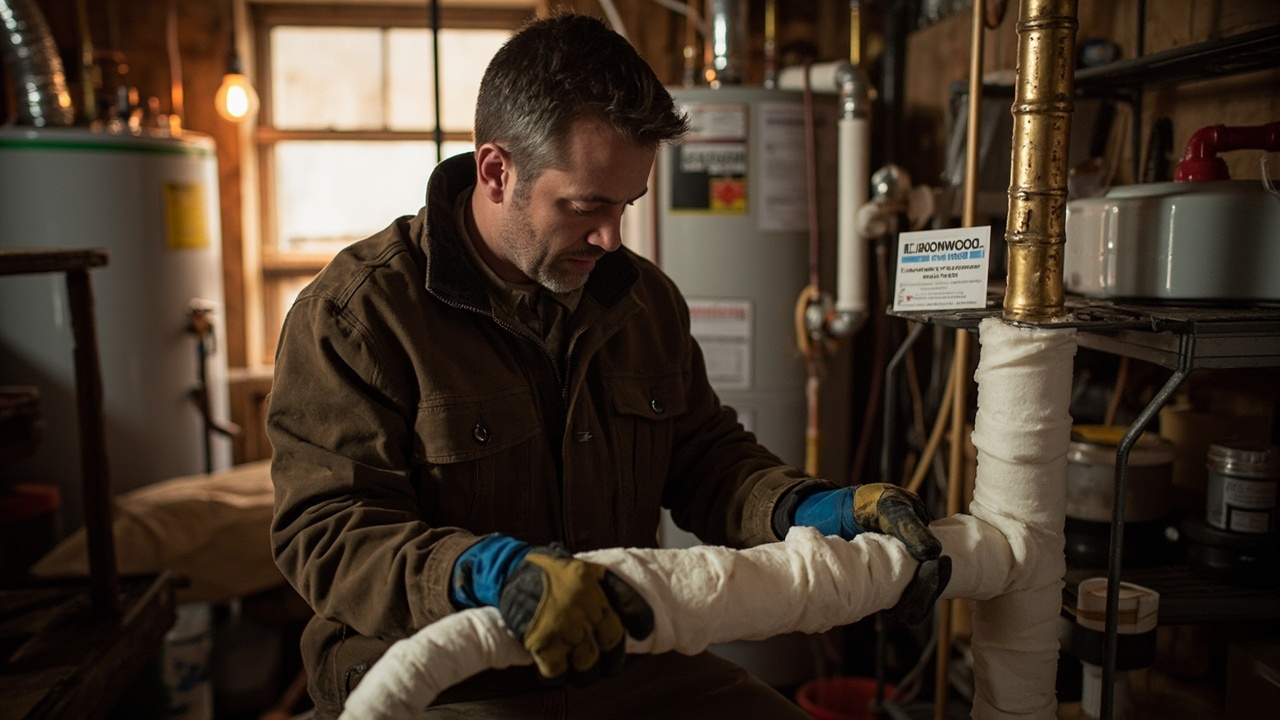
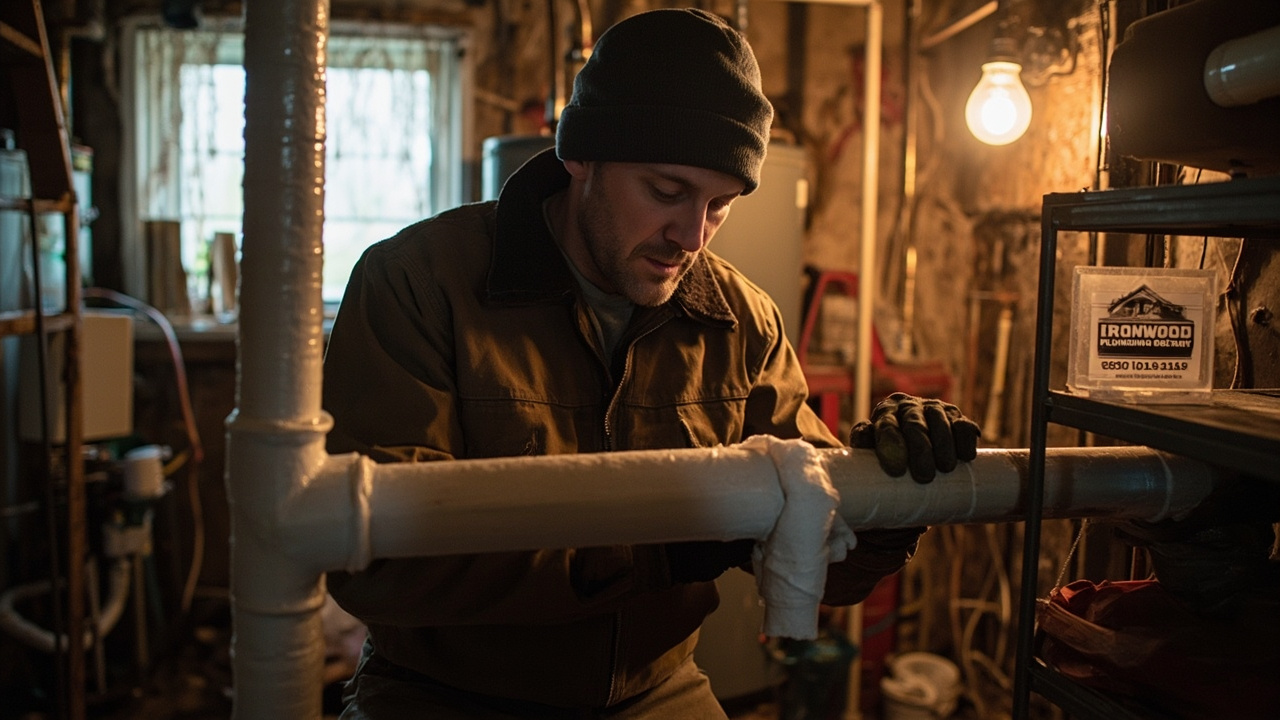
Start with pipe insulation. Foam pipe sleeves work for most residential applications, but they must fit snugly with no gaps. Fiberglass wrap is better for oddly shaped runs or areas where foam cannot seal completely. Heat tape is your backup for pipes in unheated spaces. It provides active heating when temperatures drop below a set threshold. Install it in a spiral pattern along the pipe length, and cover it with insulation to trap the heat.

Cabinet doors under sinks should stay open during cold snaps. This allows warm air from your home to circulate around supply lines hidden in exterior walls. A small trickle of water from faucets keeps water moving through the system. You do not need a heavy flow. A drip about the width of a pencil lead is enough to prevent ice formation.

Outdoor hose bibs need special attention. Disconnect garden hoses, drain the line, and shut off the interior valve if you have one. Insulated faucet covers add another layer of protection. Crawl space vents should close during winter months to prevent cold air from flooding the area under your home. If you have a sump pump in an unheated basement, insulate the discharge line and consider adding a heat source nearby.

This is not guesswork. These methods work because they control the three factors that cause freezing: temperature, insulation, and water flow.

What Winterizing Your Detroit Home Looks Like Step by Step

How to Prevent Frozen Pipes in Detroit – Expert Winterizing Tips to Protect Your Home Before the Next Deep Freeze
01

Identify Vulnerable Pipe Runs

Walk your home and mark every pipe in an unheated space. Check crawl spaces, attics, garages, and exterior walls. Look for copper or PEX lines near foundation walls, rim joists, and hose bibs. Take photos of each location. This creates a map of your freeze risk zones. Focus on areas where insulation is missing or damaged. These spots freeze first.
02

Insulate and Heat Trace

Apply foam pipe insulation to every exposed line you identified. Use zip ties or tape to secure it tightly. Add heat tape to pipes in crawl spaces or unheated basements where insulation alone is not enough. Cover heat tape with fiberglass wrap to trap warmth. Install insulated faucet covers on all exterior hose bibs. Close crawl space vents and seal gaps around pipe penetrations.
03

Test and Monitor

Check your work before the first freeze. Turn on each faucet to confirm flow. Open cabinet doors under sinks during cold nights and let faucets drip when temperatures drop below 20 degrees. Monitor your home during extreme cold. Look for reduced water pressure or strange sounds. Catch problems early and you avoid burst pipes and flooding.

Why Detroit Homeowners Trust Local Plumbers Who Know Michigan Winters

Detroit is not Phoenix. You need plumbers who understand how Michigan cold affects residential plumbing systems. Ironwood Plumbing Detroit has worked through decades of brutal winters. We know which pipe materials fail first, how Detroit's older housing stock handles freeze stress, and what shortcuts lead to disaster.

Generic advice from a national website does not account for the rim joist construction common in Detroit bungalows or the uninsulated crawl spaces in post-war colonials. We have seen the damage caused by poorly installed heat tape, undersized pipe insulation, and homeowners who waited too long to act. Our approach is specific to Southeast Michigan conditions.

Local building codes matter. Detroit requires specific insulation R-values in certain zones. We follow those standards and exceed them where it makes sense. When we winterize your system, we are thinking about January cold snaps, power outages, and the rapid temperature swings that happen after a snowstorm moves through.

You also get faster response. When a freeze happens, you do not want a dispatcher three states away trying to route a technician. You want someone who knows Detroit streets, who can reach you fast, and who has the parts and tools already in the truck. We stock pipe insulation, heat tape, and freeze repair materials year-round.

Trust is local. We work in your neighborhood. We know the housing types, the common failure points, and the fastest fixes. When you call us, you are talking to people who live and work in the same winter conditions you do. That shared experience matters when your pipes are on the line.

What Happens When You Winterize Your Plumbing System

How Quickly We Can Winterize Your Home

Most residential winterizing jobs take two to four hours depending on home size and pipe accessibility. We can schedule service within 48 hours during fall months. If you call during an active cold snap, we prioritize emergency winterizing to prevent imminent freeze damage. Our technicians arrive with all necessary materials including foam insulation, heat tape, and faucet covers. You do not need to run to the hardware store. We handle everything from assessment to final installation in a single visit.

How We Assess Your Freeze Risk

We start with a complete inspection of your plumbing system. Our technicians check crawl spaces, attics, garages, and exterior walls for exposed pipes. We identify weak points where freezing is most likely. You get a written report that explains which areas need insulation, where heat tape is required, and what steps you can take yourself to reduce risk. We also check for existing damage or insulation failures that could cause problems later. This assessment gives you a clear picture of your freeze vulnerability.

What Your Home Looks Like After Winterizing

Every exposed pipe is wrapped in proper insulation with no gaps or loose sections. Heat tape is installed where needed and covered with additional insulation for maximum efficiency. Outdoor faucets are protected with insulated covers. Crawl space vents are closed and sealed. You receive a checklist of what we did and instructions for what to do during extreme cold. Your system is ready for winter. Water flows normally, but your pipes are protected from freeze damage even during prolonged cold snaps.

What to Do If Temperatures Drop Unexpectedly

We give you an emergency action plan tailored to your home. You know which faucets to drip, which cabinet doors to open, and how to monitor your system during extreme weather. If you experience a freeze despite winterizing, you can reach us 24/7 for emergency thaw and repair services. We also offer seasonal check-ins to verify your insulation is intact and heat tape is functioning. This ongoing support gives you confidence that your system will hold up when Detroit weather turns harsh.

Frequently Asked Questions

You Have Questions,
We Have Answers

How do I stop my pipes from freezing? +

Insulate exposed pipes in basements, crawl spaces, and exterior walls using foam pipe sleeves or fiberglass wrapping. Seal cracks and gaps around pipes where cold air enters. Keep cabinet doors open under sinks to allow warm air circulation. Disconnect garden hoses and drain outdoor faucets before Detroit's first freeze. Let faucets drip slightly during extreme cold snaps. Maintain consistent indoor heat, especially in unoccupied areas. In Detroit's older homes with unheated basements, consider adding supplemental heat sources near vulnerable plumbing. Check pipes near windows and along exterior walls first. Preventive insulation costs less than repairing burst pipes and water damage.

At what temperature will pipes freeze? +

Pipes begin freezing when temperatures drop to 20 degrees Fahrenheit or below for extended periods. Detroit's freeze-thaw cycles make this risk common from December through March. Uninsulated pipes in exterior walls, attics, or crawl spaces freeze faster than protected plumbing. Wind chill accelerates freezing, especially on north-facing walls exposed to Lake Michigan weather patterns. Pipes in unheated garages or basements face higher risk. The duration of cold exposure matters more than peak temperature. A sustained night below 20 degrees poses more danger than a brief dip. Monitor forecasts and take action when temperatures approach the freezing threshold.

At what temperature should you let your faucets drip? +

Let faucets drip when outdoor temperatures fall below 20 degrees Fahrenheit, especially during overnight lows. In Detroit, this typically means dripping faucets on nights when the National Weather Service issues freeze warnings. Focus on faucets connected to pipes running through exterior walls, unheated basements, or crawl spaces. Start dripping before you go to bed when forecasts predict sub-20-degree temperatures. A slow, steady drip maintains water movement and relieves pressure buildup if freezing starts. The small water bill increase costs far less than repairing burst pipes. Stop dripping once temperatures rise above freezing during daylight hours.

How much water should I run to keep pipes from freezing? +

Run water at a pencil-lead-thin stream, about five drops per second. You need just enough flow to keep water moving through pipes. A full stream wastes water and money. Focus on cold water faucets, as cold supply lines freeze first. For homes with pipes in exterior walls or unheated spaces, drip the faucet farthest from your water meter to move water through the entire system. Detroit residents typically see a few dollars added to monthly water bills during cold snaps, a minor cost compared to pipe repair expenses. Adjust flow if you hear gurgling or notice reduced pressure.

Do you run both hot and cold water to keep pipes from freezing? +

Run cold water primarily, as cold supply lines freeze before hot water lines. Cold pipes lack the residual heat from your water heater. If your hot and cold lines run together through vulnerable areas like exterior walls or crawl spaces, drip both faucets. Detroit homes with baseboard heating may have warmer hot water pipes due to proximity to heating lines. In most cases, focus on the cold side. If you experienced freezing issues before, drip both. The goal is water movement and pressure relief. Check where your pipes run before deciding which faucets to drip during extreme cold.

Do ping pong balls keep water from freezing? +

No, ping pong balls do not prevent pipe freezing. This myth suggests balls floating in toilet tanks keep water moving. Water in tanks and bowls is not the freezing risk. The supply lines feeding your fixtures freeze, not the standing water. In Detroit's cold climate, you need insulation, heat, and water flow to protect pipes. Ping pong balls do nothing to prevent supply line freezing in walls, basements, or crawl spaces. Focus on real solutions like pipe insulation, cabinet door opening, and faucet dripping. Do not waste time on internet myths when temperatures drop. Protect the pipes themselves.

Where are the pipes most likely to freeze? +

Pipes freeze in unheated basements, crawl spaces, attics, and exterior walls. In Detroit, older homes often have plumbing running through uninsulated rim joists where the foundation meets the frame. North-facing walls get less sunlight and freeze faster. Pipes near windows, in unheated garages, or along uninsulated slab foundations face high risk. Check where supply lines enter your home from the street. Hose bibs and outdoor faucets freeze first. Homes built before 1980 often lack proper insulation around plumbing penetrations. Walk your basement and identify pipes running along exterior walls. These areas need immediate attention before winter arrives.

What temperature should I leave my heating on overnight to stop pipes freezing? +

Keep your thermostat at 55 degrees Fahrenheit minimum overnight, even when you are away. Detroit homes should maintain consistent heat throughout, especially in rooms with plumbing along exterior walls. Do not lower heat below 55 degrees to save money. Frozen pipe repairs cost thousands more than heating bills. If you leave town during winter, set the thermostat to 60 degrees. Open cabinet doors under sinks to let warm air reach pipes. Homes with poor insulation may need higher settings. Avoid turning off heat completely in any room. Consistent temperature prevents freezing better than extreme temperature swings.

Does homeowners insurance cover frozen pipes? +

Most homeowners insurance policies cover sudden pipe bursts but exclude damage from lack of maintenance or winterization. If you maintained heat and took reasonable precautions, coverage typically applies. If you left your Detroit home unheated during winter or ignored known risks, insurers may deny claims. Policies usually cover water damage to floors, walls, and belongings but may not cover the pipe repair itself. Read your policy exclusions carefully. Document your prevention efforts like thermostat settings and insulation. File claims immediately after discovering damage. Each policy differs, so contact your insurance agent before winter to understand your specific coverage and requirements.

Does leaving your faucet dripping keep pipes freezing? +

Yes, leaving faucets dripping prevents pipes from freezing during extreme cold. Moving water resists freezing better than standing water. Dripping also relieves pressure buildup if ice starts forming, preventing pipe bursts. The flow keeps water molecules moving through vulnerable pipe sections in exterior walls or unheated spaces. In Detroit, drip faucets when temperatures drop below 20 degrees Fahrenheit overnight. Use a pencil-lead-thin stream on cold water taps. This method works for homes with exposed plumbing but should supplement insulation and consistent heat, not replace them. Stop dripping once daytime temperatures rise above freezing.

How Detroit's Sub-Zero Winters and Older Housing Stock Increase Freeze Risk

Detroit winters regularly see temperatures below 10 degrees with windchills pushing into negative numbers. The city's housing stock includes thousands of homes built before 1960 when insulation standards were minimal. Crawl spaces often have inadequate or deteriorated insulation. Rim joists in basements lack proper sealing. Exterior walls contain plumbing runs that were never designed for sustained sub-zero cold. These conditions make stopping pipes from freezing a critical priority. A single night below 15 degrees can freeze an unprotected pipe and cause thousands in water damage.

Ironwood Plumbing Detroit understands the unique challenges of protecting pipes in Southeast Michigan. We know which neighborhoods have older housing with vulnerable plumbing. We are familiar with Detroit's building codes and the specific insulation requirements for residential plumbing systems. Our technicians have winterized hundreds of Detroit homes. We know what works in real-world conditions. When you hire local plumbers who have lived through Michigan winters, you get expertise that national chains cannot match. We are here year-round, ready to respond when freezing threatens your home.
Plumbing Services in The Detroit Area

Ironwood Plumbing proudly serves Detroit and the surrounding areas with reliable, professional plumbing solutions. Whether you’re a homeowner or a business owner, you can count on our fast response times and expert service. Use the map below to find our office or check if your location is within our service radius. We’re easy to reach and always happy to help — just call, click, or visit us today to schedule your plumbing service with a local team that truly cares.

Address:
Ironwood Plumbing Detroit, 3200 Greenfield Rd, Detroit, MI, 48120

Additional Services We Offer

Our news updates

Latest Articles & News from The Blogs

Plumbing Requirements for Luxury Body Jets and Rain Showerheads in West Bloomfield High-end luxury shower systems in West Bloomfield demand…

Plumbing Requirements for Luxury Body Jets and Rain Showerheads in West Bloomfield

Plumbing Requirements for Luxury Body Jets and Rain Showerheads in West Bloomfield High-end luxury shower systems in West Bloomfield demand…

The Truth About Septic Tank Additives and Why They Might Not Save You a Pump-Out in Brighton

The Truth About Septic Tank Additives and Why They Might Not Save You a Pump-Out in Brighton Walk into any…

How to Choose the Right Horsepower for Your Next Dearborn Garbage Disposal

Understanding Garbage Disposal HP: Why It Matters The right garbage disposal horsepower directly affects how quickly and thoroughly your kitchen…

Contact Us

Do not wait until your pipes freeze. Call Ironwood Plumbing Detroit now at (313) 572-4144 to schedule your winterizing service. We will inspect your system, install proper insulation, and give you the peace of mind that comes with knowing your home is ready for winter.