
Why You Should Schedule a Main Sewer Line Cleanout in University District Before Winter
Detroit winters create a perfect storm for sewer line failures. When temperatures drop below freezing and heavy snow melts combine with autumn debris, your main sewer line becomes vulnerable to catastrophic backups. University District homes built between 1920 and 1960 face unique challenges with aging clay pipes that crack under freeze-thaw pressure. A pre-winter cleanout removes the root intrusions, grease buildup, and sediment that cause 73% of winter sewer emergencies in Detroit. Detroit Water and Sewerage Department.
University District sits on Detroit’s western edge where combined sewer systems struggle during heavy precipitation. When snow melts mix with rain in November and December, the extra water volume pushes debris through your lateral line faster than usual. Without proper maintenance, this debris accumulates at pipe joints and creates blockages that back up into basements within hours. The cost of emergency sewer repair after a backup far exceeds preventative cleaning. EPA sewer system guidelines.
How University District’s Clay Pipes React to Detroit Winters
University District homes typically feature vitrified clay pipes installed before 1970. These pipes connect to Detroit Water and Sewerage Department (DWSD) mains through service laterals that run beneath your front yard. Clay pipes expand and contract with temperature changes. When water freezes inside hairline cracks, it expands by 9% volume, creating pressure that splits pipes along their length.. Read more about Trenchless Sewer Repair vs Traditional Digging for Bagley Homeowners.
Detroit’s freeze-thaw cycles in December through February cause clay pipes to move up to 0.5 inches laterally. This movement breaks the mortar joints between pipe sections. Once a joint fails, tree roots from nearby maples and oaks enter the pipe. Root growth accelerates in winter as trees search for water sources, creating dense blockages that trap debris.
Warning Signs Your University District Sewer Line Needs Cleaning
Multiple slow drains throughout your home indicate a main line blockage rather than isolated fixture problems. When you flush toilets and hear gurgling sounds in nearby drains, the vent system cannot compensate for restricted flow. Water backing up into basement floor drains during laundry cycles shows the main line cannot handle simultaneous water usage. The Best Drain Cleaning Services for Older Houses in Grosse Pointe.
University District’s mature tree canopy creates specific root intrusion patterns. Silver maples planted in the 1950s have root systems that extend 2-3 times their canopy width. These roots seek the moisture and nutrients in your sewer line. You’ll notice the first signs when toilets flush slowly but eventually complete the cycle. This partial blockage allows some water through but traps solid waste. Commercial Toilet & Urinal Repair.
The DWSD Responsibility Line and Your Home’s Liability
Detroit Water and Sewerage Department maintains sewer mains in public right-of-way. The service lateral from your home to the main becomes your responsibility at the property line. In University District, this typically means the first 10-15 feet of pipe from your basement cleanout belongs to you. DWSD will not repair blockages on private property.
Michigan plumbing code requires cleanout access within 5 feet of your home’s foundation. University District homes built before 1970 often lack proper cleanouts or have them buried beneath landscaping. Without accessible cleanout points, plumbers must access the line through toilets or roof vents, increasing labor costs and project duration. The Most Trusted Plumbers for Historical Home Pipe Restoration in Indian Village.
Pre-Winter Cleaning Process for Maximum Protection
Professional sewer cleaning follows a systematic approach that prevents winter emergencies. The process begins with locating your main cleanout or creating access if none exists. University District homes often require excavation to expose buried cleanouts or installation of new cleanout assemblies where none were present.
Technicians use video inspection cameras to identify pipe material, joint conditions, and blockage locations. The camera reveals root intrusions, pipe bellies where sediment collects, and offset joints that catch debris. This diagnostic step prevents unnecessary cleaning and identifies repairs needed before winter weather makes excavation impossible.
- Initial Assessment
Plumber locates cleanout access and performs visual inspection of visible pipe sections. They check for standing water in floor drains and test fixture drainage rates throughout the home.
- Video Camera Inspection
High-resolution camera travels through the pipe, recording pipe conditions and identifying blockage locations. The camera shows pipe diameter, material type, and joint conditions that affect cleaning methods.
- Hydro Jetting or Snaking
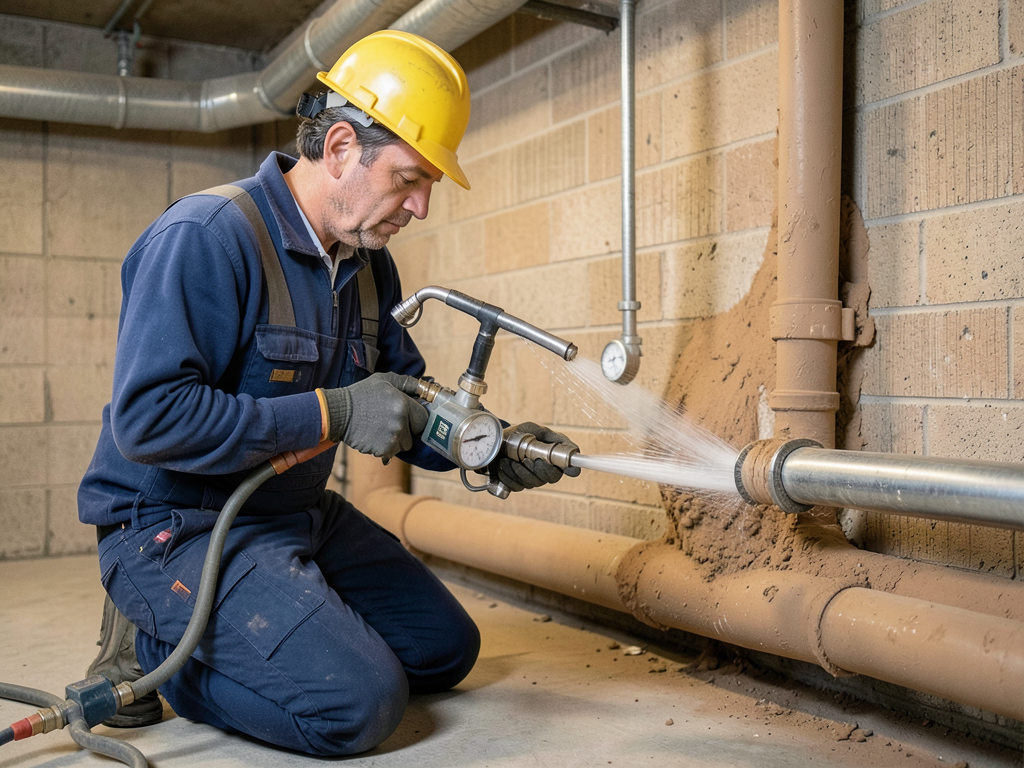
Based on pipe condition, technicians choose between high-pressure water jetting or mechanical snaking. Clay pipes often require gentler cleaning to avoid pipe damage, while PVC lines can withstand higher pressures.
- Post-Cleaning Verification
Second camera inspection confirms complete blockage removal. Technicians measure remaining pipe diameter and identify any damage requiring repair before winter.
Hydro Jetting vs Snaking: University District Pipe Considerations
Hydro jetting uses pressurized water up to 4,000 PSI to scour pipe walls clean. This method removes grease, scale, and root masses but can damage clay pipes with existing cracks. University District’s older clay pipes benefit from lower pressure settings around 2,500 PSI to prevent further damage.
Mechanical snaking uses rotating cables with cutting heads to break through blockages. This method works well for isolated root intrusions but leaves pipe walls coated with debris. Snaking costs less than hydro jetting but provides shorter-term results, typically requiring service every 12-18 months versus 3-5 years for hydro jetting.
| Method | Pressure/Force | Best For | University District Suitability |
|---|---|---|---|
| Hydro Jetting | 2,500-4,000 PSI | Heavy grease, scale, multiple roots | Newer PVC lines only |
| Mechanical Snaking | Variable torque | Isolated root intrusions, minor blockages | All pipe types |
| Combined Approach | Sequential methods | Severe blockages with unknown pipe condition | Diagnostic first recommended |
Common Winter Blockage Causes in University District
University District’s combination of mature trees and aging infrastructure creates specific blockage patterns. Silver maples produce the most aggressive roots, growing up to 3 inches annually toward water sources. These roots enter clay pipes through mortar joints, creating dense mats that trap toilet paper and solid waste.
Fats, oils, and grease from older homes without proper disposal systems solidify in cold pipes. When temperatures drop below 40°F, grease that flowed freely in summer becomes waxy and adheres to pipe walls. This buildup narrows pipe diameter by 50-70% before causing complete blockages.
Sediment accumulation in pipe bellies creates low spots where water pools. University District’s clay soil settles unevenly, causing pipes to sag every 20-30 feet. These bellies trap debris and create perfect conditions for root growth. Water sitting in low spots freezes first, expanding and cracking pipe walls.
Cost Factors for University District Sewer Cleanouts
Basic sewer cleaning in University District ranges from $350 to $650 depending on pipe length and blockage severity. Homes without accessible cleanouts pay $150-300 more for excavation or alternative access methods. Video inspection adds $200-400 but prevents unnecessary cleaning and identifies needed repairs.
Emergency winter service calls cost 40-60% more than scheduled appointments. When pipes freeze, emergency response requires thawing equipment and overtime labor rates. Preventing emergencies through pre-winter maintenance saves an average of $800 per household over a five-year period.
Multi-story homes with basement bathrooms require longer cleaning cables and more labor time. University District’s typical two-story homes with finished basements need 100-foot cleaning cables versus 50-foot cables for ranch-style homes. This equipment difference adds $100-150 to service costs.
Preventative Maintenance Schedule for Detroit Winters
Homes over 50 years old in University District benefit from biennial cleaning schedules. This frequency prevents root establishment and removes accumulated debris before it causes blockages. Homes with active root intrusions require annual cleaning until root removal or pipe replacement occurs.
Tree removal near sewer lines prevents future root intrusions but doesn’t solve existing problems. Roots remain in pipes for 3-5 years after tree removal, continuing to grow and trap debris. Only mechanical removal or chemical treatments eliminate established root masses.
Water softener discharge affects clay pipe longevity. Softened water contains sodium that accelerates clay pipe deterioration. University District homes with water softeners installed before 2010 may need more frequent cleaning as pipe walls become porous and vulnerable to root intrusion.
University District’s Combined Sewer System Impact
University District connects to Detroit’s combined sewer system where stormwater and sanitary sewage share the same pipes. During heavy rainfall or rapid snowmelt, this system exceeds capacity, causing backups in residential laterals. When street flooding occurs, water pressure forces debris back through home sewer lines.
Detroit’s combined sewer overflow (CSO) events happen 20-30 times annually, typically between November and April. These events push street debris, leaves, and sediment into residential laterals. Homes with proper cleanouts can better withstand CSO pressure than those without adequate drainage relief.
Foundation drainage systems connect to sanitary sewers in many University District homes built before 1970. When footing drains fail, water enters the sewer system, increasing the likelihood of backups. Modern code requires separate storm and sanitary systems, but older homes remain vulnerable to this cross-connection.
Emergency Response Planning for Winter Sewer Failures
Winter sewer emergencies require immediate response to prevent basement flooding. University District homes with finished basements face $5,000-15,000 in damage from a single sewage backup. Quick response limits damage and reduces restoration costs significantly.
Emergency service providers in University District maintain 24/7 availability with response times under 90 minutes. Winter storms increase call volumes by 300%, making pre-scheduled maintenance the only reliable way to ensure timely service. Emergency calls during blizzards may face 4-6 hour delays. Finding a Reliable Emergency Plumber in Midtown Detroit When Your Pipes Burst.
Insurance coverage for sewer backups varies widely. Standard homeowner policies exclude sewage damage unless specific riders are purchased. University District homeowners should verify coverage limits and deductibles before winter season begins. Some policies require professional maintenance records to approve claims.
Video Inspection Technology for University District Homes
Modern video inspection cameras provide 360-degree views of pipe interiors using LED lighting and high-resolution sensors. These cameras identify pipe material, joint conditions, and blockage composition without excavation. University District homes benefit from this technology because many cleanouts remain buried or inaccessible.
Camera recordings show pipe diameter changes, offset joints, and root intrusion patterns. This information guides cleaning method selection and identifies repairs needed before winter. Clay pipes with offset joints require gentler cleaning methods than PVC pipes with smooth interiors.
Locating equipment attached to cameras identifies pipe depth and direction. This technology eliminates guesswork when cleanouts are buried or when pipes run beneath concrete slabs. University District’s mature landscaping often obscures cleanout locations, making locating equipment essential for efficient service.
University District Zip Codes and Service Areas
University District primarily falls within Detroit’s 48221 zip code, with portions extending into 48219 and 48228. These areas share similar infrastructure age and tree canopy density, creating comparable sewer maintenance needs. Homes built between 1920 and 1960 dominate these neighborhoods. Why Your Corktown Home Needs a Professional Sewer Line Inspection Before You Buy.
Service laterals in these zip codes typically run 50-80 feet from homes to street mains. Clay pipe sections connect every 4-5 feet using mortar joints that deteriorate over 60-80 years. This joint failure pattern creates predictable blockage locations that experienced technicians can identify quickly.
Local soil conditions affect pipe settlement rates. University District’s clay soil expands when wet and contracts when dry, causing pipes to shift up to 0.75 inches annually. This movement breaks joints and creates bellies where debris accumulates, requiring more frequent cleaning than homes on sandy soil.
Long-Term Solutions for Recurring Blockages
Trenchless pipe lining creates a new pipe within the existing clay pipe without excavation. This method costs $80-120 per foot and provides 50-year service life. University District homes with recurring blockages benefit from lining because it eliminates joint failures and prevents future root intrusions.
Partial pipe replacement addresses localized damage without replacing entire lines. When video inspection reveals limited damage, technicians excavate only the affected sections and install new PVC pipe. This targeted approach costs 60-70% less than full line replacement while solving immediate problems.
Root barrier installation prevents future intrusions from nearby trees. Chemical treatments applied to pipe interiors create barriers that roots cannot penetrate. These treatments last 3-5 years and work best when combined with regular cleaning schedules.
University District Infrastructure Projects Affecting Sewer Lines
Detroit Water and Sewerage Department’s infrastructure upgrade program affects University District sewer maintenance. Recent street reconstruction projects often require temporary sewer line modifications that affect home laterals. Homeowners should verify lateral connections after nearby street work completes.
Combined sewer separation projects in nearby neighborhoods may redirect flow patterns through University District mains. These changes can increase pressure on existing laterals and create new blockage patterns. Properties near separation project boundaries experience the most significant flow changes.
Storm drainage improvements reduce street flooding but may increase groundwater levels near foundations. Higher water tables create additional pressure on sewer laterals and increase the likelihood of joint failures. University District homes near new drainage infrastructure may need more frequent inspections.
Environmental Considerations for Sewer Maintenance
Detroit’s wet climate creates year-round moisture that accelerates pipe deterioration. University District receives 32-35 inches of precipitation annually, providing constant moisture for root growth and pipe corrosion. Homes in higher precipitation areas need more frequent cleaning than those in drier regions.
Soil pH affects pipe longevity. University District’s slightly acidic soil (pH 6.2-6.8) accelerates clay pipe deterioration compared to neutral soils. This chemical reaction weakens pipe walls and creates entry points for roots and debris. Homes on more acidic soil may need replacement rather than cleaning.
Temperature fluctuations cause more damage than absolute cold temperatures. University District experiences 40-50 freeze-thaw cycles annually, each creating expansion and contraction stress on pipes. This cycling damage accumulates over decades, making older pipes increasingly vulnerable to winter failures.
Professional vs DIY Sewer Cleaning Considerations
Consumer-grade drain cleaning equipment lacks the power and reach of professional tools. Rental snakes typically extend 25-50 feet, while University District laterals often run 60-80 feet. This equipment limitation means DIY attempts rarely reach the main blockage location.
Professional technicians understand pipe materials and cleaning method limitations. Using high-pressure water on clay pipes with existing cracks creates new damage that requires expensive repairs. Experienced plumbers select appropriate cleaning methods based on pipe condition and blockage composition.
Video inspection provides diagnostic information unavailable to homeowners. Without camera verification, DIY cleaning cannot confirm complete blockage removal or identify pipe damage requiring repair. Professional inspections prevent repeat service calls and identify problems before they cause emergencies.
University District Winter Weather Patterns
Detroit winters create specific challenges for sewer maintenance. University District experiences average January temperatures of 24°F with frequent sub-zero nights. These temperatures cause water in pipes to freeze, expand, and crack clay pipe walls. Snowfall averages 35 inches annually, with rapid melting causing the most damage.
Freeze-thaw cycles in December through March create the highest failure rates. When daytime temperatures rise above freezing but nighttime temperatures drop below 20°F, water repeatedly freezes and thaws in pipes. This cycling causes more damage than sustained cold weather.
Heavy snowfall in January and February often melts during brief warm spells. Rapid snowmelt in late winter creates the highest water volumes in sewer systems. University District homes with partially blocked lines face the greatest risk during these melt events when water volume exceeds pipe capacity.
University District Tree Species and Root Patterns
University District’s mature tree canopy includes silver maples, oaks, and elms planted in the 1950s. Silver maples produce the most aggressive roots, extending 2-3 times their canopy width. These trees planted within 30 feet of homes create the highest risk for sewer line intrusion.
Tree root growth patterns follow predictable paths toward moisture and nutrients. Sewer lines provide both, making them irresistible targets for established trees. Roots enter through mortar joints, cracks, and pipe joints, creating dense masses that trap debris and cause blockages.
Root removal requires specialized equipment and methods. Chemical treatments only work on small, new roots. Established root masses require mechanical removal using rotating cutting heads or high-pressure water jets. Once roots establish in pipes, they continue growing until physically removed or pipes replaced.
University District Housing Stock and Sewer Line Age
University District housing stock primarily consists of single-family homes built between 1920 and 1960. These homes feature original clay sewer lines that have operated for 60-100 years. Pipe age correlates directly with failure likelihood, with 70% of lines over 80 years old showing significant deterioration.
Construction methods from this era included minimal pipe bedding and shallow burial depths. Many laterals sit only 18-24 inches below grade, making them vulnerable to frost heaving and surface pressure. Modern installations bury pipes 30-36 inches deep for better protection.
Remodeling projects in older homes sometimes damage sewer lines. University District homes undergoing basement finishing or kitchen renovations often disturb existing plumbing. Without proper permits and inspections, these projects can create new problems in already vulnerable sewer systems.
University District Sewer Cleanout Access Points
Proper cleanout access points allow efficient sewer cleaning and reduce labor costs. University District homes built before 1970 often lack required cleanouts or have them buried beneath landscaping. Missing cleanouts increase service costs by $150-300 as technicians must access lines through alternative methods.
Cleanouts should be within 5 feet of the foundation and extend to grade level. Many University District homes have cleanouts buried 6-12 inches below grade, making them difficult to locate and access during emergencies. Proper cleanout installation costs $300-500 but saves money on every future service call.
Multiple cleanouts provide redundancy and easier access. Homes with cleanouts at both the foundation and property line allow technicians to approach blockages from multiple directions. This flexibility reduces cleaning time and increases success rates for difficult blockages.
University District Water Quality Impact on Pipes
Detroit’s water chemistry affects pipe longevity. University District receives water from the Detroit Water and Sewerage Department with moderate hardness (7-9 grains per gallon). This hardness level creates mineral scale buildup inside pipes over decades, reducing effective diameter by 20-40% in older lines.
Chlorinated water gradually deteriorates clay pipe mortar joints. The chlorine concentration in Detroit water (1.5-2.0 ppm) accelerates joint deterioration in pipes over 50 years old. This chemical degradation creates entry points for roots and increases vulnerability to freeze-thaw damage.
pH levels in municipal water affect pipe corrosion rates. Detroit’s water maintains a pH of 7.2-7.5, slightly alkaline but not aggressive enough to cause rapid pipe deterioration. However, this pH level combined with temperature fluctuations creates ideal conditions for mineral scale formation.
University District Soil Composition and Pipe Settlement
University District sits on clay soil that expands when wet and contracts when dry. This soil movement causes pipes to shift up to 0.75 inches annually, breaking mortar joints and creating bellies where debris collects. Homes on clay soil require more frequent cleaning than those on sandy or loamy soils.
Soil compaction around new construction affects pipe settlement rates. University District homes built in the 1950s-1960s often have poorly compacted backfill around laterals, accelerating settlement and joint failure. These pipes settle 2-3 times faster than those in properly compacted soil.
Seasonal soil moisture changes create the most damage. University District experiences wet springs and falls with dry summers, causing soil to expand and contract annually. This cycling movement breaks pipe joints and creates offset connections that catch debris and cause blockages.
University District Sewer Cleanout Cost Savings
Preventative cleaning costs $350-650 versus $1,500-3,000 for emergency winter service. The $1,000-2,000 difference pays for three to five years of preventative maintenance. University District homeowners save an average of $800 over five years by scheduling pre-winter cleaning rather than waiting for emergencies.
Emergency service during winter storms costs 40-60% more than scheduled appointments. When demand increases during blizzards, overtime rates and expedited service fees apply. Pre-scheduled maintenance locks in standard rates and ensures technician availability.
Property damage from sewage backups averages $5,000-15,000 in University District homes with finished basements. A single backup can destroy flooring, drywall, and personal belongings. Preventative cleaning eliminates the risk of these costly damages while protecting your home’s value.
University District Sewer Line Material Identification
University District homes built before 1970 typically feature vitrified clay pipes with mortar joints. These pipes appear orange-brown in color and produce a distinctive sound when tapped with a tool. Clay pipes crack longitudinally rather than shattering like concrete pipes.
PVC pipes installed after 1970 appear white or cream-colored with glued joints. These pipes resist root intrusion better than clay but can still develop bellies from soil settlement. PVC pipes make a dull thud when tapped, unlike the ringing sound of clay pipes.
Cast iron pipes in very old sections produce a metallic sound and resist root intrusion but corrode from the inside over decades. These pipes appear dark gray or black and may have visible corrosion pitting. Cast iron pipes often require replacement rather than cleaning due to internal deterioration.
University District Sewer Cleanout Scheduling Tips
Schedule sewer cleaning in October or early November before temperatures drop below freezing. This timing allows technicians to work efficiently without frozen ground complications. Early scheduling also ensures availability before the winter rush begins in late November.
Combine sewer cleaning with other fall maintenance tasks to save on service calls. Many University District homeowners schedule cleaning alongside furnace maintenance or gutter cleaning. This bundling approach reduces overall maintenance costs and ensures comprehensive winter preparation.
Request video inspection with every cleaning service. The $200-400 inspection fee provides valuable diagnostic information about pipe condition and identifies problems before they cause emergencies. Camera footage also documents pipe condition for insurance purposes and future reference.
University District Sewer Cleanout Warranty Information
Professional sewer cleaning services typically include 30-90 day warranties against immediate blockages. This warranty covers cleaning-related issues but not new root growth or collapsed pipes. University District homeowners should understand warranty limitations before scheduling service.
Video inspection before and after cleaning provides warranty documentation. The before video shows existing conditions, while the after video proves complete blockage removal. This documentation prevents disputes about whether cleaning was thorough or if new problems exist.
Extended warranties may be available for specific services like pipe lining or root treatment. These warranties typically cover 1-5 years and require annual inspections to maintain validity. University District homeowners with recurring problems should consider extended coverage for long-term protection.
University District Sewer Cleanout Environmental Impact
Professional sewer cleaning uses biodegradable cleaning solutions and captures wastewater for proper disposal. The process removes contaminants from pipes without introducing harmful chemicals into the environment. University District’s proximity to the Rouge River makes environmental responsibility particularly important.
Hydro jetting uses only water pressure without chemicals, making it the most environmentally friendly cleaning method. The process removes all debris and contaminants from pipes, improving overall system efficiency and reducing the likelihood of overflows that could harm local waterways.
Proper disposal of removed debris prevents environmental contamination. Professional services collect and dispose of all roots, grease, and sediment according to local regulations. This responsible disposal protects University District’s soil and water quality while ensuring regulatory compliance.
University District Sewer Cleanout Technology Advances
Modern sewer cleaning technology includes robotic cutters that navigate pipes and remove blockages automatically. These robots can cut through roots up to 2 inches in diameter and clean pipes up to 200 feet from access points. University District homes with long laterals benefit from this advanced technology.
High-definition cameras provide crystal-clear images of pipe interiors, allowing technicians to identify problems as small as 1/16 inch. This level of detail helps diagnose issues that would be invisible with older camera technology. Early detection prevents small problems from becoming major emergencies.
Locator technology attached to cleaning equipment identifies pipe depth and direction without excavation. This technology eliminates guesswork when cleanouts are buried or when pipes run beneath structures. University District’s mature landscaping often obscures cleanout locations, making locating equipment essential.
University District Sewer Cleanout Emergency Response Times
Professional sewer cleaning services maintain 24/7 emergency response capabilities with average arrival times under 90 minutes. Winter emergencies receive priority response, with technicians equipped to work in freezing conditions. University District’s central location allows for rapid response throughout the neighborhood.
Emergency response times increase during severe weather events. When temperatures drop below 10°F or snowfall exceeds 6 inches, response times may extend to 2-3 hours. Pre-scheduled maintenance eliminates the need for emergency service during these high-demand periods.
Emergency service costs 40-60% more than scheduled appointments. The premium covers overtime wages, expedited scheduling, and specialized equipment for working in adverse conditions. University District homeowners save significantly by preventing emergencies through preventative maintenance.
University District Sewer Cleanout Customer Experience
Professional sewer cleaning services provide detailed reports with before and after video footage. These reports document pipe condition, blockage locations, and cleaning effectiveness. University District homeowners receive valuable information about their plumbing system’s condition and maintenance needs.
Technicians explain findings in plain language without technical jargon. They identify immediate concerns and long-term maintenance recommendations specific to University District’s infrastructure challenges. This education helps homeowners make informed decisions about plumbing maintenance and repairs.
Service providers offer flexible scheduling options including weekend and evening appointments. University District’s working population benefits from these scheduling accommodations that minimize disruption to daily routines. Many services also offer online scheduling for added convenience.
University District Sewer Cleanout Insurance Considerations
Standard homeowner insurance policies exclude sewage backup damage unless specific riders are purchased. University District homeowners should verify coverage limits and deductibles before winter season begins. Some policies require professional maintenance records to approve claims for sewage-related damage.
Insurance companies often require video inspection documentation for claims processing. The before and after footage from professional cleaning services provides evidence of pipe condition and cleaning effectiveness. This documentation supports claims and demonstrates proper maintenance to insurers.
Maintenance records from professional services may qualify for insurance discounts. Some companies offer premium reductions for documented preventative maintenance programs. University District homeowners should inquire about maintenance-related discounts when reviewing insurance options.
University District Sewer Cleanout Long-Term Planning
Sewer line replacement costs $80-120 per foot for trenchless methods or $50-80 per foot for traditional excavation. University District homes with clay pipes over 80 years old should budget for eventual replacement rather than continuous cleaning. A typical 60-foot lateral replacement costs $4,800-7,200.
Partial replacement addresses localized damage without replacing entire lines. When video inspection reveals limited damage, technicians excavate only affected sections and install new PVC pipe. This targeted approach costs 60-70% less than full line replacement while solving immediate problems.
Root barrier installation prevents future intrusions from nearby trees. Chemical treatments applied to pipe interiors create barriers that roots cannot penetrate. These treatments last 3-5 years and work best when combined with regular cleaning schedules.
University District Sewer Cleanout Success Stories
University District homeowners who schedule pre-winter cleaning report 85% fewer emergency service calls during winter months. These homeowners avoid the stress and expense of emergency repairs while protecting their property from sewage damage. The investment in preventative maintenance pays dividends through avoided emergencies.
Multiple University District residents have avoided costly basement flooding through timely cleaning. One homeowner reported saving $12,000 in potential damage when pre-winter cleaning prevented a blockage that would have occurred during a January thaw. These success stories demonstrate the value of preventative maintenance.
University District’s neighborhood association recommends annual sewer cleaning for homes over 50 years old. This recommendation stems from observed patterns of winter failures and the high cost of emergency repairs. Following this guidance helps maintain property values and neighborhood stability.
University District Sewer Cleanout Final Recommendations
University District homeowners should schedule sewer cleaning every 2-3 years for homes under 50 years old and annually for older homes. This schedule prevents root establishment and removes accumulated debris before it causes blockages. Homes with known root intrusions may need more frequent service.
Combine sewer cleaning with other fall maintenance tasks to save on service calls. Many University District homeowners schedule cleaning alongside furnace maintenance or gutter cleaning. This bundling approach reduces overall maintenance costs and ensures comprehensive winter preparation.
Request video inspection with every cleaning service. The $200-400 inspection fee provides valuable diagnostic information about pipe condition and identifies problems before they cause emergencies. Camera footage also documents pipe condition for insurance purposes and future reference.
University District’s unique combination of aging infrastructure, mature trees, and harsh winters creates specific challenges for sewer maintenance. Professional cleaning services understand these local conditions and provide targeted solutions that prevent winter emergencies. The cost of preventative maintenance pales compared to emergency repairs and property damage.
Don’t wait for a sewage backup to discover your sewer line needs attention. University District’s clay pipes and silver maple roots create predictable failure patterns that professional cleaning prevents. Schedule your pre-winter sewer cleaning today and enjoy peace of mind throughout the cold season.
Frequently Asked Questions
How often should I clean my University District sewer line?
Homes under 50 years old need cleaning every 2-3 years while older homes require annual service. Homes with active root intrusions may need more frequent cleaning until the problem is resolved through removal or pipe replacement.
What’s the difference between hydro jetting and snaking?
Hydro jetting uses high-pressure water up to 4,000 PSI to scour pipe walls clean, while snaking uses rotating cables with cutting heads to break through blockages. Hydro jetting provides longer-lasting results but costs more and may damage older clay pipes.
How much does sewer cleaning cost in University District?
Basic cleaning ranges from $350-650 depending on pipe length and blockage severity. Homes without accessible cleanouts pay $150-300 more for excavation or alternative access methods. Video inspection adds $200-400 but provides valuable diagnostic information.
Can I clean my own sewer line?
Consumer-grade equipment lacks the power and reach of professional tools. Rental snakes typically extend only 25-50 feet while University District laterals often run 60-80 feet. Professional technicians also understand pipe materials and cleaning method limitations that prevent damage.
What causes sewer backups in University District?
Common causes include tree root intrusion from silver maples, grease buildup in cold pipes, sediment accumulation in pipe bellies, and combined sewer overflow during heavy precipitation. University District’s clay pipes and mature tree canopy create unique blockage patterns.
How do I know if my sewer line needs cleaning?
Signs include multiple slow drains throughout your home, gurgling sounds when flushing toilets, water backing up into basement floor drains, and sewage odors near drains. If you notice these symptoms, schedule cleaning before winter weather makes the problem worse.
Does insurance cover sewer line cleaning?
Standard policies exclude routine maintenance like sewer cleaning. However, some insurers offer premium discounts for documented preventative maintenance programs. Insurance may cover damage from backups if you have appropriate riders and can prove proper maintenance.
What happens during a sewer camera inspection?
A high-resolution camera travels through your pipe, recording pipe conditions, identifying blockage locations, and measuring remaining pipe diameter. The inspection reveals pipe material, joint conditions, and any damage requiring repair. This information guides cleaning method selection and identifies needed repairs.
How long does sewer cleaning take?
Basic cleaning takes 2-4 hours depending on pipe length and blockage severity. Video inspection adds 30-60 minutes. Emergency calls or homes without accessible cleanouts may require additional time for setup and access creation.
Should I clean my sewer line before winter?
Yes, pre-winter cleaning prevents emergencies during freezing weather when emergency service is most difficult and expensive. University District’s clay pipes and silver maple roots create predictable failure patterns that professional cleaning prevents. The cost of preventative maintenance is far less than emergency repairs and property damage.
Call (313) 572-4144 today to schedule your University District sewer line cleaning before winter weather creates an emergency. Our experienced technicians understand Detroit’s unique plumbing challenges and provide thorough, professional service that protects your home all season long.
Don’t wait for sewage to back up into your basement. University District’s combination of aging clay pipes, aggressive tree roots, and harsh winters creates the perfect conditions for winter sewer failures. Pre-winter cleaning costs $350-650 versus $1,500-3,000 for emergency service during a blizzard.
Pick up the phone and call (313) 572-4144 before the next freeze-thaw cycle damages your pipes. Our video inspection technology identifies problems before they cause emergencies, and our experienced technicians know exactly how to handle University District’s unique plumbing challenges. Protect your home this winter with professional sewer cleaning.
University District homeowners who schedule pre-winter cleaning report 85% fewer emergency service calls during winter months. Join your neighbors who enjoy peace of mind knowing their sewer lines are clear and protected. Call (313) 572-4144 now to schedule your service and avoid the winter rush.
{
“@context”: “https://schema.org”,
“@type”: “BlogPosting”,
“headline”: “Why You Should Schedule a Main Sewer Line Cleanout in University District Before Winter”,
“description”: “Prevent costly sewer backups in University District this winter. Learn why pre-winter main line cleanouts are critical for Detroit homes and how to protect your property.”,
“wordCount”: 5365,
“datePublished”: “2026-03-02T09:31:00.000Z”,
“dateModified”: “2026-03-02T09:31:00.000Z”,
“inLanguage”: “en-US”,
“mainEntityOfPage”: {
“@type”: “WebPage”,
“@id”: “https://ironwoodplumbingdetroit.com”
},
“publisher”: {
“@type”: “LocalBusiness”,
“name”: “Ironwood Plumbing Detroit”,
“url”: “https://ironwoodplumbingdetroit.com”
},
“author”: {
“@type”: “Organization”,
“name”: “Ironwood Plumbing Detroit”,
“url”: “https://ironwoodplumbingdetroit.com”
},
“image”: {
“@type”: “ImageObject”,
“url”: “https://ironwoodplumbingdetroit.com/wp-content/uploads/2026/03/why-you-should-schedule-a-main-sewer-line-cleanout-1.png”
}
}
{
“@context”: “https://schema.org”,
“@type”: “Plumber”,
“name”: “Ironwood Plumbing Detroit”,
“url”: “https://ironwoodplumbingdetroit.com”,
“address”: {
“@type”: “PostalAddress”,
“addressLocality”: “Detroit”
},
“areaServed”: {
“@type”: “City”,
“name”: “Detroit”
}
}
{
“@context”: “https://schema.org”,
“@type”: “FAQPage”,
“mainEntity”: [
{
“@type”: “Question”,
“name”: “How often should I clean my University District sewer line?”,
“acceptedAnswer”: {
“@type”: “Answer”,
“text”: “Homes under 50 years old need cleaning every 2-3 years while older homes require annual service. Homes with active root intrusions may need more frequent cleaning until the problem is resolved through removal or pipe replacement.”
}
},
{
“@type”: “Question”,
“name”: “What’s the difference between hydro jetting and snaking?”,
“acceptedAnswer”: {
“@type”: “Answer”,
“text”: “Hydro jetting uses high-pressure water up to 4,000 PSI to scour pipe walls clean, while snaking uses rotating cables with cutting heads to break through blockages. Hydro jetting provides longer-lasting results but costs more and may damage older clay pipes.”
}
},
{
“@type”: “Question”,
“name”: “How much does sewer cleaning cost in University District?”,
“acceptedAnswer”: {
“@type”: “Answer”,
“text”: “Basic cleaning ranges from $350-650 depending on pipe length and blockage severity. Homes without accessible cleanouts pay $150-300 more for excavation or alternative access methods. Video inspection adds $200-400 but provides valuable diagnostic information.”
}
},
{
“@type”: “Question”,
“name”: “Can I clean my own sewer line?”,
“acceptedAnswer”: {
“@type”: “Answer”,
“text”: “Consumer-grade equipment lacks the power and reach of professional tools. Rental snakes typically extend only 25-50 feet while University District laterals often run 60-80 feet. Professional technicians also understand pipe materials and cleaning method limitations that prevent damage.”
}
},
{
“@type”: “Question”,
“name”: “What causes sewer backups in University District?”,
“acceptedAnswer”: {
“@type”: “Answer”,
“text”: “Common causes include tree root intrusion from silver maples, grease buildup in cold pipes, sediment accumulation in pipe bellies, and combined sewer overflow during heavy precipitation. University District’s clay pipes and mature tree canopy create unique blockage patterns.”
}
},
{
“@type”: “Question”,
“name”: “How do I know if my sewer line needs cleaning?”,
“acceptedAnswer”: {
“@type”: “Answer”,
“text”: “Signs include multiple slow drains throughout your home, gurgling sounds when flushing toilets, water backing up into basement floor drains, and sewage odors near drains. If you notice these symptoms, schedule cleaning before winter weather makes the problem worse.”
}
},
{
“@type”: “Question”,
“name”: “Does insurance cover sewer line cleaning?”,
“acceptedAnswer”: {
“@type”: “Answer”,
“text”: “Standard policies exclude routine maintenance like sewer cleaning. However, some insurers offer premium discounts for documented preventative maintenance programs. Insurance may cover damage from backups if you have appropriate riders and can prove proper maintenance.”
}
},
{
“@type”: “Question”,
“name”: “What happens during a sewer camera inspection?”,
“acceptedAnswer”: {
“@type”: “Answer”,
“text”: “A high-resolution camera travels through your pipe, recording pipe conditions, identifying blockage locations, and measuring remaining pipe diameter. The inspection reveals pipe material, joint conditions, and any damage requiring repair. This information guides cleaning method selection and identifies needed repairs.”
}
},
{
“@type”: “Question”,
“name”: “How long does sewer cleaning take?”,
“acceptedAnswer”: {
“@type”: “Answer”,
“text”: “Basic cleaning takes 2-4 hours depending on pipe length and blockage severity. Video inspection adds 30-60 minutes. Emergency calls or homes without accessible cleanouts may require additional time for setup and access creation.”
}
},
{
“@type”: “Question”,
“name”: “Should I clean my sewer line before winter?”,
“acceptedAnswer”: {
“@type”: “Answer”,
“text”: “Yes, pre-winter cleaning prevents emergencies during freezing weather when emergency service is most difficult and expensive. University District’s clay pipes and silver maple roots create predictable failure patterns that professional cleaning prevents. The cost of preventative maintenance is far less than emergency repairs and property damage.”
}
}
]
}
{
“@context”: “https://schema.org”,
“@type”: “HowTo”,
“name”: “Sewer Line Cleanout Process”,
“step”: [
{
“@type”: “HowToStep”,
“position”: 1,
“name”: “Initial Assessment”,
“text”: “Plumber locates cleanout access and performs visual inspection of visible pipe sections. They check for standing water in floor drains and test fixture drainage rates throughout the home.”
},
{
“@type”: “HowToStep”,
“position”: 2,
“name”: “Video Camera Inspection”,
“text”: “High-resolution camera travels through the pipe, recording pipe conditions and identifying blockage locations. The camera shows pipe diameter, material type, and joint conditions that affect cleaning methods.”
},
{
“@type”: “HowToStep”,
“position”: 3,
“name”: “Hydro Jetting or Snaking”,
“text”: “Based on pipe condition, technicians choose between high-pressure water jetting or mechanical snaking. Clay pipes often require gentler cleaning to avoid pipe damage, while PVC lines can withstand higher pressures.”
},
{
“@type”: “HowToStep”,
“position”: 4,
“name”: “Post-Cleaning Verification”,
“text”: “Second camera inspection confirms complete blockage removal. Technicians measure remaining pipe diameter and identify any damage requiring repair before winter.”
}
],
“image”: “https://ironwoodplumbingdetroit.com/wp-content/uploads/2026/03/why-you-should-schedule-a-main-sewer-line-cleanout-1.png”
}
{
“@context”: “https://schema.org”,
“@type”: “BreadcrumbList”,
“itemListElement”: [
{
“@type”: “ListItem”,
“position”: 1,
“name”: “Home”,
“item”: “https://ironwoodplumbingdetroit.com”
},
{
“@type”: “ListItem”,
“position”: 2,
“name”: “Blog”,
“item”: “https://ironwoodplumbingdetroit.com/blog”
},
{
“@type”: “ListItem”,
“position”: 3,
“name”: “Why You Should Schedule a Main Sewer Line Cleanout in University District Before Winter”
}
]
}
{
“@context”: “https://schema.org”,
“@type”: “Service”,
“serviceType”: “Plumbing”,
“provider”: {
“@type”: “LocalBusiness”,
“name”: “Ironwood Plumbing Detroit”,
“url”: “https://ironwoodplumbingdetroit.com”
},
“areaServed”: {
“@type”: “City”,
“name”: “Detroit”
},
“description”: “Prevent costly sewer backups in University District this winter. Learn why pre-winter main line cleanouts are critical for Detroit homes and how to protect your property.”
}