
Trenchless Sewer Repair vs Traditional Digging for Bagley Homeowners
When a sewer line fails in Bagley the decision between trenchless repair and traditional digging can mean the difference between a weekend project and a month-long nightmare. Detroit’s mature tree canopy and clay-heavy soil create unique challenges that make this choice critical for Bagley homeowners. Detroit Water and Sewerage Department permitting.
Trenchless technology allows repairs through existing access points while traditional methods require extensive excavation across your yard. For Bagley’s established neighborhoods with mature landscaping and narrow lots this distinction matters more than most realize.
Detroit’s aging infrastructure and specific soil conditions directly impact which method works best. Bagley’s homes many built between 1920-1950 often have clay sewer pipes that crack from tree root intrusion or soil movement. The heavy clay soil in Detroit expands and contracts with moisture changes putting additional stress on underground pipes.. Read more about The Real Cost of Switching from Septic to City Sewer in the Canton Area.
Understanding these local factors helps you make the right choice before you call a plumber. This guide breaks down both methods costs and when each option makes sense for your Bagley home.. Read more about Plumbing Red Flags to Look for Before Leasing a Commercial Space in Wyandotte.
How Trenchless Sewer Repair Works in Detroit’s Soil Conditions
Trenchless sewer repair uses specialized equipment to fix pipes without digging trenches across your property. Two main methods exist: Cured-in-Place Pipe (CIPP) lining and pipe bursting.
CIPP lining inserts a flexible tube coated with epoxy resin into the damaged pipe. Hot water or steam then cures the resin creating a new pipe within the old one. This method works well for pipes with minor cracks or root intrusion but maintains the original pipe diameter.
Pipe bursting breaks apart the old pipe while simultaneously pulling a new pipe through the space. A bursting head fractures the existing pipe and a new high-density polyethylene (HDPE) pipe follows immediately behind. This method increases pipe diameter and works for severely damaged pipes.
Detroit’s heavy clay soil benefits trenchless methods. The soil’s density provides natural support during the process reducing the risk of pipe collapse that can occur in sandy soils. The same clay soil that helps during installation can cause problems later if proper drainage isn’t addressed. The Best Drain Cleaning Services for Older Houses in Grosse Pointe.
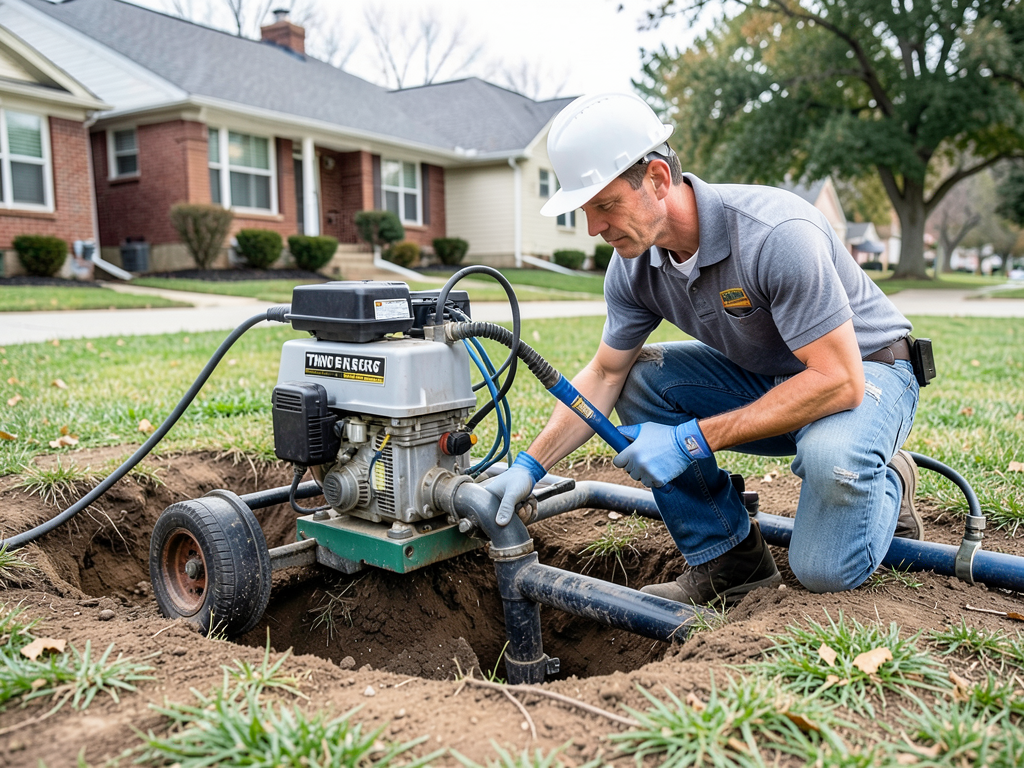
– Diagram showing CIPP lining process versus pipe bursting method with cross-section views of pipe before and after each technique.
Traditional Digging: When Excavation Makes Sense for Bagley Homes
Traditional sewer repair involves digging a trench from your home to the street to access and replace damaged pipe sections. This method provides direct visual inspection of the entire pipe run and allows for immediate replacement of any damaged sections.
For Bagley homes with extensive damage or complete pipe collapse traditional excavation often proves more cost-effective. When multiple pipe sections require replacement or the pipe has severe structural damage the cost of trenchless equipment rental and specialized labor can exceed simple excavation costs.
Detroit building codes require specific trench depths and support structures for excavated sewer lines. The Michigan Residential Code mandates minimum cover depths of 24 inches in most areas with deeper requirements near driveways or under structures. These regulations ensure proper pipe protection from freeze-thaw cycles common in Detroit’s climate. Michigan Residential Code requirements.
Traditional methods also allow for immediate correction of slope issues. Many Bagley homes have sewer lines with improper pitch due to settling over decades. Excavation provides the opportunity to correct these grading problems that trenchless methods cannot address.
Cost Comparison: Trenchless vs. Traditional in the Detroit Market
Cost factors vary significantly between methods. Trenchless repairs typically range from $80-120 per foot for CIPP lining and $100-150 per foot for pipe bursting. Traditional excavation costs $50-80 per foot for the pipe work plus $15-25 per foot for restoration.
The real cost difference appears in restoration. Trenchless repairs preserve existing landscaping concrete and structures. Traditional excavation requires removing and replacing sod repairing concrete driveways and potentially replacing damaged landscaping. These restoration costs often exceed the pipe repair itself.
For a typical Bagley home with a 50-foot sewer run trenchless repair might cost $4000-6000 total. Traditional excavation could run $3000-4000 for the pipe work but restoration costs might add another $3000-5000 depending on your yard’s features.
Insurance coverage also differs. Many homeowner policies cover sudden pipe failures but exclude gradual deterioration. Some policies specifically exclude trenchless repairs considering them “preventative” rather than “repair.” Check your policy details before deciding.
Detroit’s Combined Sewer System Impact on Repair Choices
Detroit operates a combined sewer system where stormwater and wastewater share the same pipes. This system affects repair decisions because it increases the consequences of failure. A broken sewer line in a combined system can cause both sewage backups and basement flooding during heavy rains.. Read more about Keeping Your Southfield Basement Dry with a Battery Backup Sump Pump System.
The Detroit Water and Sewerage Department (DWSD) maintains records showing that Bagley’s combined system experiences higher failure rates than separate systems. Tree roots seeking moisture grow more aggressively toward these pipes especially during dry summer months.
DWSD requires permits for all sewer repairs with additional inspections for combined system connections. Trenchless methods often qualify for expedited permitting because they minimize street disruption and reduce the risk of damaging adjacent utility lines.
Detroit’s frost line depth of 42 inches also influences repair methods. Pipes must extend below this depth to prevent freezing. Traditional excavation allows visual confirmation of proper depth while trenchless methods rely on precise locating equipment and careful monitoring.
Step-by-Step Sewer Line Diagnosis Process
Before choosing a repair method professional diagnosis determines the actual problem. Here’s the standard diagnostic process used by Detroit plumbers: The Most Trusted Plumbers for Historical Home Pipe Restoration in Indian Village.
- Camera Inspection
A waterproof camera snakes through the pipe transmitting video to locate cracks blockages or collapsed sections. The camera identifies pipe material joint types and problem severity.
- Locating Service
Electronic locating equipment determines the exact pipe path and depth. This prevents accidental damage to other utilities during repair work.
- Hydro-Jetting Test
High-pressure water cleaning removes debris and scale revealing the pipe’s true condition. This step often uncovers problems hidden by buildup.
- Flow Test
Water flows through the pipe to check for proper drainage and identify any remaining blockages or sags.
- Damage Assessment
Technicians evaluate whether the pipe structure remains sound enough for lining or if replacement becomes necessary.
This diagnostic process typically costs $300-500 but prevents costly mistakes. Many Detroit plumbers offer free camera inspections with repair contracts making the initial investment worthwhile.
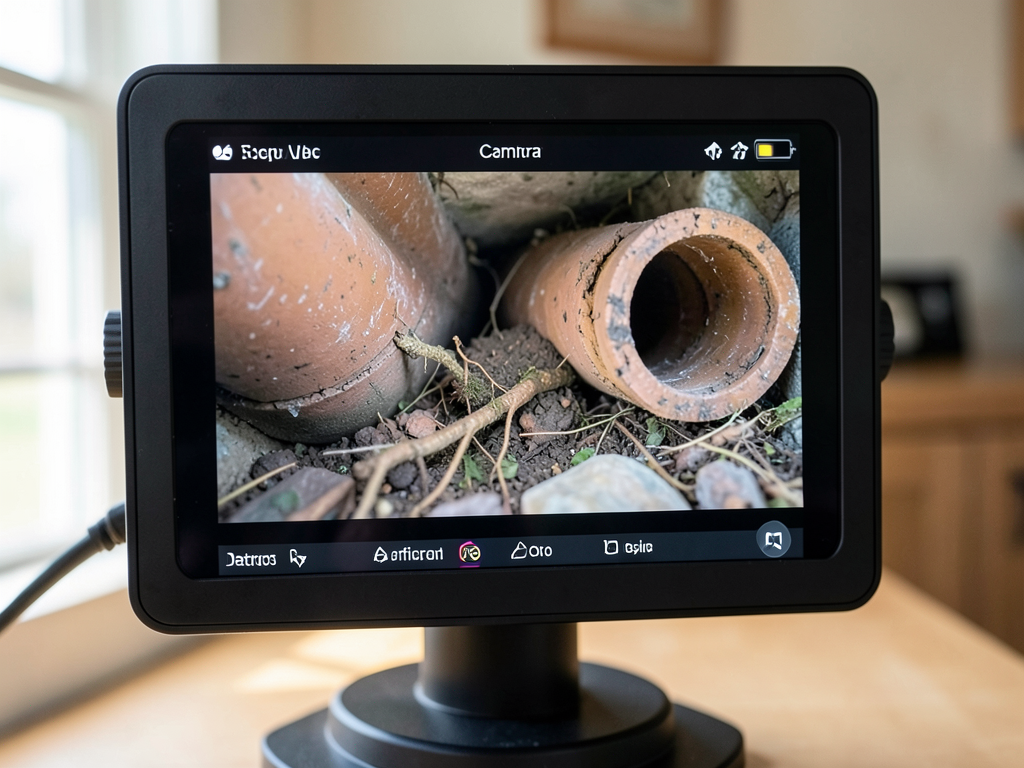
– Technician operating sewer camera equipment during diagnostic inspection showing monitor display of pipe interior condition.
When Trenchless Repair Makes the Most Sense for Bagley Homes
Trenchless repair excels in specific situations common to Bagley properties. Consider this method when:
- Your yard contains mature trees expensive landscaping or concrete features you want to preserve
- The damaged pipe section is accessible from existing cleanouts or requires minimal new access points
- You need repairs completed quickly often within 24-48 hours
- The pipe damage is localized to specific sections rather than complete failure
- You want to avoid permit delays associated with street excavation
Bagley’s established neighborhoods feature many homes with finished basements decorative concrete patios and mature trees planted close to sewer lines. Trenchless methods protect these investments while addressing the underlying plumbing issues. Plumbing Dearborn.
The technology also works well for pipes under structures. Many Bagley bungalows have sewer lines running under additions or garages. Trenchless repair can fix these pipes without demolishing existing structures.
Traditional Excavation Advantages for Severe Damage
Traditional excavation remains the better choice for certain situations. Choose excavation when:
- Multiple pipe sections require replacement along the entire run
- The pipe has completely collapsed or separated at joints
- You need to correct slope or grade issues affecting drainage
- The pipe material is unknown or suspected to be hazardous (like lead)
- You plan other underground work like utility upgrades
Detroit’s older neighborhoods often have mixed pipe materials – clay cast iron and even early PVC sections. When these materials create compatibility issues complete replacement through excavation provides the cleanest solution.
Excavation also allows for upgrading to larger diameter pipes. Many Bagley homes have 4-inch pipes that struggle with modern household demands. Excavation provides the opportunity to upgrade to 6-inch pipes for improved flow capacity.
Detroit-Specific Soil and Weather Considerations
Detroit’s soil composition significantly impacts repair longevity. The region’s heavy clay soil expands when wet and contracts when dry creating movement that damages pipes over time. This soil movement causes the majority of sewer line failures in Bagley homes.
Detroit experiences approximately 30 freeze-thaw cycles annually. Each cycle puts stress on underground pipes as surrounding soil expands and contracts. Pipes installed without proper bedding material or with inadequate depth become vulnerable to these temperature changes.
Spring rainfall in Detroit averages 3-4 inches monthly from March through June. This concentrated precipitation period coincides with ground thawing creating maximum soil movement pressure on underground pipes. Many sewer failures occur during this window.
The high water table in some Bagley areas near the Rouge River requires special consideration. Pipes in high water table areas need additional sealing and proper bedding to prevent infiltration and exfiltration. Trenchless methods with epoxy lining provide excellent water resistance for these conditions.
Permitting and Code Requirements in Detroit
Detroit requires permits for all sewer line repairs regardless of method. The Detroit Buildings Safety Engineering and Environmental Department (BSEED) issues these permits after reviewing plans and ensuring compliance with local codes.
Michigan Plumbing Code Section 312 requires specific materials and installation methods for sewer lines. Approved materials include PVC ABS and cast iron for certain applications. The code mandates minimum slopes of 1/4 inch per foot for pipes 4 inches and smaller. Plumbing Taylor.
DWSD requires additional permits for work affecting their infrastructure. These permits involve coordination with utility locating services to prevent damage to gas electric and communication lines. Trenchless methods often qualify for expedited DWSD permitting due to reduced surface disruption.
Detroit’s noise ordinances affect repair scheduling. Traditional excavation typically requires daytime work hours to minimize neighborhood disruption. Trenchless repairs can often occur during extended hours since they generate less noise and vibration.
Choosing the Right Contractor for Your Bagley Home
Not all contractors have equal trenchless experience. Look for these qualifications when selecting your repair company:
- NASSCO (National Association of Sewer Service Companies) certification for trenchless technicians
- Michigan plumbing license with Detroit-specific experience
- Insurance coverage including underground damage liability
- References from other Bagley or Detroit-area homeowners
- Written warranties covering both materials and workmanship
Ask potential contractors about their experience with Detroit’s specific challenges – clay soil combined sewer systems and mature tree roots. A contractor familiar with these local factors will provide more accurate assessments and better long-term results.
Request detailed written estimates that specify the repair method materials timeline and warranty terms. Compare these details rather than just bottom-line prices. The cheapest option often costs more when repairs fail prematurely.
Frequently Asked Questions
How long does trenchless sewer repair last in Detroit’s climate?
Quality trenchless repairs typically last 50+ years in Detroit’s climate. CIPP lining creates a jointless pipe within your existing pipe resistant to root intrusion and corrosion. Pipe bursting with HDPE pipe offers similar longevity with the added benefit of increased capacity.
Can trenchless repair fix tree root damage in Bagley’s mature neighborhoods?
Yes trenchless methods effectively address tree root intrusion. CIPP lining creates a seamless barrier that roots cannot penetrate. However if trees remain near the repaired line roots may find new entry points at connections or cleanouts. Consider root barrier installation for long-term protection.
What permits are required for sewer repair in Detroit?
Detroit requires permits from both BSEED for the repair work and DWSD for any connection to their system. Trenchless repairs often qualify for expedited permitting since they minimize street disruption. Your contractor should handle permit acquisition as part of the service.
Making Your Final Decision
The choice between trenchless and traditional repair depends on your specific situation. Consider these factors:
- Damage extent – localized vs. complete failure
- Property features – landscaping concrete structures
- Timeline – emergency repair vs. planned maintenance
- Budget – immediate costs vs. long-term value
- Future plans – property improvements or landscaping changes
For most Bagley homeowners trenchless repair offers the best balance of cost speed and property preservation. The technology has matured significantly providing reliable results for the specific challenges Detroit’s soil and climate create. Finding a Reliable Emergency Plumber in Midtown Detroit When Your Pipes Burst.
However traditional excavation remains valuable for severe damage or when upgrading pipe capacity. The key is matching the repair method to your actual problem rather than choosing based on marketing claims.
– Before and after comparison showing trenchless repair completion with preserved landscaping versus traditional excavation requiring sod replacement and concrete repair.
Protect Your Bagley Home from Sewer Line Failure
Sewer line problems rarely improve on their own. What starts as minor root intrusion or small cracks becomes complete failure without intervention. Detroit’s soil conditions and climate accelerate this deterioration.
Early intervention through professional diagnosis prevents emergency situations. A simple camera inspection can identify problems while they remain manageable potentially saving thousands in emergency repair costs and property damage.. Read more about When to Call a Professional Instead of Using Chemical Drain Cleaners in Your Jefferson-Chalmers Home.
Don’t wait for sewage backup or yard flooding to force your decision. Understanding your options now allows you to choose the best repair method for your specific situation and budget.
Ready to diagnose your sewer line issues? Call (313) 572-4144 today to schedule your professional inspection. Our Detroit-based technicians understand the specific challenges Bagley homeowners face and can recommend the right solution for your property.
Pick up the phone and call (313) 572-4144 before the next heavy rain hits. We’ll diagnose your sewer line issues and provide clear recommendations for keeping your Bagley home protected from costly water damage.
{
“@context”: “https://schema.org”,
“@type”: “BlogPosting”,
“headline”: “Trenchless Sewer Repair vs Traditional Digging for Bagley Homeowners”,
“description”: “Compare trenchless vs traditional sewer repair for Bagley homes. Learn costs, methods, and Detroit’s unique soil challenges before choosing your repair option.”,
“wordCount”: 2271,
“datePublished”: “2026-03-12T15:37:00.000Z”,
“dateModified”: “2026-03-12T15:37:00.000Z”,
“inLanguage”: “en-US”,
“mainEntityOfPage”: {
“@type”: “WebPage”,
“@id”: “https://ironwoodplumbingdetroit.com”
},
“publisher”: {
“@type”: “LocalBusiness”,
“name”: “Ironwood Plumbing Detroit”,
“url”: “https://ironwoodplumbingdetroit.com”
},
“author”: {
“@type”: “Organization”,
“name”: “Ironwood Plumbing Detroit”,
“url”: “https://ironwoodplumbingdetroit.com”
},
“image”: {
“@type”: “ImageObject”,
“url”: “https://ironwoodplumbingdetroit.com/wp-content/uploads/2026/03/trenchless-sewer-repair-vs-traditional-digging-for-1.png”
}
}
{
“@context”: “https://schema.org”,
“@type”: “Plumber”,
“name”: “Ironwood Plumbing Detroit”,
“url”: “https://ironwoodplumbingdetroit.com”,
“address”: {
“@type”: “PostalAddress”,
“addressLocality”: “Detroit”
},
“areaServed”: {
“@type”: “City”,
“name”: “Detroit”
}
}
{
“@context”: “https://schema.org”,
“@type”: “FAQPage”,
“mainEntity”: [
{
“@type”: “Question”,
“name”: “How long does trenchless sewer repair last in Detroit’s climate?”,
“acceptedAnswer”: {
“@type”: “Answer”,
“text”: “Quality trenchless repairs typically last 50+ years in Detroit’s climate. CIPP lining creates a jointless pipe within your existing pipe resistant to root intrusion and corrosion. Pipe bursting with HDPE pipe offers similar longevity with the added benefit of increased capacity.”
}
},
{
“@type”: “Question”,
“name”: “Can trenchless repair fix tree root damage in Bagley’s mature neighborhoods?”,
“acceptedAnswer”: {
“@type”: “Answer”,
“text”: “Yes trenchless methods effectively address tree root intrusion. CIPP lining creates a seamless barrier that roots cannot penetrate. However if trees remain near the repaired line roots may find new entry points at connections or cleanouts. Consider root barrier installation for long-term protection.”
}
},
{
“@type”: “Question”,
“name”: “What permits are required for sewer repair in Detroit?”,
“acceptedAnswer”: {
“@type”: “Answer”,
“text”: “Detroit requires permits from both BSEED for the repair work and DWSD for any connection to their system. Trenchless repairs often qualify for expedited permitting since they minimize street disruption. Your contractor should handle permit acquisition as part of the service.”
}
}
]
}
{
“@context”: “https://schema.org”,
“@type”: “HowTo”,
“name”: “Sewer Line Diagnosis Process”,
“step”: [
{
“@type”: “HowToStep”,
“position”: 1,
“name”: “Camera Inspection”,
“text”: “A waterproof camera snakes through the pipe transmitting video to locate cracks blockages or collapsed sections. The camera identifies pipe material joint types and problem severity.”
},
{
“@type”: “HowToStep”,
“position”: 2,
“name”: “Locating Service”,
“text”: “Electronic locating equipment determines the exact pipe path and depth. This prevents accidental damage to other utilities during repair work.”
},
{
“@type”: “HowToStep”,
“position”: 3,
“name”: “Hydro-Jetting Test”,
“text”: “High-pressure water cleaning removes debris and scale revealing the pipe’s true condition. This step often uncovers problems hidden by buildup.”
},
{
“@type”: “HowToStep”,
“position”: 4,
“name”: “Flow Test”,
“text”: “Water flows through the pipe to check for proper drainage and identify any remaining blockages or sags.”
},
{
“@type”: “HowToStep”,
“position”: 5,
“name”: “Damage Assessment”,
“text”: “Technicians evaluate whether the pipe structure remains sound enough for lining or if replacement becomes necessary.”
}
],
“image”: “https://ironwoodplumbingdetroit.com/wp-content/uploads/2026/03/trenchless-sewer-repair-vs-traditional-digging-for-1.png”
}
{
“@context”: “https://schema.org”,
“@type”: “BreadcrumbList”,
“itemListElement”: [
{
“@type”: “ListItem”,
“position”: 1,
“name”: “Home”,
“item”: “https://ironwoodplumbingdetroit.com”
},
{
“@type”: “ListItem”,
“position”: 2,
“name”: “Blog”,
“item”: “https://ironwoodplumbingdetroit.com/blog”
},
{
“@type”: “ListItem”,
“position”: 3,
“name”: “Trenchless Sewer Repair vs Traditional Digging for Bagley Homeowners”
}
]
}
{
“@context”: “https://schema.org”,
“@type”: “Service”,
“serviceType”: “Plumbing”,
“provider”: {
“@type”: “LocalBusiness”,
“name”: “Ironwood Plumbing Detroit”,
“url”: “https://ironwoodplumbingdetroit.com”
},
“areaServed”: {
“@type”: “City”,
“name”: “Detroit”
},
“description”: “Compare trenchless vs traditional sewer repair for Bagley homes. Learn costs, methods, and Detroit’s unique soil challenges before choosing your repair option.”
}