
The Real Cost of Switching from Septic to City Sewer in the Canton Area
Most Canton homeowners find septic to sewer conversion costs range from $8,000 to $18,000. The final price depends on property specifics like distance to the main sewer line soil conditions and local permit requirements. Canton Township regulations and Michigan EGLE requirements all affect your total investment. Canton Township official website.
Understanding these costs upfront helps you budget accurately and avoid surprises during the conversion process. Each property presents unique challenges that impact the final price.
Basic Cost Breakdown
Breaking down the septic to sewer conversion into components helps you understand where your money goes. This knowledge also reveals potential areas for cost savings.
Excavation and trenching typically represents the largest expense at 40 to 50 percent of total project costs. Michigan’s frost zone requires deeper trenches than many other states. Canton’s heavy clay soil common throughout the township demands more labor and specialized equipment compared to sandy soils. Michigan Department of Environment, Great Lakes, and Energy.
Permit fees from Canton Township and Wayne County Health Department add $500 to $1,500 to your project. These permits ensure compliance with Michigan’s Part 117 of Act 451 requirements for on-site wastewater systems. Michigan Department of Licensing and Regulatory Affairs.
Septic Tank Abandonment
Proper septic tank abandonment remains a critical mandatory step that many homeowners overlook when budgeting. Michigan law requires complete removal or proper abandonment of existing septic systems to prevent groundwater contamination.
The abandonment process involves pumping out remaining waste removing the tank and backfilling the excavation with clean material. Concrete tanks require breaking up and removing the pieces. This work costs $1,500 to $3,000 depending on tank size and accessibility.
Some Canton properties have older steel or wood tanks that require complete removal rather than abandonment in place. These materials deteriorate and create voids that lead to sinkholes if not properly addressed.
Sewer Connection Fees
Connecting to municipal sewer involves two main costs: the tap-in fee and the actual connection work. Canton Township charges tap-in fees that vary based on property size and location.
Tap-in fees typically range from $2,500 to $4,500 and must be paid directly to the township before work begins. These fees cover connecting to the municipal system and contribute to township infrastructure maintenance.
The physical connection work involves installing a new lateral line from your home to the main sewer line in the street. This requires trenching across your property and potentially under sidewalks or driveways. Costs depend on distance and obstacles that must be navigated.
Distance and Accessibility Factors
Distance from your home to the main sewer line significantly impacts total cost. Properties closer to the street typically cost less to convert while those with septic systems far from the road require more extensive trenching.
Properties in Canton’s older neighborhoods like Cherry Hill Village or those near Heritage Park often have shorter distances to existing sewer lines potentially reducing costs. Newer developments or properties on larger lots may face higher costs due to increased trenching requirements.
Accessibility also plays a crucial role. Properties with mature trees extensive landscaping or existing hardscaping like patios or retaining walls require additional labor to work around these features or restore them after conversion.
Soil Conditions and Excavation Challenges
Canton’s soil composition significantly affects excavation costs. The area’s heavy clay soil requires more powerful equipment and longer excavation times compared to areas with sandy or loamy soils.
Clay soil also retains water which can complicate excavation and require additional drainage measures. This may include installing gravel beds or using specialized equipment to manage groundwater during the trenching process. The Best Drain Cleaning Services for Older Houses in Grosse Pointe.
Some properties in low-lying areas near the Lower Rouge River may encounter high water tables that require dewatering systems during excavation. These systems add $1,000 to $2,500 to the project cost but remain essential for proper installation.
Landscape Restoration
The conversion process inevitably damages existing landscaping and hardscaping. Budgeting for restoration ensures your property returns to its original condition or better.
Lawn restoration typically costs $500 to $1,500 depending on the area affected and whether you need new sod or can reseed existing grass. For properties with extensive landscaping this cost can increase significantly.
Driveway repairs represent another potential cost factor. If the trench crosses a concrete or asphalt driveway you’ll need to repair or replace that section. Concrete repairs cost $8 to $12 per square foot while asphalt repairs cost $3 to $5 per square foot.
Permitting Process and Timeline
The permitting process for septic to sewer conversion in Canton involves multiple agencies and can take several weeks to complete. Understanding this timeline helps you plan the project effectively.
First you’ll need a site evaluation from a licensed septic professional to determine the scope of work. This evaluation costs $300 to $500 and remains required before any permits can be issued.
Next you’ll submit permit applications to Canton Township for the sewer connection and to Wayne County Health Department for the septic abandonment. The review process typically takes 2 to 4 weeks though complex projects may require additional time.
Additional Cost Considerations
Several other factors can impact the final cost of your septic to sewer conversion. Being aware of these potential additions helps you budget more accurately.
Road cut permits may be required if trenching extends into public right-of-way. These permits cost $200 to $500 and are issued by Canton Township’s Department of Public Works.
Some properties may require grinder pumps if the main sewer line sits above the elevation of your home’s plumbing. These pumps cost $2,000 to $4,000 installed and remain necessary for proper waste flow. Plumbing Dearborn.
Emergency repairs during the conversion process can add unexpected costs. Having a contingency budget of 10 to 15 percent of the total project cost helps manage these situations.
Traditional vs. Trenchless Methods
Traditional open-cut trenching remains the most common method for septic to sewer conversion but trenchless technologies offer alternatives for certain situations.
| Method | Average Cost | Best For | Timeline |
|---|---|---|---|
| Open-Cut Trenching | $8,000 – $15,000 | Most properties | 3-5 days |
| Directional Boring | $12,000 – $20,000 | Under driveways/patios | 2-3 days |
| Pipe Bursting | $10,000 – $18,000 | Replacing existing lines | 2-4 days |
Directional boring works well for properties with extensive hardscaping but costs 30 to 40 percent more than traditional methods. Pipe bursting proves ideal when replacing existing sewer lines but isn’t applicable for new connections from septic systems.
Property Value and Long-Term Benefits
While the upfront cost of septic to sewer conversion remains significant the long-term benefits often justify the investment. Understanding these benefits helps you evaluate the true cost versus value.
Properties with city sewer connections typically sell for 3 to 5 percent more than comparable properties with septic systems. This premium reflects buyer preference for the reliability and lower maintenance requirements of municipal sewer.
City sewer eliminates the need for regular septic pumping which costs $300 to $500 every 3 to 5 years. Over a 20-year period this represents $1,200 to $3,300 in avoided maintenance costs.
Sewer connections also provide better environmental protection by ensuring proper waste treatment through municipal systems rather than on-site septic systems that can fail and contaminate groundwater.
Financing Options
Several financing options can make septic to sewer conversion more affordable. Understanding these options helps you manage the upfront costs effectively.
Many Canton homeowners use home equity loans or lines of credit to finance the conversion. These options typically offer lower interest rates than personal loans and may provide tax benefits.
Some utility companies offer payment plans for tap-in fees allowing you to spread the cost over several years rather than paying the entire amount upfront.
Local programs through Wayne County or Michigan Saves may offer low-interest loans for infrastructure improvements including septic to sewer conversions in certain areas.
Choosing the Right Contractor
Selecting an experienced contractor significantly impacts the success and cost of your septic to sewer conversion. Look for specific qualifications and experience with Michigan projects.
Licensed plumbers with experience in Canton and surrounding areas understand local soil conditions permit requirements and common challenges specific to the region. They can provide more accurate estimates and avoid costly mistakes. The Most Trusted Plumbers for Historical Home Pipe Restoration in Indian Village.
Request detailed written estimates that break down all costs including permits excavation materials and restoration. Compare multiple estimates but be wary of bids that seem significantly lower than others.
Check references and verify licensing through the Michigan Department of Licensing and Regulatory Affairs. Experienced contractors should readily provide proof of insurance and licensing.
Preparing for the Conversion Process
Proper preparation helps minimize disruption and unexpected costs during your septic to sewer conversion. Taking these steps before work begins ensures a smoother process.
Locate all underground utilities on your property before excavation begins. Contact Miss Dig at least three business days before work starts to mark utility lines. This free service prevents costly damage to water lines gas lines or electrical conduits.
Move outdoor furniture planters and other items away from the work area. For extensive landscaping consider temporary relocation of valuable plants or features that might be damaged during excavation.
Plan for temporary water service interruptions. While most conversions can be completed with minimal water service disruption having bottled water and alternative bathroom arrangements for one day provides peace of mind.
Frequently Asked Questions
How long does a septic to sewer conversion take?
Most conversions take 3 to 5 days from start to finish though the entire process including permits can take 4 to 6 weeks. Weather delays can extend timelines particularly during Michigan’s wet seasons.
Can I stay in my home during the conversion?
Yes most homeowners can remain in their homes during the conversion. Water service typically gets interrupted for only a few hours during the final connection to the municipal sewer.
Do I need to be home during the work?
You don’t need to be home during the entire process but you should be available for the initial walk-through and final inspection. The contractor will need access to your home for the final plumbing connections. Plumbing Taylor.
What happens if problems are discovered during excavation?
Unexpected issues like buried debris poor soil conditions or utility conflicts can arise during excavation. A reputable contractor will discuss these findings and provide options for resolution before proceeding with additional work. Finding a Reliable Emergency Plumber in Midtown Detroit When Your Pipes Burst.
Is septic to sewer conversion required in Canton?
While not universally required some areas of Canton are being transitioned to city sewer as infrastructure becomes available. Check with Canton Township to determine if your property sits in a designated conversion area.
Get Your Free Estimate Today
Understanding the real cost of switching from septic to city sewer in Canton requires a professional evaluation of your specific property. Every home has unique characteristics that affect the final price.
Ironwood Plumbing has served the Canton area for years completing numerous successful septic to sewer conversions. Our team understands the local soil conditions permit requirements and common challenges specific to Canton properties.
Don’t let uncertainty about costs prevent you from making the best decision for your home. Call (313) 572-4144 today to schedule your free no-obligation estimate. We’ll evaluate your property explain all cost factors and provide a detailed written quote with no hidden fees.
Ready to eliminate septic maintenance and enjoy reliable city sewer service? Pick up the phone and call (313) 572-4144 before the next heavy rain tests your current system. Our Canton septic to sewer conversion specialists are standing by to help you make the switch with confidence.
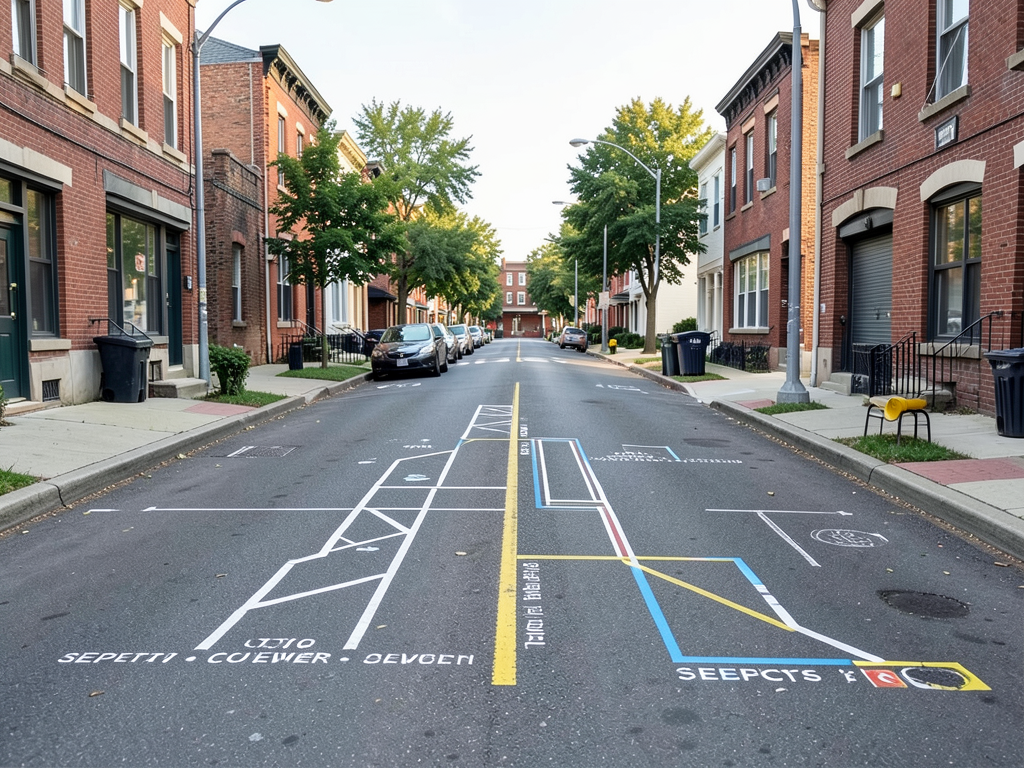
– Diagram showing the step-by-step process of septic tank removal and sewer lateral installation from house to street main.
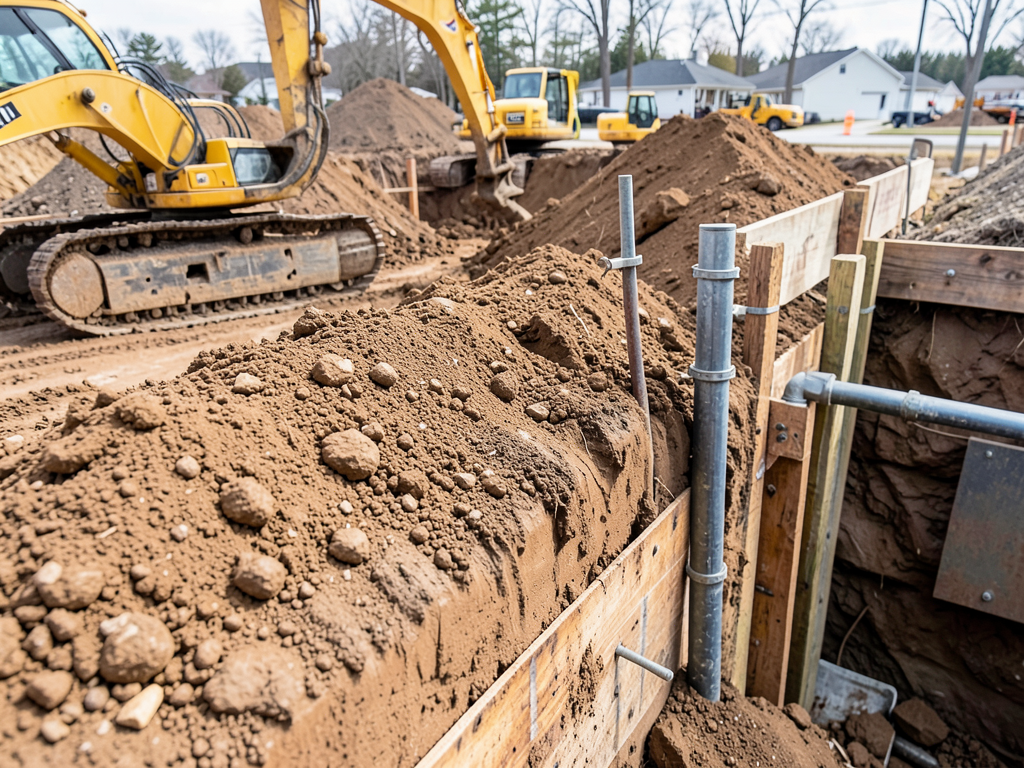
– Photo of excavation equipment working in Canton’s clay soil conditions with proper shoring and dewatering systems in place.
– Before and after comparison showing lawn restoration after septic to sewer conversion with new sod installation.
{
“@context”: “https://schema.org”,
“@type”: “BlogPosting”,
“headline”: “The Real Cost of Switching from Septic to City Sewer in the Canton Area”,
“description”: “Learn the real costs of septic to sewer conversion in Canton MI including permits, excavation, and restoration. Get your free estimate today.”,
“wordCount”: 1990,
“datePublished”: “2026-03-26T14:31:00.000Z”,
“dateModified”: “2026-03-26T14:31:00.000Z”,
“inLanguage”: “en-US”,
“mainEntityOfPage”: {
“@type”: “WebPage”,
“@id”: “https://ironwoodplumbingdetroit.com”
},
“publisher”: {
“@type”: “LocalBusiness”,
“name”: “Ironwood Plumbing Detroit”,
“url”: “https://ironwoodplumbingdetroit.com”
},
“author”: {
“@type”: “Organization”,
“name”: “Ironwood Plumbing Detroit”,
“url”: “https://ironwoodplumbingdetroit.com”
},
“image”: {
“@type”: “ImageObject”,
“url”: “https://ironwoodplumbingdetroit.com/wp-content/uploads/2026/03/the-real-cost-of-switching-from-septic-to-city-sew-1.png”
}
}
{
“@context”: “https://schema.org”,
“@type”: “Plumber”,
“name”: “Ironwood Plumbing Detroit”,
“url”: “https://ironwoodplumbingdetroit.com”,
“address”: {
“@type”: “PostalAddress”,
“addressLocality”: “Detroit”
},
“areaServed”: {
“@type”: “City”,
“name”: “Detroit”
}
}
{
“@context”: “https://schema.org”,
“@type”: “FAQPage”,
“mainEntity”: [
{
“@type”: “Question”,
“name”: “How long does a septic to sewer conversion take?”,
“acceptedAnswer”: {
“@type”: “Answer”,
“text”: “Most conversions take 3 to 5 days from start to finish though the entire process including permits can take 4 to 6 weeks. Weather delays can extend timelines particularly during Michigan’s wet seasons.”
}
},
{
“@type”: “Question”,
“name”: “Can I stay in my home during the conversion?”,
“acceptedAnswer”: {
“@type”: “Answer”,
“text”: “Yes most homeowners can remain in their homes during the conversion. Water service typically gets interrupted for only a few hours during the final connection to the municipal sewer.”
}
},
{
“@type”: “Question”,
“name”: “Do I need to be home during the work?”,
“acceptedAnswer”: {
“@type”: “Answer”,
“text”: “You don’t need to be home during the entire process but you should be available for the initial walk-through and final inspection. The contractor will need access to your home for the final plumbing connections. Plumbing Taylor.”
}
},
{
“@type”: “Question”,
“name”: “What happens if problems are discovered during excavation?”,
“acceptedAnswer”: {
“@type”: “Answer”,
“text”: “Unexpected issues like buried debris poor soil conditions or utility conflicts can arise during excavation. A reputable contractor will discuss these findings and provide options for resolution before proceeding with additional work. Finding a Reliable Emergency Plumber in Midtown Detroit When Your Pipes Burst.”
}
},
{
“@type”: “Question”,
“name”: “Is septic to sewer conversion required in Canton?”,
“acceptedAnswer”: {
“@type”: “Answer”,
“text”: “While not universally required some areas of Canton are being transitioned to city sewer as infrastructure becomes available. Check with Canton Township to determine if your property sits in a designated conversion area.”
}
}
]
}
{
“@context”: “https://schema.org”,
“@type”: “BreadcrumbList”,
“itemListElement”: [
{
“@type”: “ListItem”,
“position”: 1,
“name”: “Home”,
“item”: “https://ironwoodplumbingdetroit.com”
},
{
“@type”: “ListItem”,
“position”: 2,
“name”: “Blog”,
“item”: “https://ironwoodplumbingdetroit.com/blog”
},
{
“@type”: “ListItem”,
“position”: 3,
“name”: “The Real Cost of Switching from Septic to City Sewer in the Canton Area”
}
]
}
{
“@context”: “https://schema.org”,
“@type”: “Service”,
“serviceType”: “Plumbing”,
“provider”: {
“@type”: “LocalBusiness”,
“name”: “Ironwood Plumbing Detroit”,
“url”: “https://ironwoodplumbingdetroit.com”
},
“areaServed”: {
“@type”: “City”,
“name”: “Detroit”
},
“description”: “Learn the real costs of septic to sewer conversion in Canton MI including permits, excavation, and restoration. Get your free estimate today.”
}