
Expert Backwater Valve Installation in Detroit MI
Detroit’s aging combined sewer system can’t handle heavy rainfall, sending sewage back into thousands of basements each year. A backwater valve is your home’s only defense against this disgusting and costly problem. Detroit Water and Sewerage Department.
During intense storms, Detroit’s combined sewer system becomes overwhelmed. Water from streets, roofs, and homes flows into the same pipes as sewage. When these pipes reach capacity, the only direction for that contaminated water is back toward your home through floor drains, toilets, and sinks. The Best Drain Cleaning Services for Older Houses in Grosse Pointe.
Backwater valves install directly into your main sewer line and contain a one-way flap mechanism. This flap opens to allow normal wastewater flow out but automatically closes when reverse pressure builds from the street side. The valve stays shut until the system clears, keeping sewage out of your basement.
Detroit homeowners in neighborhoods like Jefferson Chalmers and East English Village face the highest risk. These areas sit in low-lying flood zones where stormwater accumulates quickly. Homes built before 1980 often lack proper backflow protection entirely.
The Detroit Water and Sewerage Department reports that basement backups affect over 3,000 homes annually during major storm events. Insurance claims for sewage damage average $7,000 to $15,000 per incident, and most standard homeowners policies exclude this coverage.. Read more about How to Finance a Major Plumbing Repair in Detroit Without Breaking the Bank.
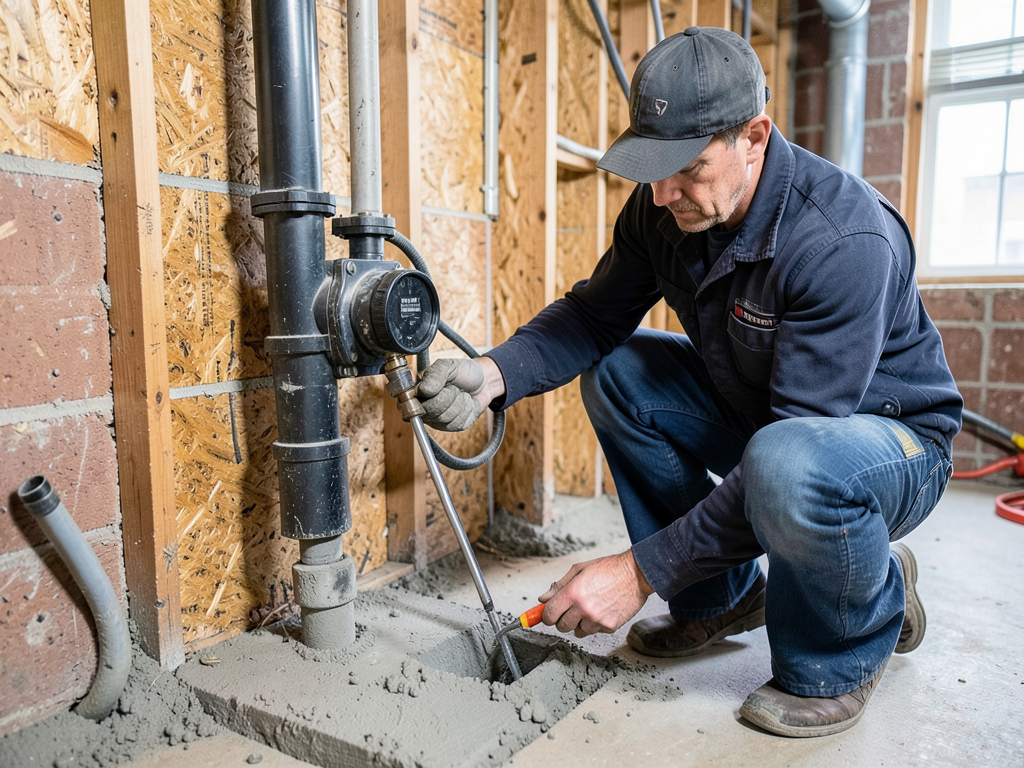
Installation requires cutting into your main sewer line, typically in the basement floor. The process takes 4-6 hours and includes removing concrete, installing the valve assembly, and restoring the floor. A permit from DWSD is mandatory under Michigan Residential Code Section P2503.7.2. Michigan Department of Licensing and Regulatory Affairs.
Maintenance is simple but critical. The valve flap can become clogged with debris, grease, or roots. Annual cleaning ensures proper operation when you need it most. During cleaning, technicians check the seal integrity and test the closing mechanism.. Read more about Preventive Plumbing Maintenance for Multi-Unit Buildings in New Center.
Backwater valves qualify for the DWSD Basement Backup Protection Program, which offers rebates up to $3,000 for qualifying Detroit residents. The program prioritizes homes in flood-prone areas and those with documented backup history.
Without protection, your basement faces contamination from bacteria, viruses, and parasites present in sewage. The cleanup process involves removing contaminated materials, disinfecting surfaces, and often replacing drywall and flooring. The health risks include gastrointestinal illness, skin infections, and respiratory problems from mold growth.
Modern valves feature clear covers for visual inspection and removable caps for cleaning. Some models include alarms that sound when the valve closes, warning you to reduce water usage until the storm passes. Battery backup systems keep the alarm functional during power outages.
The valve’s effectiveness depends on proper sizing and installation. A valve too small for your home’s wastewater volume can cause slow drains or backups elsewhere in the system. Professional sizing considers your home’s square footage, number of bathrooms, and typical water usage patterns.. Read more about A Guide to Rain Barrel Installation and Plumbing for Eco-Conscious Ann Arbor Homeowners.
Clay soil common throughout Detroit exacerbates the problem. Heavy clay retains water, increasing surface runoff during storms. This runoff enters the combined sewer system faster than it can drain, accelerating the backup cycle.
Installation costs range from $1,500 to $4,000 depending on accessibility and system complexity. Homes with finished basements may require additional work to access the main line. The investment typically pays for itself after preventing just one backup incident.
Commercial properties face similar risks but on a larger scale. Restaurants, retail stores, and office buildings can lose thousands in inventory and equipment from a single sewage backup. Many commercial insurance policies require backwater protection as a condition of coverage. Commercial Toilet & Urinal Repair.
The valve’s one-way design means it can also prevent sewer gases from entering your home when the flap is closed. This adds an extra layer of protection beyond flood prevention, improving indoor air quality and eliminating unpleasant odors.
Detroit’s climate creates perfect conditions for sewer backups. Spring brings heavy rainfall combined with melting snow. Summer thunderstorms dump inches of rain in hours. Fall leaves clog street drains. Winter freeze-thaw cycles create ice dams that redirect water into sewer systems.
Proper installation includes a cleanout port for maintenance access. This port allows technicians to remove the valve for thorough cleaning without cutting pipes. Some homeowners install dual valves for added protection, with one valve near the house and another near the street.
The Michigan Department of Environmental Quality mandates that all new construction in flood-prone areas include backwater protection. Existing homes in these zones must upgrade when major plumbing work occurs or when selling the property. Plumbing Dearborn.
Warning signs of potential backup problems include slow drains during rain, gurgling toilets, and water bubbling up from floor drains. These symptoms indicate your system is already struggling to handle normal flow, making it vulnerable to backup during storms.
Backwater valves work best as part of a comprehensive basement protection strategy. Sump pumps handle groundwater intrusion while backwater valves stop sewage backup. Together they provide complete protection against the two main sources of basement flooding.
The valve’s flap mechanism can freeze in extreme cold if not properly insulated. Detroit’s winter temperatures require freeze protection measures like heat tape or insulated covers to ensure year-round operation.
Professional installation includes pressure testing to verify the valve seals properly. Technicians use smoke testing to check for leaks around the installation site. These tests ensure your investment provides the protection you’re paying for.
DIY installation attempts often fail due to improper sealing or incorrect sizing. A failed valve during a major storm can cause more damage than having no protection at all, as contaminated water backs up through multiple entry points.
The valve’s effectiveness diminishes over time as seals wear and moving parts corrode. Replacement intervals vary by material quality and environmental conditions, but most valves need replacement every 10-15 years for optimal protection.
Detroit’s combined sewer overflow events discharge untreated sewage into the Detroit River during extreme storms. A properly functioning backwater valve prevents your home from contributing to this environmental problem while protecting your property.
Insurance companies increasingly recognize backwater valves as risk mitigation measures. Some offer premium discounts for homes with professionally installed protection, similar to discounts for smoke detectors or security systems.
The valve’s installation location affects its performance. Installing too close to the house can allow contaminated water to enter before the valve closes. Installing too far from the house reduces available drainage capacity for normal use.
Modern electronic valves include sensors that monitor flow direction and automatically close when reverse flow is detected. These smart valves can integrate with home automation systems to provide real-time alerts and remote monitoring capabilities.
Backwater valve technology continues to evolve with new materials and designs. Stainless steel components resist corrosion better than traditional cast iron. Composite materials offer lighter weight and easier installation while maintaining durability.
The decision to install a backwater valve should consider your home’s specific risk factors. Age of plumbing, neighborhood flood history, and local soil conditions all influence the likelihood of experiencing a backup event. Plumbing Taylor.
Professional assessment includes evaluating your home’s drainage patterns, identifying potential entry points for sewage, and recommending the optimal valve type and location. This analysis ensures you get maximum protection for your investment.
Call (313) 572-4144 today to schedule your inspection before the next storm hits. Don’t wait until you’re standing in sewage to protect your home.
How a Backwater Valve Protects Your Basement
A backwater valve contains a hinged flap that sits inside a pipe fitting. During normal operation, wastewater pressure from your home pushes the flap open, allowing flow to exit. When pressure reverses from the street side, the flap closes automatically, creating a watertight seal.
The valve’s design allows for some water to remain in the pipe below the flap. This water creates a seal that prevents sewer gases from escaping when the valve is closed. The amount of retained water is minimal and poses no risk of overflow.
Different valve designs suit different applications. Swing check valves work well for straight pipe runs. Duckbill valves handle variable flow rates better. Gate-style valves provide the tightest seal but require more maintenance.
The valve’s effectiveness depends on proper installation depth. The valve must sit below the basement floor level to prevent sewage from backing up through other drains. This depth requirement often determines the installation location within your basement.
During heavy rainfall, the valve may close multiple times as pressure fluctuates. Each closure lasts until the street-side pressure drops below your home’s wastewater pressure. This cycling can continue for hours during major storm events.
Backwater valves cannot prevent all basement flooding. They only stop sewage backup through the main sewer line. Groundwater intrusion through foundation cracks or overland flooding from surface water require different protection methods.
The valve’s moving parts require occasional lubrication to prevent sticking. Silicone-based lubricants work best as they resist water washout and won’t damage rubber seals. Annual maintenance includes checking and lubricating all moving components.
Some valve designs include manual override handles. These allow you to close the valve before a predicted storm, providing extra protection when you know heavy rainfall is coming. The handle releases automatically when pressure normalizes.
Installation requires cutting the main sewer line, which may contain wastewater at the time of cutting. Professional installers use vacuum systems to remove standing water and prevent spills during the installation process.
The valve’s position affects your home’s drainage capacity. A valve that’s too restrictive can cause slow drains during normal use. Professional sizing ensures the valve handles your home’s maximum wastewater flow without creating new problems.
Backwater valves installed in homes with septic systems work differently. Instead of preventing street-side backup, they prevent septic system overflow from backing up into the house during heavy use or system failure.
The valve’s materials must resist the corrosive nature of sewage. Brass, stainless steel, and certain plastics offer the best longevity in this harsh environment. Cheaper materials may fail prematurely, leaving your home unprotected.
Professional installation includes testing the valve’s operation before completing the job. Technicians simulate reverse flow conditions to verify the valve closes properly and maintains a seal under pressure.
Call (313) 572-4144 for a professional assessment of your home’s backup protection needs. Why Your Corktown Home Needs a Professional Sewer Line Inspection Before You Buy.
DWSD Basement Backup Protection Program
The Detroit Water and Sewerage Department offers financial assistance for backwater valve installation through their Basement Backup Protection Program. This program helps qualifying residents cover the cost of professional installation.
Eligibility requires you to own and occupy the home as your primary residence. Your property must be located in a designated flood-prone area or have documented history of basement backups. Income limits apply to ensure assistance reaches those who need it most.
The program covers up to $3,000 of installation costs for qualifying properties. This amount typically covers most or all of the installation expense, making protection affordable for Detroit residents.
Application requires documentation of previous backup incidents, proof of income, and property ownership. DWSD reviews applications and notifies homeowners of approval status within 30 days. Approved applicants receive a list of pre-qualified contractors.
The program prioritizes homes in neighborhoods with the highest backup rates. Areas like Jefferson Chalmers, East English Village, and parts of southwest Detroit receive priority consideration due to their flood vulnerability.
Participating contractors must meet DWSD licensing and insurance requirements. They follow specific installation standards to ensure quality and compliance with program guidelines. All work includes required permits and inspections.
The rebate process requires you to pay the contractor upfront, then submit receipts for reimbursement. DWSD processes rebates within 60 days of receiving complete documentation. Some contractors offer financing options to help with upfront costs.
Program funding is limited and distributed on a first-come, first-served basis. Early application increases your chances of receiving assistance before funds are exhausted each year.
DWSD also offers education and outreach about basement protection. They provide information about risk factors, prevention strategies, and available resources to help homeowners make informed decisions.
The program excludes rental properties and investment homes. This focus ensures assistance reaches primary residents who lack resources for major home improvements.
Commercial properties may qualify for different assistance programs through the Great Lakes Water Authority. These programs address the larger scale and different needs of business properties.
DWSD maintains a hotline for program questions and application assistance. Staff can help you determine eligibility and guide you through the application process.
The program’s success has reduced backup incidents in participating neighborhoods by an estimated 40%. This reduction demonstrates the effectiveness of combining financial assistance with professional installation.
Call (313) 572-4144 to learn if your home qualifies for the DWSD Basement Backup Protection Program.
Our Installation Process
Professional backwater valve installation follows a systematic process to ensure proper function and code compliance. The process typically takes one day but may extend to two days for complex installations.
Initial inspection identifies the main sewer line location and determines the optimal valve position. Technicians use video inspection to examine pipe condition and locate any existing problems that could affect installation.
Permit acquisition from DWSD takes 3-5 business days. The permit ensures your installation meets all local codes and regulations. Your contractor handles all permit paperwork and fees.
Site preparation includes protecting finished areas and setting up containment for dust and debris. Technicians cover furniture, seal doorways, and create negative air pressure to prevent dust spread throughout your home.
Concrete cutting creates access to the main sewer line. Electric or hydraulic tools minimize vibration and dust. The cut section is carefully removed and preserved for later replacement.
Pipe cutting exposes the main sewer line. Technicians verify pipe material and condition before proceeding. Cast iron pipes may require different cutting techniques than PVC or clay pipes.
Valve installation includes proper bedding and support to prevent movement or settling. The valve must sit level and plumb to ensure proper operation. All connections are cleaned and primed before assembly.
Connection to existing pipes uses appropriate methods for the pipe material. PVC pipes use solvent welding. Cast iron uses compression fittings or lead joints. Clay pipes may require flexible connectors.
Pressure testing verifies the installation’s integrity. Technicians use smoke testing to check for leaks around the valve and connections. Any leaks require immediate correction before proceeding.
Floor restoration includes replacing the concrete section with new material. The new concrete matches the existing floor’s level and finish. Curing time varies by temperature but typically requires 24-48 hours before normal use.
Final inspection by DWSD ensures code compliance. Technicians verify valve operation and proper installation. They provide you with documentation of the completed work and warranty information.
Cleanup includes removing all debris and equipment from your home. Technicians use HEPA vacuums to capture fine dust particles. They leave your basement clean and ready for normal use.
Post-installation instructions cover valve operation, maintenance requirements, and emergency procedures. You receive contact information for warranty service and future maintenance needs.
The entire process causes minimal disruption to your household. Most families can remain in their homes during installation, though water service may be interrupted for several hours.
Call (313) 572-4144 to schedule your professional backwater valve installation.
Cost Factors and Maintenance
Backwater valve installation costs vary based on several factors. Understanding these factors helps you budget appropriately and avoid surprises during the installation process.
Accessibility significantly impacts cost. Valves installed in unfinished basements with exposed pipes cost less than those requiring removal of finished walls or floors. Crawl spaces and tight access areas increase labor time and cost.
Pipe material affects installation complexity. PVC pipes cut easily with standard tools. Cast iron requires specialized cutting equipment. Clay pipes may need flexible connectors due to their brittle nature.
Valve size must match your home’s wastewater capacity. Larger homes with multiple bathrooms require bigger valves. Undersized valves cause slow drains and may fail during heavy use.
Additional work like floor restoration, drywall repair, or plumbing modifications adds to the total cost. These items should be discussed during the initial assessment to avoid unexpected charges.
Geographic location within Detroit affects pricing. Homes in flood-prone areas may require additional protection measures. Distance from the contractor’s base can impact travel fees.
Maintenance costs are minimal but essential. Annual cleaning typically costs $150-$300. This service includes valve inspection, flap cleaning, and operation testing.
Replacement intervals vary by valve quality and environmental conditions. Premium valves may last 15-20 years. Economy models might need replacement after 8-10 years. Factor replacement costs into your long-term budget.
DIY maintenance includes visual inspection of the valve cover and surrounding area. Look for signs of corrosion, leaks, or debris accumulation. Any abnormalities warrant professional inspection.
Emergency maintenance may be needed if the valve sticks closed during normal use. This situation requires immediate attention to restore drainage to your home.
Professional maintenance includes checking valve alignment, seal condition, and flap operation. Technicians can identify wear patterns that indicate developing problems before they cause system failure.
Cost-saving strategies include timing installation during other plumbing work, taking advantage of available rebates, and choosing standard valve sizes that don’t require custom fabrication.
Payment options vary by contractor. Some offer financing plans to spread costs over time. Others provide discounts for cash payment or early scheduling.
Insurance considerations affect both cost and coverage. Some policies offer premium discounts for homes with backwater protection. Others may require professional installation for coverage to apply.
Long-term cost analysis shows backwater valves provide excellent value. The average backup claim costs $7,000-$15,000. A $2,500 valve installation can prevent multiple claims over its lifetime.
Maintenance records help track valve performance and predict replacement timing. Keep all documentation including installation receipts, inspection reports, and warranty information.
Call (313) 572-4144 for a detailed cost estimate specific to your home’s needs.
Frequently Asked Questions
How do I know if I need a backwater valve?
If your basement has ever flooded during heavy rain or if you live in a flood-prone Detroit neighborhood, you likely need one. Homes built before 1980 without previous upgrades are at highest risk.
Can I install a backwater valve myself?
DIY installation is not recommended. The process requires cutting into your main sewer line, which contains wastewater. Professional installation ensures proper sealing, code compliance, and warranty protection.
How long does installation take?
Most installations take 4-6 hours for the valve itself, plus additional time for concrete restoration. The entire process typically completes in one day, though curing may require 24-48 hours before normal use.
Will a backwater valve affect my plumbing?
When properly sized and installed, the valve won’t affect normal drainage. It only activates during reverse flow conditions. Some homeowners notice slightly slower drains, but this is usually due to undersized valves.
What maintenance does a backwater valve require?
Annual cleaning and inspection keep the valve functioning properly. This service includes removing debris from the flap mechanism, checking seals, and testing operation. Most homeowners can perform basic visual inspections between professional services.
You may also find this helpful. Why Your Grosse Pointe Shores Yard Needs a Catch Basin instead of Just a French Drain.
{
“@context”: “https://schema.org”,
“@type”: “BlogPosting”,
“headline”: “Preventing Sewer Backups During Heavy Detroit Rainstorms with Backwater Valves”,
“description”: “Protect your Detroit basement from sewage backups during heavy rainstorms. Learn how backwater valves work and why they’re essential for Detroit homes.”,
“wordCount”: 3135,
“datePublished”: “2026-06-05T06:53:00.000Z”,
“dateModified”: “2026-06-05T06:53:00.000Z”,
“inLanguage”: “en-US”,
“mainEntityOfPage”: {
“@type”: “WebPage”,
“@id”: “https://ironwoodplumbingdetroit.com”
},
“publisher”: {
“@type”: “LocalBusiness”,
“name”: “Ironwood Plumbing Detroit”,
“url”: “https://ironwoodplumbingdetroit.com”
},
“author”: {
“@type”: “Organization”,
“name”: “Ironwood Plumbing Detroit”,
“url”: “https://ironwoodplumbingdetroit.com”
},
“image”: {
“@type”: “ImageObject”,
“url”: “https://ironwoodplumbingdetroit.com/wp-content/uploads/2026/03/preventing-sewer-backups-during-heavy-detroit-rain-1.png”
}
}
{
“@context”: “https://schema.org”,
“@type”: “Plumber”,
“name”: “Ironwood Plumbing Detroit”,
“url”: “https://ironwoodplumbingdetroit.com”,
“address”: {
“@type”: “PostalAddress”,
“addressLocality”: “Detroit”
},
“areaServed”: {
“@type”: “City”,
“name”: “Detroit”
}
}
{
“@context”: “https://schema.org”,
“@type”: “FAQPage”,
“mainEntity”: [
{
“@type”: “Question”,
“name”: “How do I know if I need a backwater valve?”,
“acceptedAnswer”: {
“@type”: “Answer”,
“text”: “If your basement has ever flooded during heavy rain or if you live in a flood-prone Detroit neighborhood, you likely need one. Homes built before 1980 without previous upgrades are at highest risk.”
}
},
{
“@type”: “Question”,
“name”: “Can I install a backwater valve myself?”,
“acceptedAnswer”: {
“@type”: “Answer”,
“text”: “DIY installation is not recommended. The process requires cutting into your main sewer line, which contains wastewater. Professional installation ensures proper sealing, code compliance, and warranty protection.”
}
},
{
“@type”: “Question”,
“name”: “How long does installation take?”,
“acceptedAnswer”: {
“@type”: “Answer”,
“text”: “Most installations take 4-6 hours for the valve itself, plus additional time for concrete restoration. The entire process typically completes in one day, though curing may require 24-48 hours before normal use.”
}
},
{
“@type”: “Question”,
“name”: “Will a backwater valve affect my plumbing?”,
“acceptedAnswer”: {
“@type”: “Answer”,
“text”: “When properly sized and installed, the valve won’t affect normal drainage. It only activates during reverse flow conditions. Some homeowners notice slightly slower drains, but this is usually due to undersized valves.”
}
},
{
“@type”: “Question”,
“name”: “What maintenance does a backwater valve require?”,
“acceptedAnswer”: {
“@type”: “Answer”,
“text”: “Annual cleaning and inspection keep the valve functioning properly. This service includes removing debris from the flap mechanism, checking seals, and testing operation. Most homeowners can perform basic visual inspections between professional services.”
}
}
]
}
{
“@context”: “https://schema.org”,
“@type”: “BreadcrumbList”,
“itemListElement”: [
{
“@type”: “ListItem”,
“position”: 1,
“name”: “Home”,
“item”: “https://ironwoodplumbingdetroit.com”
},
{
“@type”: “ListItem”,
“position”: 2,
“name”: “Blog”,
“item”: “https://ironwoodplumbingdetroit.com/blog”
},
{
“@type”: “ListItem”,
“position”: 3,
“name”: “Preventing Sewer Backups During Heavy Detroit Rainstorms with Backwater Valves”
}
]
}
{
“@context”: “https://schema.org”,
“@type”: “Service”,
“serviceType”: “Plumbing”,
“provider”: {
“@type”: “LocalBusiness”,
“name”: “Ironwood Plumbing Detroit”,
“url”: “https://ironwoodplumbingdetroit.com”
},
“areaServed”: {
“@type”: “City”,
“name”: “Detroit”
},
“description”: “Protect your Detroit basement from sewage backups during heavy rainstorms. Learn how backwater valves work and why they’re essential for Detroit homes.”
}