
A Guide to Rain Barrel Installation and Plumbing for Eco-Conscious Ann Arbor Homeowners
Detroit homeowners face unique water management challenges. Heavy spring rains combined with the city’s combined sewer system create runoff problems that can flood basements and overwhelm drainage infrastructure. Rain barrels offer a practical solution by capturing roof runoff before it becomes a problem. Detroit Water and Sewerage Department.
Installing a rain barrel system requires understanding Detroit’s specific climate patterns, soil conditions, and municipal regulations. The average Detroit home receives approximately 33 inches of rainfall annually, with most falling between April and June. A single 1,000-square-foot roof section can collect over 600 gallons from just one inch of rain.
Beyond water conservation, Detroit Water and Sewerage Department customers can earn drainage charge credits by installing approved rain barrel systems. These credits can reduce quarterly bills by up to 25%, making rain barrels both environmentally and financially beneficial. The Best Drain Cleaning Services for Older Houses in Grosse Pointe.
The Anatomy of a Professional Rain Barrel Setup
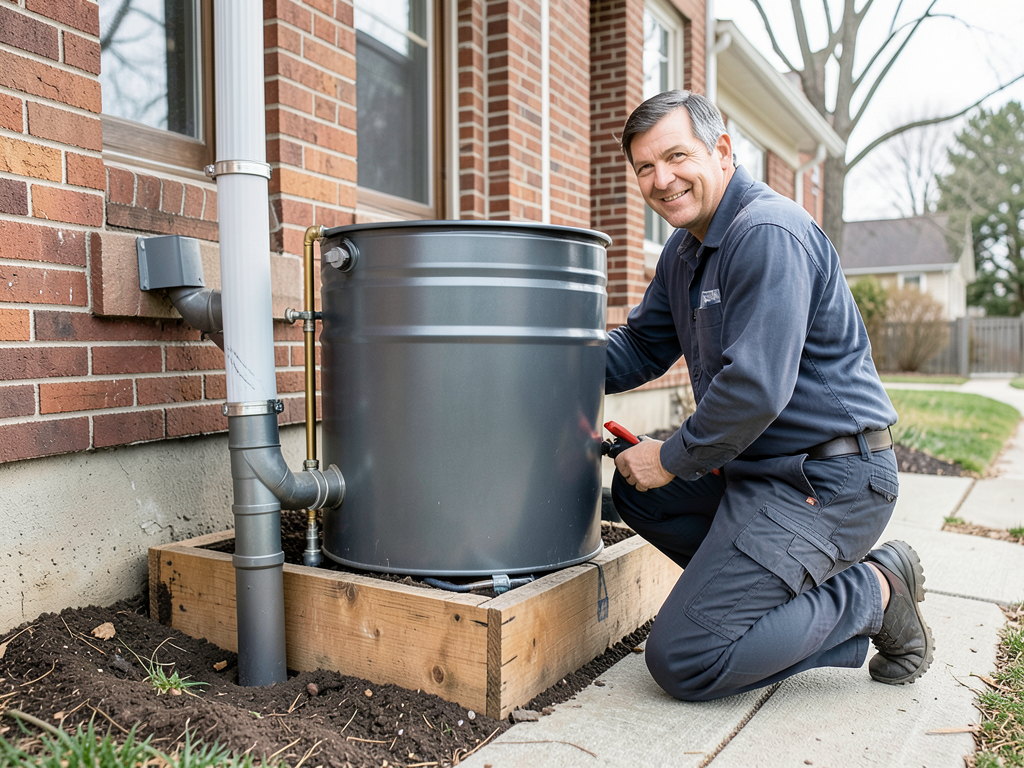
Professional rain barrel installations differ significantly from basic DIY setups. The foundation must be level and elevated at least 12 inches off the ground using pressure-treated lumber or concrete blocks. This elevation creates adequate water pressure for garden hoses and irrigation systems.
The downspout connection requires a diverter kit that automatically channels water into the barrel when it rains and redirects it back through the downspout when full. High-quality diverters include debris filters that prevent leaves and sediment from entering the system.
Overflow management proves critical in Detroit’s heavy rainfall events. Professional systems include 2-inch overflow valves that direct excess water at least 10 feet away from the foundation. Some installations connect overflow pipes to French drains or rain gardens for additional water management.
Spigot placement affects usability. A 3/4-inch brass spigot positioned 6 inches from the bottom allows complete barrel drainage while providing enough clearance for standard garden hose connections. Some homeowners add Y-valve adapters to run multiple irrigation lines simultaneously.
Detroit Regulations and DWSD Drainage Credits
The Detroit Water and Sewerage Department offers drainage charge credits for properties that reduce runoff through approved methods. Rain barrels qualify when properly installed and maintained according to DWSD specifications.
Homeowners must submit documentation showing barrel capacity, installation date, and overflow management plans. DWSD typically requires a minimum of 50 gallons of storage capacity per downspout to qualify for credits. The department conducts periodic inspections to ensure systems remain functional.
Michigan Department of Environment, Great Lakes, and Energy (EGLE) regulations govern non-potable water use. Rain barrel water cannot be used for drinking, cooking, or bathing. Irrigation systems connected to rain barrels require backflow prevention devices to prevent contamination of the municipal water supply. Michigan Department of Environment, Great Lakes, and Energy.
Local building codes in Detroit require rain barrel installations to comply with setback requirements. Barrels must maintain minimum distances from property lines, typically 5 feet, and cannot obstruct emergency access routes. Some historic districts have additional aesthetic requirements for visible installations.
Winterization: Protecting Your System from Michigan Freezes
Detroit’s freeze-thaw cycles pose the greatest threat to rain barrel systems. Water expands approximately 9% when frozen, which can crack plastic barrels, split pipes, and damage diverter components.
Professional winterization begins in late October when temperatures consistently drop below 40°F. The process starts by draining all barrels completely. Any remaining water in the bottom can freeze and cause structural damage.
Diverter kits include winter bypass features that redirect water flow back through the downspout during freezing months. These bypass valves prevent ice dams from forming in the barrel connection points.
Storage location matters for diverter components and hoses. These parts should be brought indoors and stored in a dry location. UV exposure and temperature fluctuations can degrade rubber seals and plastic fittings over time.
Foundation inspection becomes critical before winter. Check that barrel bases remain level and that overflow drainage paths remain clear. Settling can occur during the wet season, creating drainage problems when snow melts in spring.
Professional Installation vs. DIY
DIY rain barrel installations often fail due to improper elevation, inadequate overflow management, or poor downspout connections. Professional installations address these common failure points through proper engineering and material selection.
Material quality significantly impacts system longevity. Professional installations use UV-resistant barrels rated for outdoor use, brass fittings instead of plastic, and schedule 40 PVC for overflow pipes. These materials withstand Michigan’s weather extremes better than big-box store components.
Integrated irrigation connections represent a major advantage of professional installations. Experienced plumbers can connect rain barrels to existing sprinkler systems or create dedicated drip irrigation networks that maximize water efficiency. The Most Trusted Plumbers for Historical Home Pipe Restoration in Indian Village.
Maintenance considerations often overlooked by DIY installers include debris filter cleaning schedules and mosquito prevention. Professional systems include removable filters and sealed connections that prevent insect breeding while maintaining water flow.
Insurance and liability protection matter for homeowners. Professional installations carry warranties and meet local code requirements, protecting property owners from potential fines or denied insurance claims related to improper water management systems.
Calculating Your Rain Harvest Potential
Understanding your collection potential helps determine how many barrels you need. The calculation is straightforward: roof area times rainfall depth times 0.623 equals gallons collected.
For example, a 1,500-square-foot roof section receiving 1 inch of rain collects approximately 935 gallons. Most Detroit homes would need 4-6 standard 55-gallon barrels to capture this volume from a single downspout.
Seasonal patterns affect collection efficiency. Detroit’s heaviest rainfall typically occurs in spring, with April averaging 3.2 inches and May averaging 3.6 inches. Summer months bring sporadic thunderstorms that can overwhelm undersized systems.
Roof material impacts water quality. Asphalt shingles shed small particles that can clog filters, while metal roofs provide cleaner water but may contain trace metals. Professional installations account for these factors when selecting filter types and maintenance schedules.
Usage patterns determine storage needs. A typical vegetable garden requires 1-2 gallons per square foot weekly during peak season. Matching storage capacity to irrigation demands prevents water waste and ensures garden health during dry spells. Why Your Corktown Home Needs a Professional Sewer Line Inspection Before You Buy.
Common Installation Mistakes to Avoid
Improper elevation represents the most frequent DIY error. Barrels sitting directly on the ground provide insufficient water pressure for most irrigation applications. The minimum 12-inch elevation requirement often gets overlooked.
Inadequate overflow management can direct water back toward foundations. Overflow pipes must extend at least 10 feet from structures and maintain downward slope to prevent backflow during heavy rains.
Using standard garden hose connections for main water lines creates bottlenecks. Professional installations use 3/4-inch or 1-inch piping to maintain flow rates that match collection capacity.
Neglecting seasonal maintenance leads to system failure. Debris filters require monthly cleaning during heavy leaf fall, and diverter components need inspection for wear before each rainy season.
Ignoring local regulations can result in fines or credit denials. DWSD maintains specific requirements for barrel placement, overflow management, and documentation that DIY installers often miss.
Advanced Features for Maximum Efficiency
Smart monitoring systems track water levels and rainfall patterns. These systems use soil moisture sensors to automate irrigation, ensuring plants receive water only when needed.
Dual-barrel configurations increase storage capacity without requiring larger footprint. Connecting barrels with equal-height overflow pipes ensures even filling and prevents structural stress on individual units.
Pressure-sensitive pumps enable elevated irrigation without relying on gravity alone. These pumps activate when water pressure drops below preset levels, maintaining consistent flow to drip lines or sprinklers.
Rainwater filtration systems improve water quality for sensitive plants. Simple sediment filters remove particles that can clog drip emitters, while activated carbon filters reduce roof contaminants.
Mobile app integration allows remote monitoring of water levels, rainfall forecasts, and system alerts. These tools help optimize water usage and prevent overflow during heavy storms.
Environmental Impact and Community Benefits
Detroit’s combined sewer system struggles during heavy rainfall events. When stormwater exceeds system capacity, untreated water discharges into the Detroit River, affecting local ecosystems and water quality.
Individual rain barrel installations contribute to community-wide stormwater reduction. If 1,000 Detroit homes each capture 500 gallons per storm, that’s 500,000 gallons diverted from the combined sewer system.
Reduced runoff decreases basement flooding risk in low-lying neighborhoods. Areas near the Detroit River and along the Rouge River watershed particularly benefit from distributed stormwater management.
Educational opportunities arise from visible rain barrel installations. Neighbors often inquire about systems, creating community awareness about water conservation and sustainable landscaping practices.
Property value impacts extend beyond direct benefits. Homes with integrated water management systems often qualify for insurance discounts and demonstrate environmental stewardship that appeals to eco-conscious buyers.
Maintenance Schedule for Long-Term Success
Spring startup requires thorough system inspection. Check for winter damage, clean all filters, and test overflow paths before the rainy season begins.
Summer maintenance focuses on mosquito prevention and debris management. Empty and clean barrels monthly during heavy use periods to prevent algae growth and insect breeding.
Fall preparation involves more frequent filter cleaning as leaves accumulate. Consider installing leaf guards on gutters to reduce maintenance requirements.
Winterization timing proves critical. Begin the shutdown process when nighttime temperatures consistently drop below 40°F to prevent freeze damage.
Annual deep cleaning removes sediment buildup that affects water quality and system efficiency. Professional cleaning services can inspect internal components and replace worn seals or fittings.
Cost Considerations and ROI
Professional rain barrel installations typically range from $800 to $2,500 depending on system complexity. Basic setups with 2-3 barrels cost less, while integrated irrigation systems with smart controls cost more.
DIY materials cost $200 to $600 but often require multiple trips to hardware stores and specialized tools. The time investment and potential for mistakes can offset initial savings.
DWSD drainage charge credits provide ongoing savings. Credits typically range from $20 to $80 quarterly, depending on system capacity and local rainfall patterns.
Reduced water bills during irrigation season offer additional savings. A typical garden can save $50 to $150 annually on municipal water costs when using rain barrels.
System longevity affects total cost of ownership. Professional installations using quality materials often last 10-15 years with proper maintenance, while DIY systems may need replacement after 5-7 years.
Frequently Asked Questions
How much water can I collect from my roof?
A standard 1,000-square-foot roof section collects approximately 600 gallons from one inch of rainfall. Detroit’s average annual rainfall of 33 inches means a typical home could collect over 19,000 gallons yearly from a single downspout.
Do I need a permit for rain barrel installation in Detroit?
Basic rain barrel installations typically don’t require permits, but systems connected to irrigation networks or exceeding 200 gallons may need approval. DWSD requires registration for drainage charge credit eligibility.
Can I drink rainwater collected in barrels?
No. Michigan regulations prohibit using rain barrel water for drinking, cooking, or bathing. The water may contain contaminants from roof materials, bird droppings, or atmospheric pollutants that require treatment for potable use.
How do I prevent mosquitoes in my rain barrels?
Professional systems include sealed connections and fine mesh screens that prevent mosquito access. Some homeowners add mosquito dunks containing Bacillus thuringiensis israelensis (Bti), a bacteria that kills mosquito larvae without harming plants.
What happens if my barrels overflow?
Professional installations include overflow valves that direct excess water at least 10 feet from foundations. Some systems connect to French drains or rain gardens for additional water management during heavy storms.
How long do rain barrels last in Michigan weather?
Quality UV-resistant barrels with proper winterization typically last 10-15 years. Components like diverter kits and spigots may need replacement every 5-7 years due to freeze-thaw cycling and UV exposure.
Will rain barrels really lower my water bill?
Yes. During peak irrigation season, rain barrels can reduce municipal water usage by 30-50%. Combined with DWSD drainage charge credits, many homeowners see annual savings of $100 to $300.
Ready to Install Your Rain Barrel System?
Professional installation ensures your rain barrel system functions properly through Detroit’s challenging weather conditions while maximizing DWSD credits and water savings. Our licensed plumbers understand local codes, soil conditions, and the specific challenges Detroit homeowners face.
Don’t wait until the next heavy rainstorm overwhelms your drainage system. Call (313) 572-4144 today to schedule your rain barrel consultation and take the first step toward sustainable water management.
Our team provides free estimates, handles all permitting requirements, and offers maintenance plans to keep your system running efficiently for years to come. We serve Detroit and surrounding communities with the expertise that only comes from years of local experience.
Pick up the phone and call (313) 572-4144 before the spring rains arrive. Your basement, your garden, and your wallet will thank you.
You may also find this helpful. Why Your Grosse Pointe Shores Yard Needs a Catch Basin instead of Just a French Drain.
{
“@context”: “https://schema.org”,
“@type”: “BlogPosting”,
“headline”: “A Guide to Rain Barrel Installation and Plumbing for Eco-Conscious Ann Arbor Homeowners”,
“description”: “Learn how to install rain barrels in Ann Arbor with proper plumbing connections, DWSD drainage credits, and winter protection for Michigan’s freeze-thaw cycles.”,
“wordCount”: 2110,
“datePublished”: “2026-05-29T15:01:00.000Z”,
“dateModified”: “2026-05-29T15:01:00.000Z”,
“inLanguage”: “en-US”,
“mainEntityOfPage”: {
“@type”: “WebPage”,
“@id”: “https://ironwoodplumbingdetroit.com”
},
“publisher”: {
“@type”: “LocalBusiness”,
“name”: “Ironwood Plumbing Detroit”,
“url”: “https://ironwoodplumbingdetroit.com”
},
“author”: {
“@type”: “Organization”,
“name”: “Ironwood Plumbing Detroit”,
“url”: “https://ironwoodplumbingdetroit.com”
},
“image”: {
“@type”: “ImageObject”,
“url”: “https://ironwoodplumbingdetroit.com/wp-content/uploads/2026/03/a-guide-to-rain-barrel-installation-and-plumbing-f-1.png”
}
}
{
“@context”: “https://schema.org”,
“@type”: “Plumber”,
“name”: “Ironwood Plumbing Detroit”,
“url”: “https://ironwoodplumbingdetroit.com”,
“address”: {
“@type”: “PostalAddress”,
“addressLocality”: “Detroit”
},
“areaServed”: {
“@type”: “City”,
“name”: “Detroit”
}
}
{
“@context”: “https://schema.org”,
“@type”: “FAQPage”,
“mainEntity”: [
{
“@type”: “Question”,
“name”: “How much water can I collect from my roof?”,
“acceptedAnswer”: {
“@type”: “Answer”,
“text”: “A standard 1,000-square-foot roof section collects approximately 600 gallons from one inch of rainfall. Detroit’s average annual rainfall of 33 inches means a typical home could collect over 19,000 gallons yearly from a single downspout.”
}
},
{
“@type”: “Question”,
“name”: “Do I need a permit for rain barrel installation in Detroit?”,
“acceptedAnswer”: {
“@type”: “Answer”,
“text”: “Basic rain barrel installations typically don’t require permits, but systems connected to irrigation networks or exceeding 200 gallons may need approval. DWSD requires registration for drainage charge credit eligibility.”
}
},
{
“@type”: “Question”,
“name”: “Can I drink rainwater collected in barrels?”,
“acceptedAnswer”: {
“@type”: “Answer”,
“text”: “No. Michigan regulations prohibit using rain barrel water for drinking, cooking, or bathing. The water may contain contaminants from roof materials, bird droppings, or atmospheric pollutants that require treatment for potable use.”
}
},
{
“@type”: “Question”,
“name”: “How do I prevent mosquitoes in my rain barrels?”,
“acceptedAnswer”: {
“@type”: “Answer”,
“text”: “Professional systems include sealed connections and fine mesh screens that prevent mosquito access. Some homeowners add mosquito dunks containing Bacillus thuringiensis israelensis (Bti), a bacteria that kills mosquito larvae without harming plants.”
}
},
{
“@type”: “Question”,
“name”: “What happens if my barrels overflow?”,
“acceptedAnswer”: {
“@type”: “Answer”,
“text”: “Professional installations include overflow valves that direct excess water at least 10 feet from foundations. Some systems connect to French drains or rain gardens for additional water management during heavy storms.”
}
},
{
“@type”: “Question”,
“name”: “How long do rain barrels last in Michigan weather?”,
“acceptedAnswer”: {
“@type”: “Answer”,
“text”: “Quality UV-resistant barrels with proper winterization typically last 10-15 years. Components like diverter kits and spigots may need replacement every 5-7 years due to freeze-thaw cycling and UV exposure.”
}
},
{
“@type”: “Question”,
“name”: “Will rain barrels really lower my water bill?”,
“acceptedAnswer”: {
“@type”: “Answer”,
“text”: “Yes. During peak irrigation season, rain barrels can reduce municipal water usage by 30-50%. Combined with DWSD drainage charge credits, many homeowners see annual savings of $100 to $300.”
}
},
{
“@type”: “Question”,
“name”: “Ready to Install Your Rain Barrel System?”,
“acceptedAnswer”: {
“@type”: “Answer”,
“text”: “Professional installation ensures your rain barrel system functions properly through Detroit’s challenging weather conditions while maximizing DWSD credits and water savings. Our licensed plumbers understand local codes, soil conditions, and the specific challenges Detroit homeowners face.”
}
}
]
}
{
“@context”: “https://schema.org”,
“@type”: “BreadcrumbList”,
“itemListElement”: [
{
“@type”: “ListItem”,
“position”: 1,
“name”: “Home”,
“item”: “https://ironwoodplumbingdetroit.com”
},
{
“@type”: “ListItem”,
“position”: 2,
“name”: “Blog”,
“item”: “https://ironwoodplumbingdetroit.com/blog”
},
{
“@type”: “ListItem”,
“position”: 3,
“name”: “A Guide to Rain Barrel Installation and Plumbing for Eco-Conscious Ann Arbor Homeowners”
}
]
}
{
“@context”: “https://schema.org”,
“@type”: “Service”,
“serviceType”: “Plumbing”,
“provider”: {
“@type”: “LocalBusiness”,
“name”: “Ironwood Plumbing Detroit”,
“url”: “https://ironwoodplumbingdetroit.com”
},
“areaServed”: {
“@type”: “City”,
“name”: “Detroit”
},
“description”: “Learn how to install rain barrels in Ann Arbor with proper plumbing connections, DWSD drainage credits, and winter protection for Michigan’s freeze-thaw cycles.”
}