
Creating an ADA-compliant bathroom in your Southgate home for aging in place
Creating an ADA-compliant bathroom in your Southgate home for aging in place requires careful planning and specific plumbing modifications to ensure safety and accessibility. The Americans with Disabilities Act (ADA) sets strict guidelines for bathroom fixtures and clearances that go beyond standard residential plumbing. For Southgate homeowners looking to modify their bathrooms for aging in place, understanding these requirements is essential for both safety and code compliance. ADA bathroom guidelines.
The Michigan Plumbing Code requires specific pipe insulation and reinforcement when installing ADA fixtures. Grab bars must be anchored to structural studs with blocking behind the wall, not just screwed into drywall. Walk-in tubs need reinforced flooring to support the weight of water plus an occupant, which can exceed 1,000 pounds when filled. These technical requirements mean you need a plumber who understands both ADA standards and Southgate’s specific building codes. Michigan Plumbing Code.
Understanding ADA requirements for Southgate residential bathrooms
ADA guidelines for residential bathrooms focus on accessibility for people with mobility challenges. The key measurements include a minimum 30-inch by 48-inch clear floor space for wheelchair turning radius. Toilet height must be 17 to 19 inches from floor to seat, and grab bars need specific mounting heights and reinforcement. The sink rim cannot exceed 34 inches in height, and there must be 27 inches of knee clearance underneath. Commercial Toilet & Urinal Repair.
Southgate homes built before 2000 often have 1.5-inch drain lines that don’t meet current ADA requirements for walk-in tubs. These tubs typically need 2-inch drains to prevent slow draining and overflow. The Michigan Plumbing Code Section 408.3 specifically addresses fixture requirements for accessible bathrooms, requiring thermostatic mixing valves to prevent scalding at accessible sinks and tubs. Plumbing Dearborn.
Call (313) 572-4144 today to schedule your ADA bathroom assessment before you start your remodel.
Essential ADA plumbing components for aging in place
Walk-in tubs are the cornerstone of many ADA-compliant bathroom remodels in Southgate. These tubs feature watertight doors that allow users to step in rather than climb over a high tub wall. The plumbing requires reinforced floor joists since filled walk-in tubs can weigh over 1,000 pounds. You’ll need a dedicated 2-inch drain line and often a second emergency drain as required by the Michigan Plumbing Code. Plumbing Taylor.
Grab bars are another critical component. They must be installed with proper blocking behind the wall, not just screwed into drywall. The ADA requires grab bars to support 250 pounds of force. In Southgate’s older homes, this often means opening walls to install proper blocking between studs. The bars should be 1.25 to 1.5 inches in diameter with a non-slip surface.
Thermostatic mixing valves are mandatory for ADA-compliant bathrooms under Michigan code. These valves prevent scalding by maintaining water temperature within ±3 degrees Fahrenheit. They’re especially important for elderly users who may have reduced sensitivity to temperature. The valves need annual testing to ensure they maintain proper temperature control.
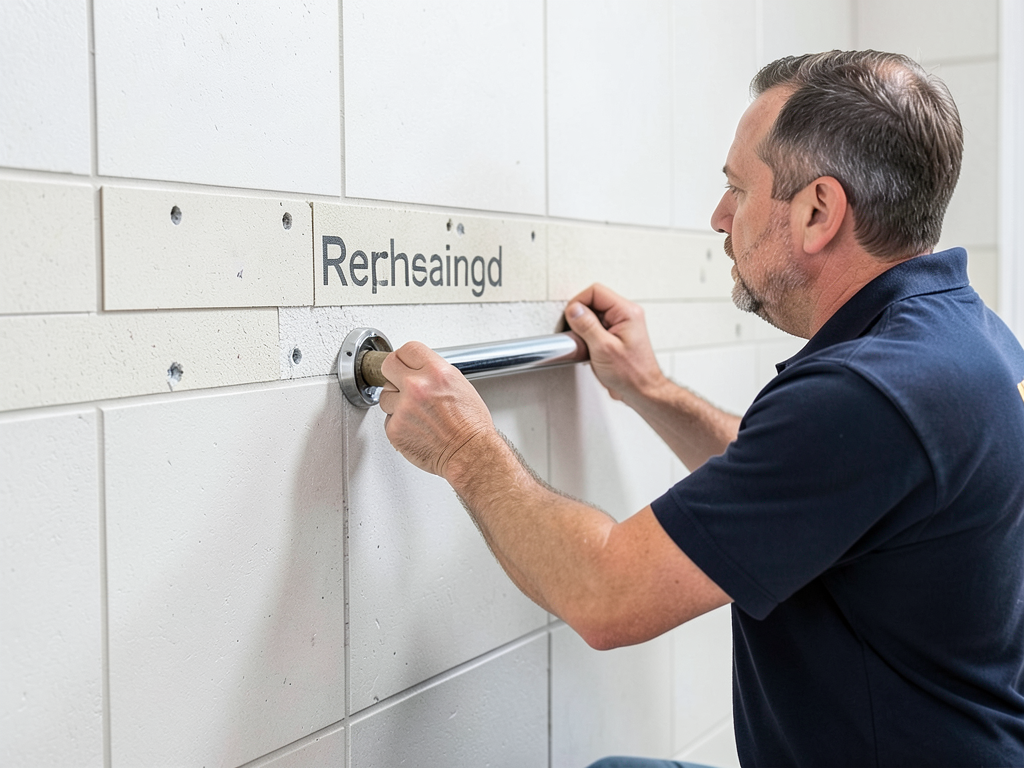
Diagram showing proper grab bar mounting heights and reinforcement blocking behind bathroom walls for ADA compliance
Southgate-specific building considerations for ADA bathrooms
Southgate homes built in the 1950s through 1970s often have cast iron drain lines that can be challenging for ADA modifications. These pipes become brittle with age and may need replacement when installing new fixtures. The clay soil in Southgate expands and contracts with moisture changes, which can cause foundation shifting that affects bathroom floor levels. This makes proper leveling critical for wheelchair accessibility.
The Detroit Water and Sewerage Department (DWSD) requires permits for all bathroom fixture replacements in Southgate. This includes walk-in tubs and accessible showers. The permitting process ensures that new fixtures meet both ADA requirements and local plumbing codes. DWSD inspectors check for proper drain sizing, ventilation, and backflow prevention devices. Shower & Bathtub Plumbing.
Southgate’s freeze-thaw cycles create unique challenges for bathroom plumbing. Water lines need proper insulation to prevent freezing in exterior walls. The Michigan Plumbing Code requires a minimum of R-3 insulation on accessible water lines in exterior walls. This is especially important for walk-in tubs with exposed supply lines that could freeze and burst. Plumbing Detroit.
Walk-in tub installation requirements and plumbing
Walk-in tub installation requires specific plumbing modifications that many Southgate homeowners don’t anticipate. The drain system needs to handle 10-15 gallons per minute flow rates, which is double the capacity of standard tub drains. This often requires upgrading from 1.5-inch to 2-inch drain lines. The Michigan Plumbing Code Section 408.4 requires emergency overflow drains on walk-in tubs, which must be connected to the drainage system.. Read more about Planning the Plumbing for a Backyard Accessory Dwelling Unit in the University District.
Water supply lines for walk-in tubs need 3/4-inch supply lines rather than standard 1/2-inch lines to fill the tub in a reasonable time. The water heater capacity becomes critical since walk-in tubs hold 50-80 gallons. Many Southgate homes need a larger water heater or a dedicated tankless unit for the bathroom.
The electrical requirements are also more stringent. Walk-in tubs need GFCI protection and often require a dedicated 20-amp circuit. The National Electrical Code Article 680 requires specific grounding and bonding for accessible tub installations. The floor must be reinforced to support the weight, which can exceed 1,500 pounds when filled with water and occupied.
Grab bar installation and reinforcement techniques
Proper grab bar installation is critical for safety and code compliance. The ADA requires grab bars to withstand 250 pounds of force in any direction. This means installing them with structural blocking behind the wall, not just drywall anchors. In Southgate’s older homes, this often requires opening walls to install proper blocking between studs.
The mounting height is also critical. Horizontal grab bars must be mounted 33 to 36 inches above the floor. Vertical bars need to extend from 39 to 41 inches above the floor. The ADA specifies different requirements for different applications – toilet grab bars are different from shower grab bars. The diameter must be 1.25 to 1.5 inches with a non-slip surface.
Southgate’s clay soil can cause foundation movement that affects grab bar stability over time. Using expansion anchors rather than simple screws helps prevent bars from pulling out. The Michigan Plumbing Code requires that all accessible bathroom fixtures be installed by licensed plumbers, including grab bar mounting hardware.

Photo showing proper blocking installation behind bathroom walls before drywall, with grab bar mounting hardware
Accessible sink and vanity modifications
ADA-compliant sinks require specific clearances and mounting heights. The sink rim cannot exceed 34 inches in height, and there must be 27 inches of knee clearance underneath. The Michigan Plumbing Code requires that accessible sinks have insulated pipes to prevent burns from hot water lines. This is especially important for wheelchair users who may have their legs under the sink.
Single-lever faucets are required rather than knob-style handles. The ADA specifies that faucets must be operable with one hand without tight grasping or twisting. Lever handles are the most common solution. Motion-sensor faucets are also acceptable and can be more convenient for users with limited hand dexterity.
Southgate homes often need vanity modifications to create proper knee clearance. Standard vanities are 32 inches high, but accessible vanities need to be 34 inches or lower. This may require custom cabinetry or modified standard cabinets. The drain trap must be insulated or offset to prevent knee contact with cold pipes.
ADA shower modifications and barrier-free designs
Barrier-free showers are becoming increasingly popular for ADA-compliant bathrooms in Southgate. These showers have no curb, allowing wheelchair access. The floor must slope properly to the drain – typically 1/4 inch per foot. The Michigan Plumbing Code requires waterproofing for barrier-free showers that extends up the walls at least 6 inches.
Shower controls need specific placement. The valve must be accessible from both inside and outside the shower spray. The ADA requires controls to be mounted no higher than 48 inches from the floor. Thermostatic mixing valves are mandatory to prevent scalding. The showerhead must be handheld with a 60-inch hose minimum.
Southgate’s high water table can affect shower drainage. Proper venting is critical to prevent slow draining and sewer gas backup. The Michigan Plumbing Code requires individual vent stacks for accessible bathrooms in many cases. This ensures proper drainage even when multiple fixtures are used simultaneously.
Cost factors for ADA bathroom remodeling in Southgate
ADA bathroom remodeling costs in Southgate vary significantly based on the home’s age and existing conditions. A basic walk-in tub installation starts around $5,000, but can exceed $15,000 when structural modifications are needed. Grab bar installation with proper blocking typically costs $300-600 per bar, not including the wall repair.
Older Southgate homes often have hidden costs. Galvanized pipes from the 1960s may need replacement when installing new fixtures. Cast iron drains may be too small for ADA requirements and need upgrading. The DWSD permitting process adds $200-500 to most projects, plus inspection fees.
The return on investment for ADA modifications is significant for aging in place. These improvements can add 5-10 years of independent living and increase home value by 15-20% compared to homes without accessibility features. Many Southgate homeowners find that the safety benefits far outweigh the initial costs.
Why hire a certified ADA plumber in Southgate
ADA bathroom remodeling requires specialized knowledge that goes beyond standard plumbing. A certified ADA plumber understands the Michigan Plumbing Code requirements, DWSD permitting processes, and the specific needs of elderly users. They know how to properly reinforce walls for grab bars, size drains for walk-in tubs, and install thermostatic mixing valves correctly.
Experience matters significantly with ADA projects. A plumber who has completed 50+ ADA bathroom remodels in Southgate will know the common issues specific to local home construction. They’ll understand how to work with Southgate’s clay soil conditions, older home electrical systems, and the permitting requirements that can delay projects.
Insurance and licensing are critical for ADA work. The Michigan Plumbing Code requires specific liability coverage for accessible bathroom installations. A certified ADA plumber carries the proper insurance and can pull the required permits. They also provide warranties on their work that cover both the plumbing and the accessibility features.
Before and after photo of an ADA bathroom remodel in Southgate showing walk-in tub, grab bars, and accessible sink installation
Frequently Asked Questions
Do I need a permit for ADA bathroom modifications in Southgate?
Yes, the Detroit Water and Sewerage Department requires permits for all bathroom fixture replacements, including ADA modifications. This includes walk-in tubs, accessible showers, and even grab bar installations that require wall modifications. The permitting process ensures compliance with the Michigan Plumbing Code and local building standards.
How long does ADA bathroom remodeling take in Southgate?
Most ADA bathroom remodels in Southgate take 2-3 weeks from start to finish. This includes demolition, structural modifications, plumbing rough-in, fixture installation, and final inspections. Projects requiring DWSD permits may take an additional week for the permitting process. Complex projects with structural changes can take 4-6 weeks.
Can I keep my existing bathroom layout for ADA modifications?
Sometimes, but often not. ADA requirements for clearances and turning radii may require reconfiguring your bathroom layout. A standard 5×8 foot bathroom may not provide enough space for wheelchair turning. Your plumber can assess your specific space and recommend whether layout changes are necessary for proper ADA compliance.
What’s the difference between ADA and universal design?
ADA compliance follows specific legal requirements for accessibility, while universal design focuses on creating spaces usable by people of all ages and abilities. Universal design often exceeds ADA minimums and includes features like adjustable height fixtures and wider doorways. Many Southgate homeowners choose universal design principles for better long-term usability.
How do I maintain my new ADA bathroom fixtures?
Walk-in tubs need regular cleaning of the door seal to prevent leaks. Grab bars should be checked annually for tightness. Thermostatic mixing valves require testing every six months to ensure proper temperature control. Your ADA plumber can provide specific maintenance schedules for your fixtures and identify potential issues before they become problems.
- Assess your needs
Evaluate the specific mobility challenges and determine which ADA features are necessary. Consider both current needs and potential future requirements as mobility changes over time.
- Consult a certified ADA plumber
Have a professional assess your existing bathroom and provide recommendations for ADA compliance. They can identify structural issues and code requirements specific to Southgate homes.
- Plan your budget
Determine your budget including fixtures, modifications, permits, and potential hidden costs. Factor in 15-20% for unexpected issues common in older Southgate homes.
- Obtain necessary permits
Work with your plumber to pull required DWSD permits before starting work. This ensures your project meets all code requirements and passes inspections.
- Schedule the work
Plan the remodel during favorable weather if exterior modifications are needed. Coordinate with your plumber to minimize disruption and ensure proper sequencing of work.
Creating an ADA-compliant bathroom in your Southgate home requires careful planning and specialized expertise. The combination of Michigan Plumbing Code requirements, DWSD permitting, and the specific needs of aging in place users makes this more complex than standard bathroom remodeling. Working with a certified ADA plumber ensures your project meets all requirements while providing the safety and accessibility you need.
Southgate’s older homes present unique challenges for ADA modifications. From cast iron drain lines that need upgrading to foundation movement from clay soil, experienced plumbers know how to handle these local issues. The investment in proper ADA compliance provides years of safe, independent living and can significantly increase your home’s value.
Call (313) 572-4144 today to schedule your ADA bathroom assessment and take the first step toward a safer, more accessible home.
Don’t wait until a fall or mobility issue forces emergency modifications. Plan your ADA bathroom remodel now while you can make thoughtful decisions about fixtures, layout, and features. Your future self will thank you for the investment in safety and independence.
{
“@context”: “https://schema.org”,
“@type”: “BlogPosting”,
“headline”: “Creating an ADA-compliant bathroom in your Southgate home for aging in place”,
“description”: “Learn how to design a safe ADA-compliant bathroom in your Southgate home. Get expert plumbing advice on grab bars, walk-in tubs, and aging-in-place features.”,
“wordCount”: 2302,
“datePublished”: “2026-05-17T15:03:00.000Z”,
“dateModified”: “2026-05-17T15:03:00.000Z”,
“inLanguage”: “en-US”,
“mainEntityOfPage”: {
“@type”: “WebPage”,
“@id”: “https://ironwoodplumbingdetroit.com”
},
“publisher”: {
“@type”: “LocalBusiness”,
“name”: “Ironwood Plumbing Detroit”,
“url”: “https://ironwoodplumbingdetroit.com”
},
“author”: {
“@type”: “Organization”,
“name”: “Ironwood Plumbing Detroit”,
“url”: “https://ironwoodplumbingdetroit.com”
},
“image”: {
“@type”: “ImageObject”,
“url”: “https://ironwoodplumbingdetroit.com/wp-content/uploads/2026/03/creating-an-ada-compliant-bathroom-in-your-southga-1.png”
}
}
{
“@context”: “https://schema.org”,
“@type”: “Plumber”,
“name”: “Ironwood Plumbing Detroit”,
“url”: “https://ironwoodplumbingdetroit.com”,
“address”: {
“@type”: “PostalAddress”,
“addressLocality”: “Detroit”
},
“areaServed”: {
“@type”: “City”,
“name”: “Detroit”
}
}
{
“@context”: “https://schema.org”,
“@type”: “FAQPage”,
“mainEntity”: [
{
“@type”: “Question”,
“name”: “Do I need a permit for ADA bathroom modifications in Southgate?”,
“acceptedAnswer”: {
“@type”: “Answer”,
“text”: “Yes, the Detroit Water and Sewerage Department requires permits for all bathroom fixture replacements, including ADA modifications. This includes walk-in tubs, accessible showers, and even grab bar installations that require wall modifications. The permitting process ensures compliance with the Michigan Plumbing Code and local building standards.”
}
},
{
“@type”: “Question”,
“name”: “How long does ADA bathroom remodeling take in Southgate?”,
“acceptedAnswer”: {
“@type”: “Answer”,
“text”: “Most ADA bathroom remodels in Southgate take 2-3 weeks from start to finish. This includes demolition, structural modifications, plumbing rough-in, fixture installation, and final inspections. Projects requiring DWSD permits may take an additional week for the permitting process. Complex projects with structural changes can take 4-6 weeks.”
}
},
{
“@type”: “Question”,
“name”: “Can I keep my existing bathroom layout for ADA modifications?”,
“acceptedAnswer”: {
“@type”: “Answer”,
“text”: “Sometimes, but often not. ADA requirements for clearances and turning radii may require reconfiguring your bathroom layout. A standard 5×8 foot bathroom may not provide enough space for wheelchair turning. Your plumber can assess your specific space and recommend whether layout changes are necessary for proper ADA compliance.”
}
},
{
“@type”: “Question”,
“name”: “How do I maintain my new ADA bathroom fixtures?”,
“acceptedAnswer”: {
“@type”: “Answer”,
“text”: “Walk-in tubs need regular cleaning of the door seal to prevent leaks. Grab bars should be checked annually for tightness. Thermostatic mixing valves require testing every six months to ensure proper temperature control. Your ADA plumber can provide specific maintenance schedules for your fixtures and identify potential issues before they become problems.”
}
}
]
}
{
“@context”: “https://schema.org”,
“@type”: “HowTo”,
“name”: “How to plan your ADA bathroom remodel”,
“step”: [
{
“@type”: “HowToStep”,
“position”: 1,
“name”: “Assess your needs”,
“text”: “Evaluate the specific mobility challenges and determine which ADA features are necessary. Consider both current needs and potential future requirements as mobility changes over time.”
},
{
“@type”: “HowToStep”,
“position”: 2,
“name”: “Consult a certified ADA plumber”,
“text”: “Have a professional assess your existing bathroom and provide recommendations for ADA compliance. They can identify structural issues and code requirements specific to Southgate homes.”
},
{
“@type”: “HowToStep”,
“position”: 3,
“name”: “Plan your budget”,
“text”: “Determine your budget including fixtures, modifications, permits, and potential hidden costs. Factor in 15-20% for unexpected issues common in older Southgate homes.”
},
{
“@type”: “HowToStep”,
“position”: 4,
“name”: “Obtain necessary permits”,
“text”: “Work with your plumber to pull required DWSD permits before starting work. This ensures your project meets all code requirements and passes inspections.”
},
{
“@type”: “HowToStep”,
“position”: 5,
“name”: “Schedule the work”,
“text”: “Plan the remodel during favorable weather if exterior modifications are needed. Coordinate with your plumber to minimize disruption and ensure proper sequencing of work.”
}
],
“image”: “https://ironwoodplumbingdetroit.com/wp-content/uploads/2026/03/creating-an-ada-compliant-bathroom-in-your-southga-1.png”
}
{
“@context”: “https://schema.org”,
“@type”: “BreadcrumbList”,
“itemListElement”: [
{
“@type”: “ListItem”,
“position”: 1,
“name”: “Home”,
“item”: “https://ironwoodplumbingdetroit.com”
},
{
“@type”: “ListItem”,
“position”: 2,
“name”: “Blog”,
“item”: “https://ironwoodplumbingdetroit.com/blog”
},
{
“@type”: “ListItem”,
“position”: 3,
“name”: “Creating an ADA-compliant bathroom in your Southgate home for aging in place”
}
]
}
{
“@context”: “https://schema.org”,
“@type”: “Service”,
“serviceType”: “Plumbing”,
“provider”: {
“@type”: “LocalBusiness”,
“name”: “Ironwood Plumbing Detroit”,
“url”: “https://ironwoodplumbingdetroit.com”
},
“areaServed”: {
“@type”: “City”,
“name”: “Detroit”
},
“description”: “Learn how to design a safe ADA-compliant bathroom in your Southgate home. Get expert plumbing advice on grab bars, walk-in tubs, and aging-in-place features.”
}