




menu

Tank vs. Tankless Water Heaters in Detroit – Compare Performance and Efficiency for Your Home

Understanding the real differences between storage and instantaneous water heaters helps Detroit homeowners make smarter decisions about hot water capacity, energy efficiency, and long-term performance in our demanding climate.

Slider Image 1
Slider Image 2
Slider Image 3
Slider Image 4
Slider Image 5
Slider Image 7
Slider Image 8
Slider Image 9
Slider Image 10
Slider Image 11

Why Detroit Homeowners Struggle With Water Heater Decisions

You face a genuine dilemma when your water heater fails or when you want to upgrade. The tank vs tankless water heater comparison involves more than marketing claims. It requires understanding how Detroit's freeze-thaw cycles, hard water content, and older home infrastructure affect performance.

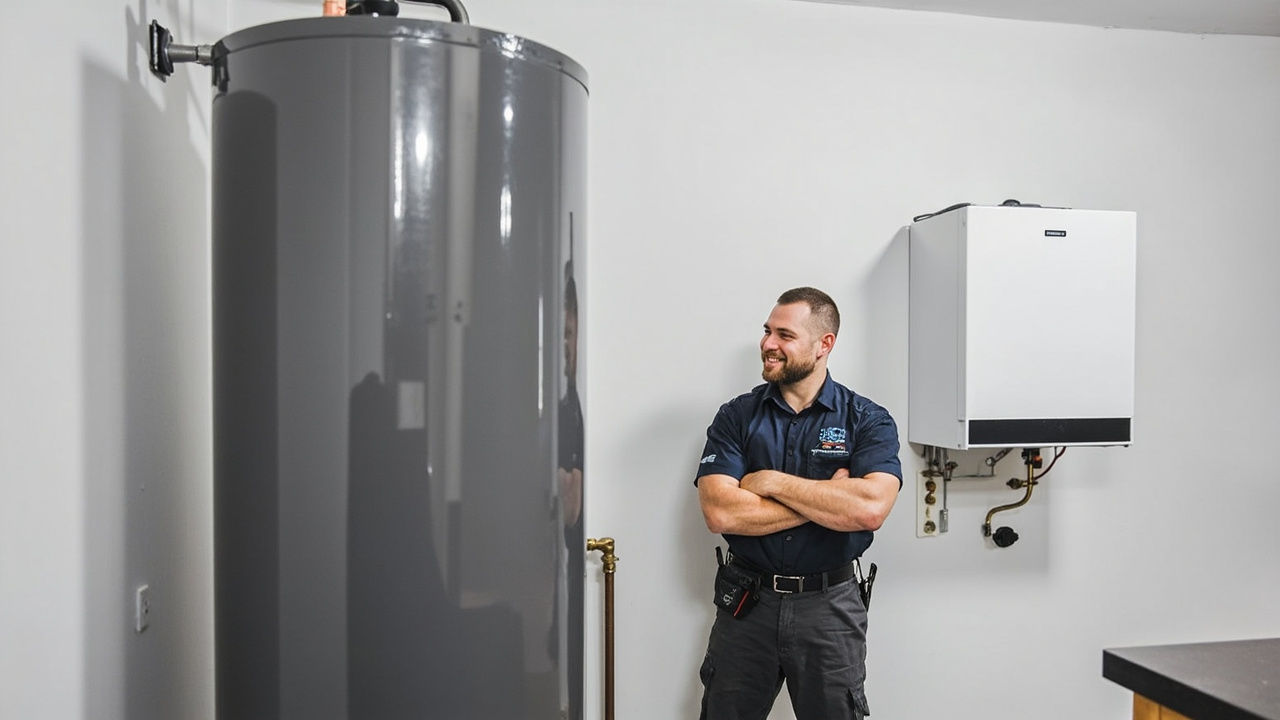
Traditional storage water heaters dominate Detroit basements because they were the standard when most homes were built. These conventional units store 40 to 80 gallons of heated water in an insulated tank. When you open a hot water tap, the stored water flows directly to your fixture. The burner or heating element activates to maintain the set temperature. This simple mechanical system worked well for decades.

On-demand water heaters changed the equation. These instantaneous units heat water only when you activate a fixture. Cold water flows through heat exchanger coils, where powerful burners or electric elements raise the temperature rapidly. You get hot water without storage waste.

Detroit's water chemistry complicates both systems. Our municipal water carries significant mineral content, particularly calcium and magnesium. These minerals precipitate out at high temperatures, forming scale deposits. Standard tank heaters accumulate sediment at the bottom, reducing efficiency and shortening tank life. Tankless units face scale buildup in the narrow heat exchanger passages, which restricts flow and damages components.

The choice between conventional and tankless water heaters depends on your specific usage patterns, existing plumbing infrastructure, and budget for installation and operation. Neither system is universally superior. Each offers distinct advantages for different Detroit households.

Why Detroit Homeowners Struggle With Water Heater Decisions
How Storage and Instantaneous Systems Actually Work

How Storage and Instantaneous Systems Actually Work

Storage water heaters operate on a simple principle. The tank contains water heated to your set temperature, typically 120 to 140 degrees. As you use hot water, cold water enters through the dip tube at the bottom. The thermostat detects temperature drop and signals the burner or heating element to activate. The recovery rate determines how quickly the unit can reheat the full tank volume.

Gas-fired storage heaters use atmospheric or power-vented burners. Combustion gases exit through the flue, creating natural or forced draft. Electric models use immersion heating elements, eliminating venting requirements. Both designs include a temperature and pressure relief valve, anode rod for corrosion protection, and drain valve for maintenance.

Instantaneous water heaters function differently. When you open a hot water tap, a flow sensor detects movement. The control board calculates the temperature differential between incoming cold water and your set output temperature. It modulates gas valve position or electric element power to achieve the target. Water flows through the heat exchanger, reaching temperature in seconds.

Tankless units require minimum flow rates to activate, typically 0.4 to 0.6 gallons per minute. Below this threshold, the unit will not fire. This prevents short cycling but can frustrate users who expect trickle flows. Maximum flow capacity depends on groundwater temperature and desired output temperature. Detroit's 45-degree winter groundwater requires more energy input than the 55-degree water used in manufacturer ratings.

Understanding these mechanical differences helps you evaluate whether traditional or on-demand water heaters match your household demands. Installation requirements vary significantly between systems, affecting total project cost and feasibility in your specific home.

Evaluating Which System Fits Your Detroit Home

Tank vs. Tankless Water Heaters in Detroit – Compare Performance and Efficiency for Your Home
01

Usage Pattern Analysis

We measure your peak demand periods and simultaneous fixture usage. A family running multiple showers, dishwasher, and laundry simultaneously needs different capacity than a couple with staggered schedules. We calculate your gallon-per-minute requirements during maximum usage to determine if a tankless unit can maintain temperature or if stored capacity makes more sense for your patterns.
02

Infrastructure Assessment

Your existing plumbing and utilities determine feasibility. Tankless gas heaters require larger gas lines than storage heaters because they consume 150,000 to 200,000 BTUs during operation. Your current half-inch gas line will not support this demand. Electric tankless units need dedicated 240-volt circuits with 100 to 150 amp capacity. We verify your electrical panel can accommodate the load without extensive upgrades.
03

Long-Term Cost Projection

We calculate total ownership costs over expected lifespan. Storage heaters last 8 to 12 years with lower installation costs but higher operating expenses. Tankless units can last 20 years but require significant upfront investment and annual maintenance. Detroit's hard water increases maintenance frequency for both systems. We factor in energy costs, repair probability, and replacement timing to show you real financial impact.

Why Detroit Water Characteristics Matter for Your Choice

Ironwood Plumbing Detroit works exclusively in metropolitan Detroit. We install and service both conventional and tankless water heaters across Wayne, Oakland, and Macomb counties. Our experience with local conditions shapes our recommendations.

Detroit's municipal water system delivers some of the hardest water in Michigan. The Great Lakes source water picks up minerals as it moves through treatment and distribution. Typical hardness readings range from 120 to 180 parts per million. This concentration accelerates scale formation in both storage and instantaneous heaters.

We see premature tank failures in storage heaters when homeowners skip annual flushing. Sediment accumulates at the bottom, creating hot spots that weaken the steel. The anode rod depletes faster in hard water, allowing corrosion once sacrificial protection ends. Regular maintenance extends tank life significantly, but many Detroit homeowners neglect this simple procedure.

Tankless heaters suffer different problems with our water. Scale builds up in the heat exchanger passages, restricting flow and causing error codes. Manufacturers specify annual descaling for hard water areas, but the procedure requires pumping acidic solution through the unit for 45 minutes. Skipping this maintenance leads to expensive heat exchanger replacement.

Your home's age affects installation complexity. Older Detroit homes have galvanized or copper plumbing designed for storage heater flow rates and pressure. Tankless units deliver water at higher pressure, which can stress aging pipes. We evaluate your entire system before recommending instantaneous heaters in pre-1970 homes.

Basement placement presents unique challenges. Detroit homes with Michigan basements or crawl spaces require careful venting consideration. Tankless units produce condensate that needs proper drainage. Freezing temperatures in unheated spaces can damage units during extended absences.

We understand these local variables because we work in these conditions daily. Our recommendations reflect realistic performance expectations for Detroit infrastructure and water characteristics.

What You Should Know Before Choosing

Installation Timeline and Disruption

Replacing a storage heater with another storage unit typically takes four to six hours. We drain the old unit, disconnect utilities, remove it, position the new tank, make connections, fill, and test. You have hot water by evening. Converting from tank to tankless extends the timeline significantly. Gas line upgrades, electrical panel modifications, new venting, and condensate drainage can require two to three days. Electric tankless conversions demand electrical service upgrades in many Detroit homes, adding weeks to the project timeline and substantial cost.

Performance in Real Detroit Conditions

Manufacturer flow rate specifications assume 77-degree incoming water temperature. Detroit groundwater enters your home at 45 degrees in winter. This 32-degree difference reduces effective capacity by 40 percent. A tankless heater rated for 8 gallons per minute delivers only 4.8 gallons per minute in January. Two simultaneous showers exceed this capacity, causing temperature fluctuation. Storage heaters maintain consistent temperature regardless of season because stored water is already heated. This reliability matters during Michigan winters when hot water demand peaks.

Operating Cost Reality

Tankless heaters eliminate standby heat loss, the energy wasted keeping stored water hot. This advantage delivers 8 to 14 percent energy savings for typical families. However, Detroit's hard water requires annual professional descaling. This maintenance cost offsets some energy savings. Storage heaters waste more energy but require less maintenance when properly installed with adequate insulation. Your actual savings depend on usage patterns. Large families with high hot water demand see better returns from tankless efficiency. Small households with modest usage struggle to justify the installation premium through energy savings alone.

Maintenance Requirements

Storage water heaters need annual tank flushing to remove sediment, anode rod inspection every three years, and temperature-pressure relief valve testing. These simple procedures prevent most failures. Tankless units require annual heat exchanger descaling, inlet filter cleaning every six months, and occasional ignition system service. The maintenance burden is higher, but proper care extends lifespan significantly. Detroit's water quality makes maintenance non-optional for both systems. Neglected units fail prematurely regardless of technology. We offer maintenance plans that keep either system operating efficiently.

Frequently Asked Questions

You Have Questions,
We Have Answers

Is it better to have a tank or tankless water heater? +

It depends on your household needs and budget. Tank water heaters cost less upfront and work well for Detroit homes with moderate hot water demand. They store 40 to 50 gallons and recover quickly. Tankless water heaters cost more initially but provide endless hot water and save energy long-term. They work best for larger families or homes with high simultaneous demand. Detroit's hard water can affect both types, so factor in maintenance. Tank units last 10 to 15 years, while tankless models can reach 20 years with proper care.

What is the downside of a tankless water heater? +

The upfront cost is the biggest downside. Tankless water heaters cost two to three times more than tank models, plus installation often requires electrical upgrades or gas line modifications. In Detroit homes with older plumbing, you may need additional infrastructure work. Tankless units also struggle during simultaneous high-demand situations unless you install multiple units. Hard water common in Detroit clogs heat exchangers faster, requiring annual descaling. Gas models need proper venting, which adds cost. Performance drops when incoming water temperature falls during harsh Michigan winters.

Why do plumbers not recommend tankless water heaters? +

Many plumbers hesitate to recommend tankless water heaters because installation complexity increases labor costs and callback risk. Older Detroit homes often need electrical panel upgrades, gas line resizing, or new venting systems. Tankless units require precise sizing calculations. If undersized, you face complaints. Hard water in Detroit causes scale buildup that damages heat exchangers, leading to warranty issues. Some plumbers lack training on specific brands. Tank water heaters are straightforward to install and service. The higher failure rate of electronic components in tankless models creates more service calls.

How do amish get hot water? +

This question does not relate to tank versus tankless water heaters in Detroit. Amish communities typically use wood-fired water heating systems, propane-powered heaters, or solar thermal collectors depending on their specific Ordnung rules. Some use traditional reservoir tanks heated by woodstoves. This topic falls outside residential water heater selection for Detroit homeowners. If you need guidance on water heater options for your Detroit home, focus on which system meets your hot water demand, energy efficiency goals, and budget constraints.

Can I take a long shower with a tankless water heater? +

Yes, you can take a long shower with a properly sized tankless water heater. Tankless units provide continuous hot water as long as you stay within the flow rate capacity. A typical unit delivers two to five gallons per minute depending on the model and incoming water temperature. During Detroit winters, colder groundwater reduces output capacity. If you run multiple fixtures simultaneously like a shower plus dishwasher, you may exceed capacity and experience temperature drops. Proper sizing based on peak demand prevents issues. You get unlimited duration but limited simultaneous flow.

What water heater do plumbers recommend? +

Most plumbers recommend tank water heaters for Detroit homeowners because they offer reliable performance at a lower cost. A quality 40 to 50-gallon gas or electric tank model handles typical household demand and lasts 10 to 15 years. Brands like Rheem, Bradford White, and AO Smith provide solid warranties and parts availability. For larger homes or high-demand situations, plumbers may suggest tankless models but only after evaluating your electrical service, gas line capacity, and water hardness. The recommendation depends on your specific needs, budget, and existing infrastructure.

How Detroit's Infrastructure and Water Chemistry Affect Your Water Heater Decision

Detroit homes built before 1970 dominate the housing stock in neighborhoods from Midtown to East English Village. These properties feature original plumbing designed for standard storage water heaters. Gas service lines, electrical panels, and venting configurations assume conventional tank systems. Converting to instantaneous water heaters often reveals infrastructure limitations that add substantial cost. Half-inch gas lines cannot support 180,000 BTU tankless burners. Sixty-amp electrical panels cannot accommodate 150-amp tankless circuits. Existing chimney flues do not work with tankless condensing units. These compatibility issues make tank-to-tankless conversions expensive in older Detroit homes.

Understanding the tank vs tankless water heater comparison requires local expertise. National marketing materials cannot account for Detroit's specific combination of hard water, cold groundwater, and aging housing stock. We evaluate your individual situation rather than pushing one technology. Some Detroit homes benefit significantly from tankless efficiency. Others work better with properly sized storage heaters. The decision depends on your usage patterns, existing infrastructure, and maintenance commitment. We provide honest assessments based on thousands of installations across metropolitan Detroit.
Plumbing Services in The Detroit Area

Ironwood Plumbing proudly serves Detroit and the surrounding areas with reliable, professional plumbing solutions. Whether you’re a homeowner or a business owner, you can count on our fast response times and expert service. Use the map below to find our office or check if your location is within our service radius. We’re easy to reach and always happy to help — just call, click, or visit us today to schedule your plumbing service with a local team that truly cares.

Address:
Ironwood Plumbing Detroit, 3200 Greenfield Rd, Detroit, MI, 48120

Additional Services We Offer

Our news updates

Latest Articles & News from The Blogs

Plumbing Requirements for Luxury Body Jets and Rain Showerheads in West Bloomfield High-end luxury shower systems in West Bloomfield demand…

Plumbing Requirements for Luxury Body Jets and Rain Showerheads in West Bloomfield

Plumbing Requirements for Luxury Body Jets and Rain Showerheads in West Bloomfield High-end luxury shower systems in West Bloomfield demand…

The Truth About Septic Tank Additives and Why They Might Not Save You a Pump-Out in Brighton

The Truth About Septic Tank Additives and Why They Might Not Save You a Pump-Out in Brighton Walk into any…

How to Choose the Right Horsepower for Your Next Dearborn Garbage Disposal

Understanding Garbage Disposal HP: Why It Matters The right garbage disposal horsepower directly affects how quickly and thoroughly your kitchen…

Contact Us

Stop guessing about which water heater technology fits your Detroit home. Call Ironwood Plumbing Detroit at (313) 572-4144 for a detailed assessment of your usage patterns, infrastructure, and water conditions. We provide clear recommendations based on your actual needs, not sales pressure.