




menu

Mold in Bathroom Cabinets in Detroit – Expert Detection and Permanent Moisture Control

Stop mold in bathroom cabinets before it spreads to walls and flooring. Our plumbing diagnostics identify hidden leaks, failed seals, and moisture sources that let mold under bathroom sink areas thrive in Detroit's humid climate.

Slider Image 1
Slider Image 2
Slider Image 3
Slider Image 4
Slider Image 5
Slider Image 7
Slider Image 8
Slider Image 9
Slider Image 10
Slider Image 11

Why Bathroom Vanity Mold Is a Plumbing Problem in Detroit

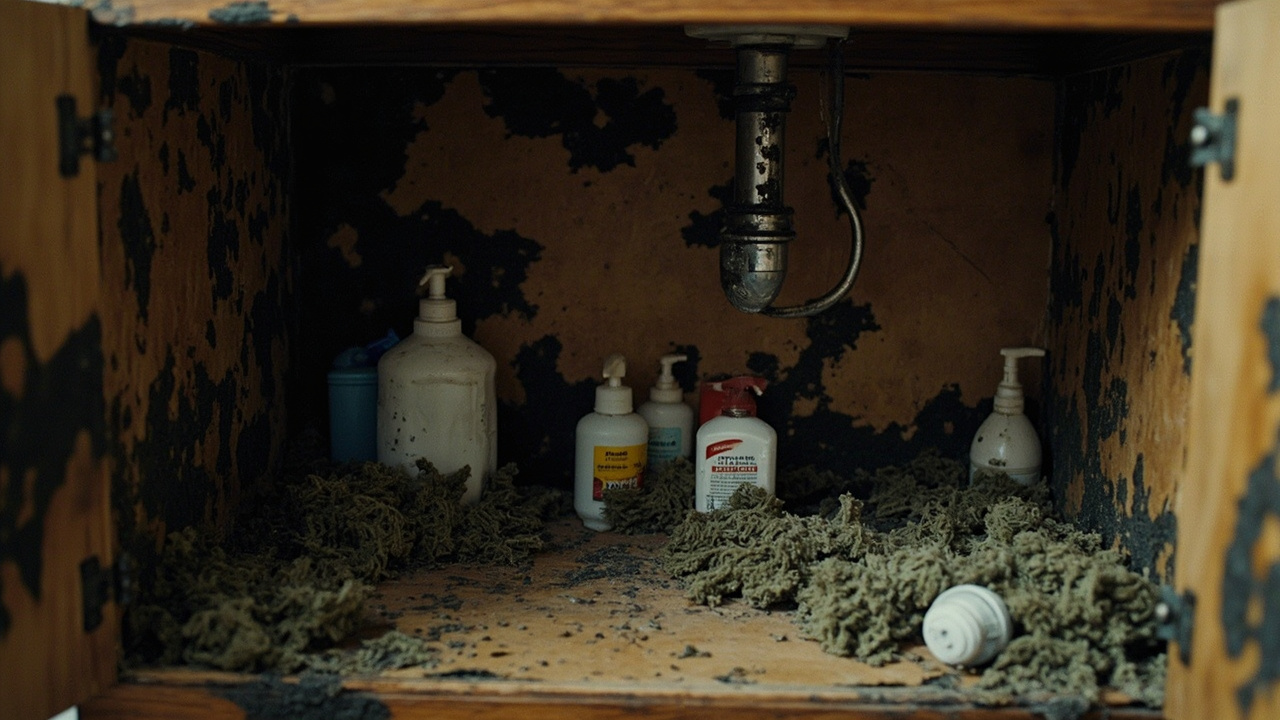
You open the cabinet under your sink and smell it before you see it. That musty, damp odor signals mold growth inside vanity spaces, and it's not just a cleaning issue. It's a plumbing failure.

Detroit's climate creates the perfect breeding ground for bathroom cupboard mold. Our freeze-thaw cycles stress supply lines and drain connections throughout winter. When spring brings humidity, those micro-leaks you didn't know existed start feeding mildew in bathroom cabinets. The water sits, the air stays still, and the mold takes over.

Most homeowners assume the cabinet bottom got wet from a spill. They wipe it down and move on. But the real culprit is often a pinhole leak in a flexible supply line, a failed wax ring allowing sewer gas and moisture to seep upward, or condensation from an uninsulated drain pipe. These are plumbing problems, not surface problems.

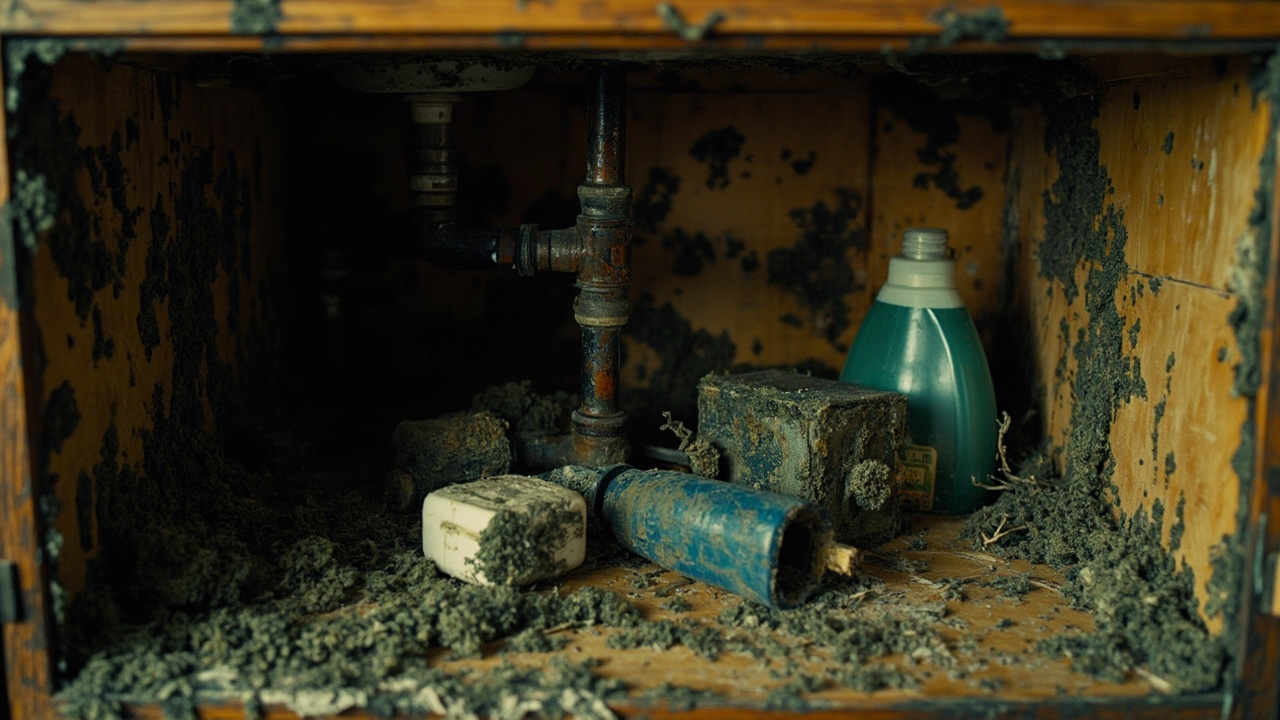
Bathroom vanity mold doesn't just damage cabinets. It warps particleboard, rots subflooring, and releases spores into your air supply. In older Detroit homes with cast iron drain stacks and galvanized supply lines, the risk multiplies. Those materials corrode from the inside out, creating slow leaks that go unnoticed until mold appears.

If you smell mildew or see black spots spreading along cabinet corners, you're dealing with a moisture source that needs professional plumbing diagnosis. Bleach and ventilation won't fix a leaking trap adapter or a failed P-trap seal. You need to stop the water at its source.

Why Bathroom Vanity Mold Is a Plumbing Problem in Detroit
How We Locate and Eliminate Hidden Moisture Sources

How We Locate and Eliminate Hidden Moisture Sources

Mold remediation companies scrub surfaces. We fix the reason the mold exists.

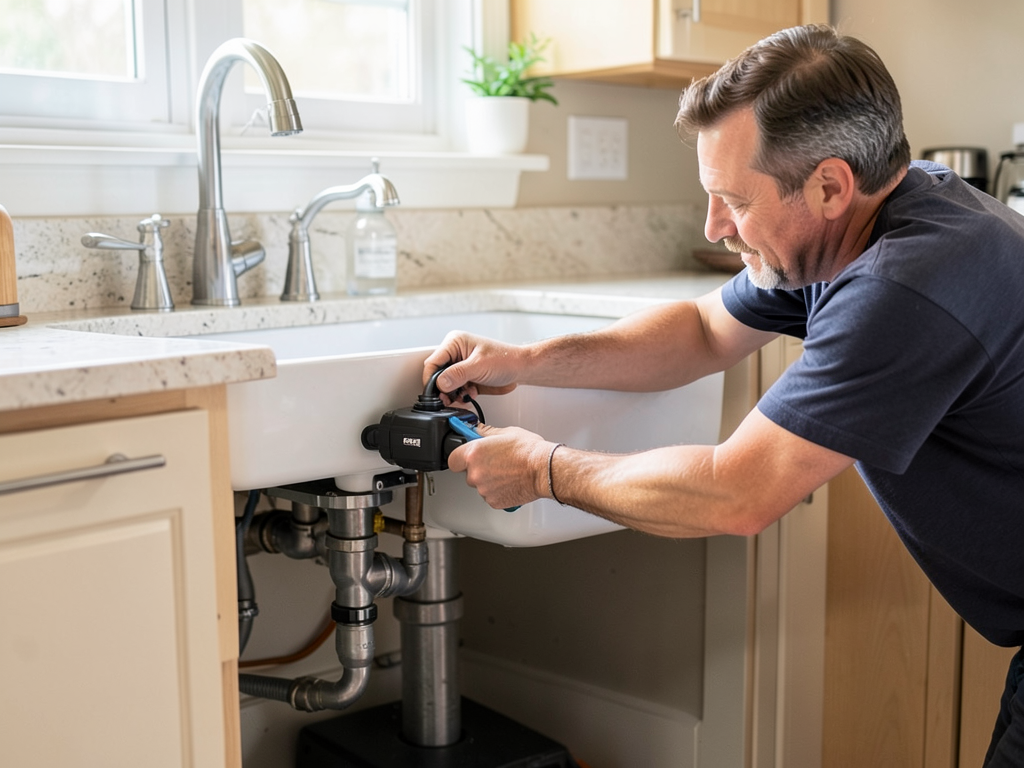
Our process starts with a complete under-sink plumbing inspection. We pressurize supply lines to identify pinhole leaks in braided hoses or compression fittings. We run water through the drain system and watch for seepage at the tailpiece, P-trap, and trap adapter connections. Many bathroom cupboard mold cases trace back to a loose slip nut or a cracked trap that drips intermittently.

We also check for condensation issues. Cold water supply lines sweat in humid conditions, especially when they pass through uninsulated cabinet spaces. That condensation drips onto particleboard and creates the damp environment mold needs. We insulate exposed pipes with foam sleeves and ensure proper air circulation behind the vanity.

Failed wax rings are another common source of mold under bathroom sink areas. If the toilet sits adjacent to the vanity, a deteriorated wax seal can allow sewer gas and moisture to migrate through the subfloor and into cabinet spaces. We perform a visual inspection of the toilet flange and wax ring integrity, especially in homes built before 1980 where original seals may have never been replaced.

Once we identify the moisture source, we make the repair. That might mean replacing corroded shut-off valves, tightening drain connections, re-sealing the vanity top to prevent surface water intrusion, or upgrading to PEX supply lines that resist freeze damage. We also verify that the cabinet has adequate ventilation and recommend leaving doors open periodically to promote airflow.

The goal is simple. Stop the water, stop the mold.

What Happens When You Call About Mold in Your Bathroom Cabinets

Mold in Bathroom Cabinets in Detroit – Expert Detection and Permanent Moisture Control
01

Plumbing Leak Assessment

We inspect every connection under your sink with a flashlight and pressure test. Supply lines, drain traps, shut-off valves, and trap adapters all get checked for active leaks or seepage. We use moisture meters to measure cabinet material saturation levels and determine how long water has been present. This tells us whether you're dealing with a recent failure or a slow drip that's been happening for months.
02

Source Repair and Replacement

After identifying the leak, we make the necessary plumbing repairs. This can include replacing corroded supply lines, tightening or replacing P-trap assemblies, upgrading compression fittings, or re-sealing the vanity top where water penetrates from above. If the subfloor shows rot or softness, we document it and recommend structural repairs. We also insulate cold water lines to prevent condensation buildup that mimics leak damage.
03

Prevention and Ventilation Guidance

Once the plumbing is dry and secure, we explain how to keep it that way. We recommend leaving cabinet doors open after showers to reduce humidity buildup, using a bathroom exhaust fan during and after water use, and periodically inspecting under-sink areas for new moisture. We also suggest replacing particleboard vanities with water-resistant materials if mold has caused structural damage. Prevention is about controlling moisture before mold starts.

Why Detroit Homeowners Trust Our Plumbing Diagnostics

Mold is a symptom. Water is the disease. Too many contractors treat the surface problem without addressing the plumbing failure underneath.

Ironwood Plumbing Detroit specializes in the kinds of plumbing issues that create mold growth inside vanity cabinets. We understand how Detroit's seasonal temperature swings stress pipes, how older homes with cast iron and galvanized plumbing develop hidden corrosion, and how modern vanity installations sometimes skimp on proper sealing and trap alignment.

We've worked in every neighborhood from Corktown to Palmer Woods. We've seen the plumbing quirks that come with 1920s bungalows, mid-century ranches, and newer builds in areas like Midtown. We know that older homes often have drum traps instead of P-traps, which can fail and leak without obvious symptoms. We know that vanity replacements done without upgrading old shut-off valves create future failure points.

Our technicians are trained to think diagnostically. We don't assume the obvious. We test, measure, and verify before making recommendations. If your mildew in bathroom cabinets is caused by a failed wax ring two feet away, we'll find it. If it's condensation from an uninsulated cold water line, we'll solve it. If it's a cracked PVC trap hidden behind a false back panel, we'll locate it.

We also communicate clearly. You'll understand what failed, why it failed, and what we're doing to fix it. No jargon-heavy explanations, no upselling services you don't need. Just honest plumbing work that stops the moisture and prevents recurrence.

Detroit's housing stock requires expertise. We bring it.

What You Can Expect From Our Bathroom Cabinet Mold Service

Same-Day Availability for Leak Assessment

We respond quickly because water damage compounds by the hour. Most bathroom cabinet mold cases qualify for same-day or next-day service appointments. We arrive with diagnostic tools, replacement parts, and the expertise to handle common failure points like supply line leaks, trap failures, and valve malfunctions. If your situation requires immediate water shut-off to prevent further damage, we walk you through it over the phone before arrival. Speed matters when mold is actively spreading.

Complete Under-Sink Plumbing Evaluation

Our assessment covers every component that could introduce moisture. We pressure test supply lines, inspect drain trap alignment and seal integrity, check shut-off valve functionality, and measure cabinet moisture levels with calibrated meters. We also inspect adjacent plumbing like toilet wax rings and bathtub drain connections that can leak into shared wall cavities. You receive a clear explanation of what's causing the moisture and what repairs are necessary. No guessing, no assumptions.

Permanent Repairs That Stop Recurrence

We don't patch problems. We fix them correctly. That means replacing corroded components with durable materials, upgrading outdated fittings, and ensuring proper pipe slope and trap seal depth. If your vanity installation was done incorrectly, we correct the drain alignment. If your supply lines are original to a 40-year-old home, we replace them with braided stainless steel or PEX. The work is clean, code-compliant, and designed to outlast the vanity itself.

Moisture Prevention Recommendations

After repairs, we provide specific guidance on preventing future mold. This includes ventilation practices, humidity control tips, and signs to watch for that indicate new leaks. We explain how to identify early condensation buildup, when to replace flexible supply lines as preventive maintenance, and why certain vanity materials resist moisture better than others. Our goal is to give you the knowledge to catch problems before mold returns. Prevention is easier than remediation.

Frequently Asked Questions

You Have Questions,
We Have Answers

How do you get rid of mold in bathroom cabinets? +

First, fix the moisture source causing the growth. Remove all items from the cabinet and inspect for leaks or condensation. For small surface mold, scrub with a mixture of bleach and water or hydrogen peroxide. Wear gloves and a mask. Dry the area completely with fans. For extensive growth behind walls or under sinks, you need professional assessment. Detroit homes with older plumbing often have hidden pipe leaks that feed mold. Do not ignore musty odors. If the infestation covers more than 10 square feet or keeps returning, call a remediation specialist to identify and eliminate the root cause.

Why is mold growing in my bathroom vanity? +

Mold grows when moisture meets organic material. Your vanity likely has a hidden leak from supply lines, drainpipes, or a faulty wax ring under the toilet. Detroit's freeze-thaw cycles stress older plumbing connections, creating slow leaks you cannot see. Poor ventilation traps humidity inside the cabinet after showers. Condensation from cold pipes adds moisture. Check under the sink for water stains, warped wood, or that distinct musty smell. Run your hand along pipe joints. If you feel dampness, you have a leak. Address the water source first, or the mold returns within weeks.

Can moldy cabinets be saved? +

It depends on the extent of damage. Surface mold on solid wood cabinets can often be cleaned and salvaged. Sand down affected areas, treat with antimicrobial solution, and seal the wood. Particleboard or MDF cabinets absorb water and crumble. Once these materials warp or delaminate, replacement is your only option. If mold has penetrated deep into the wood or spread to the wall behind, removal is necessary. Detroit homes with basement moisture issues often experience repeated growth. A professional can assess structural integrity. Saving cabinets makes sense only if you eliminate the moisture source permanently.

Will mold go away if it dries out? +

No. Mold becomes dormant when dry but does not die. Spores remain viable for years and reactivate the moment moisture returns. Drying out the area stops active growth temporarily but does not solve the problem. You must physically remove the mold and address the water source. Detroit's humid summers and poor attic ventilation create conditions where mold cycles between active and dormant states. Simply drying a moldy surface leaves spores embedded in porous materials like drywall and wood. Those spores release allergens and can cause health issues even when inactive. Complete remediation requires removal and treatment.

What are the 10 warning signs of mold toxicity? +

Watch for persistent fatigue, brain fog, headaches, respiratory issues like coughing or wheezing, sinus congestion, skin rashes, joint pain, memory problems, sensitivity to light, and digestive issues. These symptoms worsen in moldy environments and improve when you leave. Detroit residents with older homes and basement moisture problems face higher exposure risk. If multiple family members experience unexplained symptoms, investigate hidden mold in HVAC systems, crawl spaces, or behind bathroom walls. Mold toxicity mimics other conditions, making diagnosis tricky. If you suspect exposure, document your symptoms and consult a physician familiar with environmental illness while addressing the mold source.

What kills mold permanently? +

Nothing kills mold permanently if moisture remains. You must eliminate the water source first. For hard surfaces, use EPA-registered antimicrobial cleaners, bleach solutions, or hydrogen peroxide. These kill surface mold but cannot penetrate porous materials like drywall or wood. Those materials require removal and replacement. Encapsulation products seal remaining spores but only work on non-porous surfaces. Detroit's humidity and aging infrastructure mean plumbing leaks and condensation issues persist. Professional remediation combines moisture control, HEPA air scrubbing, physical removal of contaminated materials, and antimicrobial treatment. Permanent elimination requires fixing leaks, improving ventilation, and controlling indoor humidity below 50 percent.

Does black mold always mean water damage? +

Usually, yes. Black mold requires consistent moisture to grow. Water damage from leaks, flooding, or chronic condensation creates ideal conditions. In Detroit bathrooms, black mold often signals hidden plumbing failures, roof leaks, or inadequate ventilation. You might see it around tubs, under sinks, or along baseboards where water pools. While not all black mold is the toxic Stachybotrys species, all mold indicates a moisture problem you must fix. Check for soft drywall, peeling paint, or warped flooring near the growth. These signs confirm water intrusion. Address the leak immediately. Black mold spreads quickly once established.

How do Japanese bathrooms not get mold? +

Japanese bathrooms use superior ventilation systems and quick-drying materials. They separate the toilet from the wet area and design floors with drains that prevent standing water. High-powered exhaust fans run continuously during and after showers. Walls use tile or waterproof panels instead of drywall. Heated floors dry residual moisture fast. Japanese culture emphasizes squeegee use and daily surface wiping. Detroit homes can adopt these strategies. Install a quality exhaust fan vented outdoors, not into the attic. Use tile backer board. Squeegee shower walls after each use. Run the fan for 30 minutes post-shower. Reduce humidity before mold starts.

What is better for mold dehumidifier or air purifier? +

A dehumidifier prevents mold by removing moisture from the air. An air purifier captures airborne spores but does not address the root cause. For Detroit bathrooms with mold issues, a dehumidifier wins. Keep indoor humidity between 30 and 50 percent. Dehumidifiers work best in damp basements and poorly ventilated bathrooms. An air purifier with a HEPA filter helps during active remediation by capturing disturbed spores, but it cannot stop growth if moisture persists. Use both if needed. Install a dehumidifier to control humidity long-term and prevent recurrence. Pair it with proper exhaust ventilation. Air purifiers are supplemental, not primary prevention.

Can you just wipe off black mold? +

No. Wiping spreads spores into the air and pushes mold deeper into porous surfaces. Black mold on non-porous surfaces like tile or glass can be scrubbed with proper cleaners, but you must wear protection. Never wipe mold on drywall, grout, or wood. Those materials absorb spores below the surface. Wiping also releases mycotoxins into your breathing zone. Detroit homes with black mold in cabinets or walls need containment and removal, not surface cleaning. Small areas under 10 square feet can be DIYed with bleach and disposal of affected materials. Larger infestations require professional remediation with negative air pressure and HEPA filtration.

How Detroit's Freeze-Thaw Cycles Create Hidden Leaks That Feed Bathroom Mold

Detroit winters are brutal on plumbing. When temperatures drop below freezing, water inside pipes expands, stressing joints and fittings. When it thaws, those stressed connections weep. Over multiple freeze-thaw cycles, a perfectly sealed supply line or trap adapter develops micro-cracks that drip intermittently. You don't see a puddle. You see mold growth inside vanity cabinets six months later. This cycle is especially damaging in older homes where plumbing runs through exterior walls or unheated crawlspaces. The seasonal stress compounds year after year until a fitting finally fails.

Detroit's housing stock includes thousands of homes built before 1960, many with original cast iron drain stacks and galvanized supply lines. These materials corrode from the inside out, creating pinhole leaks that are invisible until mold appears. Local plumbers who understand this aging infrastructure know where to look. We've worked in enough Detroit bathrooms to recognize the warning signs: rust stains on cabinet floors, mineral deposits around fittings, or sewer odors that indicate failed trap seals. Choosing a plumber familiar with Detroit's plumbing history means faster diagnosis and correct repairs the first time.

Plumbing Services in The Detroit Area

Ironwood Plumbing proudly serves Detroit and the surrounding areas with reliable, professional plumbing solutions. Whether you’re a homeowner or a business owner, you can count on our fast response times and expert service. Use the map below to find our office or check if your location is within our service radius. We’re easy to reach and always happy to help — just call, click, or visit us today to schedule your plumbing service with a local team that truly cares.

Address:
Ironwood Plumbing Detroit, 3200 Greenfield Rd, Detroit, MI, 48120

Additional Services We Offer

Our news updates

Latest Articles & News from The Blogs

Plumbing Requirements for Luxury Body Jets and Rain Showerheads in West Bloomfield High-end luxury shower systems in West Bloomfield demand…

Plumbing Requirements for Luxury Body Jets and Rain Showerheads in West Bloomfield

Plumbing Requirements for Luxury Body Jets and Rain Showerheads in West Bloomfield High-end luxury shower systems in West Bloomfield demand…

The Truth About Septic Tank Additives and Why They Might Not Save You a Pump-Out in Brighton

The Truth About Septic Tank Additives and Why They Might Not Save You a Pump-Out in Brighton Walk into any…

How to Choose the Right Horsepower for Your Next Dearborn Garbage Disposal

Understanding Garbage Disposal HP: Why It Matters The right garbage disposal horsepower directly affects how quickly and thoroughly your kitchen…

Contact Us

Mold in bathroom cabinets means water is leaking somewhere. Call (313) 572-4144 now for same-day plumbing diagnostics. We locate the moisture source, make the repair, and stop the mold from spreading to your floors and walls.