




menu

Discolored or Rusty Water in Detroit – Expert Diagnosis and Permanent Solutions

When brown tap water or rusty colored water flows from your faucet, you need more than a temporary fix. Our plumbers identify the exact source of discolored water and restore safe, clear water to your Detroit home.

Slider Image 1
Slider Image 2
Slider Image 3
Slider Image 4
Slider Image 5
Slider Image 7
Slider Image 8
Slider Image 9
Slider Image 10
Slider Image 11

Why Detroit Homes Experience Brown and Rusty Water

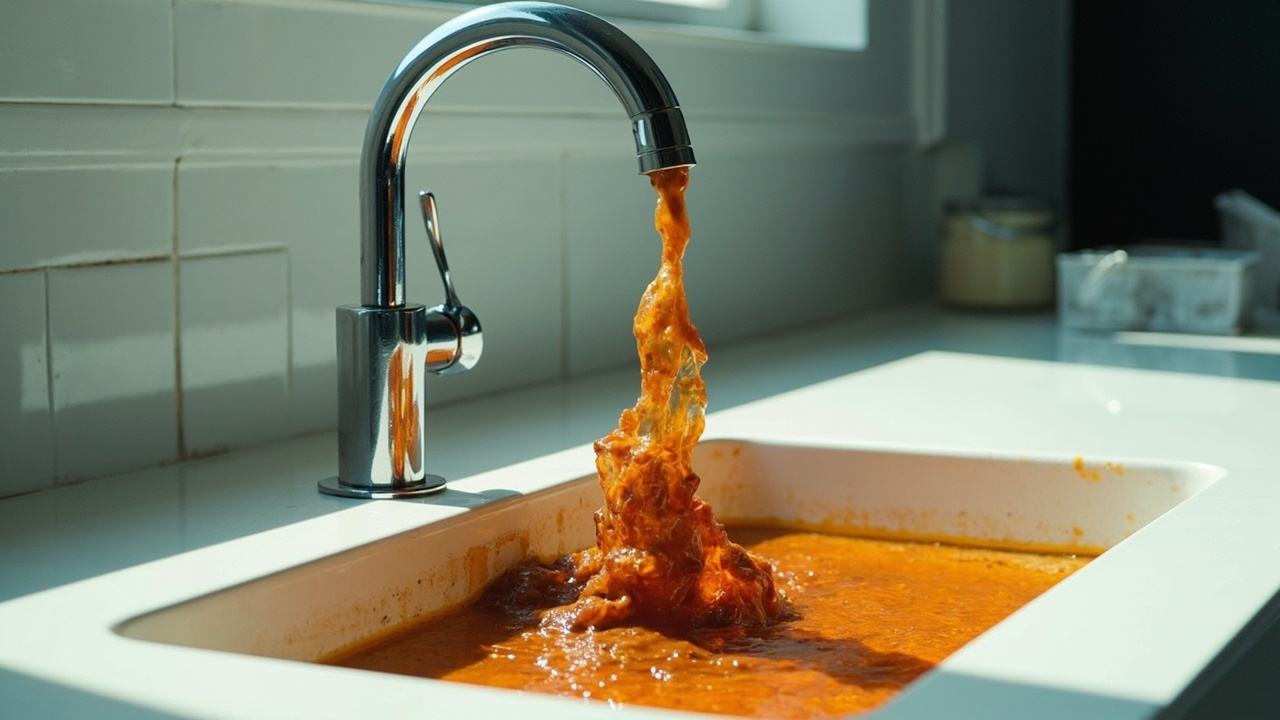
You turn on the tap expecting clear water. Instead, you get brown tap water, yellow water from faucet, or reddish water from pipes. The reaction is immediate. Panic, frustration, worry about health risks.

Detroit's aging infrastructure plays a direct role. Many homes in neighborhoods like Corktown, Grandmont Rosedale, and Indian Village still have galvanized steel pipes installed decades ago. These pipes corrode from the inside. Iron oxide flakes off and mixes with your water supply. The result is rusty colored water that stains sinks, ruins laundry, and raises legitimate health concerns.

The problem intensifies when you notice discolored hot water specifically. This points to sediment buildup in your water heater tank. Detroit's moderately hard water carries minerals that settle at the tank bottom. Over time, these minerals combine with rust from the anode rod or tank lining. When you draw hot water, you pull this contaminated mixture through your fixtures.

City water main breaks compound the issue. Detroit's freeze-thaw cycles stress underground infrastructure. When crews repair a main break nearby, sediment and rust get stirred up. Your water runs brown for hours or even days.

The location matters. Homes near older industrial corridors or closer to the original water distribution network face higher risk. Well water users in outer Detroit suburbs deal with different issues like iron bacteria, manganese, or high iron content in groundwater. Both scenarios produce the same visible problem but require different fixes.

You need to know the exact cause before attempting any solution.

Why Detroit Homes Experience Brown and Rusty Water
How We Identify and Eliminate Water Discoloration

How We Identify and Eliminate Water Discoloration

We do not guess. Discolored water has multiple potential sources. Our diagnostic approach isolates the exact cause.

First, we test water at multiple fixture points. We run cold water only, then hot water only. If brown tap water appears only from hot fixtures, the problem lives in your water heater. If both hot and cold run discolored, we examine your supply piping.

We inspect your water heater for sediment accumulation. We drain a sample from the tank drain valve. Heavy sediment or rust particles confirm internal corrosion. We check the anode rod condition and examine the tank lining through the access port. A degraded anode rod allows the tank steel to corrode directly.

For whole-house discoloration, we trace your supply line material. Galvanized pipe shows up as dull gray with threaded connections. We check exposed sections in your basement or crawl space for external corrosion patterns. Internal corrosion is not visible without cutting the pipe, but external rust indicates advanced deterioration.

We test water pressure and flow rate. Low pressure combined with rusty colored water suggests significant internal pipe restriction from buildup. We note any recent municipal work in your area. A city main break or hydrant flushing two blocks away can send rust through your lines for 24 to 48 hours.

If you use well water, we test for dissolved iron, manganese, and iron bacteria. These require different treatment than pipe corrosion. Chemical testing determines which contaminant drives the discoloration.

Once we identify the source, we explain the permanent fix. Band-aid solutions waste your money. We recommend pipe replacement, water heater service, or filtration systems based on actual test results.

What Happens During Your Water Quality Assessment

Discolored or Rusty Water in Detroit – Expert Diagnosis and Permanent Solutions
01

Initial Water Testing

We test water samples from multiple fixtures throughout your home. We run both hot and cold water separately, collecting samples to identify whether discoloration affects your entire system or specific components. We ask about recent municipal work, seasonal patterns, and how long you have noticed yellow water from faucet or reddish water from pipes. This establishes a baseline and narrows the diagnostic scope immediately.
02

System Inspection

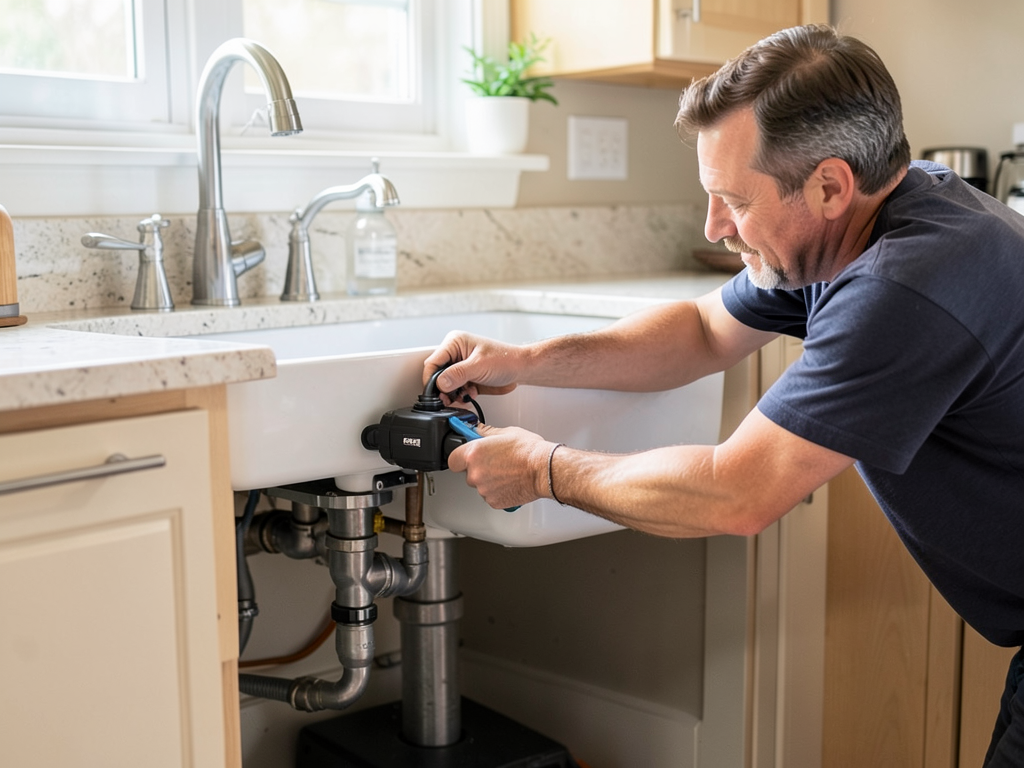
We examine your water heater, exposed supply piping, and pressure regulation equipment. We drain your water heater to check sediment levels and inspect the anode rod. We trace your supply line material and photograph corrosion patterns. If you have well water, we inspect the pressure tank, wellhead, and any existing filtration equipment. We document our findings with photos and explain what we discover in plain language.
03

Solution Recommendation

We present a detailed action plan based on test results. If galvanized pipes cause the discolored hot water, we quote repiping with copper or PEX. If your water heater is the source, we recommend flushing, anode replacement, or full tank replacement depending on age and condition. We explain timeframes, material options, and cost factors. You get a written estimate with no pressure and a clear path to clean water.

Why Detroit Homeowners Trust Our Water Quality Solutions

Detroit homes present unique challenges. Our plumbers work in these neighborhoods daily. We know which blocks still have original galvanized supply lines. We understand how the city's water chemistry interacts with aging infrastructure.

We have diagnosed brown tap water in 1920s bungalows in Palmer Woods and yellow water from faucet in post-war ranches in Redford Township. We have repiped Victorians in Brush Park and replaced water heaters in Midtown lofts. This accumulated experience matters when your water runs rust-colored.

Many plumbers offer generic solutions. They recommend whole-house filtration without identifying the actual contamination source. Filters cannot fix corroded pipes. They clog rapidly and waste money when the real problem is a decomposing galvanized supply line.

We tell you the truth about your system. If your pipes have ten years of service life remaining, we explain maintenance steps to extend their function. If they need replacement now, we explain why waiting increases risk and cost. We do not upsell. We educate.

Detroit's plumbing code requires permits for repipe work. We pull permits and schedule inspections properly. We coordinate with the city when needed. Unlicensed contractors skip this step. That creates liability for you and code violations that surface during home sales.

We stock parts for common Detroit water heater brands and maintain relationships with local suppliers. When you need a replacement water heater, we get competitive pricing and fast delivery. We do not force you into overpriced equipment.

Ironwood Plumbing Detroit operates transparently. We itemize labor and material costs. We explain what you pay for and why. This builds trust. You make informed decisions rather than guessing whether you received fair value.

What to Expect When You Call for Discolored Water Service

Response Time and Availability

We schedule diagnostic appointments within 24 hours for discolored water issues. While rusty colored water rarely constitutes an emergency like a burst pipe, we understand your concern about water safety and quality. We offer appointment windows that fit your schedule, including evenings for working homeowners. During the initial call, we ask targeted questions about when the discoloration started, which fixtures are affected, and whether you noticed any municipal work in your area. This helps us bring the right diagnostic tools and prepare for likely scenarios before we arrive.

Diagnostic Process and Assessment

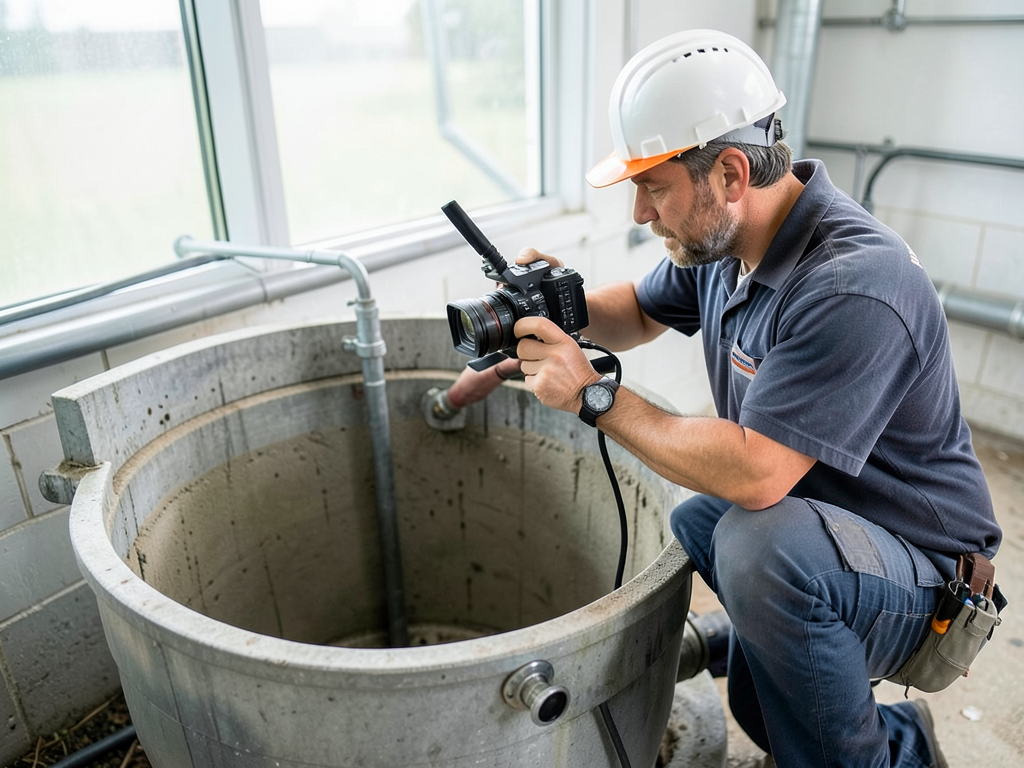
Our plumber arrives with water testing equipment, inspection cameras, and diagnostic tools. We spend 45 to 90 minutes performing a complete assessment. We do not rush. We test water quality at multiple points, inspect your water heater and supply piping, and check pressure regulation. If you have well water, we may recommend lab testing for iron bacteria or mineral content. We explain our findings in real time. You see what we see. We answer your questions and discuss options before leaving. You receive a written diagnostic report with photos and a detailed estimate for recommended repairs.

Quality of Repairs and Materials

We use quality materials appropriate for Detroit's water conditions. For repipe work, we offer copper and PEX options with honest pros and cons for each. We install water heaters from reputable manufacturers with proven track records in our climate. We do not install cheap equipment that fails prematurely. Our installations meet or exceed current Detroit plumbing code. We pressure test all new piping before closing walls. We flush systems thoroughly after repipe work to clear any debris. You get clean, clear water that stays that way. We clean up completely and haul away old equipment.

Ongoing Support and Maintenance

After we resolve your discolored water issue, we provide guidance on maintaining water quality. If we installed a new water heater, we explain the flushing schedule to prevent future sediment buildup. If we repiped your home, we mark shutoff locations and provide a system diagram for future reference. We remain available for follow-up questions at no charge. If discoloration returns, we investigate at no diagnostic fee if the issue relates to our recent work. We maintain service records for your property and send annual reminders for water heater maintenance when appropriate. You have a resource for future plumbing concerns.

Frequently Asked Questions

You Have Questions,
We Have Answers

How to tell if water is rusty? +

Rusty water shows clear visual signs. Look for reddish-brown, orange, or yellow discoloration when you run your tap. The water may appear cloudy at first, then settle into a distinct rust color. You might notice a metallic taste or smell. In Detroit, older galvanized pipes and iron water mains contribute to this problem. Run cold water for two minutes. If the color clears, the issue is in your home pipes. If it stays discolored, the problem may be in the municipal supply line. Check multiple taps to pinpoint the source.

Is discolored water safe to drink? +

Discolored water is not safe to drink until you identify the cause. Rust particles from corroded pipes pose minimal health risk but indicate larger plumbing problems. Detroit water can pick up sediment from aging infrastructure during pressure changes or main breaks. The bigger concern is what else might be present: bacteria, lead, or other contaminants hiding behind the discoloration. Do not drink, cook with, or give discolored water to children. Run taps to see if it clears. Contact a licensed plumber to inspect your system and test water quality before resuming normal use.

What does discolored water mean? +

Discolored water signals corrosion or sediment in your plumbing system. Brown or rusty water indicates iron oxide from corroded pipes. Yellow-tinted water suggests rust in early stages or manganese. Cloudy white water usually means trapped air. In Detroit, freeze-thaw cycles stress aging pipe joints, accelerating corrosion. Municipal work on water mains can also disturb sediment that has settled in supply lines. The discoloration tells you where corrosion is happening and how severe the deterioration has become. Quick diagnosis prevents pipe failure and water damage.

Is it safe to drink rusty tap water? +

Do not drink rusty tap water. While small amounts of iron oxide are not toxic, rusty water indicates corroded pipes that may be leaching other harmful metals. In Detroit, homes built before 1986 may have lead solder joints that corrode alongside iron pipes. The rust particles can harbor bacteria and provide a breeding ground for pathogens. Drinking this water can cause stomach upset. Children and pregnant women face higher risks. Stop using the water for drinking and cooking. Have a plumber inspect your supply lines and test for lead and bacteria immediately.

Does brown water mean pipes need replacing? +

Brown water does not automatically mean full pipe replacement, but it demands inspection. The discoloration indicates active corrosion. In Detroit homes with galvanized steel pipes installed before 1960, rust buildup narrows pipe diameter and causes pressure drops. If brown water appears consistently from one fixture, that section may need replacement. If all taps run brown after the water has been off, your main supply line is corroding. A camera inspection reveals corrosion extent. Sometimes targeted repairs or repiping one section solves the problem without replacing your entire system.

What color is rust in water? +

Rust in water appears reddish-brown, orange, or yellow depending on concentration. Light rust creates a pale orange or tea-colored tint. Heavy rust turns water dark brown, like cola. Fresh rust particles may look bright orange when they first flake off corroded pipes. As rust oxidizes further in standing water, it darkens to deep brown. Detroit residents often see orange-tinted water after municipal crews work on water mains, stirring up rust sediment. The color intensity tells you how much iron oxide is present and helps determine if the source is your pipes or the supply line.

Can you shower in discoloured water? +

Showering in discolored water is not recommended. Rust particles can stain skin, hair, bathtubs, and tile grout. The bigger concern is what you cannot see. If corrosion has compromised your pipes, bacteria may be present. Open cuts or scrapes provide entry points for pathogens. In Detroit, older homes may have corroded pipes releasing lead particles that absorb through skin during prolonged exposure. Discolored water also stains clothing in washing machines. Wait until the water runs clear, or have a plumber diagnose the problem. Do not risk skin irritation or infection.

Why does my water look brownish? +

Brownish water indicates iron or manganese in your supply. Corroded iron pipes shed rust particles that discolor water. Detroit has miles of aging water mains and service lines installed decades ago. When city crews adjust water pressure, perform maintenance, or repair main breaks, sediment gets stirred up. Inside your home, galvanized pipes corrode from the inside out. Hot water accelerates corrosion. If only your hot water looks brown, your water heater may be failing. Cold water discoloration points to supply lines. Run taps to diagnose, then call a plumber for inspection.

What are the symptoms of contaminated water? +

Contaminated water causes gastrointestinal distress, nausea, vomiting, diarrhea, and stomach cramps. You may experience headaches, dizziness, or fatigue. Skin rashes or irritation can develop after bathing. Metallic taste or foul odor signals contamination. In Detroit, aging infrastructure increases contamination risk during water main work or pressure fluctuations. Children, elderly, and immunocompromised individuals show symptoms faster. If multiple household members get sick simultaneously after drinking tap water, contamination is probable. Stop using the water. Contact a plumber to test for bacteria, lead, and other contaminants. Seek medical attention for persistent symptoms.

What is the color of contaminated water? +

Contaminated water shows various colors depending on the contaminant. Brown or orange indicates rust and iron. Yellow suggests manganese or early-stage rust. Green or blue water signals copper pipe corrosion. Cloudy white water may contain bacteria or air. Black water indicates manganese, sulfur bacteria, or decomposing gasket material. In Detroit, discolored water after main breaks often means sediment disturbance. Clear water can still harbor dangerous contaminants like lead or bacteria. Color alone does not confirm safety. Have a licensed plumber test your water to identify specific contaminants before resuming use.

How Detroit's Aging Water Infrastructure Affects Your Home Plumbing

Detroit's water distribution system includes pipes installed between 1920 and 1970. While the Detroit Water and Sewerage Department manages main lines, your home's supply line from the street to your fixtures is your responsibility. Many Detroit homes still have galvanized steel supply piping that corrodes after 40 to 60 years. The city's moderately hard water accelerates this corrosion. When you see reddish water from pipes or consistent brown tap water, you likely have advanced internal pipe deterioration. The freeze-thaw cycles we experience from November through March stress both municipal mains and your home's piping. Main breaks stir up sediment throughout the distribution network, temporarily affecting entire neighborhoods with discolored water.

Detroit homeowners need plumbers who understand local water conditions and building stock. We work in these neighborhoods daily. We know which areas still have original galvanized piping and which subdivisions were repiped during renovations. We maintain relationships with Detroit Water and Sewerage Department staff and stay informed about planned main work that might affect your water quality. We pull permits for repipe work and coordinate inspections properly. This protects your investment and ensures compliance with local code. When you choose a plumber familiar with Detroit's infrastructure challenges, you get accurate diagnosis and solutions that last. Generic advice from contractors unfamiliar with our aging housing stock leads to wasted money and recurring problems.

Plumbing Services in The Detroit Area

Ironwood Plumbing proudly serves Detroit and the surrounding areas with reliable, professional plumbing solutions. Whether you’re a homeowner or a business owner, you can count on our fast response times and expert service. Use the map below to find our office or check if your location is within our service radius. We’re easy to reach and always happy to help — just call, click, or visit us today to schedule your plumbing service with a local team that truly cares.

Address:
Ironwood Plumbing Detroit, 3200 Greenfield Rd, Detroit, MI, 48120

Additional Services We Offer

Our news updates

Latest Articles & News from The Blogs

Plumbing Requirements for Luxury Body Jets and Rain Showerheads in West Bloomfield High-end luxury shower systems in West Bloomfield demand…

Plumbing Requirements for Luxury Body Jets and Rain Showerheads in West Bloomfield

Plumbing Requirements for Luxury Body Jets and Rain Showerheads in West Bloomfield High-end luxury shower systems in West Bloomfield demand…

The Truth About Septic Tank Additives and Why They Might Not Save You a Pump-Out in Brighton

The Truth About Septic Tank Additives and Why They Might Not Save You a Pump-Out in Brighton Walk into any…

How to Choose the Right Horsepower for Your Next Dearborn Garbage Disposal

Understanding Garbage Disposal HP: Why It Matters The right garbage disposal horsepower directly affects how quickly and thoroughly your kitchen…

Contact Us

Discolored water will not fix itself. Call Ironwood Plumbing Detroit at (313) 572-4144 today. We will identify the source, explain your options, and restore safe, clear water to your home. You deserve honest answers and permanent solutions.