




menu

Slow Draining Sinks & Showers in Detroit – Expert Diagnosis and Permanent Fixes

Our technicians identify the root cause of sluggish sink drainage and blocked bathtub drains in Detroit homes, then apply the right fix the first time, saving you from recurring backups and water damage.

Slider Image 1
Slider Image 2
Slider Image 3
Slider Image 4
Slider Image 5
Slider Image 7
Slider Image 8
Slider Image 9
Slider Image 10
Slider Image 11

Why Detroit Homes Struggle with Slow Draining Fixtures

You watch the water creep up around your ankles in the shower. You wait three minutes for your bathroom sink to empty. This is not normal.

Detroit's aging housing stock creates a perfect storm for drainage problems. Homes built between the 1920s and 1960s often have galvanized steel drain lines that corrode from the inside out. The rough interior surface catches hair, soap residue, and grease. What starts as a slow running drain becomes a complete blockage.

The city's clay soil compounds the problem. Tree roots seek moisture and infiltrate older sewer laterals through tiny cracks. Once inside, they grow into dense mats that trap debris and restrict flow. A clogged shower drain in spring often signals root intrusion in your main line.

Hard water in Detroit leaves mineral deposits inside pipes. Calcium and magnesium build up over years, narrowing the pipe diameter. You might not see standing water in your shower immediately, but the restriction worsens with each passing month.

Many Detroit homeowners try chemical drain cleaners first. These products rarely solve the underlying issue. They can also damage older pipes, especially if the blockage sits deep in your system. A sluggish sink drainage problem needs proper diagnosis, not guesswork.

The most common culprits in Detroit homes include biofilm accumulation in p-traps, improper venting that creates negative pressure, and sediment buildup from the city's water treatment process. Each cause requires a different fix. Treating symptoms without addressing the root problem means you will call a plumber again in three months.

Understanding what causes your blocked bathtub drain helps you make informed decisions about repair versus replacement. Some fixes are simple. Others require invasive work. The right technician knows the difference.

Why Detroit Homes Struggle with Slow Draining Fixtures
How We Diagnose and Clear Drain Obstructions

How We Diagnose and Clear Drain Obstructions

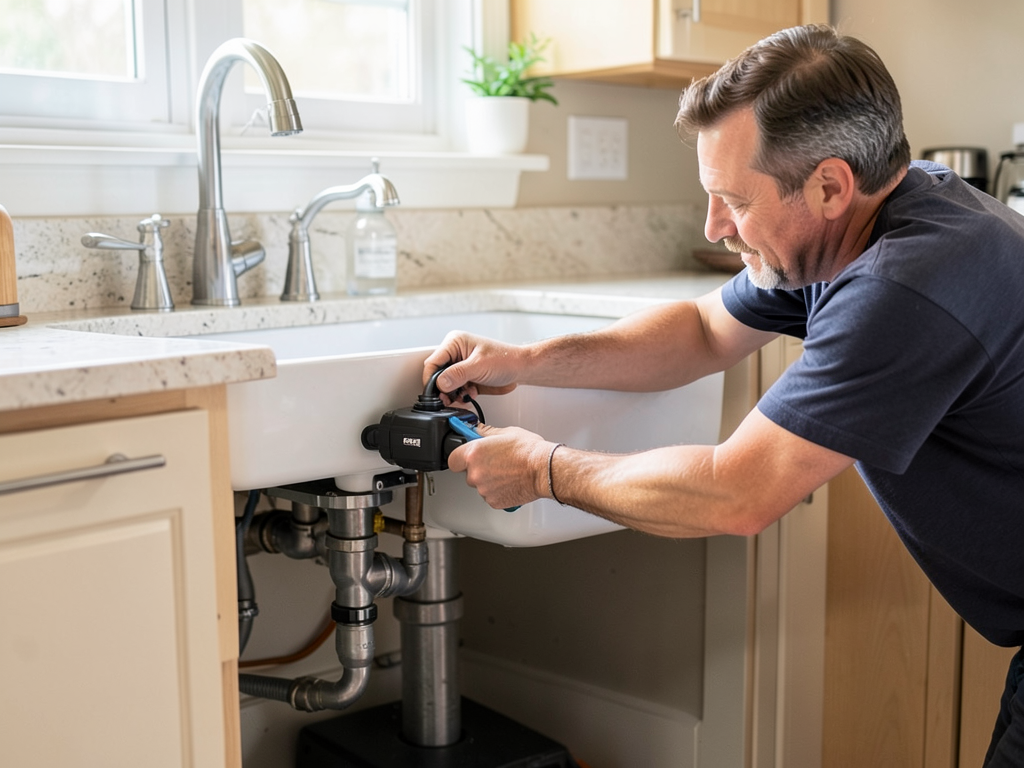
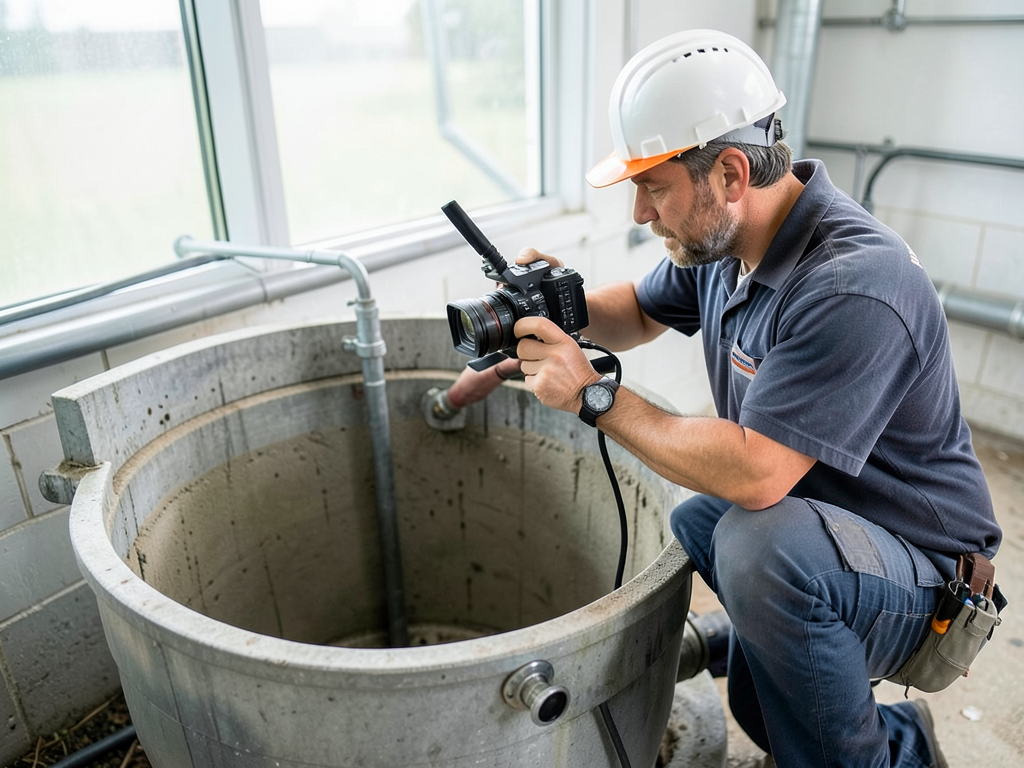
We do not guess. We start with a drain camera inspection on any recurring slow running drain. Our waterproof cameras travel through your pipes and send live video to a monitor. We see exactly what blocks your line, where it sits, and how much pipe damage exists.

For a clogged shower drain, we identify whether the blockage sits in the trap, the branch line, or the main stack. Location determines our clearing method. A cable auger works for soft blockages like hair and soap. A hydro jet with 3,500 PSI water pressure removes scale, grease, and light root intrusion.

Detroit's older cast iron drains require careful handling. Aggressive augering can crack deteriorated pipe sections. We adjust our equipment based on pipe material and condition. Our technicians recognize when a line needs replacement, not just clearing.

Standing water in your shower often indicates a venting problem, not just a clog. Negative pressure in your drain system slows water evacuation. We test vent function with smoke or air pressure. If your vent stack is blocked or undersized per current code, we correct it.

Sluggish sink drainage in kitchen fixtures usually involves grease accumulation in horizontal runs. We use enzymatic treatments for organic buildup and mechanical cleaning for hardened deposits. The proper tool depends on what the camera reveals.

For blocked bathtub drains connected to old drum traps, we often recommend trap replacement during the clearing process. Drum traps corrode internally and harbor bacteria. Modern p-traps are easier to service and meet current plumbing code.

After clearing, we run water through all connected fixtures simultaneously. This stress test confirms full flow restoration and reveals any secondary restrictions. We provide you with camera footage showing the before and after condition of your pipes. You see exactly what we found and what we fixed.

What Happens During Your Drain Clearing Service

Slow Draining Sinks & Showers in Detroit – Expert Diagnosis and Permanent Fixes
01

Initial Assessment and Camera Inspection

Our technician evaluates all slow-draining fixtures in your home to determine if the issue is isolated or systemic. We insert a camera through the cleanout or fixture drain to locate the obstruction and identify pipe material, diameter, and condition. This visual inspection eliminates guesswork and prevents unnecessary work on the wrong section of your system.
02

Targeted Blockage Removal

Based on camera findings, we select the appropriate clearing method. Cable augers cut through hair and soft debris. Hydro jetting removes scale, grease, and root intrusion. For stubborn mineral buildup in older Detroit pipes, we use descaling attachments that restore original pipe diameter without damaging the line. We clear until water flows freely at normal pressure.
03

Flow Testing and Prevention Plan

We run multiple fixtures simultaneously to confirm proper drainage under load. You receive camera footage documenting the cleared pipe and any concerns that need future attention. We explain what caused the blockage and provide specific maintenance recommendations to prevent recurrence. For properties with chronic issues, we discuss long-term solutions including pipe replacement or root barrier installation.

Why Detroit Homeowners Trust Ironwood Plumbing Detroit for Drainage Issues

We understand Detroit's unique plumbing challenges because we work in these homes every day. Our technicians know the difference between a 1940s cast iron system and a 1970s ABS installation. That knowledge determines whether we clear, repair, or replace.

Detroit's building stock includes thousands of homes with outdated drainage systems. Original galvanized lines have a 50-year lifespan. If your home was built before 1975 and still has original drains, you are living on borrowed time. We provide honest assessments about whether a simple clearing will hold or if you need to budget for replacement.

We also understand Detroit's municipal sewer system. The city has combined sewers in many neighborhoods, meaning storm water and sanitary waste share the same lines. During heavy rain, these systems can back up into your home through floor drains or fixtures. We install backwater valves where appropriate and help you understand your liability for the private lateral between your home and the city main.

Local code compliance matters. Detroit requires permits for certain drainage work, especially anything involving your sewer lateral or main stack. We pull permits when required and coordinate inspections. You will not get a violation notice months after we leave.

Our camera inspections have revealed problems that saved Detroit homeowners thousands in water damage. We have found cracked sewer laterals leaking into basements, roots infiltrating at the property line, and bellied pipes that hold standing water and breed bacteria. Catching these issues early prevents catastrophic failure.

We also understand the reality of Detroit home values and budgets. Not every homeowner can afford a full repipe. We provide options at different price points and help you prioritize repairs based on urgency and risk. Band-aid fixes have their place when you need time to save for the permanent solution.

You get straight answers, not scare tactics. If a simple clearing will solve your problem for the next five years, we tell you. If you need major work, we explain exactly why and show you the evidence.

What to Expect When You Call for Slow Drain Service

Response Time and Availability

We schedule most non-emergency drain clearings within 24 to 48 hours. If you have complete stoppage with water backing up into fixtures, we prioritize your call and often arrive same-day. Our technicians carry camera equipment and clearing tools on every truck, so diagnosis and repair happen in one visit. You will not wait days for a follow-up appointment after we identify the problem. We understand that slow drains disrupt your daily routine. Morning showers become stressful. Dishwashing takes twice as long. We move quickly to restore normal function.

Diagnostic Process and Cost Transparency

Our initial service call includes a thorough assessment of your drainage issue. We explain what we find in plain language and show you camera footage when relevant. You receive a detailed quote before we begin any work. No surprise charges appear on your invoice. If we discover additional problems during the clearing process, we stop and discuss options with you before proceeding. Some companies upsell unnecessary services. We focus on solving the immediate problem and documenting any concerns that need attention down the road. You decide what gets fixed today and what can wait.

Quality of Work and Cleanup

Our technicians use drop cloths and boot covers in your home. Drain clearing can be messy, especially when we access cleanouts or remove traps. We contain the work area and leave it cleaner than we found it. After clearing your drains, we test all connected fixtures under normal use conditions. Water should evacuate in seconds, not minutes. You see the difference immediately. We provide documentation of the work performed, including camera footage and any relevant code compliance information. Your drain should function properly for years, not weeks.

Follow-Up and Preventive Maintenance

We provide specific maintenance recommendations based on what caused your blockage. For homes with root intrusion, we discuss treatment schedules and root barrier options. For grease-related clogs, we explain proper disposal methods and enzyme treatments that keep drains clear. If your pipes show signs of deterioration, we outline a replacement timeline so you can budget accordingly. We also offer annual drain camera inspections for older homes. Catching problems early saves money and prevents emergency situations. You will have our direct contact information for any follow-up questions or concerns. We stand behind our work.

Frequently Asked Questions

You Have Questions,
We Have Answers

Why is my bathroom sink draining slowly but not clogged? +

A slow bathroom sink often signals a partial blockage in the P-trap or drain pipe. Hair, soap scum, and toothpaste residue build up over time, narrowing the pipe without creating a full clog. In Detroit homes, hard water deposits from our high mineral content accelerate this buildup. The pop-up stopper assembly also collects debris that restricts flow. If water still drains but takes minutes to clear, you have a developing blockage. Address it now before it becomes a complete clog requiring emergency service.

What is the best solution for a slow draining sink? +

The best solution depends on the cause. For hair and soap buildup, remove and clean the P-trap manually. A drain snake or auger clears deeper clogs that liquid cleaners cannot reach. Avoid chemical drain cleaners, which damage Detroit's older cast iron and galvanized pipes common in historic neighborhoods. Enzymatic drain cleaners work for minor organic buildup but take time. For persistent slow drains or recurring issues, hydro jetting removes all buildup and restores full flow. A camera inspection identifies root causes in older homes.

Should I call a plumber for slow filling? +

Yes, call a plumber if DIY methods fail or the problem recurs. Slow filling in sinks or toilets indicates a venting issue or partial sewer line blockage. Detroit's freeze-thaw cycles can crack vent pipes, allowing debris into the system. A plumber diagnoses whether you need drain cleaning, vent repair, or sewer line work. Do not ignore slow filling, it progresses to complete backups. If multiple fixtures drain slowly, you need professional assessment immediately. Early intervention prevents costly water damage and emergency calls.

What are the signs of a serious clog? +

Multiple fixtures backing up simultaneously signals a serious clog in your main drain line. Water pooling around floor drains, gurgling sounds from toilets when you run sinks, or sewage odors indicate a major blockage. In Detroit, tree roots from mature elms and maples infiltrate clay sewer lines, causing severe clogs. If plunging or snaking one fixture causes backups elsewhere, the blockage sits deeper in your system. Black water backing up requires immediate professional attention. These signs mean you need camera inspection and professional cleaning.

How to tell if the main sewer line is clogged? +

Your main sewer line is clogged if waste backs up into the lowest drains first, typically basement floor drains or shower stalls. Multiple toilets and drains gurgle or drain slowly at once. You may see sewage in your cleanout pipe when opened. Detroit's older clay tile sewer lines crack from ground shifting and freeze-thaw cycles, allowing root intrusion. If flushing one toilet causes another to bubble or your washing machine drains into the bathtub, you have a main line issue requiring immediate professional cleaning.

Why should you never use baking soda and vinegar to unclog a drain? +

Baking soda and vinegar create a chemical reaction that produces carbon dioxide bubbles, not a powerful cleaning agent. The fizzing action lacks the force to break through grease, hair, or solid clogs. This method works only for very minor buildup and gives false hope for serious blockages. The reaction neutralizes both ingredients quickly, leaving plain water. In Detroit's older plumbing with mineral deposits and cast iron corrosion, you need mechanical removal or enzymatic cleaners. This home remedy wastes time when the problem needs professional attention.

What is the strongest thing to unclog a drain? +

A motorized drain snake or auger is the strongest mechanical solution for most clogs. It physically breaks through and extracts blockages that chemicals cannot touch. For grease, hair, and solid buildup, hydro jetting uses high-pressure water to scour pipe walls clean. This method clears Detroit's mineral-encrusted pipes better than any chemical. Never use sulfuric acid drain cleaners in older homes, they corrode pipes and create dangerous fumes. Professional-grade enzymatic cleaners work for organic material but require time. Mechanical removal always beats chemicals for effectiveness and pipe safety.

What are signs of a serious plumbing problem? +

Water stains on ceilings or walls indicate active leaks. Low water pressure throughout your home signals corroded pipes or main line issues. Discolored water, especially in Detroit where older homes have galvanized or lead service lines, means pipe deterioration. Constant running water sounds when fixtures are off point to hidden leaks. Spikes in your water bill without usage changes reveal undetected leaks. Sewage odors, mold growth, or foundation cracks near plumbing lines require immediate inspection. Multiple slow drains suggest main sewer line problems needing camera inspection and professional assessment.

Is it okay to pour boiling water down the drain? +

Boiling water is safe for metal pipes but damages PVC, which softens at high temperatures. Most Detroit homes built after 1970 have PVC drain lines under sinks. Boiling water can melt pipe joints and cause leaks. It also does not dissolve grease clogs, it just temporarily liquefies them until they resolidify further down the line. For garbage disposals and metal traps, hot tap water works fine. If you have PVC pipes, use warm water only. Boiling water provides no cleaning benefit worth the risk of pipe damage.

What are two things you should never flush down a toilet? +

Never flush cat litter or paper towels. Cat litter absorbs water and expands, creating concrete-like clogs in sewer lines. Paper towels do not break down like toilet paper and snag on rough pipe interiors, catching other debris. In Detroit's older sewer systems with offset joints and root intrusion points, these items guarantee blockages. Also avoid flushing wipes marked flushable, feminine products, cotton swabs, dental floss, and medications. These items cause expensive sewer backups and damage lift stations. Only human waste and toilet paper belong in your toilet.

How Detroit's Aging Infrastructure Affects Your Home's Drain Performance

Detroit's housing boom between 1920 and 1960 left the city with thousands of homes connected to aging sewer infrastructure. Many private laterals were installed with clay tile or cast iron, both of which deteriorate over decades. Clay tiles separate at joints, allowing roots to infiltrate. Cast iron corrodes from the inside due to hydrogen sulfide gas produced by waste decomposition. The city's freeze-thaw cycles accelerate this deterioration. Ground movement during winter freezing can crack pipes and create bellies where waste accumulates. If your home was built before 1970 and experiences recurring slow drains, the problem likely extends beyond simple clogs into structural pipe failure.

Detroit amended its plumbing code in recent years to address modern drainage standards, but most existing homes operate under outdated systems. We stay current with city code requirements and work directly with Detroit's Building Safety Engineering and Environmental Department when permits are necessary. Our technicians understand which repairs require inspection and which fall under routine maintenance. This local knowledge protects you from code violations and ensures your plumbing system meets current safety standards. When you work with a company that specializes in Detroit's specific infrastructure challenges, you get solutions designed for your home's actual conditions, not generic fixes that fail in six months.

Plumbing Services in The Detroit Area

Ironwood Plumbing proudly serves Detroit and the surrounding areas with reliable, professional plumbing solutions. Whether you’re a homeowner or a business owner, you can count on our fast response times and expert service. Use the map below to find our office or check if your location is within our service radius. We’re easy to reach and always happy to help — just call, click, or visit us today to schedule your plumbing service with a local team that truly cares.

Address:
Ironwood Plumbing Detroit, 3200 Greenfield Rd, Detroit, MI, 48120

Additional Services We Offer

Our news updates

Latest Articles & News from The Blogs

Plumbing Requirements for Luxury Body Jets and Rain Showerheads in West Bloomfield High-end luxury shower systems in West Bloomfield demand…

Plumbing Requirements for Luxury Body Jets and Rain Showerheads in West Bloomfield

Plumbing Requirements for Luxury Body Jets and Rain Showerheads in West Bloomfield High-end luxury shower systems in West Bloomfield demand…

The Truth About Septic Tank Additives and Why They Might Not Save You a Pump-Out in Brighton

The Truth About Septic Tank Additives and Why They Might Not Save You a Pump-Out in Brighton Walk into any…

How to Choose the Right Horsepower for Your Next Dearborn Garbage Disposal

Understanding Garbage Disposal HP: Why It Matters The right garbage disposal horsepower directly affects how quickly and thoroughly your kitchen…

Contact Us

Stop waiting for water to drain. Call Ironwood Plumbing Detroit at (313) 572-4144 for expert diagnosis and permanent fixes. Our technicians carry camera equipment on every truck and solve the problem in one visit. Same-day service available for complete stoppages.