




menu

Grease Trap Cleaning & Pumping in Detroit | Minimize Downtime and Maintain Code Compliance

Expert grease interceptor cleaning and commercial grease trap service that keeps your Detroit restaurant operational and fully compliant with Wayne County health regulations.

Slider Image 1
Slider Image 2
Slider Image 3
Slider Image 4
Slider Image 5
Slider Image 7
Slider Image 8
Slider Image 9
Slider Image 10
Slider Image 11

Detroit's Food Service Industry Faces Strict Grease Management Requirements

Your restaurant or commercial kitchen cannot afford a failed health inspection or an unexpected closure due to grease trap violations. Detroit's aging plumbing infrastructure combined with Wayne County's strict FOG (fats, oils, and grease) management regulations makes professional grease trap service a business necessity, not an option.

The Detroit Water and Sewerage Department enforces aggressive penalties for establishments that discharge excessive grease into the municipal sewer system. A single violation can trigger fines, mandatory remediation, and repeated inspections that disrupt your operation. Your grease trap cleanout schedule must align with the actual volume of FOG your kitchen produces, not a generic calendar reminder.

High-volume kitchens in Greektown, Corktown, and the Detroit Avenue of Fashion districts face even greater challenges. Heavy foot traffic means more menu items fried, more dishes washed, and more grease flowing through your drainage system. A 1,000-gallon grease interceptor at a busy breakfast spot can reach capacity in two weeks, while the same unit at a lower-volume operation might last 45 days.

Neglecting commercial grease trap pumping leads to sewage backups that force you to close your doors. The biological breakdown of trapped grease produces hydrogen sulfide gas that corrodes pipe walls and creates unbearable odors in your dining area. Your grease trap waste removal schedule must account for Detroit's seasonal temperature swings that accelerate grease solidification during winter months.

Restaurant grease trap service is not maintenance you can delay. Every day you operate with an overloaded trap increases the risk of a catastrophic backup during your dinner rush.

Detroit's Food Service Industry Faces Strict Grease Management Requirements
Our Commercial Grease Trap Pumping Process Protects Your Business Continuity

Our Commercial Grease Trap Pumping Process Protects Your Business Continuity

We schedule grease interceptor cleaning during your off-hours to eliminate operational disruption. Our vacuum trucks access your exterior interceptor or indoor trap without requiring customer-facing areas to close. We perform the complete service while your staff preps for service or after your last table leaves.

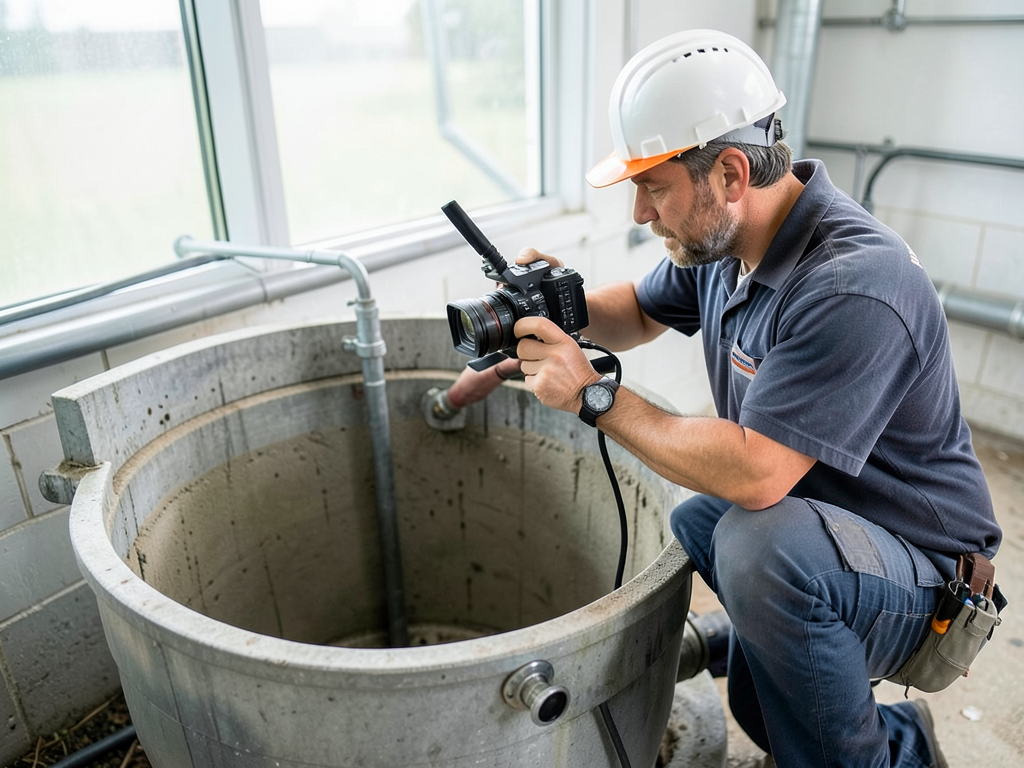
The pumping process begins with a full inspection of your grease trap's condition. We measure the thickness of the FOG layer and sediment accumulation to determine if your current pumping frequency matches your actual usage. Most establishments underestimate how quickly their traps reach capacity, which is why we document measurements at every service visit.

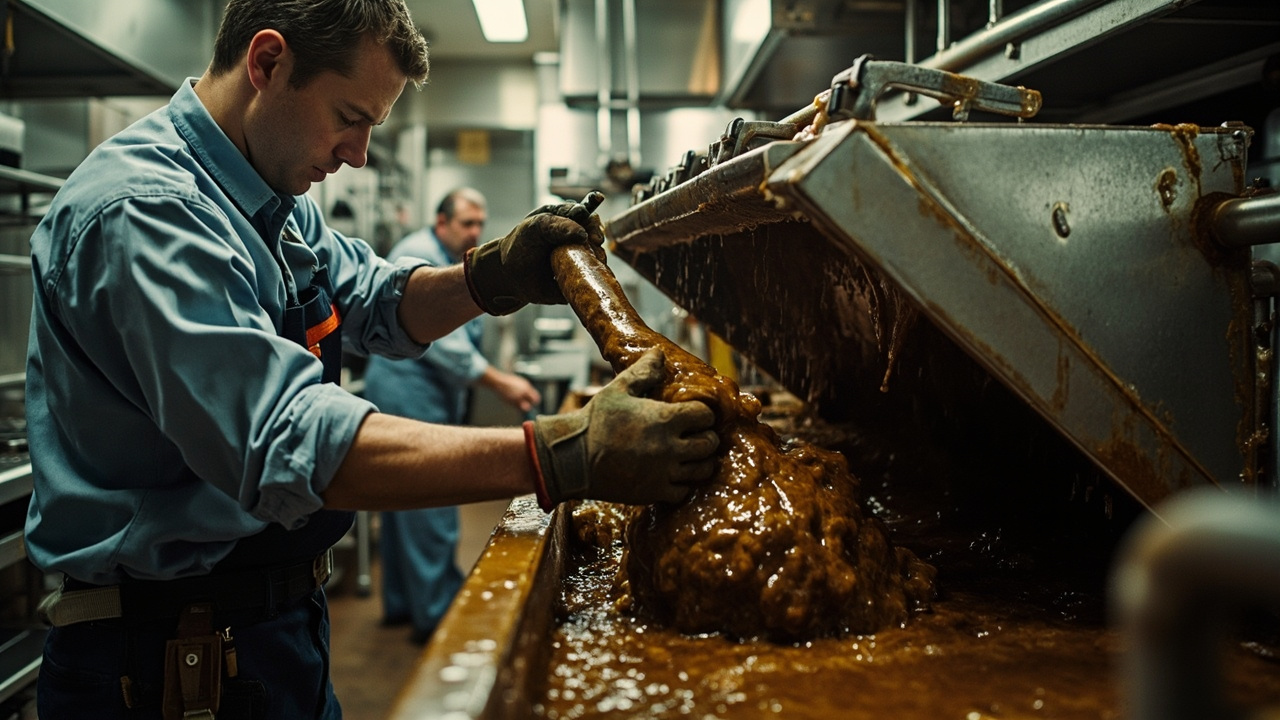
We extract all contents from the trap, not just the floating grease layer. Restaurants that only remove surface grease allow sediment to accumulate at the bottom of the tank, reducing effective capacity and accelerating the time between required pumpings. We scrape the walls, baffles, and inlet/outlet pipes to restore full trap function.

After extracting grease trap waste, we pressure wash the interior surfaces and inspect the structural integrity of the tank itself. Concrete grease traps deteriorate from constant acid exposure. Steel traps corrode from hydrogen sulfide gas. Fiberglass units can crack from ground shifting. We identify these issues before they become emergency repairs.

We document every service with detailed pump records that satisfy Wayne County requirements. Your maintenance logs prove compliance during health inspections and demonstrate due diligence if you ever face a FOG-related violation. Ironwood Plumbing Detroit maintains these records for you and provides copies for your files, ensuring you have documentation when inspectors arrive unannounced.

What Happens During Your Scheduled Service

Grease Trap Cleaning & Pumping in Detroit | Minimize Downtime and Maintain Code Compliance
01

Trap Access and Inspection

We locate and open your grease trap access covers, whether that's an exterior ground-level interceptor or an indoor under-sink unit. Before pumping begins, we measure the depth of the grease layer, the depth of the clear water zone, and the sediment accumulation. These measurements determine if your current service interval is appropriate for your actual kitchen volume and FOG production rate.
02

Complete Trap Evacuation

Our vacuum equipment extracts all trap contents, including the floating grease cap, the water zone, and the settled solids at the tank bottom. We scrape baffle walls and inlet piping to remove adhered grease that reduces flow capacity. This complete cleanout restores your trap to maximum holding capacity and extends the time until your next required service, protecting you from between-service backups.
03

Documentation and Disposal

We record all service details, including gallons pumped, trap condition, and any maintenance needs identified during the visit. You receive a service ticket that proves compliance with local regulations. We transport the grease trap waste to a licensed processing facility that handles FOG waste according to EPA and Michigan Department of Environment standards. Your business maintains full regulatory compliance from extraction through final disposal.

Why Detroit Kitchens Choose Ironwood Plumbing Detroit for Grease Management

We understand the specific challenges of operating a food service business in Detroit's competitive restaurant market. You cannot afford unexpected closures, health department violations, or emergency plumbing repairs during your peak revenue hours. Our commercial grease trap service is built around your schedule and your business needs, not a generic maintenance calendar.

Detroit's restaurant scene spans from high-volume Eastern Market vendors to fine dining establishments in Midtown and family-owned Coney Islands scattered throughout the metro. Each type of operation produces different grease loads and requires different service frequencies. We customize your pumping schedule based on your actual menu, your seating capacity, and your historical trap performance.

We work directly with the Detroit Water and Sewerage Department's FOG program requirements. Our pump records include all documentation fields required for compliance reporting. When the health department conducts inspections, your maintenance logs demonstrate a proactive approach to grease management that protects you from violations and fines.

Our trucks are equipped to handle traps ranging from small 50-gallon under-sink units to 2,000-gallon outdoor interceptors. We service the entire Detroit metro area, from downtown high-rises to standalone buildings in neighborhoods like Rosedale Park and Bagley. Your location and trap size do not limit our ability to provide reliable restaurant grease trap service.

Ironwood Plumbing Detroit maintains backup equipment and multiple service vehicles to ensure we meet your scheduled appointment regardless of mechanical issues or weather conditions. Your business depends on predictable service, and we treat your grease trap cleanout with the same urgency you treat your food deliveries and payroll. Miss one service appointment and you risk a backup during your busiest shift.

What to Expect from Professional Grease Trap Service

Service Scheduling and Frequency

Most Detroit restaurants require grease trap pumping every 30 to 90 days depending on kitchen volume. High-volume operations that serve fried foods or process large quantities of meat need more frequent service. We establish an initial schedule based on your trap size and menu type, then adjust based on actual measurements taken during each service visit. Your schedule may change seasonally if you're located in a tourist-heavy area or if you adjust your menu between summer and winter months. We send service reminders 48 hours before your scheduled appointment and arrive during your specified off-hours to minimize any impact on your operation.

Trap Condition Assessment

Every service visit includes a structural inspection of your grease trap itself. We check for cracks in concrete tanks, corrosion in steel units, and baffle damage that reduces trap efficiency. We measure the condition of inlet and outlet pipes and verify that the flow control devices are functioning properly. If we identify structural problems, we provide a written assessment with repair recommendations. Catching tank deterioration early prevents emergency failures that require excavation, tank replacement, and extended closure of your kitchen. Most structural repairs can be scheduled during your slow season to minimize business disruption.

Regulatory Compliance Documentation

You receive detailed service records after every pump visit. These records include the service date, gallons removed, trap measurements, and any maintenance observations. This documentation proves compliance with Wayne County FOG regulations and provides evidence of proper maintenance during health inspections. We maintain digital copies of all service records for a minimum of three years, giving you access to historical data if you need to demonstrate long-term compliance or if you're responding to a violation notice. Proper documentation is often the difference between a warning and a penalty during regulatory enforcement actions.

Preventive Maintenance Programs

We offer scheduled maintenance contracts that lock in your service frequency and pricing for 12 months. Contract clients receive priority scheduling, which matters during the busy summer months when service demand peaks. Contracts eliminate the administrative burden of tracking your next required service date and ensure you never miss a pumping deadline that could trigger a health code violation. We also provide enzyme treatments and bacteria additives that help break down grease between pump visits, extending the effective life of your trap and reducing emergency service calls. Preventive maintenance costs less than emergency repairs and protects your business from unexpected closures.

Frequently Asked Questions

You Have Questions,
We Have Answers

How often do grease traps need to be pumped? +

Pumping frequency depends on trap size, volume of FOG discharged, and local health department mandates. Detroit commercial kitchens typically pump every 30 to 90 days. High-volume restaurants often require monthly service, while smaller operations may extend to quarterly. Michigan regulations require pumping when grease and solids reach 25 percent of total trap capacity. Skipping scheduled pumping causes backups, odors, and code violations. Track your discharge volume and adjust frequency accordingly. Regular pumping prevents costly emergency calls and keeps your operation compliant with Wayne County health codes.

How much does a 1000 gallon grease trap cost to clean? +

Cleaning a 1000-gallon grease trap typically costs between several hundred to over a thousand dollars, depending on trap accessibility, waste disposal fees, and contamination levels. Detroit-area pricing varies by hauler licensing, travel distance, and disposal site requirements. Heavily contaminated traps with hardened grease cost more due to extended labor. Pricing includes pumping, scraping baffles, and proper manifesting for disposal. Frequency affects total annual cost. Monthly service contracts often reduce per-visit pricing. Request detailed quotes that specify disposal fees and labor separately. Budget for regular maintenance to avoid premium emergency rates.

How often should grease traps be cleaned? +

Cleaning frequency mirrors pumping schedules. Detroit commercial kitchens must clean grease traps every 30 to 90 days based on capacity and FOG output. Michigan health codes mandate cleaning when grease and solids reach 25 percent of trap volume. High-volume fryers and griddle operations require monthly cleaning to prevent blockages and odors. Smaller cafes may extend to quarterly service. Consistent cleaning prevents downstream sewer backups, fines, and operational shutdowns. Wayne County inspectors verify cleaning logs during health inspections. Skipping scheduled service risks code violations and costly emergency repairs.

Can I clean a grease trap myself? +

You can perform basic grease trap maintenance, but full cleaning requires specialized equipment and disposal permits. Scooping floating grease and wiping baffles helps between professional services. However, proper pumping demands vacuum trucks, confined space training, and manifested waste disposal per Michigan regulations. Detroit businesses must use licensed haulers to transport FOG waste to approved facilities. DIY cleaning cannot fully remove settled sludge or scrape baffle walls. Improper disposal violates environmental codes and risks fines. Commercial operators should schedule professional service and limit DIY efforts to light maintenance tasks.

How much does it cost to pump out a grease trap? +

Pump-out costs range from a few hundred to over a thousand dollars, depending on trap size, accessibility, and waste volume. Detroit-area pricing includes labor, vacuum truck dispatch, and disposal fees at licensed facilities. Traps buried under pavement or inside tight basements cost more due to access challenges. Contaminated traps with excessive solids increase labor time and disposal surcharges. Monthly service contracts reduce per-visit costs compared to on-demand calls. Request itemized quotes showing disposal fees separately. Budget for regular service to avoid premium emergency rates and potential fines from missed compliance deadlines.

What are the signs of a full grease trap? +

Full grease traps show clear warning signs before failure. Slow-draining sinks and floor drains indicate FOG blockage in the trap or downstream lines. Foul odors from drains or exhaust vents signal decomposing grease and food solids. Visible grease floating near the trap inlet means capacity is exceeded. Gurgling sounds during drainage suggest airflow restriction from accumulated waste. Backups into prep sinks or dishwashers require immediate pumping. Detroit health inspectors flag these signs during routine visits. Ignoring symptoms causes sewer backups, code violations, and operational shutdowns. Schedule pumping at the first warning sign.

Can a plumber clean a grease trap? +

Licensed plumbers can clean grease traps, but specialized grease haulers are better equipped for full pumping. Plumbers handle trap repairs, line jetting, and emergency blockages. However, complete pump-outs require vacuum trucks and manifested waste disposal that most plumbers do not provide. Detroit businesses need haulers with Michigan waste transporter licenses to legally remove and dispose of FOG. Plumbers inspect traps, replace baffles, and clear downstream lines. For routine maintenance and compliance, use certified grease haulers. For repairs or line clearing after pumping, call a licensed plumber familiar with commercial kitchen systems.

What is the 80/20 rule house cleaning? +

The 80/20 rule is irrelevant to commercial grease trap cleaning. This question likely confuses residential cleaning advice with commercial FOG management. In grease trap context, the relevant standard is the 25 percent rule. Michigan regulations require pumping when grease and solids reach 25 percent of trap capacity. This prevents overflow and ensures proper separation efficiency. Detroit commercial kitchens must follow Wayne County health codes, not residential cleaning guidelines. Focus on trap capacity limits, not arbitrary cleaning ratios. Schedule pumping based on actual FOG accumulation and local health department mandates, not household cleaning tips.

What is the life expectancy of a grease trap? +

Properly maintained grease traps last 15 to 30 years, depending on material, installation quality, and cleaning frequency. Steel traps corrode faster in harsh Detroit conditions, while concrete and fiberglass units endure longer with proper care. Neglected traps fail early from corrosion, baffle deterioration, and structural damage caused by excessive grease buildup. Regular pumping, inspection, and baffle replacement extend lifespan. High-acidity waste accelerates material breakdown. Outdoor traps face freeze-thaw stress in Michigan winters. Replace traps showing structural cracks, baffle failures, or severe corrosion. Preventive maintenance maximizes investment and prevents costly emergency replacements during peak business hours.

Why do plumbers say not to use drain cleaner? +

Chemical drain cleaners damage pipes, fixtures, and grease traps. These products generate extreme heat that warps PVC, corrodes metal fittings, and cracks porcelain. In grease traps, chemicals emulsify FOG temporarily but push it downstream where it re-solidifies and blocks municipal sewer lines. Detroit businesses face fines for introducing harsh chemicals into the wastewater system. Cleaners also create hazardous fumes in confined spaces and react dangerously with other chemicals. Professional hydro-jetting mechanically clears blockages without chemical damage. For grease buildup, schedule proper pumping rather than masking symptoms with caustic products that worsen long-term problems.

Detroit's Combined Sewer System Makes Grease Management Critical for Your Business

Detroit operates a combined sewer system that handles both sanitary sewage and stormwater runoff in the same pipes. During heavy rain events, excess grease in the municipal system contributes to sanitary sewer overflows that discharge untreated waste into the Detroit River. The Detroit Water and Sewerage Department actively enforces FOG regulations to prevent these environmental violations, placing the compliance burden directly on food service establishments. Your grease interceptor cleaning schedule must account for this aggressive enforcement climate. Restaurants face escalating fines for repeat violations, and the city maintains a public database of establishments cited for FOG-related infractions that can damage your reputation in the community.

Ironwood Plumbing Detroit works exclusively in the Wayne County service area and understands the specific requirements of operating under Detroit's FOG management program. We maintain relationships with local health inspectors and stay current on changes to municipal discharge regulations. When new requirements are implemented, we notify our contract clients and adjust service schedules to maintain compliance. Our technicians are trained on Detroit-specific plumbing codes and understand the unique challenges of working with the aging infrastructure common in older neighborhoods like Corktown and Mexicantown. Choosing a local provider means working with professionals who understand your specific regulatory environment and can respond quickly when problems occur.
Plumbing Services in The Detroit Area

Ironwood Plumbing proudly serves Detroit and the surrounding areas with reliable, professional plumbing solutions. Whether you’re a homeowner or a business owner, you can count on our fast response times and expert service. Use the map below to find our office or check if your location is within our service radius. We’re easy to reach and always happy to help — just call, click, or visit us today to schedule your plumbing service with a local team that truly cares.

Address:
Ironwood Plumbing Detroit, 3200 Greenfield Rd, Detroit, MI, 48120

Additional Services We Offer

Our news updates

Latest Articles & News from The Blogs

Plumbing Requirements for Luxury Body Jets and Rain Showerheads in West Bloomfield High-end luxury shower systems in West Bloomfield demand…

Plumbing Requirements for Luxury Body Jets and Rain Showerheads in West Bloomfield

Plumbing Requirements for Luxury Body Jets and Rain Showerheads in West Bloomfield High-end luxury shower systems in West Bloomfield demand…

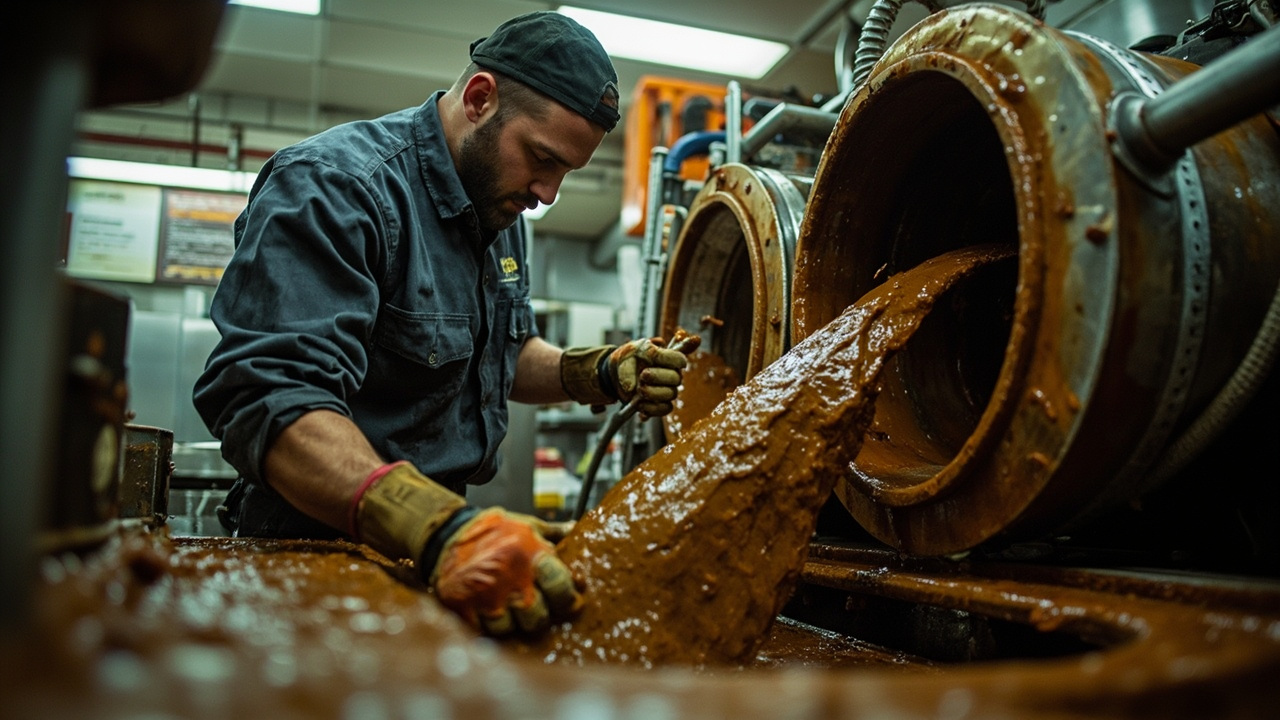
The Truth About Septic Tank Additives and Why They Might Not Save You a Pump-Out in Brighton

The Truth About Septic Tank Additives and Why They Might Not Save You a Pump-Out in Brighton Walk into any…

How to Choose the Right Horsepower for Your Next Dearborn Garbage Disposal

Understanding Garbage Disposal HP: Why It Matters The right garbage disposal horsepower directly affects how quickly and thoroughly your kitchen…

Contact Us

Do not wait until a backup forces you to close during your dinner rush. Call (313) 572-4144 now to schedule an inspection and establish a maintenance plan that protects your business from health code violations and unexpected closures.