
Stop Fighting Standing Water in Your Grosse Pointe Shores Yard
Your yard after a Detroit downpour looks like a swamp. That standing water isn’t just ugly – it’s killing your grass and threatening your foundation. You’re facing two main choices: catch basins that collect surface water fast, or French drains that handle groundwater slowly. Here’s what actually works in our clay-heavy Metro Detroit soil. Detroit Water and Sewerage Department Regulations.
Most homeowners in Grosse Pointe Shores pick the wrong system because they don’t understand the difference. A catch basin sits at ground level with a grate, collecting rainwater from low spots before it pools. A French drain sits underground, intercepting water moving through soil toward your basement. The choice matters because Detroit’s heavy clay soil means surface water pools quickly while groundwater moves slowly. Get this wrong and you’ll still have puddles after every storm. The Best Drain Cleaning Services for Older Houses in Grosse Pointe.
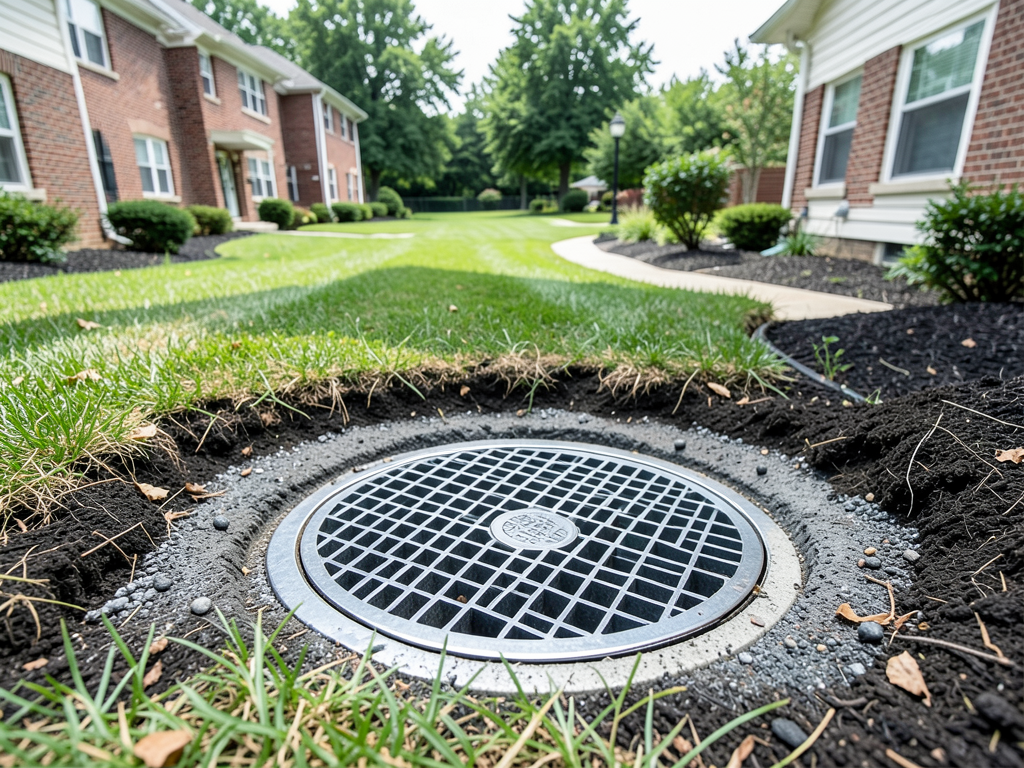
What is a Catch Basin? (The Surface Water Solution)
A catch basin is basically a box with a grate on top that sits in your yard’s lowest point. Water flows through the grate, collects in the box, then exits through a pipe to the street or a dry well. The box traps leaves and debris so they don’t clog your drainage system.
The key advantage in Grosse Pointe Shores is speed. When three inches of rain falls in two hours – common here – surface water needs immediate removal. A properly sized catch basin can handle hundreds of gallons per minute. The grate also lets you see if it’s working and clean out debris easily. Why Your Corktown Home Needs a Professional Sewer Line Inspection Before You Buy.
Installation requires digging a hole about 24-30 inches deep, setting the basin level with your yard’s grade, and connecting solid PVC pipe to carry water away. The outlet pipe must slope at least 1/4 inch per foot to keep water moving. In Detroit’s freeze-thaw climate, pipes need to be below the frost line – typically 42 inches deep here.
Common problems we see: basins too small for the drainage area, pipes that clog with clay sediment, or outlets that freeze in winter. A 12-inch square basin might work for a 300-square-foot area, but your quarter-acre lot needs something much larger.
What is a French Drain? (The Groundwater Solution)
A French drain is a trench filled with gravel containing a perforated pipe that redirects subsurface water. Water seeps through the gravel, enters the pipe through holes, and flows downhill to a discharge point. The system works by lowering the water table around your foundation.
The trench typically runs 18-24 inches deep and 12 inches wide. You line it with landscape fabric, add 2-3 inches of gravel, lay the perforated pipe, then cover with more gravel and soil. The pipe has holes pointing down to collect water rising from below.
French drains excel at preventing basement seepage when groundwater is the problem. If your basement walls feel damp or you see efflorescence (white mineral deposits) after rain, you likely need this system. The perforated pipe intercepts water before it reaches your foundation.
But French drains have limitations in Detroit. Our heavy clay soil means water moves slowly through the ground – sometimes only a few inches per day. A French drain might take 24-48 hours to dry out an area that a catch basin clears in minutes. Also, the gravel can clog with clay over time, reducing effectiveness.
Comparison Table: Catch Basin vs. French Drain
| Feature | Catch Basin | French Drain | Best Application |
|---|---|---|---|
| Primary Purpose | Surface water removal | Groundwater interception | Low spots vs. basement seepage |
| Installation Depth | 24-30 inches | 18-24 inches | Surface vs. subsurface |
| Typical Cost Range (Metro Detroit) | $800-$2,500 | $1,200-$4,000 | Budget vs. comprehensive |
| Maintenance Level | High (clean grates regularly) | Medium (check for clogs) | Visible vs. hidden upkeep |
| Water Handling Speed | Minutes | Hours to days | Emergency vs. gradual |
The Detroit Factor: Dealing with Clay Soil and Frost Lines
Detroit sits on dense glacial till with high clay content – sometimes 40-50% in areas near Grosse Pointe Shores. This soil has a percolation rate of 0.1-0.3 inches per hour, compared to sandy soil that drains at 2-4 inches per hour. That means water sits on the surface much longer here.
The Michigan frost line runs 42-48 inches deep in Wayne County. Any drainage pipe must sit below this to prevent freeze damage. We use Schedule 40 PVC for main lines because it withstands soil pressure and temperature swings better than corrugated pipe. Michigan Building Code Requirements.
Detroit’s freeze-thaw cycles cause soil to expand and contract up to 2% seasonally. This movement can crack shallow pipes or shift basins out of alignment. That’s why we specify deeper installations and use flexible couplings at joints.
Local building codes require drainage systems to discharge at least 5 feet from foundations and away from property lines. The Detroit Water and Sewerage Department prohibits connecting yard drains to the sanitary sewer system – only storm sewers or dry wells are permitted.
Can You Combine Both Systems?
Yes – and many Grosse Pointe Shores properties need both. A hybrid system uses catch basins to collect surface water, then feeds it into a French drain network that handles the subsurface flow. This combination solves both problems at once.
Here’s how it works: Catch basins sit in low spots where water pools. Each basin connects to solid pipe that runs underground. At strategic points, the solid pipe connects to perforated pipe surrounded by gravel – the French drain portion. This system handles both the immediate surface flooding and the slower groundwater movement.
We recently installed this for a home on Lakepointe Drive where the backyard slopes toward the house. Three catch basins collect water from the patio and lawn, feeding into a 100-foot French drain that runs parallel to the foundation. The system has kept the basement dry even during 2023’s record spring rains.
The key is proper grading. Surface water should flow toward catch basins at a minimum 1% slope (1/8 inch per foot). The French drain should sit slightly deeper, creating a drainage layer beneath your yard’s surface.
Maintenance Tips for Michigan Homeowners
Catch basins need cleaning at least twice yearly – spring and fall. Remove the grate and scoop out leaves, sediment, and debris. A 5-gallon bucket of sediment from one season isn’t unusual in wooded areas.
Check outlet pipes in early spring before heavy rains hit. Michigan’s freeze-thaw cycles can crack pipes or create ice blockages. Run water through the system with a hose to verify flow.
For French drains, watch for soggy spots in your yard that indicate clogs. You can test flow by running water into the cleanout pipe if your system has one. If water backs up, the pipe or gravel may be clogged with clay.
Consider installing a filter fabric around French drain gravel during installation. This geotextile prevents soil from migrating into the gravel while allowing water to pass. It can double the system’s effective lifespan.
After heavy storms, inspect your yard for new low spots that may need catch basins. Soil settles over time, and new drainage problems can develop even with existing systems.
Frequently Asked Questions
Will a French drain work in my clay soil?
French drains work in clay but require larger gravel beds and longer pipes than in sandy soil. The key is providing enough surface area for water to enter the system. We often use 4-6 inch perforated pipe with extra gravel in Detroit’s clay soils.
How deep should drainage pipes be in Grosse Pointe?
Pipes must sit below the 42-inch frost line to prevent freeze damage. We typically install at 48-60 inches deep for main lines, with catch basins sitting at surface level connected to these deeper pipes.
Can I connect my downspouts to the drainage system?
Yes, but they must connect to a separate solid pipe that discharges to storm sewer or daylight. Never connect roof water to a French drain with perforated pipe – the perforations will clog quickly from debris.
How long does a drainage system last in Michigan?
Catch basins with proper installation last 15-20 years. French drains in clay soil may need partial replacement after 8-12 years as the gravel clogs. Regular maintenance can extend these lifespans significantly.
What permits do I need in Detroit?
Wayne County requires permits for drainage work affecting more than 500 square feet. You’ll need to show discharge points and confirm compliance with local stormwater regulations. We handle permitting for all our drainage installations. Wayne County Soil Survey Data.
Stop the Swamp. Call Today.
Your yard doesn’t have to be a swamp every time it rains. Whether you need catch basins for surface water, French drains for groundwater, or a hybrid system that handles both, we’ll diagnose your specific problem and install the right solution. Detroit’s clay soil and freeze-thaw cycles require experience – we’ve been solving these problems in Grosse Pointe Shores for over 15 years.
Don’t wait for the next storm to flood your basement or kill your lawn. Call (313) 572-4144 today to schedule your free drainage inspection. We’ll show you exactly what’s causing your water problems and provide a clear plan to fix them permanently.
Ironwood Plumbing – Serving Grosse Pointe Shores, Detroit, and all Metro Detroit communities with expert drainage solutions that actually work in Michigan’s challenging soil conditions. Plumbing Dearborn.
You may also find this helpful. How to Finance a Major Plumbing Repair in Detroit Without Breaking the Bank.
{
“@context”: “https://schema.org”,
“@type”: “BlogPosting”,
“headline”: “Why Your Grosse Pointe Shores Yard Needs a Catch Basin instead of Just a French Drain”,
“description”: “Discover why catch basins outperform French drains in Grosse Pointe Shores’ clay soil. Learn the key differences and get expert drainage solutions for your yard.”,
“wordCount”: 1569,
“datePublished”: “2026-06-11T07:15:00.000Z”,
“dateModified”: “2026-06-11T07:15:00.000Z”,
“inLanguage”: “en-US”,
“mainEntityOfPage”: {
“@type”: “WebPage”,
“@id”: “https://ironwoodplumbingdetroit.com”
},
“publisher”: {
“@type”: “LocalBusiness”,
“name”: “Ironwood Plumbing Detroit”,
“url”: “https://ironwoodplumbingdetroit.com”
},
“author”: {
“@type”: “Organization”,
“name”: “Ironwood Plumbing Detroit”,
“url”: “https://ironwoodplumbingdetroit.com”
},
“image”: {
“@type”: “ImageObject”,
“url”: “https://ironwoodplumbingdetroit.com/wp-content/uploads/2026/03/why-your-grosse-pointe-shores-yard-needs-a-catch-b-1.png”
}
}
{
“@context”: “https://schema.org”,
“@type”: “Plumber”,
“name”: “Ironwood Plumbing Detroit”,
“url”: “https://ironwoodplumbingdetroit.com”,
“address”: {
“@type”: “PostalAddress”,
“addressLocality”: “Detroit”
},
“areaServed”: {
“@type”: “City”,
“name”: “Detroit”
}
}
{
“@context”: “https://schema.org”,
“@type”: “FAQPage”,
“mainEntity”: [
{
“@type”: “Question”,
“name”: “Can You Combine Both Systems?”,
“acceptedAnswer”: {
“@type”: “Answer”,
“text”: “Yes – and many Grosse Pointe Shores properties need both. A hybrid system uses catch basins to collect surface water, then feeds it into a French drain network that handles the subsurface flow. This combination solves both problems at once.”
}
},
{
“@type”: “Question”,
“name”: “Will a French drain work in my clay soil?”,
“acceptedAnswer”: {
“@type”: “Answer”,
“text”: “French drains work in clay but require larger gravel beds and longer pipes than in sandy soil. The key is providing enough surface area for water to enter the system. We often use 4-6 inch perforated pipe with extra gravel in Detroit’s clay soils.”
}
},
{
“@type”: “Question”,
“name”: “How deep should drainage pipes be in Grosse Pointe?”,
“acceptedAnswer”: {
“@type”: “Answer”,
“text”: “Pipes must sit below the 42-inch frost line to prevent freeze damage. We typically install at 48-60 inches deep for main lines, with catch basins sitting at surface level connected to these deeper pipes.”
}
},
{
“@type”: “Question”,
“name”: “Can I connect my downspouts to the drainage system?”,
“acceptedAnswer”: {
“@type”: “Answer”,
“text”: “Yes, but they must connect to a separate solid pipe that discharges to storm sewer or daylight. Never connect roof water to a French drain with perforated pipe – the perforations will clog quickly from debris.”
}
},
{
“@type”: “Question”,
“name”: “How long does a drainage system last in Michigan?”,
“acceptedAnswer”: {
“@type”: “Answer”,
“text”: “Catch basins with proper installation last 15-20 years. French drains in clay soil may need partial replacement after 8-12 years as the gravel clogs. Regular maintenance can extend these lifespans significantly.”
}
},
{
“@type”: “Question”,
“name”: “What permits do I need in Detroit?”,
“acceptedAnswer”: {
“@type”: “Answer”,
“text”: “Wayne County requires permits for drainage work affecting more than 500 square feet. You’ll need to show discharge points and confirm compliance with local stormwater regulations. We handle permitting for all our drainage installations. Wayne County Soil Survey Data.”
}
}
]
}
{
“@context”: “https://schema.org”,
“@type”: “BreadcrumbList”,
“itemListElement”: [
{
“@type”: “ListItem”,
“position”: 1,
“name”: “Home”,
“item”: “https://ironwoodplumbingdetroit.com”
},
{
“@type”: “ListItem”,
“position”: 2,
“name”: “Blog”,
“item”: “https://ironwoodplumbingdetroit.com/blog”
},
{
“@type”: “ListItem”,
“position”: 3,
“name”: “Why Your Grosse Pointe Shores Yard Needs a Catch Basin instead of Just a French Drain”
}
]
}
{
“@context”: “https://schema.org”,
“@type”: “Service”,
“serviceType”: “Plumbing”,
“provider”: {
“@type”: “LocalBusiness”,
“name”: “Ironwood Plumbing Detroit”,
“url”: “https://ironwoodplumbingdetroit.com”
},
“areaServed”: {
“@type”: “City”,
“name”: “Detroit”
},
“description”: “Discover why catch basins outperform French drains in Grosse Pointe Shores’ clay soil. Learn the key differences and get expert drainage solutions for your yard.”
}