
Why tree roots love your sewer lines and how to spot the signs in Sterling Heights
Your Sterling Heights home sits on soil that many mature trees find irresistible. The combination of Michigan’s clay-rich earth and the nutrient-rich wastewater flowing through your sewer pipes creates a perfect environment for tree roots to invade. When roots detect moisture and nutrients escaping through tiny cracks in aging clay or cast iron pipes, they grow toward the source like living radar systems. Michigan State University Extension.
Once inside, roots expand and multiply, creating dense mats that trap debris and eventually block your main sewer line. The problem accelerates during Sterling Heights’ wet springs when ground saturation increases and trees become more aggressive in their search for water. Understanding this biological process helps you recognize the warning signs before a complete blockage forces sewage back into your home.
5 warning signs tree roots are invading your Detroit sewer pipes
Tree root intrusion announces itself through specific symptoms that differ from other plumbing problems. These signs appear gradually but become more pronounced as the root mass grows inside your pipes. Plumbing Dearborn.
- Gurgling sounds from toilets – When you flush, unusual bubbling or gurgling indicates roots are partially blocking water flow and creating air pockets
- Slow drains throughout the house – Multiple fixtures draining slowly suggests a main line blockage rather than localized clogs
- Foul odors near floor drains – Sewage smells indicate roots have created gaps allowing sewer gases to escape
- Unexplained lush patches in your yard – Areas of unusually green grass or vegetation often mark where roots have found your sewer line
- Recurring clogs that return after cleaning – If blockages keep happening in the same drains, roots are likely trapping debris inside the pipe
Many Sterling Heights homeowners notice these symptoms intensify during heavy rainfall when the increased water volume tests the compromised pipe’s capacity. The Michigan clay soil common in Macomb County retains moisture, creating additional pressure on already stressed sewer lines.
Why Detroit’s older clay pipes are vulnerable to root intrusion
Detroit’s sewer infrastructure tells a story of aging technology meeting aggressive Michigan vegetation. Homes built before 1970 in Sterling Heights and surrounding areas often contain clay sewer pipes that become brittle over decades of freeze-thaw cycles.
Clay pipes connect using mortar joints that deteriorate over time. Even hairline separations create entry points for tree roots seeking moisture. The Michigan Department of Environmental Quality reports that clay pipe failures increase significantly after 50 years of service, particularly in areas with high clay content like much of Macomb County. EPA sewer system guidelines.
Cast iron pipes from the same era face similar vulnerabilities. While more durable than clay, cast iron corrodes from the inside out, creating weak spots where roots penetrate. The combination of Detroit’s harsh winters and the region’s mature tree canopy makes root intrusion almost inevitable in older neighborhoods.
Local soil conditions accelerate the problem. Sterling Heights sits on clay-rich soil that expands when wet and contracts when dry. This constant movement creates stress on buried pipes, opening microscopic gaps that tree roots detect through chemical sensors in their growing tips. Once a root finds water, it grows toward the source at rates up to 1.5 inches per day during growing season.
Our professional diagnostic process: high-definition sewer camera inspections
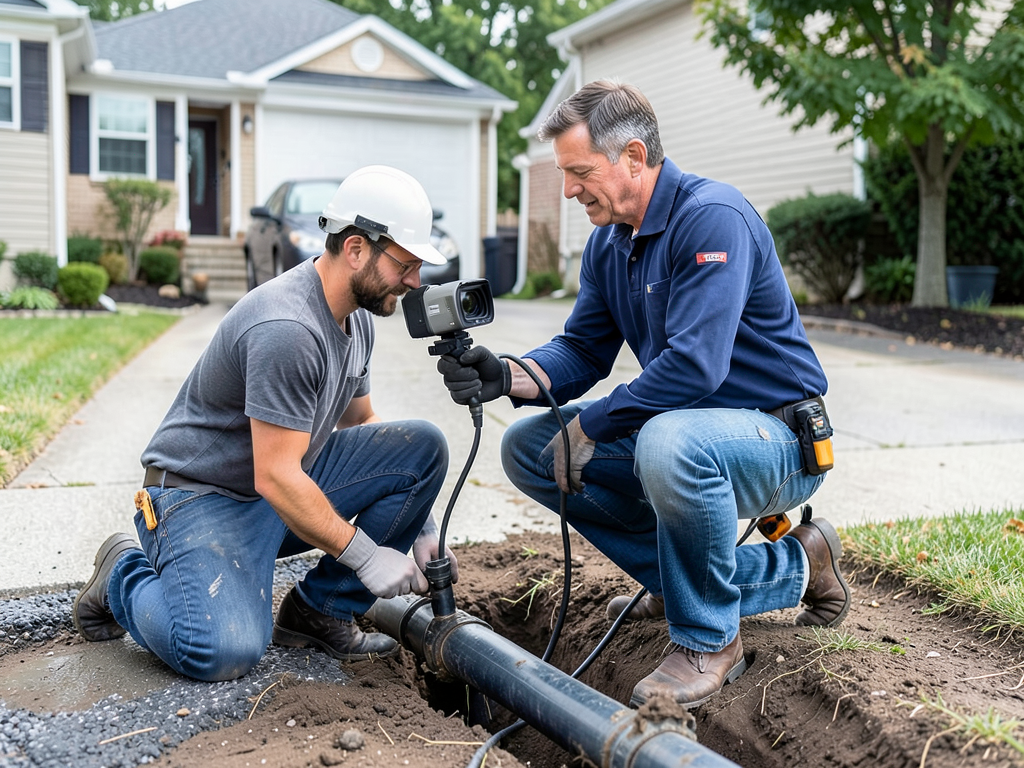
Modern plumbing diagnosis relies on technology that would seem like science fiction to plumbers working Detroit’s first sewer systems. Our diagnostic process begins with a high-definition sewer camera that travels through your pipes on a flexible cable. The Most Trusted Plumbers for Historical Home Pipe Restoration in Indian Village.
The camera transmits real-time video to a monitor, allowing technicians to identify root locations, pipe damage, and blockage severity. We document everything with digital recording, showing you exactly what’s happening inside your sewer line. This visual evidence helps you understand the scope of the problem before committing to repairs.. Read more about Why Every Grosse Pointe Farms Home Buyer Needs a Sewer Camera Inspection Before Closing.
During inspection, we measure pipe diameter, locate cleanouts, and identify pipe material. This information proves crucial for selecting the right removal method. A copper sulfate treatment might work for minor root intrusion in accessible areas, but dense root masses in older clay pipes often require mechanical removal.
Camera inspections also reveal other issues that might contribute to drainage problems. Cracked pipes, collapsed sections, and misaligned joints all show clearly on our monitors. We can pinpoint problems within inches of their actual location, eliminating guesswork about where to dig if excavation becomes necessary. The Best Drain Cleaning Services for Older Houses in Grosse Pointe.
Call (313) 572-4144 today to schedule your inspection before the next heavy rain tests your compromised sewer line.
Professional removal methods: hydro-jetting vs. trenchless pipe lining
Removing tree roots requires different approaches based on pipe condition and root severity. Hydro-jetting uses pressurized water streams up to 4,000 PSI to cut through root masses and flush debris from pipes.
The process works like a pressure washer on steroids. Specialized nozzles direct water jets that spin and propel the cleaning head through pipes. The high pressure slices through roots while the water flow carries debris away. This method cleans pipe walls thoroughly, removing grease, scale, and mineral buildup along with roots.
For pipes with extensive damage, trenchless pipe lining offers a permanent solution without excavation. The process involves inserting a felt tube saturated with epoxy resin into the damaged pipe. Once positioned correctly, the tube inflates and cures in place, creating a new pipe within the old one.
Cured-in-place pipe lining (CIPP) creates a jointless, corrosion-resistant pipe that roots cannot penetrate. The smooth epoxy surface also improves flow characteristics compared to older pipe materials. This method works particularly well in Sterling Heights where mature trees make future root intrusion likely.
Mechanical augering provides another removal option for severe blockages. Rotating cutting heads attached to steel cables chop through roots and break up hardened scale. While effective for immediate blockage removal, mechanical methods don’t prevent future root growth like hydro-jetting or pipe lining.
Estimated costs for sewer root removal in Metro Detroit
Sewer root removal costs in Sterling Heights vary based on pipe length, root severity, and chosen removal method. Camera inspections typically cost $250-$400 and provide the diagnostic information needed to recommend appropriate solutions.
Hydro-jetting services range from $500-$1,200 for residential main lines. The process takes 2-4 hours and provides immediate results. For homes with recurring root problems, annual hydro-jetting prevents emergency blockages and extends pipe life.
Trenchless pipe lining represents a larger investment at $80-$120 per foot of pipe. A typical Sterling Heights home might require lining 50-100 feet of sewer lateral, resulting in total costs of $4,000-$12,000. However, this solution often proves more economical than traditional excavation, which can cost $150-$300 per foot plus landscape restoration.
Emergency root removal services cost more due to after-hours calls and the urgency of preventing sewage backup. These situations often require immediate hydro-jetting or mechanical clearing to restore drainage, followed by camera inspection to assess permanent repair needs. Why Your Corktown Home Needs a Professional Sewer Line Inspection Before You Buy.
Many Sterling Heights homeowners find that preventive maintenance through annual cleaning costs less than emergency repairs. The Michigan climate, with its freeze-thaw cycles and heavy spring rains, creates conditions where neglected sewer lines fail at the worst possible times.
How to prevent future root growth in your main line
Preventing tree root intrusion requires understanding what attracts roots to begin with. Trees seek water, oxygen, and nutrients – all of which exist in your sewer line’s wastewater. Creating barriers and using chemical treatments can discourage root growth toward pipes.
Copper sulfate treatments applied through cleanout access points create a toxic zone that roots avoid. The chemical dissolves slowly, maintaining protection for several months. However, copper sulfate works best as a preventive measure rather than a solution for existing root masses.
Physical root barriers installed during landscaping prevent trees from growing toward sewer lines. These barriers, made from metal or thick plastic, extend 18-24 inches deep and curve away from pipes at a 30-degree angle. This forces roots to grow around rather than toward buried utilities.
Tree selection matters significantly in Michigan landscapes. Fast-growing species like silver maples and willows produce aggressive root systems that seek water sources. Slower-growing trees with less invasive roots make better choices near sewer lines. The Michigan State University Extension recommends maintaining 10-foot minimum distances between trees and underground utilities.. Read more about Fixing a Leaking Underground Water Main Line in Your Highland Park Yard.
Regular maintenance through professional cleaning removes early root growth before it becomes problematic. Annual inspections using cameras catch root intrusion in early stages when removal proves easier and less expensive. This preventive approach costs far less than emergency repairs after a complete blockage occurs.
Pick up the phone and call (313) 572-4144 before the next storm hits and tests your vulnerable sewer line.
Frequently Asked Questions
How long does a sewer camera inspection take?
A complete camera inspection typically requires 60-90 minutes. The process includes accessing cleanouts, running the camera through the entire pipe length, and documenting findings. Complex systems with multiple connections or severe blockages may require additional time. Finding a Reliable Emergency Plumber in Midtown Detroit When Your Pipes Burst.
Will homeowners insurance cover root damage?
Most standard homeowners policies exclude root damage to sewer lines as a maintenance issue. However, some insurers offer optional sewer line protection endorsements that cover root removal and pipe repairs. Check your policy or ask your agent about available coverage options.
Can I use rock salt to kill roots in my sewer line?
Rock salt can kill roots but damages pipes and creates disposal problems. The salt accumulates in soil, potentially killing desirable plants and contaminating groundwater. Professional chemical treatments use controlled-release formulas that target roots while minimizing environmental impact.
How often should I have my sewer line inspected?
Annual inspections make sense for homes over 30 years old or those with known tree root issues. Properties with mature trees within 20 feet of sewer lines benefit from biennial inspections even if no problems exist. Early detection prevents emergency situations and reduces repair costs.
What tree species cause the most sewer line damage?
Silver maples, willows, poplars, and elms produce the most aggressive root systems in Michigan. These species grow quickly and send out extensive lateral roots seeking water. Oaks and slower-growing deciduous trees generally cause less damage but can still invade compromised pipes.
Is trenchless pipe lining better than traditional replacement?
Trenchless lining costs less than excavation in most cases and preserves landscaping. The process creates a stronger pipe than the original and prevents future root intrusion. However, severely collapsed pipes or those with major offsets may require traditional replacement for proper function.
How can I tell if roots are the problem or if it’s something else?
Camera inspection provides definitive diagnosis. However, recurring clogs in multiple fixtures, gurgling sounds, and lush vegetation near sewer lines strongly suggest root intrusion. Simple drain cleaning that provides only temporary relief also indicates roots trapping debris inside pipes.
What should I do if I suspect tree roots in my sewer line?
Stop using affected fixtures immediately to prevent sewage backup into your home. Contact a professional plumber for camera inspection rather than attempting chemical treatments that might damage pipes. Early intervention prevents emergency situations and reduces repair costs significantly.
How deep are sewer lines typically buried?
Residential sewer laterals in Sterling Heights typically sit 3-5 feet below grade. This depth provides protection from freeze-thaw cycles while remaining accessible for maintenance. However, depth varies based on local topography, with lines running deeper in low areas to maintain proper drainage slope.
Can root intrusion cause foundation problems?
Severe root intrusion can undermine foundations if roots grow under structures seeking moisture. The weight of expanding root masses can cause soil settlement and structural shifting. This situation requires both root removal and foundation repair to prevent recurrence.
You may also find this helpful. Why you shouldn’t ignore the smell of sewer gas in your Grosse Ile basement.
{
“@context”: “https://schema.org”,
“@type”: “BlogPosting”,
“headline”: “Why tree roots love your sewer lines and how to spot the signs in Sterling Heights”,
“description”: “Learn why mature trees in Sterling Heights target your sewer lines and how to detect root intrusion before costly damage occurs. Call (313) 572-4144 for inspection.”,
“wordCount”: 1970,
“datePublished”: “2026-04-13T14:36:00.000Z”,
“dateModified”: “2026-04-13T14:36:00.000Z”,
“inLanguage”: “en-US”,
“mainEntityOfPage”: {
“@type”: “WebPage”,
“@id”: “https://ironwoodplumbingdetroit.com”
},
“publisher”: {
“@type”: “LocalBusiness”,
“name”: “Ironwood Plumbing Detroit”,
“url”: “https://ironwoodplumbingdetroit.com”
},
“author”: {
“@type”: “Organization”,
“name”: “Ironwood Plumbing Detroit”,
“url”: “https://ironwoodplumbingdetroit.com”
},
“image”: {
“@type”: “ImageObject”,
“url”: “https://ironwoodplumbingdetroit.com/wp-content/uploads/2026/03/why-tree-roots-love-your-sewer-lines-and-how-to-sp-1.png”
}
}
{
“@context”: “https://schema.org”,
“@type”: “Plumber”,
“name”: “Ironwood Plumbing Detroit”,
“url”: “https://ironwoodplumbingdetroit.com”,
“address”: {
“@type”: “PostalAddress”,
“addressLocality”: “Detroit”
},
“areaServed”: {
“@type”: “City”,
“name”: “Detroit”
}
}
{
“@context”: “https://schema.org”,
“@type”: “FAQPage”,
“mainEntity”: [
{
“@type”: “Question”,
“name”: “How long does a sewer camera inspection take?”,
“acceptedAnswer”: {
“@type”: “Answer”,
“text”: “A complete camera inspection typically requires 60-90 minutes. The process includes accessing cleanouts, running the camera through the entire pipe length, and documenting findings. Complex systems with multiple connections or severe blockages may require additional time. Finding a Reliable Emergency Plumber in Midtown Detroit When Your Pipes Burst.”
}
},
{
“@type”: “Question”,
“name”: “Will homeowners insurance cover root damage?”,
“acceptedAnswer”: {
“@type”: “Answer”,
“text”: “Most standard homeowners policies exclude root damage to sewer lines as a maintenance issue. However, some insurers offer optional sewer line protection endorsements that cover root removal and pipe repairs. Check your policy or ask your agent about available coverage options.”
}
},
{
“@type”: “Question”,
“name”: “Can I use rock salt to kill roots in my sewer line?”,
“acceptedAnswer”: {
“@type”: “Answer”,
“text”: “Rock salt can kill roots but damages pipes and creates disposal problems. The salt accumulates in soil, potentially killing desirable plants and contaminating groundwater. Professional chemical treatments use controlled-release formulas that target roots while minimizing environmental impact.”
}
},
{
“@type”: “Question”,
“name”: “How often should I have my sewer line inspected?”,
“acceptedAnswer”: {
“@type”: “Answer”,
“text”: “Annual inspections make sense for homes over 30 years old or those with known tree root issues. Properties with mature trees within 20 feet of sewer lines benefit from biennial inspections even if no problems exist. Early detection prevents emergency situations and reduces repair costs.”
}
},
{
“@type”: “Question”,
“name”: “What tree species cause the most sewer line damage?”,
“acceptedAnswer”: {
“@type”: “Answer”,
“text”: “Silver maples, willows, poplars, and elms produce the most aggressive root systems in Michigan. These species grow quickly and send out extensive lateral roots seeking water. Oaks and slower-growing deciduous trees generally cause less damage but can still invade compromised pipes.”
}
},
{
“@type”: “Question”,
“name”: “Is trenchless pipe lining better than traditional replacement?”,
“acceptedAnswer”: {
“@type”: “Answer”,
“text”: “Trenchless lining costs less than excavation in most cases and preserves landscaping. The process creates a stronger pipe than the original and prevents future root intrusion. However, severely collapsed pipes or those with major offsets may require traditional replacement for proper function.”
}
},
{
“@type”: “Question”,
“name”: “How can I tell if roots are the problem or if it’s something else?”,
“acceptedAnswer”: {
“@type”: “Answer”,
“text”: “Camera inspection provides definitive diagnosis. However, recurring clogs in multiple fixtures, gurgling sounds, and lush vegetation near sewer lines strongly suggest root intrusion. Simple drain cleaning that provides only temporary relief also indicates roots trapping debris inside pipes.”
}
},
{
“@type”: “Question”,
“name”: “What should I do if I suspect tree roots in my sewer line?”,
“acceptedAnswer”: {
“@type”: “Answer”,
“text”: “Stop using affected fixtures immediately to prevent sewage backup into your home. Contact a professional plumber for camera inspection rather than attempting chemical treatments that might damage pipes. Early intervention prevents emergency situations and reduces repair costs significantly.”
}
},
{
“@type”: “Question”,
“name”: “How deep are sewer lines typically buried?”,
“acceptedAnswer”: {
“@type”: “Answer”,
“text”: “Residential sewer laterals in Sterling Heights typically sit 3-5 feet below grade. This depth provides protection from freeze-thaw cycles while remaining accessible for maintenance. However, depth varies based on local topography, with lines running deeper in low areas to maintain proper drainage slope.”
}
},
{
“@type”: “Question”,
“name”: “Can root intrusion cause foundation problems?”,
“acceptedAnswer”: {
“@type”: “Answer”,
“text”: “Severe root intrusion can undermine foundations if roots grow under structures seeking moisture. The weight of expanding root masses can cause soil settlement and structural shifting. This situation requires both root removal and foundation repair to prevent recurrence.”
}
}
]
}
{
“@context”: “https://schema.org”,
“@type”: “BreadcrumbList”,
“itemListElement”: [
{
“@type”: “ListItem”,
“position”: 1,
“name”: “Home”,
“item”: “https://ironwoodplumbingdetroit.com”
},
{
“@type”: “ListItem”,
“position”: 2,
“name”: “Blog”,
“item”: “https://ironwoodplumbingdetroit.com/blog”
},
{
“@type”: “ListItem”,
“position”: 3,
“name”: “Why tree roots love your sewer lines and how to spot the signs in Sterling Heights”
}
]
}
{
“@context”: “https://schema.org”,
“@type”: “Service”,
“serviceType”: “Plumbing”,
“provider”: {
“@type”: “LocalBusiness”,
“name”: “Ironwood Plumbing Detroit”,
“url”: “https://ironwoodplumbingdetroit.com”
},
“areaServed”: {
“@type”: “City”,
“name”: “Detroit”
},
“description”: “Learn why mature trees in Sterling Heights target your sewer lines and how to detect root intrusion before costly damage occurs. Call (313) 572-4144 for inspection.”
}