
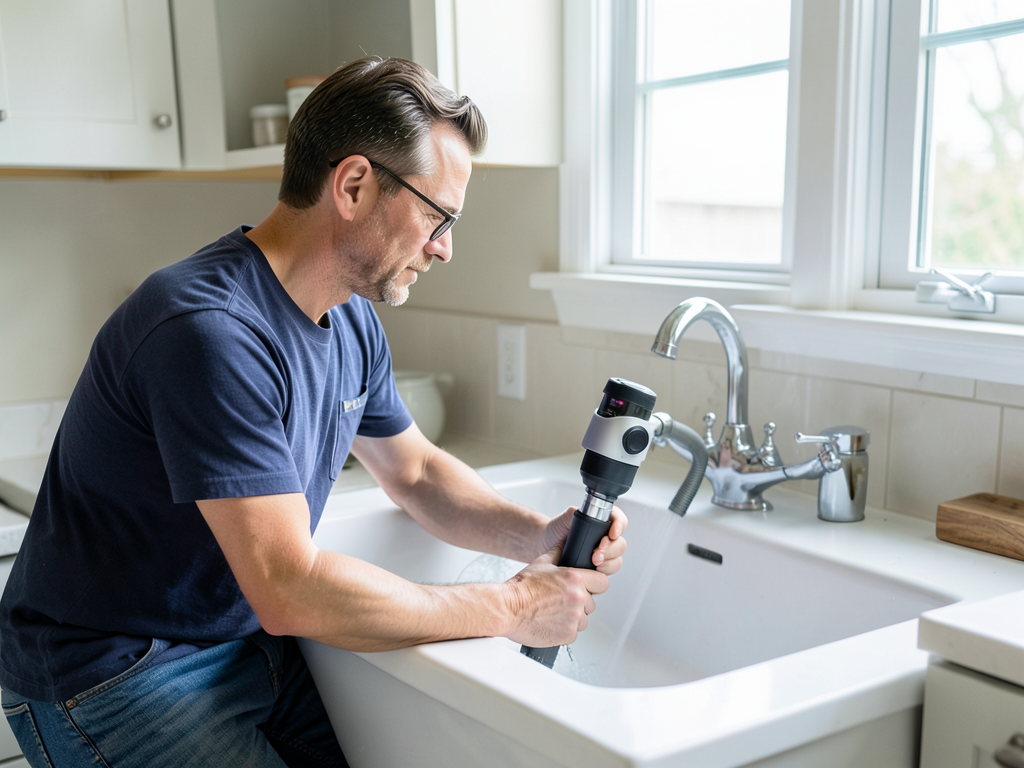
What to do when your dishwasher starts backing up into the sink in Troy
If your dishwasher is backing up into your sink, you’re dealing with a drainage problem that needs immediate attention. The water should flow from your dishwasher through the drain hose, into your garbage disposal or air gap, and then down the sink drain. When it backs up, something is blocking that path. In Troy homes, this often happens due to food debris in the garbage disposal, a clogged P-trap under the sink, or a kinked drain hose. The first step is to stop using the dishwasher to prevent water damage. Then check the garbage disposal knockout plug if it’s new, clean the air gap if you have one, and inspect the drain hose for kinks or clogs. If these quick fixes don’t work, you likely have a deeper clog in your sink drain or main sewer line that requires professional attention. The Best Drain Cleaning Services for Older Houses in Grosse Pointe.
Common causes of dishwasher overflow in Troy homes
Dishwasher backups happen for several reasons, and understanding the cause helps you fix it faster. In Troy’s older neighborhoods like Troy Historic District and around Big Beaver Road, homes built before 2000 often have plumbing configurations that are more prone to these issues.
The garbage disposal knockout plug issue
When a new garbage disposal is installed, a knockout plug must be removed from the dishwasher drain connection. If this plug remains in place, water from your dishwasher cannot drain properly and will back up into your sink. This is especially common in newer Troy homes where DIY installations or quick contractor work skipped this step. The plug is a small plastic disc that blocks the dishwasher inlet on the disposal unit. Removing it requires a screwdriver and about 30 seconds of work, but many homeowners never realize it’s there.. Read more about Why your garbage disposal is making a humming sound but not spinning.
Clogged sink drain or P-trap
Food particles, grease, and soap scum build up in your sink drain over time. The P-trap, that curved pipe under your sink, catches debris before it enters your main drain line. In Troy homes with hard water, mineral deposits from the Great Lakes water supply can also narrow these pipes. When the P-trap or downstream drain becomes clogged, water from your dishwasher has nowhere to go and backs up into the sink. You might notice slow draining in your sink before the dishwasher problem appears, which is an early warning sign.
Kinked or blocked dishwasher drain hose
The drain hose connects your dishwasher to the sink drain or garbage disposal. If this hose gets kinked, crushed, or clogged with food debris, water cannot flow properly. In Troy kitchens where dishwashers are installed in tight spaces or where cabinets were modified, drain hoses often get pinched behind cabinets or under floors. A high loop installation, required by Michigan plumbing code to prevent backflow, can also become problematic if not installed correctly. The hose should loop up under the sink before connecting to the drain to prevent sink water from flowing back into the dishwasher.. Read more about Why your kitchen sink smells like rotten eggs and how to fix it in Rosedale Park.
Malfunctioning air gap
Some Troy homes, particularly those built to stricter local codes or in areas prone to backflow issues, have air gaps installed on the countertop near the sink. These devices prevent contaminated water from flowing back into your dishwasher. When air gaps get clogged with food particles or mineral buildup from Troy’s hard water, they can cause water to back up into the sink during dishwasher operation. The air gap has a visible cap that can be removed for cleaning, and you might hear water spilling out of it when the dishwasher drains if it’s clogged.
Step-by-step troubleshooting for Troy homeowners
Before calling a plumber, try these troubleshooting steps. They can save you time and money if the problem is simple. Always start with the easiest fixes and work toward the more complex ones.
Checking the garbage disposal
Run your garbage disposal for 30 seconds with cold water running. This clears any minor clogs in the disposal itself. If you hear a humming sound but the disposal doesn’t spin, it might be jammed. Never put your hand in the disposal. Use the reset button on the bottom of the unit if it’s tripped. If your disposal is new or recently replaced, check the knockout plug by disconnecting the dishwasher drain hose from the disposal inlet. Shine a flashlight in the port – if you see a plastic plug, that’s your problem. Removing it requires a screwdriver to push it through into the disposal chamber.
Cleaning the air gap
If you have an air gap on your sink deck, remove the cap by unscrewing it or lifting it off depending on the model. You’ll likely see debris or buildup inside. Use a bottle brush or old toothbrush to clean the inside of the air gap. Pour a mixture of hot water and vinegar through the air gap to flush out any remaining debris. The water should flow freely through the air gap and into the sink drain. If water backs up when you pour it in, you have a clog downstream in your drain line.
The baking soda and vinegar method
For minor sink drain clogs, pour one cup of baking soda down the drain, followed by one cup of white vinegar. Cover the drain with a plug or wet cloth and let the mixture fizz for 15 minutes. This chemical reaction helps break down organic matter and mineral deposits. After 15 minutes, flush the drain with boiling water. This method works well for Troy’s hard water deposits but won’t clear major clogs or tree root intrusions in your main sewer line.
Inspecting the dishwasher drain hose
Turn off power to your dishwasher at the circuit breaker. Pull the dishwasher out from under the counter if possible, or access it from underneath if you have a basement with exposed plumbing. Check the entire length of the drain hose for kinks, twists, or damage. The hose should have a high loop that rises above the drain connection before looping back down. If the loop is missing or too low, water can siphon back into the dishwasher. Straighten any kinks and ensure the hose isn’t pinched behind cabinets or under flooring.
Testing the sink drain independently
Fill your sink with water and pull the stopper. Watch how quickly the water drains. Slow draining indicates a clog in your sink drain that’s affecting the dishwasher. If the sink drains slowly but the dishwasher still backs up, you likely have a partial blockage that’s just enough to cause problems during the dishwasher’s high-volume drain cycle. Listen for gurgling sounds in nearby drains when the dishwasher runs – this indicates venting problems that can cause backups.
When to call a professional plumber in Troy
Some dishwasher backup problems require professional tools and expertise. If you’ve tried the basic troubleshooting steps and still have issues, it’s time to call a licensed plumber who understands Troy’s specific plumbing challenges.
Signs of a main sewer line clog
If multiple drains in your home are backing up – not just the sink when the dishwasher runs – you likely have a main sewer line clog. This is a serious issue that can cause sewage to back up into your home. In Troy’s older neighborhoods with mature trees, root intrusion is a common cause. You might hear gurgling from toilets when the dishwasher drains, or see water bubbling up in basement floor drains. This requires immediate professional attention with specialized equipment like drain cameras and hydro-jetting machines. Commercial Toilet & Urinal Repair.
Persistent backup after DIY attempts
If you’ve cleaned the air gap, checked the disposal, and tried drain cleaning methods but the dishwasher still backs up, you’re dealing with a deeper problem. This could be a collapsed drain pipe, a major clog far down the line, or a problem with your home’s venting system. Troy homes built before modern plumbing codes often have undersized drain pipes or missing vents that cause chronic drainage issues. A professional plumber can use a drain camera to locate the exact problem and recommend the right solution.
Water damage risks in older Troy homes
Many homes in Troy’s historic districts were built in the 1960s and 1970s with galvanized steel drain pipes that corrode from the inside. These pipes narrow over time due to mineral buildup from hard water and corrosion. When your dishwasher backs up, the increased pressure can cause these weakened pipes to leak or burst, especially at joints. Water damage from a burst pipe can cost thousands in repairs. Professional plumbers in Troy understand these risks and can recommend pipe replacement or relining when necessary. EPA WaterSense.
Preventative maintenance tips for Troy homeowners
Preventing dishwasher backups is easier than fixing them. These maintenance tips can help you avoid the frustration and potential water damage of a backed-up dishwasher.
Routine disposal cleaning
Run your garbage disposal with ice cubes and salt once a month to clean the grinding chamber and sharpen the blades. Follow this with cold water and a few citrus peels to freshen the disposal and help prevent grease buildup. Never put fibrous foods like celery, potato peels, or coffee grounds down the disposal – these are common causes of clogs in Troy homes. Also avoid pouring grease down any drain, as it solidifies in pipes and catches food particles.
Scraping plates vs. rinsing
Scrape food scraps into the trash before loading dishes into the dishwasher. Rinsing dishes sends more food particles down the drain, increasing the risk of clogs. In Troy’s homes with septic systems or older plumbing, this simple habit can prevent many drainage problems. Also clean your dishwasher’s filter regularly – most dishwashers have a removable filter at the bottom that catches food particles. A clogged filter can cause water to back up into the sink during the drain cycle.
Annual drain cleaning
Consider having your kitchen sink drain professionally cleaned once a year, especially if you have an older Troy home or notice slow draining. Professional drain cleaning uses specialized tools like motorized drain snakes that can reach clogs deep in your plumbing system. This preventative maintenance costs less than emergency service calls and can extend the life of your plumbing. Many Troy plumbers offer annual maintenance plans that include drain cleaning and inspections. The Most Trusted Plumbers for Historical Home Pipe Restoration in Indian Village.
Installing a proper high loop
If your dishwasher drain hose doesn’t have a proper high loop installation, have a plumber correct this. Michigan plumbing code requires the drain hose to loop up under the sink and be secured to the underside of the countertop or to the sink cabinet before connecting to the drain. This prevents sink water from siphoning back into the dishwasher and provides an air gap that helps prevent backups. A proper installation also makes future maintenance easier.
Understanding Troy’s specific plumbing challenges
Troy’s location in Oakland County and its mix of older and newer construction creates unique plumbing challenges. The city’s hard water, coming from the Great Lakes system, contains high mineral content that builds up in pipes over time. This mineral scale narrows drain pipes and can trap food particles, creating stubborn clogs that cause dishwasher backups.
Many Troy neighborhoods like Troy Historic District and areas near Long Lake Road have homes built in the 1960s and 1970s with original plumbing. These older homes often have galvanized steel drain pipes that corrode from the inside, creating rough surfaces where debris catches. The combination of hard water minerals and corroded pipe interiors creates a perfect environment for chronic clogs that affect dishwasher drainage.
Troy’s freeze-thaw cycles also affect plumbing. In winter, frozen ground can cause pipes to shift slightly, creating new joints or breaks that catch debris. When spring thaws come, these shifted pipes can cause intermittent drainage problems that seem to come and go. Professional plumbers familiar with Troy’s specific soil conditions and building patterns understand these seasonal factors and can diagnose problems more effectively.
Cost considerations for Troy homeowners
The cost to fix a dishwasher backup varies widely depending on the cause. Simple fixes like removing a knockout plug or cleaning an air gap might cost $75-$150 if you need a professional. More complex issues like clearing a main drain line clog or replacing corroded pipes can cost $300-$800 or more. Emergency service calls during evenings or weekends typically cost 1.5 to 2 times the standard rate.
Many Troy homeowners find that preventative maintenance saves money in the long run. An annual drain cleaning might cost $150-$200 but can prevent emergency calls that cost $300 or more, plus potential water damage repairs that can run into thousands. Some plumbing companies in Troy offer maintenance plans that include annual inspections and priority service for emergencies, which can provide peace of mind and cost savings over time.
When getting estimates, ask if the plumber is familiar with Troy’s specific plumbing codes and common issues in your neighborhood. A plumber who understands the differences between homes in Troy’s historic districts versus newer developments can provide more accurate diagnoses and recommendations. Getting a Tankless Water Heater Installed in Your Downtown Detroit Loft.
Frequently Asked Questions
Why does my dishwasher only back up when I run it, not when I use the sink?
Your dishwasher drains a large volume of water very quickly, which can overwhelm partial clogs that you don’t notice during normal sink use. The dishwasher’s drain pump creates more pressure than gravity-fed sink draining, so it exposes problems that gradual sink use doesn’t reveal.
Can I use chemical drain cleaners to fix this problem?
We don’t recommend chemical drain cleaners for dishwasher-related backups. These chemicals can damage your dishwasher’s internal components, harm your garbage disposal, and potentially cause dangerous reactions if mixed with other cleaning products. They also rarely solve the underlying problem and can make professional repairs more difficult and hazardous.
How do I know if the problem is in my dishwasher or my plumbing?
If your dishwasher is draining slowly or making unusual noises but water isn’t backing up into the sink, the problem is likely in the dishwasher itself – possibly a clogged filter or failing drain pump. If water definitely backs up into the sink during the dishwasher’s drain cycle, the problem is in your plumbing system between the dishwasher and where the drain line connects to your main sewer.
Should I turn off my dishwasher if it’s backing up into the sink?
Yes, stop using the dishwasher immediately if you notice water backing up into the sink. Continuing to run it can cause water damage to your cabinets, flooring, and potentially lead to mold growth. Also, if the backup is due to a main sewer line problem, continued use could cause sewage to back up into your home.
How long does it typically take to fix a dishwasher backup?
Simple fixes like removing a knockout plug or cleaning an air gap take 30-60 minutes. Clearing a minor sink drain clog might take 1-2 hours. More complex issues like main sewer line problems or pipe replacement can take 4-8 hours or require multiple visits. A professional plumber can usually diagnose the problem within the first 30 minutes of arrival.
Take action before water damage occurs
Dishwasher backups are more than just an inconvenience – they can lead to serious water damage if left unaddressed. The combination of water, food particles, and potential sewage in a backup creates an unsanitary condition that can affect your family’s health and your home’s structural integrity.
If you’ve tried the basic troubleshooting steps and your dishwasher is still backing up into your sink, don’t wait for the problem to get worse. Troy’s older homes are particularly susceptible to these issues, and what starts as a minor clog can quickly become a major plumbing emergency. Water damage from a burst pipe or sewage backup can cost thousands in repairs and create health hazards in your home.
Professional plumbers in Troy understand the specific challenges of local homes and can diagnose problems quickly using modern tools like drain cameras and hydro-jetting equipment. They can also recommend preventative measures to avoid future backups, saving you money and frustration in the long run.
Don’t let a dishwasher backup turn into a kitchen disaster. Call (313) 572-4144 today to schedule your inspection and get your kitchen plumbing working properly again. Our experienced technicians serve Troy and all surrounding communities with fast, reliable service that gets your home back to normal quickly. Finding a Reliable Emergency Plumber in Midtown Detroit When Your Pipes Burst.
Pick up the phone and call (313) 572-4144 before the next storm hits or the next dishwasher cycle starts. Your home deserves reliable plumbing that works when you need it most. For more information, visit IAPMO Plumbing Codes.
{
“@context”: “https://schema.org”,
“@type”: “BlogPosting”,
“headline”: “What to do when your dishwasher starts backing up into the sink in Troy”,
“description”: “Learn why your dishwasher is backing up into your sink and how to fix it fast. Troy homeowners trust local plumbers for quick, reliable solutions.”,
“wordCount”: 2808,
“datePublished”: “2026-03-30T08:53:00.000Z”,
“dateModified”: “2026-03-30T08:53:00.000Z”,
“inLanguage”: “en-US”,
“mainEntityOfPage”: {
“@type”: “WebPage”,
“@id”: “https://ironwoodplumbingdetroit.com”
},
“publisher”: {
“@type”: “LocalBusiness”,
“name”: “Ironwood Plumbing Detroit”,
“url”: “https://ironwoodplumbingdetroit.com”
},
“author”: {
“@type”: “Organization”,
“name”: “Ironwood Plumbing Detroit”,
“url”: “https://ironwoodplumbingdetroit.com”
},
“image”: {
“@type”: “ImageObject”,
“url”: “https://ironwoodplumbingdetroit.com/wp-content/uploads/2026/03/what-to-do-when-your-dishwasher-starts-backing-up-1.png”
}
}
{
“@context”: “https://schema.org”,
“@type”: “Plumber”,
“name”: “Ironwood Plumbing Detroit”,
“url”: “https://ironwoodplumbingdetroit.com”,
“address”: {
“@type”: “PostalAddress”,
“addressLocality”: “Detroit”
},
“areaServed”: {
“@type”: “City”,
“name”: “Detroit”
}
}
{
“@context”: “https://schema.org”,
“@type”: “FAQPage”,
“mainEntity”: [
{
“@type”: “Question”,
“name”: “Why does my dishwasher only back up when I run it, not when I use the sink?”,
“acceptedAnswer”: {
“@type”: “Answer”,
“text”: “Your dishwasher drains a large volume of water very quickly, which can overwhelm partial clogs that you don’t notice during normal sink use. The dishwasher’s drain pump creates more pressure than gravity-fed sink draining, so it exposes problems that gradual sink use doesn’t reveal.”
}
},
{
“@type”: “Question”,
“name”: “Can I use chemical drain cleaners to fix this problem?”,
“acceptedAnswer”: {
“@type”: “Answer”,
“text”: “We don’t recommend chemical drain cleaners for dishwasher-related backups. These chemicals can damage your dishwasher’s internal components, harm your garbage disposal, and potentially cause dangerous reactions if mixed with other cleaning products. They also rarely solve the underlying problem and can make professional repairs more difficult and hazardous.”
}
},
{
“@type”: “Question”,
“name”: “How do I know if the problem is in my dishwasher or my plumbing?”,
“acceptedAnswer”: {
“@type”: “Answer”,
“text”: “If your dishwasher is draining slowly or making unusual noises but water isn’t backing up into the sink, the problem is likely in the dishwasher itself – possibly a clogged filter or failing drain pump. If water definitely backs up into the sink during the dishwasher’s drain cycle, the problem is in your plumbing system between the dishwasher and where the drain line connects to your main sewer.”
}
},
{
“@type”: “Question”,
“name”: “Should I turn off my dishwasher if it’s backing up into the sink?”,
“acceptedAnswer”: {
“@type”: “Answer”,
“text”: “Yes, stop using the dishwasher immediately if you notice water backing up into the sink. Continuing to run it can cause water damage to your cabinets, flooring, and potentially lead to mold growth. Also, if the backup is due to a main sewer line problem, continued use could cause sewage to back up into your home.”
}
},
{
“@type”: “Question”,
“name”: “How long does it typically take to fix a dishwasher backup?”,
“acceptedAnswer”: {
“@type”: “Answer”,
“text”: “Simple fixes like removing a knockout plug or cleaning an air gap take 30-60 minutes. Clearing a minor sink drain clog might take 1-2 hours. More complex issues like main sewer line problems or pipe replacement can take 4-8 hours or require multiple visits. A professional plumber can usually diagnose the problem within the first 30 minutes of arrival.”
}
}
]
}
{
“@context”: “https://schema.org”,
“@type”: “BreadcrumbList”,
“itemListElement”: [
{
“@type”: “ListItem”,
“position”: 1,
“name”: “Home”,
“item”: “https://ironwoodplumbingdetroit.com”
},
{
“@type”: “ListItem”,
“position”: 2,
“name”: “Blog”,
“item”: “https://ironwoodplumbingdetroit.com/blog”
},
{
“@type”: “ListItem”,
“position”: 3,
“name”: “What to do when your dishwasher starts backing up into the sink in Troy”
}
]
}
{
“@context”: “https://schema.org”,
“@type”: “Service”,
“serviceType”: “Plumbing”,
“provider”: {
“@type”: “LocalBusiness”,
“name”: “Ironwood Plumbing Detroit”,
“url”: “https://ironwoodplumbingdetroit.com”
},
“areaServed”: {
“@type”: “City”,
“name”: “Detroit”
},
“description”: “Learn why your dishwasher is backing up into your sink and how to fix it fast. Troy homeowners trust local plumbers for quick, reliable solutions.”
}