



menu

Understanding Backflow Testing in Detroit – Protect Your Water Supply with Expert-Led Education and Compliance Resources

Learn everything you need to know about backflow prevention assembly testing, annual certification requirements, and how Detroit's aging infrastructure makes proper backflow preventer inspection critical for your home or business.

Slider Image 1
Slider Image 2
Slider Image 3
Slider Image 4
Slider Image 5
Slider Image 7
Slider Image 8
Slider Image 9
Slider Image 10
Slider Image 11

Why Detroit Property Owners Need to Understand Backflow Testing Now

Detroit's water system serves over 600,000 residents across 139 square miles through pipes that date back decades. This aging infrastructure creates unique vulnerabilities. When water pressure drops during main breaks or system maintenance, contaminated water can reverse flow back into the clean water supply.

Backflow occurs when water flows in the wrong direction. Without proper backflow prevention assembly testing, sewage, chemicals, and bacteria can enter your drinking water. Detroit's frequent water main repairs and pressure fluctuations make this a real risk, not a theoretical one.

Michigan law requires annual backflow certification for commercial properties and specific residential applications. The Detroit Water and Sewerage Department enforces strict water backflow testing requirements. If your backflow preventer fails inspection, you face service disconnection until compliance is restored.

Understanding backflow device testing procedures helps you avoid contamination, stay compliant with local codes, and protect your family or customers. The process involves checking pressure differentials, valve function, and seal integrity. Devices installed in boiler systems, irrigation lines, fire suppression systems, and commercial kitchens all require annual backflow preventer inspection.

Detroit's combination of old infrastructure, hard water mineral deposits, and freeze-thaw cycles accelerates backflow preventer degradation. A device that passed inspection last year may fail today. Knowing when testing is required, what it involves, and how to maintain compliance gives you control over your water safety and avoids unexpected service interruptions.

Why Detroit Property Owners Need to Understand Backflow Testing Now
How Backflow Testing Actually Works in Detroit

How Backflow Testing Actually Works in Detroit

Backflow prevention assembly testing follows strict protocols established by the American Water Works Association and enforced by Michigan's Department of Environment, Great Lakes, and Energy. The process is technical, not a simple visual check.

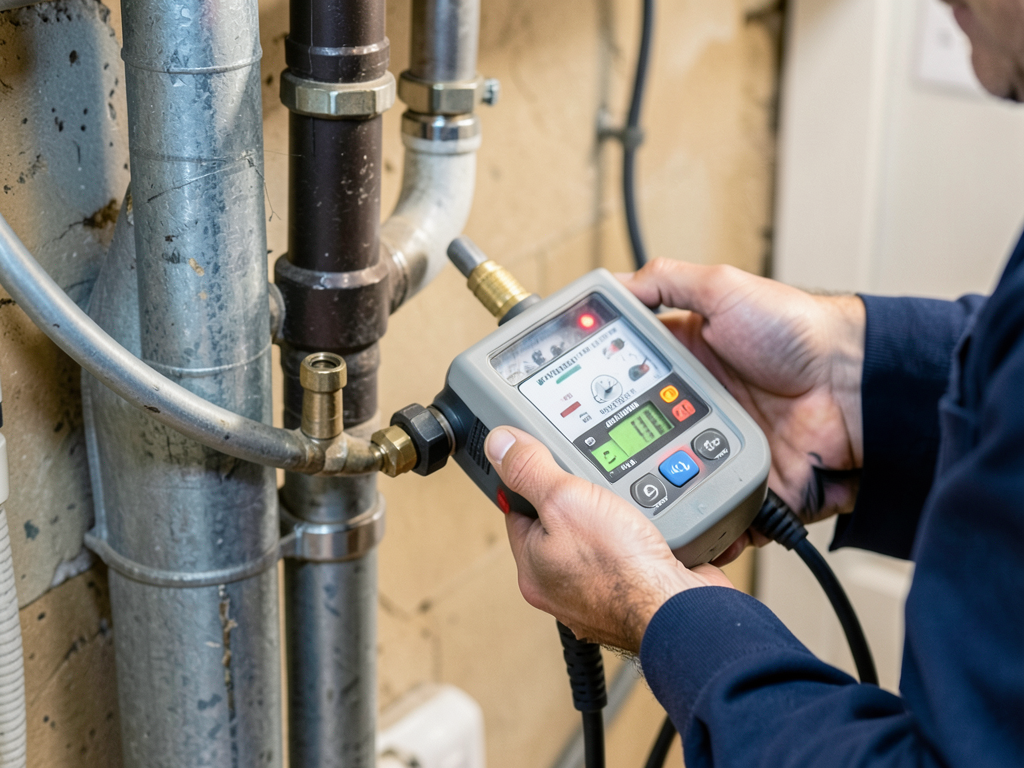
A certified tester uses calibrated gauge equipment to measure differential pressure across the backflow preventer's check valves and relief valve. For reduced pressure zone assemblies, the most common type in Detroit commercial buildings, we test four critical points. The first check valve must create a minimum pressure differential of 5 PSI. The relief valve must open when the zone pressure exceeds the supply pressure by 2 PSI. The second check valve must hold against backpressure.

Testing also includes examining the device for leaks, corrosion, and physical damage. Detroit's water chemistry, with elevated mineral content, causes valve seat scaling. This prevents proper sealing even when the mechanical components appear intact. We document serial numbers, installation dates, and test results on state-approved forms.

If a device fails, repairs must be completed by a licensed plumber using manufacturer-approved parts. Rebuilt assemblies require retesting before they can be certified. The completed test report goes to Detroit Water and Sewerage Department within 10 days.

Understanding backflow device testing procedures helps you schedule testing during slow business periods, budget for potential repairs, and maintain continuous compliance. The alternative is reactive testing triggered by a city notice, which often comes with deadlines that force rushed scheduling and potential service disruption.

What Happens During a Professional Backflow Test

Understanding Backflow Testing in Detroit – Protect Your Water Supply with Expert-Led Education and Compliance Resources
01

Device Identification and Isolation

The tester locates your backflow preventer, typically installed near the water meter or at cross-connection points. They verify the device type, serial number, and last test date. Water flow through the assembly must be shut off using the isolation valves. For commercial buildings in Detroit's Midtown or Downtown districts, this often means coordinating with building management to minimize operational impact during testing windows.
02

Pressure Differential Testing

Calibrated test gauges connect to the device's test cocks. The tester opens and closes valves in a specific sequence while recording pressure readings at each checkpoint. This reveals whether check valves seat properly and whether the relief valve opens at the correct differential pressure. Detroit's water pressure variations mean baseline readings must account for supply pressure fluctuations. Failed components are documented with specific pressure values showing where the assembly does not meet specifications.
03

Documentation and Reporting

The tester completes a standardized form with all test results, device information, and pass or fail determination. You receive a copy immediately. The original goes to Detroit Water and Sewerage Department for their compliance records. If repairs are needed, the tester provides specific details about which components failed and what replacement parts are required. This documentation protects you during audits and proves compliance if questions arise about your water safety protocols.

Why Local Expertise Matters for Detroit Backflow Compliance

Detroit's backflow testing requirements differ from surrounding Wayne County jurisdictions. The city enforces specific reporting timelines, requires testing for additional device types, and maintains stricter enforcement than many Michigan municipalities. Testers unfamiliar with Detroit's processes submit reports to the wrong department or use outdated forms, creating compliance gaps that can trigger penalties.

Ironwood Plumbing Detroit maintains current certification with the American Backflow Prevention Association and stays updated on Detroit Water and Sewerage Department policy changes. We know which buildings require testing based on use classification, understand the city's commercial property inspection cycles, and have established relationships with local inspectors that smooth the approval process.

Detroit's building stock presents unique challenges. Historic structures in Corktown and Indian Village often have backflow preventers installed in cramped mechanical rooms or unusual configurations that require specialized testing approaches. Industrial facilities along the Detroit River corridor have complex cross-connection scenarios that demand thorough hazard analysis before testing begins.

We also understand Detroit's water quality patterns. Seasonal pressure fluctuations affect test accuracy. Hard water scaling rates vary by neighborhood based on pipe age and water source. These local factors influence how we interpret test results and recommend maintenance schedules.

Testing is only valuable if the results reach the right department in the correct format within required deadlines. We handle the entire compliance chain, from scheduling to reporting, so you avoid disconnection notices and maintain uninterrupted water service while protecting public health.

What to Expect from Professional Backflow Testing

Testing Timeline and Scheduling

Annual backflow certification must occur within 12 months of the last test date. Detroit issues reminder notices 60 days before expiration, but waiting for the notice leaves little scheduling flexibility. Testing takes 30 to 90 minutes depending on device type and building complexity. We coordinate with your operational schedule to minimize disruption. Commercial properties can schedule during low-traffic periods. Residential testing happens during normal business hours. Rush testing is available when deadlines approach, though early scheduling prevents premium charges and ensures preferred time slots.

The Inspection and Assessment Process

Testing begins with device verification and visual inspection for obvious damage, leaks, or corrosion. The tester connects gauges and performs the pressure differential sequence. Each checkpoint generates specific readings that determine pass or fail status. If the device fails, the tester identifies which components are defective and whether repair or replacement is required. We provide immediate verbal feedback and detailed written findings. You know exactly what failed, why it matters for water safety, and what corrective action is necessary before we leave your property.

Test Results and Certification

Passing devices receive immediate certification valid for one year. You get a dated test tag attached to the assembly and a completed test report for your records. The original report goes to Detroit Water and Sewerage Department within the required timeframe. This certification satisfies all city requirements and provides liability protection if water quality issues arise elsewhere in the system. Failed devices receive a detailed failure report that breaks down which specific components did not meet standards, complete with pressure readings and recommended repairs or replacements.

Ongoing Compliance Support

We track your test anniversary date and send reminders before your certification expires. This prevents missed deadlines that can result in service disconnection or fines. If repairs are needed, we coordinate with licensed plumbers to complete the work and schedule retesting. For properties with multiple backflow preventers, we maintain a testing schedule that staggers certifications throughout the year rather than creating a single annual compliance crunch. This approach spreads costs and reduces the risk of simultaneous failures that could compromise water service.

Frequently Asked Questions

You Have Questions,
We Have Answers

How does backflow testing work? +

A certified technician isolates your backflow preventer and attaches test equipment to measure pressure differentials across the device. The technician checks relief valves, air inlets, and check valves to ensure contaminated water cannot reverse flow into your potable supply. The process tests all internal components against strict standards set by the Detroit Water and Sewerage Department. After testing, you receive documentation showing your device passed or failed. If repairs are needed, the technician identifies exactly which component failed. Most tests take 20 to 30 minutes per device. Detroit properties with irrigation systems or commercial fire suppression systems require annual testing.

Can I do backflow testing myself? +

No. Michigan law requires only certified backflow testers to perform annual testing. You need specialized calibrated gauges and must pass a state-approved certification course. DIY testing voids your compliance documentation. Detroit Water and Sewerage Department rejects any test results submitted without proper certification credentials. The testing equipment alone costs thousands of dollars and requires annual recalibration. More importantly, improper testing puts your drinking water at risk. If your backflow preventer fails and you did not catch it, contaminated water could sicken your family or customers. Hire a certified professional to protect your health and maintain legal compliance.

What are the basics of backflow preventer? +

A backflow preventer is a mechanical valve assembly installed in your plumbing to stop reverse water flow. When water pressure drops suddenly due to a main break or heavy demand, negative pressure can pull contaminated water backward into clean supply lines. The preventer uses check valves and relief valves to physically block this reversal. Detroit properties with irrigation systems, fire sprinklers, or chemical injection systems must install them. These devices sit at critical connection points between your potable water and potential contamination sources. Annual testing verifies all internal components function correctly to protect the municipal water supply and your family.

Do all plumbers do backflow testing? +

No. Backflow testing requires specialized state certification beyond a standard plumbing license. Many plumbers focus on installation, repair, and drain work without pursuing the backflow tester credential. The certification demands classroom training, hands-on testing experience, and passing a rigorous exam covering hydraulics and cross-connection control. In Detroit, you need a plumber who holds current Michigan backflow prevention certification. Always verify credentials before hiring. Some companies employ dedicated backflow specialists who do nothing but testing and repairs. Do not assume your regular plumber can handle your annual compliance testing without checking their specific qualifications first.

Is backflow testing hard? +

Backflow testing requires technical knowledge and precision but is not physically demanding. The difficulty lies in understanding hydraulic principles, interpreting pressure readings, and diagnosing component failures. You must know the difference between differential pressure, static pressure, and dynamic pressure. Detroit freeze-thaw cycles can damage internal components in subtle ways that take experience to identify. Technicians must also navigate strict documentation requirements and changing code standards. Learning the skill takes weeks of training and field practice. Once certified, the mechanical testing process becomes routine. The real challenge is staying current with regulatory changes and maintaining calibrated equipment properly.

What is the difference between PVB and RPZ? +

A PVB (Pressure Vacuum Breaker) uses an air inlet valve and check valve to prevent backflow through negative pressure conditions only. It must be installed above ground and cannot handle back pressure. An RPZ (Reduced Pressure Zone) assembly provides higher protection with two independent check valves and a relief valve between them. RPZ devices can be installed below ground and protect against both back siphonage and back pressure. Detroit commercial properties typically need RPZ assemblies for higher hazard applications like fire systems. Residential irrigation systems often use PVB devices. Your specific requirement depends on hazard level and installation location.

Is backflow testing really necessary? +

Yes. Backflow testing is mandatory in Detroit for any property with a backflow preventer installed. The Detroit Water and Sewerage Department requires annual testing to protect the municipal water supply from contamination. Internal components wear out, debris accumulates, and freeze-thaw cycles damage seals and springs. A failed preventer allows sewage, chemicals, or fertilizers to reverse flow into drinking water lines during pressure drops caused by main breaks or firefighting operations. You face fines and possible water shutoff for non-compliance. Beyond legal requirements, testing protects your family's health. One contamination event can cause serious illness. Annual testing is cheap insurance.

How many questions are on the backflow test? +

This question refers to the certification exam for becoming a backflow tester, not the actual device testing. Michigan certification exams typically contain 75 to 100 multiple-choice questions covering cross-connection control, hydraulics, device mechanics, testing procedures, and local codes. You need a passing score of 70 percent or higher. The exam tests your understanding of pressure principles, valve operations, and contamination hazards. Most candidates study for several weeks using approved manuals and practice tests. Some training courses include the exam at the end of a multi-day session. If you are a property owner, you do not take this exam. Only technicians seeking certification must pass it.

How much to charge to test a backflow? +

Testing costs in Detroit typically range based on device type, accessibility, and property location. Pricing factors include equipment complexity, travel time, and required documentation. Most residential tests cost less than commercial high-hazard installations. You pay for the technician's certification, calibrated equipment, insurance, and compliance paperwork filing. Emergency or weekend testing costs more than scheduled appointments. Properties with multiple devices often receive volume discounts. Avoid companies charging suspiciously low rates. They may lack proper certification or skip critical test steps. Request quotes from multiple certified testers but prioritize credentials and reviews over the lowest price. Proper testing protects your investment.

What are the four types of backflow preventers? +

The four main types are Atmospheric Vacuum Breaker (AVB), Pressure Vacuum Breaker (PVB), Double Check Valve Assembly (DCVA), and Reduced Pressure Zone Assembly (RPZ). AVB devices are simple, non-testable units for hose bibs. PVB assemblies protect against back siphonage in residential irrigation systems. DCVA devices use two check valves for moderate hazard applications. RPZ assemblies provide maximum protection with two check valves and a relief valve for high-hazard commercial installations. Detroit properties use different types depending on hazard level and application. Your city inspector determines which type you need during permit review based on potential contamination sources.

How Detroit's Aging Water Infrastructure Makes Backflow Prevention Critical

Detroit maintains over 3,000 miles of water mains, many installed before 1950. The city averages 400 to 500 water main breaks annually. Each break causes pressure drops that create backflow risk across entire neighborhoods. Areas like Grandmont Rosedale, East English Village, and the Islandview district experience more frequent pressure fluctuations due to older pipe infrastructure. When pressure drops below 20 PSI, water can reverse direction through cross-connections. Without functional backflow preventers, contaminated water enters the clean supply during these events. Understanding backflow prevention assembly testing helps property owners recognize this is not an abstract regulatory requirement but a direct response to Detroit's real infrastructure challenges.

Detroit Water and Sewerage Department maintains strict enforcement of backflow testing requirements because the city's dense mixed-use development creates numerous cross-connection hazards. Commercial kitchens operate next to residential buildings. Industrial facilities share blocks with schools and hospitals. This proximity means a backflow event at one property can contaminate water serving dozens of others. Local plumbing professionals who understand Detroit's specific code requirements and reporting procedures ensure compliance without unnecessary delays or rejected paperwork. The city's enforcement has intensified following federal consent decrees related to water quality, making proper backflow device testing procedures a non-negotiable aspect of property ownership and operation throughout the Detroit metro area.
Plumbing Services in The Detroit Area

Ironwood Plumbing proudly serves Detroit and the surrounding areas with reliable, professional plumbing solutions. Whether you’re a homeowner or a business owner, you can count on our fast response times and expert service. Use the map below to find our office or check if your location is within our service radius. We’re easy to reach and always happy to help — just call, click, or visit us today to schedule your plumbing service with a local team that truly cares.

Address:
Ironwood Plumbing Detroit, 3200 Greenfield Rd, Detroit, MI, 48120

Additional Services We Offer

Our news updates

Latest Articles & News from The Blogs

The most common reasons for a sudden spike in your Redford water bill A sudden jump in your Detroit Water…

The most common reasons for a sudden spike in your Redford water bill

The most common reasons for a sudden spike in your Redford water bill A sudden jump in your Detroit Water…

Why your St. Clair Shores home has low hot water pressure but cold is fine

Why your St. Clair Shores home has low hot water pressure but cold is fine Hot water trickles from your…

Dealing with that annoying banging sound in your Livonia pipes

Dealing with that annoying banging sound in your Livonia pipes That sudden loud bang when you turn off a faucet…

Contact Us

Confused about when testing is due or what your property needs? Call Ironwood Plumbing Detroit at (313) 572-4144. We explain your specific requirements, schedule testing at your convenience, and handle all compliance reporting so you stay protected and avoid service disconnection.