
Why Exposed Pipes Are a Problem for Midtown Detroit Homeowners
Exposed pipes in your basement create an industrial look that many Detroit homeowners want to eliminate when finishing their lower levels. In Midtown Detroit’s historic homes, these pipes often run along ceilings and walls in unfinished basements, creating visual clutter and making the space feel incomplete. The challenge is finding solutions that not only hide the pipes but also comply with Michigan building codes and maintain easy access for future maintenance. Michigan Residential Code requirements.
Before you start any basement finishing project in Midtown, you need to understand that simply covering pipes can create serious problems. Michigan’s climate means pipes can sweat in summer and freeze in winter. Poor insulation behind walls can lead to mold growth. Most importantly, Michigan Residential Code requires that shut-off valves and cleanout access points remain visible and accessible. The best solutions balance aesthetics with these critical functional requirements.
Building Wood Soffits or Bulkheads
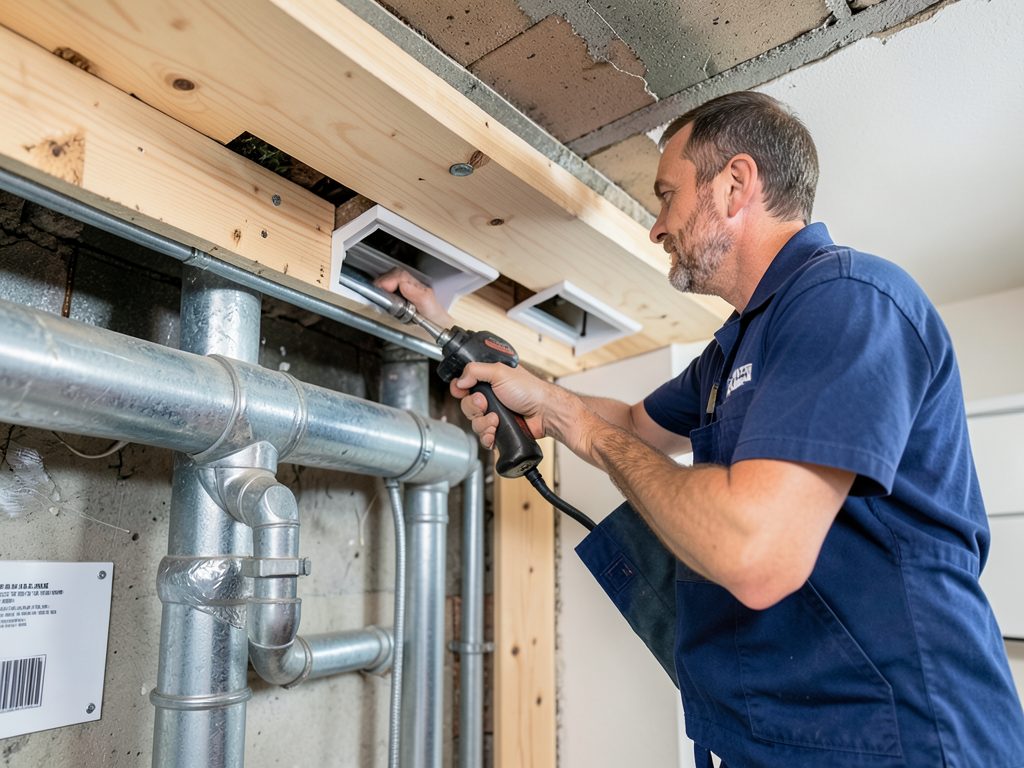
Wood soffits represent the most common professional solution for hiding basement pipes in Detroit homes. These framed structures create a dropped ceiling effect that completely conceals plumbing while providing a clean, finished appearance. The process involves building a wooden frame that drops down from the main ceiling to cover the pipes, then covering the frame with drywall or moisture-resistant paneling. Plumbing Dearborn.
Construction typically starts with pressure-treated lumber for the bottom frame, since basement moisture can cause untreated wood to rot over time. The frame must be securely anchored to ceiling joists using metal brackets or lag bolts. Drywall installation follows, with joints taped and finished to create a seamless appearance. The key advantage of soffits is their durability and the ability to paint them to match your basement’s color scheme.
However, soffits reduce ceiling height by several inches, which can be problematic in Michigan basements where ceilings are often already low. They also require careful planning to ensure all access panels for valves and cleanouts are properly sized and positioned. A typical 10-foot soffit installation in a Midtown basement might cost between $1,200 and $2,500, depending on complexity and materials used.
A diagram showing proper soffit framing around pipes with labeled access panels for valves and cleanouts.
The Industrial Look: Painting Exposed Pipes
Painting exposed pipes offers the most cost-effective solution for homeowners who don’t mind keeping the industrial aesthetic. This approach works particularly well in loft-style basements or when you want to maintain an open, spacious feel. The key is using the right type of paint and proper surface preparation. EPA lead safety guidelines.
Direct-to-metal (DTM) paint provides the best adhesion for metal pipes without requiring a primer coat. Oil-based DTM paint resists moisture and temperature changes better than latex options. For a modern look, many Detroit homeowners choose matte black or dark gray to make pipes blend into the background. White paint can brighten the space but shows dust and grime more easily.
Surface preparation involves cleaning pipes with a degreaser, lightly sanding to create tooth for paint adhesion, and applying the DTM paint with a brush or spray equipment. The process typically takes one to two days, including drying time between coats. Total cost for painting exposed pipes in an average Midtown basement ranges from $300 to $600 in materials. The Best Drain Cleaning Services for Older Houses in Grosse Pointe.
While painting is quick and affordable, it doesn’t address the industrial appearance completely. Pipes remain visible and can still make the space feel unfinished. Additionally, painted pipes can be difficult to inspect for leaks or corrosion, and you cannot easily add insulation after painting.
Drop Ceilings and Box Covers
Drop ceiling systems offer a modular approach to hiding pipes while maintaining full access when needed. These suspended ceiling grids hold removable tiles that can be lifted out to reach plumbing above. In Detroit basements, drop ceilings work well because they accommodate uneven ceiling heights and allow for easy future modifications. Plumbing Taylor.
Installation involves mounting a metal grid system to the walls and existing ceiling structure, then inserting acoustic ceiling tiles. The tiles come in various styles, from basic white to decorative patterns that can enhance your basement’s appearance. Most drop ceiling systems add about 3 to 4 inches to your ceiling height requirements.
The main advantage of drop ceilings is accessibility. When a pipe leaks or needs repair, you simply remove the affected tiles rather than cutting into drywall. This can save hundreds of dollars in repair costs over time. Drop ceilings also provide sound insulation and can help with energy efficiency by creating a thermal barrier. Why Your Corktown Home Needs a Professional Sewer Line Inspection Before You Buy.
Box covers, also called pipe shrouds, offer another modular solution. These pre-fabricated enclosures wrap around individual pipe runs and can be easily removed for access. They work well for smaller pipe sections or when you want to maintain access to specific valves. Box covers typically cost $50 to $200 per section, depending on size and material.
Critical Safety: Maintaining Access to Cleanouts and Valves
Michigan Residential Code Section R311.6 requires that all plumbing cleanouts remain accessible without removing permanent building structures. This means you cannot simply drywall over pipes and valves. The code specifically states that cleanouts must be installed so they are within 5 feet of the building drain and accessible for rodding without removing building finish.. Read more about Preventive Plumbing Maintenance for Multi-Unit Buildings in New Center.
For shut-off valves, the International Plumbing Code requires that valves controlling individual fixtures be accessible without tools or special equipment. This typically means creating access panels at least 12 inches by 12 inches for each valve. These panels should be located where they won’t be covered by furniture or storage items.
Violating these code requirements can result in failed inspections and costly rework. More importantly, blocked access can turn minor plumbing issues into major emergencies. A small leak that could be quickly shut off becomes a flood when the valve is hidden behind drywall. Always plan your pipe-hiding strategy around these mandatory access points.
Detroit’s Building Safety Engineering and Environmental Department (BSEED) conducts inspections on basement finishing projects. They will specifically check for proper cleanout access and valve accessibility. Working with a licensed plumber who understands local code requirements can prevent these common violations.
Condensation and Insulation: A Detroit Winter Necessity
Before hiding any pipes in your Midtown basement, you must address insulation. Detroit’s climate creates unique challenges that many homeowners overlook. In summer, cold water pipes running through warm, humid basements sweat profusely. This condensation drips onto floors and walls, creating perfect conditions for mold growth behind your new finishes.
During winter, uninsulated pipes in exterior walls or near foundation walls can freeze when temperatures drop below 20°F. A frozen pipe can burst, causing thousands of dollars in water damage. Michigan’s freeze-thaw cycles are particularly harsh on plumbing systems.
Proper pipe insulation involves wrapping all cold water pipes with foam insulation sleeves and hot water pipes with thicker insulation to maintain water temperature. For pipes in exterior walls or near foundation walls, consider using heat tape controlled by a thermostat. This prevents freezing while using minimal electricity.
Vapor barriers are equally important. These plastic sheets prevent moisture from passing through walls and condensing on cold pipes. Install vapor barriers on the warm side of your basement walls before adding insulation or drywall. This creates a complete moisture management system that protects your investment.. Read more about Adding a Heavy-Duty Utility Sink to Your Macomb Township Garage or Workshop.
The cost of proper insulation typically adds $500 to $1,500 to your basement finishing project, depending on the extent of piping. However, this investment prevents much more expensive mold remediation and water damage repairs down the road.
Professional Pipe Relocation
For homeowners willing to invest in a premium solution, professional pipe relocation offers the best long-term results. This involves moving plumbing lines from exposed ceiling positions to between floor joists or inside walls. While expensive, this approach eliminates the need for soffits or drop ceilings entirely.
Pipe relocation typically costs $15 to $25 per linear foot for exposed pipe, plus the cost of drywall repair and finishing where pipes were removed. For an average Midtown basement with 100 linear feet of exposed pipe, total costs range from $2,500 to $4,500. However, this investment increases your finished basement’s usable space and can boost your home’s resale value.
The process requires a licensed plumber to assess your current plumbing layout and determine if pipes can be safely relocated. Some pipes, particularly main sewer lines and water supply lines, may have limited relocation options due to their size or the need for specific slopes. A professional assessment costs $200 to $400 but provides valuable information about your options.
Professional relocation also allows you to upgrade old galvanized pipes to modern PEX or copper during the process. This improves water pressure and quality while eliminating the risk of future pipe corrosion. Many Detroit homes built before 1960 contain galvanized pipes that are nearing the end of their useful life.
Call (313) 572-4144 today to schedule your inspection. Our licensed plumbers can assess your basement and provide a detailed quote for pipe relocation or any other solution that fits your budget and needs. The Most Trusted Plumbers for Historical Home Pipe Restoration in Indian Village.
Cost Comparison: DIY vs. Professional Solutions
| Solution | DIY Cost Range | Professional Cost Range | Time Required | Best For |
|---|---|---|---|---|
| Painting Pipes | $300-$600 | $600-$1,200 | 1-2 days | Budget projects, industrial aesthetic |
| Drop Ceiling | $800-$1,500 | $2,000-$4,000 | 2-4 days | Easy access needs, acoustic control |
| Wood Soffits | $1,000-$2,000 | $2,500-$5,000 | 3-5 days | Traditional basement finishes |
| Pipe Relocation | Not recommended | $2,500-$4,500+ | 1-2 weeks | Premium finishes, maximum space |
Frequently Asked Questions
Can I cover my basement pipes with regular drywall?
Regular drywall can be used to cover pipes, but you must create access panels for all shut-off valves and cleanouts. Use moisture-resistant drywall in basements to prevent mold growth. Always maintain at least 1 inch of clearance between pipes and drywall for air circulation.
How much ceiling height do I lose with a soffit?
A typical soffit reduces ceiling height by 6 to 8 inches, depending on pipe size and insulation requirements. For basements with 7-foot ceilings, this can make the space feel cramped. Consider pipe relocation if ceiling height is a concern.
Is it legal to cover plumbing cleanouts in Detroit?
No. Michigan Residential Code requires that all plumbing cleanouts remain accessible without removing building structures. You must create removable access panels or use solutions like drop ceilings that allow easy access to cleanouts.
How do I prevent pipes from sweating in my basement?
Insulate all cold water pipes with foam insulation sleeves and install vapor barriers on basement walls. Ensure proper ventilation to reduce humidity levels. A dehumidifier can help in particularly damp basements.
Should I insulate hot water pipes in my basement?
Yes. Insulating hot water pipes reduces heat loss, maintains water temperature, and can lower your energy bills. It also prevents condensation on cold water pipes that run alongside hot water lines.
How long does it take to hide basement pipes professionally?
Most professional pipe-hiding projects take 3 to 7 days, depending on the solution chosen. Painting is fastest at 1-2 days, while soffit construction or drop ceiling installation typically requires 3-5 days. Pipe relocation can take 1-2 weeks including inspection and permitting.
Final Thoughts: Making the Right Choice for Your Midtown Home
Choosing the best way to hide your basement pipes depends on your budget, aesthetic preferences, and how you plan to use the space. Painting offers the quickest and most affordable solution but maintains the industrial look. Drop ceilings provide excellent access but reduce ceiling height. Soffits create a clean, finished appearance but require careful planning around code requirements.
For the best results, consider combining solutions. Paint smaller pipe runs while using soffits for larger sections. Install drop ceiling tiles only where you need frequent access. Whatever you choose, don’t skip the insulation step. Detroit’s climate makes proper moisture management essential for any basement finishing project.
Ready to transform your basement? Call (313) 572-4144 to speak with our Midtown Detroit plumbing experts. We’ll help you choose the perfect solution that looks great, meets all code requirements, and protects your home from future plumbing problems. Don’t wait until a small leak becomes a major disaster – get professional help today.
{
“@context”: “https://schema.org”,
“@type”: “BlogPosting”,
“headline”: “The Best Way to Hide Ugly Exposed Pipes in Your Midtown Basement”,
“description”: “Discover proven ways to hide exposed basement pipes in your Midtown Detroit home. Learn about soffits, painting, drop ceilings, and code-compliant solutions from local experts.”,
“wordCount”: 2039,
“datePublished”: “2026-06-02T07:06:00.000Z”,
“dateModified”: “2026-06-02T07:06:00.000Z”,
“inLanguage”: “en-US”,
“mainEntityOfPage”: {
“@type”: “WebPage”,
“@id”: “https://ironwoodplumbingdetroit.com”
},
“publisher”: {
“@type”: “LocalBusiness”,
“name”: “Ironwood Plumbing Detroit”,
“url”: “https://ironwoodplumbingdetroit.com”
},
“author”: {
“@type”: “Organization”,
“name”: “Ironwood Plumbing Detroit”,
“url”: “https://ironwoodplumbingdetroit.com”
},
“image”: {
“@type”: “ImageObject”,
“url”: “https://ironwoodplumbingdetroit.com/wp-content/uploads/2026/03/the-best-way-to-hide-ugly-exposed-pipes-in-your-mi-1.png”
}
}
{
“@context”: “https://schema.org”,
“@type”: “Plumber”,
“name”: “Ironwood Plumbing Detroit”,
“url”: “https://ironwoodplumbingdetroit.com”,
“address”: {
“@type”: “PostalAddress”,
“addressLocality”: “Detroit”
},
“areaServed”: {
“@type”: “City”,
“name”: “Detroit”
}
}
{
“@context”: “https://schema.org”,
“@type”: “FAQPage”,
“mainEntity”: [
{
“@type”: “Question”,
“name”: “Can I cover my basement pipes with regular drywall?”,
“acceptedAnswer”: {
“@type”: “Answer”,
“text”: “Regular drywall can be used to cover pipes, but you must create access panels for all shut-off valves and cleanouts. Use moisture-resistant drywall in basements to prevent mold growth. Always maintain at least 1 inch of clearance between pipes and drywall for air circulation.”
}
},
{
“@type”: “Question”,
“name”: “How much ceiling height do I lose with a soffit?”,
“acceptedAnswer”: {
“@type”: “Answer”,
“text”: “A typical soffit reduces ceiling height by 6 to 8 inches, depending on pipe size and insulation requirements. For basements with 7-foot ceilings, this can make the space feel cramped. Consider pipe relocation if ceiling height is a concern.”
}
},
{
“@type”: “Question”,
“name”: “Is it legal to cover plumbing cleanouts in Detroit?”,
“acceptedAnswer”: {
“@type”: “Answer”,
“text”: “No. Michigan Residential Code requires that all plumbing cleanouts remain accessible without removing building structures. You must create removable access panels or use solutions like drop ceilings that allow easy access to cleanouts.”
}
},
{
“@type”: “Question”,
“name”: “Should I insulate hot water pipes in my basement?”,
“acceptedAnswer”: {
“@type”: “Answer”,
“text”: “Yes. Insulating hot water pipes reduces heat loss, maintains water temperature, and can lower your energy bills. It also prevents condensation on cold water pipes that run alongside hot water lines.”
}
},
{
“@type”: “Question”,
“name”: “How long does it take to hide basement pipes professionally?”,
“acceptedAnswer”: {
“@type”: “Answer”,
“text”: “Most professional pipe-hiding projects take 3 to 7 days, depending on the solution chosen. Painting is fastest at 1-2 days, while soffit construction or drop ceiling installation typically requires 3-5 days. Pipe relocation can take 1-2 weeks including inspection and permitting.”
}
}
]
}
{
“@context”: “https://schema.org”,
“@type”: “BreadcrumbList”,
“itemListElement”: [
{
“@type”: “ListItem”,
“position”: 1,
“name”: “Home”,
“item”: “https://ironwoodplumbingdetroit.com”
},
{
“@type”: “ListItem”,
“position”: 2,
“name”: “Blog”,
“item”: “https://ironwoodplumbingdetroit.com/blog”
},
{
“@type”: “ListItem”,
“position”: 3,
“name”: “The Best Way to Hide Ugly Exposed Pipes in Your Midtown Basement”
}
]
}
{
“@context”: “https://schema.org”,
“@type”: “Service”,
“serviceType”: “Plumbing”,
“provider”: {
“@type”: “LocalBusiness”,
“name”: “Ironwood Plumbing Detroit”,
“url”: “https://ironwoodplumbingdetroit.com”
},
“areaServed”: {
“@type”: “City”,
“name”: “Detroit”
},
“description”: “Discover proven ways to hide exposed basement pipes in your Midtown Detroit home. Learn about soffits, painting, drop ceilings, and code-compliant solutions from local experts.”
}