
Traditional vs Tankless Water Heaters in Detroit’s Woodbridge Neighborhood
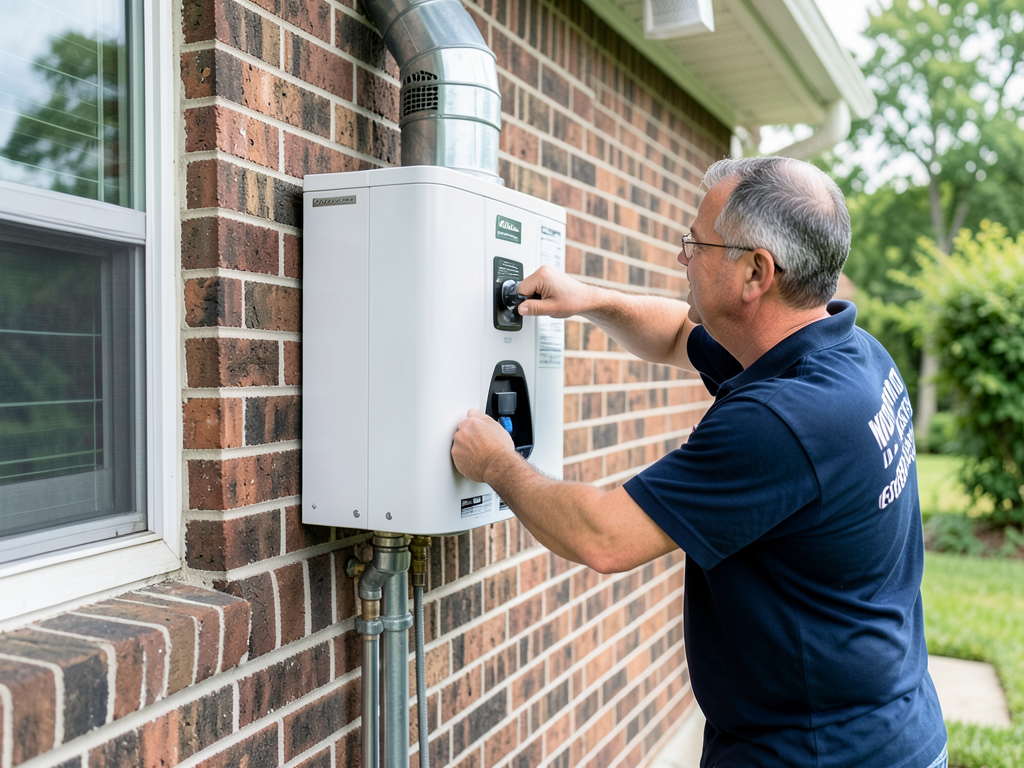
Choosing between a traditional tank and a tankless water heater in your Woodbridge fixer upper means weighing upfront costs against long-term efficiency. Detroit’s cold groundwater temperatures and aging housing stock create unique challenges that affect performance and payback periods. This guide breaks down the technical differences installation requirements and local incentives to help you make the right choice for your historic Detroit home. Getting a Tankless Water Heater Installed in Your Downtown Detroit Loft.
Water Heater Comparison Chart
| Feature | Traditional Tank | Tankless |
|---|---|---|
| Average Lifespan | 10-12 years | 20+ years |
| Upfront Cost | $800-$1,500 | $2,000-$4,500 |
| Monthly Energy Use | $30-$45 | $20-$35 |
| Space Required | 5’x2’x2′ | Wall-mounted 2’x2’x1′ |
| Detroit Winter GPM | 60+ gallons stored | 3-5 GPM typical |
Detroit’s Cold Groundwater Challenge
Detroit’s groundwater hovers around 40-45°F during winter months. This means tankless units must heat water by 65-75°F to reach a comfortable 110°F shower temperature. The temperature rise directly impacts flow rates. A unit rated for 8 GPM at 70°F rise might deliver only 3-4 GPM during a January freeze. Traditional tanks store hot water regardless of incoming temperature so you get consistent output until the tank empties.. Read more about How to Keep Your Pipes from Freezing During a Brutal East English Village Winter.
Installation Requirements in Historic Woodbridge Homes
Woodbridge’s early 1900s homes often have undersized gas lines. Tankless units require 3/4-inch gas lines minimum while many original installations use 1/2-inch. Upgrading involves running new lines through finished walls and basements. Venting presents another hurdle. Tankless units need Category III stainless steel venting for high-efficiency models while traditional units use existing chimneys. The Michigan Plumbing Code requires permits for any gas line modification under Section 416.2. Michigan Plumbing Code Section 416.2.
Hard Water Impact on Detroit Systems
Detroit’s municipal water contains 8-12 grains per gallon of hardness. This mineral content builds up inside tankless heat exchangers reducing efficiency by 25-30% within 18 months without maintenance. Traditional tanks develop scale on heating elements but the glass-lined interior protects the tank itself. Tankless units need annual descaling using food-grade citric acid to maintain performance. The process takes 2-3 hours and costs $150-$200 if done professionally.. Read more about How to Find a Licensed Plumber in Detroit Who Actually Shows Up on Time.
Detroit Utility Rebates and Tax Credits
DTE Energy offers $400 rebates for qualifying tankless water heaters with Energy Factor ratings above 0.82. Consumers Energy provides similar incentives up to $350. Federal tax credits cover 30% of installation costs up to $2,000 for high-efficiency units in 2026. These programs require professional installation and proof of existing water heater removal. The paperwork takes 4-6 weeks to process but can offset 15-20% of total project costs. DTE Energy rebate program.
Space and Basement Considerations
Woodbridge basements often have low ceilings around 7 feet and finished walls. Traditional tanks need 30-40 square feet of floor space while tankless units mount on walls freeing up valuable area. However tankless units require Category III venting through roofs or side walls. In brick homes this means core drilling through 8-12 inch walls. The venting must extend 2 feet above the roof line per Michigan Mechanical Code Section 505.3.. Read more about Why Northville Families Often Choose Whole-House Water Softeners for Hard Water Relief.
Cost Analysis Over 10 Years
| Cost Factor | Traditional Tank | Tankless |
|---|---|---|
| Initial Purchase | $1,200 | $3,200 |
| Installation Labor | $500 | $1,200 |
| Energy Costs (10 yrs) | $4,000 | $2,700 |
| Maintenance | $300 | $1,500 |
| Replacement at Year 10 | $1,200 | None |
| Total 10-Year Cost | $7,200 | $8,600 |
Who Should Choose Each Option
Traditional tanks work best for large families using 60+ gallons daily. The stored hot water handles multiple simultaneous uses. They also suit budget-conscious homeowners planning to stay less than 5 years. Tankless units excel for smaller households under 3 people. The energy savings and endless hot water justify the higher upfront cost when you plan to stay 7+ years. They also work well for additions or where space is at a premium.
Maintenance Requirements by System Type
Traditional tanks need annual temperature and pressure valve testing plus anode rod inspection every 3 years. The 40-gallon drain for sediment removal takes 30-45 minutes. Tankless units require the annual descaling mentioned earlier plus in-line filter cleaning every 6 months. The heat exchanger needs inspection for scale buildup and the burner assembly cleaning to maintain efficiency ratings. The Best Drain Cleaning Services for Older Houses in Grosse Pointe.
Emergency Considerations
Traditional tanks provide emergency water storage. The 40-50 gallons can serve as drinking water during municipal outages. Tankless units offer no storage but their compact size allows faster replacement if they fail. In Detroit’s freeze-thaw climate pipe bursts near water heaters happen frequently. Traditional tanks often survive minor flooding while tankless electronics may fail if submerged.. Read more about Boiler Repair vs Replacement Considerations for Grand Grosse Pointe Park Estates.
Resale Value Impact
Energy-efficient upgrades appeal to Detroit buyers especially younger ones concerned about utility costs. Tankless units signal modernization in historic homes. However some buyers worry about the learning curve and maintenance needs. Traditional tanks feel familiar and reliable. The choice affects appraisal values by approximately $500-$1,000 either way depending on the buyer’s priorities. Why Your Corktown Home Needs a Professional Sewer Line Inspection Before You Buy.
Making Your Final Decision
Calculate your household’s daily hot water usage. Track shower lengths multiple bathroom usage and simultaneous appliance needs for one week. Compare this to the flow rates in the chart above. Factor in your planned homeownership length and available installation budget. Consider whether you value space savings endless hot water or lowest upfront cost. The right choice depends on your specific Woodbridge home’s layout and your family’s habits.. Read more about The Signs Your Boston-Edison Home Needs a Full Whole-House Repiping Project.
Professional Assessment Options
Before deciding schedule a water heater assessment. A licensed plumber measures your existing gas line capacity checks venting options and calculates your actual hot water needs. They can identify code compliance issues like required expansion tanks or earthquake strapping. This $150-$200 service prevents costly surprises during installation and ensures you get properly sized equipment.. Read more about Key Plumbing Considerations Before You Start a Grandmont Rosedale Bathroom Remodel.
Installation Timeline Expectations
Traditional tank replacements take 2-4 hours when swapping like for like. Tankless installations require 6-8 hours minimum plus potential gas line or venting modifications adding 1-2 days. Permit processing adds 3-5 business days in Detroit. Emergency replacements happen within 24 hours but emergency pricing adds 25-50% to standard rates.
Environmental Considerations
Tankless units produce 30-50% fewer greenhouse gas emissions over their lifetime. They also reduce water waste since you don’t run gallons down the drain waiting for hot water to arrive. However traditional tanks recycle well with 95% of materials reusable. The manufacturing impact of tankless units is higher due to complex electronics and heat exchangers.
Frequently Asked Questions
How long does a tankless water heater last in Detroit’s climate?
With proper maintenance tankless units last 20-25 years in Detroit. The cold groundwater increases wear but annual descaling prevents scale damage. Many units from the early 2000s still function well today.
Can I install a tankless water heater myself?
Michigan law requires licensed plumbers for gas line modifications and mechanical permits. DIY installation voids warranties and creates safety hazards. Professional installation ensures code compliance and protects your home warranty. The Most Trusted Plumbers for Historical Home Pipe Restoration in Indian Village.
What size tankless unit do I need for a Woodbridge home?
Most Woodbridge homes need 7-9 GPM units for simultaneous shower and appliance use. Calculate by adding fixture flow rates: shower 2.5 GPM dishwasher 1.5 GPM washing machine 2 GPM. Cold Detroit winters reduce rated GPM by 40-50%.. Read more about Upgrading to a Walk-In Shower in Your Lafayette Park Co-op (Plumbing Requirements to Know).
Ready to Upgrade Your Woodbridge Water Heater?
The choice between traditional and tankless affects your comfort utility bills and home value for years. Woodbridge’s historic character and Detroit’s climate create specific considerations that generic advice misses. Don’t guess about this major investment. Call (313) 572-4144 today to schedule your professional water heater assessment. Our licensed Detroit plumbers will evaluate your specific needs calculate your payback period and ensure code-compliant installation. Pick up the phone now before the next cold snap hits. For more information, visit Consumers Energy incentives.
You may also find this helpful. Top-Rated Toilet Repair and Replacement Services in Hamtramck.
You may also find this helpful. Protecting Your Midtown Investment with Smart Leak Detection and Shutoff Valves.
You may also find this helpful. How to Pick the Right Garbage Disposal for Your New Center Apartment Kitchen.
You may also find this helpful. Is It Safe to Run a New Gas Line for Your Rochester Hills Outdoor Kitchen?.
{
“@context”: “https://schema.org”,
“@type”: “BlogPosting”,
“headline”: “Should You Keep Your Traditional Water Heater or Go Tankless in a Woodbridge Fixer Upper?”,
“description”: “Detroit’s cold groundwater and historic Woodbridge homes need specific water heater solutions. Compare traditional vs tankless options with local data and expert advice.”,
“wordCount”: 1281,
“datePublished”: “2026-03-08T13:59:00.000Z”,
“dateModified”: “2026-03-08T13:59:00.000Z”,
“inLanguage”: “en-US”,
“mainEntityOfPage”: {
“@type”: “WebPage”,
“@id”: “https://ironwoodplumbingdetroit.com”
},
“publisher”: {
“@type”: “LocalBusiness”,
“name”: “Ironwood Plumbing Detroit”,
“url”: “https://ironwoodplumbingdetroit.com”
},
“author”: {
“@type”: “Organization”,
“name”: “Ironwood Plumbing Detroit”,
“url”: “https://ironwoodplumbingdetroit.com”
},
“image”: {
“@type”: “ImageObject”,
“url”: “https://ironwoodplumbingdetroit.com/wp-content/uploads/2026/03/should-you-keep-your-traditional-water-heater-or-g-1.png”
}
}
{
“@context”: “https://schema.org”,
“@type”: “Plumber”,
“name”: “Ironwood Plumbing Detroit”,
“url”: “https://ironwoodplumbingdetroit.com”,
“address”: {
“@type”: “PostalAddress”,
“addressLocality”: “Detroit”
},
“areaServed”: {
“@type”: “City”,
“name”: “Detroit”
}
}
{
“@context”: “https://schema.org”,
“@type”: “FAQPage”,
“mainEntity”: [
{
“@type”: “Question”,
“name”: “How long does a tankless water heater last in Detroit’s climate?”,
“acceptedAnswer”: {
“@type”: “Answer”,
“text”: “With proper maintenance tankless units last 20-25 years in Detroit. The cold groundwater increases wear but annual descaling prevents scale damage. Many units from the early 2000s still function well today.”
}
},
{
“@type”: “Question”,
“name”: “Can I install a tankless water heater myself?”,
“acceptedAnswer”: {
“@type”: “Answer”,
“text”: “Michigan law requires licensed plumbers for gas line modifications and mechanical permits. DIY installation voids warranties and creates safety hazards. Professional installation ensures code compliance and protects your home warranty. The Most Trusted Plumbers for Historical Home Pipe Restoration in Indian Village.”
}
},
{
“@type”: “Question”,
“name”: “What size tankless unit do I need for a Woodbridge home?”,
“acceptedAnswer”: {
“@type”: “Answer”,
“text”: “Most Woodbridge homes need 7-9 GPM units for simultaneous shower and appliance use. Calculate by adding fixture flow rates: shower 2.5 GPM dishwasher 1.5 GPM washing machine 2 GPM. Cold Detroit winters reduce rated GPM by 40-50%.”
}
},
{
“@type”: “Question”,
“name”: “Ready to Upgrade Your Woodbridge Water Heater?”,
“acceptedAnswer”: {
“@type”: “Answer”,
“text”: “The choice between traditional and tankless affects your comfort utility bills and home value for years. Woodbridge’s historic character and Detroit’s climate create specific considerations that generic advice misses. Don’t guess about this major investment. Call (313) 572-4144 today to schedule your professional water heater assessment. Our licensed Detroit plumbers will evaluate your specific needs calculate your payback period and ensure code-compliant installation. Pick up the phone now before the next cold snap hits. For more information, visit Consumers Energy incentives.”
}
}
]
}
{
“@context”: “https://schema.org”,
“@type”: “BreadcrumbList”,
“itemListElement”: [
{
“@type”: “ListItem”,
“position”: 1,
“name”: “Home”,
“item”: “https://ironwoodplumbingdetroit.com”
},
{
“@type”: “ListItem”,
“position”: 2,
“name”: “Blog”,
“item”: “https://ironwoodplumbingdetroit.com/blog”
},
{
“@type”: “ListItem”,
“position”: 3,
“name”: “Should You Keep Your Traditional Water Heater or Go Tankless in a Woodbridge Fixer Upper?”
}
]
}
{
“@context”: “https://schema.org”,
“@type”: “Service”,
“serviceType”: “Plumbing”,
“provider”: {
“@type”: “LocalBusiness”,
“name”: “Ironwood Plumbing Detroit”,
“url”: “https://ironwoodplumbingdetroit.com”
},
“areaServed”: {
“@type”: “City”,
“name”: “Detroit”
},
“description”: “Detroit’s cold groundwater and historic Woodbridge homes need specific water heater solutions. Compare traditional vs tankless options with local data and expert advice.”
}