Preventive Plumbing Maintenance for Multi-Unit Buildings in New Center
Multi-unit buildings in New Center face unique plumbing challenges that require specialized maintenance strategies. The neighborhood’s mix of historic apartment buildings and modern developments creates a complex infrastructure where aging galvanized pipes meet new copper systems. Without regular preventive maintenance, small issues like mineral buildup or worn seals can cascade into major emergencies affecting multiple tenants.
Detroit’s freeze-thaw cycles and the Great Lakes region’s hard water create perfect conditions for plumbing failures. The clay soil common in Wayne County puts pressure on underground pipes, while New Center’s proximity to the city’s combined sewer system means backups can spread quickly through connected buildings. A single neglected pipe can cause thousands in water damage across multiple units. Detroit Water and Sewerage Department.
Preventive maintenance isn’t just about fixing problems before they happen. It’s about protecting your investment, maintaining tenant satisfaction, and ensuring compliance with Detroit’s building codes. Property managers who implement regular maintenance schedules report 60% fewer emergency calls and significantly lower repair costs over time.
The most effective maintenance programs address both visible fixtures and hidden infrastructure. From backflow preventers to water heater anodes, every component needs scheduled inspection and replacement. New Center’s older buildings often have original plumbing from the 1920s-1950s that requires specialized knowledge to maintain properly. Why Your Corktown Home Needs a Professional Sewer Line Inspection Before You Buy.
Water quality in Detroit affects plumbing longevity more than many realize. The region’s hard water causes scale buildup that reduces pipe diameter and strains water heaters. Without proper descaling and filtration, these issues compound over years until major failures occur. Regular water testing and treatment become essential parts of any maintenance plan.
Commercial buildings in New Center also face specific regulatory requirements. The Detroit Water and Sewerage Department mandates annual backflow testing for multi-unit buildings. Michigan’s plumbing code requires specific materials and installation methods that differ from national standards. Staying compliant means understanding these local requirements and scheduling accordingly. Michigan Plumbing Code.
Emergency response times matter when plumbing failures occur. New Center’s location near downtown Detroit means traffic can delay service vehicles. Having a local maintenance provider who understands neighborhood access points and parking restrictions ensures faster response when emergencies do happen.
The cost of preventive maintenance typically runs 15-20% of what emergency repairs cost over the same period. More importantly, it prevents the reputation damage and tenant turnover that comes with frequent plumbing emergencies. Property managers who track their maintenance data consistently see returns of 300% or more on their maintenance investments.
Modern plumbing maintenance uses technology that wasn’t available even five years ago. Video pipe inspection cameras can identify problems inside walls without demolition. Water pressure monitoring systems alert managers to developing issues before visible signs appear. These tools make maintenance more effective and less disruptive to tenants.
Seasonal preparation is critical in New Center. Before winter, pipes need insulation and heat tracing where necessary. During spring thaw, sump pumps and drainage systems require testing. Summer maintenance focuses on water heater efficiency and fixture inspections. Fall preparation includes winterizing outdoor plumbing and checking for freeze vulnerability. The Best Drain Cleaning Services for Older Houses in Grosse Pointe.
Building automation systems now integrate with plumbing maintenance schedules. Smart water meters can detect unusual usage patterns that indicate leaks. Temperature sensors can alert managers to frozen pipe risks. These technologies make preventive maintenance more proactive and data-driven.
The human element remains crucial. Experienced technicians recognize subtle signs of impending failure that automated systems might miss. They understand how different building ages and construction methods affect plumbing behavior. This expertise, combined with modern tools, creates the most effective maintenance programs.
Tenant education also plays a role in maintenance success. Simple practices like not pouring grease down drains or reporting small leaks promptly can prevent major problems. Maintenance providers who include tenant education in their programs see better outcomes and fewer emergencies.
Documentation matters for both compliance and planning. Detailed maintenance records help identify recurring issues and predict future needs. They also provide documentation for insurance claims and regulatory inspections. Digital maintenance management systems make this tracking easier and more effective.
The environmental impact of plumbing maintenance shouldn’t be overlooked. Water conservation fixtures, efficient water heaters, and leak prevention all reduce environmental footprint. Many New Center buildings now seek LEED certification, making water efficiency a priority in maintenance planning.
Insurance companies increasingly recognize the value of preventive maintenance. Buildings with documented maintenance programs often qualify for lower premiums. Some insurers now require specific maintenance schedules as conditions of coverage, especially for older buildings.
The future of plumbing maintenance includes even more automation and predictive capabilities. AI systems can analyze usage patterns to predict failures. Self-diagnosing fixtures can alert maintenance teams automatically. These advances will make preventive maintenance even more effective in coming years.
Choosing the right maintenance provider matters as much as the maintenance itself. Look for companies with specific experience in multi-unit buildings, knowledge of local codes, and 24/7 emergency availability. The cheapest option often costs more in the long run through missed problems and slow response times.
Preventive maintenance represents a fundamental shift in how property managers approach plumbing. Instead of reacting to emergencies, successful managers plan and prevent. This proactive approach saves money, protects property value, and ensures tenant satisfaction in New Center’s competitive rental market.
Essential Preventive Maintenance Checklist for New Center Properties
Every multi-unit building in New Center needs a customized maintenance schedule, but certain tasks are universal. This checklist provides a framework that can be adapted to specific building needs and local conditions.
Monthly inspections should include checking all visible pipes for leaks, testing water pressure throughout the building, and inspecting fixtures for proper operation. Pay special attention to areas where pipes run through exterior walls or unheated spaces. Look for signs of corrosion, mineral buildup, or wear on seals and gaskets.
Quarterly tasks include testing all backflow preventers, flushing water heaters to remove sediment, and inspecting sump pumps and drainage systems. Check water heater anodes and replace them if they show significant wear. Test emergency shut-off valves to ensure they operate properly when needed.
Semi-annual maintenance should include video inspection of main sewer lines, testing all floor drains for proper function, and inspecting water supply lines for signs of weakness. Check expansion tanks in closed-loop heating systems and test pressure relief valves on all water heaters.
Annual tasks are more comprehensive and include complete system pressure testing, inspection of all water-using appliances, and testing of emergency plumbing systems. This is also the time to update maintenance documentation and review any recurring issues that need special attention.
Building automation integration has become standard for many New Center properties. Smart water meters can detect abnormal usage patterns that indicate leaks. Temperature sensors can alert management to freezing risks in vulnerable areas. These technologies make maintenance more proactive and less reactive.
Documentation requirements vary by building age and use. Older buildings may need more frequent inspections of aging infrastructure. Buildings with restaurants or other high-water-use businesses need specialized grease trap maintenance schedules. Always document all maintenance activities for insurance and regulatory compliance.
Emergency response planning is part of preventive maintenance. Every building needs a clear plan for shutting off water in different areas, contacting emergency services, and communicating with tenants during plumbing emergencies. Regular drills ensure staff knows their roles when problems occur.
Cost tracking helps justify maintenance investments. Keep records of all maintenance activities, repairs prevented, and emergency calls avoided. This data demonstrates the ROI of preventive maintenance to property owners and stakeholders.
Tenant communication improves maintenance effectiveness. Provide tenants with information about what maintenance activities to expect and how to report problems. Clear communication reduces complaints and helps identify issues before they become emergencies.
Seasonal considerations affect maintenance scheduling. Winter preparation includes insulating vulnerable pipes and checking heating systems. Spring maintenance focuses on drainage and sump pump testing. Summer is ideal for major maintenance projects that might disrupt tenants less during vacation season.
Regulatory compliance requires specific attention in New Center. Detroit’s plumbing code has unique requirements for older buildings. The Great Lakes Water Authority mandates specific backflow prevention measures. Stay current on all local requirements to avoid violations and ensure tenant safety.
Technology continues to improve maintenance effectiveness. Thermal imaging cameras can detect hidden leaks. Acoustic leak detection can find problems in walls without demolition. These tools make maintenance more accurate and less disruptive.
Training maintenance staff on new technologies and techniques ensures consistent quality. Regular updates on code changes, new products, and best practices keep your team effective and your building protected.
The investment in preventive maintenance pays dividends through reduced emergencies, lower repair costs, and better tenant satisfaction. Buildings with comprehensive maintenance programs consistently outperform those with reactive approaches in both financial and operational metrics.
Common Plumbing Issues in New Center Multi-Unit Buildings
Understanding the specific problems that plague New Center’s multi-unit buildings helps target maintenance efforts effectively. The neighborhood’s unique combination of building ages, soil conditions, and climate creates predictable failure patterns.
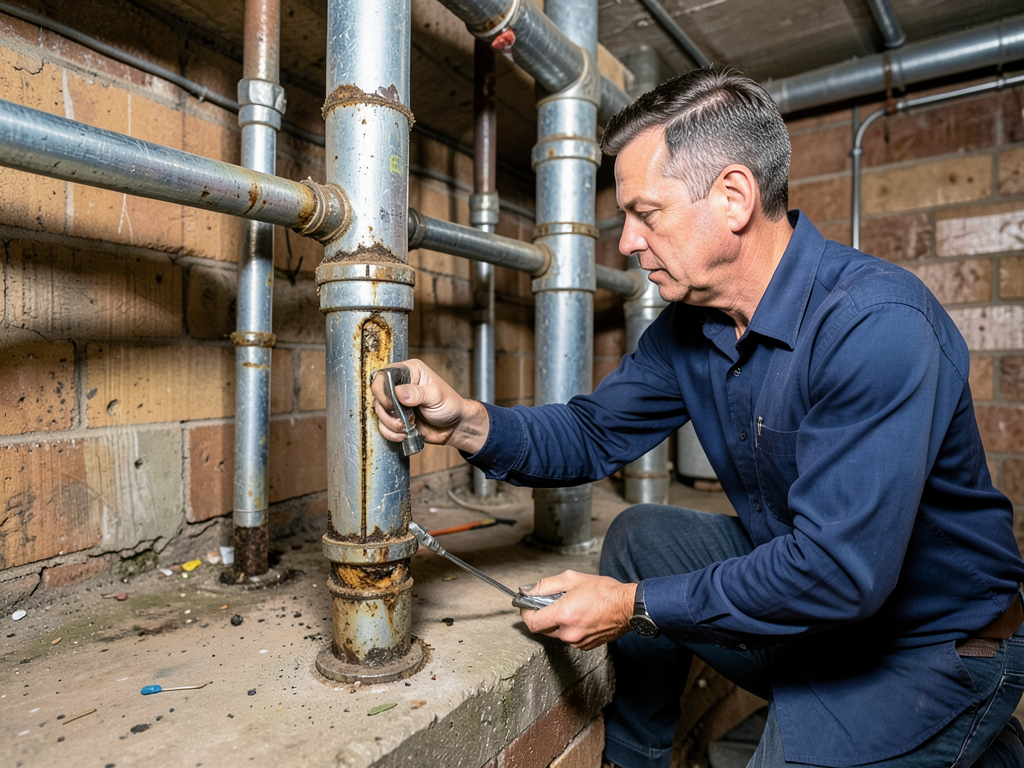
Galvanized steel pipes, common in buildings from the 1920s-1960s, corrode from the inside out. This creates a dangerous situation where pipes look fine externally but have severely reduced capacity internally. The corrosion also makes joints and fittings weak points prone to sudden failure.
Hard water in the Detroit area causes scale buildup that narrows pipe diameters over time. This reduces water pressure and strains water heaters, leading to premature failure. The scale also provides a surface for bacteria growth, creating potential health concerns in multi-unit buildings.
Clay soil movement affects underground pipes, especially in areas with poor drainage. The soil expands when wet and contracts when dry, putting stress on buried pipes. This movement can cause joints to separate or pipes to crack, leading to underground leaks that are difficult to detect.
Combined sewer systems in older parts of New Center mean that heavy rain can overwhelm drainage capacity. This causes backups that can affect multiple buildings connected to the same system. Regular drain cleaning and backwater valve maintenance become essential in these areas.
Temperature fluctuations common in Michigan cause pipes to expand and contract repeatedly. This movement stresses joints and fittings, eventually causing failures. Buildings with poor insulation or those that experience frequent temperature swings are most vulnerable to this type of damage.
Water hammer, the banging noise when valves close suddenly, indicates pressure problems that can damage pipes over time. In multi-unit buildings, this issue often affects entire sections of piping and requires system-wide solutions rather than spot repairs.
Fixture wear in high-use areas creates specific challenges. Commercial-grade fixtures in apartment building common areas face constant use that wears out seals and cartridges faster than in residential settings. Regular replacement of these components prevents leaks and tenant complaints. Commercial Toilet & Urinal Repair.
Cross-connection contamination risks exist in buildings with complex plumbing systems. Without proper backflow prevention, contaminants can enter the drinking water supply through various connections. Annual testing of all backflow preventers is essential for tenant safety.
Water heater scaling reduces efficiency and capacity over time. In multi-unit buildings, this affects more people and creates more significant problems than in single-family homes. Regular descaling and anode replacement extend water heater life and maintain performance.
Pipe insulation failures create freeze risks in vulnerable areas. Even small gaps in insulation can allow cold air to reach pipes, causing them to freeze and burst. Regular inspection of all pipe insulation is essential, especially in buildings with mixed-use spaces.
Sewer line deterioration affects entire buildings when problems occur. Tree root intrusion, soil movement, and age all contribute to sewer line failures. Video inspection can identify problems before they cause backups or require major excavation to repair.
Pressure reducing valve failures can cause pressure spikes that damage fixtures and appliances throughout a building. These valves need regular testing and adjustment to maintain proper pressure levels and protect the entire plumbing system.
Understanding these common issues allows maintenance teams to target their efforts effectively. By addressing the most likely problems first, they can prevent the majority of plumbing emergencies that affect multi-unit buildings in New Center.
Detroit-Specific Plumbing Regulations and Compliance
Detroit’s plumbing regulations reflect the city’s unique infrastructure challenges and historical development patterns. Property managers in New Center must understand these requirements to maintain compliance and protect their buildings.
The Detroit Water and Sewerage Department requires annual backflow testing for all commercial properties and multi-unit residential buildings. This testing must be performed by certified technicians who can provide documentation of compliance. Failure to maintain current backflow certification can result in water service interruption.
Michigan’s plumbing code, based on the Uniform Plumbing Code with state modifications, requires specific materials and installation methods for different applications. New Center’s older buildings often need upgrades to meet current code requirements, especially regarding pipe materials and fixture efficiency standards.
The Great Lakes Water Authority, which supplies water to Detroit, mandates specific water quality testing and treatment requirements for multi-unit buildings. These requirements ensure safe drinking water and protect the broader water distribution system from contamination.
Detroit’s combined sewer system requires special consideration for drainage and waste disposal. Buildings must have proper traps and vents to prevent sewer gas entry and must manage stormwater to prevent system overload during heavy rains.
Lead service line replacement programs affect many New Center properties built before 1950. Property owners must comply with city-mandated replacement schedules and may be eligible for financial assistance programs to offset replacement costs.
Energy efficiency requirements affect plumbing installations in both new construction and renovations. Water heaters, pipes, and fixtures must meet specific efficiency standards to comply with Detroit’s building energy codes.
ADA compliance requirements apply to multi-unit buildings with public spaces or rental units. This includes proper fixture heights, clear floor space, and accessible controls on plumbing fixtures in common areas and model units.
Fire protection system requirements intersect with plumbing codes in complex ways. Standpipe systems, sprinkler systems, and fire department connections must be installed and maintained according to both plumbing and fire codes.
Cross-connection control programs require property owners to identify and eliminate potential contamination points in their plumbing systems. This includes proper air gaps, backflow preventers, and isolation of different water systems within a building.
Water conservation regulations affect fixture selection and installation. Low-flow toilets, showerheads, and faucets are required in most new installations and replacements. Property managers must ensure their buildings meet current water efficiency standards.
Stormwater management requirements affect how buildings handle roof drainage and site runoff. Proper downspout connections, detention systems, and infiltration practices may be required depending on building size and location.
Building permits are required for most plumbing work beyond basic repairs. Property managers must obtain proper permits before undertaking major plumbing projects and ensure all work passes required inspections.
Insurance requirements often exceed minimum code requirements. Many insurers now require specific maintenance schedules, documentation, and upgrade timelines to maintain coverage on older buildings.
Understanding and complying with these regulations protects property owners from liability, ensures tenant safety, and prevents costly violations. Regular consultation with code officials and plumbing professionals helps maintain compliance as requirements evolve.
Cost-Benefit Analysis of Preventive Maintenance Programs
Property managers often struggle to justify preventive maintenance costs until they understand the financial impact of plumbing emergencies. A comprehensive cost-benefit analysis reveals why preventive maintenance is essential for multi-unit buildings in New Center.
Emergency plumbing repairs typically cost 3-5 times more than scheduled maintenance for the same issue. Emergency calls require overtime pay, rush parts delivery, and often involve tenant displacement or business interruption. These hidden costs significantly increase the true expense of reactive maintenance.
Water damage from plumbing failures averages $7,000-$10,000 per incident in multi-unit buildings. This includes repair costs, tenant relocation expenses, and lost rental income during repairs. Preventive maintenance can eliminate 80% of these incidents, saving thousands annually.
Insurance premiums often reflect maintenance practices. Buildings with documented preventive maintenance programs typically receive 10-15% lower premiums than those without such programs. Over five years, these savings can offset the entire cost of a comprehensive maintenance program.
Tenant satisfaction directly impacts occupancy rates and rental income. Buildings with frequent plumbing problems experience 20-30% higher turnover rates. The cost of vacancy, marketing, and tenant screening far exceeds preventive maintenance expenses.
Equipment longevity increases with proper maintenance. Water heaters last 50% longer with regular descaling and anode replacement. Pipes resist corrosion better with proper water treatment. These extended lifespans reduce capital replacement costs significantly.
Energy efficiency improvements from maintenance provide ongoing savings. Descaled water heaters use 15-20% less energy. Leak repairs eliminate wasted water heating costs. These savings compound over time, providing positive cash flow from maintenance investments.
Regulatory compliance violations carry substantial penalties. Detroit can impose fines of $500-$1,000 per day for code violations. Preventive maintenance ensures continuous compliance, avoiding these costly penalties and potential legal expenses.
Property value appreciation reflects maintenance quality. Buildings with documented maintenance programs appraise 5-10% higher than comparable properties without such documentation. This value difference often exceeds the total maintenance investment over a building’s lifetime.
Emergency response time affects damage severity. Buildings with maintenance agreements receive priority service, reducing response times by 50-75%. Faster response means less water damage and lower repair costs when problems do occur.
Maintenance scheduling flexibility reduces tenant disruption. Planned maintenance can be scheduled during low-occupancy periods, while emergencies require immediate response regardless of tenant convenience. This scheduling advantage improves tenant relations and reduces complaints.
Documentation requirements for financing and insurance become easier with maintenance programs. Lenders and insurers require less documentation and may offer better terms for properties with comprehensive maintenance records.
Environmental compliance becomes simpler with preventive maintenance. Water conservation, proper waste disposal, and energy efficiency all improve with regular maintenance, helping buildings meet increasing environmental regulations.
The total cost of ownership decreases significantly with preventive maintenance. While maintenance requires ongoing investment, it eliminates the large, unpredictable expenses associated with emergency repairs and equipment failures.
Market competitiveness improves with better-maintained buildings. In New Center’s competitive rental market, properties with reliable plumbing systems attract and retain better tenants, commanding higher rents and experiencing lower vacancy rates. Finding a Reliable Emergency Plumber in Midtown Detroit When Your Pipes Burst.
Risk management benefits extend beyond direct costs. Preventive maintenance reduces liability risks from water damage, mold growth, and other plumbing-related hazards. This risk reduction can significantly impact insurance costs and legal exposure.
The financial case for preventive maintenance is clear: the modest, predictable costs of regular maintenance are far lower than the large, unpredictable expenses of emergency repairs and their associated costs. Property managers who understand this relationship consistently achieve better financial outcomes.
Technology Integration in Modern Plumbing Maintenance
Modern plumbing maintenance leverages technology that dramatically improves effectiveness and efficiency. Property managers in New Center can now monitor and manage their plumbing systems with tools that weren’t available even five years ago.
Smart water meters provide real-time usage data and can detect abnormal patterns that indicate leaks. These systems alert maintenance teams immediately when water usage deviates from normal patterns, often identifying problems before visible signs appear. Some systems can automatically shut off water when major leaks are detected.
Thermal imaging cameras allow technicians to see temperature differences that indicate hidden problems. Cold spots can reveal underground leaks, while hot spots might indicate failing water heaters or electrical issues affecting plumbing systems. This technology eliminates much of the guesswork in diagnostics.
Video pipe inspection cameras have revolutionized sewer and drain maintenance. These cameras can travel through pipes to identify blockages, cracks, and other problems without excavation. The recorded video provides documentation for insurance claims and helps plan repairs more effectively.
Water pressure monitoring systems track pressure throughout buildings and can identify developing problems before they cause damage. Sudden pressure drops might indicate main line breaks, while gradual pressure increases could signal failing pressure reducing valves.
Building automation systems now integrate plumbing monitoring with other building systems. This integration allows coordinated responses to problems and provides comprehensive building performance data. Some systems can predict failures based on usage patterns and environmental conditions.
Mobile maintenance management apps help track work orders, schedule preventive maintenance, and document completed work. These apps improve communication between maintenance teams and property managers, ensuring nothing falls through the cracks.
Water quality monitoring systems test for pH, hardness, and other parameters that affect plumbing longevity. These systems can alert managers when water conditions change, allowing proactive treatment before damage occurs.
Leak detection systems using acoustic sensors can find hidden leaks by listening for the sound of water escaping pipes. These systems are particularly valuable in large buildings where visual inspection is impractical.
Predictive maintenance software analyzes historical data to predict when components will fail. This allows maintenance scheduling based on actual equipment condition rather than arbitrary timelines, optimizing maintenance resources.
Remote monitoring capabilities allow maintenance teams to check system status without site visits. This technology is particularly valuable for buildings with multiple locations or those in areas with difficult access.
Documentation automation reduces paperwork and improves record-keeping. Digital systems can automatically generate maintenance reports, compliance documentation, and work order histories, making regulatory compliance much simpler.
Energy management integration helps optimize water heating systems. These systems can adjust water temperatures based on usage patterns, weather conditions, and energy costs, reducing utility expenses while maintaining comfort.
Tenant communication platforms integrated with maintenance systems allow tenants to report problems easily and track repair status. This transparency improves tenant satisfaction and helps maintenance teams prioritize work effectively.
Data analytics capabilities allow maintenance teams to identify trends and optimize their programs. Analysis of repair histories, usage patterns, and environmental data can reveal opportunities for improvement that aren’t apparent from individual service calls.
The initial investment in these technologies often pays for itself within one to two years through improved efficiency, reduced emergency calls, and better resource allocation. Property managers who embrace these tools consistently achieve better maintenance outcomes.
Training requirements for new technologies should be considered in implementation plans. Maintenance teams need proper training to use new tools effectively, and ongoing support ensures continued optimal performance.
Integration challenges between different technology systems can occur, but most modern systems offer APIs and other integration capabilities. Working with technology providers who understand building maintenance needs helps ensure successful implementation.
Choosing the Right Maintenance Provider for Your New Center Property
Selecting the right maintenance provider is crucial for the success of any preventive maintenance program. The unique challenges of New Center’s multi-unit buildings require specific expertise and capabilities that not all providers offer.
Experience with multi-unit buildings should be the first qualification considered. These buildings have different needs than single-family homes, including coordinating with multiple tenants, managing complex systems, and understanding the financial impact of downtime.
Local knowledge is essential for New Center properties. Providers should understand Detroit’s specific plumbing codes, the challenges of the local water supply, and the neighborhood’s unique infrastructure issues. This local expertise prevents costly mistakes and ensures compliance.
24/7 emergency availability is non-negotiable for multi-unit buildings. Plumbing emergencies don’t follow business hours, and having a provider who can respond quickly prevents minor problems from becoming major disasters.
Proper licensing and insurance protect property owners from liability. All technicians should be licensed plumbers, and the company should carry adequate liability and workers’ compensation insurance. Request proof of current licensing and insurance before signing any agreements. The Most Trusted Plumbers for Historical Home Pipe Restoration in Indian Village.
Service guarantees demonstrate provider confidence in their work. Look for companies that guarantee their repairs for specific periods and are willing to address any issues that arise during the guarantee period.
Communication capabilities affect maintenance program success. Providers should offer clear reporting, easy scheduling, and responsive customer service. Digital communication tools can improve coordination and documentation.
Technology adoption indicates a provider’s commitment to quality. Companies that use modern diagnostic tools, maintenance management software, and communication platforms typically provide more effective service than those relying on traditional methods.
Financial stability ensures long-term reliability. A provider who might go out of business can’t honor maintenance agreements or warranty work. Check company history and financial standing before committing to long-term agreements.
Employee training programs reflect service quality. Providers who invest in ongoing technician training typically deliver better results than those who don’t. Ask about training programs and certification requirements for their staff.
References from similar properties provide valuable insight. Speak with other property managers who use the provider’s services, especially those with buildings similar to yours in size and age.
Service area coverage affects response times. Providers with offices or technicians located near New Center can respond faster than those based across town. Local presence also indicates commitment to the community.
Contract flexibility allows customization for specific needs. Avoid providers who offer only standard packages without customization options. Your building’s unique characteristics require tailored maintenance approaches.
Cost structure transparency prevents surprises. Understand exactly what’s included in maintenance agreements and what costs extra. Compare proposals carefully, considering both price and scope of services.
Environmental practices matter for many New Center properties. Providers who use environmentally friendly products and practices can help buildings meet sustainability goals and may offer cost advantages through efficiency improvements.
Safety records indicate provider reliability. Companies with good safety records typically provide more consistent service and have lower employee turnover, leading to better long-term relationships.
Growth potential should be considered for expanding portfolios. Choose providers who can scale their services as your needs grow, rather than having to change providers as your portfolio expands.
The right provider becomes a true partner in property management, not just a service contractor. This partnership approach leads to better maintenance outcomes and more effective problem prevention.
Regular performance reviews help ensure continued satisfaction. Establish review schedules and performance metrics to evaluate your provider’s effectiveness and identify areas for improvement.
Taking time to select the right provider pays dividends through better maintenance outcomes, fewer emergencies, and more effective property management. The cheapest option rarely provides the best long-term value.
Seasonal Maintenance Considerations for New Center Buildings
Detroit’s climate creates distinct seasonal challenges for plumbing systems. New Center’s multi-unit buildings need specific maintenance approaches for each season to prevent weather-related problems and optimize system performance.
Winter preparation begins in fall with insulation inspection and improvement. Focus on pipes in unheated areas, exterior walls, and crawl spaces. Heat tape installation may be necessary for particularly vulnerable areas. Don’t forget outdoor hose bibs and sprinkler systems.
Fall is also the time to test and service heating systems that share plumbing components with boilers or hydronic heating. These systems need to be operational before cold weather arrives to prevent freezing damage.
Winter monitoring requires increased attention to vulnerable areas. Regular checks of unheated spaces for freezing signs can prevent burst pipes. Consider installing temperature sensors in these areas for automatic alerts when temperatures drop dangerously low.
Spring thaw creates flooding risks as snow melts and spring rains begin. Sump pumps should be tested before the thaw begins, and drainage systems should be cleared of debris that accumulated over winter. Check for ice dams that might cause roof drainage problems.
Spring is also ideal for water heater maintenance. Sediment that settled over winter should be flushed, and anode rods should be inspected for corrosion. This maintenance improves efficiency and extends equipment life.
Summer maintenance focuses on cooling system efficiency and water conservation. Check for leaks that waste water and energy. Inspect irrigation systems for proper operation and repair any damaged components.
Summer is also a good time for major maintenance projects that might disrupt tenants. Many tenants travel during summer months, making it easier to schedule intrusive work like pipe replacement or bathroom renovations.
Fall preparation for the next winter should begin in late summer. This includes scheduling any major maintenance that needs to be completed before cold weather arrives and ordering any replacement parts that might be needed during winter.
Seasonal water quality changes affect plumbing systems. Detroit’s water supply characteristics can vary by season, requiring adjustments to water treatment and monitoring programs throughout the year.
Tenant education should be seasonal. Provide reminders about preventing frozen pipes in winter, water conservation in summer, and proper use of outdoor plumbing fixtures during appropriate seasons.
Emergency response planning should be seasonal. Winter emergencies require different responses than summer problems. Ensure maintenance teams have appropriate equipment and supplies for each season’s typical problems.
Building automation systems should be seasonally adjusted. Set temperature parameters for unoccupied spaces that prevent freezing in winter but conserve energy in summer. Adjust water heater temperatures based on seasonal usage patterns.
Insurance considerations vary by season. Some policies have different requirements or coverage for seasonal risks like frozen pipes or summer flooding. Review coverage annually to ensure adequate protection.
Energy efficiency opportunities change with seasons. Winter focuses on preventing heat loss through pipes, while summer emphasizes cooling efficiency. Adjust maintenance priorities to match seasonal energy concerns.
Landscaping maintenance intersects with plumbing in seasonal ways. Fall leaf removal prevents drain clogs, while spring planting requires careful consideration of tree root impacts on underground pipes.
Documentation requirements may vary by season. Some regulatory inspections or insurance requirements are seasonal, requiring advance scheduling and preparation.
The key to seasonal maintenance success is advance planning. Create seasonal checklists and schedules well before each season begins, allowing time to address any issues before seasonal risks materialize.
Flexibility in maintenance scheduling allows adaptation to unusual weather patterns. Detroit’s weather can be unpredictable, requiring the ability to adjust maintenance timing based on actual conditions rather than calendar dates.
Building Long-Term Relationships with Maintenance Providers
Successful preventive maintenance programs depend on strong relationships between property managers and maintenance providers. These relationships develop over time and require mutual commitment to quality and communication.
Clear expectations prevent misunderstandings. Establish detailed service level agreements that specify response times, reporting requirements, and performance metrics. Both parties should understand and agree to these expectations before beginning work.
Regular communication keeps relationships strong. Schedule monthly or quarterly review meetings to discuss ongoing issues, upcoming needs, and opportunities for improvement. These meetings prevent small problems from becoming major conflicts.
Fair compensation builds loyalty. While cost matters, consistently paying fair rates for quality work builds provider loyalty. Providers who feel fairly compensated are more likely to provide exceptional service and prioritize your properties.
Mutual respect underlies successful relationships. Recognize that both parties bring valuable expertise to the partnership. Property managers understand building operations, while maintenance providers understand plumbing systems. Combining these perspectives creates better outcomes.
Long-term planning benefits both parties. Providers who understand your long-term plans can better prepare for future needs and may offer cost advantages through advance planning and bulk purchasing.
Problem resolution procedures prevent minor issues from damaging relationships. Establish clear processes for addressing concerns or complaints before they arise. Both parties should commit to resolving issues quickly and professionally.
Information sharing improves service quality. Provide maintenance providers with building plans, historical maintenance records, and tenant information that might affect their work. This information helps them work more effectively and prevent problems.
Joint training opportunities build understanding. Consider training sessions where property managers learn about plumbing systems and maintenance providers learn about building operations. This cross-training improves communication and problem-solving.
Technology integration requires collaboration. Work with providers to implement building automation systems, maintenance management software, and other technologies that benefit both parties. Shared technology platforms improve coordination and documentation.
Performance metrics provide objective evaluation criteria. Establish key performance indicators like response times, first-time fix rates, and tenant satisfaction scores. Regular review of these metrics helps identify improvement opportunities.
Contract flexibility accommodates changing needs. While basic terms should remain stable, allow for adjustments as building needs evolve or new technologies become available. Rigid contracts can prevent optimal solutions.
Emergency response coordination prevents confusion. Establish clear protocols for after-hours emergencies, including who makes decisions, how problems are communicated, and what authority maintenance teams have to act without prior approval.
Documentation standards ensure consistency. Agree on reporting formats, record-keeping requirements, and documentation retention policies. Consistent documentation makes regulatory compliance and insurance claims much simpler.
Continuous improvement processes keep relationships dynamic. Regularly review what’s working and what isn’t, then implement improvements. Both parties should feel comfortable suggesting changes that could improve service quality.
Shared success metrics align goals. When both parties benefit from improved maintenance outcomes, they work together more effectively toward common objectives rather than focusing on individual interests.
Trust development takes time but pays dividends. Providers who trust property managers to make good decisions and property managers who trust providers to execute properly work together more effectively than those who don’t have established trust.
The investment in relationship building often determines maintenance program success. Strong relationships lead to better communication, faster problem resolution, and more effective preventive maintenance.
Cultural fit matters more than many realize. Providers whose communication styles, work ethics, and business philosophies align with yours typically create more successful long-term relationships than those who don’t share similar values.
Geographic proximity facilitates relationship building. Providers located near your properties can respond faster and are more likely to develop the local knowledge that improves service quality.
Long-term relationships transform maintenance from a transactional service to a strategic partnership. This transformation typically results in better-maintained buildings, lower costs, and more effective property management overall.
Future Trends in Multi-Unit Building Plumbing Maintenance
The plumbing maintenance industry continues to evolve with new technologies and approaches. Property managers in New Center should understand these trends to prepare for future maintenance needs and opportunities.
Artificial intelligence and machine learning are transforming maintenance scheduling. These technologies can analyze usage patterns, environmental conditions, and historical data to predict when components will fail, allowing truly predictive maintenance rather than scheduled or reactive approaches.
Internet of Things (IoT) sensors are becoming standard in modern buildings. These sensors can monitor water pressure, flow rates, temperature, and quality throughout buildings, providing real-time data that enables immediate response to developing problems.
Augmented reality tools help technicians diagnose problems more quickly. These tools can overlay system diagrams, repair procedures, and real-time data on the technician’s field of view, reducing diagnosis time and improving repair accuracy.
Water conservation technologies continue to advance. Smart fixtures that adjust flow based on usage patterns, greywater recycling systems, and rainwater harvesting are becoming more practical and cost-effective for multi-unit buildings.
Materials science improvements create longer-lasting plumbing components. New pipe materials resist corrosion better, seals last longer, and fixtures require less maintenance. These improvements reduce long-term maintenance costs while improving reliability.
Remote monitoring capabilities continue to expand. Building managers can now monitor entire plumbing systems from mobile devices, receiving alerts about developing problems and even controlling certain functions remotely.
Energy efficiency integration becomes more sophisticated. Smart systems can optimize water heating based on occupancy patterns, time of day, and energy costs, reducing utility expenses while maintaining comfort.
Water quality monitoring advances beyond basic testing. Continuous monitoring systems can detect contaminants, changes in water chemistry, and other issues that might affect health or plumbing system longevity.
Automation reduces routine maintenance tasks. Self-cleaning fixtures, automatic filter replacement systems, and other automated features reduce the manual labor required for maintenance while improving consistency.
Mobile applications for maintenance management become more powerful. These apps now offer features like augmented reality guidance, real-time collaboration between technicians, and integration with building automation systems.
Predictive analytics improve resource allocation. These tools can predict maintenance needs across entire portfolios, allowing better scheduling of technicians, parts inventory, and other resources.
Environmental regulations continue to tighten. Future requirements may include more stringent water conservation standards, waste reduction mandates, and energy efficiency requirements, all affecting maintenance practices.
Tenant expectations evolve with technology. Modern tenants expect smartphone apps for maintenance requests, real-time problem tracking, and immediate response to issues. Meeting these expectations requires technological sophistication.
Insurance requirements may change with technology adoption. Insurers might offer better rates for buildings with advanced monitoring systems or require specific technologies for coverage eligibility.
Training requirements increase with technological complexity. Maintenance technicians need ongoing education to stay current with new technologies, requiring investment in training programs and certification.
Integration challenges between different systems remain. As buildings become more technologically sophisticated, ensuring different systems work together effectively becomes increasingly important and sometimes challenging.
Cybersecurity concerns grow with increased connectivity. Connected plumbing systems create potential entry points for hackers, requiring security measures to protect both building systems and tenant privacy.
Cost considerations affect technology adoption. While many new technologies offer long-term savings, initial costs can be substantial. Property managers must evaluate return on investment carefully when considering new technologies.
The future of plumbing maintenance combines advanced technology with traditional expertise. While technology improves efficiency and effectiveness, experienced technicians remain essential for complex diagnostics and repairs.
Property managers who stay current with these trends can provide better service to tenants, reduce maintenance costs, and improve building performance. Those who lag behind may find themselves at competitive disadvantages.
Planning for future trends requires regular evaluation of new technologies and approaches. Attend industry conferences, read trade publications, and consult with technology providers to stay informed about developments that might benefit your properties.
The most successful property managers will be those who effectively combine new technologies with proven maintenance practices, creating systems that provide reliable, efficient service while controlling costs and meeting tenant expectations.
Frequently Asked Questions
How often should preventive maintenance be performed on multi-unit building plumbing systems?
Preventive maintenance should be performed on different schedules depending on the component. Monthly inspections cover visible pipes and fixtures, quarterly maintenance includes backflow testing and water heater flushing, and annual inspections involve comprehensive system testing. High-use buildings may need more frequent service. A customized schedule based on building age, usage patterns, and local conditions provides optimal protection.
What are the most common plumbing problems in New Center’s older buildings?
Older buildings in New Center commonly experience galvanized pipe corrosion, which reduces water pressure and causes leaks from the inside out. Hard water scale buildup narrows pipes and strains water heaters. Clay soil movement affects underground pipes, and combined sewer systems can cause backups during heavy rains. Temperature fluctuations stress joints and fittings, leading to failures.
How much does a preventive maintenance program typically cost?
Preventive maintenance costs vary by building size and complexity, but typically range from $2,000 to $10,000 annually for a multi-unit building. This investment usually saves 30-50% compared to emergency repair costs over the same period. The exact cost depends on factors like building age, number of units, and local water conditions.
What should I look for when choosing a maintenance provider?
Look for providers with specific experience in multi-unit buildings, proper licensing and insurance, 24/7 emergency availability, and knowledge of Detroit’s plumbing codes. Check references from similar properties, verify their financial stability, and ensure they use modern diagnostic tools. The provider should offer clear communication, detailed documentation, and fair pricing structures.
How can I tell if my building needs emergency plumbing service versus routine maintenance?
Emergency situations include major leaks causing water damage, complete loss of water service, sewer backups affecting multiple units, or gas smells near water heaters. Routine maintenance issues include slow drains, minor leaks, low water pressure, or scheduled inspections. When in doubt, contact a professional who can assess the situation and recommend appropriate action.
What are the legal requirements for plumbing maintenance in Detroit?
Detroit requires annual backflow testing for multi-unit buildings, compliance with Michigan plumbing codes, and proper permits for most plumbing work. The Detroit Water and Sewerage Department mandates specific water quality standards and may require upgrades for older systems. Local regulations also cover lead service line replacement and energy efficiency requirements.
How does preventive maintenance affect tenant satisfaction?
Preventive maintenance significantly improves tenant satisfaction by reducing plumbing emergencies, maintaining consistent water service, and preventing disruptions. Buildings with good maintenance programs typically see 20-30% lower tenant turnover rates. Regular communication about maintenance activities also helps tenants feel informed and valued, further improving satisfaction.
What technologies are most useful for building maintenance programs?
Smart water meters that detect leaks, video pipe inspection cameras, thermal imaging for finding hidden problems, and building automation systems that integrate plumbing monitoring are among the most useful technologies. Mobile maintenance management apps improve communication and documentation. The specific technologies that provide the most value depend on building size and complexity.
How should seasonal changes affect maintenance scheduling?
Seasonal changes significantly impact maintenance needs. Fall requires winter preparation including pipe insulation and heating system checks. Spring focuses on drainage and sump pump testing after thaw. Summer is ideal for major maintenance projects when tenant disruption is minimal. Winter requires increased monitoring of vulnerable areas for freezing risks.
What documentation should be kept for maintenance activities?
Maintain records of all maintenance activities, inspection reports, repair invoices, and compliance testing results. Keep building plans, equipment manuals, and warranty information. Document tenant complaints and how they were resolved. This documentation is essential for insurance claims, regulatory compliance, and tracking maintenance effectiveness over time.
How do I calculate the return on investment for preventive maintenance?
Calculate ROI by comparing maintenance costs against avoided emergency repair costs, reduced tenant turnover, lower insurance premiums, extended equipment life, and prevented water damage. Track these metrics over several years to see the full financial impact. Most buildings see 200-400% ROI on preventive maintenance investments.
What should be included in an emergency response plan?
An emergency response plan should include contact information for all maintenance providers, procedures for shutting off water to different building areas, tenant communication protocols, and temporary relocation procedures if needed. Include insurance claim procedures and documentation requirements. Regular drills ensure everyone knows their roles during actual emergencies.
How does water quality in Detroit affect plumbing maintenance needs?
Detroit’s hard water causes scale buildup that reduces pipe capacity and strains water heaters. The water’s pH and mineral content affect pipe corrosion rates and fixture longevity. Seasonal changes in water quality may require adjustments to treatment programs. Regular water testing helps optimize maintenance schedules and treatment approaches.
What are the signs that a building needs major plumbing upgrades?
Signs include frequent leaks, consistently low water pressure, discolored water, high water bills indicating hidden leaks, and recurring problems in the same areas. Buildings with galvanized pipes over 50 years old, those with lead service lines, or those not meeting current code requirements likely need significant upgrades.
How can I ensure maintenance providers are following proper procedures?
Establish clear service level agreements with specific performance metrics, require detailed documentation of all work performed, conduct regular inspections of completed work, and maintain open communication channels. Consider third-party quality audits for critical systems. Building relationships with providers who value transparency and accountability helps ensure proper procedures are followed.
Take Action to Protect Your New Center Property Today
Preventive plumbing maintenance isn’t optional for multi-unit buildings in New Center—it’s essential for protecting your investment and ensuring tenant satisfaction. The unique challenges of Detroit’s climate, soil conditions, and aging infrastructure require specialized knowledge and proactive approaches.
Every day without proper maintenance increases your risk of costly emergencies that could affect multiple units and damage your property’s reputation. The good news is that effective maintenance programs are available and affordable when compared to emergency repair costs.
Don’t wait for the next plumbing emergency to take action. Whether you manage a historic apartment building near the Fisher Building or a modern development off Woodward Avenue, your property needs a customized maintenance plan that addresses its specific vulnerabilities.
Our team understands the unique challenges facing New Center’s multi-unit buildings. We know how Detroit’s freeze-thaw cycles affect pipes, how the city’s combined sewer system creates backup risks, and how to navigate local code requirements. We bring 15+ years of local experience to every maintenance program we design.
Ready to protect your property and reduce your maintenance costs? Pick up the phone and call (313) 572-4144 today to schedule your comprehensive plumbing assessment. Our local experts will evaluate your building’s specific needs and create a maintenance program that prevents emergencies and extends your system’s life.
Don’t let another season pass without proper protection. Call (313) 572-4144 now and join the property managers in New Center who’ve discovered the peace of mind that comes with professional preventive maintenance. Your tenants will thank you, your insurance company will thank you, and your bottom line will thank you.
Time is your enemy when it comes to plumbing maintenance. Small problems become big emergencies quickly, especially in older buildings. Take control of your property’s future today by calling (313) 572-4144. Our team is ready to help you implement the maintenance program your building needs.
New Center’s multi-unit buildings deserve the best protection available. With professional preventive maintenance, you can eliminate most plumbing emergencies, reduce your operating costs, and provide better service to your tenants. The first step is a simple phone call to (313) 572-4144.
Your property’s plumbing system is too important to leave to chance. Call (313) 572-4144 today and let our local experts create the maintenance program that will protect your investment for years to come. The sooner you start, the more you’ll save.
{
“@context”: “https://schema.org”,
“@type”: “BlogPosting”,
“headline”: “Preventive Plumbing Maintenance for Multi-Unit Buildings in New Center”,
“description”: “Expert plumbing maintenance for New Center’s multi-unit buildings. Prevent costly emergencies with Detroit’s trusted commercial plumbing team. Call (313) 572-4144.”,
“wordCount”: 7466,
“datePublished”: “2026-06-10T12:42:00.000Z”,
“dateModified”: “2026-06-10T12:42:00.000Z”,
“inLanguage”: “en-US”,
“mainEntityOfPage”: {
“@type”: “WebPage”,
“@id”: “https://ironwoodplumbingdetroit.com”
},
“publisher”: {
“@type”: “LocalBusiness”,
“name”: “Ironwood Plumbing Detroit”,
“url”: “https://ironwoodplumbingdetroit.com”
},
“author”: {
“@type”: “Organization”,
“name”: “Ironwood Plumbing Detroit”,
“url”: “https://ironwoodplumbingdetroit.com”
},
“image”: {
“@type”: “ImageObject”,
“url”: “https://ironwoodplumbingdetroit.com/wp-content/uploads/2026/03/preventive-plumbing-maintenance-for-multi-unit-bui-1.png”
}
}
{
“@context”: “https://schema.org”,
“@type”: “Plumber”,
“name”: “Ironwood Plumbing Detroit”,
“url”: “https://ironwoodplumbingdetroit.com”,
“address”: {
“@type”: “PostalAddress”,
“addressLocality”: “Detroit”
},
“areaServed”: {
“@type”: “City”,
“name”: “Detroit”
}
}
{
“@context”: “https://schema.org”,
“@type”: “FAQPage”,
“mainEntity”: [
{
“@type”: “Question”,
“name”: “How often should preventive maintenance be performed on multi-unit building plumbing systems?”,
“acceptedAnswer”: {
“@type”: “Answer”,
“text”: “Preventive maintenance should be performed on different schedules depending on the component. Monthly inspections cover visible pipes and fixtures, quarterly maintenance includes backflow testing and water heater flushing, and annual inspections involve comprehensive system testing. High-use buildings may need more frequent service. A customized schedule based on building age, usage patterns, and local conditions provides optimal protection.”
}
},
{
“@type”: “Question”,
“name”: “What are the most common plumbing problems in New Center’s older buildings?”,
“acceptedAnswer”: {
“@type”: “Answer”,
“text”: “Older buildings in New Center commonly experience galvanized pipe corrosion, which reduces water pressure and causes leaks from the inside out. Hard water scale buildup narrows pipes and strains water heaters. Clay soil movement affects underground pipes, and combined sewer systems can cause backups during heavy rains. Temperature fluctuations stress joints and fittings, leading to failures.”
}
},
{
“@type”: “Question”,
“name”: “How much does a preventive maintenance program typically cost?”,
“acceptedAnswer”: {
“@type”: “Answer”,
“text”: “Preventive maintenance costs vary by building size and complexity, but typically range from $2,000 to $10,000 annually for a multi-unit building. This investment usually saves 30-50% compared to emergency repair costs over the same period. The exact cost depends on factors like building age, number of units, and local water conditions.”
}
},
{
“@type”: “Question”,
“name”: “What should I look for when choosing a maintenance provider?”,
“acceptedAnswer”: {
“@type”: “Answer”,
“text”: “Look for providers with specific experience in multi-unit buildings, proper licensing and insurance, 24/7 emergency availability, and knowledge of Detroit’s plumbing codes. Check references from similar properties, verify their financial stability, and ensure they use modern diagnostic tools. The provider should offer clear communication, detailed documentation, and fair pricing structures.”
}
},
{
“@type”: “Question”,
“name”: “How can I tell if my building needs emergency plumbing service versus routine maintenance?”,
“acceptedAnswer”: {
“@type”: “Answer”,
“text”: “Emergency situations include major leaks causing water damage, complete loss of water service, sewer backups affecting multiple units, or gas smells near water heaters. Routine maintenance issues include slow drains, minor leaks, low water pressure, or scheduled inspections. When in doubt, contact a professional who can assess the situation and recommend appropriate action.”
}
},
{
“@type”: “Question”,
“name”: “What are the legal requirements for plumbing maintenance in Detroit?”,
“acceptedAnswer”: {
“@type”: “Answer”,
“text”: “Detroit requires annual backflow testing for multi-unit buildings, compliance with Michigan plumbing codes, and proper permits for most plumbing work. The Detroit Water and Sewerage Department mandates specific water quality standards and may require upgrades for older systems. Local regulations also cover lead service line replacement and energy efficiency requirements.”
}
},
{
“@type”: “Question”,
“name”: “How does preventive maintenance affect tenant satisfaction?”,
“acceptedAnswer”: {
“@type”: “Answer”,
“text”: “Preventive maintenance significantly improves tenant satisfaction by reducing plumbing emergencies, maintaining consistent water service, and preventing disruptions. Buildings with good maintenance programs typically see 20-30% lower tenant turnover rates. Regular communication about maintenance activities also helps tenants feel informed and valued, further improving satisfaction.”
}
},
{
“@type”: “Question”,
“name”: “What technologies are most useful for building maintenance programs?”,
“acceptedAnswer”: {
“@type”: “Answer”,
“text”: “Smart water meters that detect leaks, video pipe inspection cameras, thermal imaging for finding hidden problems, and building automation systems that integrate plumbing monitoring are among the most useful technologies. Mobile maintenance management apps improve communication and documentation. The specific technologies that provide the most value depend on building size and complexity.”
}
},
{
“@type”: “Question”,
“name”: “How should seasonal changes affect maintenance scheduling?”,
“acceptedAnswer”: {
“@type”: “Answer”,
“text”: “Seasonal changes significantly impact maintenance needs. Fall requires winter preparation including pipe insulation and heating system checks. Spring focuses on drainage and sump pump testing after thaw. Summer is ideal for major maintenance projects when tenant disruption is minimal. Winter requires increased monitoring of vulnerable areas for freezing risks.”
}
},
{
“@type”: “Question”,
“name”: “What documentation should be kept for maintenance activities?”,
“acceptedAnswer”: {
“@type”: “Answer”,
“text”: “Maintain records of all maintenance activities, inspection reports, repair invoices, and compliance testing results. Keep building plans, equipment manuals, and warranty information. Document tenant complaints and how they were resolved. This documentation is essential for insurance claims, regulatory compliance, and tracking maintenance effectiveness over time.”
}
},
{
“@type”: “Question”,
“name”: “How do I calculate the return on investment for preventive maintenance?”,
“acceptedAnswer”: {
“@type”: “Answer”,
“text”: “Calculate ROI by comparing maintenance costs against avoided emergency repair costs, reduced tenant turnover, lower insurance premiums, extended equipment life, and prevented water damage. Track these metrics over several years to see the full financial impact. Most buildings see 200-400% ROI on preventive maintenance investments.”
}
},
{
“@type”: “Question”,
“name”: “What should be included in an emergency response plan?”,
“acceptedAnswer”: {
“@type”: “Answer”,
“text”: “An emergency response plan should include contact information for all maintenance providers, procedures for shutting off water to different building areas, tenant communication protocols, and temporary relocation procedures if needed. Include insurance claim procedures and documentation requirements. Regular drills ensure everyone knows their roles during actual emergencies.”
}
},
{
“@type”: “Question”,
“name”: “How does water quality in Detroit affect plumbing maintenance needs?”,
“acceptedAnswer”: {
“@type”: “Answer”,
“text”: “Detroit’s hard water causes scale buildup that reduces pipe capacity and strains water heaters. The water’s pH and mineral content affect pipe corrosion rates and fixture longevity. Seasonal changes in water quality may require adjustments to treatment programs. Regular water testing helps optimize maintenance schedules and treatment approaches.”
}
},
{
“@type”: “Question”,
“name”: “What are the signs that a building needs major plumbing upgrades?”,
“acceptedAnswer”: {
“@type”: “Answer”,
“text”: “Signs include frequent leaks, consistently low water pressure, discolored water, high water bills indicating hidden leaks, and recurring problems in the same areas. Buildings with galvanized pipes over 50 years old, those with lead service lines, or those not meeting current code requirements likely need significant upgrades.”
}
},
{
“@type”: “Question”,
“name”: “How can I ensure maintenance providers are following proper procedures?”,
“acceptedAnswer”: {
“@type”: “Answer”,
“text”: “Establish clear service level agreements with specific performance metrics, require detailed documentation of all work performed, conduct regular inspections of completed work, and maintain open communication channels. Consider third-party quality audits for critical systems. Building relationships with providers who value transparency and accountability helps ensure proper procedures are followed.”
}
}
]
}
{
“@context”: “https://schema.org”,
“@type”: “BreadcrumbList”,
“itemListElement”: [
{
“@type”: “ListItem”,
“position”: 1,
“name”: “Home”,
“item”: “https://ironwoodplumbingdetroit.com”
},
{
“@type”: “ListItem”,
“position”: 2,
“name”: “Blog”,
“item”: “https://ironwoodplumbingdetroit.com/blog”
},
{
“@type”: “ListItem”,
“position”: 3,
“name”: “Preventive Plumbing Maintenance for Multi-Unit Buildings in New Center”
}
]
}
{
“@context”: “https://schema.org”,
“@type”: “Service”,
“serviceType”: “Plumbing”,
“provider”: {
“@type”: “LocalBusiness”,
“name”: “Ironwood Plumbing Detroit”,
“url”: “https://ironwoodplumbingdetroit.com”
},
“areaServed”: {
“@type”: “City”,
“name”: “Detroit”
},
“description”: “Expert plumbing maintenance for New Center’s multi-unit buildings. Prevent costly emergencies with Detroit’s trusted commercial plumbing team. Call (313) 572-4144.”
}