
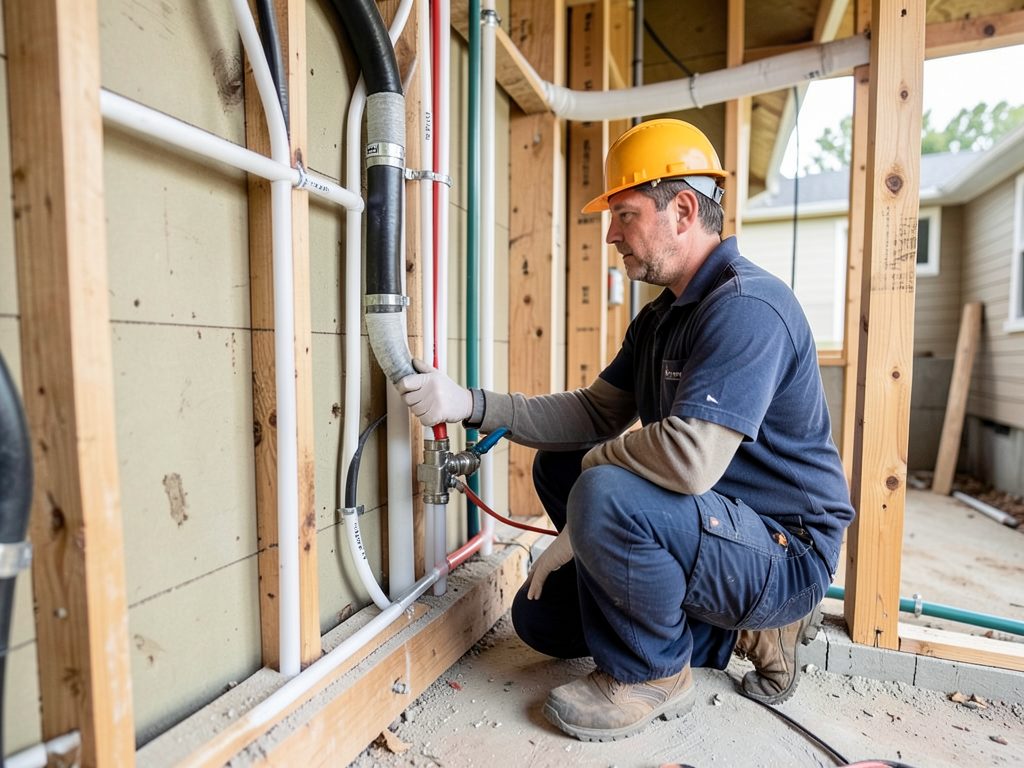
Building a backyard accessory dwelling unit in Detroit’s University District requires careful planning of the plumbing system from day one. The University District’s mix of historic homes and new infill development creates unique challenges for ADU plumbing installations. Understanding Detroit’s specific code requirements and infrastructure constraints will save you time and money during construction. Detroit BSEED Department.
The University District sits within Detroit’s combined sewer system where older clay pipes and aging infrastructure mean you must account for potential backups and drainage issues. Michigan’s frost line at 42 inches requires proper pipe burial depth to prevent freezing during harsh winters. Planning your ADU’s plumbing connections to the main house or separate utilities depends on your specific lot configuration and Detroit Water and Sewerage Department regulations. Michigan Plumbing Code.
Detroit ADU Zoning Requirements and Permit Process
Detroit’s zoning ordinance allows accessory dwelling units in the University District under specific conditions. Your ADU must comply with setback requirements from property lines and maintain proper access to the main dwelling. The Buildings, Safety Engineering, and Environmental Department (BSEED) handles all permits for ADU construction.. Read more about Plumbing Requirements for Luxury Body Jets and Rain Showerheads in West Bloomfield.
Before any plumbing work begins you need a building permit from BSEED. The permit process requires detailed site plans showing the ADU’s location, proposed plumbing connections, and utility hookups. Detroit requires separate permits for plumbing, electrical, and mechanical work even for small backyard units.. Read more about Preventive Plumbing Maintenance for Multi-Unit Buildings in New Center.
University District properties often have older service lines that may need replacement before adding new plumbing fixtures. Lead service line replacement programs through the Great Lakes Water Authority can affect your timeline and budget. Check your property’s service line material during the planning phase.. Read more about Why You Have Low Water Pressure Only in Your Garden Hose in Canton.
Sewer Connection Options for University District ADUs
University District ADUs typically connect to either the main house’s sewer line or establish a separate connection to the city sewer main. The choice affects your permit requirements and construction costs. Connecting to the main house’s sewer requires proper sizing to handle the additional fixture load.
Detroit’s combined sewer system in the University District means heavy rainfall can overwhelm drainage capacity. Installing a backwater valve protects your ADU from sewer backups during storms. The Michigan Plumbing Code requires proper venting for all plumbing fixtures to prevent trap siphoning and maintain drainage flow. The Best Drain Cleaning Services for Older Houses in Grosse Pointe.
Separate sewer connections require tapping into the city main, which involves permits from DWSD and coordination with utility locates. The University District’s aging infrastructure means utility locates must be precise to avoid damaging existing lines. Always call MISS DIG before excavation work begins.
Water Service Requirements and Metering Options
University District ADUs need reliable water service either through the main house or a separate meter. Detroit Water and Sewerage Department offers sub-metering options for accessory units, allowing separate billing for water usage. A separate meter provides clear usage tracking but requires additional installation costs. Finding a Reliable Emergency Plumber in Midtown Detroit When Your Pipes Burst.
Water pressure in the University District varies by location and time of day. Properties near main water lines typically have better pressure than those at the end of service runs. Installing a pressure-reducing valve protects your plumbing fixtures from pressure spikes that can cause leaks or damage.
The Michigan Residential Code requires specific pipe sizing based on fixture units. A typical ADU with one bathroom needs 3/4-inch water service lines minimum. The University District’s older homes may have undersized service lines that cannot support additional fixtures without upgrades. Why Your Corktown Home Needs a Professional Sewer Line Inspection Before You Buy.
Plumbing Fixture Selection and Water Efficiency
Selecting water-efficient fixtures reduces utility costs and helps your ADU meet Detroit’s building codes. EPA WaterSense certified toilets, faucets, and showerheads use 20% less water than standard fixtures. The University District’s combined sewer system benefits from reduced water usage during heavy rainfall events. Commercial Toilet & Urinal Repair.
Fixture placement affects plumbing efficiency and construction costs. Locating bathrooms, kitchens, and laundry facilities close together minimizes pipe runs and reduces heat loss in hot water lines. The University District’s older homes often have irregular lot shapes that require creative plumbing layouts.. Read more about Is Your Birmingham Kitchen Island Sink Venting Properly? (Common Island Plumbing Mistakes).
Consider installing a tankless water heater for your ADU to save space and provide endless hot water. Tankless units mount on walls and eliminate the need for a bulky storage tank. The University District’s cold winters mean proper insulation of hot water lines prevents heat loss and reduces energy costs. Getting a Tankless Water Heater Installed in Your Downtown Detroit Loft.
Winterization and Freeze Protection Strategies
Michigan winters pose serious risks to ADU plumbing systems. The University District experiences temperatures below freezing for extended periods, requiring proper pipe insulation and freeze protection. All exterior plumbing lines must be buried below the 42-inch frost line to prevent freezing and bursting.
Heat tape installation on vulnerable pipes provides additional freeze protection. Self-regulating heat tape automatically adjusts power usage based on pipe temperature. The University District’s older homes may have uninsulated crawl spaces or basements that require supplemental heating to protect plumbing during extreme cold.. Read more about The Best Way to Hide Ugly Exposed Pipes in Your Midtown Basement.
Drain all water from outdoor faucets and irrigation systems before winter arrives. Install frost-free hose bibs that extend the valve mechanism into heated spaces. The University District’s freeze-thaw cycles can cause pipes to expand and contract, creating weak points that lead to leaks.
Foundation and Underground Plumbing Considerations
ADUs in the University District require proper foundation design to support plumbing systems. Concrete slab foundations allow for under-slab plumbing installation but require careful planning before pouring. Crawl space foundations provide easier access to plumbing but need proper ventilation to prevent moisture issues.
Underground plumbing installation requires proper bedding material to prevent pipe damage from soil movement. The University District’s clay soil expands and contracts with moisture changes, creating stress on buried pipes. Use sand or gravel bedding around pipes to allow for movement without damage.
Install cleanouts at strategic locations to provide access for drain cleaning and inspection. The Michigan Plumbing Code requires cleanouts every 100 feet for horizontal drain lines and at direction changes. University District ADUs benefit from additional cleanouts due to the area’s aging infrastructure and potential for root intrusion.
Ventilation and Drainage System Design
Proper ventilation prevents trap siphoning and maintains drainage flow in your ADU’s plumbing system. The University District’s older homes often have inadequate venting that can affect new additions. Install vent pipes that extend through the roof to allow sewer gases to escape and maintain proper pressure in drain lines.
Drainage system design must account for fixture loads and pipe sizing requirements. The Michigan Plumbing Code uses drainage fixture units (DFU) to calculate pipe sizes. A typical ADU bathroom with toilet, sink, and shower requires 2-inch drain pipes minimum, while main stacks need 3-inch or 4-inch pipes.
Install floor drains in utility areas and laundry rooms to prevent water damage from appliance leaks. The University District’s frequent heavy rains can overwhelm exterior drainage, making interior floor drains valuable protection against flooding.
Gas Line Installation for ADU Appliances
Natural gas service in the University District requires coordination with DTE Energy for new connections. ADUs with gas appliances need properly sized gas lines to meet BTU requirements. The Michigan Gas Safety Code requires specific pipe sizing based on appliance demand and total gas load.
Gas line installation must follow strict safety protocols including pressure testing and leak detection. The University District’s older neighborhoods have mixed gas line materials, with some properties still using black iron pipe that requires special handling during new installations.
Consider propane alternatives if natural gas service is unavailable or cost-prohibitive. Propane tanks require proper siting away from buildings and utility lines. The University District’s lot sizes may limit propane tank placement options.
Cost Factors and Budget Planning
ADU plumbing costs in the University District vary based on connection type, fixture selection, and site conditions. Connecting to existing house plumbing typically costs less than installing separate utilities. The University District’s older infrastructure may require unexpected repairs that affect your budget.
DWSD tap-in fees for new water service connections range from $2,000 to $5,000 depending on pipe size and location. The University District’s combined sewer system may require additional fees for backwater prevention devices. Budget for permit fees, which typically range from $500 to $1,500 for ADU projects.
Factor in potential lead service line replacement costs if your property has older plumbing. The Great Lakes Water Authority offers assistance programs for lead line replacement, but eligibility requirements apply. University District properties built before 1950 often have lead service lines that require replacement.
Inspection and Final Approval Process
Detroit requires multiple inspections during ADU construction to ensure code compliance. Plumbing inspections occur at rough-in stage before walls close and final inspection after all fixtures install. The University District’s BSEED inspectors check for proper pipe sizing, venting, and fixture installation.
Final approval requires passing all inspections and obtaining a certificate of occupancy. The University District’s older homes may face additional scrutiny due to the area’s historic character. Document all plumbing work and keep inspection records for future reference.
Post-construction testing includes pressure testing water lines and verifying proper drainage flow. The Michigan Plumbing Code requires testing at specific pressures to identify potential leaks before walls close. University District ADUs benefit from thorough testing due to the area’s infrastructure challenges.
Maintenance and Troubleshooting Tips
ADU plumbing systems require regular maintenance to prevent costly repairs. The University District’s aging infrastructure means you should inspect pipes annually for signs of corrosion or leaks. Check under sinks and around fixtures monthly for moisture that indicates developing problems.
Know the location of your main water shutoff valve and individual fixture shutoffs. Quick response to leaks prevents water damage to your ADU and main house. The University District’s freeze-thaw cycles can cause fittings to loosen over time, requiring periodic tightening.
Install water leak detection devices that alert you to problems before major damage occurs. Smart water monitors can detect unusual usage patterns and automatically shut off water if leaks develop. The University District’s older homes benefit from modern leak detection technology.
Frequently Asked Questions
How much does it cost to plumb an ADU in Detroit?
ADU plumbing costs in Detroit range from $8,000 to $20,000 depending on connection type, fixture selection, and site conditions. University District properties with older infrastructure may require additional work that increases costs.
Do I need a separate water meter for my backyard ADU?
A separate water meter is not required but provides benefits like individual billing and clear usage tracking. DWSD offers sub-metering options for accessory units in the University District.
How deep should ADU water lines be buried in Detroit?
Water lines must be buried below the 42-inch frost line to prevent freezing. The University District’s cold winters require proper insulation and burial depth for all underground plumbing.
Can I connect my ADU to my house’s existing plumbing?
Yes, connecting to existing house plumbing is common and often more cost-effective. The University District’s older homes may require upgrades to handle the additional fixture load.
What permits do I need for ADU plumbing in Detroit?
You need a building permit from BSEED and separate plumbing permits for all work. The University District requires detailed site plans showing plumbing connections before issuing permits.
How long does ADU plumbing installation take?
Plumbing installation typically takes 2-4 weeks depending on project complexity and inspection schedules. University District projects may face delays due to older infrastructure discoveries.
Do ADUs need separate sewer connections?
Separate sewer connections are not always required. Many University District ADUs connect to the main house’s sewer line, but separate connections may be necessary based on local regulations and site conditions.
{
“@context”: “https://schema.org”,
“@type”: “BlogPosting”,
“headline”: “Planning the Plumbing for a Backyard Accessory Dwelling Unit in the University District”,
“description”: “Planning ADU plumbing in Detroit’s University District? Learn Michigan code requirements, DWSD tap-in fees, and frost line considerations for your backyard unit.”,
“wordCount”: 1934,
“datePublished”: “2026-05-22T10:59:00.000Z”,
“dateModified”: “2026-05-22T10:59:00.000Z”,
“inLanguage”: “en-US”,
“mainEntityOfPage”: {
“@type”: “WebPage”,
“@id”: “https://ironwoodplumbingdetroit.com”
},
“publisher”: {
“@type”: “LocalBusiness”,
“name”: “Ironwood Plumbing Detroit”,
“url”: “https://ironwoodplumbingdetroit.com”
},
“author”: {
“@type”: “Organization”,
“name”: “Ironwood Plumbing Detroit”,
“url”: “https://ironwoodplumbingdetroit.com”
},
“image”: {
“@type”: “ImageObject”,
“url”: “https://ironwoodplumbingdetroit.com/wp-content/uploads/2026/03/planning-the-plumbing-for-a-backyard-accessory-dwe-1.png”
}
}
{
“@context”: “https://schema.org”,
“@type”: “Plumber”,
“name”: “Ironwood Plumbing Detroit”,
“url”: “https://ironwoodplumbingdetroit.com”,
“address”: {
“@type”: “PostalAddress”,
“addressLocality”: “Detroit”
},
“areaServed”: {
“@type”: “City”,
“name”: “Detroit”
}
}
{
“@context”: “https://schema.org”,
“@type”: “FAQPage”,
“mainEntity”: [
{
“@type”: “Question”,
“name”: “How much does it cost to plumb an ADU in Detroit?”,
“acceptedAnswer”: {
“@type”: “Answer”,
“text”: “ADU plumbing costs in Detroit range from $8,000 to $20,000 depending on connection type, fixture selection, and site conditions. University District properties with older infrastructure may require additional work that increases costs.”
}
},
{
“@type”: “Question”,
“name”: “Do I need a separate water meter for my backyard ADU?”,
“acceptedAnswer”: {
“@type”: “Answer”,
“text”: “A separate water meter is not required but provides benefits like individual billing and clear usage tracking. DWSD offers sub-metering options for accessory units in the University District.”
}
},
{
“@type”: “Question”,
“name”: “How deep should ADU water lines be buried in Detroit?”,
“acceptedAnswer”: {
“@type”: “Answer”,
“text”: “Water lines must be buried below the 42-inch frost line to prevent freezing. The University District’s cold winters require proper insulation and burial depth for all underground plumbing.”
}
},
{
“@type”: “Question”,
“name”: “Can I connect my ADU to my house’s existing plumbing?”,
“acceptedAnswer”: {
“@type”: “Answer”,
“text”: “Yes, connecting to existing house plumbing is common and often more cost-effective. The University District’s older homes may require upgrades to handle the additional fixture load.”
}
},
{
“@type”: “Question”,
“name”: “What permits do I need for ADU plumbing in Detroit?”,
“acceptedAnswer”: {
“@type”: “Answer”,
“text”: “You need a building permit from BSEED and separate plumbing permits for all work. The University District requires detailed site plans showing plumbing connections before issuing permits.”
}
},
{
“@type”: “Question”,
“name”: “How long does ADU plumbing installation take?”,
“acceptedAnswer”: {
“@type”: “Answer”,
“text”: “Plumbing installation typically takes 2-4 weeks depending on project complexity and inspection schedules. University District projects may face delays due to older infrastructure discoveries.”
}
},
{
“@type”: “Question”,
“name”: “Do ADUs need separate sewer connections?”,
“acceptedAnswer”: {
“@type”: “Answer”,
“text”: “Separate sewer connections are not always required. Many University District ADUs connect to the main house’s sewer line, but separate connections may be necessary based on local regulations and site conditions.”
}
}
]
}
{
“@context”: “https://schema.org”,
“@type”: “BreadcrumbList”,
“itemListElement”: [
{
“@type”: “ListItem”,
“position”: 1,
“name”: “Home”,
“item”: “https://ironwoodplumbingdetroit.com”
},
{
“@type”: “ListItem”,
“position”: 2,
“name”: “Blog”,
“item”: “https://ironwoodplumbingdetroit.com/blog”
},
{
“@type”: “ListItem”,
“position”: 3,
“name”: “Planning the Plumbing for a Backyard Accessory Dwelling Unit in the University District”
}
]
}
{
“@context”: “https://schema.org”,
“@type”: “Service”,
“serviceType”: “Plumbing”,
“provider”: {
“@type”: “LocalBusiness”,
“name”: “Ironwood Plumbing Detroit”,
“url”: “https://ironwoodplumbingdetroit.com”
},
“areaServed”: {
“@type”: “City”,
“name”: “Detroit”
},
“description”: “Planning ADU plumbing in Detroit’s University District? Learn Michigan code requirements, DWSD tap-in fees, and frost line considerations for your backyard unit.”
}