
Keeping Your Greektown Restaurant Open with Professional Grease Trap Cleaning and Maintenance
When your kitchen’s drainage system backs up during dinner rush, you lose money and customers. A clogged grease trap can shut down your Greektown restaurant faster than a health inspector’s citation. Professional grease trap cleaning keeps your business running and your kitchen compliant with Detroit’s strict FOG (Fats, Oils, and Grease) regulations. Detroit Water and Sewerage Department.
Detroit’s Greektown restaurants face unique challenges. The historic buildings have aging plumbing systems, and the Detroit Water and Sewerage Department (DWSD) enforces aggressive compliance standards. Regular professional maintenance prevents costly emergencies and protects your reputation. Plumbing Dearborn.
How Grease Traps Work in Your Kitchen
A grease trap captures FOG before it enters the city sewer system. The device uses gravity to separate fats, oils, and grease from wastewater. As hot kitchen water cools, FOG rises to the top while solids sink to the bottom. Clean water flows out through the middle.
Most Greektown restaurants use either indoor under-sink interceptors or outdoor gravity grease interceptors. The size depends on your kitchen’s flow rate and the Detroit building code requirements. Under-sink units typically handle 10-50 gallons per minute, while outdoor tanks manage 100+ gallons per minute.
Without proper cleaning, grease traps fail. The FOG layer thickens until it blocks the outlet pipe. Then wastewater backs up into your sinks, floor drains, and dishwashers. The smell alone drives customers away, and the health department issues violations that cost thousands in fines. The Best Drain Cleaning Services for Older Houses in Grosse Pointe.
Detroit’s FOG Compliance Requirements
The City of Detroit requires all food service establishments to install and maintain grease control devices. DWSD Regulation 74-4-5 mandates that grease traps be cleaned when they reach 25% capacity by volume. This prevents FOG from entering the municipal sewer system.
Detroit restaurants must keep detailed records of all grease trap maintenance. You need manifests showing the date, gallons pumped, and disposal facility used. DWSD inspectors check these records during routine visits. Missing documentation results in immediate citations.
The Michigan Department of Environment, Great Lakes, and Energy (EGLE) also regulates grease trap waste disposal. Licensed haulers must transport the waste to approved treatment facilities. Your restaurant cannot dispose of grease trap contents in dumpsters or storm drains. Michigan Department of Environment, Great Lakes, and Energy.
Our Professional Cleaning Process
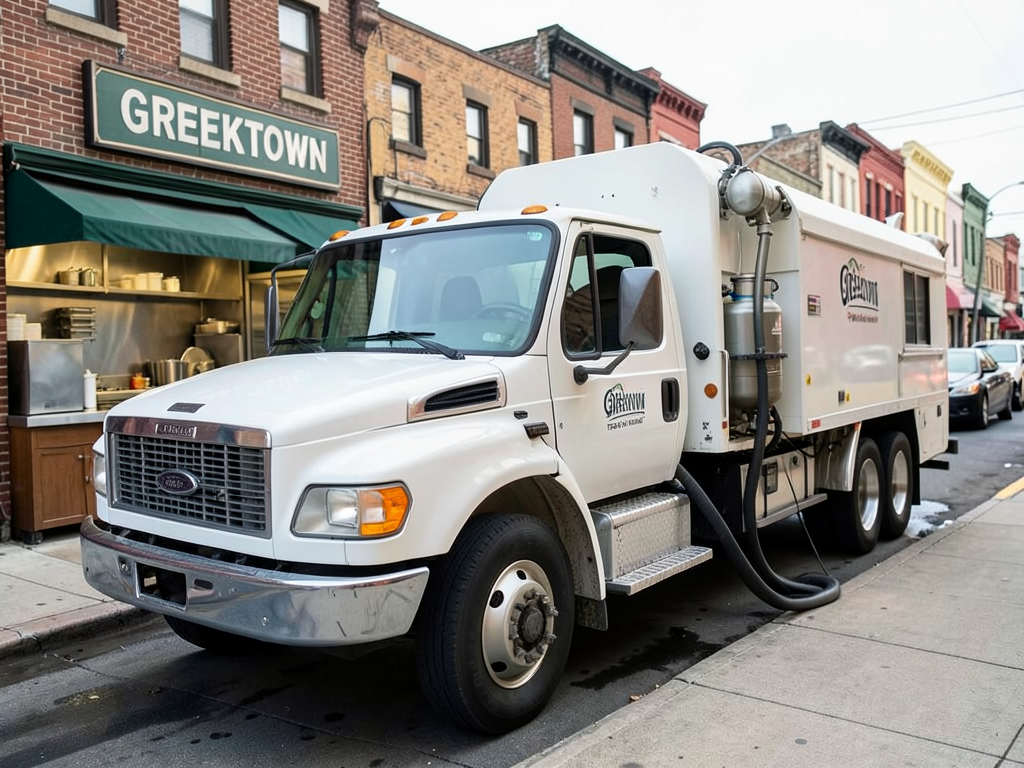
We follow a systematic approach that ensures complete cleaning and proper documentation. Our technicians arrive with commercial-grade vacuum trucks and specialized tools designed for restaurant environments. Commercial Toilet & Urinal Repair.
First, we inspect the trap’s condition and measure the FOG layer thickness. This determines if cleaning is needed or if a different issue exists. We check baffles, inlet and outlet pipes, and the overall structure for damage.
Then we pump out all contents, not just the floating grease. Many companies skim the surface and leave solids behind. We remove everything to restore full capacity. Our vacuum system handles up to 3,000 gallons per load.
Once empty, we scrape the tank walls and remove accumulated debris from baffles. This prevents future clogs and extends the time between cleanings. We also check for cracks, corrosion, or structural issues that could cause failures.
Finally, we test the system by running water through it. We verify that all components function properly before leaving your site. You receive a detailed report with measurements, photos, and disposal manifests for your records.
How Often Should You Clean Your Trap?
Cleaning frequency depends on your kitchen’s volume and menu. Restaurants serving fried foods need more frequent service than those with grilled items. Detroit’s Greektown restaurants typically fall into these categories:
- High-Volume Kitchens
Restaurants serving 200+ meals daily need cleaning every 30 days. This includes busy diners, cafeterias, and banquet facilities.
- Medium-Volume Operations
Kitchens serving 50-200 meals daily require cleaning every 60 days. Most full-service restaurants fit this category.
- Low-Volume Establishments
Places serving under 50 meals daily can go 90 days between cleanings. This includes cafes, bakeries, and small delis.
- Special Considerations
Restaurants with deep fryers, meat processing, or cheese melting need more frequent service regardless of volume.
We recommend starting with a 60-day schedule and adjusting based on measurements. Our technicians track FOG accumulation rates and optimize your cleaning frequency to save money while maintaining compliance.
Emergency Grease Trap Services
When your trap backs up during service, you need immediate help. We offer 24/7 emergency response throughout Detroit’s Greektown area. Our trucks are equipped to handle any size emergency, from small under-sink units to large outdoor interceptors.
Signs you need emergency service include slow drains across multiple fixtures, foul odors from floor drains, and standing water in sink basins. These indicate the trap is full and wastewater has nowhere to go.
Emergency calls get priority scheduling. We typically arrive within 90 minutes of your call. Our technicians work quickly to restore drainage while minimizing disruption to your operations. We also provide temporary solutions if major repairs are needed.
Common emergency causes include heavy cooking days that overwhelm the system, baffle failures that allow FOG to escape, and pipe blockages from accumulated debris. We diagnose the root cause and recommend preventive measures.
Benefits of Professional Service
Professional grease trap cleaning offers advantages over DIY or discount services. Our licensed technicians understand Detroit’s specific requirements and can identify potential problems before they cause emergencies.
We use commercial-grade equipment that completely removes all waste. Our vacuum trucks have powerful pumps and large capacity tanks. This means faster service and fewer trips to disposal facilities.. Read more about Fast Commercial Toilet and Urinal Repair for Offices in the North End.
Documentation is critical for compliance. We provide manifests, photos, and detailed reports that satisfy DWSD inspectors. Our records help you track maintenance patterns and optimize cleaning schedules.
Environmental responsibility matters to us. We transport all waste to licensed treatment facilities that process it properly. The FOG becomes biodiesel fuel or is treated in anaerobic digesters, keeping it out of landfills.
Regular professional service extends your system’s life. We catch small problems like cracked baffles or corroded pipes before they become expensive repairs. This preventive approach saves money over time.
Cost Factors for Detroit Restaurants
Grease trap cleaning costs vary based on several factors. Trap size is the primary determinant – larger tanks require more time and disposal capacity. Indoor units often cost more due to limited access and cleanup requirements.
Frequency affects pricing too. Regular scheduled service typically costs less per visit than emergency calls. We offer maintenance contracts that lock in rates and guarantee priority service.
Additional services may be needed if problems exist. Baffle replacement, pipe cleaning, or minor repairs add to the base cost but prevent bigger issues later.
We provide transparent pricing with no hidden fees. You’ll know the exact cost before we begin work. Emergency services have premium rates, but we always explain charges upfront.
Consider the cost of not maintaining your system. A single health violation can cost $500-$2,000 in fines. Emergency backups during service can lose you thousands in revenue and damage your reputation.
Service Areas in Detroit
We serve all of Detroit’s restaurant districts with special focus on Greektown and surrounding areas. Our service area includes:
- Greektown (48226) – Historic district with many established restaurants
- Corktown (48226) – Growing restaurant scene near Michigan Central Station
- Midtown (48201, 48202) – Cultural district with diverse dining options
- Downtown Detroit (48226, 48226) – High-rise restaurants and hotels
- Eastern Market (48207) – Weekend food markets and restaurants
- Wayne State area (48202) – Student-focused dining and cafes
We understand the unique plumbing challenges in each area. Greektown’s older buildings often have combined sewer systems that make FOG management more critical. Corktown’s new developments have modern requirements but still need regular maintenance. Why Your Corktown Home Needs a Professional Sewer Line Inspection Before You Buy.
Our Detroit location allows us to respond quickly to any area. We maintain trucks throughout the city for fast emergency response.
Environmental Impact and Recycling
Proper grease trap maintenance benefits the environment beyond preventing sewer overflows. The waste we collect becomes valuable resources through proper processing.
Yellow grease from vegetable oils can be converted to biodiesel fuel. This renewable energy source reduces dependence on petroleum and lowers carbon emissions. One gallon of yellow grease produces about one gallon of biodiesel.
Brown grease from animal fats requires more processing but can also become fuel or be used in anaerobic digesters to produce methane gas. This captures energy that would otherwise be wasted.
The water separated from the waste goes through treatment processes that remove remaining contaminants. Clean water returns to the environment while solids become compost or landfill cover.
We partner with licensed recycling facilities that follow all Michigan environmental regulations. Our manifests track the waste from your restaurant to final processing, ensuring proper handling throughout the chain.
Frequently Asked Questions
How do I know if my grease trap needs cleaning?
Slow drains, foul odors, and water backing up in sinks indicate a full trap. Regular measurements show when you reach 25% capacity by volume.
What happens if I don’t clean my grease trap?
FOG enters the sewer system, causing blockages that can back up into your building or affect the city’s infrastructure. You’ll face fines, health violations, and potential lawsuits.
Can I clean the grease trap myself?
DIY cleaning is illegal in Detroit. You must use licensed professionals who can properly dispose of the waste and provide required documentation.
How long does professional cleaning take?
Most residential traps take 30-60 minutes. Large commercial units may require 2-4 hours depending on size and condition.
What documentation do I need to keep?
Keep manifests for at least three years showing cleaning dates, gallons pumped, and disposal facility information. DWSD inspectors will request these records.
Choosing the Right Service Provider
Not all grease trap services are equal. Look for companies with proper licensing, insurance, and experience with Detroit’s specific requirements.
Verify that the company is licensed by the State of Michigan and has insurance coverage for environmental liability. Ask about their disposal facilities and request references from other Detroit restaurants.
Professional companies provide detailed reports and maintain proper documentation. They should explain their process and answer your questions about compliance requirements.
Avoid companies that offer suspiciously low prices or refuse to provide manifests. These often cut corners on disposal or skip important cleaning steps.
We’ve served Detroit restaurants for over 15 years and understand the unique challenges Greektown businesses face. Our technicians are trained on the latest equipment and regulations.
Preventing Future Problems
Beyond regular cleaning, several practices prevent grease trap issues. Train your kitchen staff to scrape plates thoroughly before washing. Use sink strainers to catch food particles.
Never pour oil or grease down drains. Collect it in sealed containers for proper disposal or recycling. Many restaurants partner with cooking oil recycling services.
Install automatic grease removal devices on high-use sinks. These skim FOG continuously, reducing the load on your main trap.
Schedule regular plumbing inspections to check for pipe corrosion, leaks, or improper connections. Small problems caught early prevent expensive emergencies.
Keep detailed maintenance logs that track cleaning dates, problems encountered, and repairs made. This helps identify patterns and optimize your maintenance schedule.
Call (313) 572-4144 today to schedule your grease trap inspection. We’ll assess your system, explain Detroit’s requirements, and create a maintenance plan that keeps your Greektown restaurant running smoothly. Don’t wait for a backup to shut you down – professional maintenance is the best investment you can make in your business’s future.
Why Professional Service Matters
Your restaurant’s success depends on reliable kitchen operations. A properly maintained grease trap prevents the emergencies that can close your doors and damage your reputation. Finding a Reliable Emergency Plumber in Midtown Detroit When Your Pipes Burst.
Detroit’s restaurant scene is competitive. Health violations or sewage backups can cost you customers permanently. Professional maintenance protects your investment and ensures you stay compliant with all regulations.
We understand that running a restaurant is stressful enough without worrying about plumbing emergencies. Our reliable service gives you one less thing to think about, allowing you to focus on what you do best – serving great food to your customers.
Pick up the phone and call (313) 572-4144 before the next storm hits or your trap reaches critical capacity. We’re ready to help keep your Greektown restaurant open and profitable with professional grease trap cleaning and maintenance services.
{
“@context”: “https://schema.org”,
“@type”: “BlogPosting”,
“headline”: “Keeping Your Greektown Restaurant Open with Professional Grease Trap Cleaning and Maintenance”,
“description”: “Avoid fines and backups. Professional grease trap cleaning in Detroit keeps your Greektown restaurant compliant with DWSD regulations. Call (313) 572-4144 for 24/7 service.”,
“wordCount”: 2051,
“datePublished”: “2026-04-21T11:18:00.000Z”,
“dateModified”: “2026-04-21T11:18:00.000Z”,
“inLanguage”: “en-US”,
“mainEntityOfPage”: {
“@type”: “WebPage”,
“@id”: “https://ironwoodplumbingdetroit.com”
},
“publisher”: {
“@type”: “LocalBusiness”,
“name”: “Ironwood Plumbing Detroit”,
“url”: “https://ironwoodplumbingdetroit.com”
},
“author”: {
“@type”: “Organization”,
“name”: “Ironwood Plumbing Detroit”,
“url”: “https://ironwoodplumbingdetroit.com”
},
“image”: {
“@type”: “ImageObject”,
“url”: “https://ironwoodplumbingdetroit.com/wp-content/uploads/2026/03/keeping-your-greektown-restaurant-open-with-profes-1.png”
}
}
{
“@context”: “https://schema.org”,
“@type”: “Plumber”,
“name”: “Ironwood Plumbing Detroit”,
“url”: “https://ironwoodplumbingdetroit.com”,
“address”: {
“@type”: “PostalAddress”,
“addressLocality”: “Detroit”
},
“areaServed”: {
“@type”: “City”,
“name”: “Detroit”
}
}
{
“@context”: “https://schema.org”,
“@type”: “FAQPage”,
“mainEntity”: [
{
“@type”: “Question”,
“name”: “How Often Should You Clean Your Trap?”,
“acceptedAnswer”: {
“@type”: “Answer”,
“text”: “Cleaning frequency depends on your kitchen’s volume and menu. Restaurants serving fried foods need more frequent service than those with grilled items. Detroit’s Greektown restaurants typically fall into these categories:”
}
},
{
“@type”: “Question”,
“name”: “How do I know if my grease trap needs cleaning?”,
“acceptedAnswer”: {
“@type”: “Answer”,
“text”: “Slow drains, foul odors, and water backing up in sinks indicate a full trap. Regular measurements show when you reach 25% capacity by volume.”
}
},
{
“@type”: “Question”,
“name”: “What happens if I don’t clean my grease trap?”,
“acceptedAnswer”: {
“@type”: “Answer”,
“text”: “FOG enters the sewer system, causing blockages that can back up into your building or affect the city’s infrastructure. You’ll face fines, health violations, and potential lawsuits.”
}
},
{
“@type”: “Question”,
“name”: “Can I clean the grease trap myself?”,
“acceptedAnswer”: {
“@type”: “Answer”,
“text”: “DIY cleaning is illegal in Detroit. You must use licensed professionals who can properly dispose of the waste and provide required documentation.”
}
},
{
“@type”: “Question”,
“name”: “How long does professional cleaning take?”,
“acceptedAnswer”: {
“@type”: “Answer”,
“text”: “Most residential traps take 30-60 minutes. Large commercial units may require 2-4 hours depending on size and condition.”
}
},
{
“@type”: “Question”,
“name”: “What documentation do I need to keep?”,
“acceptedAnswer”: {
“@type”: “Answer”,
“text”: “Keep manifests for at least three years showing cleaning dates, gallons pumped, and disposal facility information. DWSD inspectors will request these records.”
}
}
]
}
{
“@context”: “https://schema.org”,
“@type”: “HowTo”,
“name”: “Grease Trap Cleaning Schedule”,
“step”: [
{
“@type”: “HowToStep”,
“position”: 1,
“name”: “High-Volume Kitchens”,
“text”: “Restaurants serving 200+ meals daily need cleaning every 30 days. This includes busy diners, cafeterias, and banquet facilities.”
},
{
“@type”: “HowToStep”,
“position”: 2,
“name”: “Medium-Volume Operations”,
“text”: “Kitchens serving 50-200 meals daily require cleaning every 60 days. Most full-service restaurants fit this category.”
},
{
“@type”: “HowToStep”,
“position”: 3,
“name”: “Low-Volume Establishments”,
“text”: “Places serving under 50 meals daily can go 90 days between cleanings. This includes cafes, bakeries, and small delis.”
},
{
“@type”: “HowToStep”,
“position”: 4,
“name”: “Special Considerations”,
“text”: “Restaurants with deep fryers, meat processing, or cheese melting need more frequent service regardless of volume.”
}
],
“image”: “https://ironwoodplumbingdetroit.com/wp-content/uploads/2026/03/keeping-your-greektown-restaurant-open-with-profes-1.png”
}
{
“@context”: “https://schema.org”,
“@type”: “BreadcrumbList”,
“itemListElement”: [
{
“@type”: “ListItem”,
“position”: 1,
“name”: “Home”,
“item”: “https://ironwoodplumbingdetroit.com”
},
{
“@type”: “ListItem”,
“position”: 2,
“name”: “Blog”,
“item”: “https://ironwoodplumbingdetroit.com/blog”
},
{
“@type”: “ListItem”,
“position”: 3,
“name”: “Keeping Your Greektown Restaurant Open with Professional Grease Trap Cleaning and Maintenance”
}
]
}
{
“@context”: “https://schema.org”,
“@type”: “Service”,
“serviceType”: “Plumbing”,
“provider”: {
“@type”: “LocalBusiness”,
“name”: “Ironwood Plumbing Detroit”,
“url”: “https://ironwoodplumbingdetroit.com”
},
“areaServed”: {
“@type”: “City”,
“name”: “Detroit”
},
“description”: “Avoid fines and backups. Professional grease trap cleaning in Detroit keeps your Greektown restaurant compliant with DWSD regulations. Call (313) 572-4144 for 24/7 service.”
}