
Professional Gas Line Installation for Outdoor Kitchens in Rochester Hills, MI
Running a new gas line for your outdoor kitchen in Rochester Hills requires careful planning and expert installation. The rolling hills and mature neighborhoods of Oakland County create unique challenges for underground utility work that demand professional expertise.
Natural gas provides consistent heat for your built-in grill, pizza oven, and fire pit without the hassle of propane tanks. But extending your home’s gas supply to an outdoor cooking space involves more than just running a pipe from point A to point B. Michigan’s frost line, local building codes, and safety requirements all factor into a successful installation. Michigan Residential Code.
The Michigan Residential Code requires gas lines buried at least 12 inches deep in most areas, with specific requirements for protection against corrosion and mechanical damage. Rochester Hills building inspectors verify compliance with these standards before approving any outdoor gas installation.
Safe and Reliable Gas Line Solutions
Natural gas offers several advantages over propane for outdoor kitchens. You never run out of fuel mid-meal, and you avoid the storage and safety concerns of propane tanks. The consistent BTU output means your grill heats evenly every time.
Professional installation ensures your outdoor kitchen operates safely for years to come. Licensed plumbers calculate the total BTU load of all appliances to verify your existing gas meter can handle the additional demand. A typical built-in grill requires 30,000-40,000 BTUs, while a pizza oven might need 50,000-60,000 BTUs. The Most Trusted Plumbers for Historical Home Pipe Restoration in Indian Village.
Underground gas lines must withstand Michigan’s freeze-thaw cycles. The clay soil common in Rochester Hills expands and contracts with moisture changes, creating pressure on buried pipes. Professional installation includes proper bedding material and protection to prevent damage from soil movement.
Our Rochester Hills Installation Process
The installation begins with a site assessment to locate existing utilities and determine the best route for the new gas line. Michigan law requires calling MISS DIG before any digging begins. This free service marks underground utilities to prevent accidental damage. MISS DIG utility locating service.
BTU calculations determine pipe sizing for your specific appliance load. Undersized pipes cause poor appliance performance, while oversized pipes waste materials and increase costs unnecessarily. The Michigan Plumbing Code provides specific sizing tables based on total BTU demand and pipe length. Plumbing Dearborn.
Trenching typically reaches 12-18 inches deep, depending on local frost depth requirements. The trench bottom needs a sand bed to protect the pipe from rocks and provide stable support. After laying the pipe, we cover it with sand before backfilling. Why Your Corktown Home Needs a Professional Sewer Line Inspection Before You Buy.
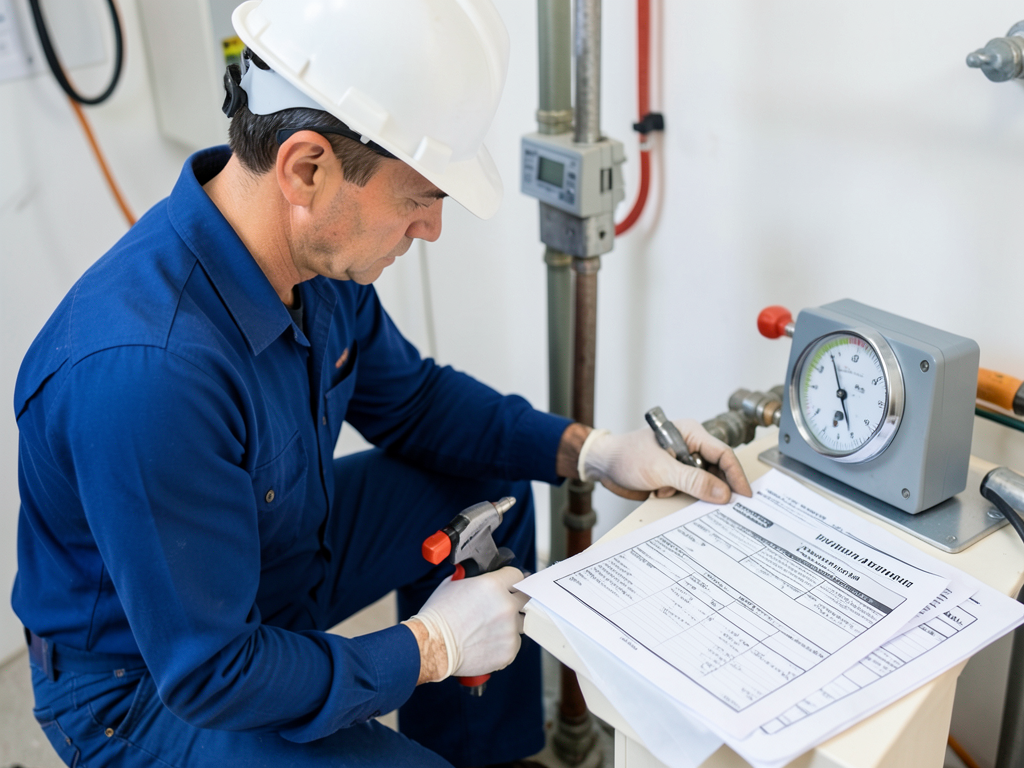
Pressure testing verifies the system is leak-free before final inspection. We pressurize the line with air to 1.5 times the working pressure and monitor it for 15 minutes. Any pressure drop indicates a leak that must be repaired.
Permitting and Codes in Rochester Hills
Rochester Hills requires a mechanical permit for all new gas line installations. The permit process includes submitting detailed plans showing pipe routing, appliance locations, and shut-off valve placement. Building department staff review plans to ensure compliance with Michigan Residential Code requirements.
Oakland County follows Michigan’s statewide building codes, but local amendments may apply. The Rochester Hills Building Department maintains specific requirements for outdoor structures and utility connections. They verify that gas lines maintain proper clearances from foundations, decks, and other structures.
Final inspection confirms proper installation before you can use your outdoor kitchen. The inspector checks pipe sizing, support methods, shut-off valve accessibility, and pressure test documentation. Only after passing inspection can the gas company activate your new line.
Types of Outdoor Gas Appliances We Service
Built-in BBQ grills form the centerpiece of most outdoor kitchens. These units integrate seamlessly with countertops and provide professional-grade cooking performance. Gas grills heat faster and maintain more consistent temperatures than charcoal alternatives.
Outdoor pizza ovens create restaurant-quality pies in your backyard. These appliances typically require 50,000-60,000 BTUs and reach temperatures of 700-900 degrees Fahrenheit. The even heat distribution of gas makes pizza cooking more predictable than wood-fired alternatives.
Fire pits and patio heaters extend your outdoor living season. Gas fire pits provide instant ambiance without the smoke and ash of wood fires. Patio heaters allow comfortable outdoor dining even when temperatures drop in the evening.
Side burners, warming drawers, and outdoor refrigerators round out the complete outdoor kitchen experience. Each appliance adds to your total BTU load, requiring careful system design to ensure adequate gas supply.
Why Choose a Licensed Master Plumber?
Gas line work carries serious safety risks if done incorrectly. Natural gas leaks can cause explosions, fires, and carbon monoxide poisoning. Licensed plumbers understand proper pipe joining techniques, pressure testing procedures, and code requirements that protect your family.
Professional installation includes proper pipe material selection. Corrugated stainless steel tubing (CSST) offers flexibility for tight spaces, while black iron pipe provides durability for exposed applications. Each material has specific code requirements for underground use.
Shut-off valves provide emergency gas shutoff capability. Michigan code requires accessible shut-off valves at each appliance and a main shut-off for the entire outdoor kitchen. Professional plumbers ensure these valves meet code requirements and are properly labeled.
Insurance coverage protects you from liability. If a DIY gas installation causes damage or injury, your homeowner’s insurance may deny the claim. Licensed plumbers carry liability insurance that covers installation-related issues.
Frequently Asked Questions
How much does it cost to run a new gas line to an outdoor kitchen?
Costs vary based on distance from the existing gas meter, trenching requirements, and pipe sizing needs. A typical installation might range from $800 to $3,000, with complex projects exceeding this range. Factors like rocky soil, long runs, or multiple appliances increase costs.
How long does installation take?
Most installations complete in one to two days. Trenching and pipe installation typically finish in a single day, with pressure testing and inspection scheduling requiring additional time. Weather delays can extend timelines during Michigan’s rainy seasons.
Can I extend my existing gas line instead of running a new one?
Extending existing lines is possible if the current system has adequate capacity and the pipe sizing remains appropriate for the increased load. A licensed plumber must verify that extensions meet code requirements and don’t create unsafe conditions.
What happens if I don’t get a permit?
Unpermitted work violates Michigan law and can result in fines, required removal of work, and complications when selling your home. Insurance companies may deny claims related to unpermitted installations. Building inspectors can require costly corrections even years after installation.
How do I know if my gas meter can handle the additional load?
A licensed plumber calculates your total gas demand by adding the BTU ratings of all existing and planned appliances. If your current meter lacks capacity, you may need a meter upgrade from your gas utility, which involves additional permitting and coordination.
What maintenance does an outdoor gas line need?
Outdoor gas lines require minimal maintenance but benefit from annual visual inspections. Check for signs of corrosion, damage from landscaping equipment, or changes in soil conditions around the line. Professional leak testing every few years provides additional peace of mind.
Should I convert my propane outdoor kitchen to natural gas?
Conversion offers convenience and cost savings over time. Natural gas costs less per BTU than propane and eliminates tank refilling. However, conversion requires proper burner orifice changes and pressure regulator adjustments. Professional conversion ensures safe operation.
What should I do if I smell gas near my outdoor kitchen?
Immediately evacuate the area and call your gas utility’s emergency line from a safe location. Do not operate electrical switches, light matches, or use phones near the suspected leak. Gas companies provide 24/7 emergency response for gas leak situations.
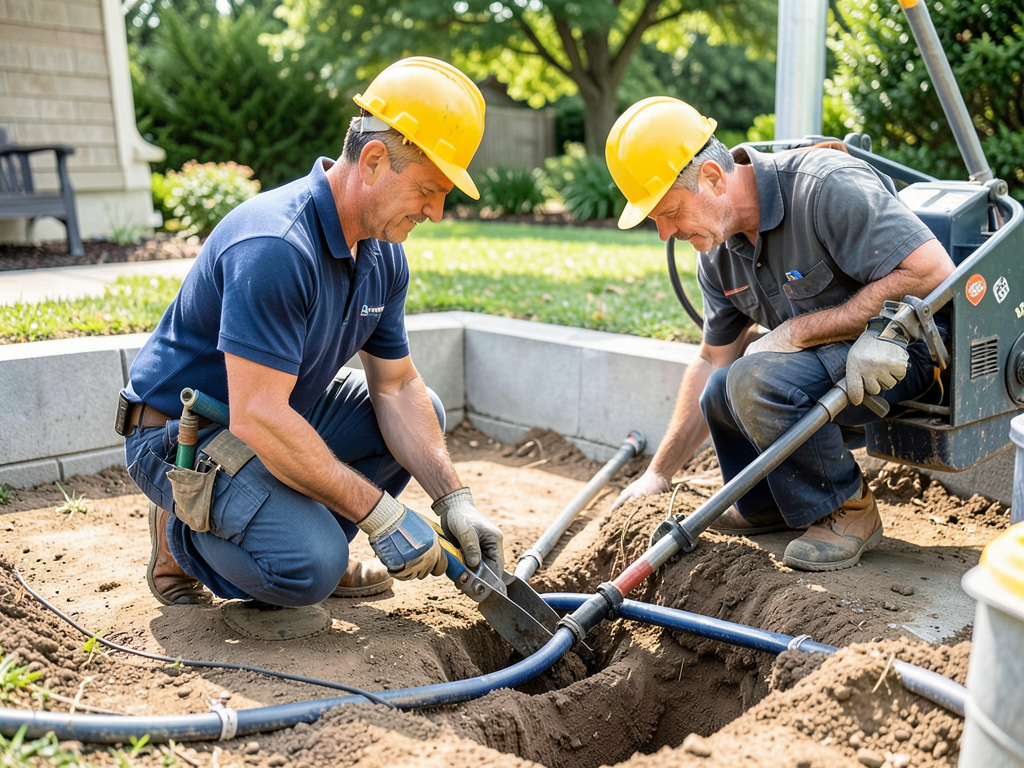
Diagram showing proper trench depth, sand bedding, and backfill procedures for underground gas lines in Michigan clay soil
Close-up of CSST gas line connections with proper bonding and anti-corrosion protection for outdoor use
Licensed plumber pressure testing a new gas line installation with digital gauge and documentation forms
Ready to Start Your Outdoor Kitchen Project?
Installing a gas line for your outdoor kitchen requires expertise, proper permitting, and attention to safety details that only a licensed professional can provide. The rolling terrain and clay soil of Rochester Hills create specific challenges that experienced plumbers understand and can navigate successfully.
Don’t risk your family’s safety or face costly corrections by attempting DIY gas work. Professional installation ensures your outdoor kitchen operates safely and efficiently for years to come. From initial design through final inspection, we handle every aspect of your gas line project.
Call (313) 572-4144 today to schedule your outdoor kitchen gas line consultation. Our licensed plumbers will assess your property, calculate your gas requirements, and provide a detailed proposal for safe, code-compliant installation. Don’t wait until grilling season arrives to discover your outdoor kitchen isn’t ready for natural gas.
Pick up the phone and call (313) 572-4144 before the next storm hits. We’ll ensure your outdoor kitchen installation meets all Rochester Hills building codes and safety standards, giving you peace of mind while you enjoy your new cooking space.
{
“@context”: “https://schema.org”,
“@type”: “BlogPosting”,
“headline”: “Is It Safe to Run a New Gas Line for Your Rochester Hills Outdoor Kitchen?”,
“description”: “Professional gas line installation for outdoor kitchens in Rochester Hills, MI. Learn safety requirements, permits, and why licensed plumbers are essential for your project.”,
“wordCount”: 1530,
“datePublished”: “2026-03-25T15:47:00.000Z”,
“dateModified”: “2026-03-25T15:47:00.000Z”,
“inLanguage”: “en-US”,
“mainEntityOfPage”: {
“@type”: “WebPage”,
“@id”: “https://ironwoodplumbingdetroit.com”
},
“publisher”: {
“@type”: “LocalBusiness”,
“name”: “Ironwood Plumbing Detroit”,
“url”: “https://ironwoodplumbingdetroit.com”
},
“author”: {
“@type”: “Organization”,
“name”: “Ironwood Plumbing Detroit”,
“url”: “https://ironwoodplumbingdetroit.com”
},
“image”: {
“@type”: “ImageObject”,
“url”: “https://ironwoodplumbingdetroit.com/wp-content/uploads/2026/03/is-it-safe-to-run-a-new-gas-line-for-your-rocheste-1.png”
}
}
{
“@context”: “https://schema.org”,
“@type”: “Plumber”,
“name”: “Ironwood Plumbing Detroit”,
“url”: “https://ironwoodplumbingdetroit.com”,
“address”: {
“@type”: “PostalAddress”,
“addressLocality”: “Detroit”
},
“areaServed”: {
“@type”: “City”,
“name”: “Detroit”
}
}
{
“@context”: “https://schema.org”,
“@type”: “FAQPage”,
“mainEntity”: [
{
“@type”: “Question”,
“name”: “Why Choose a Licensed Master Plumber?”,
“acceptedAnswer”: {
“@type”: “Answer”,
“text”: “Gas line work carries serious safety risks if done incorrectly. Natural gas leaks can cause explosions, fires, and carbon monoxide poisoning. Licensed plumbers understand proper pipe joining techniques, pressure testing procedures, and code requirements that protect your family.”
}
},
{
“@type”: “Question”,
“name”: “How much does it cost to run a new gas line to an outdoor kitchen?”,
“acceptedAnswer”: {
“@type”: “Answer”,
“text”: “Costs vary based on distance from the existing gas meter, trenching requirements, and pipe sizing needs. A typical installation might range from $800 to $3,000, with complex projects exceeding this range. Factors like rocky soil, long runs, or multiple appliances increase costs.”
}
},
{
“@type”: “Question”,
“name”: “How long does installation take?”,
“acceptedAnswer”: {
“@type”: “Answer”,
“text”: “Most installations complete in one to two days. Trenching and pipe installation typically finish in a single day, with pressure testing and inspection scheduling requiring additional time. Weather delays can extend timelines during Michigan’s rainy seasons.”
}
},
{
“@type”: “Question”,
“name”: “Can I extend my existing gas line instead of running a new one?”,
“acceptedAnswer”: {
“@type”: “Answer”,
“text”: “Extending existing lines is possible if the current system has adequate capacity and the pipe sizing remains appropriate for the increased load. A licensed plumber must verify that extensions meet code requirements and don’t create unsafe conditions.”
}
},
{
“@type”: “Question”,
“name”: “What happens if I don’t get a permit?”,
“acceptedAnswer”: {
“@type”: “Answer”,
“text”: “Unpermitted work violates Michigan law and can result in fines, required removal of work, and complications when selling your home. Insurance companies may deny claims related to unpermitted installations. Building inspectors can require costly corrections even years after installation.”
}
},
{
“@type”: “Question”,
“name”: “How do I know if my gas meter can handle the additional load?”,
“acceptedAnswer”: {
“@type”: “Answer”,
“text”: “A licensed plumber calculates your total gas demand by adding the BTU ratings of all existing and planned appliances. If your current meter lacks capacity, you may need a meter upgrade from your gas utility, which involves additional permitting and coordination.”
}
},
{
“@type”: “Question”,
“name”: “What maintenance does an outdoor gas line need?”,
“acceptedAnswer”: {
“@type”: “Answer”,
“text”: “Outdoor gas lines require minimal maintenance but benefit from annual visual inspections. Check for signs of corrosion, damage from landscaping equipment, or changes in soil conditions around the line. Professional leak testing every few years provides additional peace of mind.”
}
},
{
“@type”: “Question”,
“name”: “Should I convert my propane outdoor kitchen to natural gas?”,
“acceptedAnswer”: {
“@type”: “Answer”,
“text”: “Conversion offers convenience and cost savings over time. Natural gas costs less per BTU than propane and eliminates tank refilling. However, conversion requires proper burner orifice changes and pressure regulator adjustments. Professional conversion ensures safe operation.”
}
},
{
“@type”: “Question”,
“name”: “What should I do if I smell gas near my outdoor kitchen?”,
“acceptedAnswer”: {
“@type”: “Answer”,
“text”: “Immediately evacuate the area and call your gas utility’s emergency line from a safe location. Do not operate electrical switches, light matches, or use phones near the suspected leak. Gas companies provide 24/7 emergency response for gas leak situations.”
}
},
{
“@type”: “Question”,
“name”: “Ready to Start Your Outdoor Kitchen Project?”,
“acceptedAnswer”: {
“@type”: “Answer”,
“text”: “Installing a gas line for your outdoor kitchen requires expertise, proper permitting, and attention to safety details that only a licensed professional can provide. The rolling terrain and clay soil of Rochester Hills create specific challenges that experienced plumbers understand and can navigate successfully.”
}
}
]
}
{
“@context”: “https://schema.org”,
“@type”: “BreadcrumbList”,
“itemListElement”: [
{
“@type”: “ListItem”,
“position”: 1,
“name”: “Home”,
“item”: “https://ironwoodplumbingdetroit.com”
},
{
“@type”: “ListItem”,
“position”: 2,
“name”: “Blog”,
“item”: “https://ironwoodplumbingdetroit.com/blog”
},
{
“@type”: “ListItem”,
“position”: 3,
“name”: “Is It Safe to Run a New Gas Line for Your Rochester Hills Outdoor Kitchen?”
}
]
}
{
“@context”: “https://schema.org”,
“@type”: “Service”,
“serviceType”: “Plumbing”,
“provider”: {
“@type”: “LocalBusiness”,
“name”: “Ironwood Plumbing Detroit”,
“url”: “https://ironwoodplumbingdetroit.com”
},
“areaServed”: {
“@type”: “City”,
“name”: “Detroit”
},
“description”: “Professional gas line installation for outdoor kitchens in Rochester Hills, MI. Learn safety requirements, permits, and why licensed plumbers are essential for your project.”
}