How to Fix an Overflowing Sewage Ejector Pump in Your Madison Heights Basement
Does your basement smell like rotten eggs and sound like a washing machine with rocks inside? That’s the unmistakable sign of a failing sewage ejector pump. In Madison Heights, where many homes have finished basements with bathrooms below the main sewer line, this isn’t just a nuisance—it’s a health hazard waiting to flood your home with black water.
Within the first 100 words, here’s the bottom line: If your ejector pump alarm is sounding or sewage is backing up into your basement, shut off the pump immediately and call a licensed Michigan plumber. The Michigan Residential Plumbing Code (MRC) requires proper venting and check valves to prevent contamination—violations can lead to basement flooding and code violations. Quick action prevents structural damage, mold growth, and expensive repairs. Plumbing Dearborn.
Why Sewage Ejector Pumps Fail in Madison Heights Homes
Madison Heights sits on heavy clay soil that drains poorly. During spring thaw or heavy rains, the water table rises quickly. Many homes built between the 1960s and 1980s have aging ejector systems with cast iron or early plastic basins that corrode over time. The float switches stick, impellers clog with debris, and check valves fail—all common failure patterns in this area. The Best Drain Cleaning Services for Older Houses in Grosse Pointe.
The local infrastructure adds another layer of risk. Homes near the I-696 corridor often experience combined sewer surcharge during major storms. When the city sewer system backs up, ejector pumps without proper check valves can reverse flow, pushing sewage back into your basement.
Warning Signs Your Ejector Pump Needs Emergency Repair
Before your basement turns into a swamp, watch for these red flags:
- Foul Odors – A rotten egg or sulfur smell indicates hydrogen sulfide gas from decomposing waste. This means your pump isn’t moving sewage properly.
- Constant Running or Cycling – If the pump runs nonstop or cycles on and off rapidly, the float switch may be stuck or the basin may be too small for your household demand.
- Gurgling or Grinding Noises – Unusual sounds mean the impeller is hitting debris or the motor bearings are failing. This is the sound of mechanical wear that leads to complete failure.
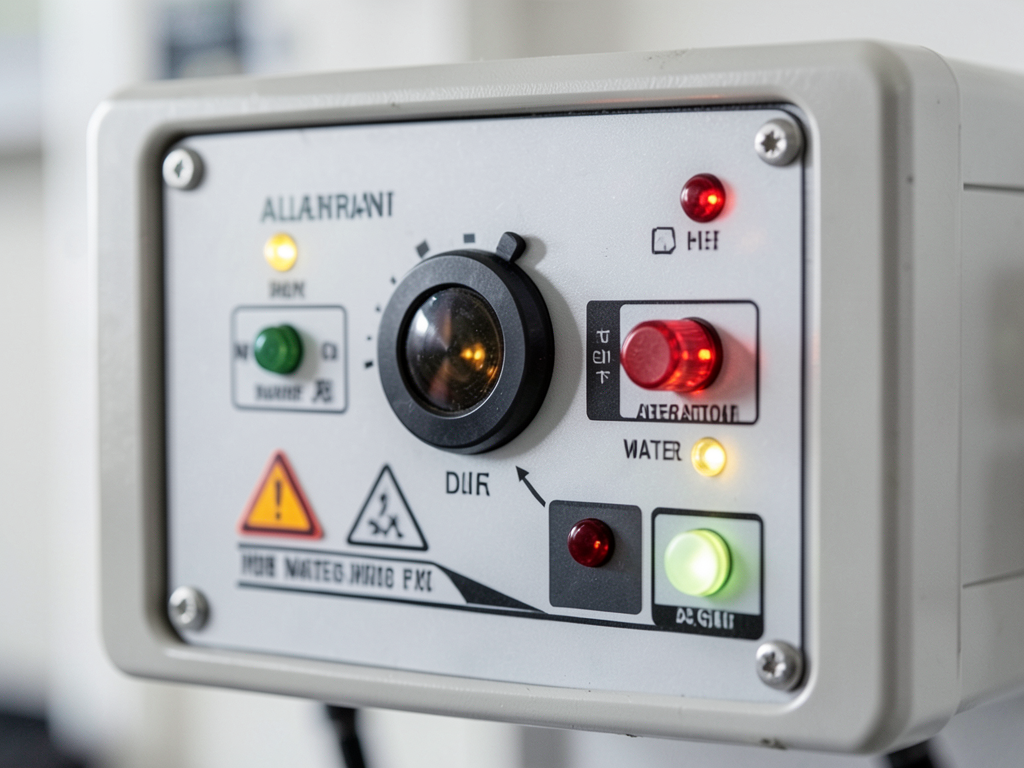
- Alarm Activation – Most modern systems have a high-water alarm. If it’s sounding, the water level in the basin is too high—either the pump isn’t working or the discharge line is blocked.
- Slow Drains in Basement Fixtures – Toilets, sinks, or floor drains backing up when you flush or run water upstairs indicate the ejector pump can’t keep up with demand.
If you notice any of these signs, don’t wait. The EPA classifies sewage as Category 3 water—highly contaminated and capable of causing serious illness. Exposure can lead to gastrointestinal illness, skin infections, and respiratory problems.
Immediate Steps When Your Ejector Pump Overflows
When sewage starts backing up, every minute counts. Here’s what to do immediately:
- Shut Off Power
Locate the circuit breaker for the ejector pump and turn it off. This prevents electrical hazards and stops the pump from burning out.
- Stop Using Plumbing
Don’t flush toilets, run sinks, or use washing machines. Any water you add will just contribute to the backup. Commercial Toilet & Urinal Repair.
- Protect Yourself
Wear rubber boots, gloves, and eye protection. Sewage contains harmful bacteria like E. coli and Salmonella.
- Contain the Area
Use towels, sandbags, or plastic sheeting to prevent sewage from spreading to other parts of your basement.
- Call for Emergency Service
Professional plumbers in Madison Heights respond 24/7 to sewage emergencies. Time is critical to prevent structural damage. The Most Trusted Plumbers for Historical Home Pipe Restoration in Indian Village.
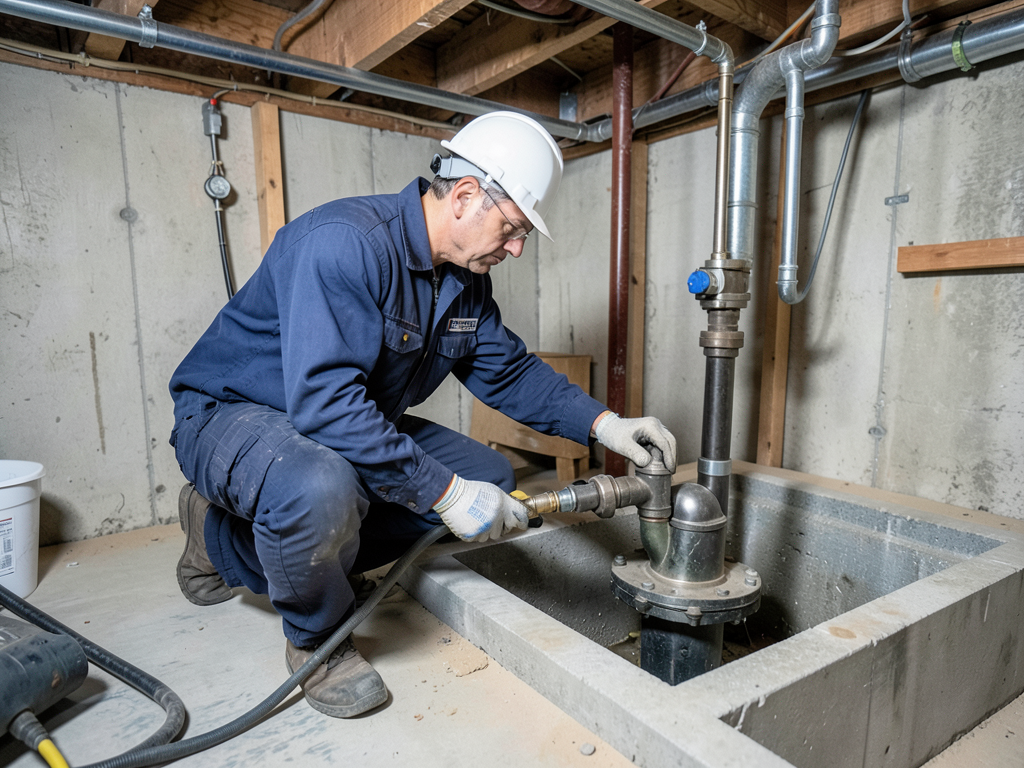
How We Diagnose and Repair Sewage Ejector Pump Failures
When our technicians arrive in Madison Heights, we follow a systematic diagnostic process that identifies the exact failure point. Here’s what we check:
Float Switch Testing – We use a multimeter to test continuity and ensure the float moves freely. Stuck floats cause constant running or complete shutdown.
Impeller Inspection – We remove the pump and check the impeller for clogs, damage, or wear. Hair, wipes, and feminine products are common culprits in Madison Heights homes.
Check Valve Examination – We inspect the check valve for proper sealing. A failed check valve allows sewage to flow back into the basin, causing the pump to cycle continuously.
Discharge Line Assessment – We check for blockages, frozen sections in winter, or improper slope that prevents proper drainage.
Basin Cleaning – We remove sludge buildup and debris that can cause odors and reduce pump efficiency.
Vent Pipe Inspection – We ensure the vent pipe is clear and properly connected to prevent pressure buildup and allow gases to escape safely.
Common Repair Solutions for Madison Heights Ejector Pumps
Based on our diagnostic findings, we recommend one of these repair approaches: Finding a Reliable Emergency Plumber in Midtown Detroit When Your Pipes Burst.
Float Switch Replacement – Costs typically range from $150-$300. This fixes pumps that run constantly or fail to activate.
Impeller Cleaning or Replacement – $200-$400 depending on damage. This resolves grinding noises and poor pumping performance.
Check Valve Replacement – $100-$250. This prevents backflow and reduces cycling.
Complete Pump Replacement – $800-$1,500 for standard residential units. We recommend this for pumps over 10 years old or with multiple failures.
Basin and Pump System Upgrade – $2,000-$4,000. This includes a larger basin, new pump, check valves, and proper venting—ideal for homes with growing families or frequent backups.
Prevention: Maintenance Schedule for Madison Heights Homes
Don’t wait for an emergency. Follow this maintenance schedule to prevent ejector pump failures:
- Monthly – Listen for unusual noises and check for odors. Ensure the alarm system is functional.
- Quarterly – Visually inspect the basin cover for cracks or improper sealing. Check that floor drains are clear.
- Annually – Professional inspection of float switches, impellers, and check valves. Cleaning of the basin and testing of alarm systems.
- Every 5-7 Years – Consider pump replacement even if it’s working. The cost of prevention is far less than emergency repairs.
Madison Heights homes near Red Oaks Nature Center or along 12 Mile Road often have older systems that benefit from proactive replacement before failure occurs.
Ejector Pump vs. Sump Pump: Understanding the Difference
Many Madison Heights homeowners confuse these two critical systems. Here’s how they differ:
| Feature | Sewage Ejector Pump | Sump Pump |
|---|---|---|
| Handles | Black water (sewage) | Clear water (groundwater) |
| Basin Contents | Waste, toilet paper, solids | Clean groundwater, no solids |
| Code Requirements | MRC Section 318 – requires venting and check valves | MRC Section 408 – focuses on discharge and alarms |
| Typical Location | Near basement bathroom or laundry | Lowest point in basement, often near exterior walls |
| Emergency Risk | Health hazard, contamination | Water damage, mold |
Both systems are crucial for Madison Heights basements, but ejector pumps require more specialized knowledge due to the health risks involved.
Why Madison Heights Residents Trust Our Emergency Service
When sewage backs up in your basement, you need more than just a plumber—you need a local expert who understands Madison Heights’ specific challenges. Here’s what sets us apart:
24/7 Emergency Response – We guarantee arrival within 60 minutes for sewage emergencies in Madison Heights and surrounding Oakland County areas.
Michigan Licensed and Insured – Our master plumbers hold current Michigan licenses and carry comprehensive liability insurance for your protection.
Local Knowledge – We understand the unique soil conditions, infrastructure challenges, and building codes specific to Madison Heights homes.
Transparent Pricing – No hidden fees or surprise charges. We provide upfront estimates before any work begins.
Warranty Protection – All repairs and installations come with a minimum one-year warranty on parts and labor.
Case Study: Recent Madison Heights Emergency
Last month, we responded to a call from a home near John Page Middle School. The homeowner reported sewage backing up into their basement bathroom during a heavy rainstorm. Our diagnosis revealed a failed check valve and a clogged impeller filled with baby wipes—despite the homeowner’s insistence they don’t flush wipes.
We replaced the check valve, cleaned the impeller, and installed a new alarm system. The total repair took under two hours, preventing what could have been thousands in water damage and mold remediation. The homeowner later told us they were grateful we arrived before the situation worsened.
Frequently Asked Questions
How much does it cost to repair an overflowing sewage ejector pump?
Repair costs vary based on the specific issue. Simple fixes like float switch replacement cost $150-$300, while complete pump replacement runs $800-$1,500. Emergency service calls during nights or weekends may include additional fees.
Can I prevent my ejector pump from failing?
Yes. Regular maintenance, proper waste disposal (no wipes, grease, or feminine products), and annual professional inspections significantly extend pump life. Homes in Madison Heights benefit from seasonal checks before heavy rain seasons.
How long do sewage ejector pumps typically last?
Quality ejector pumps last 7-10 years with proper maintenance. Systems in Madison Heights with heavy clay soil may experience shorter lifespans due to increased wear from frequent cycling during wet seasons.
Is sewage backup covered by homeowners insurance?
Standard policies often exclude sewage backup. You may need a separate rider or endorsement. We recommend checking your policy and considering coverage, especially if you have a finished basement.
What should I do if my ejector pump alarm goes off?
Don’t ignore it. The alarm indicates high water levels that could lead to overflow. Check for obvious issues like power outages, then call a professional immediately. Continuing to use plumbing fixtures will worsen the situation.
Call Now Before Your Basement Floods
Don’t wait until sewage is ankle-deep in your basement. Every hour of delay increases damage and health risks. Our Madison Heights emergency team is standing by 24/7 to respond to sewage ejector pump failures.
Pick up the phone and call (313) 572-4144 before the next storm hits. We’ll diagnose the problem, provide a clear repair plan, and get your basement back to normal fast. Your family’s health and your home’s safety depend on quick, professional action.
Remember: sewage backup isn’t just messy—it’s dangerous. The EPA warns that exposure to Category 3 water can cause serious illness. Don’t risk your family’s health with DIY fixes or waiting for the problem to resolve itself.
Call (313) 572-4144 today to schedule your inspection or emergency service. We’re your local Madison Heights experts for sewage ejector pump repair, maintenance, and replacement.
[IMAGE_PLACEHOLDER_3>
External Authority Links:
- EPA Guide to Septic and Sewage Systems – Information on sewage system safety and health risks
- CDC Backflow Prevention Guidelines – Preventing contamination in residential plumbing systems
{
“@context”: “https://schema.org”,
“@type”: “BlogPosting”,
“headline”: “How to Fix an Overflowing Sewage Ejector Pump in Your Madison Heights Basement”,
“description”: “Is your sewage ejector pump backing up in your Madison Heights basement? Learn the warning signs, emergency steps, and local repair solutions before the next overflow.”,
“wordCount”: 1769,
“datePublished”: “2026-04-22T07:55:00.000Z”,
“dateModified”: “2026-04-22T07:55:00.000Z”,
“inLanguage”: “en-US”,
“mainEntityOfPage”: {
“@type”: “WebPage”,
“@id”: “https://ironwoodplumbingdetroit.com”
},
“publisher”: {
“@type”: “LocalBusiness”,
“name”: “Ironwood Plumbing Detroit”,
“url”: “https://ironwoodplumbingdetroit.com”
},
“author”: {
“@type”: “Organization”,
“name”: “Ironwood Plumbing Detroit”,
“url”: “https://ironwoodplumbingdetroit.com”
},
“image”: {
“@type”: “ImageObject”,
“url”: “https://ironwoodplumbingdetroit.com/wp-content/uploads/2026/03/how-to-fix-an-overflowing-sewage-ejector-pump-in-y-1.png”
}
}
{
“@context”: “https://schema.org”,
“@type”: “Plumber”,
“name”: “Ironwood Plumbing Detroit”,
“url”: “https://ironwoodplumbingdetroit.com”,
“address”: {
“@type”: “PostalAddress”,
“addressLocality”: “Detroit”
},
“areaServed”: {
“@type”: “City”,
“name”: “Detroit”
}
}
{
“@context”: “https://schema.org”,
“@type”: “FAQPage”,
“mainEntity”: [
{
“@type”: “Question”,
“name”: “How much does it cost to repair an overflowing sewage ejector pump?”,
“acceptedAnswer”: {
“@type”: “Answer”,
“text”: “Repair costs vary based on the specific issue. Simple fixes like float switch replacement cost $150-$300, while complete pump replacement runs $800-$1,500. Emergency service calls during nights or weekends may include additional fees.”
}
},
{
“@type”: “Question”,
“name”: “Can I prevent my ejector pump from failing?”,
“acceptedAnswer”: {
“@type”: “Answer”,
“text”: “Yes. Regular maintenance, proper waste disposal (no wipes, grease, or feminine products), and annual professional inspections significantly extend pump life. Homes in Madison Heights benefit from seasonal checks before heavy rain seasons.”
}
},
{
“@type”: “Question”,
“name”: “How long do sewage ejector pumps typically last?”,
“acceptedAnswer”: {
“@type”: “Answer”,
“text”: “Quality ejector pumps last 7-10 years with proper maintenance. Systems in Madison Heights with heavy clay soil may experience shorter lifespans due to increased wear from frequent cycling during wet seasons.”
}
},
{
“@type”: “Question”,
“name”: “Is sewage backup covered by homeowners insurance?”,
“acceptedAnswer”: {
“@type”: “Answer”,
“text”: “Standard policies often exclude sewage backup. You may need a separate rider or endorsement. We recommend checking your policy and considering coverage, especially if you have a finished basement.”
}
},
{
“@type”: “Question”,
“name”: “What should I do if my ejector pump alarm goes off?”,
“acceptedAnswer”: {
“@type”: “Answer”,
“text”: “Don’t ignore it. The alarm indicates high water levels that could lead to overflow. Check for obvious issues like power outages, then call a professional immediately. Continuing to use plumbing fixtures will worsen the situation.”
}
}
]
}
{
“@context”: “https://schema.org”,
“@type”: “HowTo”,
“name”: “Emergency Sewage Backup Response”,
“step”: [
{
“@type”: “HowToStep”,
“position”: 1,
“name”: “Shut Off Power”,
“text”: “Locate the circuit breaker for the ejector pump and turn it off. This prevents electrical hazards and stops the pump from burning out.”
},
{
“@type”: “HowToStep”,
“position”: 2,
“name”: “Stop Using Plumbing”,
“text”: “Don’t flush toilets, run sinks, or use washing machines. Any water you add will just contribute to the backup. Commercial Toilet & Urinal Repair.”
},
{
“@type”: “HowToStep”,
“position”: 3,
“name”: “Protect Yourself”,
“text”: “Wear rubber boots, gloves, and eye protection. Sewage contains harmful bacteria like E. coli and Salmonella.”
},
{
“@type”: “HowToStep”,
“position”: 4,
“name”: “Contain the Area”,
“text”: “Use towels, sandbags, or plastic sheeting to prevent sewage from spreading to other parts of your basement.”
},
{
“@type”: “HowToStep”,
“position”: 5,
“name”: “Call for Emergency Service”,
“text”: “Professional plumbers in Madison Heights respond 24/7 to sewage emergencies. Time is critical to prevent structural damage. The Most Trusted Plumbers for Historical Home Pipe Restoration in Indian Village.”
}
],
“image”: “https://ironwoodplumbingdetroit.com/wp-content/uploads/2026/03/how-to-fix-an-overflowing-sewage-ejector-pump-in-y-1.png”
}
{
“@context”: “https://schema.org”,
“@type”: “BreadcrumbList”,
“itemListElement”: [
{
“@type”: “ListItem”,
“position”: 1,
“name”: “Home”,
“item”: “https://ironwoodplumbingdetroit.com”
},
{
“@type”: “ListItem”,
“position”: 2,
“name”: “Blog”,
“item”: “https://ironwoodplumbingdetroit.com/blog”
},
{
“@type”: “ListItem”,
“position”: 3,
“name”: “How to Fix an Overflowing Sewage Ejector Pump in Your Madison Heights Basement”
}
]
}
{
“@context”: “https://schema.org”,
“@type”: “Service”,
“serviceType”: “Plumbing”,
“provider”: {
“@type”: “LocalBusiness”,
“name”: “Ironwood Plumbing Detroit”,
“url”: “https://ironwoodplumbingdetroit.com”
},
“areaServed”: {
“@type”: “City”,
“name”: “Detroit”
},
“description”: “Is your sewage ejector pump backing up in your Madison Heights basement? Learn the warning signs, emergency steps, and local repair solutions before the next overflow.”
}