
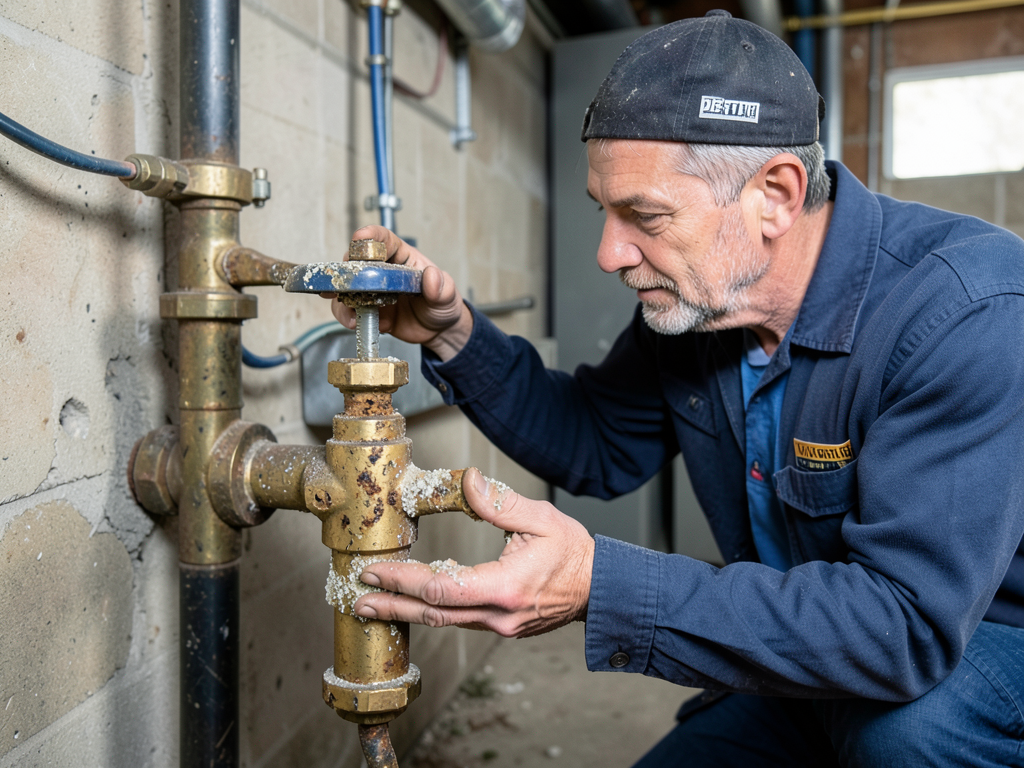
How to Check Your Main Water Shut-Off Valve Before an Emergency in Woodhaven
Your main water shut-off valve is the single most important control point in your home’s plumbing system. In a sudden pipe burst or major leak, knowing exactly where it is and how to operate it can save you thousands of dollars in water damage. This guide walks you through finding, testing, and maintaining your shut-off valve specifically for Woodhaven homes, where many houses were built between the 1950s and 1970s and may have aging gate valves that can seize over time. Finding a Reliable Emergency Plumber in Midtown Detroit When Your Pipes Burst.
Woodhaven’s residential areas, particularly near the Telegraph Road corridor and west of I-75, often feature split-level and ranch-style homes with basements where the main valve is typically located near the front foundation wall. The Detroit Water and Sewerage Department (DWSD) maintains water service up to your property line, but everything from the curb stop to your home is your responsibility. A stuck or corroded valve during an emergency is a nightmare scenario we see too often. EPA lead service line replacement guidelines.
- Locate the Valve
Start in your basement near the front foundation wall, typically 3-5 feet from where the water line enters. Look for a pipe coming up through the floor or wall with a valve on it.. Read more about Why You Have Low Water Pressure Only in Your Garden Hose in Canton.
- Identify the Valve Type
Ball valves have a lever handle that moves 90 degrees. Gate valves have a round wheel handle that turns multiple times.
- Test the Operation
Turn the valve clockwise (right) to shut off. If it’s a gate valve, turn it until fully closed. For ball valves, the handle should move smoothly 90 degrees.
- Check for Leaks
Once closed, check the valve stem and connections for any moisture or corrosion.
- Document the Location
Take a photo and note the exact location for family members and emergency responders.
Common Valve Locations in Woodhaven Homes
Woodhaven’s housing stock, developed primarily in the post-war era, follows predictable patterns for valve placement. Most homes built before 1980 have the main shut-off valve in the basement, typically on the front wall closest to the street. This placement aligns with the water main’s path from the street to your home.
In split-level homes common to the area, you’ll often find the valve near the bottom of the stairs or in a utility closet. Ranch-style homes typically have it in the mechanical room alongside the water heater and furnace. Some homes near the I-75 corridor have crawl spaces instead of full basements, which can make valve access more challenging and increase the risk of freezing in winter.
Older homes near the Telegraph Road commercial district may have original gate valves that are brass or bronze with threaded connections. These valves are prone to seizing if not exercised annually. Modern replacements use ball valves with compression fittings that are more reliable but still require periodic testing. Commercial Toilet & Urinal Repair.
Ball Valve vs. Gate Valve: What’s in Your Home?
Understanding which type of valve you have is crucial for proper maintenance. Ball valves, common in homes built after 1990, use a rotating ball with a hole through it. When the handle is parallel to the pipe, water flows. When perpendicular, it’s shut off. These valves are reliable and rarely fail when operated correctly.
Gate valves, found in most Woodhaven homes built before 1980, use a rising or non-rising stem that moves a metal gate up and down. These valves are prone to several failure modes: the stem can break, the gate can seize to the body, or the packing around the stem can leak. The Michigan Plumbing Code (Section 604.8) requires accessible shut-off valves, but many older homes have valves buried behind drywall or in hard-to-reach locations. Michigan Lead Line Replacement Program.
To identify your valve type, look at the handle. A round wheel handle that turns multiple times indicates a gate valve. A lever handle that only moves 90 degrees indicates a ball valve. Gate valves should only be turned when you need to shut off water completely – repeatedly opening and closing them can accelerate wear on the internal components.
The Street Side vs. House Side Valve Setup
Detroit’s water infrastructure follows a specific layout that affects your responsibility as a homeowner. The water main runs under the street, and DWSD maintains a valve called the curb stop at your property line. From there, a buried service line runs to your home where it connects to your main shut-off valve.
The curb stop is typically located near the sidewalk in a small box with a removable lid. Only DWSD personnel with special tools can operate this valve. Your main shut-off valve, located inside your home, is what you need to know about. This valve controls all water entering your home’s plumbing system. Plumbing Dearborn.
Between the curb stop and your main valve, the pipe material varies by home age. Pre-1950 homes often have lead service lines, while homes from the 1950s-1970s typically have galvanized steel or copper. The Detroit Water and Sewerage Department has been replacing lead service lines as part of a city-wide initiative, but many homes still have the original materials. If you have a lead service line, consider having it replaced – not just for emergency access, but for health reasons.
What to Do If Your Valve is Stuck or Leaking
A stuck valve is one of the most common emergency plumbing issues we encounter in Woodhaven. If your valve won’t turn, don’t force it – you could break the stem or damage the pipe. First, try penetrating oil like WD-40 around the stem. Let it sit for 15-20 minutes, then try turning again with steady pressure.
If the valve still won’t move, you have a serious problem. A stuck valve means you cannot shut off your water in an emergency, which could lead to catastrophic flooding. This is especially dangerous in winter when frozen pipes can burst. The EPA recommends testing your main shut-off valve twice yearly – once before winter and once before summer.
Leaking valves indicate worn packing or a failing seal. Small drips can often be fixed by tightening the packing nut slightly. If tightening doesn’t stop the leak or if the valve is severely corroded, replacement is necessary. Never ignore a leaking valve – even small leaks waste water and can lead to mold growth in your basement.
When to Call a Professional Detroit Plumber
Some valve issues require professional intervention. Call a licensed plumber if your valve is seized and won’t turn, if you notice corrosion on the valve body or connections, if the valve leaks after tightening, or if you need to replace an old gate valve with a modern ball valve.
Professional replacement is also necessary if your valve is located in an inaccessible area, if you have a lead service line that needs replacement, or if you’re experiencing low water pressure throughout your home. The Michigan Plumbing Code requires that all valve replacements be performed by licensed plumbers to ensure proper installation and code compliance. Why Your Corktown Home Needs a Professional Sewer Line Inspection Before You Buy.
For Woodhaven residents, local plumbers understand the specific challenges of the area’s housing stock. Homes near the I-75 corridor often have shallow service lines that are vulnerable to freezing. Properties near the former industrial areas may have soil contamination that affects pipe integrity. A local plumber can assess these factors and recommend appropriate solutions. The Most Trusted Plumbers for Historical Home Pipe Restoration in Indian Village.
Don’t wait for an emergency to discover your valve doesn’t work. Call (313) 572-4144 today to schedule a valve inspection and testing. Our licensed Detroit plumbers can identify potential problems before they become disasters and ensure your home is protected against water damage.
Maintenance Tips for Your Main Water Shut-Off Valve
Annual maintenance can extend the life of your valve and ensure it works when you need it most. Twice yearly, turn your valve completely off and then back on. This exercise prevents the internal components from seizing. For gate valves, turn them fully clockwise until they stop, then back off about a quarter turn to prevent the gate from sticking in the fully closed position.
Check the valve body and connections for corrosion or mineral buildup. In Woodhaven’s hard water area, mineral deposits can accumulate on valve surfaces and affect operation. Clean visible corrosion with a wire brush and apply a silicone-based lubricant to the stem and handle mechanism.
Keep the area around your valve clear and accessible. Many homeowners store items in front of their valve, making it difficult to access during an emergency. Mark the valve location with a tag or label so anyone in your household can find it quickly. Consider installing a secondary valve on individual fixtures for added protection – this allows you to isolate problems without shutting off water to your entire home.
Emergency Preparation for Woodhaven Homeowners
Beyond knowing your valve location, prepare for plumbing emergencies by keeping essential tools nearby. A crescent wrench sized for your valve handle, a flashlight, and the phone number of a reliable emergency plumber should be readily accessible. Consider creating a home emergency kit that includes these items along with basic plumbing supplies.
Document your plumbing system layout. Take photos of your valve, water meter, and any visible pipes in your basement. Note the locations of individual fixture shut-off valves under sinks and behind toilets. This information is invaluable during an actual emergency when you need to act quickly.
Know your insurance coverage. Many homeowners policies cover sudden water damage but may have exclusions for maintenance-related issues. Review your policy and consider adding water backup coverage if you don’t already have it. Document your valve testing and maintenance – this can support insurance claims if you ever need to demonstrate you’ve taken reasonable precautions.
Frequently Asked Questions
How often should I test my main water shut-off valve?
Test your main shut-off valve twice yearly – once before winter and once before summer. This ensures the valve works when you need it and prevents internal components from seizing due to mineral buildup or corrosion.
What’s the difference between a ball valve and a gate valve?
Ball valves use a rotating ball with a hole through it and have a lever handle that moves 90 degrees. Gate valves use a rising or non-rising stem that moves a metal gate up and down and have a round wheel handle that turns multiple times.
Can I replace my own main water shut-off valve?
The Michigan Plumbing Code requires that valve replacements be performed by licensed plumbers. DIY replacement can lead to code violations, improper installation, and potential water damage if not done correctly.
How do I know if my valve is stuck?
A stuck valve won’t turn when you attempt to operate it, or it turns with excessive resistance. You may also hear grinding or feel roughness in the handle movement. If you encounter these symptoms, don’t force the valve – call a professional plumber.
What should I do if I can’t find my main shut-off valve?
If you can’t locate your main valve, check near the front foundation wall in your basement, typically 3-5 feet from where the water line enters. If it’s still not visible, you may have a finished basement where the valve is behind drywall. Contact a plumber to help locate it before an emergency occurs.
{
“@context”: “https://schema.org”,
“@type”: “BlogPosting”,
“headline”: “How to Check Your Main Water Shut-Off Valve Before an Emergency in Woodhaven”,
“description”: “Learn how to locate and test your main water shut-off valve in Woodhaven before a plumbing emergency strikes. Protect your home with these expert Detroit plumber tips.”,
“wordCount”: 1915,
“datePublished”: “2026-06-03T10:29:00.000Z”,
“dateModified”: “2026-06-03T10:29:00.000Z”,
“inLanguage”: “en-US”,
“mainEntityOfPage”: {
“@type”: “WebPage”,
“@id”: “https://ironwoodplumbingdetroit.com”
},
“publisher”: {
“@type”: “LocalBusiness”,
“name”: “Ironwood Plumbing Detroit”,
“url”: “https://ironwoodplumbingdetroit.com”
},
“author”: {
“@type”: “Organization”,
“name”: “Ironwood Plumbing Detroit”,
“url”: “https://ironwoodplumbingdetroit.com”
},
“image”: {
“@type”: “ImageObject”,
“url”: “https://ironwoodplumbingdetroit.com/wp-content/uploads/2026/03/how-to-check-your-main-water-shut-off-valve-before-1.png”
}
}
{
“@context”: “https://schema.org”,
“@type”: “Plumber”,
“name”: “Ironwood Plumbing Detroit”,
“url”: “https://ironwoodplumbingdetroit.com”,
“address”: {
“@type”: “PostalAddress”,
“addressLocality”: “Detroit”
},
“areaServed”: {
“@type”: “City”,
“name”: “Detroit”
}
}
{
“@context”: “https://schema.org”,
“@type”: “FAQPage”,
“mainEntity”: [
{
“@type”: “Question”,
“name”: “Ball Valve vs. Gate Valve: What’s in Your Home?”,
“acceptedAnswer”: {
“@type”: “Answer”,
“text”: “Understanding which type of valve you have is crucial for proper maintenance. Ball valves, common in homes built after 1990, use a rotating ball with a hole through it. When the handle is parallel to the pipe, water flows. When perpendicular, it’s shut off. These valves are reliable and rarely fail when operated correctly.”
}
},
{
“@type”: “Question”,
“name”: “How often should I test my main water shut-off valve?”,
“acceptedAnswer”: {
“@type”: “Answer”,
“text”: “Test your main shut-off valve twice yearly – once before winter and once before summer. This ensures the valve works when you need it and prevents internal components from seizing due to mineral buildup or corrosion.”
}
},
{
“@type”: “Question”,
“name”: “What’s the difference between a ball valve and a gate valve?”,
“acceptedAnswer”: {
“@type”: “Answer”,
“text”: “Ball valves use a rotating ball with a hole through it and have a lever handle that moves 90 degrees. Gate valves use a rising or non-rising stem that moves a metal gate up and down and have a round wheel handle that turns multiple times.”
}
},
{
“@type”: “Question”,
“name”: “Can I replace my own main water shut-off valve?”,
“acceptedAnswer”: {
“@type”: “Answer”,
“text”: “The Michigan Plumbing Code requires that valve replacements be performed by licensed plumbers. DIY replacement can lead to code violations, improper installation, and potential water damage if not done correctly.”
}
},
{
“@type”: “Question”,
“name”: “How do I know if my valve is stuck?”,
“acceptedAnswer”: {
“@type”: “Answer”,
“text”: “A stuck valve won’t turn when you attempt to operate it, or it turns with excessive resistance. You may also hear grinding or feel roughness in the handle movement. If you encounter these symptoms, don’t force the valve – call a professional plumber.”
}
},
{
“@type”: “Question”,
“name”: “What should I do if I can’t find my main shut-off valve?”,
“acceptedAnswer”: {
“@type”: “Answer”,
“text”: “If you can’t locate your main valve, check near the front foundation wall in your basement, typically 3-5 feet from where the water line enters. If it’s still not visible, you may have a finished basement where the valve is behind drywall. Contact a plumber to help locate it before an emergency occurs.”
}
}
]
}
{
“@context”: “https://schema.org”,
“@type”: “HowTo”,
“name”: “How to Check Your Main Water Shut-Off Valve”,
“step”: [
{
“@type”: “HowToStep”,
“position”: 1,
“name”: “Locate the Valve”,
“text”: “Start in your basement near the front foundation wall, typically 3-5 feet from where the water line enters. Look for a pipe coming up through the floor or wall with a valve on it.”
},
{
“@type”: “HowToStep”,
“position”: 2,
“name”: “Identify the Valve Type”,
“text”: “Ball valves have a lever handle that moves 90 degrees. Gate valves have a round wheel handle that turns multiple times.”
},
{
“@type”: “HowToStep”,
“position”: 3,
“name”: “Test the Operation”,
“text”: “Turn the valve clockwise (right) to shut off. If it’s a gate valve, turn it until fully closed. For ball valves, the handle should move smoothly 90 degrees.”
},
{
“@type”: “HowToStep”,
“position”: 4,
“name”: “Check for Leaks”,
“text”: “Once closed, check the valve stem and connections for any moisture or corrosion.”
},
{
“@type”: “HowToStep”,
“position”: 5,
“name”: “Document the Location”,
“text”: “Take a photo and note the exact location for family members and emergency responders.”
}
],
“image”: “https://ironwoodplumbingdetroit.com/wp-content/uploads/2026/03/how-to-check-your-main-water-shut-off-valve-before-1.png”
}
{
“@context”: “https://schema.org”,
“@type”: “BreadcrumbList”,
“itemListElement”: [
{
“@type”: “ListItem”,
“position”: 1,
“name”: “Home”,
“item”: “https://ironwoodplumbingdetroit.com”
},
{
“@type”: “ListItem”,
“position”: 2,
“name”: “Blog”,
“item”: “https://ironwoodplumbingdetroit.com/blog”
},
{
“@type”: “ListItem”,
“position”: 3,
“name”: “How to Check Your Main Water Shut-Off Valve Before an Emergency in Woodhaven”
}
]
}
{
“@context”: “https://schema.org”,
“@type”: “Service”,
“serviceType”: “Plumbing”,
“provider”: {
“@type”: “LocalBusiness”,
“name”: “Ironwood Plumbing Detroit”,
“url”: “https://ironwoodplumbingdetroit.com”
},
“areaServed”: {
“@type”: “City”,
“name”: “Detroit”
},
“description”: “Learn how to locate and test your main water shut-off valve in Woodhaven before a plumbing emergency strikes. Protect your home with these expert Detroit plumber tips.”
}