
Getting instant hot water in your Novi home with a recirculating pump
Waiting for hot water at the tap wastes time and thousands of gallons of water each year. In Novi homes, where winter temperatures drop well below freezing, that wait can feel even longer as cold water sits in uninsulated pipes. A hot water recirculating pump solves this problem by continuously circulating hot water through your plumbing system so it’s ready the moment you turn on the faucet. Plumbing Dearborn.
Ironwood Plumbing Detroit installs these systems throughout Novi and the surrounding Metro Detroit area. The technology works by creating a loop that keeps hot water moving through your pipes instead of letting it cool down in the lines. This means no more running the tap for two or three minutes just to get hot water for your shower or kitchen sink. Detroit Water and Sewerage Department rates.
The system typically includes a small pump installed near your water heater and either a dedicated return line or a bridge valve under the farthest sink. When the water temperature drops below a set point, the pump activates to push hot water through the loop. Modern units include timers and smart controls that run only when needed, minimizing energy use while maximizing convenience.. Read more about Is switching from an electric to a gas water heater worth it for your Redford home?.
Novi residents particularly benefit from these systems because the city’s water comes from the Great Lakes Water Authority system, which maintains cooler temperatures year-round. During Michigan winters, water entering your home can be near freezing, making the wait for hot water even more noticeable and wasteful.
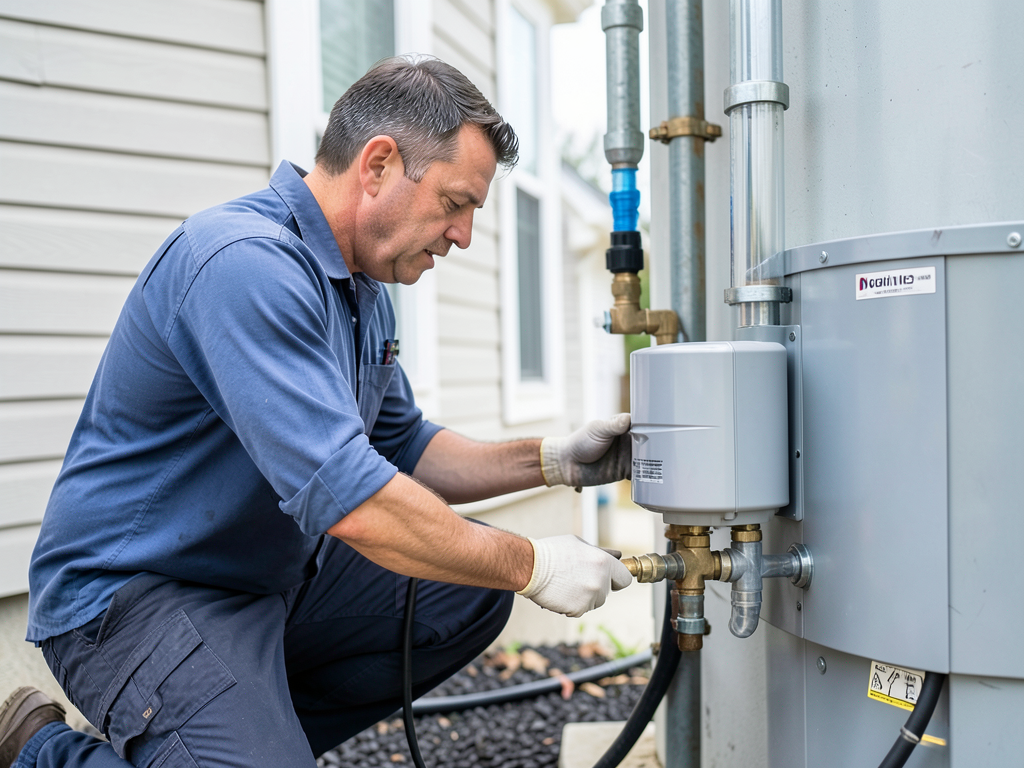
Installation takes just a few hours for most Novi homes. The pump mounts directly to your existing water heater, and the bridge valve installs under a sink without requiring any demolition. For homes with dedicated return lines already in place, installation is even simpler and more efficient.
How a hot water recirculating pump actually works
A hot water recirculating system creates a continuous loop that keeps hot water moving through your plumbing. The pump pushes water from the water heater through the hot water lines and back to the heater through either a dedicated return pipe or a bridge valve system. Plumbing Taylor.
The dedicated return line method requires a separate pipe running from the farthest fixture back to the water heater. This creates a true loop where water circulates continuously. While this method provides the most consistent results, it requires additional plumbing that many Novi homes don’t have.. Read more about The best ways to insulate exposed plumbing in your Palmer Woods crawl space.
The bridge valve system is more common for retrofits in existing homes. A thermostatic valve installs under the sink farthest from the water heater. When the water in the hot line cools below about 95 degrees Fahrenheit, the valve opens and allows cooled water to flow into the cold water line back to the heater. This creates a loop without requiring new pipes.
Modern recirculating pumps include several control options. Basic models run continuously, while advanced units use timers, aquastats, or smart controls. Aquastats monitor water temperature and activate the pump only when needed. Smart models can connect to Wi-Fi and learn your usage patterns, running only during typical hot water demand times.
Energy consumption varies by model. A typical pump uses about 25-45 watts when running, similar to a standard light bulb. Since the pump runs intermittently rather than continuously, annual electricity costs usually range from $10 to $30 depending on usage patterns and local DTE Energy rates. DTE Energy efficiency rebates.
Benefits of installing a recirculating pump in your Novi home
The primary benefit is instant hot water at every fixture. No more waiting at the kitchen sink while water runs down the drain. This convenience alone makes the system worthwhile for many homeowners, but the benefits extend far beyond comfort. The Best Drain Cleaning Services for Older Houses in Grosse Pointe.
Water conservation represents a major advantage in Novi. A typical household wastes 3,000 to 12,000 gallons annually waiting for hot water. At current Detroit Water and Sewerage Department rates, that waste costs $40 to $160 per year just in water and sewer charges. The environmental impact is even more significant when you consider the energy used to treat and pump that wasted water.
Energy efficiency improves because the system reduces the amount of cold water entering your water heater. When you run the tap until hot water arrives, you’re sending that cooled hot water back into the heater, forcing it to reheat water it already warmed once. The recirculating system prevents this cycle, potentially reducing water heating costs by 5-10%.
Home value increases with modern plumbing upgrades. Home buyers in Novi’s competitive real estate market appreciate energy-efficient features and water-saving technology. A recirculating system demonstrates that a home has been updated with thoughtful, practical improvements.
Reduced wear on fixtures occurs because less water flows through them. The constant cycling of hot and cold water through faucets and shower valves causes wear over time. With a recirculating system, these components experience less temperature cycling and water hammer effects.. Read more about Comparing Moen and Delta faucets for your Birmingham kitchen upgrade.
Cost-benefit analysis for Novi homeowners
Installation costs for a hot water recirculating system in Novi typically range from $450 to $1,200 depending on the system type and installation complexity. Basic bridge valve systems cost less than dedicated return line installations, which may require additional piping.
The pump itself costs $150 to $400, with higher-end smart models commanding premium prices. Professional installation by a licensed plumber in Novi adds $300 to $800 for labor, depending on your home’s configuration and any necessary modifications.
Annual operating costs average $15 to $35 for electricity plus potential increases in water heating costs if the system runs frequently. However, these costs are often offset by water savings. At DWSD rates of approximately $4.50 per 1,000 gallons for water and sewer combined, saving 5,000 gallons annually saves about $22.50.
Payback period typically ranges from 2 to 5 years when considering both water savings and the value of convenience. For larger homes where the wait for hot water exceeds two minutes, payback occurs faster due to greater water waste.
Energy efficiency rebates may be available through DTE Energy’s Home Energy Efficiency programs. While not all recirculating systems qualify, checking with DTE can potentially offset some installation costs.
Is a recirculating pump right for your Novi home
Large homes benefit most from recirculating systems. If your water heater is more than 30 feet from any fixture, you likely experience noticeable wait times. Homes over 2,000 square feet in Novi almost always benefit from these systems.
Older homes with galvanized steel pipes may need additional consideration. Scale buildup in these pipes can reduce flow rates and affect system performance. A professional inspection can determine if your existing plumbing can support efficient recirculation.
Tankless water heater compatibility varies by model. Some tankless units include built-in recirculation features, while others may not work well with external pumps. Check your water heater specifications before installation. Getting a Tankless Water Heater Installed in Your Downtown Detroit Loft.
Water quality affects system longevity. Novi’s water from the Great Lakes system is considered moderately hard, with mineral content that can affect pump components over time. Units with stainless steel components and easy-to-clean filters perform better in areas with hard water.
Climate considerations matter in Michigan. During extreme cold snaps, uninsulated pipes can cool hot water significantly within 30 minutes. In these cases, a system with smart controls that responds to temperature changes provides better performance than simple timer-based units.
Installation process and what to expect
The installation begins with a site assessment. A plumber evaluates your home’s plumbing layout, water heater location, and existing pipe configuration. This determines whether a bridge valve or dedicated return line system makes more sense for your situation.
Bridge valve installation requires minimal disruption. The plumber installs a small valve under the farthest sink, typically in a bathroom or kitchen. This valve connects the hot and cold lines and includes a thermostatic element that controls flow based on temperature.
Pump installation occurs at the water heater. The unit mounts directly to the hot water outlet using standard plumbing connections. Most modern pumps include built-in check valves to prevent backflow and isolation valves for easy maintenance.
Electrical requirements are minimal. The pump plugs into a standard 120-volt outlet, though some installations may require a new receptacle near the water heater. All electrical work follows National Electrical Code requirements.
Testing and calibration complete the installation. The plumber verifies proper flow, checks for leaks, and programs the control unit based on your preferences. Most systems are operational within 2-3 hours of starting work.
Maintenance requirements for long-term performance
Regular maintenance ensures your recirculating pump operates efficiently for years. The system requires minimal attention but benefits from periodic checks and cleaning.
Annual inspection should include checking the pump for unusual noise or vibration, which may indicate bearing wear or debris in the impeller. A properly functioning pump operates nearly silently.
Filter cleaning becomes necessary in areas with hard water or sediment. Most bridge valve systems include a removable screen that catches debris. Cleaning this filter every six months prevents flow restrictions and pump strain.
Check valve function verification ensures the system prevents cold water migration into hot water lines. A malfunctioning check valve can cause cold water to flow backward when the pump activates, reducing hot water availability.
Thermostat calibration may drift over time. If you notice the system activating too frequently or not often enough, the thermostatic element in the bridge valve may need adjustment or replacement.
Winter preparation in Novi includes checking pipe insulation, especially in unconditioned spaces like crawl spaces or garages. While the recirculating system helps prevent freezing by keeping water moving, proper insulation maximizes efficiency.
Frequently Asked Questions
How much electricity does a recirculating pump use?
Most residential pumps use 25-45 watts when running. Since they operate intermittently based on temperature or timers, annual electricity costs typically range from $10 to $30. Smart models with scheduling features use even less energy.
Will a recirculating pump increase my water heating costs?
The system may slightly increase water heating costs because hot water constantly circulates through pipes where it loses heat. However, this increase is usually offset by reduced water waste and the energy saved from not running cold water until it gets hot. Overall costs typically break even or show modest savings.
Can I install a recirculating pump myself?
While some homeowners attempt DIY installation, professional installation ensures proper setup and warranty coverage. The electrical connections, plumbing modifications, and system calibration require expertise to optimize performance and prevent issues like cross-connection between hot and cold lines.. Read more about Understanding the difference between PEX A and PEX B for your Berkley repipe.
Do recirculating pumps work with tankless water heaters?
Compatibility varies by tankless model. Some units include built-in recirculation features, while others may not function properly with external pumps. Check your water heater specifications or consult with a plumber before purchasing a system.
How long do recirculating pumps last?
Quality recirculating pumps typically last 10-15 years with proper maintenance. Factors affecting lifespan include water quality, usage patterns, and whether the pump includes features like run-dry protection. Bridge valve components may need replacement every 5-7 years in areas with hard water.
Will I notice higher water heating bills in winter?
Heat loss through pipes increases in winter, which may cause the pump to run more frequently. However, the system still provides water savings that offset increased heating costs. Insulating hot water pipes in unconditioned spaces minimizes this seasonal variation.
Making the decision for your Novi home
The choice to install a hot water recirculating pump depends on your priorities and home configuration. If waiting for hot water frustrates you daily, or if you’re concerned about water waste, the system offers immediate benefits.
Consider your home’s size and layout. Multi-story homes or those with bathrooms far from the water heater see the greatest improvements. Single-story ranch homes may benefit less unless fixtures are spread across a large footprint.
Evaluate your water usage patterns. Households with frequent hot water demand throughout the day benefit more than those with concentrated morning and evening usage. Smart controls can optimize performance for varying schedules.
Factor in local conditions. Novi’s water quality, climate, and utility rates all influence system performance and operating costs. A professional assessment can provide specific recommendations based on your home’s characteristics.
The investment typically pays for itself through water savings and increased convenience within a few years. Beyond the financial return, the daily comfort of instant hot water and the satisfaction of reducing water waste provide ongoing value.
Ready to stop waiting for hot water in your Novi home? Call (313) 572-4144 today to schedule your professional assessment. Our experienced plumbers will evaluate your home’s specific needs and recommend the best recirculating solution for your situation. Don’t wait another day to enjoy instant hot water throughout your home. Why Your Corktown Home Needs a Professional Sewer Line Inspection Before You Buy.
You may also find this helpful. A homeowner’s guide to flushing your tankless water heater in Grosse Pointe Park.
You may also find this helpful. The Real Reason Your Faucet Is Whistling in Pleasant Ridge (Troubleshooting Noisy Fixtures).
You may also find this helpful. Why Your Dishwasher Leaves a White Film on Glasses in Novi.
{
“@context”: “https://schema.org”,
“@type”: “BlogPosting”,
“headline”: “Getting instant hot water in your Novi home with a recirculating pump”,
“description”: “Stop waiting for hot water in your Novi home. Learn how recirculating pumps save water and energy with local installation by Ironwood Plumbing Detroit.”,
“wordCount”: 2137,
“datePublished”: “2026-05-05T10:34:00.000Z”,
“dateModified”: “2026-05-05T10:34:00.000Z”,
“inLanguage”: “en-US”,
“mainEntityOfPage”: {
“@type”: “WebPage”,
“@id”: “https://ironwoodplumbingdetroit.com”
},
“publisher”: {
“@type”: “LocalBusiness”,
“name”: “Ironwood Plumbing Detroit”,
“url”: “https://ironwoodplumbingdetroit.com”
},
“author”: {
“@type”: “Organization”,
“name”: “Ironwood Plumbing Detroit”,
“url”: “https://ironwoodplumbingdetroit.com”
},
“image”: {
“@type”: “ImageObject”,
“url”: “https://ironwoodplumbingdetroit.com/wp-content/uploads/2026/03/getting-instant-hot-water-in-your-novi-home-with-a-1.png”
}
}
{
“@context”: “https://schema.org”,
“@type”: “Plumber”,
“name”: “Ironwood Plumbing Detroit”,
“url”: “https://ironwoodplumbingdetroit.com”,
“address”: {
“@type”: “PostalAddress”,
“addressLocality”: “Detroit”
},
“areaServed”: {
“@type”: “City”,
“name”: “Detroit”
}
}
{
“@context”: “https://schema.org”,
“@type”: “FAQPage”,
“mainEntity”: [
{
“@type”: “Question”,
“name”: “How much electricity does a recirculating pump use?”,
“acceptedAnswer”: {
“@type”: “Answer”,
“text”: “Most residential pumps use 25-45 watts when running. Since they operate intermittently based on temperature or timers, annual electricity costs typically range from $10 to $30. Smart models with scheduling features use even less energy.”
}
},
{
“@type”: “Question”,
“name”: “Will a recirculating pump increase my water heating costs?”,
“acceptedAnswer”: {
“@type”: “Answer”,
“text”: “The system may slightly increase water heating costs because hot water constantly circulates through pipes where it loses heat. However, this increase is usually offset by reduced water waste and the energy saved from not running cold water until it gets hot. Overall costs typically break even or show modest savings.”
}
},
{
“@type”: “Question”,
“name”: “Can I install a recirculating pump myself?”,
“acceptedAnswer”: {
“@type”: “Answer”,
“text”: “While some homeowners attempt DIY installation, professional installation ensures proper setup and warranty coverage. The electrical connections, plumbing modifications, and system calibration require expertise to optimize performance and prevent issues like cross-connection between hot and cold lines.”
}
},
{
“@type”: “Question”,
“name”: “Do recirculating pumps work with tankless water heaters?”,
“acceptedAnswer”: {
“@type”: “Answer”,
“text”: “Compatibility varies by tankless model. Some units include built-in recirculation features, while others may not function properly with external pumps. Check your water heater specifications or consult with a plumber before purchasing a system.”
}
},
{
“@type”: “Question”,
“name”: “How long do recirculating pumps last?”,
“acceptedAnswer”: {
“@type”: “Answer”,
“text”: “Quality recirculating pumps typically last 10-15 years with proper maintenance. Factors affecting lifespan include water quality, usage patterns, and whether the pump includes features like run-dry protection. Bridge valve components may need replacement every 5-7 years in areas with hard water.”
}
},
{
“@type”: “Question”,
“name”: “Will I notice higher water heating bills in winter?”,
“acceptedAnswer”: {
“@type”: “Answer”,
“text”: “Heat loss through pipes increases in winter, which may cause the pump to run more frequently. However, the system still provides water savings that offset increased heating costs. Insulating hot water pipes in unconditioned spaces minimizes this seasonal variation.”
}
}
]
}
{
“@context”: “https://schema.org”,
“@type”: “BreadcrumbList”,
“itemListElement”: [
{
“@type”: “ListItem”,
“position”: 1,
“name”: “Home”,
“item”: “https://ironwoodplumbingdetroit.com”
},
{
“@type”: “ListItem”,
“position”: 2,
“name”: “Blog”,
“item”: “https://ironwoodplumbingdetroit.com/blog”
},
{
“@type”: “ListItem”,
“position”: 3,
“name”: “Getting instant hot water in your Novi home with a recirculating pump”
}
]
}
{
“@context”: “https://schema.org”,
“@type”: “Service”,
“serviceType”: “Plumbing”,
“provider”: {
“@type”: “LocalBusiness”,
“name”: “Ironwood Plumbing Detroit”,
“url”: “https://ironwoodplumbingdetroit.com”
},
“areaServed”: {
“@type”: “City”,
“name”: “Detroit”
},
“description”: “Stop waiting for hot water in your Novi home. Learn how recirculating pumps save water and energy with local installation by Ironwood Plumbing Detroit.”
}