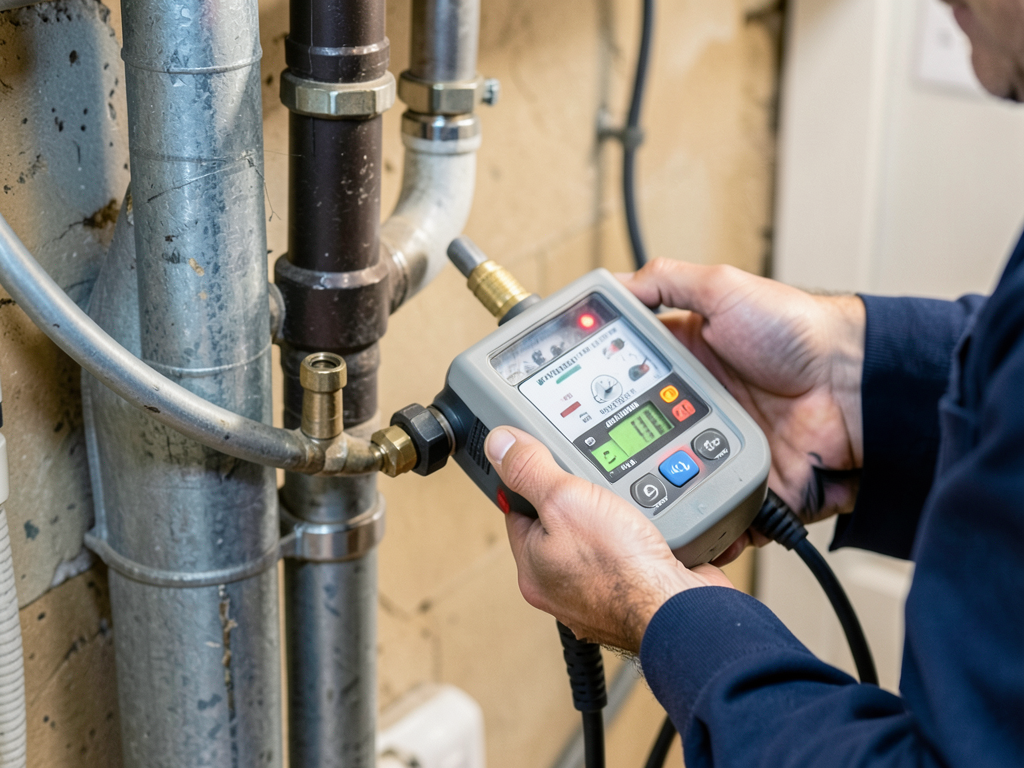







Detroit's municipal water system serves 4 million people across a 1,000-square-mile service area, creating pressure variations that stress backflow prevention devices. The Detroit Water and Sewerage Department operates multiple pumping stations to maintain pressure across this massive distribution network, but high-demand periods cause temporary pressure drops that can trigger backflow conditions. Commercial facilities in low-pressure zones near the city limits face higher backflow risk than properties in the urban core. Manufacturing operations that draw large water volumes create additional pressure differentials that increase the likelihood of reverse flow. These local conditions make functional backflow preventers and documented annual backflow compliance non-negotiable for Detroit businesses.
Detroit's Plumbing Code incorporates Michigan's cross-connection control regulations, which are among the strictest in the Midwest. The Detroit Water and Sewerage Department maintains an active enforcement program that identifies non-compliant properties and issues violation notices requiring immediate testing. Commercial properties that fail to maintain current backflow assembly testing records face escalating penalties that begin with fines and progress to water service disconnection. Local businesses need testers who understand Detroit's specific reporting requirements and maintain working relationships with the city's cross-connection control office. Ironwood Plumbing Detroit submits hundreds of test reports annually to Detroit's water authority, ensuring your documentation meets local standards and reaches the correct department without delays.