
Garden City homeowners with properties built before the 1970s may be living with a ticking time bomb underground. Orangeburg sewer pipe, a tar-paper-like material popular in post-World War II construction, was installed in thousands of Detroit-area homes during the housing boom. Unlike modern PVC or cast iron, this material deteriorates from the inside out, often without warning. By the time you notice problems, the damage is already severe.. Read more about Preventing Sewer Backups During Heavy Detroit Rainstorms with Backwater Valves.
The Michigan freeze-thaw cycle accelerates Orangeburg’s breakdown. Clay-heavy Detroit soil puts constant pressure on the weakened walls, causing them to compress and collapse. Many Garden City homes near the Detroit River experience higher water tables, which saturate the soil and increase hydrostatic pressure on aging sewer lines. If your home was built between 1945 and 1972, you need to know what’s buried beneath your yard before it fails.. Read more about The real performance difference between low-flow and high-efficiency toilets in Corktown.
What is Orangeburg Pipe and Why is it Failing in Michigan Homes?
Orangeburg pipe, also called bituminous fiber pipe, was manufactured from layers of wood pulp sealed with coal tar pitch. It was lightweight, cheap, and easy to install, making it popular during the post-war construction boom. The material was never intended to last more than 30-50 years. In Michigan’s harsh climate, that lifespan shrinks dramatically.
The pipe’s weakness comes from its composition. Unlike clay or cast iron, Orangeburg absorbs moisture and loses structural integrity over time. Michigan’s freeze-thaw cycles cause the material to expand and contract repeatedly. Clay soil in Garden City and surrounding areas compounds the problem by exerting lateral pressure on already-compromised pipes. The result is a pipe that slowly flattens until it either collapses completely or allows roots to penetrate and cause blockages.
Detroit Water and Sewerage Department records show that Orangeburg failures have increased by 40% over the past decade in older Detroit suburbs. The material’s failure rate accelerates after the 40-year mark, which means many Garden City homes are now at critical risk. Wayne County plumbing permits now require full disclosure of Orangeburg pipe during home sales, as lenders increasingly refuse to finance properties with known failures. EPA WaterSense.
Warning Signs Your Detroit Home Has Collapsing Orangeburg Pipes
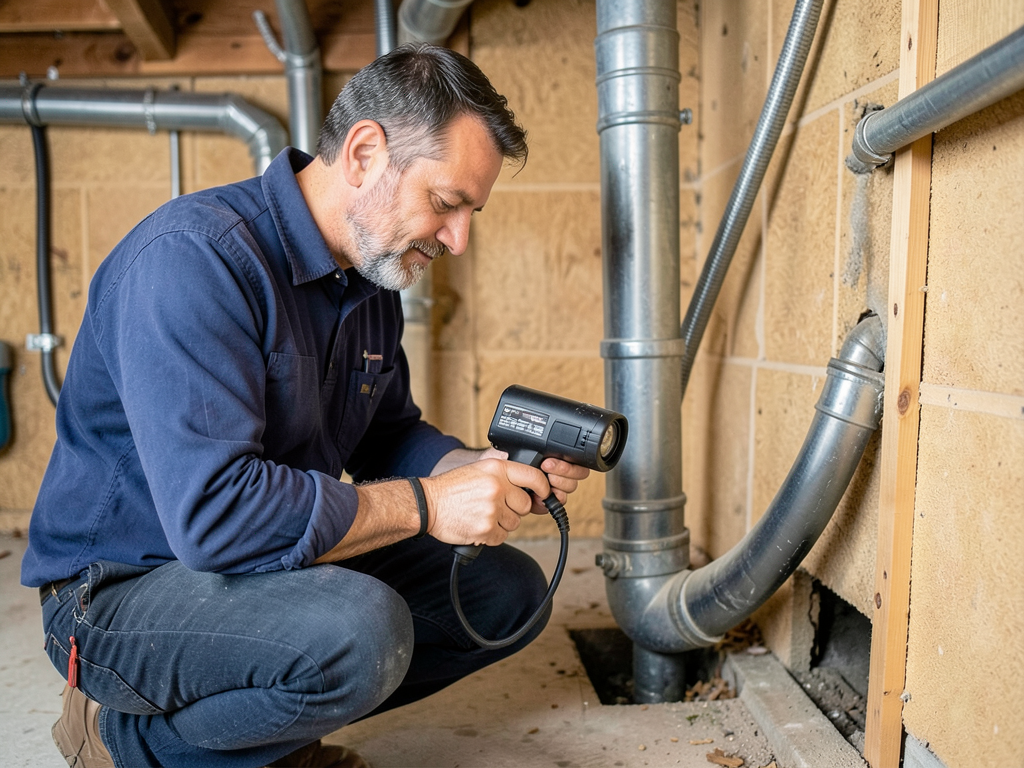
Orangeburg pipe failures develop gradually, but the warning signs are specific. You might notice recurring sewer backups that seem to clear temporarily, only to return weeks later. The smell of sulfur or rotten eggs near floor drains or in your yard indicates decomposing organic matter trapped in damaged pipes. Water pooling in your basement floor drain during heavy rains suggests the pipe can no longer handle normal flow volumes. The Best Drain Cleaning Services for Older Houses in Grosse Pointe.
Physical symptoms include sinkholes or depressions in your yard, especially along the path where sewer lines run. The ground may feel soft or spongy when walked on. You might hear gurgling sounds from toilets or drains when other fixtures are used. These noises indicate air trapped in damaged pipe sections. In some cases, you’ll notice patches of unusually lush grass, which occurs when sewage leaks fertilize the soil. Commercial Toilet & Urinal Repair.
Garden City’s clay soil makes these symptoms more pronounced. The soil’s poor drainage means water from leaking pipes has nowhere to go, creating persistent wet spots. If you experience two or more of these symptoms, immediate inspection is critical. The longer you wait, the more extensive and expensive the damage becomes.
Our Replacement Methods: Trenchless Pipe Bursting vs. Traditional Excavation
When Orangeburg pipe fails, replacement is the only permanent solution. Two methods dominate the industry: trenchless pipe bursting and traditional excavation. Each has specific advantages depending on your property’s layout and the extent of damage.
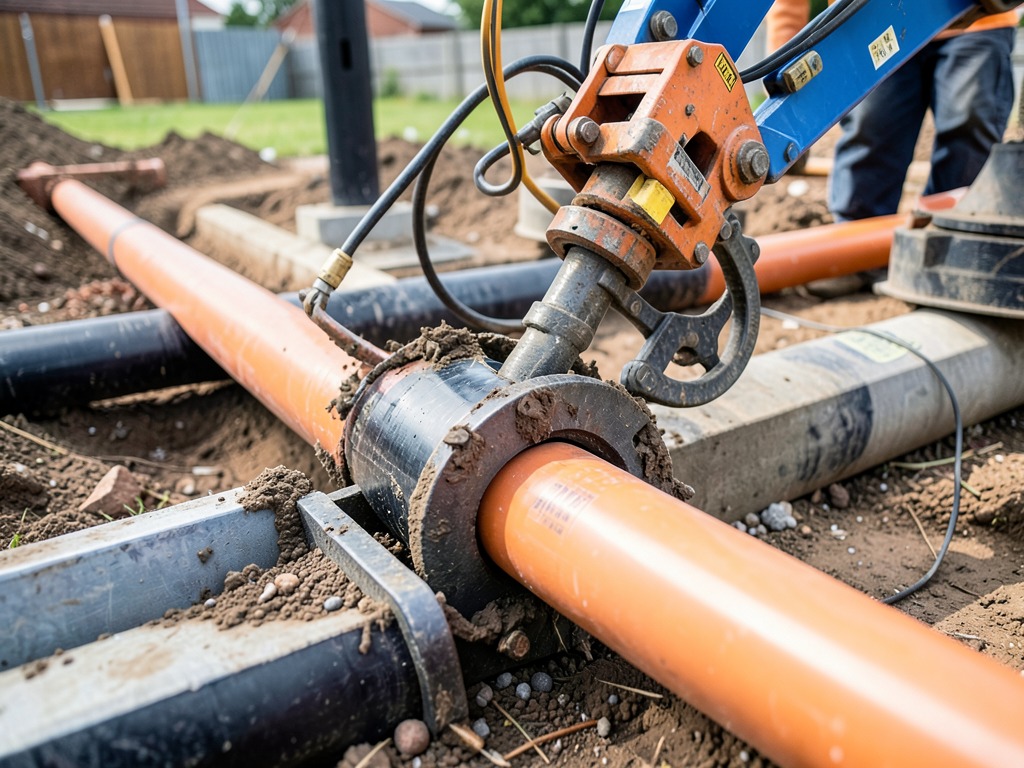
Trenchless pipe bursting involves pulling a new pipe through the existing line while simultaneously breaking apart the old Orangeburg pipe. This method requires only two small access points, typically at the house connection and the main sewer line. The process takes one to two days and preserves your landscaping, sidewalks, and driveway. Modern HDPE pipe used in bursting has a 100-year lifespan and resists root intrusion.
Traditional excavation involves digging a trench to remove the old pipe and install new PVC or cast iron. This method works best when the pipe location is unknown or when multiple utility lines complicate trenchless installation. Excavation typically takes three to five days and requires permits from the Detroit Water and Sewerage Department. While more disruptive, it allows visual inspection of surrounding soil conditions and identification of other potential issues.
The choice between methods depends on several factors. Trenchless works best when the pipe path is clear of other utilities and the soil is stable. Excavation becomes necessary when the pipe has already collapsed completely or when access points are limited by existing structures.. Read more about Understanding the Difference Between a Drain Snake and an Auger for Berkley Homeowners.
Why Trenchless is the Preferred Choice for Detroit Landscaping
Detroit’s mature neighborhoods, including Garden City, feature established landscaping that homeowners want to preserve. Mature trees, perennial gardens, and decorative concrete all add significant value to properties. Trenchless replacement protects these investments by minimizing surface disruption.
The process uses hydraulic machinery to pull a bursting head through the existing pipe. As the head moves forward, it fractures the Orangeburg pipe outward while simultaneously pulling the new HDPE pipe into place. The entire operation occurs underground, leaving your lawn, flower beds, and walkways intact. Most homeowners can’t even tell where the work occurred once the access points are restored.
Detroit’s building code allows trenchless replacement without full excavation permits in most residential areas, speeding up the process. The method also reduces the risk of disturbing unknown utility lines, which is crucial in older neighborhoods where records may be incomplete or inaccurate.
The Cost of Orangeburg Pipe Replacement in Southeast Michigan
Orangeburg pipe replacement costs in Garden City typically range from $3,500 to $8,000, depending on pipe length, method chosen, and site conditions. Trenchless replacement averages $4,500 to $6,000 for a standard residential line. Traditional excavation costs $5,000 to $8,000 but may increase if extensive landscaping restoration is needed.
Several factors influence pricing. Pipe length is the primary determinant, with most residential lines running 50 to 100 feet from the house to the main sewer. Soil conditions affect labor costs, as clay soil requires more careful excavation to prevent cave-ins. Access limitations, such as decks, patios, or mature trees, may require additional planning and equipment.
Homeowner’s insurance may cover Orangeburg replacement if the failure causes damage to your home’s foundation or interior. Many policies exclude sewer line replacement, but some offer optional riders that cover these costs. Check your policy or contact your insurance provider to understand your coverage. Some Detroit-area plumbers offer financing options to spread the cost over manageable monthly payments. The Most Trusted Plumbers for Historical Home Pipe Restoration in Indian Village.
Why Choose a Local Detroit Specialist for Sewer Repair?
Orangeburg pipe replacement requires specific expertise that general plumbers may lack. Detroit’s soil composition, building codes, and weather patterns create unique challenges that local specialists understand intimately. A Detroit-based company knows how to navigate the permit process with the Detroit Water and Sewerage Department and understands the specific requirements for sewer line work in Wayne County.
Local specialists also understand the historical context of Orangeburg installation. They know which neighborhoods were built during the post-war boom and can often identify pipe locations based on neighborhood patterns. This knowledge reduces inspection time and improves diagnostic accuracy. They also understand how Detroit’s combined sewer system affects replacement strategies, particularly in areas prone to overflow during heavy rains.
Experience matters when dealing with emergency situations. Orangeburg pipes can fail suddenly, causing sewage backups that damage your home. Local specialists maintain emergency response teams that can address these situations quickly. They also understand the importance of minimizing disruption in established neighborhoods where residents value their peace and quiet.
Garden City’s proximity to Detroit means local specialists can respond quickly to inspection requests and provide same-day service when necessary. They also maintain relationships with local suppliers, ensuring they have the right materials and equipment on hand when you need them.
Frequently Asked Questions
How long does Orangeburg pipe typically last in Michigan?
Orangeburg pipe has a theoretical lifespan of 30-50 years under ideal conditions. In Michigan’s freeze-thaw climate and clay soil, most pipes fail between 30-40 years after installation. Many Garden City homes built in the 1950s and 1960s are now at or beyond this critical age.
Can I repair Orangeburg pipe instead of replacing it?
No. Orangeburg pipe cannot be effectively repaired. The material’s composition means any patch or liner will fail quickly as the surrounding pipe continues to deteriorate. Replacement is the only permanent solution. Temporary fixes may provide short-term relief but will fail again, often at the worst possible time.
How do I know if my home has Orangeburg pipe?
If your home was built between 1945 and 1972 in the Detroit area, it likely has Orangeburg pipe. A professional sewer camera inspection can confirm this. The inspection involves inserting a camera into your cleanout to visually inspect the pipe’s interior. Orangeburg pipe has a distinctive dark, tar-like appearance and often shows signs of deformation or collapse.
Will replacing Orangeburg pipe increase my home’s value?
Yes. Replacing Orangeburg pipe with modern materials can increase your home’s value by $5,000 to $10,000. It also makes your home more attractive to buyers and lenders. Many real estate transactions now require Orangeburg replacement before closing, so addressing this proactively can prevent sale delays.
How long does the replacement process take?
Trenchless replacement typically takes one to two days, including inspection, permitting, and installation. Traditional excavation takes three to five days due to the additional time required for trenching and restoration. Weather conditions may affect timelines, particularly during Michigan’s winter months.
Don’t wait for your Orangeburg pipe to fail catastrophically. The signs are there if you know what to look for. Garden City’s older homes deserve modern plumbing that can handle Michigan’s challenging climate. Call (313) 572-4144 today to schedule your professional inspection and protect your home from unexpected sewer line failure. For more information, visit CDC Healthy Water.
You may also find this helpful. What Causes a Gurgling Toilet When the Shower Runs in Your Southgate Home?.
You may also find this helpful. Why your Hubbard Richard guest bathroom smells like a sewer when it’s not in use.
{
“@context”: “https://schema.org”,
“@type”: “BlogPosting”,
“headline”: “Is Your Garden City Sewer Pipe Made of Orangeburg? (The Hidden Risks for Older Homes)”,
“description”: “Detroit homeowners beware. Orangeburg pipe can fail suddenly. Learn how to spot it and why expert replacement is critical for your Garden City home.”,
“wordCount”: 1667,
“datePublished”: “2026-05-20T08:45:00.000Z”,
“dateModified”: “2026-05-20T08:45:00.000Z”,
“inLanguage”: “en-US”,
“mainEntityOfPage”: {
“@type”: “WebPage”,
“@id”: “https://ironwoodplumbingdetroit.com”
},
“publisher”: {
“@type”: “LocalBusiness”,
“name”: “Ironwood Plumbing Detroit”,
“url”: “https://ironwoodplumbingdetroit.com”
},
“author”: {
“@type”: “Organization”,
“name”: “Ironwood Plumbing Detroit”,
“url”: “https://ironwoodplumbingdetroit.com”
},
“image”: {
“@type”: “ImageObject”,
“url”: “https://ironwoodplumbingdetroit.com/wp-content/uploads/2026/03/is-your-garden-city-sewer-pipe-made-of-orangeburg-1.png”
}
}
{
“@context”: “https://schema.org”,
“@type”: “Plumber”,
“name”: “Ironwood Plumbing Detroit”,
“url”: “https://ironwoodplumbingdetroit.com”,
“address”: {
“@type”: “PostalAddress”,
“addressLocality”: “Detroit”
},
“areaServed”: {
“@type”: “City”,
“name”: “Detroit”
}
}
{
“@context”: “https://schema.org”,
“@type”: “FAQPage”,
“mainEntity”: [
{
“@type”: “Question”,
“name”: “What is Orangeburg Pipe and Why is it Failing in Michigan Homes?”,
“acceptedAnswer”: {
“@type”: “Answer”,
“text”: “Orangeburg pipe, also called bituminous fiber pipe, was manufactured from layers of wood pulp sealed with coal tar pitch. It was lightweight, cheap, and easy to install, making it popular during the post-war construction boom. The material was never intended to last more than 30-50 years. In Michigan’s harsh climate, that lifespan shrinks dramatically.”
}
},
{
“@type”: “Question”,
“name”: “Why Choose a Local Detroit Specialist for Sewer Repair?”,
“acceptedAnswer”: {
“@type”: “Answer”,
“text”: “Orangeburg pipe replacement requires specific expertise that general plumbers may lack. Detroit’s soil composition, building codes, and weather patterns create unique challenges that local specialists understand intimately. A Detroit-based company knows how to navigate the permit process with the Detroit Water and Sewerage Department and understands the specific requirements for sewer line work in Wayne County.”
}
},
{
“@type”: “Question”,
“name”: “How long does Orangeburg pipe typically last in Michigan?”,
“acceptedAnswer”: {
“@type”: “Answer”,
“text”: “Orangeburg pipe has a theoretical lifespan of 30-50 years under ideal conditions. In Michigan’s freeze-thaw climate and clay soil, most pipes fail between 30-40 years after installation. Many Garden City homes built in the 1950s and 1960s are now at or beyond this critical age.”
}
},
{
“@type”: “Question”,
“name”: “Can I repair Orangeburg pipe instead of replacing it?”,
“acceptedAnswer”: {
“@type”: “Answer”,
“text”: “No. Orangeburg pipe cannot be effectively repaired. The material’s composition means any patch or liner will fail quickly as the surrounding pipe continues to deteriorate. Replacement is the only permanent solution. Temporary fixes may provide short-term relief but will fail again, often at the worst possible time.”
}
},
{
“@type”: “Question”,
“name”: “How do I know if my home has Orangeburg pipe?”,
“acceptedAnswer”: {
“@type”: “Answer”,
“text”: “If your home was built between 1945 and 1972 in the Detroit area, it likely has Orangeburg pipe. A professional sewer camera inspection can confirm this. The inspection involves inserting a camera into your cleanout to visually inspect the pipe’s interior. Orangeburg pipe has a distinctive dark, tar-like appearance and often shows signs of deformation or collapse.”
}
},
{
“@type”: “Question”,
“name”: “Will replacing Orangeburg pipe increase my home’s value?”,
“acceptedAnswer”: {
“@type”: “Answer”,
“text”: “Yes. Replacing Orangeburg pipe with modern materials can increase your home’s value by $5,000 to $10,000. It also makes your home more attractive to buyers and lenders. Many real estate transactions now require Orangeburg replacement before closing, so addressing this proactively can prevent sale delays.”
}
},
{
“@type”: “Question”,
“name”: “How long does the replacement process take?”,
“acceptedAnswer”: {
“@type”: “Answer”,
“text”: “Trenchless replacement typically takes one to two days, including inspection, permitting, and installation. Traditional excavation takes three to five days due to the additional time required for trenching and restoration. Weather conditions may affect timelines, particularly during Michigan’s winter months.”
}
}
]
}
{
“@context”: “https://schema.org”,
“@type”: “BreadcrumbList”,
“itemListElement”: [
{
“@type”: “ListItem”,
“position”: 1,
“name”: “Home”,
“item”: “https://ironwoodplumbingdetroit.com”
},
{
“@type”: “ListItem”,
“position”: 2,
“name”: “Blog”,
“item”: “https://ironwoodplumbingdetroit.com/blog”
},
{
“@type”: “ListItem”,
“position”: 3,
“name”: “Is Your Garden City Sewer Pipe Made of Orangeburg? (The Hidden Risks for Older Homes)”
}
]
}
{
“@context”: “https://schema.org”,
“@type”: “Service”,
“serviceType”: “Plumbing”,
“provider”: {
“@type”: “LocalBusiness”,
“name”: “Ironwood Plumbing Detroit”,
“url”: “https://ironwoodplumbingdetroit.com”
},
“areaServed”: {
“@type”: “City”,
“name”: “Detroit”
},
“description”: “Detroit homeowners beware. Orangeburg pipe can fail suddenly. Learn how to spot it and why expert replacement is critical for your Garden City home.”
}