
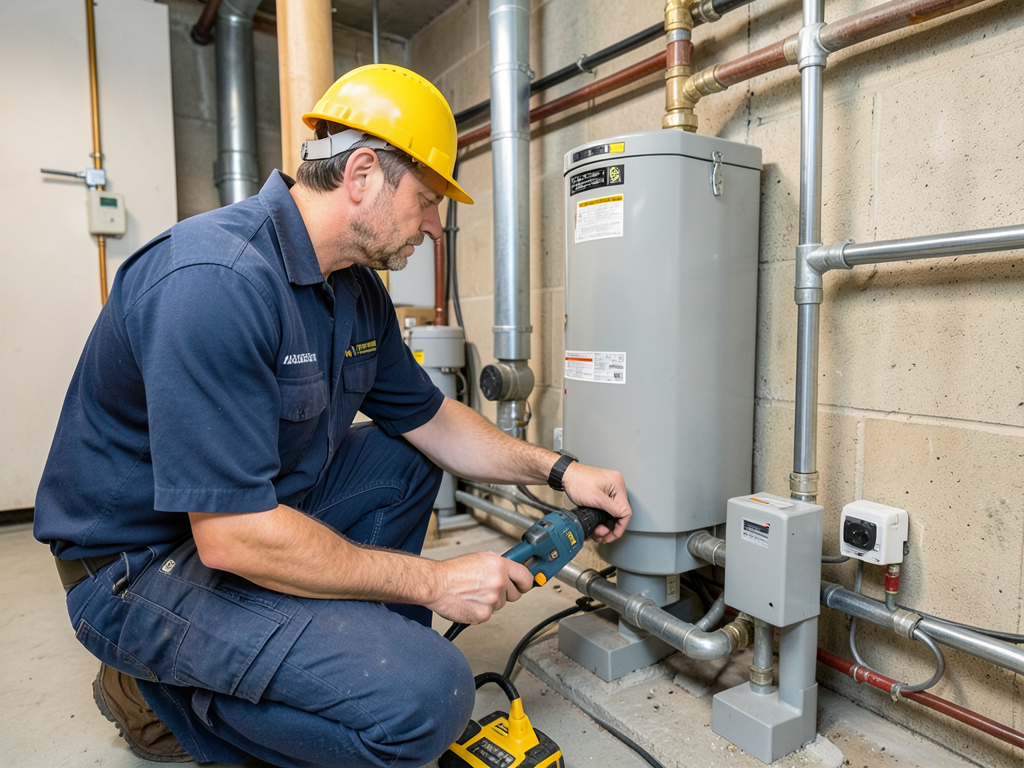
Setting up a greywater recycling system for your eco-friendly Ann Arbor home
Greywater recycling systems capture water from sinks, showers, and washing machines for reuse in irrigation and toilet flushing. In Ann Arbor, these systems can reduce household water consumption by up to 40% while complying with Michigan Plumbing Code regulations. The installation process requires careful planning around local soil conditions, seasonal freeze protection, and proper filtration to ensure safe non-potable water use. Michigan Plumbing Code.
Ann Arbor’s clay-heavy soil and freeze-thaw cycles create unique challenges for greywater systems. The University of Michigan campus and surrounding neighborhoods like Burns Park and Old West Side experience water table fluctuations that affect subsurface irrigation. Professional installation ensures your system meets Michigan Residential Code Appendix C requirements while maximizing water savings during the region’s growing season.. Read more about Getting instant hot water in your Novi home with a recirculating pump.
Understanding greywater regulations in Michigan
Michigan’s Plumbing Code classifies greywater as non-potable wastewater from bathroom sinks, showers, and laundry excluding kitchen sinks and dishwashers. The Michigan Residential Code Appendix C specifically addresses greywater systems, requiring NSF/ANSI 350 certified treatment units for subsurface discharge. Ann Arbor’s building department mandates permits for all greywater installations, with inspections verifying proper backflow prevention and cross-connection control. NSF/ANSI 350 certification.
The Washtenaw County Health Department oversees greywater system approvals, ensuring compliance with EPA guidelines for non-potable water reuse. Systems must maintain minimum separation distances from property lines and potable water lines – typically 5 feet horizontally and 18 inches vertically. The City of Ann Arbor’s stormwater management regulations also influence system design, particularly for properties near the Huron River or in flood-prone areas like the floodplain near Gallup Park. City of Ann Arbor building department.
Types of greywater systems for Ann Arbor homes
Gravity-fed systems work best for Ann Arbor’s older homes in neighborhoods like Kerrytown and Water Hill. These systems use elevation changes to move water from collection points to irrigation areas without pumps. A typical gravity system costs $2,500-$4,000 and works well for properties with slopes of at least 2% grade toward landscaped areas.
Pumped systems provide more flexibility for Ann Arbor’s flat lots and can distribute water uphill to elevated garden beds. These systems range from $4,000-$8,000 and include filtration, pumps, and control panels. The University of Michigan’s sustainability office installed pumped systems in several campus buildings, demonstrating their effectiveness in Michigan’s climate.
Treated greywater systems use NSF/ANSI 350 certified units to produce higher quality water suitable for broader irrigation use. These systems cost $6,000-$12,000 but provide the most flexibility and longest system lifespan. The filtration process removes soaps, detergents, and particulates before water reaches your landscape.
Installation process for Ann Arbor properties
Professional greywater installation follows a specific sequence to ensure code compliance and system longevity. The process begins with a site assessment evaluating soil percolation rates, existing plumbing layouts, and irrigation needs. Ann Arbor’s clay soil typically requires 48-72 hour percolation tests to determine absorption capacity. Why Your Corktown Home Needs a Professional Sewer Line Inspection Before You Buy.
System design incorporates Michigan’s climate requirements, including freeze protection for pipes and valves. The installation team must locate all existing utilities before trenching, using Ann Arbor’s MISS DIG service to prevent damage to underground infrastructure. Backflow preventers prevent contamination of the potable water supply, a critical requirement under Michigan Plumbing Code Section 312.7. Plumbing Dearborn.
Final inspection by the City of Ann Arbor building department verifies proper installation before system activation. The inspector checks pipe slopes, valve accessibility, and documentation of all permits and approvals. Most installations require 2-3 days for complete setup, with additional time for final inspections and system testing.
Winterization and seasonal maintenance
Ann Arbor’s harsh winters require specific winterization procedures for greywater systems. The freeze-thaw cycles common in Michigan can damage pipes and valves if water remains in exposed components. Professional winterization includes draining all exposed lines, insulating critical components, and shutting down pumps to prevent ice damage. The Best Drain Cleaning Services for Older Houses in Grosse Pointe.
Spring startup involves inspecting all components for winter damage, testing backflow preventers, and cleaning filters. The system requires monthly maintenance during the growing season, including filter cleaning and checking for clogs in irrigation lines. Ann Arbor’s heavy spring rains can overwhelm greywater systems, requiring overflow provisions to prevent flooding.
Annual professional maintenance includes testing all safety controls, verifying water quality, and updating system settings based on seasonal water needs. The University of Michigan’s campus operations team maintains greywater systems year-round, providing valuable data on system longevity in Michigan’s climate.
Cost considerations and ROI for Ann Arbor homeowners
Greywater system installation costs in Ann Arbor range from $2,500 for basic gravity systems to $12,000 for fully automated treated systems. The City of Ann Arbor’s water rates of $5.85 per 1,000 gallons make water savings calculations straightforward. A typical household can save 20,000-40,000 gallons annually, translating to $117-$234 in direct water cost savings.
Additional savings come from reduced stormwater fees and potential tax incentives. The Michigan Saves program offers low-interest financing for water conservation improvements, while some Ann Arbor properties qualify for stormwater fee reductions through the city’s Green Stormwater Infrastructure credit program. Properties in the Burns Park and Old West Side historic districts may qualify for additional incentives through preservation programs.
System lifespan averages 15-20 years with proper maintenance, providing long-term returns on investment. The University of Michigan’s sustainability office reports payback periods of 5-7 years for campus installations, with ongoing savings covering maintenance costs.
Environmental benefits for the Ann Arbor community
Greywater systems reduce strain on Ann Arbor’s combined sewer system, particularly during heavy rainfall events. The Huron River watershed benefits from reduced nutrient loading when greywater replaces potable water for irrigation. The City of Ann Arbor’s Climate Action Plan specifically mentions water conservation as a key strategy for reducing municipal energy use.
Local landscaping benefits from consistent moisture during dry periods, reducing the need for potable irrigation. The system supports Ann Arbor’s urban forest by providing reliable water for street trees and park plantings. The University of Michigan’s campus demonstrates how institutional-scale greywater use can support large-scale landscaping without municipal water. Finding a Reliable Emergency Plumber in Midtown Detroit When Your Pipes Burst.
Greywater use also reduces the energy required to treat and pump municipal water, supporting Ann Arbor’s sustainability goals. The system contributes to the city’s 2030 Climate Neutrality Goal by reducing both water consumption and associated energy use.
Frequently Asked Questions
Is greywater safe for vegetable gardens?
Untreated greywater should not contact edible plant parts. Use subsurface irrigation for ornamental plants and dedicated potable water for vegetables. Treated systems meeting NSF/ANSI 350 standards can safely irrigate vegetable gardens when properly maintained.
How much maintenance do greywater systems require?
Monthly filter cleaning and quarterly system checks are standard. Professional maintenance once yearly includes backflow preventer testing and system optimization. Ann Arbor’s climate requires additional winterization procedures each fall.
Will a greywater system increase my property value?
Water conservation features appeal to eco-conscious buyers in Ann Arbor. The system may increase property value by $3,000-$7,000, particularly in neighborhoods with strong sustainability values like Burns Park and Water Hill.
Ready to install your Ann Arbor greywater system?
Professional installation ensures your system meets all Michigan Plumbing Code requirements while maximizing water savings. Our team understands Ann Arbor’s specific soil conditions, building codes, and climate challenges. We handle all permits, inspections, and ensure your system integrates seamlessly with existing plumbing.
Call (313) 572-4144 today to schedule your free site assessment. Our Michigan-licensed plumbers will evaluate your property, explain system options, and provide a detailed quote. Don’t wait until the next drought – start saving water and money now with a professionally installed greywater recycling system. The Most Trusted Plumbers for Historical Home Pipe Restoration in Indian Village.
Pick up the phone and call (313) 572-4144 before the next Ann Arbor growing season begins. Our team is ready to help you join the sustainable water use movement while ensuring your system meets all local code requirements.
You may also find this helpful. The real performance difference between low-flow and high-efficiency toilets in Corktown.
{
“@context”: “https://schema.org”,
“@type”: “BlogPosting”,
“headline”: “Setting up a greywater recycling system for your eco-friendly Ann Arbor home”,
“description”: “Learn how to install a greywater recycling system in Ann Arbor. Save water, meet Michigan Plumbing Code, and reduce your environmental impact.”,
“wordCount”: 1327,
“datePublished”: “2026-05-06T15:07:00.000Z”,
“dateModified”: “2026-05-06T15:07:00.000Z”,
“inLanguage”: “en-US”,
“mainEntityOfPage”: {
“@type”: “WebPage”,
“@id”: “https://ironwoodplumbingdetroit.com”
},
“publisher”: {
“@type”: “LocalBusiness”,
“name”: “Ironwood Plumbing Detroit”,
“url”: “https://ironwoodplumbingdetroit.com”
},
“author”: {
“@type”: “Organization”,
“name”: “Ironwood Plumbing Detroit”,
“url”: “https://ironwoodplumbingdetroit.com”
},
“image”: {
“@type”: “ImageObject”,
“url”: “https://ironwoodplumbingdetroit.com/wp-content/uploads/2026/03/setting-up-a-greywater-recycling-system-for-your-e-1.png”
}
}
{
“@context”: “https://schema.org”,
“@type”: “Plumber”,
“name”: “Ironwood Plumbing Detroit”,
“url”: “https://ironwoodplumbingdetroit.com”,
“address”: {
“@type”: “PostalAddress”,
“addressLocality”: “Detroit”
},
“areaServed”: {
“@type”: “City”,
“name”: “Detroit”
}
}
{
“@context”: “https://schema.org”,
“@type”: “FAQPage”,
“mainEntity”: [
{
“@type”: “Question”,
“name”: “Is greywater safe for vegetable gardens?”,
“acceptedAnswer”: {
“@type”: “Answer”,
“text”: “Untreated greywater should not contact edible plant parts. Use subsurface irrigation for ornamental plants and dedicated potable water for vegetables. Treated systems meeting NSF/ANSI 350 standards can safely irrigate vegetable gardens when properly maintained.”
}
},
{
“@type”: “Question”,
“name”: “How much maintenance do greywater systems require?”,
“acceptedAnswer”: {
“@type”: “Answer”,
“text”: “Monthly filter cleaning and quarterly system checks are standard. Professional maintenance once yearly includes backflow preventer testing and system optimization. Ann Arbor’s climate requires additional winterization procedures each fall.”
}
},
{
“@type”: “Question”,
“name”: “Will a greywater system increase my property value?”,
“acceptedAnswer”: {
“@type”: “Answer”,
“text”: “Water conservation features appeal to eco-conscious buyers in Ann Arbor. The system may increase property value by $3,000-$7,000, particularly in neighborhoods with strong sustainability values like Burns Park and Water Hill.”
}
},
{
“@type”: “Question”,
“name”: “Ready to install your Ann Arbor greywater system?”,
“acceptedAnswer”: {
“@type”: “Answer”,
“text”: “Professional installation ensures your system meets all Michigan Plumbing Code requirements while maximizing water savings. Our team understands Ann Arbor’s specific soil conditions, building codes, and climate challenges. We handle all permits, inspections, and ensure your system integrates seamlessly with existing plumbing.”
}
}
]
}
{
“@context”: “https://schema.org”,
“@type”: “BreadcrumbList”,
“itemListElement”: [
{
“@type”: “ListItem”,
“position”: 1,
“name”: “Home”,
“item”: “https://ironwoodplumbingdetroit.com”
},
{
“@type”: “ListItem”,
“position”: 2,
“name”: “Blog”,
“item”: “https://ironwoodplumbingdetroit.com/blog”
},
{
“@type”: “ListItem”,
“position”: 3,
“name”: “Setting up a greywater recycling system for your eco-friendly Ann Arbor home”
}
]
}
{
“@context”: “https://schema.org”,
“@type”: “Service”,
“serviceType”: “Plumbing”,
“provider”: {
“@type”: “LocalBusiness”,
“name”: “Ironwood Plumbing Detroit”,
“url”: “https://ironwoodplumbingdetroit.com”
},
“areaServed”: {
“@type”: “City”,
“name”: “Detroit”
},
“description”: “Learn how to install a greywater recycling system in Ann Arbor. Save water, meet Michigan Plumbing Code, and reduce your environmental impact.”
}